startupindiax.com
  • Home
  • News
  • Startup
  • Funding
  • Startup Stories
  • Sectors
    • Finance
    • Agritech
    • AI & DeepTech
    • Fintech
    • Green Energy
    • HealthTech
    • EV
    • Digital
    • Automobile
startupindiax.com
SUBSCRIBE
Sunday, January 25, 2026
  • Home
  • News
  • Startup
  • Funding
  • Startup Stories
  • Sectors
    • Finance
    • Agritech
    • AI & DeepTech
    • Fintech
    • Green Energy
    • HealthTech
    • EV
    • Digital
    • Automobile
startupindiax.com
startupindiax.com
  • Home
  • About Us
  • Privacy Policy
  • Contact

@2025 - All Right Reserved.

Krutrim Buys BharatSah’AI’yak
AIStartup

Krutrim Buys BharatSah’AI’yak: 5 Powerful Ways It Supercharges AI in Public Services

by Ismail Patel June 21, 2025
3 min read

Krutrim Buys BharatSah’AI’yak to Expand AI Footprint Across Public Sector, a landmark move that’s set to reshape India’s AI landscape. This acquisition of BharatSah’AI’yak, a Samagra-developed AI platform, promises to supercharge public services with cutting-edge, accessible technology. In this article, Startup INDIAX explores how Krutrim’s strategic acquisition enhances citizen engagement, scales cost-effective solutions, and aligns with India’s AI ambitions. From education to agriculture, we dive into the five powerful ways this deal transforms India’s public sector.

Table of Contents

Introduction: Krutrim Buys BharatSah’AI’yak
Understanding BharatSah’AI’yak’s Role in AI
Krutrim’s Mission to Expand AI Footprint Across Public Sector
Five Powerful Ways Krutrim Supercharges Public Sector AI
4.1 Revolutionizing Public Service Delivery
4.2 Scaling Affordable AI Solutions
4.3 Boosting Citizen Engagement with Conversational AI
4.4 Harnessing Samagra’s Expertise for Integration
4.5 Making AI Inclusive Across Diverse Sectors
Alignment with India’s AI Goals
Opportunities and Challenges for Krutrim
The Future of Krutrim and BharatSah’AI’yak
Conclusion: A New Era for Public Sector AI

Introduction: Krutrim Buys BharatSah’AI’yak

Picture a world where AI simplifies government processes, empowers farmers with instant insights, and makes education more accessible to all. That’s the future Krutrim is chasing with its acquisition of BharatSah’AI’yak, announced on June 20, 2025. Led by Bhavish Aggarwal, Krutrim, an AI unicorn, is making waves in India’s tech scene, and this move to expand AI footprint across public sector is a game-changer. At Startup INDIAX, we’re thrilled to unpack how this deal positions Krutrim to revolutionize public services and bring AI closer to every Indian.

Understanding BharatSah’AI’yak’s Role in AI

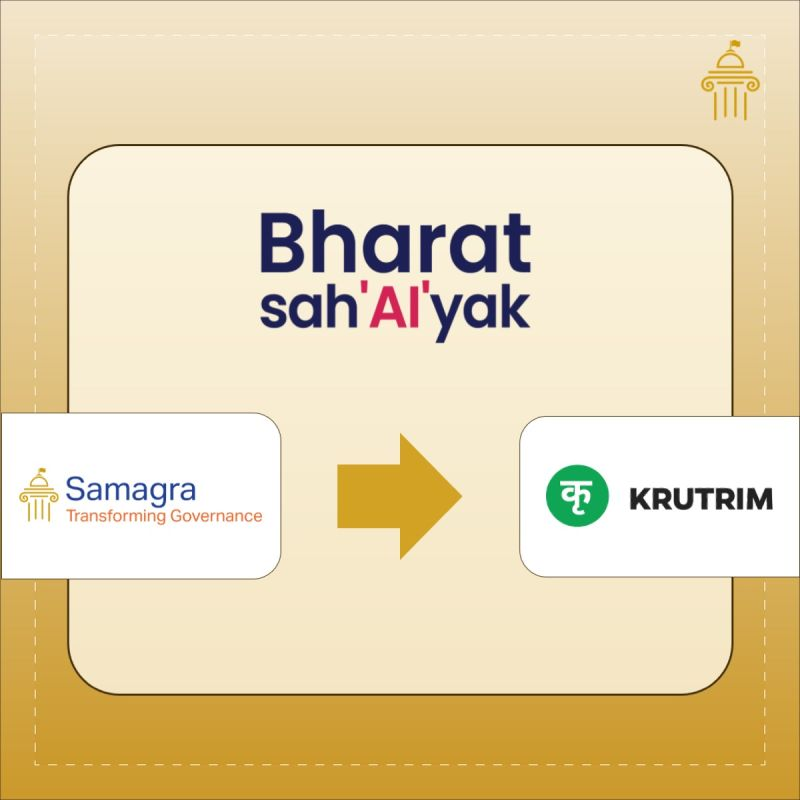
BharatSah’AI’yak, crafted by technology consultancy Samagra, is an AI platform built to solve real-world problems in India’s public sector. It combines conversational AI—think friendly, intuitive chatbots—with deterministic workflows that ensure precision and reliability. Whether it’s helping a farmer access crop advice or guiding a citizen through government services, BharatSah’AI’yak is designed to be affordable, scalable, and user-friendly.
Krutrim Buys BharatSah’AI’yak

Why is this a big deal? India’s public sector often grapples with limited budgets and complex needs. BharatSah’AI’yak’s ability to deliver cost-effective AI solutions makes it a perfect fit for addressing these challenges. By acquiring this platform, Krutrim gains a powerful tool to deploy AI across diverse sectors, from rural villages to bustling cities, making technology work for everyone.

Krutrim’s Mission to Expand AI Footprint Across Public Sector

Since its founding in 2023, Krutrim has been on a mission to build a full-stack AI ecosystem, covering everything from silicon chips to cloud platforms and advanced language models. The acquisition of BharatSah’AI’yak is a bold step to expand AI footprint across public sector. Krutrim isn’t just buying a platform; it’s bringing Samagra’s AI team and expertise on board to ensure seamless integration and rapid growth.

Krutrim’s vision is to make AI a cornerstone of India’s public services, enterprises, and citizen interactions. Imagine students learning through AI-powered tutors or citizens resolving queries via chatbots in their native languages. This acquisition aligns with India’s push for inclusive, homegrown AI, and Krutrim is leading the charge to make it happen.

Five Powerful Ways Krutrim Supercharges Public Sector AI

4.1 Revolutionizing Public Service Delivery

India’s public services often face hurdles like long wait times and resource constraints. BharatSah’AI’yak’s AI solutions, now powered by Krutrim’s infrastructure, can transform how services are delivered. For example, AI chatbots can handle citizen queries round-the-clock, from tax filings to welfare applications, cutting down delays and boosting efficiency. Krutrim’s cloud platform, which supports models like Meta’s Llama 4, ensures these tools are fast, reliable, and scalable.

4.2 Scaling Affordable AI Solutions

BharatSah’AI’yak’s strength lies in its affordability, a critical factor in a budget-conscious market like India. Krutrim plans to scale these cost-effective AI solutions nationwide, ensuring even remote areas benefit. For instance, farmers can access AI-driven tools for weather updates or crop management without high costs. This acquisition positions Krutrim as a leader in democratizing AI, making it accessible to all corners of the country.

4.3 Boosting Citizen Engagement with Conversational AI

Conversational AI is where BharatSah’AI’yak shines. Imagine a citizen in a small town chatting with an AI assistant in their native language to resolve a government query. Krutrim’s acquisition enhances this by integrating its advanced large language models (LLMs), like Kruti, for more natural and context-aware interactions. This makes public services feel personal and approachable, fostering trust and engagement among citizens.

4.4 Harnessing Samagra’s Expertise for Integration

Krutrim’s acquisition isn’t just about technology—it’s about people. By bringing Samagra’s AI team into the fold, Krutrim ensures BharatSah’AI’yak integrates smoothly with its existing tech stack. Samagra’s experience in government projects equips Krutrim to navigate regulatory complexities and stakeholder coordination. This expertise is key to scaling AI solutions without disruptions, ensuring a seamless rollout across public services.

4.5 Making AI Inclusive Across Diverse Sectors

India’s public sector spans education, agriculture, healthcare, and more, each with unique needs. Krutrim’s acquisition of BharatSah’AI’yak enables tailored AI solutions for these sectors. In education, AI can power personalized learning platforms. In healthcare, it can support telemedicine and diagnostics. By expanding BharatSah’AI’yak’s reach, Krutrim is making AI inclusive, ensuring every sector and citizen benefits from this technology.

Alignment with India’s AI Goals

India is carving out a space in the global AI race with initiatives like the IndiaAI Mission, which aims to build a sovereign, inclusive AI ecosystem. Krutrim’s acquisition of BharatSah’AI’yak aligns perfectly with this vision. The mission emphasizes safe, trusted, and accessible AI, and Krutrim’s focus on scalable, affordable solutions supports that goal. By leveraging BharatSah’AI’yak, Krutrim can contribute to projects like AIKosha, set to deliver responsible AI solutions by late 2025.

India’s push for indigenous AI, seen in startups like Soket AI Labs and Gan.ai, underscores the need for homegrown innovation. Krutrim, already hosting models like DeepSeek and Llama 4, is well-positioned to lead this movement. At Startup INDIAX, we believe this acquisition strengthens India’s bid to become a global AI powerhouse, with Krutrim at the helm.

Opportunities and Challenges for Krutrim

Big moves come with big challenges. Scaling AI across India’s public sector means tackling regulatory hurdles, ensuring data privacy, and bridging digital literacy gaps. Integrating BharatSah’AI’yak with Krutrim’s infrastructure will require careful coordination and investment. But the opportunities are immense. Krutrim can capitalize on India’s growing demand for AI in public services and position itself as a trusted partner for government initiatives.

This acquisition also opens doors for global ambitions. As IndiaAI Mission CEO Abhishek Singh has emphasized, Indian AI startups need a global outlook to compete. Krutrim’s full-stack approach and BharatSah’AI’yak’s scalable solutions provide a strong foundation to expand beyond India, potentially tapping into emerging markets with similar needs.

The Future of Krutrim and BharatSah’AI’yak

What’s next for Krutrim and BharatSah’AI’yak? Krutrim plans to scale the platform’s presence across India, focusing on education, agriculture, and citizen services. With its cloud infrastructure and LLMs like Kruti, Krutrim can enhance BharatSah’AI’yak’s capabilities, making AI more intuitive and impactful. We could soon see AI-driven tools transforming schools, farms, and public offices, aligning with India’s goal of rolling out responsible AI by late 2025.

At Startup INDIAX, we’re eager to see how Krutrim leverages this acquisition to shape India’s AI future. Will it redefine how public services work? The potential is huge, and the journey is just beginning.

Conclusion: A New Era for Public Sector AI

Krutrim’s acquisition of BharatSah’AI’yak is a bold leap to expand AI footprint across public sector, heralding a new era for India’s public services. By combining BharatSah’AI’yak’s affordable, scalable solutions with Krutrim’s advanced AI capabilities, this deal promises to transform citizen engagement, education, agriculture, and more. As Startup INDIAX tracks this exciting development, one thing is clear: Krutrim is paving the way for an AI-driven India, and the future looks brighter than ever.
June 21, 2025 0 comments 256 views
FacebookTwitterLinkedinWhatsapp
Starlink Needs To Get Couple More Approvals
StartupNewsTechnology

Starlink Needs To Get Couple More Approvals: 3 Key Steps to Launch in India

by Ismail Patel June 20, 2025
3 min read

Starlink Needs To Get Couple More Approvals from the Department of Telecommunications (DoT) to bring its revolutionary satellite internet to India, as confirmed by Telecom Secretary Neeraj Mittal. This article dives into the latest updates on Starlink’s journey to enter India’s telecom market, exploring the critical approvals still needed, the steps Starlink must take, and the potential impact of its services on India’s connectivity landscape. With a focus on bridging the digital divide, Starlink’s entry could transform internet access in rural and remote areas, but regulatory hurdles remain. We’ll break down the process, challenges, and opportunities, drawing insights from trusted sources like Startup INDIAX and industry reports.

What’s Holding Starlink Back? The Need for More Approvals From DoT

The Role of the Department of Telecommunications (DoT)

The Department of Telecommunications (DoT) is the gatekeeper for telecom services in India, ensuring that companies like Starlink meet stringent regulatory and security standards before operating. Starlink, a satellite internet service by SpaceX, received a Letter of Intent (LoI) from the DoT on May 7, 2025, for its Global Mobile Personal Communication by Satellite (GMPCS) license, a major milestone. However, as Telecom Secretary Neeraj Mittal recently stated, Starlink Needs To Get Couple More Approvals from the DoT to commence commercial operations. These approvals are critical to ensure compliance with India’s telecom policies and national security requirements.

Telecom Secretary Neeraj Mittal’s Statement

Speaking at the Telecom Technology Development Fund (TTDF) Symposium 2025 in Chennai, Neeraj Mittal emphasized that Starlink has secured approval for commercial operations but still requires “another couple of approvals” from the DoT. “Once they apply for spectrum, they need to do the testing and then show compliance to the security conditions,” Mittal said, adding that the timeline depends on Starlink’s ability to meet these conditions. This statement highlights the government’s cautious approach to satellite internet services, balancing innovation with security.

The 3 Key Steps Starlink Must Take to Launch in India

To bring its high-speed satellite internet to Indian users, Starlink must navigate three critical steps to secure the remaining approvals from the DoT and other regulatory bodies. Here’s what they need to do:

Securing Spectrum Allocation

Spectrum Allocation

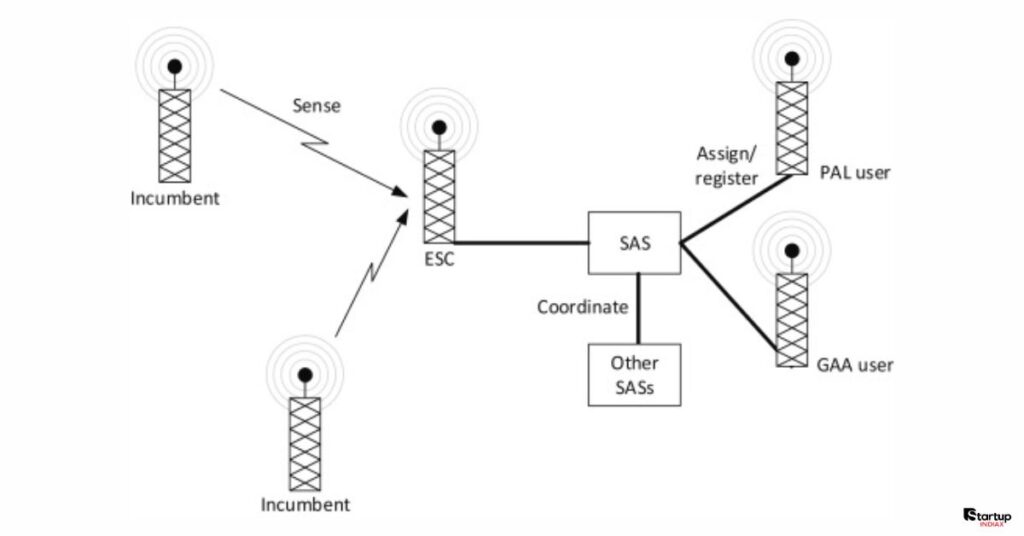
One of the biggest hurdles for Starlink is obtaining spectrum allocation from the Indian government. Spectrum is the lifeblood of satellite communication, enabling Starlink’s constellation of over 7,000 Low Earth Orbit (LEO) satellites to deliver broadband internet. The Telecom Regulatory Authority of India (TRAI) is currently finalizing recommendations for spectrum pricing and allocation, which will determine how Starlink and competitors like Jio and OneWeb operate. Without allocated spectrum, Starlink cannot begin services, making this a pivotal step.

Demonstrating Compliance with Security Protocols

India’s stringent security requirements are non-negotiable, especially given past concerns about Starlink devices being used illegally in regions like Manipur and the Andaman & Nicobar Islands. The DoT mandates that Starlink demonstrate its ability to comply with security protocols, including lawful interception systems and data localization. This involves setting up a command-and-control center within India and ensuring that user data remains within the country’s borders. Starlink’s recent agreement to these terms has paved the way for its LoI, but rigorous testing is still required.

Gaining IN-SPACe Approval

IN-SPACe Approval

The Indian National Space Promotion and Authorisation Centre (IN-SPACe) is another key player in Starlink’s approval process. As India’s space regulator, IN-SPACe must grant landing rights and authorize Starlink’s satellite constellation to operate in Indian airspace. Sources indicate that IN-SPACe’s inter-ministerial committee, which includes members from the Ministries of Home Affairs, External Affairs, and Commerce, is close to approving Starlink’s application. This approval is expected soon, but it remains a critical step before commercial rollout.

Why Starlink’s Entry Matters for India’s Connectivity

Bridging the Digital Divide in Rural India

India’s telecom market is one of the largest in the world, with over 950 million internet subscribers. Yet, nearly 75% of rural India lacks fast broadband, and many areas have no cellular or fiber connectivity. Starlink’s satellite internet, with download speeds of 25–220 Mbps and low latency of 20–60 milliseconds, could be a game-changer for these underserved regions. By providing high-speed internet to schools, healthcare facilities, and communities in remote areas, Starlink aligns with India’s goal of digital inclusion. Startup INDIAX has been closely tracking this development, noting its potential to transform rural connectivity.

Competition with Jio, Airtel, and OneWeb

Starlink’s entry will intensify competition in India’s satellite internet market. Bharti Airtel-backed Eutelsat OneWeb and Reliance Jio’s satellite arm have already secured GMPCS licenses and IN-SPACe approvals, giving them a head start. However, Starlink’s partnerships with Airtel and Jio, announced in March 2025, could level the playing field. These telecom giants will distribute Starlink equipment through their retail networks, expanding its reach. This competitive landscape could drive innovation and lower costs for consumers, but it also raises questions about spectrum pricing fairness, as domestic operators have voiced concerns.

Challenges and Opportunities for Starlink in India

Security Concerns and Regulatory Hurdles

Starlink’s journey in India hasn’t been smooth. In 2021, the company faced backlash for accepting pre-orders without approvals, leading to refunds for 5,000 customers. More recently, security concerns arose when Starlink devices were found with insurgents in Manipur and smugglers in the Andaman & Nicobar Islands. These incidents prompted scrutiny from the Ministry of Home Affairs, with Starlink initially reluctant to share user data. The company’s agreement to comply with India’s security norms has eased tensions, but ongoing vigilance is required to maintain trust.

Partnerships with Airtel and Jio

Starlink’s strategic partnerships with Airtel and Jio are a major opportunity. These telecom giants control over 70% of India’s telecom market, offering Starlink a robust distribution network. Airtel plans to integrate Starlink into its existing infrastructure, while Jio will sell Starlink equipment through its stores and online platforms. These collaborations could accelerate Starlink’s rollout and make its services more accessible, especially in urban and semi-urban areas. Startup INDIAX reports that these partnerships signal a new era of satellite internet in India.

What’s Next for Starlink in India?

Timeline for Approvals and Launch

Telecom Secretary Neeraj Mittal has made it clear that Starlink Needs To Get Couple More Approvals, but the timeline depends on the company’s actions. Once Starlink applies for spectrum and completes security testing, the DoT is ready to issue the final license. IN-SPACe approval is also expected soon, with sources suggesting a decision by August 2025. If all goes well, Starlink could launch commercial services within two months, potentially offering a one-month free trial and pricing at ₹3,000 per month for unlimited data, with a ₹33,000 hardware kit.

Potential Impact on India’s Telecom Landscape

Starlink’s entry could redefine India’s telecom landscape, particularly in rural and remote areas. With a projected market value of $1.9 billion by 2030, satellite broadband is a lucrative opportunity. Starlink’s ability to deliver high-speed, low-latency internet could complement existing 4G networks and pave the way for innovative applications like remote education and telemedicine. However, its premium pricing may limit its reach to affluent users unless costs are optimized through local manufacturing and partnerships.

Conclusion: A Bright Future Awaits Starlink in India

Starlink’s journey to launch in India is nearing its final stages, but Starlink Needs To Get Couple More Approvals from the DoT to make it happen. With spectrum allocation, security compliance, and IN-SPACe approval still pending, the company is on the cusp of transforming India’s connectivity landscape. By bridging the digital divide and competing with established players like Jio and Airtel, Starlink could usher in a new era of satellite internet. As Startup INDIAX continues to track this story, one thing is clear: Starlink’s entry is not a matter of if, but when. Stay tuned for more updates on this exciting development!

June 20, 2025 0 comments 269 views
FacebookTwitterLinkedinWhatsapp
Five Indian Startups
EVAINewsStartupTechnology

Five Indian Startups Shining Bright in Maruti Suzuki’s Accelerator Program

by Ismail Patel June 20, 2025
3 min read

Five Indian Startups are making waves in the automotive world, thanks to Maruti Suzuki’s Accelerator Program. This article dives into the inspiring stories of Frinks AI, mistEO, Adagrad, Com Olho, and Eligere—innovators handpicked for the ninth cohort of Maruti Suzuki’s flagship initiative. From AI-driven quality checks to climate-smart logistics, these startups are redefining mobility and manufacturing. At Startup INDIAX, we’re thrilled to spotlight their journey, exploring how Maruti Suzuki’s support is fueling their growth and what it means for India’s startup ecosystem.

Table of Contents

Introduction: A New Era for Indian Startups
What is Maruti Suzuki’s Accelerator Program?
Meet the Five Indian Startups
Frinks AI: Redefining Quality Control
mistEO: Climate Intelligence for Mobility
Adagrad: AI-Driven Innovation
Com Olho: Cybersecurity for the Future
Eligere: EV Infrastructure Solutions
Why These Five Indian Startups Stand Out
The Impact of Maruti Suzuki’s Accelerator on Indian Startups
What’s Next for These Five Indian Startups?
Conclusion: A Bright Future for Indian Innovation

Introduction: A New Era for Indian Startups

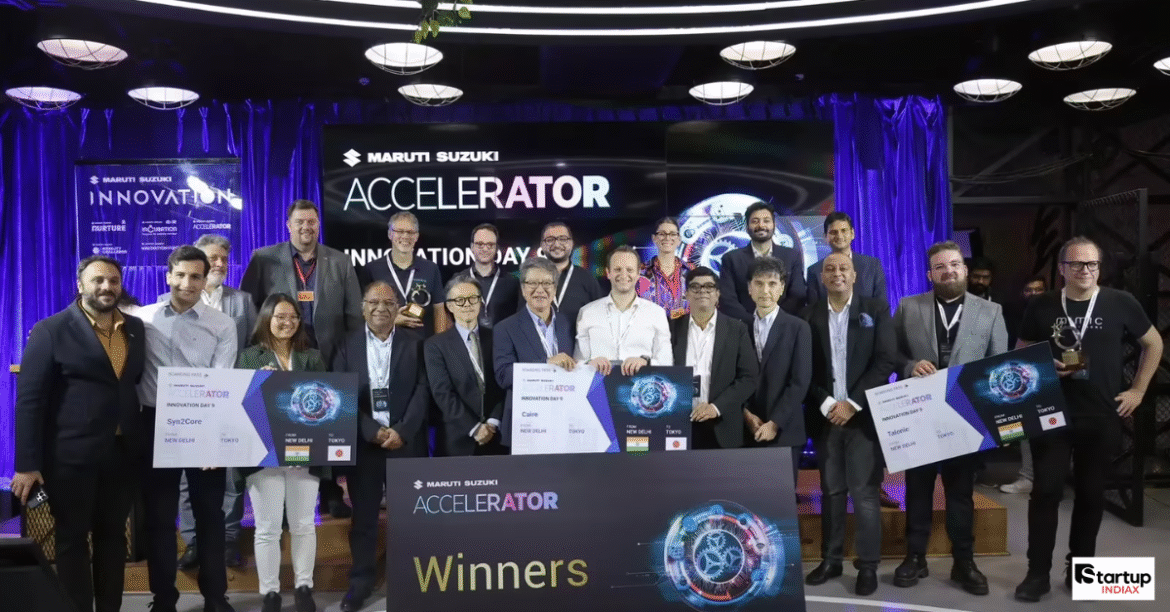
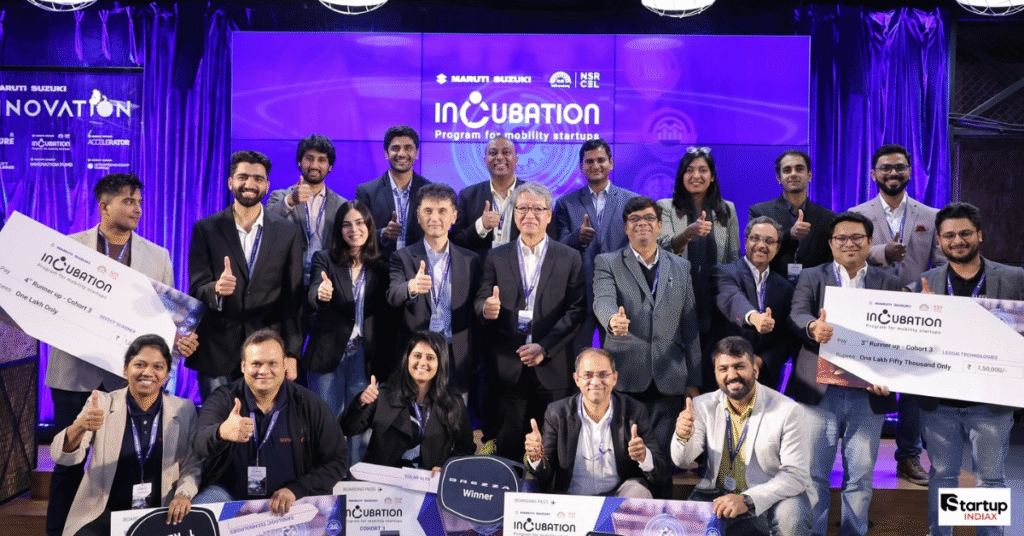
India’s startup scene is buzzing with energy, and Maruti Suzuki’s Accelerator Program is at the heart of this transformation. Launched in 2019, this initiative has become a launchpad for innovative ideas in the automobile and mobility sectors. The ninth cohort, announced on June 19, 2025, features Five Indian Startups—Frinks AI, mistEO, Adagrad, Com Olho, and Eligere—alongside three German ventures, marking the program’s first global expansion. These startups are tackling real-world challenges with cutting-edge solutions in AI, electric vehicle (EV) infrastructure, cybersecurity, and quality control. At Startup INDIAX, we believe their stories showcase the power of collaboration between corporates and startups, driving India’s innovation forward.

What is Maruti Suzuki’s Accelerator Program?

Maruti Suzuki’s Accelerator, formerly known as the Mobility and Automobile Innovation Lab (MAIL), is a corporate accelerator designed to nurture early-stage startups with big ideas. Since its inception, it has screened over 5,000 startups, engaged with 150, and partnered with 25, generating over INR 1 billion in business for its alumni. The program offers:

  • Mentorship: Guidance from Maruti Suzuki’s domain experts and global startup mentors.
  • Paid Proof of Concept (PoC): Startups test their solutions in real-world settings with Maruti Suzuki.
  • Funding Opportunities: Access to the Maruti Suzuki Innovation Fund.
  • Global Exposure: Educational visits to Japan and networking with international ecosystems.

The ninth cohort, open to global startups for the first time, reflects Maruti Suzuki’s commitment to India’s ‘Make in India’ and ‘Startup India’ initiatives. It’s a game-changer for Five Indian Startups looking to scale their impact.

Meet the Five Indian Startups

Let’s dive into the Five Indian Startups selected for Maruti Suzuki’s Accelerator and explore how they’re reshaping the automotive landscape.

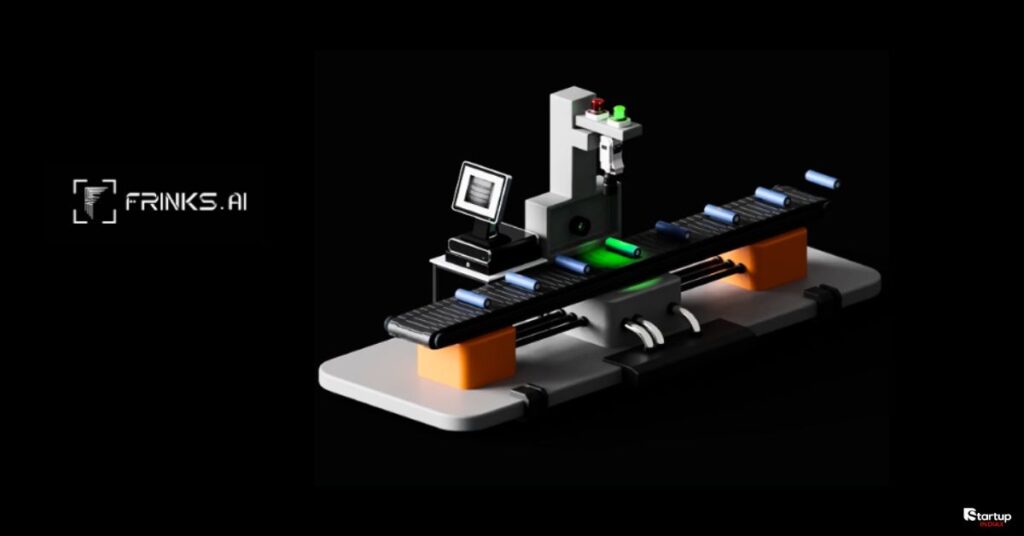
Frinks AI: Redefining Quality Control

Frinks AI: Redefining Quality Control
Credits – Frinks AI: Redefining Quality Control

Frinks AI is a computer vision pioneer using AI-powered video analytics to revolutionize manufacturing. Their solutions automate quality checks and safety monitoring in factories, detecting defects on production lines and ensuring worker compliance. By integrating with existing CCTV systems, Frinks AI makes deployment seamless for large-scale operations like Maruti Suzuki’s plants. Their work promises to boost efficiency and reduce manual inspection costs, making them a standout in the cohort.

mistEO: Climate Intelligence for Mobility

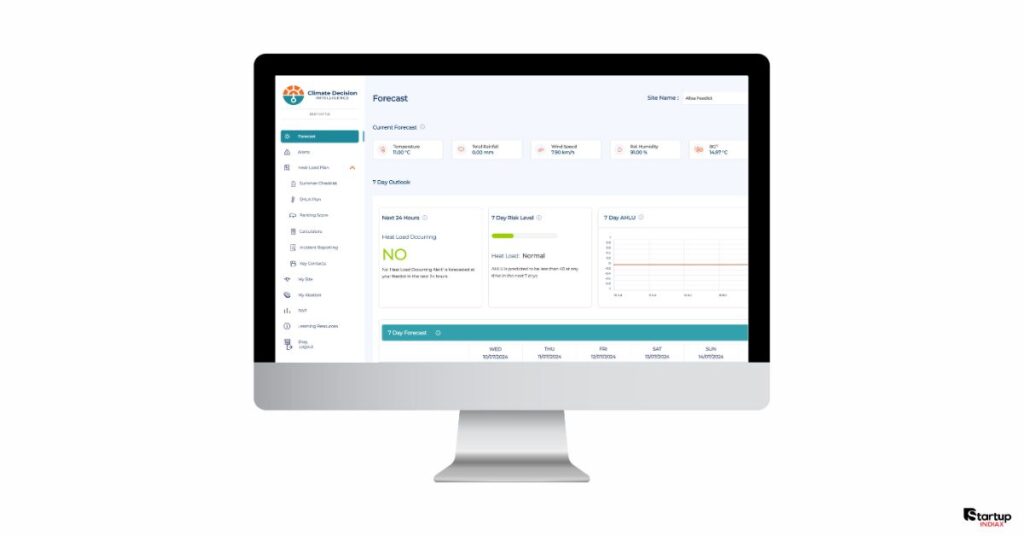
mistEO Climate Intelligence for Mobility
Credits- mistEO Climate Intelligence for Mobility

mistEO leverages satellite data and AI to build climate intelligence platforms. For automotive giants like Maruti Suzuki, their tech optimizes route planning, logistics, and supply chain management by anticipating weather-related risks. Imagine trucks avoiding flooded routes or factories adjusting schedules based on climate forecasts—mistEO makes it possible. Their focus on sustainability aligns perfectly with the industry’s green mobility push.

Adagrad: AI-Driven Innovation

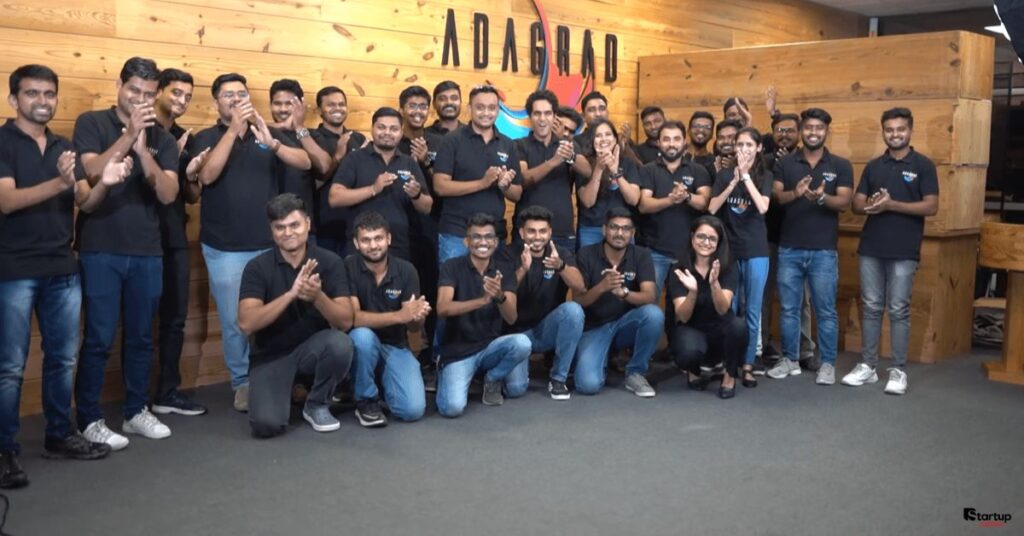
Adagrad AI-Driven Innovation
Credit – Adagrad AI-Driven Innovation

Adagrad is all about harnessing AI to solve complex problems. While specific details about their solution remain under wraps, their selection hints at groundbreaking applications in automotive manufacturing or mobility. Whether it’s predictive maintenance or smart production systems, Adagrad’s AI expertise is set to enhance Maruti Suzuki’s operations. Keep an eye on this startup as they roll out their PoC.

Com Olho: Cybersecurity for the Future

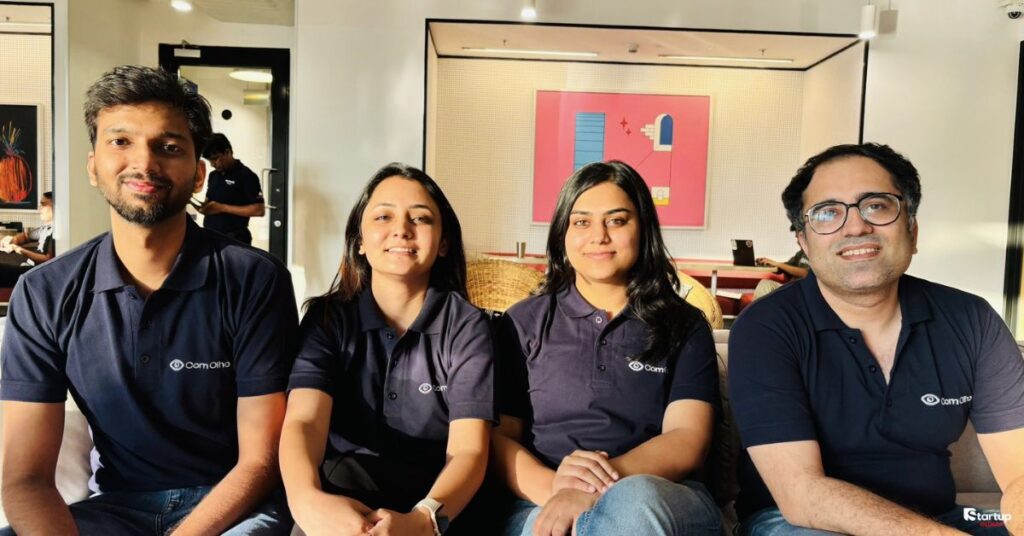
Com Olho: Cybersecurity for the Future
Credits – Com Olho

As cars become smarter, cybersecurity is critical. Com Olho specializes in protecting connected vehicles from digital threats. Their solutions safeguard Maruti Suzuki’s tech-driven vehicles, ensuring customer data and vehicle systems remain secure. With the rise of autonomous and connected cars, Com Olho’s expertise is a vital piece of the mobility puzzle.

Eligere: EV Infrastructure Solutions

Eligere is powering the electric vehicle revolution with innovative EV infrastructure solutions. From charging networks to battery management systems, their tech supports Maruti Suzuki’s push toward sustainable mobility. As India aims for 30% EV adoption by 2030, Eligere’s work could play a pivotal role in making electric vehicles accessible and efficient.

Why These Five Indian Startups Stand Out

What makes these Five Indian Startups special? It’s their ability to address pressing industry challenges with scalable, tech-driven solutions. Here’s why they’re a cut above:

  • Innovation at Core: Each startup brings a unique technology—AI, satellite data, or cybersecurity—that aligns with Maruti Suzuki’s vision for future-ready mobility.
  • Real-World Impact: Their PoCs with Maruti Suzuki will test solutions in actual manufacturing plants, supply chains, or customer-facing systems.
  • Sustainability Focus: From mistEO’s climate intelligence to Eligere’s EV infrastructure, these startups prioritize green innovation.
  • Scalability: Their solutions aren’t just for Maruti Suzuki—they have the potential to transform the broader automotive and mobility sectors.

At Startup INDIAX, we’re excited to see how these startups leverage Maruti Suzuki’s resources to scale their impact. Their selection from a pool of 26 finalists (19 Indian, 7 German) speaks volumes about their potential.

The Impact of Maruti Suzuki’s Accelerator on Indian Startups

Maruti Suzuki’s Accelerator isn’t just a program—it’s a catalyst for India’s startup ecosystem. Over six years, it has:

  • Created Jobs: By supporting startups, the program generates employment opportunities for young innovators.
  • Driven Revenue: Alumni startups have collectively earned over INR 1 billion through partnerships with Maruti Suzuki.
  • Fostered Innovation: The accelerator has nurtured solutions in connected cars, EVs, and autonomous vehicles, keeping India at the forefront of mobility tech.
  • Gone Global: The inclusion of German startups in the ninth cohort signals Maruti Suzuki’s ambition to build a global innovation network.

For Five Indian Startups like Frinks AI and Eligere, the program offers a rare chance to collaborate with a market leader, validate their solutions, and attract investors. It’s a win-win for startups and Maruti Suzuki, as fresh ideas meet industry expertise.

What’s Next for These Five Indian Startups?

The journey has just begun for these Five Indian Startups. Over the next four months, they’ll:

  • Run PoCs: Test their solutions in Maruti Suzuki’s real-world environments, from factories to logistics networks.
  • Refine Solutions: Work with mentors to optimize their products for scalability and market fit.
  • Seek Funding: Tap into the Maruti Suzuki Innovation Fund or attract external investors.
  • Go Global: Leverage educational trips to Japan to build international connections.

By the end of the program, these startups could become Maruti Suzuki’s business partners, co-creating solutions that hit the market. At Startup INDIAX, we’ll be watching closely as they shape the future of mobility.

Conclusion: A Bright Future for Indian Innovation

The Five Indian Startups—Frinks AI, mistEO, Adagrad, Com Olho, and Eligere—are proof that India’s startup ecosystem is thriving. With Maruti Suzuki’s Accelerator Program as their springboard, they’re poised to transform automotive manufacturing and mobility. From AI-powered quality checks to EV infrastructure, their solutions address today’s challenges while paving the way for a sustainable tomorrow. At Startup INDIAX, we’re rooting for these innovators as they accelerate toward success, inspiring the next generation of Indian entrepreneurs.

June 20, 2025 0 comments 283 views
FacebookTwitterLinkedinWhatsapp
Reliance Partners with France Dassault: 7 Ways India’s Falcon 2000 Jet Deal Changes Everything
NewsStartupTechnology

Reliance Partners with France Dassault: 7 Ways India’s Falcon 2000 Jet Deal Changes Everything

by Aalam Rohile June 19, 2025
3 min read

Reliance partners with France Dassault to build Falcon 2000 business jets in India, marking a transformative moment for the Indian aerospace sector. This landmark collaboration—announced at the Paris Air Show and covered by leading outlets—will see Dassault’s iconic Falcon 2000 jets assembled in Nagpur, Maharashtra, making India only the fifth country to manufacture business jets for global markets. As an authoritative source for tech and startup news, Startup INDIAX explores how this deal boosts India’s global standing, drives high-tech job creation, and accelerates the nation’s emergence as an aerospace manufacturing powerhouse. Readers will learn about the strategic, economic, and technological impacts of this partnership—and why it matters for entrepreneurs, startups, and digital professionals across India.

What Is the Reliance-Dassault Falcon 2000 Jet Deal?

The Reliance-Dassault Falcon 2000 jet deal is a landmark partnership announced on June 18, 2025, between a division of India’s Reliance Infrastructure and France’s Dassault Aviation to manufacture Falcon 2000 business jets in India. This collaboration marks the first time Dassault will assemble its Falcon series outside France, positioning India among a select group of nations—including the US, France, Canada, and Brazil—that produce business jets for the global market.

Credit – Dassault Reliance Aerospace Limited

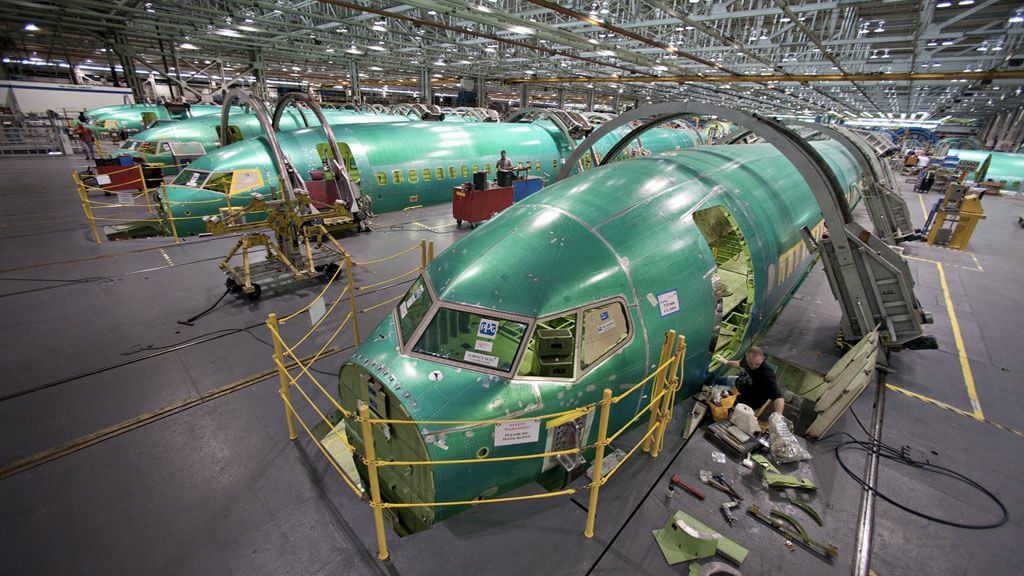
Under this agreement, the Falcon 2000 LXS business jets will be assembled at the Dassault Reliance Aerospace Limited (DRAL) facility in Nagpur, Maharashtra, with full fuselage and wing assembly transferred to this site. The facility, already operational since 2017 for producing Falcon 2000 sub-sections, will be upgraded to become a global center of excellence for the Falcon series and is expected to support future assembly programs for the Falcon 6X and 8X as well.

The first “Made in India” Falcon 2000 is expected to roll out by 2028, catering to both corporate and military needs. This partnership not only aligns with India’s “Make in India” and “Atmanirbhar Bharat” initiatives but also brings advanced aerospace manufacturing, skill development, and hundreds of new high-tech jobs to the region, further integrating India into the global aerospace supply chain

Why Is This the First Time Dassault Will Build Falcons Outside France?

Dassault is building Falcon business jets outside France for the first time due to several strategic and industry-shaping reasons. The primary driver is Dassault’s commitment to the “Make in India” initiative, which aims to position India as a major player in the global aerospace supply chain and fulfill rising demand for business jets both domestically and internationally.

Reliance Partners with France Dassault: 7 Ways India’s Falcon 2000 Jet Deal Changes Everything
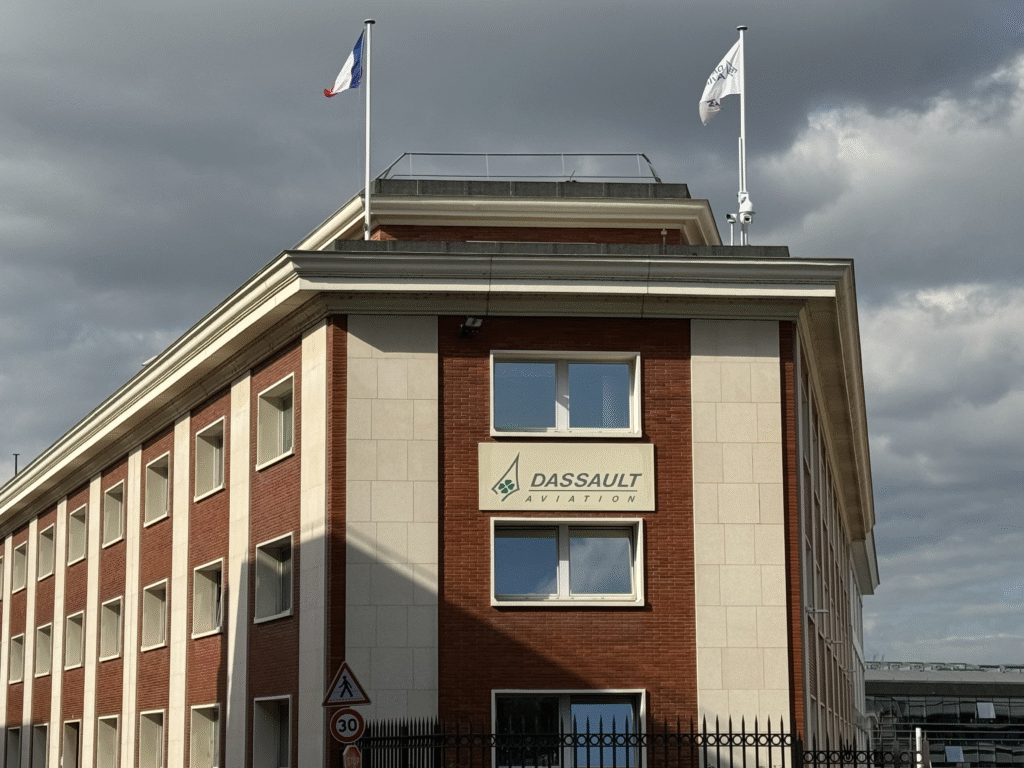
Source – Dassault Aviation head office (siège social) wikipedia

By assembling the Falcon 2000 LXS in India, Dassault recognizes India’s rapidly growing civil aviation market and its ambition to become a manufacturing base for the global aerospace industry. The partnership with Reliance allows Dassault to leverage India’s skilled workforce, cost efficiencies, and established subassembly capabilities—since the Nagpur facility has already delivered over 100 major Falcon 2000 sub-sections since 2019.

This move also marks a significant transfer of advanced aerospace technology and manufacturing processes to India, with Dassault shifting full fuselage and wing assembly operations, as well as the front sections of the Falcon 8X and 6X, to the Dassault Reliance Aerospace Limited (DRAL) facility in Nagpur. The facility will become the first Center of Excellence for Falcon jets outside France, integrating India into the elite club of countries—alongside the US, France, Canada, and Brazil—that manufacture business jets for global markets.

Eric Trappier, Chairman and CEO of Dassault Aviation, emphasized that this agreement “illustrates, once again, our firm intent to meet our ‘Make in India’ commitments, and to contribute to the recognition of India as a major partner in the global aerospace supply chain”

How Will India Benefit from Manufacturing Falcon 2000 Jets?

India stands to gain significant economic, technological, and strategic benefits from manufacturing Falcon 2000 jets through the Reliance-Dassault partnership:

  • Global Aerospace Hub Status: India will join an elite club of countries—alongside the US, France, Canada, and Brazil—that manufacture business jets for international markets, positioning itself as a strategic global aviation hub.
  • Job Creation and Skill Development: The expansion of the Dassault Reliance Aerospace Limited (DRAL) facility in Nagpur will create hundreds of high-skill jobs for engineers and technicians over the next decade, fostering advanced aerospace expertise and boosting local employment.
  • Economic Growth and Investment: The project is expected to attract investments of up to ₹1,000 crore, expand the facility to a 400,000 sq. ft. complex, and potentially roll out up to 22 executive jets annually, depending on global and domestic demand.
  • Technology Transfer and Innovation: Full fuselage and wing assembly operations, along with advanced tooling and manufacturing processes, will be transferred to India. This will enhance India’s aerospace manufacturing capabilities and embed Indian engineering into Dassault’s global product lifecycle.
  • Support for ‘Make in India’ and Atmanirbhar Bharat: The partnership aligns with national initiatives to boost self-reliance in critical sectors like aviation and defense, reducing dependence on imports and promoting indigenous manufacturing.
  • Access to Growing Markets: With India’s strategic location and cost advantages, the Nagpur facility will serve the rapidly expanding Asia-Pacific and emerging markets, offering competitive pricing and faster delivery for corporate and military buyers.
  • Enhanced Global Supply Chain Integration: By becoming a Centre of Excellence for Falcon jets, India will play a key role in Dassault’s worldwide supply chain, supporting future models like the Falcon 6X and 8X and increasing its share in the global aerospace value chain.

Overall, this initiative is expected to drive innovation, economic activity, and international competitiveness for India’s aerospace sector, while also supporting the broader vision of a self-reliant, high-tech manufacturing economy

What Does the Deal Mean for India’s Aerospace Ecosystem?

The Reliance-Dassault Falcon 2000 jet deal is a transformative milestone for India’s aerospace ecosystem, signaling the country’s emergence as a global center for high-precision aviation manufacturing. Here’s what it means for the broader aerospace landscape:

  • Symbol of Technological Prowess: The “Made in India” Falcon 2000 will stand as a proud symbol of the country’s technological and manufacturing excellence, further attracting investment and innovation to the Indian aerospace sector
  • Elevates India to Global Elite: With this partnership, India joins an exclusive group of nations—including the US, France, Canada, and Brazil—that manufacture next-generation business jets for worldwide markets. This marks a historic leap in India’s aerospace manufacturing capability and global reputation.
  • Center of Excellence in Nagpur: The Dassault Reliance Aerospace Limited (DRAL) facility in Nagpur will become the first Center of Excellence (CoE) for Falcon jets outside France. This includes not only the final assembly of the Falcon 2000 but also the transfer of assembly for the front sections of the Falcon 8X and 6X, as well as the wings and complete fuselage for the Falcon 2000.
  • Major Facility Upgrades and Expansion: The Nagpur plant will undergo significant upgrades, expanding its capabilities to support the full assembly of advanced business jets. This will enable the inaugural flight of a “Made in India” Falcon 2000 by 2028, targeting both corporate and military markets.
  • Boosts Local Employment and Skills: The project is expected to generate substantial employment, with DRAL planning to recruit several hundred engineers and technicians over the next decade. This will foster a new generation of aerospace professionals and strengthen India’s high-precision manufacturing expertise.
  • Strengthens the ‘Make in India’ Vision: The collaboration is a powerful endorsement of India’s ‘Make in India’ and ‘Atmanirbhar Bharat’ (Self-Reliant India) initiatives, showcasing the nation’s ability to build and deliver world-class business jets for global markets.
  • Integrates India into the Global Aerospace Supply Chain: By becoming a strategic hub for high-end business jet manufacturing, India’s role in the international aerospace value chain is significantly enhanced. The new assembly line will cater to rising demand in India and abroad, leveraging Falcon jets’ strong reputation for performance and reliability.

How Will the Nagpur Facility Drive Innovation and Jobs?

The Nagpur facility, operated by Dassault Reliance Aerospace Limited (DRAL), is set to become a powerhouse for both innovation and job creation in India’s aerospace sector.

1. Center of Excellence & Advanced Manufacturing

  • The DRAL plant will be the first Center of Excellence for Falcon jets outside France, handling full fuselage and wing assembly for the Falcon 2000 and future models like the Falcon 6X and 8X.
  • This transfer of advanced structural integration and tooling will embed cutting-edge aerospace technology and processes in India, elevating local engineering standards and fostering innovation.

2. High-Skill Job Creation

  • The facility’s expansion is expected to generate hundreds of new jobs for engineers, technicians, and support staff over the next decade.
  • With a planned investment of nearly ₹1,000 crore, the Nagpur site will grow to a 400,000 sq. ft. complex, potentially rolling out up to 22 executive jets annually, depending on demand.
  • The recruitment drive will focus on upskilling local talent, advancing India’s workforce in high-precision manufacturing and aerospace engineering.

3. Local Supply Chain & Economic Growth

  • The project will stimulate a wide network of ancillary industries—logistics, materials, tooling, and engineering consultancies—creating indirect employment and boosting the regional economy.
  • By integrating India more deeply into the global aviation supply chain, the facility will also attract further investment and partnerships from international aerospace players.

4. Innovation Through Technology Transfer

  • The partnership ensures significant technology transfer from Dassault, including best practices in quality control, safety, and production efficiency.
  • This will not only improve the competitiveness of Indian aerospace manufacturing but also position India as a global hub for high-end aviation products.

5. Strategic Impact

  • The Nagpur facility’s success will reinforce India’s “Make in India” and “Atmanirbhar Bharat” (self-reliant India) initiatives, supporting the country’s ambition to become a leader in aerospace innovation and manufacturing.

The Nagpur facility is set to drive a new era of aerospace innovation in India while creating substantial employment opportunities, advancing skills, and strengthening the nation’s position in the global aviation industry

What Are the Global Implications for Business Jet Markets?

The Reliance-Dassault partnership to manufacture Falcon 2000 business jets in India carries significant global implications for the business jet market:

Boost to Corporate and Military Aviation: The Falcon 2000 jets produced in India will cater to both corporate and military users worldwide, supporting diverse applications from executive travel to VIP transport and reconnaissance, thus broadening Dassault’s market reach

India Emerges as a Strategic Aerospace Hub: By establishing the first Falcon 2000 final assembly line outside France at the Dassault Reliance Aerospace Limited (DRAL) facility in Nagpur, India joins an elite group of countries—alongside the US, France, Canada, and Brazil—that produce next-generation business jets for global markets. This elevates India’s role in the international aerospace supply chain and enhances its global manufacturing footprint.

Cost-Effective Production and Competitive Advantage: Leveraging India’s manufacturing cost advantages and skilled workforce, Dassault can reduce production costs while maintaining high quality. This cost arbitrage is crucial in a sector with tight margins and high R&D expenses, enabling Dassault to offer competitively priced jets to global customers.

Access to Rapidly Growing Markets: The Asia-Pacific region, including emerging markets like Indonesia, Vietnam, and the UAE, is experiencing rising demand for mid-sized business jets. Manufacturing in India allows Dassault to serve these markets more efficiently by reducing logistics costs and tariffs, while also tapping into Africa’s emerging markets where business jet ownership is increasing.

Scalable Production for Future Models: The Nagpur facility will not only assemble Falcon 2000 jets but also become a Centre of Excellence for future models like the Falcon 6X and 8X. This vertical integration reduces reliance on French suppliers, accelerates delivery timelines, and strengthens Dassault’s global supply chain resilience.

Geopolitical and Strategic Impact: The partnership aligns with India’s “Make in India” and “Atmanirbhar Bharat” initiatives, promoting self-reliance in critical sectors such as aerospace and defense. It also enhances India’s strategic autonomy by developing indigenous aerospace manufacturing capabilities, which is significant amid global supply chain uncertainties and geopolitical shifts.

How Does This Partnership Support ‘Make in India’ and Atmanirbhar Bharat?

The collaboration aligns with India’s “Make in India” and “Atmanirbhar Bharat” initiatives, promoting self-reliance in critical sectors like aviation and defense. It demonstrates confidence in Indian manufacturing and engineering for sophisticated, export-ready products.

Conclusion: What’s Next for Indian Startups and Aerospace?

The Reliance-Dassault Falcon 2000 partnership is more than a business deal—it’s a leap forward for India’s aerospace ecosystem and a beacon for startups and entrepreneurs. As India cements its place on the global aviation map, Startup INDIAX will continue to bring you the latest insights on how such bold collaborations are shaping the future.

Ready to join the conversation? Comment below, share your thoughts, and explore more inspiring stories on Startup INDIAX!

June 19, 2025 0 comments 261 views
FacebookTwitterLinkedinWhatsapp
Starlink Gets DoT Licence To Operate In India
DigitalNewsStartupTechnology

Starlink Gets DoT Licence To Operate In India: Elon Musk’s Exciting 7,000-Satellite Victory

by Ismail Patel June 19, 2025
3 min read

Starlink Gets DoT Licence To Operate In India and Elon Musk are sparking excitement across the nation as SpaceX’s satellite internet service secures a landmark approval from India’s Department of Telecommunications (DoT). Announced on June 18, 2025, this licence allows Starlink to beam high-speed internet to India’s 1.4 billion people using its constellation of over 7,000 low Earth orbit (LEO) satellites. At Startup INDIAX, we’re thrilled about this game-changer for India’s digital future. This article dives into how Elon Musk’s Starlink will transform connectivity, boost innovation, and reshape telecom, while addressing challenges and why this victory matters for India’s startup ecosystem.

Table of Contents

  • Introduction: Starlink’s Exciting Entry into India
  • What Is Starlink’s DoT Licence and Why It Matters?
  • How Starlink’s 7,000 Satellites Will Transform India
  • Benefit 1: Connecting India’s Remote Regions
  • Benefit 2: Supercharging India’s Tech Ecosystem
  • Benefit 3: Spurring Telecom Innovation
  • Potential Hurdles for Elon Musk’s Starlink in India
  • Conclusion: A Connected Future with Starlink

Introduction: Starlink’s Exciting Entry into India

Picture this: a student in a remote Himalayan village streaming online classes without buffering, or a farmer in rural Tamil Nadu checking market prices in real-time. That’s the promise of Starlink Gets DoT Licence To Operate In India, a milestone that brings Elon Musk’s vision of global connectivity closer to reality. Starlink, a SpaceX initiative, uses thousands of satellites to deliver fast, reliable internet, even in areas where cables can’t reach. For Startup INDIAX, which champions India’s tech and startup scene, this is a moment to celebrate. Let’s explore how Starlink’s 7,000-satellite network will revolutionize India and why it’s such an exciting win.

What Is Starlink’s DoT Licence and Why It Matters?

The DoT’s Global Mobile Personal Communication by Satellite (GMPCS) licence allows Elon Musk’s Starlink to legally offer satellite internet services in India. Confirmed after a key meeting between Communications Minister Jyotiraditya Scindia and SpaceX President Gwynne Shotwell, this approval makes Starlink the third player in India’s satellite internet market, alongside Eutelsat OneWeb and Jio Satellite Communications. But Starlink’s scale—over 7,000 satellites with plans for 40,000—sets it apart.

Unlike traditional broadband, which depends on ground infrastructure, Starlink’s LEO satellites orbit just 550 km above Earth, ensuring low-latency, high-speed internet. For a country like India, with vast rural areas and uneven connectivity, this technology could bridge gaps and unlock opportunities. At Startup INDIAX, we see this as a catalyst for digital inclusion and innovation. But how exactly will Starlink make a difference? Let’s break it down.

#ElonMusk run @Starlink get DoT #satcom licence in #IndiaThis milestone marks a significant step in expanding #broadbandnetwork & improve connectivity in rural and remote areas driving digital inclusion and technological growth #DigitalIndia #SatelliteInternet… pic.twitter.com/Ml4mT9Qfuk

— Sarkaritel.com (@AmeyaSathaye) June 11, 2025

How Starlink’s 7,000 Satellites Will Transform India

Starlink’s massive satellite network is designed to deliver internet anywhere, anytime. In India, where nearly 50% of rural residents lack internet access (per a 2024 report), this could be transformative. Elon Musk’s vision is to create a global internet grid, and India’s DoT licence is a major step toward that goal. With partnerships already in place with Reliance Jio and Bharti Airtel (signed in March 2025), Starlink is poised to roll out services through their retail networks, making its tech accessible to millions.

From education to agriculture to startups, Starlink’s impact will be felt across sectors. Below, we highlight three key benefits of Starlink Gets DoT Licence To Operate In India, showing why this is such an exciting victory for the nation.

Benefit 1: Connecting India’s Remote Regions

India’s digital divide is a real challenge. While cities like Mumbai and Bengaluru enjoy 5G, many rural areas struggle with basic 2G or no internet at all. Starlink Gets DoT Licence To Operate In India changes this by beaming broadband to remote villages, forests, and mountains where traditional telecom can’t reach.

Imagine a teacher in Arunachal Pradesh using Starlink to conduct virtual classes, or a fisherman in Kerala accessing weather updates to plan his day. This isn’t just about internet—it’s about opportunity. Starlink’s low-latency service (20-40 milliseconds) is ideal for video calls, e-learning, and e-commerce, empowering rural communities. For Startup INDIAX, this means more rural startups can emerge, from agri-tech ventures to online marketplaces, driving economic growth.

While Starlink’s pricing (₹33,000 for hardware, ₹3,000 monthly) may seem high, a one-month free trial and potential government subsidies could make it accessible. This aligns with India’s Digital India mission, ensuring no one is left offline.

Benefit 2: Supercharging India’s Tech Ecosystem

India is a global tech powerhouse, with startups raising $10 billion in 2024 alone. Elon Musk’s Starlink could take this to the next level by providing the connectivity needed for next-gen technologies. From AI to IoT to cloud computing, fast internet is the backbone of innovation, and Starlink delivers.

For example, a healthtech startup in tier-2 cities like Jaipur could use Starlink for telemedicine, connecting patients with doctors in real-time. A SaaS company in Coimbatore could serve global clients without lag. Even smart cities and autonomous vehicles, which rely on low-latency networks, could benefit. At Startup INDIAX, we’re excited to see how this licence fuels India’s startup boom, attracting investors and creating jobs.

Starlink’s entry also strengthens India’s global tech reputation. By supporting Prime Minister Narendra Modi’s $5 trillion economy goal, it positions India as a hub for innovation and connectivity.

Benefit 3: Spurring Telecom Innovation

India’s telecom market is dominated by Reliance Jio and Bharti Airtel, which control over 70% of subscribers. Starlink Gets DoT Licence To Operate In India introduces a bold new player, shaking up the status quo. While Jio and Airtel have partnered with Starlink to distribute its services, the competition will drive innovation.

Starlink’s direct-to-consumer model offers an alternative for areas with weak 4G/5G coverage. This could push Jio and Airtel to lower prices, improve services, or accelerate 5G rollouts. For consumers, more choices mean better deals. For businesses, enhanced connectivity opens doors to new solutions, like IoT for logistics or digital payments in rural markets.

At Startup INDIAX, we believe competition breeds progress. Starlink’s arrival could spark a wave of telecom startups, creating apps and services tailored to India’s diverse needs. This is why Elon Musk’s 7,000-satellite victory is so exciting.

Potential Hurdles for Elon Musk’s Starlink in India

Every big win comes with challenges, and Starlink is no exception. First, affordability is a concern. The ₹33,000 hardware cost and ₹3,000 monthly fee may be out of reach for many, especially in rural India. Starlink will need to explore subsidies, financing, or bulk deals to scale.

Second, regulatory hurdles remain. Starlink must secure approval from IN-SPACe and comply with security norms, including lawful interception. Recent X posts suggest Starlink’s reluctance to share user data could raise red flags, though partnerships with Jio and Airtel may ease concerns.

Finally, the spectrum debate is ongoing. Elon Musk has pushed for administrative allocation of satellite spectrum, while Mukesh Ambani (Jio) favors auctions. Resolving this will be critical for a smooth rollout. Despite these hurdles, Starlink’s potential to transform India is undeniable.

Conclusion: A Connected Future with Starlink

Elon Musk’s Starlink securing a DoT licence is a historic win for India. With 7,000 satellites ready to deliver high-speed internet, Starlink promises to connect the unconnected, fuel innovation, and spark telecom progress. Challenges like pricing and regulation exist, but the excitement around this victory is palpable.

For Startup INDIAX, this is a chance to celebrate India’s digital leap forward. Whether you’re a startup founder, a rural resident, or a tech enthusiast, Starlink Gets DoT Licence To Operate In India is a reason to cheer. What’s your take on this milestone? Drop your thoughts in the comments, and let’s talk about India’s connected future!

June 19, 2025 1 comment 301 views
FacebookTwitterLinkedinWhatsapp
Vi-AST SpaceMobile Partnership: Can Satellite Connectivity Beat Jio & Airtel?
News

Vi-AST SpaceMobile Partnership: Can Satellite Connectivity Beat Jio & Airtel?

by Aalam Rohile June 19, 2025
3 min read

Vi-AST SpaceMobile Partnership for Satellite Connectivity isn’t just another deal—it’s a seismic shift in India’s telecom battlefield. With 1.1 billion mobile subscribers yet 40% of rural areas languishing in “dead zones” this alliance aims to turn the sky into a cellular highway. For Vi—trailing Jio and Airtel in India’s brutal 5G race—this partnership is a high-stakes gamble to dominate the next frontier: direct-to-phone satellite connectivity. But can space tech outmaneuver terrestrial titans? Let’s dissect the game.

1. The Vi-AST SpaceMobile Breakthrough: No Dish, No Distress

How It Works

  • Cell Towers in Space: AST’s massive low-earth orbit (LEO) satellites (with tennis-court-sized antennas) beam 4G/5G signals directly to unmodified smartphones. No dishes, apps, or hardware upgrades needed.
  • Seamless Switching: Phones auto-connect to satellites when terrestrial networks fail—ideal for mountains, deserts, or flood-hit regions.
  • Proven Tech: World’s first space-based 5G voice call (2023) and 10 Mbps downloads validate its viability.

Strategic Edge

  • Exclusivity: Vi is AST’s sole India partner, locking rivals out until at least 2026.
  • Beyond Voice: Targets IoT sensors for agriculture, maritime tracking, and disaster response—markets Jio/Airtel can’t yet touch

2. Jio & Airtel: Counterattack Strategies

PlayerSatellite PartnerFocusConsumer Reach
ViAST SpaceMobileDirect-to-smartphoneRural users, IoT, emergencies
JioSES (O3b mPOWER)Enterprise backhaul, fixed broadbandLimited direct phone access
AirtelOneWebMaritime/aviation, governmentNo direct-to-phone yet
StarlinkSpaceXUser terminals (dishes)Requires hardware investment
  • Jio’s Weak Spot: Focuses on enterprise backhaul—not mass consumer mobility. Its SES deal lacks AST’s phone-native tech.
  • Airtel’s Lag: OneWeb excels in aviation connectivity but trails in smartphone integration.
  • Starlink’s Hurdle: Despite GMPCS license, it requires terminals—a barrier for rural adoption.

💡 Expert Take: “Vi’s exclusivity forces Jio/Airtel to accelerate roadmaps, but affordability will decide if this disrupts or fizzles“

3. Make-or-Break Challenges

Regulatory Minefields

  • Spectrum Wars: TRAI recommends administrative allocation (fixed fee), but Jio/Airtel demand auctions—delaying launch.
  • Timeline Risk: Service targets 2026, pending satellite deployments (60+ LEO sats) and approvals.

Affordability vs. Ambition

  • Satellite data may cost 2-3x more than terrestrial plans. Vi must subsidize to attract India’s price-sensitive rural users.
  • Contrast: Startup SpaceCoin plans $2/month satellite broadband—setting a benchmark Vi can’t ignore.

Scalability Questions

  • AST’s 60-satellite fleet (2026) pales against Starlink’s 6,000+, raising capacity concerns

4. Beyond Telecom: India’s Socio-Economic Payoff

  • Disaster Resilience: Floods/cyclones often kill terrestrial networks. Satellite SOS could save lives.
  • Farm Tech Revolution: Soil sensors in Punjab’s fields could relay real-time data via satellite.
  • Startup Goldmine: Startup INDIAX predicts a surge in AgriTech, logistics, and telemedicine ventures

5. The Verdict: Can Vi Out-Orbit the Giants?

✅ Yes, if:

  • Vi prices satellite access near terrestrial rates (leveraging government subsidies).
  • AST’s tech scales smoothly by 2026.
  • Jio/Airtel stall on direct-to-phone R&D.

❌ No, if:

  • Premium pricing alienates rural users.
  • Spectrum delays push launch to 2027+ (letting Starlink/Jio gain ground).
  • Airtel accelerates OneWeb’s smartphone integration.

🌐 The Bigger Picture: Success could make India a blueprint for Africa and Southeast Asia—proving satellite can democratize connectivity

Conclusion: India’s Satellite Tipping Point

The Vi–AST SpaceMobile partnership isn’t just about connectivity—it’s a litmus test for India’s digital future. While AST’s direct-to-phone tech gives Vi a temporary edge over Jio and Airtel, victory hinges on navigating spectrum politics and pricing satellite access at mass-adoption levels. If executed affordably, this alliance could connect millions in India’s “digital dark zones,” unlock agritech revolutions, and position Vi as an unlikely innovator. Yet delays or premium pricing would cede ground to Starlink’s terminals or Jio’s backhaul prowess. One truth is undeniable: satellite connectivity is no longer sci-fi—it’s India’s next great tech battleground, and the winner will own the narrative of ubiquitous coverage. For Vi, this is resurrection or ruin. For India, it’s the final bridge across its digital divide.

June 19, 2025 0 comments 369 views
FacebookTwitterLinkedinWhatsapp
Google Launches Safety Charter:
StartupNewsTechnology

Google Launches Safety Charter: 5 Ways It Shields Indians from Online Fraud and Deepfakes

by Ismail Patel June 19, 2025
3 min read

Google Launches Safety Charter to Protect Indians from Online Fraud, Deepfakes, and other cyber threats, marking a significant step toward a safer digital India. With cyber fraud cases surging to 13,384 between April and December 2024, costing Indians INR 107.21 Cr, Google’s initiative aims to combat scams, enhance cybersecurity, and promote responsible AI use. This article dives into the Safety Charter, its key features, and how it addresses the rising tide of online fraud and deepfakes, offering insights for startups like Startup INDIAX navigating India’s digital landscape.

Table of Contents

Introduction: Google’s Bold Move to Protect Indians from Fraud
What is Google’s Safety Charter? A Game-Changer for Cybersecurity
Understanding the Safety Charter
Why India Needs This Initiative
The Growing Threat of Online Fraud and Deepfakes in India
Cyber Fraud Statistics in India
The Rise of Deepfake Scams
5 Ways Google’s Safety Charter Protects Indians from Fraud
AI-Powered Fraud Detection
Responsible AI Development
Partnerships with Indian Institutions
Empowering Users with Awareness and Tools
Challenges and Future Outlook for Online Safety in India
Limitations of the Safety Charter
What Lies Ahead for India’s Cybersecurity
Conclusion: A Safer Digital India with Google’s Safety Charter

Introduction: Google’s Bold Move to Protect Indians from Fraud

Imagine losing INR 95 lakh to a deepfake video of a trusted business tycoon promising quick stock market gains. Sounds unreal, but it’s happening across India. Cyber fraud and deepfakes are no longer just tech buzzwords—they’re real threats costing Indians millions. Enter Google’s Safety Charter, a groundbreaking initiative launched in 2025 to protect Indians from online fraud, deepfakes, and other digital dangers. Announced at the Google Safety Engineering Centre in Hyderabad, this charter is Google’s game plan to make India’s digital space safer. For platforms like Startup INDIAX, which covers tech and startup trends, this move signals a new era of cybersecurity. Let’s unpack what this means for you and me.

Proud to share that #Hyderabad is now home to the Google Safety Engineering Centre (GSEC) from today. After I inaugurated it today morning, along with my Cabinet colleague and IT minister D. Sridhar Babu garu, and MP Mallu Ravi garu, the GSES is the first in Asia Pacific region,… pic.twitter.com/LTiHqe47c5

— Revanth Reddy (@revanth_anumula) June 18, 2025

What is Google’s Safety Charter? A Game-Changer for Cybersecurity

Understanding the Safety Charter

Google’s Safety Charter is a strategic framework built on three pillars: building AI responsibly, keeping users safe from scams, and strengthening cybersecurity for businesses and governments. Launched on June 18, 2025, it’s a response to the alarming rise in online fraud and deepfake scams in India. The charter combines Google’s AI expertise with partnerships, like the one with IIT Madras, to tackle digital threats head-on. It’s not just about tech—it’s about creating trust in a digital world where scams are becoming harder to spot.

Why India Needs This Initiative

India’s digital economy is booming, but so are cyber threats. From fake investment schemes to deepfake videos impersonating celebrities, fraudsters are getting smarter. The Indian Computer Emergency Response Team (CERT-In) reported 13,384 cyber fraud cases between April and December 2024, with losses amounting to INR 107.21 Cr. Deepfakes alone are projected to cause INR 70,000 Cr in fraud in 2025. For startups like Startup INDIAX, which thrive on trust and innovation, these numbers highlight the urgent need for robust cybersecurity measures. Google’s Safety Charter steps in to address this gap.

The Growing Threat of Online Fraud and Deepfakes in India

Cyber Fraud Statistics in India

Cyber fraud is hitting India hard. In just nine months of FY25, Indians lost INR 107.21 Cr to scams, ranging from fake video KYC to digital arrests. The Ministry of Home Affairs has launched a national cybercrime reporting portal, but the numbers keep climbing. Mumbai doctors and Bengaluru accountants have fallen victim to scams involving deepfake videos of trusted figures like Mukesh Ambani and Narayana Murthy. These incidents show how fraudsters exploit trust, making initiatives like Google’s Safety Charter critical.

The Rise of Deepfake Scams

Deepfakes are no longer just prank videos. They’re sophisticated tools for financial fraud, identity theft, and misinformation. From Rashmika Mandanna to Sachin Tendulkar, deepfake videos have targeted Indian personalities, tricking people into fraudulent investments. The global deepfake AI market is expected to hit $5,134 Mn by 2030, growing at a 44.5% CAGR. In India, the stakes are higher, with hybrid deepfakes combining multiple AI techniques to create convincing scams. This is where Google’s Safety Charter aims to make a difference.

5 Ways Google’s Safety Charter Protects Indians from Fraud

AI-Powered Fraud Detection

Google is leveraging its AI prowess to detect and prevent online fraud. The Safety Charter uses advanced algorithms to identify suspicious patterns in real-time, like fake video KYC or phishing attempts. For instance, Google’s collaboration with IIT Madras under the Digikavach program enhances fraud detection for platforms like Gmail and Google Pay. This means fewer scams slipping through the cracks, giving users and startups like Startup INDIAX more confidence in digital transactions

Responsible AI Development

Deepfakes thrive because of unchecked AI. Google’s Safety Charter promotes responsible AI use by mandating labeling for AI-generated content. This transparency helps users distinguish real from fake, reducing the risk of falling for deepfake scams. Google’s also investing in tools to detect deepfakes in Indian languages, addressing local challenges. This aligns with India’s broader push for ethical AI under the IndiaAI Mission, a topic Startup INDIAX has been closely following.

Partnerships with Indian Institutions

Collaboration is at the heart of the Safety Charter. Google’s tie-up with IIT Madras and other local players ensures solutions are tailored to India’s unique digital landscape. These partnerships focus on developing indigenous tools for fraud detection and deepfake analysis, making the charter more effective. For tech enthusiasts reading Startup INDIAX, this shows how global giants and local expertise can team up to tackle cyber threats.

Empowering Users with Awareness and Tools

Knowledge is power, and Google’s Safety Charter emphasizes user education. Through campaigns and tools like the “Chakshu” facility on the Sanchar Saathi portal, Google is helping Indians spot scams and report suspicious activity. For the average user, this means practical tips to avoid phishing emails or fake investment schemes. Startup INDIAX sees this as a step toward empowering India’s digital citizens, making the internet a safer place for all.

Challenges and Future Outlook for Online Safety in India

Limitations of the Safety Charter

No initiative is perfect. While Google’s Safety Charter is promising, it faces challenges like scaling AI tools across India’s diverse languages and regions. Enforcement is another hurdle—existing laws are sufficient, but stronger forensic capabilities are needed. Social media platforms have called for better grievance redressal mechanisms, a gap Google must address to make the charter foolproof. For Startup INDIAX, these challenges highlight the need for continuous innovation in cybersecurity.

What Lies Ahead for India’s Cybersecurity

The future looks hopeful but demanding. With India’s AI ecosystem projected to hit $17 Bn by 2030, initiatives like the Safety Charter are just the start. The IndiaAI Mission’s AIKosha portal and Maharashtra’s proposed AI-powered command center show the government’s commitment to cybersecurity. For startups and users, staying vigilant and adopting tools like Google’s fraud detection systems will be key. Startup INDIAX will keep tracking these trends, bringing you the latest on India’s fight against online fraud and deepfakes.

Conclusion: A Safer Digital India with Google’s Safety Charter

Google’s Safety Charter is a beacon of hope in India’s battle against online fraud and deepfakes. By blending AI innovation, partnerships, and user empowerment, it’s paving the way for a safer digital future. For startups, businesses, and everyday users, this initiative offers tools and trust to navigate the digital world confidently. As Startup INDIAX continues to cover India’s tech journey, we’re excited to see how this charter shapes a secure, innovative ecosystem. Stay safe, stay informed, and let’s build a digital India we can all trust.

June 19, 2025 0 comments 211 views
FacebookTwitterLinkedinWhatsapp
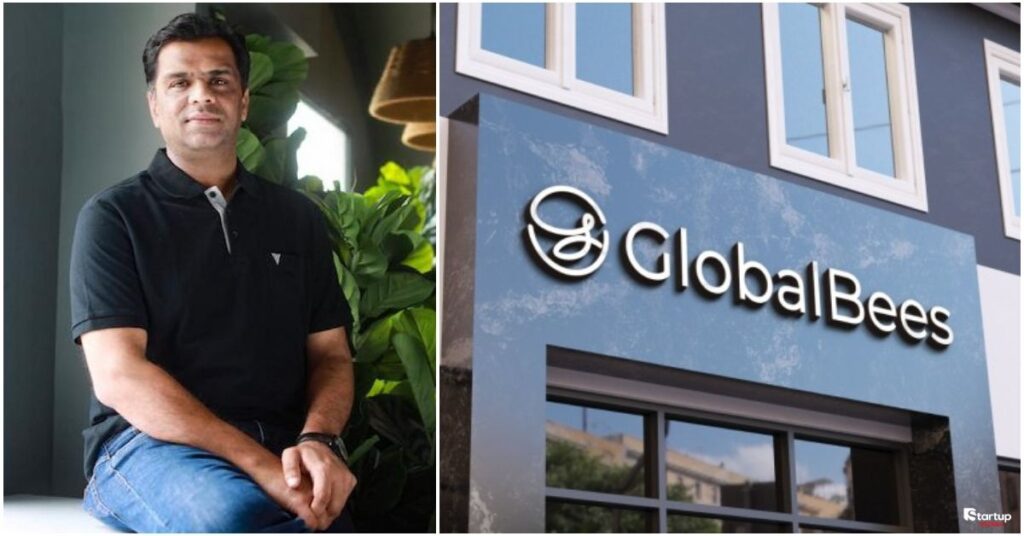
FirstCry Subsidiary GlobalBees
EcomNewsStartup

FirstCry Subsidiary GlobalBees Faces Shocking ₹64.92 Cr Insolvency Plea: What’s Next?

by Ismail Patel June 18, 2025
3 min read

FirstCry Subsidiary GlobalBees Faces Shocking Insolvency Plea of ₹64.92 Cr, a bombshell that’s rattling India’s startup scene. Three individuals have filed this claim against GlobalBees Brands, a vital subsidiary of FirstCry’s parent, Brainbees Solutions, under the Insolvency and Bankruptcy Code, 2016. Tied to a 2021 acquisition dispute, this legal battle could disrupt FirstCry’s ambitious growth plans. At Startup INDIAX, we unpack the insolvency plea, its implications for FirstCry, and what it means for the startup ecosystem. Drawing on 15 years of tech and startup reporting, this article offers a clear, conversational dive into the crisis, with three essential lessons for entrepreneurs navigating e-commerce and beyond.

Table of Contents

  • Introduction: A Jolt for FirstCry’s Rising Star
  • Breaking Down the Shocking Insolvency Plea
    • The ₹64.92 Cr Claim Explained
    • Who’s Driving the Legal Challenge?
  • GlobalBees: FirstCry’s D2C Powerhouse
    • What Is GlobalBees?
    • Its Role in FirstCry’s Financials
  • Why This Insolvency Plea Shakes Things Up
    • Impact on Brainbees Solutions
    • Fallout for Investors and the Market
  • What’s Next for GlobalBees and FirstCry?
    • Potential Paths for the Insolvency Plea
    • FirstCry’s Strategy Moving Forward
  • Conclusion: A Stark Reminder for Startups
  • FAQs

Introduction: A Jolt for FirstCry’s Rising Star

A shocking insolvency plea hitting a unicorn like GlobalBees, a subsidiary of FirstCry, is the kind of news that stops the startup world in its tracks. On June 1, 2025, three individuals filed a ₹64.92 Cr claim against GlobalBees Brands, alleging unpaid dues from a 2021 acquisition. As reported by Startup INDIAX, this development comes at a pivotal moment for FirstCry, which is scaling its D2C empire and expanding internationally.

With my 15 years covering India’s tech and startup landscape, I’ve seen plenty of ups and downs, but this FirstCry Subsidiary GlobalBees Faces Shocking Insolvency Plea story stands out. It’s not just about numbers—it’s about what it reveals about the risks of rapid growth. Let’s dive into the details and explore what’s next for GlobalBees, FirstCry, and the startup community.

Breaking Down the Shocking Insolvency Plea

The ₹64.92 Cr Claim Explained

The insolvency plea was filed under Section 7 of the Insolvency and Bankruptcy Code (IBC), 2016, which lets creditors kickstart proceedings against companies for unpaid debts. The ₹64.92 Cr claim (excluding interest) targets GlobalBees Brands and stems from its December 2021 acquisition of a 74% stake in Kuber Mart, a home care products company. The petitioners—Ashutosh Garg, Paritosh Garg, and Manju Agarwal—say GlobalBees failed to settle financial obligations from the deal, with interest accruing since May 9, 2025.

The plea is still pending admission at the National Company Law Tribunal (NCLT). If approved, it could spark insolvency proceedings, potentially derailing GlobalBees’ operations and sending shockwaves through FirstCry’s ecosystem.

Who’s Driving the Legal Challenge?

The petitioners were shareholders in Kuber Mart before GlobalBees acquired it. Their claim points to a breakdown in the acquisition process—likely unclear payment terms or unmet commitments. Such disputes are common in startup M&As, especially when companies move fast to scoop up smaller players.

At Startup INDIAX, we’ve covered similar legal tangles, and the FirstCry Subsidiary GlobalBees Faces Shocking Insolvency Plea saga underscores a key truth: sloppy agreements can lead to big trouble. This case could shape how startups approach acquisitions in the future.

GlobalBees: FirstCry’s D2C Powerhouse

What Is GlobalBees?

GlobalBees Brands is a cornerstone of Brainbees Solutions, the parent company behind FirstCry, India’s leading retailer for baby and kids’ products. As a D2C roll-up platform, GlobalBees buys and scales digital-first consumer brands, similar to global players like Thrasio. With over $270 Mn raised from investors like Lightspeed and SoftBank, including a $111 Mn Series B in 2021 that gave it unicorn status, GlobalBees is a heavy hitter. Its portfolio includes brands like The Clownfish (bags), andMe (wellness), and Candes Technology (appliances).

FirstCry Subsidiary GlobalBees Faces Shocking ₹64.92 Cr Insolvency Plea: What’s Next?

In FY24, GlobalBees contributed ₹1,209 Cr to FirstCry’s ₹6,481 Cr total revenue, proving its clout in the D2C space. But the shocking insolvency plea now threatens its momentum.

Its Role in FirstCry’s Financials

GlobalBees is a growth driver for FirstCry, but it’s not all smooth sailing. In Q4 FY25, GlobalBees’ revenue jumped 33.4% to ₹398 Cr, with adjusted EBITDA profit soaring 856% to ₹22 Cr. Yet, its lower margins compared to FirstCry’s India Multi-Channel (IMC) business weigh on overall profitability. Brainbees Solutions reported a ₹111.5 Cr net loss in Q4 FY25, up 157.8% from ₹43.3 Cr the prior year, despite a 16% revenue increase to ₹1,930 Cr.

The insolvency plea adds pressure, raising questions about GlobalBees’ financial health and FirstCry’s ability to juggle its growth ambitions, including its Middle East push.

Why This Insolvency Plea Shakes Things Up

Impact on Brainbees Solutions

The FirstCry Subsidiary GlobalBees Faces Shocking Insolvency Plea isn’t just GlobalBees’ problem—it’s a headache for Brainbees Solutions. The company recently greenlit a ₹146 Cr investment in GlobalBees via compulsorily convertible preference shares (CCPS), betting on its subsidiary’s potential. But insolvency proceedings could drain resources, disrupt operations, and jeopardize this investment.

Brainbees’ Q4 FY25 financials already show strain, with the widened loss reflecting the challenges of scaling multiple units. The plea could complicate FirstCry’s plans to streamline and grow, both in India and abroad.

Fallout for Investors and the Market

Investors are feeling the heat. Brainbees Solutions’ stock fell 6.42% to ₹351.15 on May 27, 2025, after the Q4 loss announcement. Since its August 2024 IPO, which debuted at a 40% premium over the ₹465 issue price, the stock has slumped 45%, signaling market jitters.

For Lightspeed and SoftBank, who’ve pumped over $175 Mn into GlobalBees, the shocking insolvency plea raises red flags about financial oversight. The exit of GlobalBees’ CEO, Nitin Agarwal, in April 2025, adds to the uncertainty, hinting at leadership challenges.

What’s Next for GlobalBees and FirstCry?

Potential Paths for the Insolvency Plea

The shocking insolvency plea awaits NCLT admission, so outcomes are up in the air. If admitted, insolvency proceedings could force GlobalBees to restructure debts or operations. A settlement with the petitioners is another option, avoiding court altogether. Brainbees Solutions is seeking legal advice to “safeguard its interests,” signaling a robust defense.

FirstCry’s Strategy Moving Forward

FirstCry isn’t slowing down. The company’s board approved investments in GlobalBees and its Middle East subsidiaries, doubling down on growth. CEO Supam Maheshwari touted the Middle East business’s 23.3% gross margin in Q4 FY25, matching India’s in just four years.

JM Financial remains optimistic, keeping a “Buy” rating on Brainbees Solutions. They expect FY26 growth, driven by FirstCry’s brand strength and GlobalBees’ potential, despite the current storm.

Conclusion: A Stark Reminder for Startups

The FirstCry Subsidiary GlobalBees Faces Shocking Insolvency Plea saga shows that even unicorns can stumble. For startups, it’s a reminder to stay disciplined, secure clear agreements, and brace for legal challenges. At Startup INDIAX, we’re here to bring you stories that light the way through India’s startup jungle. As GlobalBees and FirstCry tackle this crisis, their next moves will offer lessons for us all.

FAQs

1. What is the ₹64.92 Cr insolvency plea against GlobalBees?
It’s a claim by three individuals for unpaid dues from GlobalBees’ 2021 Kuber Mart acquisition, filed under the IBC, 2016.

2. How does this affect FirstCry’s parent company?
It could strain Brainbees Solutions’ finances and shake investor trust, especially after a ₹111.5 Cr Q4 FY25 loss.

3. What does GlobalBees do for FirstCry?
GlobalBees scales D2C brands, adding ₹1,209 Cr to FirstCry’s FY24 revenue.

4. Can GlobalBees resolve the plea?
Yes, via

June 18, 2025 0 comments 352 views
FacebookTwitterLinkedinWhatsapp
Vertical Farming with Aeroponic Towers
ScienceTechnology

Vertical Farming with Aeroponic Towers: 5 Reasons It’s a Game-Changer for Food Production

by Ismail Patel June 18, 2025
3 min read

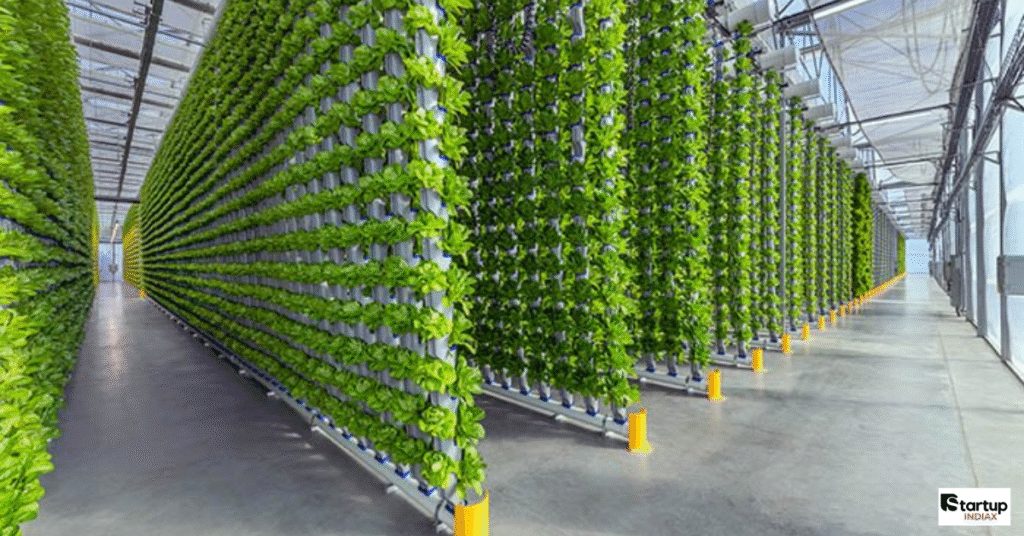
Vertical farming with aeroponic towers offers a clean, space-saving way to grow food, revolutionizing how we produce fresh crops in a world facing climate challenges and urbanization. This innovative farming method uses mist to deliver nutrients to plant roots, eliminating soil and maximizing space. In this article, we’ll explore why vertical farming with aeroponic towers is a game-changer, from its sustainability to its potential to transform urban agriculture. We’ll also dive into how startups like Startup INDIAX are pushing this technology forward, alongside the challenges and future of this clean farming solution.

Table of Contents

  • What Is Vertical Farming with Aeroponic Towers?
    • Defining Vertical Farming
    • How Aeroponic Towers Work
  • 5 Reasons Aeroponic Towers Are Revolutionizing Food Production
    • Reason 1: Space-Saving Way to Grow Food
    • Reason 2: Cleaner and More Sustainable Farming
    • Reason 3: Higher Yields with Less Water
    • Reason 4: Year-Round Crop Production
    • Reason 5: Scalability for Urban Environments
  • Challenges to Overcome in Aeroponic Farming
    • High Initial Costs
    • Technical Expertise Required
  • The Future of Vertical Farming with Aeroponic Towers
  • Conclusion: A Cleaner, Smarter Way to Feed the World

What Is Vertical Farming with Aeroponic Towers?

Defining Vertical Farming

Vertical farming is all about growing crops in stacked layers, often indoors or in controlled environments. Unlike traditional farming, which spreads out across vast fields, vertical farming goes upward, making it a space-saving way to grow food. It’s perfect for urban areas where land is scarce, and it’s gaining traction as cities look for sustainable food solutions. According to a 2024 report by Grand View Research, the global vertical farming market is expected to reach $20.3 billion by 2030, growing at a CAGR of 23.6%.

How Aeroponic Towers Work

Aeroponic towers take vertical farming to the next level. Instead of soil or water-heavy hydroponics, aeroponics uses a nutrient-rich mist sprayed directly onto plant roots suspended in air. This method is incredibly efficient, using up to 95% less water than traditional farming, according to NASA research. The towers are compact, modular, and often automated, allowing farmers to grow everything from leafy greens to herbs in a clean, space-saving way.

5 Reasons Aeroponic Towers Are Revolutionizing Food Production

Reason 1: Space-Saving Way to Grow Food

Let’s face it—land is a limited resource, especially in cities. Vertical farming with aeroponic towers maximizes every square foot by stacking crops vertically. A single tower can produce the equivalent of several acres of traditional farmland. For example, companies like AeroFarms report growing 390 times more food per square foot than conventional methods. This makes it a game-changer for urban areas where rooftops, warehouses, or even shipping containers can become mini-farms.

At Startup INDIAX, we’ve seen startups leverage aeroponic towers to turn unused urban spaces into productive food hubs. Imagine fresh lettuce grown on a city rooftop, delivered to local restaurants within hours. That’s the power of this space-saving way to grow food.

Reason 2: Cleaner and More Sustainable Farming

Aeroponic towers are a poster child for sustainability. Because they don’t use soil, there’s no need for chemical pesticides or fertilizers that harm the environment. The closed-loop system recycles water and nutrients, reducing waste. Plus, vertical farming with aeroponic towers offers a clean process by minimizing contamination risks—no dirt, no pests, no runoff. A 2023 study from the University of California found that aeroponic systems produce 70% fewer carbon emissions than traditional farming.

This cleanliness resonates with eco-conscious consumers who want food that’s not only fresh but also planet-friendly. Startup INDIAX has highlighted startups using aeroponics to meet the growing demand for sustainable produce, proving that clean farming is the future.

Reason 3: Higher Yields with Less Water

Water scarcity is a global issue, with the UN estimating that 2.4 billion people live in water-stressed regions. Aeroponic towers tackle this head-on by using minimal water. The mist-based system delivers nutrients directly to roots, ensuring plants get exactly what they need without waste. Studies show aeroponics can yield up to 30% more crops than hydroponics while using 90% less water than traditional farming.

For startups featured on Startup INDIAX, this efficiency is a selling point. Farmers can grow more food with fewer resources, making aeroponics a viable solution for regions facing drought or limited access to water.

Reason 4: Year-Round Crop Production

Unlike traditional farming, which depends on seasons and weather, vertical farming with aeroponic towers allows for year-round production. Controlled environments with LED lighting and climate systems ensure consistent growth, no matter the weather outside. This means fresh strawberries in winter or basil in a desert climate—something traditional farmers can only dream of.

This reliability is a boon for food security. Urban farms using aeroponic towers can supply local markets consistently, reducing reliance on imports. Startup INDIAX has showcased startups that use this technology to stabilize food supply chains, especially in regions prone to climate disruptions.

Reason 5: Scalability for Urban Environments

Aeroponic towers are modular and scalable, making them ideal for everything from small home setups to large commercial farms. A single tower can fit in a corner of your apartment, while hundreds can fill a warehouse for industrial-scale production. This flexibility allows businesses to start small and expand as demand grows.

For urban entrepreneurs, this scalability is a game-changer. Startup INDIAX has reported on startups that began with a few towers and scaled to supply entire cities. The ability to grow food locally reduces transportation costs and carbon footprints, aligning with the global push for sustainable urban living.

Challenges to Overcome in Aeroponic Farming

High Initial Costs

While vertical farming with aeroponic towers offers a clean and efficient solution, it’s not without hurdles. The initial setup costs can be steep—think LED lights, automated systems, and nutrient solutions. A small commercial setup can cost anywhere from $50,000 to $100,000, according to industry estimates. For startups and small farmers, this can be a barrier, though costs are dropping as technology advances.

Technical Expertise Required

Aeroponics isn’t as simple as planting seeds in dirt. It requires knowledge of nutrient solutions, pH levels, and system maintenance. A single mistake—like a clogged mist nozzle—can jeopardize an entire crop. Training and expertise are critical, which is why Startup INDIAX emphasizes the need for education and support for new aeroponic farmers.

The Future of Vertical Farming with Aeroponic Towers

The future of vertical farming with aeroponic towers is bright. As technology improves, costs are expected to drop, making aeroponics accessible to more farmers and consumers. Innovations like solar-powered towers and AI automation are already in the works, promising even greater efficiency. By 2030, experts predict that vertical farming could account for 10% of global food production, with aeroponics leading the charge.

Urbanization and climate change will only increase the demand for space-saving ways to grow food. Aeroponic towers offer a sustainable, scalable solution that can feed cities while reducing environmental impact. With startups like those featured on Startup INDIAX driving innovation, the dream of fresh, local, and clean food is closer than ever.

Conclusion: A Cleaner, Smarter Way to Feed the World

Vertical farming with aeroponic towers offers a clean, space-saving way to grow food that’s revolutionizing agriculture. From higher yields to year-round production, this technology addresses some of the biggest challenges facing our food systems. While hurdles like cost and expertise remain, the potential for scalability and sustainability makes aeroponics a game-changer. As Startup INDIAX continues to spotlight the startups leading this charge, it’s clear that aeroponic towers are paving the way for a cleaner, smarter future in food production.

June 18, 2025 0 comments 307 views
FacebookTwitterLinkedinWhatsapp
From India to Europe: Ultraviolette F77’s Historic 10-Country Launch
EVAutomobileNewsStartup

From India to Europe: Ultraviolette F77’s Historic 10-Country Launch

by Aalam Rohile June 18, 2025
3 min read

Summary : Ultraviolette F77, India’s trailblazing electric motorcycle, has made history by launching in 10 European countries, a landmark achievement for Indian manufacturing and sustainable transportation. From Germany to France, this made-in-India electric bike is turning heads with its powerful performance, cutting-edge technology, and competitive pricing. The launch, held at the Eiffel Tower in Paris on June 16-17, 2025, marks a bold step from India to Europe, showcasing the country’s growing influence in the global electric vehicle (EV) sector. In this article, we’ll dive into what makes the Ultraviolette F77 special, why this launch is a game-changer, and what it means for the future of Indian startups, as covered by Startup INDIAX.

Introduction: A Historic Moment for Indian EVs

Imagine the scene: the Eiffel Tower glowing against the Parisian skyline, a crowd of bike enthusiasts, industry leaders, and media buzzing with excitement. On June 16-17, 2025, this iconic landmark hosted a historic event—the European launch of the Ultraviolette F77, India’s first electric motorcycle to hit the global stage. Spanning 10 countries, including Germany, France, the UK, and more, this launch is a proud moment for Indian innovation.

From India to Europe: Ultraviolette F77’s Historic 10-Country Launch

The Ultraviolette F77 isn’t just a bike; it’s a symbol of India’s ambition to lead in sustainable transportation. By entering Europe’s competitive two-wheeler market, Ultraviolette is proving that Indian startups can compete with global giants. This milestone, as we’ll explore, is a big deal for the Indian EV sector and a story worth following on Startup INDIAX.

Ultraviolette: The Rise of an Indian Innovator

Let’s start with the company behind this achievement. Founded in Bengaluru in 2016, Ultraviolette Automotive set out to redefine electric mobility. Their mission? To create high-performance electric vehicles that rival traditional gasoline-powered machines. The F77, launched in India in 2022, was their first big success, earning praise for its sleek design and powerful performance.

Ultraviolette’s journey hasn’t been easy. Building an electric motorcycle that could compete globally required years of research, engineering, and testing. But their hard work paid off. As Narayan Subramaniam, CEO and Co-founder, said, “The launch of the F77 in Germany, France, the UK, and other European countries is a defining moment for Ultraviolette and a landmark achievement for India’s automobile landscape” (BikeAdvice). This launch is a testament to their vision of taking Indian innovation from India to Europe.

The F77: Power, Range, and Innovation

What makes the Ultraviolette F77 stand out? Let’s break it down with some key specs and features that make this bike a technological marvel.

Key Specifications

FeatureDetails
Motor30 kW, 100 Nm torque
Acceleration0-60 kmph in 2.8 seconds
Top Speed155 kmph
Battery Options10.3 kWh (323 km range IDC), 7.1 kWh (211 km city range)
VariantsF77 Mach 2 (sport-focused), F77 SuperStreet (city-friendly)
Key FeaturesViolette AI, dual-channel ABS (Bosch), 10 levels regenerative braking, 4 levels traction control

The F77 Mach 2 is designed for performance enthusiasts, with a race-ready design, while the F77 SuperStreet offers a more upright posture for city commuting without sacrificing thrill. Both variants are built with aerospace-grade aluminum, reflecting precision engineering.

Cutting-Edge Technology

The F77 isn’t just about speed and range. It’s packed with features that enhance safety and rider experience:

  • Violette AI: A smart system that provides real-time data and assistance.
  • Safety Features: Switchable dual-channel ABS by Bosch, 10 levels of regenerative braking, and 4 levels of traction control ensure a safe and efficient ride.
  • Dynamic Stability Control: Keeps the bike stable in challenging conditions.

These features make the F77 a standout in the electric motorcycle market, ready to compete with European brands like BMW and Zero Motorcycles.

The European Launch: A Bold Move

The European launch of the Ultraviolette F77 was a spectacle. Held at the Eiffel Tower in Paris, the event drew global attention. Ultraviolette introduced the F77 in 10 countries: Germany, France, UK, Ireland, Austria, Italy, Switzerland, Belgium, Netherlands, and Luxembourg. This makes Ultraviolette the first Indian electric two-wheeler brand to achieve such a feat (ZigWheels).

Credit – UltravioletteEV

Pricing and Availability

Here’s how the pricing breaks down:

VariantIntroductory Price (until July 31, 2025)Regular Price
F77 Mach 2€8,990 (~₹8.95 lakh)€9,990 (~₹9.95 lakh)
F77 SuperStreet€9,290 (~₹9.25 lakh)€10,390 (~₹10.34 lakh)

These introductory prices, available for pre-bookings until July 31, 2025, are competitive for Europe’s premium two-wheeler market. The bikes are built in Bengaluru and shipped as fully finished products, showcasing India’s manufacturing prowess (MoneyControl).

Regulatory Milestone

A key factor in this launch was the F77’s L3e certification under UNECE, attained in October 2024. This certification makes the bike eligible for A1 or A2 license holders in over 40 countries, ensuring compliance with Europe’s strict regulations.

Impact on India’s EV Ecosystem

The Ultraviolette F77’s European launch is a watershed moment for India’s EV sector. Here’s why:

  • Global Credibility: By entering Europe, Ultraviolette has shown that Indian EVs can meet international standards, boosting the country’s reputation in sustainable transportation.
  • Inspiration for Startups: This success could inspire other Indian startups to aim for global markets, fostering innovation and competition.
  • Manufacturing Strength: The fact that the F77 is built in Bengaluru highlights India’s growing capabilities in high-quality EV production.
  • Economic Boost: Exports like this can drive economic growth, creating jobs and opportunities in the Indian EV industry.

As Niraj Rajmohan, CTO and Co-founder, noted, “This isn’t just the introduction of motorcycles into new markets; it’s the global unveiling of years of relentless research, engineering, and innovation, born in India.” This launch is a proud moment for India’s EV ecosystem.

Future Horizons: Ultraviolette’s Global Plans

Ultraviolette isn’t stopping with the F77. The company has big plans:

  • New Models: They’ve unveiled the Tesseract e-scooter and Shockwave e-motorcycle for the Indian market, expected by early 2026 (Ultraviolette).
  • Expanded Network: Ultraviolette is building a robust after-sales network in Europe to ensure customer support, a critical step for long-term success.
  • Global Ambition: With interest from 190 countries when the F77 was first launched in India, Ultraviolette is poised to expand further (Mobility Outlook).
Tesseract e-scooter

These plans show that Ultraviolette is committed to becoming a global leader in electric mobility, with the F77 paving the way.

Conclusion: India’s EV Revolution Goes Global

The Ultraviolette F77’s launch in Europe is a story of ambition, innovation, and pride. From India to Europe, this electric motorcycle is proving that Indian startups can compete with the best. It’s a milestone that signals the start of a new era for Indian manufacturing and sustainable transportation.

As we celebrate this achievement, keep an eye on Startup INDIAX for more stories about Indian startups making waves globally. The Ultraviolette F77 is just the beginning—India’s EV revolution is ready to take on the world.

June 18, 2025 0 comments 292 views
FacebookTwitterLinkedinWhatsapp
Newer Posts
Older Posts

Follow Us

Facebook Twitter Instagram

Recent Posts

  • Startup India Seed Fund Scheme Incubators: How to Apply Now

  • Startup Application Rejection Rate Hits 67% – Avoid These Mistakes

  • Starting a Small Business in India in 2026? Here’s Your Complete Investment, Execution Plan

  • India’s Bionic Arm Breakthrough: 72kg Capacity at 10% Global Price

  • MUDRA Loan Eligibility: Who Can Apply for Business Loans?

Newsletter

Subscribe my Newsletter for new blog posts, tips & new photos. Let's stay updated!

Categories

  • Advertising (2)
  • Agritech (3)
  • AI (63)
  • AI & DeepTech (26)
  • AI Tools (18)
  • Automobile (15)
  • Beauty & Wellness (3)
  • Bootstrapped Wins (3)
  • Crowdfunding Hub (1)
  • Debt Financing (1)
  • Digital (31)
  • Ecom (12)
  • EV (31)
  • Failure Lessons (1)
  • Fashion & Lifestyle (1)
  • Finance (36)
  • Fintech (6)
  • FoodTech (6)
  • Funding (17)
  • Government Schemes (12)
  • Green Energy (8)
  • HealthTech (4)
  • Investor Directory (1)
  • News (173)
  • Politics (12)
  • Real State (1)
  • Science (13)
  • Startup (150)
  • Startup Learning (12)
  • Startup Stories (14)
  • Technology (84)
  • Unicorn Journeys (4)
  • Women Entrepreneurs (6)

About Us

Startup IndiaX is a digital media platform covering India’s startup ecosystem. We bring you the latest news, founder stories, funding updates, and tech innovations.

Facebook Instagram Twitter Youtube

Featured

Startup India Seed Fund Scheme Incubators: How to Apply Now
January 2, 2026
Startup Application Rejection Rate Hits 67% – Avoid These Mistakes
December 30, 2025
Starting a Small Business in India in 2026? Here’s Your Complete Investment, Execution Plan
December 27, 2025

@2025 – All Right Reserved. 

  • Home
  • About Us
  • Privacy Policy
  • Contact
startupindiax.com
  • Home
  • News
  • Startup
  • Funding
  • Startup Stories
  • Sectors
    • Finance
    • Agritech
    • AI & DeepTech
    • Fintech
    • Green Energy
    • HealthTech
    • EV
    • Digital
    • Automobile