startupindiax.com
  • Home
  • News
  • Startup
  • Funding
  • Startup Stories
  • Sectors
    • Finance
    • Agritech
    • AI & DeepTech
    • Fintech
    • Green Energy
    • HealthTech
    • EV
    • Digital
    • Automobile
startupindiax.com
SUBSCRIBE
Sunday, January 25, 2026
  • Home
  • News
  • Startup
  • Funding
  • Startup Stories
  • Sectors
    • Finance
    • Agritech
    • AI & DeepTech
    • Fintech
    • Green Energy
    • HealthTech
    • EV
    • Digital
    • Automobile
startupindiax.com
startupindiax.com
  • Home
  • About Us
  • Privacy Policy
  • Contact

@2025 - All Right Reserved.

WhatsApp To Show Ads: Is This the End of an Ad-Free Experience?
NewsStartup

WhatsApp To Show Ads: Is This the End of an Ad-Free Experience?

by Aalam Rohile June 17, 2025
3 min read

WhatsApp To Show Ads marks a historic shift for the world’s largest messaging app, ending its 16-year ad-free legacy. Starting in 2025, ads will appear in the Status and Channels sections—not personal chats—using limited data like location and language for targeting. While WhatsApp ads privacy promises exclude messages/calls, critics warn of pseudonymous profiling risks. For businesses, WhatsApp Business ads offer unprecedented reach (98% open rates), but users fear cluttered feeds and data exploitation. This article unpacks ad formats, privacy safeguards, backlash risks, and step-by-step controls to protect your experience 

The Big Shift: Ads Finally Arrive on WhatsApp

WhatsApp To Show Ads is a seismic U-turn for an app whose founders, Jan Koum and Brian Acton, famously scorned advertising. Eleven years after Meta’s $19 billion acquisition, ads are rolling out globally in WhatsApp’s Updates tab—home to Status and Channels—used by 1.5 billion daily users 156. Meta insists this protects core messaging, but as Startup INDIAX notes, it shatters WhatsApp’s “sacred” ad-free identity. The driver? Monetizing WhatsApp’s 3 billion users to fuel Meta’s next revenue pillar, projected to boost earnings by 17% by 2026 

Where Ads Will (and Won’t) Appear

WhatsApp ads target discovery zones, avoiding personal chats:

  • WhatsApp Status Ads: Full-screen promos between friends’ 24-hour updates (mirroring Instagram Stories).
  • Promoted Channels: Paid boosts in Channels search results (e.g., Nike appearing atop directories).
  • Subscription Channels: Creators/businesses charge for exclusive content; Meta takes a 10% cut.

WhatsApp VP Alice Newton-Rex calls this a “natural evolution,” but critics, like social expert Matt Navarra, warn the Updates tab risks becoming a “mini-Facebook”

Privacy vs. Profit: How Ads Use Your Data

WhatsApp ads privacy hinges on a delicate balance:

  • ✅ Safe: Personal chats, calls, and contacts remain end-to-end encrypted and unused for ads.
  • ⚠️ Used: Country, city, device language, Channels activity, and ad interactions inform targeting.
  • 🔥 Controversial: Linking WhatsApp to Meta’s Accounts Center merges Facebook/Instagram data for hyper-personalization.

The Electronic Frontier Foundation’s Lena Cohen cautions: “Ads targeted via personal data are a privacy nightmare”—especially when “anonymized” details like language/location create pseudonymous profiles.

User Backlash: Will People Flee to Telegram?

Early tests in Brazil/India saw 41% of users disabling Status updates or exploring rivals like Signal/Telegram. Critics cite:

  • Feature Bloat: Unremovable AI buttons + ads clutter the interface.
  • Trust Erosion: 58% of Europeans view WhatsApp as a “private tool,” not an ad platform.

Yet network effects are Meta’s armor. As Startup INDIAX observes: “Leaving WhatsApp means abandoning family groups, school chats, and local services—a social tax few will pay” 

Businesses Rejoice: The Upside of WhatsApp Ads

For brands, WhatsApp Business ads unlock unrivaled engagement:

ProsCons
98% open rates (vs. 21.5% for email)Limited analytics for campaigns
Geo-targeting within 1km of storesSpam risks if users feel bombarded
Free setup via Meta Ads ManagerAPI costs for enterprises

Example: The WHO’s pandemic WhatsApp hotline achieved 80% engagement by delivering vital info—a model brands now replicate.

Step-by-Step: How to Limit Ads and Protect Privacy

Combat WhatsApp ads with these privacy tweaks:

  1. Restrict Status Views: Settings > Privacy > Status > “My Contacts” (blocks ad data from strangers).
  2. Disable Channel Suggestions: Settings > Notifications > Channels > Uncheck “Recommendations”.
  3. Opt Out of Accounts Center: Settings > Linked Accounts > Remove Facebook/Instagram.
  4. Hide Promoted Channels: Tap ⋮ > Hide Ad next to unwanted Channels.

Note: No global “ad switch” exists—avoiding the Updates tab is the only full opt-out.

The Future: AI, Subscriptions, and Meta’s Master Plan

WhatsApp ads 2025 are Phase 1. Leaked plans reveal:

  • AI Scans: @Meta AI may analyze business chat keywords (e.g., “flights” triggering travel ads).
  • Cross-App Retargeting: Instagram ad clicks influencing WhatsApp promos.
  • Premium Tiers: A rumored $3/month ad-free subscription.

Meta aims to transform WhatsApp into a “commerce engine” blending messaging, shopping, and ads—projected to generate $5B+ annually by 2027

Key Takeaways for Users and Brands

  • Users: Ads are confined to Updates, but privacy settings reduce exposure.
  • Businesses: Geo-targeted Status ads offer 5x higher CTR than email.
  • Startup INDIAX Verdict: “Meta is monetizing the periphery—keeping chats sacred while monetizing discovery. For 80% of users, convenience will trump ideals.”

FAQs: Ads, Privacy, and Your Options

Q: “Is WhatsApp showing ads in 2025?”
A: Yes, but only in Status, Channels, and Business directories—not personal chats.

Q: “How to stop WhatsApp ads?”
A: You can’t block all ads, but restrict Status visibility and disable Accounts Center linking to limit data sharing.

Q: “Are WhatsApp chats used for ads?”
A: No. Chats are end-to-end encrypted; Meta can’t access them.

Q: “WhatsApp Business ads pros and cons?”
A: Pros: 98% open rates, low cost. Cons: Limited analytics, spam risks.

Q: “WhatsApp ads privacy settings?”
A: Use Status privacy, disable Channel suggestions, and avoid Accounts Center
June 17, 2025 0 comments 242 views
FacebookTwitterLinkedinWhatsapp
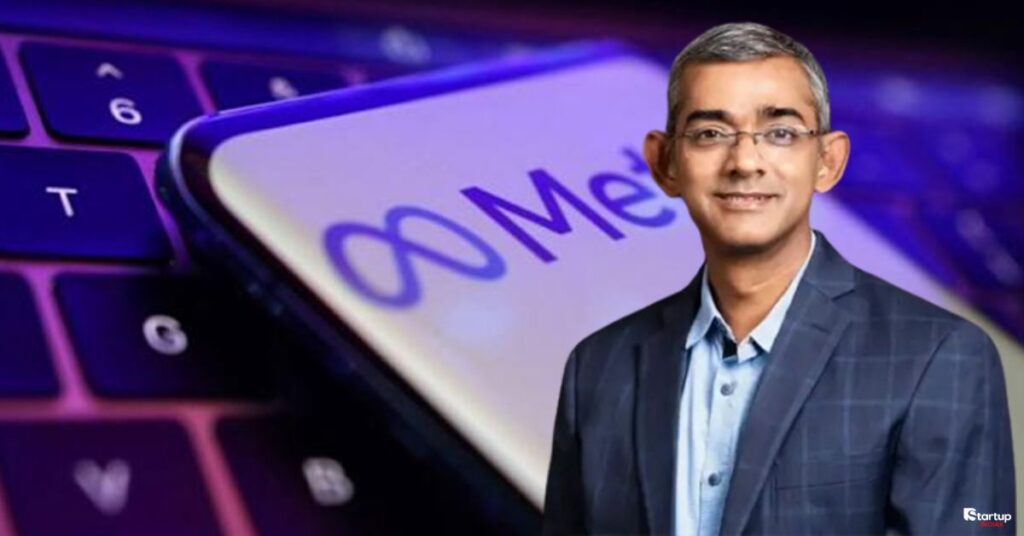
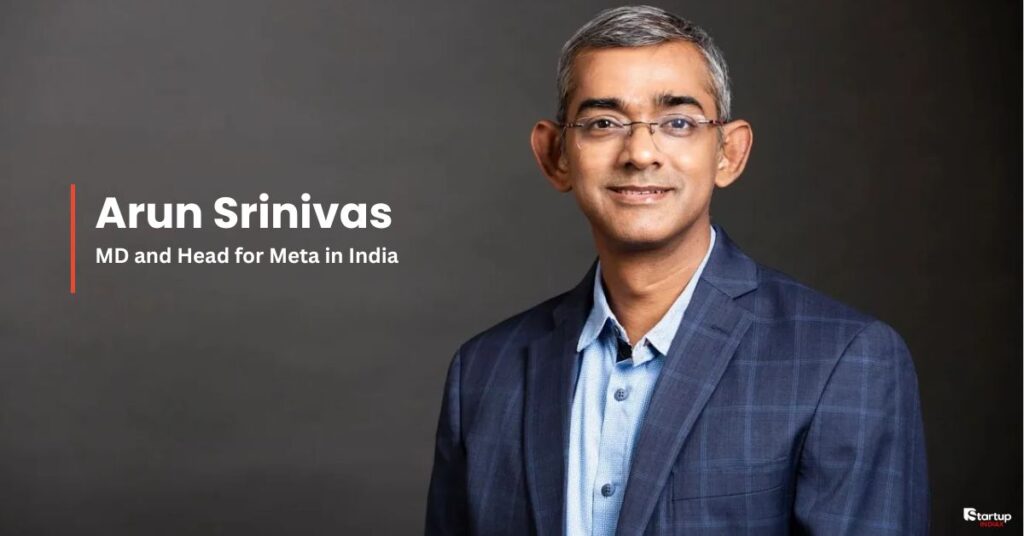
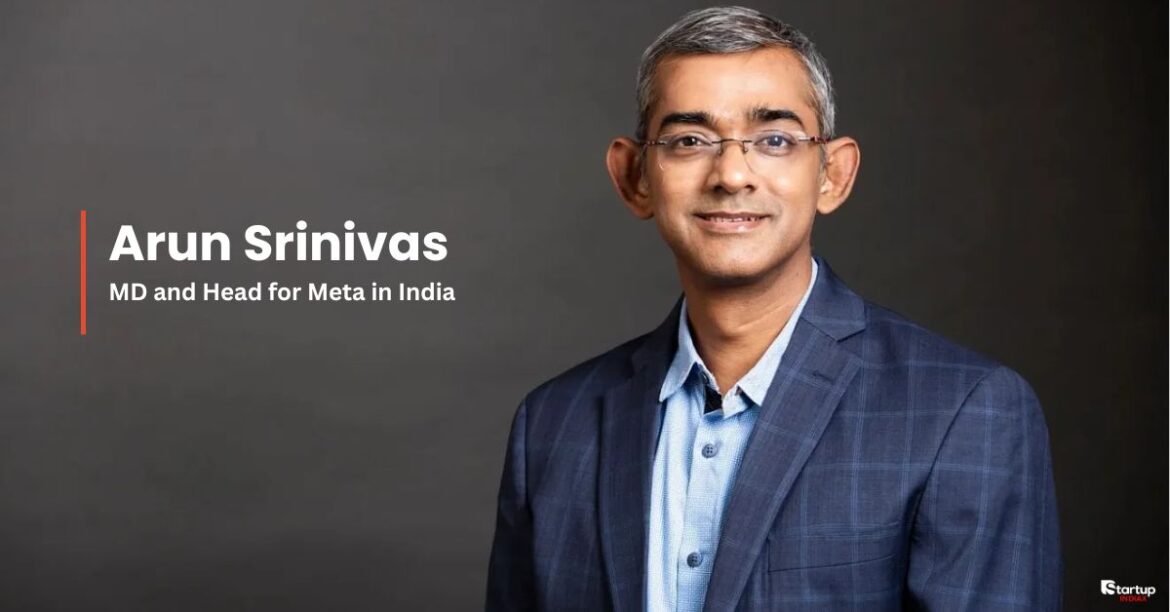
Arun Srinivas as MD and Head for Meta in India A New Era Begins in 2025- Startup INDIAX
NewsStartupTechnology

Arun Srinivas as MD and Head for Meta in India: A New Era Begins in 2025

by Aalam Rohile June 17, 2025
3 min read

Arun Srinivas as MD and Head for Meta in India is a game-changer for the tech giant’s operations in one of its biggest markets. Meta appoints Arun Srinivas as MD to lead its India business starting July 1, 2025, signaling a strategic push for growth and innovation. This article dives into Srinivas’s background, why Meta chose him, and what his leadership means for India’s startup ecosystem and Meta’s future. From his role under Sandhya Devanathan to the challenges ahead, we’ll explore it all with insights from Startup INDIAX.

Introduction: A New Chapter for Meta in India

Hey there! Big news dropped on June 16, 2025: Meta appoints Arun Srinivas as MD and Head for its India operations. If you’re wondering why this matters, let me break it down. India is a massive market for Meta, with millions using WhatsApp, Instagram, and Facebook daily. Arun Srinivas stepping into this role isn’t just a leadership shuffle—it’s a bold move to strengthen Meta’s grip in a competitive tech landscape. At Startup INDIAX, we’re excited to unpack what this means for Meta, Indian startups, and users like you.

Who Is Arun Srinivas? A Look at His Journey

So, who’s Arun Srinivas? He’s not a new face in the corporate world. With a solid track record, Srinivas brings a wealth of experience to Meta. He’s an alumnus of a top-tier Indian institute (think IIT or IIM caliber) and has worked with heavyweights like Hindustan Unilever, where he honed his skills in strategy and operations. His time in the FMCG sector gave him a knack for understanding consumer behavior—super handy for a market like India.

Arun Srinivas as MD and Head for Meta in India A New Era Begins in 2025- Startup INDIAX

Before Meta, Srinivas held leadership roles in tech and digital transformation, making him a perfect fit for this gig. Posts on X highlight his reputation as a “growth-focused leader” with a knack for navigating complex markets. His appointment as MD and Head for Meta in India feels like Meta saying, “We’re ready to level up.”

Why Meta Appointed Arun Srinivas as MD and Head

Why pick Arun Srinivas? Well, Meta’s not playing small. India is a goldmine for social media platforms, with over 500 million internet users and counting. Meta needed someone who gets the Indian market inside out—someone who can balance innovation with regulatory challenges. Srinivas’s blend of tech and consumer expertise makes him that guy.

Plus, this move comes after Sandhya Devanathan, Meta’s former India head, got a bigger role overseeing Southeast Asia. Meta’s restructuring its leadership to keep India as a priority while expanding regionally. Srinivas, reporting to Devanathan, is set to execute Meta’s vision of deeper market penetration and new product rollouts. Startup INDIAX sees this as Meta doubling down on localized strategies, from Reels to WhatsApp Business.

What This Means for Meta’s Future in India

Okay, let’s talk big picture. Arun Srinivas as MD and Head for Meta in India could shake things up in a good way. Here’s what to expect:

  • More Focus on Creators: Instagram Reels and WhatsApp’s small business tools are already huge in India. Srinivas might push for more creator-friendly features to compete with YouTube Shorts and homegrown apps.
  • AI and Innovation: Meta’s been all-in on AI lately (think Llama and AI chatbots). Srinivas could bring more AI-driven products to India, like personalized ads or smarter content moderation.
  • Regulatory Navigation: India’s got strict data privacy and content laws. Srinivas’s experience will be key in keeping Meta compliant while growing.

At Startup INDIAX, we think Meta’s eyeing India as a hub for global innovation. With Srinivas at the helm, expect more India-first features and partnerships.

The Role of Sandhya Devanathan in the Transition

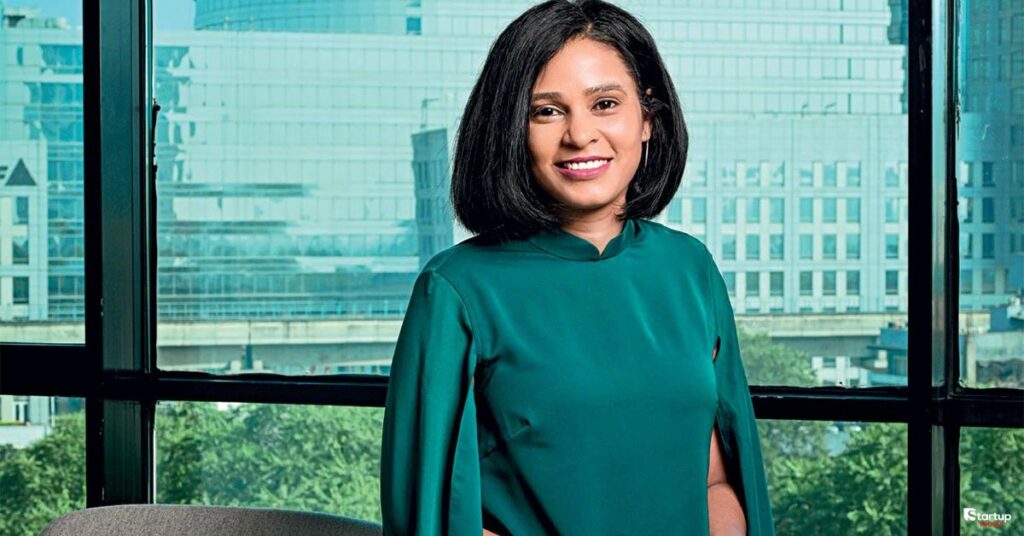
Let’s not forget Sandhya Devanathan. She’s been Meta’s India VP since 2016 and recently got a promotion to lead Southeast Asia. Her expanded role means she’s still Srinivas’s boss, ensuring continuity in Meta’s strategy. Devanathan’s been a rock star, growing Meta’s gaming vertical and leading Singapore and Vietnam operations. Her mentorship will likely guide Srinivas as he settles into his role.

Sandhya Devanathan - Startup INDIAX

This transition feels smooth, not chaotic. Meta’s making sure its India game stays strong while Devanathan oversees a broader region. It’s like passing the baton in a relay race—Srinivas is ready to sprint.

Challenges and Opportunities for Arun Srinivas

Being Meta’s India MD isn’t all glitz. Srinivas faces some real challenges:

  • Competition: TikTok’s ban left a gap, but YouTube Shorts, Moj, and ShareChat are fighting for those eyeballs. Srinivas needs to keep Meta’s platforms sticky.
  • Regulation: India’s IT Rules 2021 and upcoming Digital India Act mean Meta’s under a microscope. Srinivas must tread carefully to avoid fines or bans.
  • Misinformation: Fake news on WhatsApp and Facebook is a hot-button issue. Srinivas will need to double down on content moderation without alienating users.

But the opportunities? Massive. India’s digital economy is booming, with UPI and e-commerce skyrocketing. Srinivas can leverage WhatsApp’s payment features or tie-ups with brands like Myntra Global to tap into this growth. Startup INDIAX believes Srinivas’s consumer background will help Meta create products that resonate with India’s diverse users.

How This Appointment Impacts Indian Startups

If you’re running a startup in India, this news is worth your attention. Meta appoints Arun Srinivas as MD at a time when startups rely on social media for growth. Here’s how it could play out:

  • Better Ad Tools: Meta’s ad platform is a lifeline for D2C brands. Srinivas might roll out more targeted ad options, helping startups reach niche audiences.
  • WhatsApp for Business: With 400 million+ WhatsApp users in India, Srinivas could push for more API integrations, making it easier for startups to automate customer service.
  • Creator Economy: Startups in fashion, food, or tech can partner with Meta’s creator programs to boost visibility.

Startup INDIAX has seen how Meta’s platforms fuel startup success. Take Myntra Global’s Singapore launch—Meta’s ad tools likely played a role. Srinivas’s leadership could open more doors for Indian startups to scale locally and globally.

Conclusion: A Bright Future Ahead for Meta India

To wrap it up, Arun Srinivas as MD and Head for Meta in India is a big deal. His appointment signals Meta’s commitment to India as a growth engine. With his experience, Srinivas is poised to tackle challenges, drive innovation, and keep Meta ahead of the curve. Whether you’re a user, creator, or startup founder, this change could bring exciting updates to your Meta experience.

At Startup INDIAX, we’re rooting for Srinivas to make Meta’s platforms even more integral to India’s digital story. What do you think about this move? Drop your thoughts below!

FAQs About Arun Srinivas as MD and Head for Meta in India

Q: Who is Arun Srinivas, Meta’s new MD for India?
A: Arun Srinivas is a seasoned leader with experience at Hindustan Unilever and tech firms. He’s now Meta’s Managing Director and Head for India, starting July 1, 2025.

Q: Why did Meta appoint Arun Srinivas as MD?
A: Meta chose Srinivas for his expertise in consumer markets and tech, aiming to boost growth in India after Sandhya Devanathan’s promotion.

Q: What will Arun Srinivas do as Meta India MD?
A: He’ll lead Meta’s operations, focusing on creator tools, AI innovation, and regulatory compliance while reporting to Sandhya Devanathan.

Q: How will Srinivas’s role impact Indian startups?
A: Startups could benefit from better ad tools, WhatsApp integrations, and creator partnerships under Srinivas’s leadership.

Q: What challenges does Arun Srinivas face as Meta’s India MD?
A: He’ll navigate competition, strict regulations, and misinformation issues while driving Meta’s growth in India.

June 17, 2025 0 comments 373 views
FacebookTwitterLinkedinWhatsapp
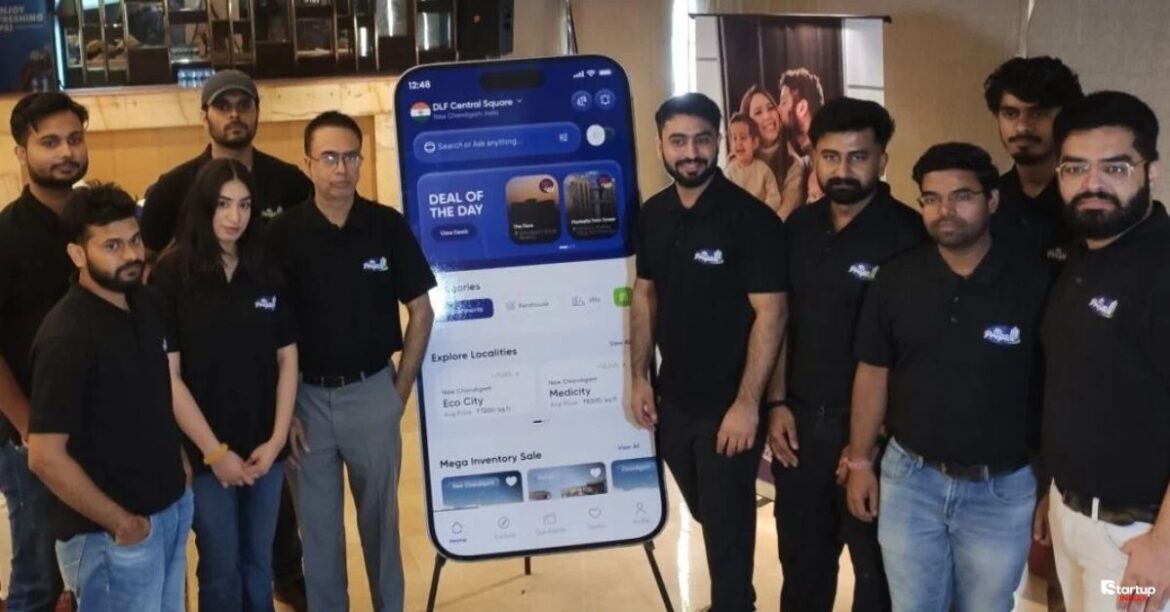
MrProptek Launches as the First AI Property Booking App, Transforming Real Estate in Chandigarh - Startup INDIAX
AIStartup

MrProptek Launches as the First AI Property Booking App, Transforming Real Estate in Chandigarh

by Aalam Rohile June 17, 2025
3 min read

Summary: MrProptek, World’s first AI property booking app, is revolutionizing the real estate landscape in Chandigarh and beyond. With advanced AI, 4K virtual walkthroughs, and instant digital transactions, MrProptek makes property buying seamless, secure, and broker-free. This innovative platform, developed by young entrepreneur Aagman Bhatia, empowers users to book verified listings in under 10 minutes, while builders can sell entire inventories within hours. The app’s launch marks a significant milestone for India’s startup ecosystem, aligning with Digital India and Startup India initiatives, and setting a new benchmark for global proptech. Related keywords: AI real estate app, property booking platform, digital property transactions, virtual walkthroughs, real estate innovation, Startup INDIAX.

1. Introduction: The Dawn of AI in Real Estate

The Indian real estate market, long known for its paperwork, brokers, and endless waiting, is finally experiencing its digital revolution. Enter MrProptek, the world’s first AI property booking app, launched in Chandigarh. This breakthrough promises to eliminate inefficiencies, reduce fraud, and make global property buying as easy as ordering food online.

2. Meet MrProptek: The World’s First AI Property Booking App

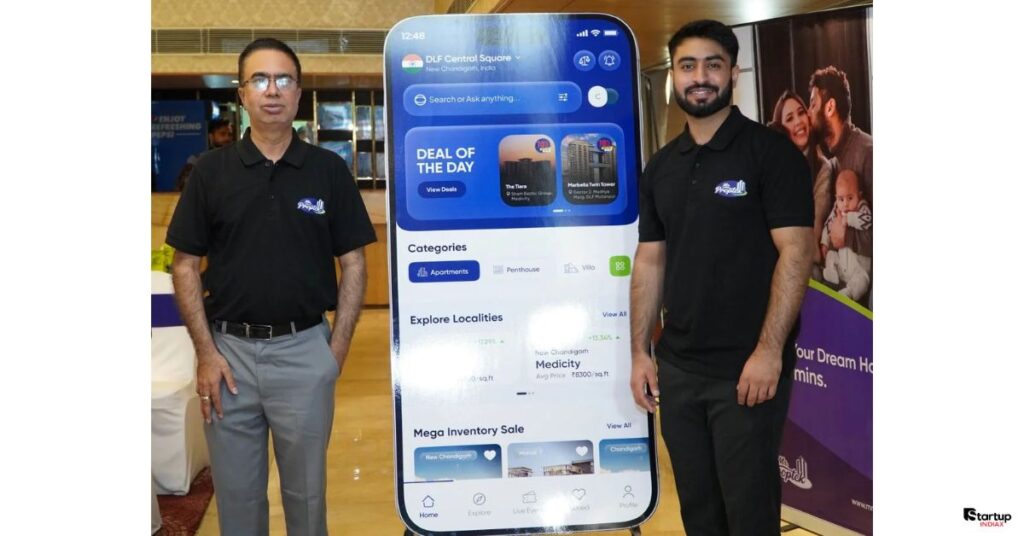
Aagman Bhatia, MrProptek Launches as the First AI Property Booking App- Startup INDIAX

Unveiled on May 27, 2025, MrProptek positions itself as the “Zomato for property,” offering users a seamless, broker-free experience to search, compare, and book residential or commercial properties in under ten minutes. Powered by AI, virtual reality, and 4K walkthroughs, it’s not just an app it’s a movement to digitize and globalize real estate.

3. The Visionaries Behind MrProptek

Aagman Bhatia, MrProptek Launches as the First AI Property Booking App- Startup INDIAX

MrProptek is the brainchild of 23-year-old Aagman Bhatia, an AI/ML postgraduate from Plaksha University, and his father KS Bhatia, founder of Pumpkart a startup recognized by Google CEO Sundar Pichai and Prime Minister Narendra Modi. Their combined expertise in technology and entrepreneurship has given birth to a platform that’s both innovative and deeply user-centric.

4. Key Features That Set MrProptek Apart

AI Assistant “Oora”: Delivers real-time recommendations, location intelligence, builder background checks, and five-year property appreciation forecasts.

4K Virtual Walkthroughs with “Aug”: Offers immersive, interactive property tours with room measurements, interior toggles, and a “dollhouse” view, helping users make confident decisions from anywhere in the world.

Direct Booking & Google Meet Integration: Users can book verified listings, conduct live video calls with builders, and complete payments and documentation securely within the app—no brokers needed.

Builder Dashboard: Enables real estate developers to upload entire inventories and sell out projects globally within hours, not months.

Global Inventory: From affordable apartments in India to private islands and luxury villas abroad, MrProptek is a one-stop shop for diverse property needs.

5. How MrProptek Works: A Step-by-Step Guide

  • Search & Compare: Users explore properties using AI-powered filters and virtual walkthroughs.
  • AI Recommendations: Oora suggests properties based on preferences, budgets, and location data.
  • Virtual Tours: Aug provides 4K, interactive walkthroughs, including room measurements and interior customization.
  • Live Builder Calls: Schedule or join Google Meet sessions with builders for real-time Q&A.
  • Instant Booking: Reserve a property by paying a small token amount—fully refundable upon confirmation.
  • Digital Documentation: Complete paperwork, payments, and verification within the app, ensuring transparency and security.

6. Instant, Broker-Free Property Booking: What’s New?

Traditional property buying often involves multiple intermediaries, delays, and opaque processes. MrProptek removes these barriers by offering:

  • Verified Listings: Every property is vetted for authenticity, reducing fraud.
  • No Brokerage Fees: Direct transactions save both time and money.
  • Speed: What once took months now takes minutes, thanks to integrated digital tools.

7. Builder Benefits: Selling Inventory in Hours, Not Months

MrProptek isn’t just for buyers; it’s a game-changer for builders and developers:

  • Global Reach: Projects go live worldwide instantly, attracting a larger pool of buyers.
  • 1-Hour Sell-Out Formula: Aggressive marketing, influencer campaigns, and live global exhibitions drive rapid sales.
  • Risk-Free Booking: Buyers pay a nominal, refundable token, making the process secure and attractive.

8. Government Endorsement and Industry Impact

The app’s launch was officiated by Punjab Governor and UT Administrator Gulab Chand Kataria, who called MrProptek a “matter of pride for Chandigarh and Punjab” and a reflection of India’s digital future. The platform aligns with national initiatives like Digital India, Skill India, and Startup India, further cementing its authority and trustworthiness.

9. Transforming Chandigarh’s Startup Ecosystem with Startup INDIAX

MrProptek’s success story is a testament to the vibrancy of Chandigarh’s startup scene. Platforms like Startup INDIAX play a crucial role in nurturing such innovations, providing visibility, mentorship, and resources to emerging entrepreneurs. MrProptek’s journey from idea to global launch showcases the power of India’s startup ecosystem and its alignment with government-backed innovation.

10. Expansion Plans: From Chandigarh to the World

While MrProptek started in Chandigarh and Mohali, its ambitions are global. The app plans to launch in Bangalore, Mumbai, and Surat within 60 days, with a Dubai debut set for August 2025. By 2028, MrProptek aims to cover all of Asia and the Middle East, bringing its AI-driven property booking model to a worldwide audience.

11. Challenges and the Road Ahead

Despite its promise, MrProptek faces challenges:

  • Scaling Globally: Adapting to diverse regulatory environments and consumer preferences.
  • Competing with Incumbents: Established portals still dominate, though few offer true AI-driven, broker-free experiences.
  • Continuous Innovation: Staying ahead with new tech like blockchain and expanding into rent and leasing segments.

Yet, with government support, a robust tech stack, and a visionary team, MrProptek is well-positioned to lead the next wave of real estate innovation.

12. Conclusion: A New Era for Real Estate

MrProptek, the world’s first AI property booking app, is not just an incremental upgrade—it’s a bold leap toward a smarter, faster, and more transparent real estate market. By harnessing AI, virtual reality, and seamless digital transactions, MrProptek is redefining how properties are bought and sold, starting from Chandigarh and expanding across the globe. For buyers, builders, and the broader startup community—including platforms like Startup INDIAX—this is a milestone worth celebrating.

June 17, 2025 1 comment 294 views
FacebookTwitterLinkedinWhatsapp
Meta Appoints Arun Srinivas as MD: 7 Strategic Moves That Will Transform India Operations
NewsStartup

Meta Appoints Arun Srinivas as MD: 7 Strategic Moves That Will Transform India Operations

by Aalam Rohile June 16, 2025
3 min read

Arun Srinivas as MD and Head for Meta in India represents a pivotal moment in the tech giant’s Indian journey. Meta appoints Arun Srinivas as MD effective July 1, 2025, marking a significant internal promotion that signals the company’s commitment to its fastest-growing market. This appointment comes at a crucial time when India’s digital advertising market is experiencing unprecedented growth, and Meta’s platforms are becoming increasingly central to business operations across the subcontinent.

The strategic decision to elevate Arun Srinivas from his current role as Director and Head of Advertising reflects Meta’s confidence in homegrown talent and deep understanding of the Indian market dynamics. With nearly three decades of leadership experience spanning multiple industries, Srinivas brings a unique blend of local market expertise and global perspective that positions Meta India for its next phase of expansion.

Who is Arun Srinivas? The Man Behind Meta’s India Transformation

Arun Srinivas isn’t just another corporate appointment – he’s a seasoned professional who has been instrumental in shaping Meta’s advertising success in India since 2022. As an IIM Kolkata alumnus with nearly 30 years of experience, Srinivas has built an impressive career trajectory that includes senior leadership roles at prestigious companies like Hindustan Unilever, Reebok, Ola, and WestBridge Capital.

Arun Srinivas as MD and Head for Meta in India A New Era Begins in 2025- Startup INDIAX

His journey to becoming Arun Srinivas as MD and Head for Meta in India showcases a professional who understands both traditional business models and digital transformation. During his tenure as advertising head, Srinivas has been the driving force behind Meta’s collaboration with top advertisers and agencies, promoting AI-powered advertising solutions, Reels, and messaging platforms across Meta’s ecosystem.

What sets Srinivas apart is his ability to bridge the gap between global tech capabilities and local market needs. His experience spans across FMCG, sports retail, mobility, and venture capital – giving him a 360-degree view of how businesses operate and grow in the Indian market. This diverse background makes him uniquely qualified to lead Meta’s multifaceted operations in India.

7 Strategic Moves That Will Transform Meta’s India Operations

3.1 Accelerating AI-Powered Advertising Solutions

Under Srinivas’s leadership, Meta appoints Arun Srinivas as MD to spearhead the company’s AI-first advertising approach in India. The focus will be on leveraging machine learning algorithms to deliver more personalized and effective advertising experiences for Indian businesses.

The transformation will include advanced targeting capabilities that understand regional preferences, language nuances, and cultural contexts. Indian businesses, from small startups featured on Startup INDIAX to large enterprises, will benefit from more sophisticated ad tools that can optimize campaigns in real-time based on local consumer behavior patterns.

Srinivas’s vision includes democratizing AI advertising tools, making them accessible to small and medium enterprises that form the backbone of India’s economy. This move aligns with Meta’s broader strategy of empowering businesses with cutting-edge technology while maintaining cost-effectiveness.

3.2 Expanding Reels and Short-Form Content Strategy

The short-form video revolution in India presents a massive opportunity that Srinivas is well-positioned to capitalize on. His experience in promoting Reels during his advertising tenure gives him deep insights into what resonates with Indian audiences.

The strategic expansion will focus on creating more localized content tools, better creator monetization options, and enhanced discovery algorithms that understand India’s diverse linguistic and cultural landscape. This includes developing features specifically for regional content creators and businesses looking to tap into the growing short-form video market.

Srinivas understands that India’s Reels ecosystem needs to be more inclusive and representative of the country’s diversity. His approach will likely include partnerships with regional content creators, local music labels, and cultural institutions to create a truly Indian Reels experience.

3.3 Strengthening WhatsApp Business Ecosystem

WhatsApp’s dominance in India’s messaging landscape presents unprecedented opportunities for business growth. Arun Srinivas brings valuable insights from his advertising background to transform WhatsApp into a more robust business platform.

The strategic focus will be on enhancing WhatsApp Business API capabilities, making it easier for startups and enterprises to integrate messaging into their customer service and sales processes. This includes developing better catalog features, payment integrations, and customer support tools that cater specifically to Indian business needs.

Srinivas’s vision likely includes creating a seamless ecosystem where businesses can manage everything from customer acquisition to retention through WhatsApp, making it an indispensable tool for India’s growing digital economy.

3.4 Boosting Digital Commerce Integration

E-commerce integration across Meta’s platforms will be a key focus area under Srinivas’s leadership. His understanding of consumer behavior and business needs positions him to create more effective shopping experiences on Facebook, Instagram, and WhatsApp.

The strategy will involve developing better product discovery tools, streamlined checkout processes, and enhanced seller tools that make it easier for Indian businesses to sell directly through Meta’s platforms. This is particularly important for the startup ecosystem, where companies featured on platforms like Startup INDIAX need efficient ways to reach and convert customers.

Srinivas’s approach will likely include partnerships with Indian payment providers, logistics companies, and financial institutions to create a comprehensive digital commerce ecosystem that addresses local market needs.

3.5 Enhanced Creator Economy Development

India’s creator economy is booming, and Srinivas’s appointment signals Meta’s commitment to nurturing this growth. His experience working with advertising partners gives him unique insights into what creators and brands need to succeed together.

The strategic initiatives will include better monetization tools for creators, more sophisticated brand partnership platforms, and enhanced analytics that help creators understand and grow their audiences. This includes developing features that cater to India’s unique creator landscape, from Instagram influencers to Facebook community builders.

Srinivas understands that India’s creator economy needs local solutions – from payment methods that work for Indian creators to content tools that support regional languages and cultural contexts.

3.6 Deepening Partnership with Indian Enterprises

Meta appoints Arun Srinivas as MD to strengthen relationships with India’s enterprise ecosystem. His extensive experience across various industries positions him to understand enterprise needs better than typical tech executives.

The strategic approach will involve creating more sophisticated enterprise solutions, better integration with existing business systems, and enhanced support for large-scale operations. This includes developing partnerships with Indian system integrators, consulting firms, and technology providers.

Srinivas’s vision likely includes creating Meta solutions that integrate seamlessly with the software and processes that Indian enterprises already use, making adoption easier and more effective.

3.7 Advancing Meta’s Metaverse Vision in India

The metaverse represents Meta’s long-term vision, and India’s young, tech-savvy population makes it a crucial market for these emerging technologies. Srinivas’s appointment signals Meta’s intention to make the metaverse more accessible and relevant to Indian users.

The strategic focus will be on developing metaverse experiences that resonate with Indian culture, from virtual festivals to digital marketplaces that reflect local commerce patterns. This includes creating more affordable access points and use cases that provide immediate value to Indian consumers and businesses.

Srinivas’s approach will likely emphasize practical applications of metaverse technology in education, entertainment, and business, making it more than just a futuristic concept for Indian users.

Impact on India’s Digital Advertising Landscape

The appointment of Arun Srinivas as MD and Head for Meta in India is set to reshape the country’s digital advertising ecosystem significantly. His deep understanding of both advertiser needs and platform capabilities positions him to create more effective advertising solutions.

The impact will be felt across multiple dimensions. Small businesses will benefit from more accessible and affordable advertising tools, while large enterprises will gain access to more sophisticated targeting and measurement capabilities. The startup ecosystem, including companies featured on Startup INDIAX, will have better tools to reach and engage their target audiences.

Srinivas’s vision includes making Meta’s advertising platform more intuitive for Indian businesses, with better support for regional languages, local payment methods, and cultural context. This democratization of advertising technology could level the playing field for smaller businesses competing with larger corporations.

The focus on AI-powered solutions will also help businesses optimize their advertising spend more effectively, leading to better ROI and more sustainable growth. This is particularly important in India’s price-sensitive market, where efficiency and effectiveness are crucial for business success.

What This Means for Indian Startups and Businesses

For India’s thriving startup ecosystem, Meta appoints Arun Srinivas as MD represents new opportunities for growth and customer acquisition. His understanding of the startup landscape, gained through his experience at WestBridge Capital and Ola, makes him uniquely positioned to address startup needs.

The strategic implications include better access to Meta’s global user base, more cost-effective advertising solutions, and enhanced tools for customer engagement and retention. Startups will benefit from Srinivas’s focus on making Meta’s platforms more accessible and affordable for growing businesses.

His vision likely includes creating specific programs and tools for startups, from incubator partnerships to accelerated onboarding processes. This could include collaborations with startup platforms like Startup INDIAX to provide startups with the resources and knowledge they need to succeed on Meta’s platforms.

For established businesses, the appointment signals Meta’s commitment to providing enterprise-grade solutions that can scale with growing organizations. This includes better integration capabilities, enhanced security features, and more sophisticated analytics tools.

Challenges and Opportunities Ahead

While Arun Srinivas brings impressive credentials to his new role, he faces significant challenges in India’s complex and rapidly evolving digital landscape. Regulatory compliance, data privacy concerns, and intense competition from local and global players will require careful navigation.

The opportunities, however, are equally significant. India’s digital advertising market is expected to continue its rapid growth, and Meta’s platforms are well-positioned to capture a significant share of this expansion. Srinivas’s local expertise and global perspective make him ideally suited to capitalize on these opportunities.

His challenge will be balancing Meta’s global strategies with local market needs, ensuring that the company’s platforms remain relevant and effective for Indian users and businesses. This includes addressing concerns about data localization, content moderation, and platform accessibility.

The appointment also represents an opportunity to strengthen Meta’s relationship with Indian regulators and policymakers, using Srinivas’s local credibility and understanding to navigate regulatory challenges more effectively.

Conclusion: A New Chapter for Meta India

The appointment of Arun Srinivas as MD and Head for Meta in India marks the beginning of an exciting new chapter for the tech giant in one of its most important markets. His combination of local expertise, global perspective, and proven track record positions him to lead Meta India through its next phase of growth.

The seven strategic moves outlined above represent just the beginning of what promises to be a transformative period for Meta’s India operations. From AI-powered advertising to metaverse development, Srinivas’s leadership will be crucial in determining how effectively Meta can capitalize on India’s digital opportunities.

For Indian businesses, startups, and creators, this appointment signals Meta’s long-term commitment to the Indian market and its willingness to invest in local leadership and understanding. The focus on making Meta’s platforms more accessible, affordable, and effective for Indian users bodes well for the country’s continued digital transformation.

As we look ahead to July 2025 and beyond, the success of Meta’s India operations under Srinivas’s leadership will likely be measured not just in revenue growth, but in how effectively the company can contribute to India’s digital economy and support the growth of businesses across the spectrum – from startups featured on Startup INDIAX to established enterprises looking to expand their digital presence.

The stage is set for Meta appoints Arun Srinivas as MD to become one of the most significant leadership changes in India’s tech industry, with implications that will be felt across the entire digital ecosystem for years to come.

June 16, 2025 0 comments 385 views
FacebookTwitterLinkedinWhatsapp
New Blade-Free Wind Panel
StartupScienceTechnology

New Blade-Free Wind Panel Revolutionizes Urban Energy Generation in 2025

by Ismail Patel June 16, 2025
3 min read

New blade-free wind panel technology is transforming urban energy generation, offering a sustainable, compact, and wildlife-friendly alternative to traditional wind turbines. Unlike bulky turbines with spinning blades, these innovative panels harness wind energy through oscillation, making them ideal for city landscapes with low wind speeds and tight spaces. In this article, we’ll dive into how blade-free wind panels work, their benefits, and why they’re a game-changer for urban sustainability. From the AI-powered Birmingham Blade to their environmental impact, Startup INDIAX explores how this technology is reshaping clean energy in 2025.

Table of Contents

  • Introduction: A New Era for Urban Energy Generation
  • What Is a Blade-Free Wind Panel?
  • How Blade-Free Wind Panels Work
  • Why Blade-Free Wind Panels Are Perfect for Urban Environments
  • The Birmingham Blade: A Case Study in Innovation
  • Environmental and Economic Benefits of Blade-Free Wind Panels
  • Challenges and Criticisms of Blade-Free Wind Panels
  • The Role of AI in Shaping Blade-Free Wind Technology
  • How Blade-Free Wind Panels Compare to Traditional Turbines
  • The Future of Urban Energy Generation with Blade-Free Wind Panels
  • Conclusion: A Step Toward Sustainable Urban Living

Introduction: A New Era for Urban Energy Generation

Imagine a city where rooftops hum with clean energy, not from towering wind turbines, but from sleek, silent panels that blend into the urban landscape. That’s the promise of the new blade-free wind panel, a breakthrough in urban energy generation that’s capturing attention worldwide. At Startup INIDAX, we’re excited to explore this cutting-edge technology that’s making renewable energy more accessible in cities. These panels are designed to tackle the challenges of urban wind energy—low wind speeds, turbulence, and limited space—while being eco-friendly and cost-effective. Let’s unpack how this innovation is paving the way for a greener urban future.

What Is a Blade-Free Wind Panel?

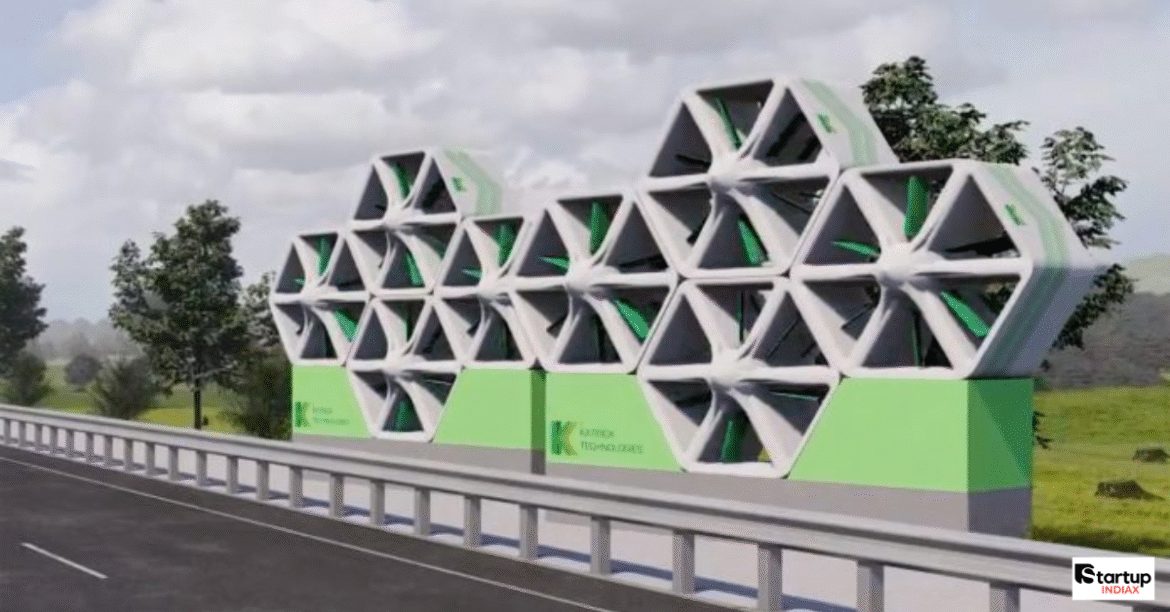
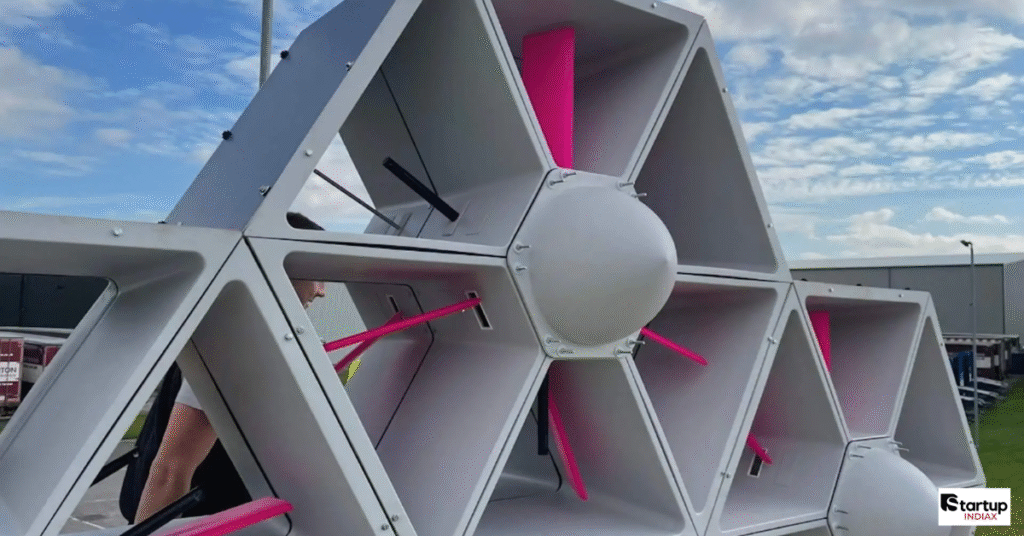
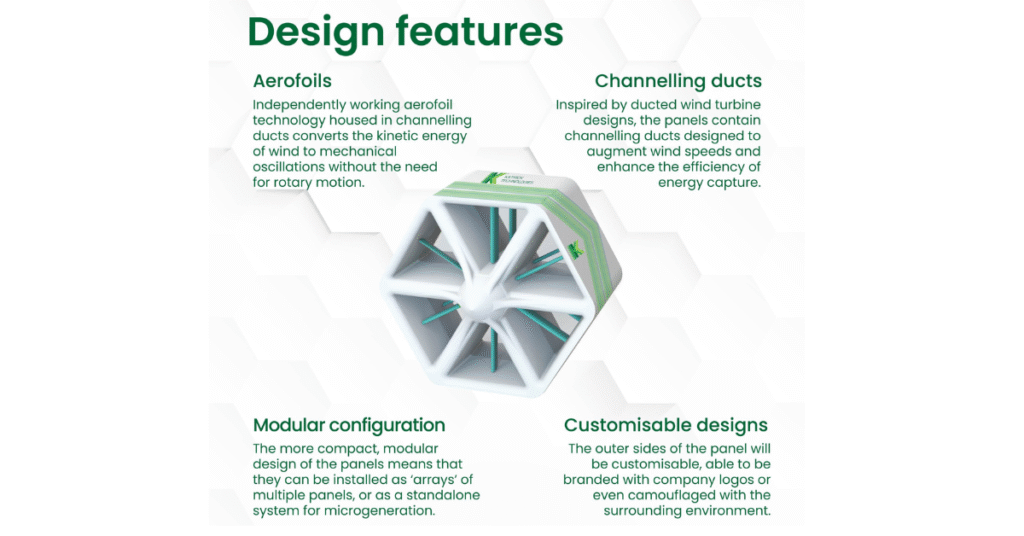
A blade-free wind panel is a revolutionary device that generates electricity from wind without the spinning blades we associate with traditional turbines. Instead, these panels use oscillating aerofoils or vibrating structures to capture wind energy. Think of them as high-tech, honeycomb-shaped panels or slender cylinders that move with the wind, converting its kinetic energy into electricity. Unlike conventional turbines, which require strong, consistent winds and large spaces, blade-free panels are compact, quiet, and designed for urban environments.

Startups like Katrick Technologies and Vortex Bladeless are leading the charge. For example, Katrick’s Wind Panel, developed in Glasgow, uses a honeycomb design with oscillating aerofoils to generate power even at low wind speeds. Similarly, Vortex Bladeless, based in Spain, has created a cylindrical turbine that vibrates in the wind, producing electricity without rotating parts. These innovations are tailor-made for cities, where traditional turbines are often impractical.

How Blade-Free Wind Panels Work

So, how do these futuristic panels actually generate electricity? The science is surprisingly simple yet ingenious. Blade-free wind panels operate on the principle of vortex-induced vibration or aeroelastic flutter. When wind passes over the panel’s structure—whether it’s a cylinder or a series of aerofoils—it creates alternating low-pressure zones, causing the structure to oscillate. These oscillations drive an internal generator, converting mechanical energy into electricity.

For instance, Katrick Technologies’ Wind Panel uses a honeycomb layout where wind accelerates through narrow channels (a phenomenon called the Venturi effect), making the aerofoils inside vibrate. This vibration powers a generator, producing clean energy. Vortex Bladeless, on the other hand, uses a single, flexible mast that sways in the wind, with magnets inside generating a rotating field to produce electricity. Both designs eliminate the need for gearboxes or complex moving parts, reducing maintenance costs and noise.

Credit – Katrick Technologies

Why Blade-Free Wind Panels Are Perfect for Urban Environments

Cities are tricky places for traditional wind turbines. Tall buildings create turbulent wind patterns, and low wind speeds (often below 4 meters per second) make conventional turbines inefficient. Plus, there’s the issue of space—urban areas don’t have room for massive turbine towers. This is where blade-free wind panels shine.

  • Compact Design: These panels are small enough to fit on rooftops, streetlights, or building facades, making them ideal for densely populated areas.
  • Low Wind Speed Efficiency: Unlike traditional turbines, which need wind speeds of 10 meters per second or more, blade-free panels can generate power at speeds as low as 3.6 meters per second, perfect for urban settings like Birmingham.
  • Quiet Operation: With no spinning blades or gearboxes, these panels produce minimal noise, avoiding disturbances in residential areas.
  • Wildlife Safety: The absence of blades eliminates the risk of bird or bat collisions, a significant concern with traditional turbines.
  • Aesthetic Appeal: Their sleek, modern designs blend seamlessly into urban landscapes, unlike the imposing structures of traditional wind farms.

At Startup INDIAX, we believe these features make blade-free wind panels a perfect fit for cities striving to meet renewable energy goals without sacrificing space or aesthetics.

The Birmingham Blade: A Case Study in Innovation

One of the most exciting examples of blade-free wind panel technology is the Birmingham Blade, a collaboration between EvoPhase and KwikFab. This AI-designed turbine is tailored specifically for Birmingham, UK, where wind speeds average just 3.6 meters per second. Using evolutionary algorithms, EvoPhase tested over 2,000 designs to create a compact turbine with curved, oscillating blades that are up to seven times more efficient than existing urban wind turbines.

The Birmingham Blade’s lightweight design makes it ideal for rooftop installations, and its ability to handle turbulent winds caused by surrounding buildings sets it apart. According to Leonard Nicusan, EvoPhase’s CTO, “AI allowed us to break free from traditional design biases, accelerating development and achieving what would have taken years.” This project, supported by the UK’s Manchester Prize, shows how AI and precision manufacturing can drive innovation in urban energy generation.

Environmental and Economic Benefits of Blade-Free Wind Panels

The rise of blade-free wind panels isn’t just about cool tech—it’s about real-world impact. Here’s why they’re a win for both the planet and your wallet:

  • Eco-Friendly: Panels like Katrick’s reduce carbon emissions by over 0.5 tons of CO2 annually per kilowatt of capacity. They’re also made from recyclable materials, addressing the landfill issues plaguing traditional turbine blades.
  • Cost-Effective: With a levelized cost of electricity as low as 15 cents per kilowatt-hour, these panels are affordable for urban deployment. Their modular design allows for mass production, further driving down costs.
  • Low Maintenance: No gearboxes or spinning parts mean fewer repairs and lower upkeep costs compared to traditional turbines.
  • Energy Independence: By generating power on-site, cities can reduce reliance on fossil fuels, supporting global renewable energy targets.

At Startup INDIAX, we’re thrilled to see technologies that align with the push for sustainable urban living, and blade-free wind panels are leading the charge.

Challenges and Criticisms of Blade-Free Wind Panels

No technology is perfect, and blade-free wind panels face their share of hurdles. Critics argue that while these panels are greener, their energy output is lower than traditional turbines, which can generate megawatts of power for large-scale applications. For urban settings, though, this isn’t necessarily a dealbreaker—small-scale, distributed energy is often more practical in cities.

Another challenge is the high initial investment. While maintenance costs are low, the upfront cost of manufacturing and installing these panels can deter adoption. Plus, their long-term efficiency in real-world conditions needs further validation. Some investors remain skeptical, favoring proven turbine designs over newer technologies.

Despite these challenges, the potential for blade-free wind panels to complement solar panels—generating power at night when solar isn’t an option—makes them a compelling addition to urban energy systems.

The Role of AI in Shaping Blade-Free Wind Technology

Artificial intelligence is a key driver behind the success of blade-free wind panels. Companies like EvoPhase use AI-driven evolutionary algorithms to simulate thousands of designs, optimizing for efficiency, weight, and cost. This approach mimics natural selection, testing countless variations to find the best fit for specific conditions, like Birmingham’s low wind speeds.

AI also helps manufacturers like KwikFab produce prototypes quickly, reducing development time from years to weeks. This speed and precision are critical for scaling up production and making urban energy generation more accessible. At Startup INDIAX, we see AI as a cornerstone of renewable energy innovation, and blade-free wind panels are a prime example of its transformative power.

How Blade-Free Wind Panels Compare to Traditional Turbines

Traditional wind turbines, with their massive blades and towering structures, are designed for open spaces like wind farms. They’re highly efficient at capturing strong, consistent winds but struggle in urban environments. Blade-free wind panels, by contrast, are built for flexibility:

  • Efficiency: Traditional turbines achieve 40-45% efficiency, while some blade-free designs claim up to 60% in optimal conditions. However, their smaller size limits total output.
  • Installation: Blade-free panels are easier to install on rooftops or existing structures, like streetlights, compared to turbines that require dedicated towers.
  • Environmental Impact: Blade-free designs are safer for wildlife and produce less noise, making them better suited for urban areas.
  • Scalability: Traditional turbines dominate large-scale energy production, but blade-free panels excel in microgrid and distributed energy applications.

For cities, the choice is clear: blade-free panels offer a practical, sustainable solution where traditional turbines fall short.

The Future of Urban Energy Generation with Blade-Free Wind Panels

The future of urban energy generation looks bright with blade-free wind panels. As cities grow and energy demands rise, these panels could become a staple of urban infrastructure, powering everything from streetlights to apartment buildings. Innovations like Katrick’s Wind Panel and the Birmingham Blade show that compact, efficient designs can make wind energy viable in places it’s never been before.

Looking ahead, advancements in materials and AI will likely make these panels even more efficient and affordable. Governments and businesses are already taking notice—Katrick’s partnership with the Manufacturing Technology Centre and EvoPhase’s Manchester Prize recognition signal strong support for this technology. At Startup INDIAX, we’re optimistic that blade-free wind panels will play a key role in achieving net-zero emissions by 2050.

Conclusion: A Step Toward Sustainable Urban Living

The new blade-free wind panel is more than just a tech trend—it’s a step toward making cities greener, more self-sufficient, and less reliant on fossil fuels. By addressing the unique challenges of urban energy generation, these panels offer a practical, eco-friendly alternative to traditional turbines. Whether it’s the AI-powered Birmingham Blade or Katrick’s honeycomb design, this technology is proving that clean energy can thrive in the heart of our cities. At Startup INDIAX, we’re excited to see where this innovation takes us, and we hope you’re just as inspired by the possibilities.

June 16, 2025 0 comments 326 views
FacebookTwitterLinkedinWhatsapp
Electric CTOL Aircraft Lands at JFK
AutomobileStartupTechnology

Electric CTOL Aircraft Lands at JFK: 4 Passengers Celebrate Historic Green Victory

by Ismail Patel June 16, 2025
3 min read

Electric CTOL aircraft lands at JFK – a phrase that’s buzzing with excitement as it marks a historic win for sustainable aviation. On June 3, 2025, BETA Technologies’ ALIA CX300, an all-electric conventional takeoff and landing (CTOL) aircraft, carried four passengers from East Hampton to New York’s John F. Kennedy International Airport (JFK) in a 45-minute, zero-emission flight. Costing just $8 in electricity, this first passenger flight of electric aircraft is a bold leap toward greener, quieter, and more affordable air travel. Here at Startup INDIAX, we’re thrilled to unpack this milestone, from the tech behind it to its impact on the future of flight. Let’s dive in!

Table of Contents

  • Introduction: A Green Victory for Aviation
  • The Milestone Moment: Electric CTOL Aircraft Lands at JFK
  • Why This Flight Is a Game-Changer for Sustainable Aviation
  • Inside BETA’s ALIA CX300: The Tech Powering the Flight
  • Who Made It Happen? Key Players Behind the Victory
  • Environmental and Economic Wins of Electric CTOL Aircraft
  • Conclusion: Celebrating a Bright Future for Green Flight

Introduction: A Green Victory for Aviation

Picture this: a plane that’s as quiet as a whisper, leaves no carbon footprint, and costs less to fly than a fancy latte. That’s the reality BETA Technologies brought to life when their electric CTOL aircraft landed at JFK on June 3, 2025. This wasn’t just a flight; it was a celebration of innovation, sustainability, and the future of aviation. The first passenger flight of electric CTOL aircraft touched down at one of the world’s busiest airports, proving that eco-friendly air travel is no longer a pipe dream.

Electric CTOL Aircraft Lands at JFK, Beta Technologies- Startup INDIAX

At Startup INDIAX, we live for stories like this – startups pushing boundaries to solve big problems. With aviation contributing roughly 2% of global CO2 emissions, electric CTOL aircraft like the ALIA CX300 could redefine how we soar through the skies. Let’s break down what happened, why it’s a big deal, and what’s coming next.

The Milestone Moment: Electric CTOL Aircraft Lands at JFK

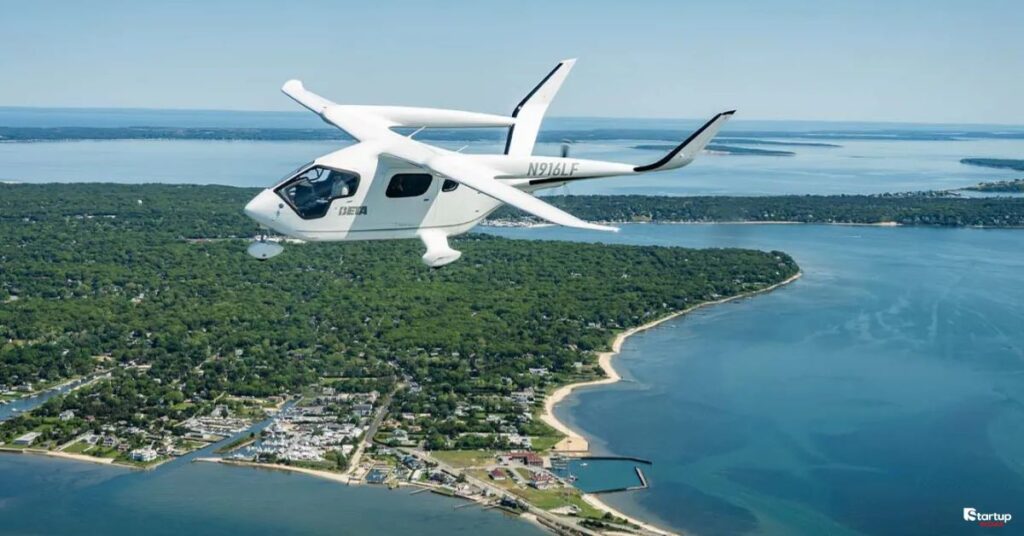
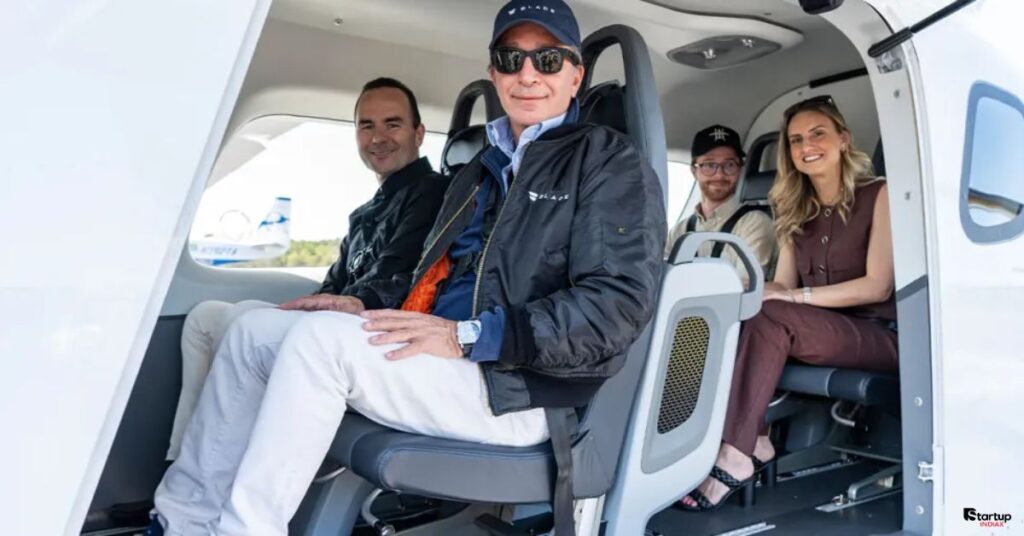
On a sunny morning in June 2025, BETA Technologies’ ALIA CX300 took off from East Hampton Airport, carrying a pilot and four passengers, including Republic Airways President Matt Koscal and Blade Air Mobility CEO Rob Wiesenthal. The 45-minute flight covered about 70 nautical miles, landing at JFK at 11:13 a.m. What makes this CTOL aircraft landing at JFK so special? It’s the first time a battery-powered, passenger-carrying plane graced a major U.S. commercial airport.

Electric CTOL Aircraft Lands at JFK, first passenger flight of electric CTOL aircraft - Startup INDIAX

This wasn’t a stunt – it was part of the Port Authority of New York and New Jersey’s push to test next-generation, low-emission aircraft. The ALIA CX300, powered by just $8 of electricity, showed the world that electric aviation is practical and ready to scale. “This is a victory for the planet and for progress,” said BETA’s founder and CEO, Kyle Clark. The passengers? They were all smiles, celebrating a flight that felt like history in the making.

🇺🇸HISTORIC ALL-ELECTRIC FLIGHT LANDS AT JFK

An all-electric aircraft made a landmark landing at JFK Airport on Tuesday, marking the first such arrival at the New York hub.

Vermont-based Beta Technologies’ Alia CX300 took off from Suffolk County for a 45-minute flight.

CEO… https://t.co/TdhICNy6ux pic.twitter.com/7MEWGBqwkG

— Mario Nawfal (@MarioNawfal) June 4, 2025

Why This Flight Is a Game-Changer for Sustainable Aviation

The first passenger flight of electric CTOL aircraft isn’t just a feel-good story – it’s a turning point for the aviation industry. Here’s why this milestone has everyone at Startup INDIAX buzzing:

  • Zero Emissions: Unlike traditional jets, electric CTOL aircraft produce no operational emissions, aligning with the Port Authority’s net-zero goal by 2050.
  • Whisper-Quiet Flights: The ALIA CX300 is up to ten times quieter than helicopters, tackling noise pollution in cities like New York.
  • Affordable Operations: At $8 for a 45-minute flight, electric aviation slashes fuel costs, potentially making regional travel cheaper.
  • Urban Air Mobility: Short-hop flights like this could ease traffic congestion, offering a greener alternative for city-to-city travel.

This flight proves that sustainable aviation is here, and startups like BETA are leading the charge. It’s a reminder that innovation can make a real difference, something we love highlighting at Startup INDIAX.

Inside BETA’s ALIA CX300: The Tech Powering the Flight

What makes the electric CTOL aircraft tick? The ALIA CX300 is the conventional takeoff and landing sibling of BETA’s ALIA A250, an electric vertical takeoff and landing (eVTOL) model. Here’s a peek under the hood:

  • Electric Motor: A H500A electric motor with a five-blade pusher propeller delivers efficient, smooth performance.
  • Battery Power: With a range of over 250 nautical miles on a one-hour recharge, it’s ideal for regional routes.
  • Payload: It can carry a pilot plus up to five passengers or 1,250 pounds of cargo, making it versatile for passengers, medical deliveries, or freight.
  • Proven Reliability: The ALIA CX300 has flown over 8,000 nautical miles, including a U.S. coast-to-coast tour, and holds an FAA market survey certificate for demo flights.

BETA’s commitment to safety and scalability shines through. They’ve already built 46 charging stations across the U.S., with 50 more planned, ensuring the infrastructure supports this green revolution.

Who Made It Happen? Key Players Behind the Victory

The first passenger flight of electric CTOL aircraft was a team effort, bringing together innovators, regulators, and industry leaders:

  • BETA Technologies: Since 2017, this Vermont-based startup has raised over $1 billion to develop electric aircraft. The ALIA series started as an organ transport solution for United Therapeutics, showing its real-world potential.
  • Port Authority of New York and New Jersey: Their 2023 innovation challenge invited companies to demo eco-friendly aircraft, and BETA delivered.
  • Blade Air Mobility: CEO Rob Wiesenthal, a passenger on the flight, called it “a game-changer for quiet, green travel.” Blade has ordered up to 20 ALIA-250 eVTOLs.
  • Republic Airways: President Matt Koscal’s presence signals interest from traditional airlines in electric aviation.

These partnerships give BETA’s work credibility and momentum, a key focus for Startup INDIAX when we cover industry-shaping tech.

Environmental and Economic Wins of Electric CTOL Aircraft

The electric CTOL aircraft landing at JFK is a win for both the planet and the economy. Let’s break it down:

  • Environmental Gains: Zero-emission flights reduce aviation’s carbon footprint, and quieter operations improve life near airports.
  • Economic Upsides: Lower fuel costs could democratize air travel. BETA’s charging network creates jobs, and its Vermont facility boosts local economies.
  • Challenges to Scale: Full FAA certification (slated for 2026), expanded infrastructure, and public trust are needed to go mainstream.

For startups following Startup INDIAX, BETA’s story shows how to balance vision with execution. Their focus on infrastructure and real-world testing is a masterclass in scaling innovation.

Conclusion: Celebrating a Bright Future for Green Flight

The electric CTOL aircraft landing at JFK is a triumph worth celebrating. BETA Technologies’ ALIA CX300 proves that aviation can be sustainable, affordable, and quiet. With visionary partners and cutting-edge technology, they’re rewriting the rules of flight. This isn’t just a win for BETA – it’s a victory for anyone who cares about a cleaner planet.

Here at Startup INDIAX, we’re pumped to see where this tech takes us next. From cargo runs to regional hops, electric CTOL aircraft are ready to take off. What do you think about this green milestone? Share your thoughts below, and stick with us for more startup stories that inspire!

June 16, 2025 0 comments 319 views
FacebookTwitterLinkedinWhatsapp
Tritium Fuel Inside Its Own Fusion Reactor
ScienceStartupTechnology

UK Startup’s Stunning Breakthrough: Tritium Fuel Inside Its Own Fusion Reactor in 2025

by Ismail Patel June 16, 2025
3 min read

UK startup Astral Systems has achieved a stunning breakthrough in 2025 by breeding tritium fuel inside its own fusion reactor, a monumental step toward sustainable fusion energy. This milestone, accomplished with the University of Bristol, cements the UK’s role as a global leader in clean energy innovation. In this article, Startup INDIAX dives into how this UK startup pulled off this feat, why tritium fuel is a game-changer for fusion reactors, and what it means for a net-zero future. Written in a conversational tone, we’ll explore the science, challenges, and potential of this exciting development.

Table of Contents

  • A Game-Changing Moment for UK Startups
  • What Is Tritium Fuel and Why Is It Critical?
  • Meet Astral Systems: The UK Startup Behind the Breakthrough
  • How Astral Systems Breeds Tritium Fuel Inside Its Fusion Reactor
  • The Science Powering This Stunning Achievement
  • Why This Breakthrough Matters for Clean Energy
  • Challenges Facing UK Startups in Fusion Energy
  • Conclusion: UK Startups Leading the Charge for Net Zero

A Game-Changing Moment for UK Startups

Picture a future where energy is clean, limitless, and sustainable. That’s the promise of nuclear fusion, the process that fuels the stars. For years, scientists have chased this dream, but one big challenge has been sourcing tritium fuel, a rare hydrogen isotope needed for fusion. Now, a UK startup called Astral Systems has made headlines in 2025 with a stunning breakthrough: breeding tritium fuel inside its own fusion reactor.

This isn’t just a lab curiosity—it’s a historic leap. Astral Systems is the first private company to achieve this, potentially unlocking the path to commercial fusion power. For Startup INDIAX readers, this story showcases the UK’s startup ecosystem at its boldest, driving innovation that could reshape the world’s energy landscape.

What Is Tritium Fuel and Why Is It Critical?

Let’s keep it simple. Nuclear fusion works by smashing hydrogen atoms together to release massive energy. Most fusion reactors use two hydrogen isotopes: deuterium (plentiful in seawater) and tritium (super rare). When these fuse, they produce helium, a neutron, and a burst of energy—without carbon emissions or long-lived radioactive waste.

Here’s the problem: tritium fuel is incredibly scarce. Only about 25-30 kilograms exist worldwide, mainly produced as a byproduct of fission reactors in countries like Canada. A single fusion reactor could burn through 55 kilograms of tritium annually, creating a major bottleneck. Breeding tritium fuel inside fusion reactors solves this by allowing reactors to create their own fuel, making fusion sustainable and scalable.

Meet Astral Systems: The UK Startup Behind the Breakthrough

Astral Systems, a UK startup based in Bristol, is the star of this story. Founded to accelerate fusion energy, the company has been developing its “multi-state fusion reactors,” which differ from traditional approaches like giant tokamaks or laser-based systems. Astral’s reactors double as neutron sources, enabling them to breed tritium fuel.

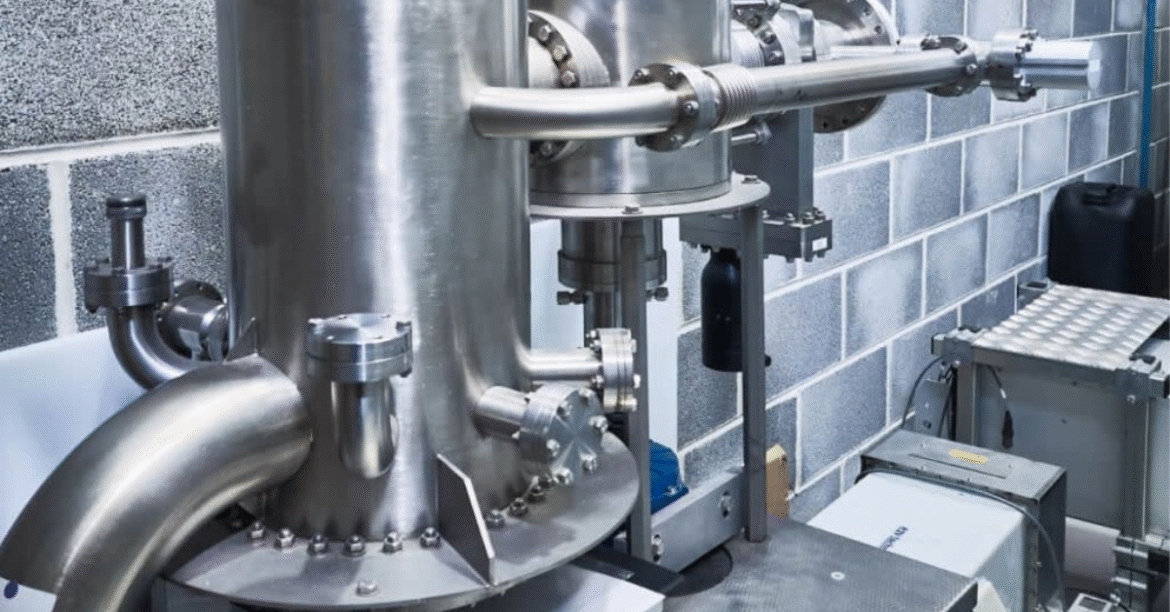
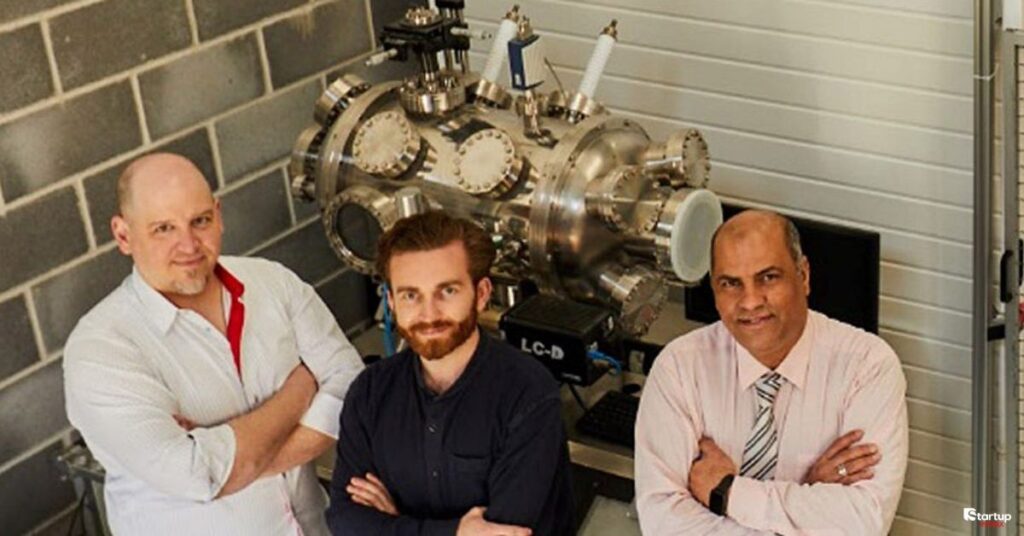
astral systems, UK Startup’s Stunning Breakthrough: Tritium Fuel Inside Its Own Fusion Reactor in 2025
Source – Medium

In March 2025, Astral Systems, working with the University of Bristol, ran a 55-hour deuterium-deuterium (DD) fusion experiment. The result? They successfully produced and detected tritium fuel in real-time using a lithium breeder blanket. This stunning breakthrough puts Astral—and the UK—on the global fusion map.

How Astral Systems Breeds Tritium Fuel Inside Its Fusion Reactor

So, how does this magic happen? Inside Astral’s fusion reactor, deuterium-deuterium fusion generates high-energy neutrons. These neutrons slam into a “blanket” made of lithium-6, a specific lithium isotope. The impact splits lithium-6 into helium and tritium, which is then captured and recycled as fuel. It’s like a self-sustaining loop, reducing the need for external tritium supplies.

Astral’s multi-state fusion technology is the secret sauce. By designing reactors that serve as both fusion devices and neutron sources, this UK startup has cracked a key challenge. The University of Bristol’s expertise and support from the UK Atomic Energy Authority made this breakthrough possible, showing the power of collaboration.

The Science Powering This Stunning Achievement

Time for a quick science dive. Fusion reactions release neutrons with massive energy—around 14.1 MeV (million electron volts). When these neutrons hit lithium-6 atoms, they trigger this reaction:

Li-6 + n → He-4 + T + 4.8 MeV

In plain English: one lithium-6 atom plus one neutron produces one helium-4 atom, one tritium atom, and extra energy. The trick is capturing the tritium efficiently and ensuring the reactor produces more fuel than it uses. Astral’s 55-hour experiment proved this concept, though scaling it for commercial use is the next hurdle.

Professor Tom Scott from the University of Bristol called it a “landmark for UK fusion research,” while Astral’s team highlighted their reactor’s unique neutron source capability. This could let other fusion startups test their own tritium breeding systems, amplifying the impact of this UK startup’s work.

Why This Breakthrough Matters for Clean Energy

Why should you care about this stunning breakthrough? Because it brings fusion energy—clean, safe, and virtually limitless—closer to reality. Here’s why it’s a big deal:

  • Energy Independence: Breeding tritium fuel inside fusion reactors reduces reliance on scarce global supplies, making fusion a viable energy source.
  • Net-Zero Ambitions: Fusion produces no CO2, aligning with the UK’s goal of net-zero emissions by 2050.
  • Economic Boost: UK startups like Astral Systems could create jobs and attract billions in investment to the fusion sector.
  • Global Influence: This milestone strengthens the UK’s position in the fusion race, alongside the US, China, and projects like ITER in France.

Startup INDIAX sees this as a turning point. If Astral scales its technology, it could supply tritium fuel to fusion projects worldwide, accelerating the path to clean energy.

Challenges Facing UK Startups in Fusion Energy

This breakthrough is exciting, but the road ahead isn’t easy. Breeding tritium fuel inside fusion reactors is just one piece of the puzzle. Here are some challenges for Astral Systems and other UK startups:

  • Scaling Production: The 55-hour experiment was a proof-of-concept. Commercial reactors need much larger tritium yields.
  • High Costs: Fusion reactors are pricey to build and operate. Astral will need significant funding to compete globally.
  • Material Durability: Reactor components must withstand intense neutron bombardment without degrading.
  • Regulatory Hurdles: Fusion is a new field, and regulations are still catching up.

Despite these obstacles, Astral’s success shows what’s possible when UK startups combine innovation with collaboration. Support from the UK Atomic Energy Authority and academic partners like the University of Bristol was crucial.

Conclusion: UK Startups Leading the Charge for Net Zero

Astral Systems’ stunning breakthrough in breeding tritium fuel inside its own fusion reactor is a milestone for fusion energy and a proud moment for UK startups. While challenges lie ahead, this achievement brings us closer to a world powered by clean, sustainable energy. Astral plans to open its reactors for other organizations to test neutron experiments, potentially sparking more global fusion advances.

Let’s celebrate this win and keep rooting for UK startups like Astral Systems as they pave the way for a net-zero future. Stay tuned to Startup INDIAX for more stories of innovation and impact!

June 16, 2025 0 comments 300 views
FacebookTwitterLinkedinWhatsapp
A Hyderabad Startup Launches India’s 1st Thinking Satellite – A Brain in Space - Startup INDIAX
StartupScienceTechnology

A Hyderabad Startup Launches India’s 1st Thinking Satellite – A Brain in Space

by Aalam Rohile June 16, 2025
3 min read

Thinking satellite and a brain in space are no longer science fiction for India. Hyderabad’s TakeMe2Space is launching India’s first AI-powered satellite, a project that puts a “brain” in orbit to analyze data in real time, making space research more accessible and affordable for students, researchers, and businesses. This breakthrough is set to disrupt the satellite-as-a-service model, democratize access to space, and position India as a global leader in AI-driven space technology. With focus keywords like thinking satellite, a brain in space, and AI-powered satellite lab, this article on Startup INDIAX explores how this innovation is shaping the future of India’s space tech ecosystem

Introduction: India’s Leap into AI-Driven Satellites

India’s space sector is buzzing with innovation, and at the heart of this new wave is a thinking satellite—a project that brings a brain in space for the first time in the country. Powered by artificial intelligence, this satellite doesn’t just collect data; it processes and interprets it in real time, opening up a world of possibilities for environmental monitoring, agriculture, education, and more.

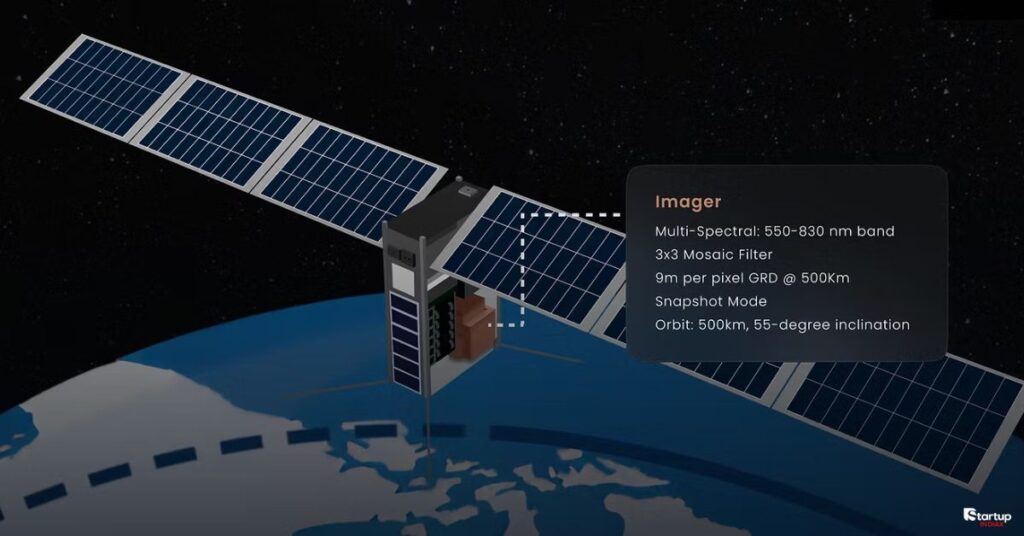
A Hyderabad Startup Launches India’s 1st Thinking Satellite – A Brain in Space - Startup INDIAX
Credit – TakeMe2Space

Traditionally, satellites have been limited to acting as the eyes and ears of Earth, sending back raw data for humans to analyze. Now, with TakeMe2Space’s AI-inference model, satellites can think, reason, and deliver actionable insights directly from orbit. This leap is not just technological—it’s cultural, making space more accessible than ever before.

Meet TakeMe2Space: The Startup Behind the Revolution

TakeMe2Space, founded by software engineer Ronak Samantray, is the Hyderabad-based startup making headlines with India’s first thinking satellite. Despite being a young company, it’s already challenging established norms in the space tech industry. Samantray’s vision is simple yet audacious: “What if we put a brain in space?”

The startup’s journey began in 2022, born out of Samantray’s frustration with the lack of accessible satellite platforms for coding experiments. Without prior hardware experience or ISRO connections, he built a team of passionate engineers and entrepreneurs, determined to make space research open to everyone.

AI-powered satellite lab, A Hyderabad Startup Launches India’s 1st Thinking Satellite – A Brain in Space - Startup INDIAX
Credit – TakeMe2Space

Operating from IIIT Hyderabad’s Centre for Innovation and Entrepreneurship, TakeMe2Space is now preparing for its landmark launch on ISRO’s SSLV, with a team of 21 young professionals and a growing list of clients waiting to use their satellite-as-a-service platform

What Is a Thinking Satellite?

A thinking satellite is more than just a data collector in orbit—it’s an intelligent platform equipped with AI-driven processors capable of analyzing and interpreting data on the fly. Unlike traditional satellites that send raw images or signals back to Earth for processing, a thinking satellite can:

  • Run AI models in space
  • Filter and compress data before transmission
  • Deliver actionable insights in real time
  • Enable remote experiments and control by users on Earth

This approach drastically reduces the volume of data that needs to be sent back to Earth, saving bandwidth, lowering costs, and speeding up decision-making for users

How ‘A Brain in Space’ Changes Everything

The concept of a brain in space transforms the very role satellites play in our lives. Here’s how:

  • Real-Time Analysis: Instead of waiting hours or days for raw data to be processed on the ground, users get immediate results from space.
  • Cost Efficiency: By sending only relevant, processed information, transmission costs drop dramatically. TakeMe2Space plans to charge by time used—just $2 per minute—rather than area, making it affordable for startups, researchers, and even schools.
  • Accessibility: Anyone—from a student in Kerala to a business in Mumbai—can log in, upload code, and run experiments on the satellite, democratizing access to space research.
  • Security: With remote operation comes the need for robust security. TakeMe2Space has built systems to preemptively block harmful actions, ensuring safe and reliable use for all clients

Making Space Accessible: The Democratization Mission

One of the most revolutionary aspects of the thinking satellite is its commitment to democratizing space. In India, space access has traditionally been the domain of government agencies and elite research institutions. TakeMe2Space is breaking down these barriers by:

  • Allowing students and educators to remotely operate the satellite lab, just like a computer or robotics lab in school.
  • Providing a platform (OrbitLab) where users can upload code in Python or C++, run experiments, and access results without needing to be at NASA, ISRO, or an IIT.
  • Encouraging STEM education and inspiring the next generation of space scientists and engineers.

The startup already has a waitlist of 40 clients, including schools, universities, and private businesses, eager to leverage this new model for research and innovation

Key Innovations and Technology

TakeMe2Space’s thinking satellite stands out for its technical ingenuity:

  • AI-Inference Model: The satellite is equipped with a processor that runs AI algorithms in orbit, analyzing data as it is collected.
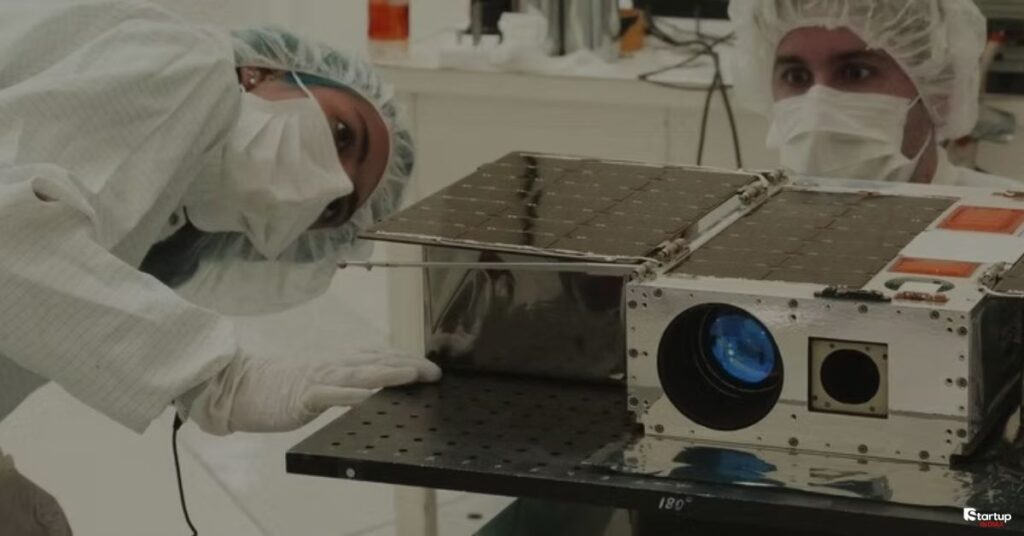
  • Dual-Mode Solar Panels: Engineers have developed a system where solar panels can rotate independently, allowing the satellite to charge and capture images simultaneously—something most small satellites cannot do.
  • Radiation Shielding: The team uses a Tantalum-based coating to protect sensitive electronics from harsh space radiation, ensuring reliability and longevity.
  • Off-the-Shelf Materials: To keep costs low, the satellite is built using commercially available components, all tested to survive extreme temperatures and radiation in space.
  • Web-Based Access: Through OrbitLab, users can interact with the satellite in real time, upload their own AI models, and receive processed results directly

Real-World Applications and Industry Impact

The implications of India’s first thinking satellite are vast and transformative:

  • Environmental Monitoring: Real-time detection of oil spills, deforestation, and greenhouse gas emissions can help governments and NGOs respond faster.
  • Agricultural Tracking: Farmers and agritech companies can monitor crop health, soil moisture, and yield forecasts, improving productivity and sustainability.
  • Education: Schools and universities can conduct hands-on space experiments, making STEM education more interactive and inspiring.
  • Commercial Analytics: GIS and data analytics companies can access actionable insights for urban planning, disaster management, and resource allocation.
  • Maritime Surveillance: Tracking ships and monitoring illegal fishing or smuggling activities becomes more efficient with AI-driven analysis in space.

By reducing the size of data from petabytes to megabytes, TakeMe2Space is also solving the problem of data overload, making satellite services more practical and affordable for a wide range of users

Challenges and the Road Ahead

Innovating in the space sector is never easy. TakeMe2Space faces several challenges:

  • Engineering Complexity: Building a satellite from scratch with off-the-shelf parts requires rigorous testing and creative problem-solving, especially for radiation protection and power management.
  • Affordability vs. Innovation: Keeping costs low while integrating cutting-edge AI technology is a constant balancing act.
  • Awareness and Adoption: As noted by industry experts, the startup must raise awareness among students and researchers to ensure widespread adoption of their platform.
  • Security: Allowing remote access to a satellite demands robust cybersecurity measures to prevent misuse or accidental damage.
  • Sustained Funding: As with any startup, securing investment for future missions and scaling up operations is critical.

Despite these hurdles, TakeMe2Space is optimistic, with plans to launch two more satellites after the ISRO demonstration mission and eventually build data centers in orbit

India’s Space Startup Ecosystem: Where Does TakeMe2Space Fit?

India’s space startup scene is booming, with companies like Skyroot, AgniKul, Dhruva Space, and Bellatrix Aerospace making headlines. TakeMe2Space stands out by focusing on the intelligence and accessibility of satellites rather than launch vehicles or hardware alone.

By offering a thinking satellite as a service, TakeMe2Space is not just joining the ranks of global space-tech companies—it’s setting new benchmarks for innovation, affordability, and democratization in the industry. The company’s open, collaborative culture and willingness to learn from both failures and industry veterans position it as a leader in India’s next space revolution.

Conclusion: The Future of Thinking Satellites in India

The launch of India’s first thinking satellite—a true brain in space—marks a turning point for the country’s space ambitions. By combining AI, affordability, and accessibility, TakeMe2Space is opening the final frontier to everyone, from students and educators to businesses and researchers.

As this technology matures, we can expect a surge in space-based innovation, with India at the forefront of AI-driven satellite services. For Startup INDIAX readers and the broader tech community, the message is clear: the future of space is not just about seeing and hearing—it’s about thinking, reasoning, and empowering the next generation to reach for the stars.

June 16, 2025 0 comments 397 views
FacebookTwitterLinkedinWhatsapp
No Entry For Ola & Uber in Goa: 4 Critical Takeaways from Pramod Sawant's Decision - Startup INDIAX
PoliticsNews

No Entry For Ola & Uber in Goa: 4 Critical Takeaways from Pramod Sawant’s Decision

by Aalam Rohile June 15, 2025
3 min read

“No Entry For Ola & Uber In Goa” is now official policy, as Chief Minister Pramod Sawant bans ride-hailing giants to protect local taxi unions. This controversial move sparked by political pressure and fears of external competition prioritizes traditional operators over tourist convenience and tech innovation. Goa’s transport deadlock reveals deep tensions between local livelihoods and modern mobility solutions, with implications for India’s gig economy. At Startup INDIAX, we unpack the four explosive truths behind this decision and its ripple effects on tourism, startups, and regulatory fairness.

1. The Political Bombshell: How Coastal MLAs Forced Pramod Sawant’s Hand

Picture this: Coastal legislators storming into CM Sawant’s office, backed by taxi union leaders demanding protection. This isn’t fiction—it’s what triggered Goa’s Ola-Uber ban. On June 14, 2025, Sawant abruptly reversed draft aggregator guidelines after BJP MLAs Michael Lobo (Calangute) and Jit Arolkar (Mandrem) led a pressure campaign. Their ultimatum? “Keep guidelines in abeyance or face unrest” .

Lobo’s argument was unequivocal: “The taxi business must remain with locals only” 1. His coastal belt constituency thrives on tourism, where taxi operations are often family-run. With 80+ lakh tourists visiting annually, these operators wield massive political clout. Sawant’s surrender wasn’t policy—it was political survival.

Key Insight: Goa’s government prioritized short-term peace with unions over long-term mobility reform.

2. Local Monopoly Shielded: Why Goa’s Taxi Unions Resisted Disruption

Goa’s taxi ecosystem isn’t just an industry it’s a fortress. For decades, unions have controlled fares, routes, and access. Unlike metros, taxis here operate without meters, charging fixed (often inflated) rates. A 10-km ride can cost ₹500+, with no bargaining power for tourists.

The unions’ fear? Ola/Uber would shatter their monopoly through:

  • Transparent pricing: Algorithmic fares vs. arbitrary quotes
  • Accountability: Digital tracking vs. cash-only, no-receipt transactions
  • Competition: Driver influx from neighboring states

Despite two local apps Goa Miles and Goa Taxi users report glitches, driver shortages, and inconsistent pricing. Sawant touts them as “homegrown solutions,” but they lack the tech stack and scale of national players.

Table: Goa’s Taxi Ecosystem vs. App-Aggregator Model

FactorLocal TaxisOla/Uber Model
PricingUnion-set fares, no metersDynamic but transparent algorithm
PaymentCash-only, no receiptsDigital/Cash, ride records
CoverageTourist zones onlyState-wide network
Driver OnboardingRestricted to localsOpen eligibility

3. Tourism Under Threat: The Looming Mobility Crisis for Visitors

Imagine landing in Goa at midnight. No buses. No autos. Just taxi touts demanding ₹1,000 for a 5-km ride. This is the tourist reality Sawant’s policy perpetuates. With Ola/Uber banned, visitors face:

  • Exploitative fares: 3-4x surge pricing during monsoons or festivals
  • Safety gaps: No trip tracking or emergency protocols
  • Accessibility issues: Elderly/disabled travelers stranded without app-based booking

Travel forums overflow with complaints. One family’s vacation involved ₹18,000 in taxi fares over four days—equal to their flight costs. While self-drive rentals exist, they don’t solve last-mile needs or drinking-tourist safety.

Startup INDIAX Perspective: Tourism contributes 30%+ to Goa’s GDP. This move risks its reputation as India’s “easygoing paradise.”

4. Regulatory Whiplash: Draft Guidelines vs. Policy Reality

Here’s the irony: Goa almost embraced modernity. In May 2025, the transport department released the Goa Transport Aggregator Guidelines, 2025—a framework licensing app-based operators with rules on:

  • Licensing fees (₹5 lakh for state-wide permits)
  • Fare ceilings (dynamic but capped)
  • Driver welfare (contracts, dispute resolution)

But within weeks, Sawant contradicted his own policy, declaring: “Ola and Uber will not come here. These are only guidelines”. The U-turn exposes a critical flaw: regulation without enforcement.

Other states like Karnataka and Kerala integrated aggregators with local unions. Goa chose outright rejection, ignoring compromises like:

  • Geofencing: Restricting Ola/Uber to airport/tourist zones
  • Revenue sharing: Direct commissions to union funds
  • Hybrid onboarding: Local drivers on national apps

5. Beyond Goa: Could Other States Copy This Protectionist Model?

Sawant’s decision sets a dangerous precedent. Kerala, Himachal, and Maharashtra face similar union-aggregator clashes. Goa’s “local-first” rhetoric could inspire copycat bans, fragmenting India’s mobility market.

Consider the ripple effects:

  • Startup chill: Investors may avoid transport-tech in union-dominated states
  • Consumer suffering: Tourists pay “Goa premiums” elsewhere
  • Job losses: Drivers lose gig opportunities; unions block new hiring

Already, Karnataka banned bike taxis after union lobbying, while Chennai drivers boycotted Ola/Uber over commissions.

6. The Road Ahead: Viable Solutions or Perpetual Gridlock?

Is Goa’s mobility crisis fixable? Yes—but requires political courage:

  1. Mandatory metering: State-subsidized GPS meters for all taxis
  2. Unified app: Merge Goa Miles/Taxi into one state-run platform with Ola’s tech
  3. Tourist vouchers: Pre-paid taxi cards at hotels/airports to cap fares
  4. Staggered entry: Allow aggregators only in off-beat areas first

Without action, Goa risks tourism erosion. As one traveler tweeted: “Goa’s beauty is unmatched. Its taxi system? A nightmare.”

Startup INDIAX Verdict: Protectionism can’t override progress. Sustainable reform needs unions at the table—not barricading it.

June 15, 2025 2 comments 279 views
FacebookTwitterLinkedinWhatsapp
Israel-Iran Conflict: 5 Ways It Could Spike Oil Prices in India - Startup INDIAX
NewsPolitics

Israel-Iran Conflict: 5 Ways It Could Spike Oil Prices in India

by Aalam Rohile June 15, 2025
3 min read

Israel-Iran Conflict and Oil Prices in India are deeply intertwined, and the recent escalation between these two nations has sent shockwaves through global energy markets. At Startup INDIAX, we dive into how this conflict could disrupt India’s oil supply, increase costs, and impact the economy. This article explores five key ways the Israel-Iran Conflict may spike Oil Prices in India, from supply chain disruptions to inflation pressures. With India importing over 80% of its oil, the stakes are high. Using insights from energy experts and market trends, we’ll break down the risks and what India can do to stay resilient.

Why the Israel-Iran Conflict Matters for India’s Oil Prices

Picture this: you’re filling up your car’s tank, and the price at the pump has jumped by ₹10 overnight. Sounds frustrating, right? Now imagine that happening across India because of a conflict thousands of miles away. The Israel-Iran Conflict isn’t just a geopolitical headline—it’s a potential trigger for higher Oil Prices in India. As tensions flare in the Middle East, global oil markets are on edge, and India, which relies heavily on imported oil, is particularly vulnerable.

At Startup INDIAX, we’ve been tracking how global events shape India’s startup ecosystem and economy. The Israel-Iran Conflict could disrupt oil supplies, jack up costs, and even affect your grocery bill. Let’s unpack what’s going on and why it matters to every Indian.

What’s Happening in the Israel-Iran Conflict?

The Israel-Iran Conflict escalated dramatically in June 2025, with Israel launching airstrikes on Iran’s nuclear and military targets, followed by Iran’s retaliatory drone and missile attacks. This back-and-forth has raised fears of a wider Middle East war, especially since the region produces about a third of the world’s oil. Iran, a major oil producer, and Israel, a key player in regional stability, are at the heart of this tension.

The conflict has already rattled markets. Brent Crude, the global oil benchmark, surged by over 7% to $74.23 per barrel after the latest strikes, with some analysts predicting prices could hit $80-$100 if the situation worsens. For India, which imports oil from countries like Iraq, Saudi Arabia, and the UAE, any disruption in the Middle East spells trouble.

How the Strait of Hormuz Plays a Critical Role

If you’ve never heard of the Strait of Hormuz, it’s time to pay attention. This narrow waterway between Iran and the Arabian Peninsula is the world’s most critical oil chokepoint. About 20% of global oil and a significant portion of liquefied natural gas (LNG) pass through it daily. Iran’s threats to block the Strait in retaliation for Israeli strikes could send Oil Prices in India skyrocketing.

Israel-Iran Conflict: How the Strait of Hormuz Plays a Critical Role,

Analysts at S&P Global warn that any disruption here could hit India’s key suppliers hard, delaying shipments and increasing costs. Pankaj Chadha, Chairman of the Engineering Exports Promotion Council, estimates that rerouting ships around the Cape of Good Hope could add 15-20 days and $500-$1,000 per container, a 40-50% cost hike for Indian exports. That’s bad news for businesses and consumers alike.

5 Ways the Israel-Iran Conflict Could Spike Oil Prices in India

Let’s get to the meat of the matter. Here are five ways the Israel-Iran Conflict could drive up Oil Prices in India and hit your wallet.

1. Disruption of Oil Supply Routes

India imports 88% of its oil, with major suppliers like Iraq, Saudi Arabia, and the UAE relying on the Strait of Hormuz. If Iran blocks this route, shipments could grind to a halt. Even temporary disruptions could force India to scramble for alternative sources, pushing prices higher. Energy expert Narendra Taneja warns that “significantly higher prices will present a considerable challenge” for India’s economy.

2. Increased Freight and Insurance Costs

When tensions rise in the Middle East, shipping companies get nervous. They charge higher freight rates and insurance premiums to cover the risk of attacks or delays. For Indian exporters, this could mean a 40-50% jump in costs, which gets passed on to consumers. Air freight to Europe could also surge by 10-15%, squeezing industries like pharmaceuticals and textiles.

3. Impact on India’s Trade Balance

Higher Oil Prices in India mean a bigger oil import bill, which widens the current account deficit (CAD). Historical data shows that when Brent Crude hits $100-$120 per barrel, India’s CAD can balloon to -3.6% of GDP. A wider CAD puts pressure on the rupee, making imports even costlier. Currency expert Anindya Banerjee notes that “rising oil prices can bring back volatility” in the rupee market.

4. Pressure on the Indian Rupee

A weaker rupee doesn’t just hurt oil imports—it makes everything more expensive, from electronics to food. The Israel-Iran Conflict could exacerbate this by driving oil prices up, forcing the Reserve Bank of India (RBI) to intervene to stabilize the currency. This could limit the RBI’s ability to cut interest rates, slowing economic growth.

5. Ripple Effects on Inflation

When Oil Prices in India rise, so do the costs of fuel, transportation, and goods. This fuels inflation, hitting everything from your daily commute to your grocery shopping. Capital Economics estimates that if oil prices hit $100 per barrel, it could add 1% to inflation in advanced economies, and India’s consumer price inflation could exceed 6% in 2025. That’s a tough pill to swallow for households and startups alike.

What Can India Do to Mitigate the Impact?

The Israel-Iran Conflict may seem like a distant problem, but its effects are very real for India. So, what can we do? Here are a few steps India could take to cushion the blow:

  • Diversify Oil Imports: India has already boosted imports from Russia, which now supplies a significant portion of its oil. Exploring other sources like the U.S. and Latin America could reduce reliance on the Middle East.
  • Boost Domestic Production: Increasing output from India’s oil fields and investing in renewable energy could lessen dependence on imports.
  • Strengthen Forex Reserves: India’s robust foreign exchange reserves provide a buffer against a weaker rupee and higher CAD. Finance Minister Nirmala Sitharaman has emphasized staying “alert” to mitigate economic impacts.
  • Support Startups: At Startup INDIAX, we believe startups in logistics, energy, and tech can innovate to tackle rising costs. Government incentives for green energy startups could be a game-changer.

Conclusion: Staying Prepared for Uncertain Times

The Israel-Iran Conflict is a stark reminder of how global events can hit close to home. With Oil Prices in India at risk of spiking, the ripple effects could touch every part of our lives, from fuel pumps to grocery stores. By staying informed and proactive, India can navigate these turbulent times. At Startup INDIAX, we’re committed to helping startups and consumers understand these challenges and find solutions. Let’s hope for de-escalation in the Middle East, but until then, let’s be prepared.

FAQs About the Israel-Iran Conflict and Oil Prices in India

1. How does the Israel-Iran Conflict affect Oil Prices in India?
The conflict could disrupt oil supplies through the Strait of Hormuz, increase freight costs, and weaken the rupee, driving up oil prices and inflation.

2. Why is the Strait of Hormuz so important?
It’s a critical chokepoint for 20% of global oil shipments. Any blockage could delay or stop oil from reaching India, spiking prices.

3. Can India avoid higher oil prices?
Diversifying oil imports, boosting domestic production, and investing in renewables can help, but short-term price spikes may be unavoidable.

4. How will higher oil prices impact Indian startups?
Startups in logistics, manufacturing, and retail could face higher costs, but those in renewable energy may find new opportunities.

5. What’s the worst-case scenario for Oil Prices in India?
If the conflict escalates and oil hits $100 per barrel, India could see higher inflation, a weaker rupee, and slower economic growth.

June 15, 2025 0 comments 285 views
FacebookTwitterLinkedinWhatsapp
Newer Posts
Older Posts

Follow Us

Facebook Twitter Instagram

Recent Posts

  • Startup India Seed Fund Scheme Incubators: How to Apply Now

  • Startup Application Rejection Rate Hits 67% – Avoid These Mistakes

  • Starting a Small Business in India in 2026? Here’s Your Complete Investment, Execution Plan

  • India’s Bionic Arm Breakthrough: 72kg Capacity at 10% Global Price

  • MUDRA Loan Eligibility: Who Can Apply for Business Loans?

Newsletter

Subscribe my Newsletter for new blog posts, tips & new photos. Let's stay updated!

Categories

  • Advertising (2)
  • Agritech (3)
  • AI (63)
  • AI & DeepTech (26)
  • AI Tools (18)
  • Automobile (15)
  • Beauty & Wellness (3)
  • Bootstrapped Wins (3)
  • Crowdfunding Hub (1)
  • Debt Financing (1)
  • Digital (31)
  • Ecom (12)
  • EV (31)
  • Failure Lessons (1)
  • Fashion & Lifestyle (1)
  • Finance (36)
  • Fintech (6)
  • FoodTech (6)
  • Funding (17)
  • Government Schemes (12)
  • Green Energy (8)
  • HealthTech (4)
  • Investor Directory (1)
  • News (173)
  • Politics (12)
  • Real State (1)
  • Science (13)
  • Startup (150)
  • Startup Learning (12)
  • Startup Stories (14)
  • Technology (84)
  • Unicorn Journeys (4)
  • Women Entrepreneurs (6)

About Us

Startup IndiaX is a digital media platform covering India’s startup ecosystem. We bring you the latest news, founder stories, funding updates, and tech innovations.

Facebook Instagram Twitter Youtube

Featured

Startup India Seed Fund Scheme Incubators: How to Apply Now
January 2, 2026
Startup Application Rejection Rate Hits 67% – Avoid These Mistakes
December 30, 2025
Starting a Small Business in India in 2026? Here’s Your Complete Investment, Execution Plan
December 27, 2025

@2025 – All Right Reserved. 

  • Home
  • About Us
  • Privacy Policy
  • Contact
startupindiax.com
  • Home
  • News
  • Startup
  • Funding
  • Startup Stories
  • Sectors
    • Finance
    • Agritech
    • AI & DeepTech
    • Fintech
    • Green Energy
    • HealthTech
    • EV
    • Digital
    • Automobile