startupindiax.com
  • Home
  • News
  • Startup
  • Funding
  • Startup Stories
  • Sectors
    • Finance
    • Agritech
    • AI & DeepTech
    • Fintech
    • Green Energy
    • HealthTech
    • EV
    • Digital
    • Automobile
startupindiax.com
SUBSCRIBE
Sunday, January 25, 2026
  • Home
  • News
  • Startup
  • Funding
  • Startup Stories
  • Sectors
    • Finance
    • Agritech
    • AI & DeepTech
    • Fintech
    • Green Energy
    • HealthTech
    • EV
    • Digital
    • Automobile
startupindiax.com
startupindiax.com
  • Home
  • About Us
  • Privacy Policy
  • Contact

@2025 - All Right Reserved.

KiranaPro Cyber Attack:
EcomAI

KiranaPro Cyber Attack: App Code Wiped Out in Devastating Breach

by Ismail Patel June 5, 2025
3 min read

KiranaPro, a rising star in India’s quick commerce scene, suffered a catastrophic cyber attack that obliterated its app code and exposed sensitive user data. This article dives into the details of the breach, its impact on KiranaPro’s operations, the suspected insider threat, and the broader implications for startups in the quick commerce space. We’ll explore how KiranaPro is responding, what this means for user trust, and essential cybersecurity lessons for platforms like Startup INIDAX to stay secure in a digital age.

Table of Contents

  • The Shocking KiranaPro Cyber Attack: What Happened?
  • How the Attack Unfolded: A Timeline
  • The Fallout: Impact on KiranaPro and Its Users
  • Was It an Insider Job? The Allegations
  • KiranaPro’s Response: Rebuilding and Recovery
  • Cybersecurity Lessons for Quick Commerce Startups
  • The Bigger Picture: Quick Commerce and Cybersecurity
  • What’s Next for KiranaPro ?
  • Conclusion: A Wake-Up Call for the Industry

    The Shocking KiranaPro Cyber Attack: What Happened?

    KiranaPro, an AI-powered quick commerce platform revolutionizing grocery delivery in India, was hit by a devastating cyber attack that wiped out its app code and compromised sensitive user information. On May 26, 2025, hackers gained unauthorized access to KiranaPro’s Amazon Web Services (AWS) and GitHub accounts, deleting critical backend infrastructure and leaving the platform crippled. This wasn’t just a random hack—it was a targeted assault that has sent shockwaves through the quick commerce industry, raising questions about cybersecurity for startups like Startup INDIAX.

    The breach exposed user data, including names, addresses, and payment details, affecting thousands of customers who rely on KiranaPro for ultra-fast grocery deliveries. The platform, which processes over 2,000 orders daily and supports small kirana stores, is now offline, unable to process orders while the team scrambles to recover. This incident highlights the vulnerability of even the most promising startups in the face of sophisticated cyber threats.

    Evidently @kirana_pro security was less robust than the neighbourhood kirana store! #CyberSecurity @JagmeetS13 pic.twitter.com/SEpcXBkpVp

    — Lloyd Mathias (@LloydMathias) June 4, 2025

    How the Attack Unfolded: A Timeline

    The KiranaPro cyber attack came to light on May 26, 2025, when the team detected suspicious activity in their AWS account. Hackers had gained root access to both AWS and GitHub, allowing them to delete the platform’s app code and backend infrastructure. According to CEO Deepak Ravindran, the attack was not a random act but a deliberate attempt to sabotage the company’s operations.

    • May 26, 2025: Suspicious activity detected in KiranaPro’s AWS account.
    • May 27, 2025: The team confirmed the breach, discovering that app code and user data were compromised.
    • June 2, 2025: KiranaPro filed an FIR with cybercrime authorities, with CEO Ravindran publicly acknowledging the hack on X.
    • June 3, 2025: Ravindran called for forensic support from AWS and GitHub, alleging a coordinated deletion with intent to destroy.
    • June 4, 2025: Ravindran announced plans to expose the hacker, hinting at an insider threat.

    The speed and precision of the attack suggest it was meticulously planned, leaving KiranaPro and its users reeling from the fallout.

    The Fallout: Impact on KiranaPro and Its Users

    The KiranaPro cyber attack has had far-reaching consequences. With the app code destroyed, the platform is currently non-functional, halting its ability to process over 2,000 daily orders and 100,000 AI-driven shopping queries. This has disrupted the livelihoods of thousands of small kirana store owners who depend on KiranaPro to compete with quick commerce giants like Blinkit and Zepto.

    For users, the breach of sensitive data—names, mailing addresses, and payment details—has sparked concerns about privacy and potential misuse. Customers who trusted KiranaPro for 10-20 minute grocery deliveries are now left in limbo, unsure when the platform will resume operations. The incident has also dented KiranaPro’s reputation, which had ambitious plans to onboard 100 million users and 1 million kirana stores by the end of 2025.

    Startups like Startup INDIAX, operating in the competitive quick commerce space, must take note of this incident. A single breach can erode customer trust, disrupt operations, and jeopardize long-term growth. The financial and reputational damage could take months, if not years, to repair.

    Was It an Insider Job? The Allegations

    One of the most alarming aspects of the KiranaPro cyber attack is the suspicion of an insider threat. CEO Deepak Ravindran has suggested that the attack was “personal” and deliberate, pointing to a possible ex-employee or insider with access to critical credentials. Posts on X have echoed this sentiment, with some cybersecurity experts warning that lax access controls, such as leaving keys with former employees, could have enabled the breach.

    Insider threats are a growing concern for tech startups, especially those handling sensitive user data. If true, this breach underscores the importance of robust access management and multi-factor authentication (MFA). For platforms like Startup INDIAX, ensuring that only authorized personnel have access to critical systems is non-negotiable in today’s threat landscape.

    KiranaPro’s Response: Rebuilding and Recovery

    KiranaPro has taken swift action to address the cyber attack. The company has filed a First Information Report (FIR) with cybercrime authorities and is working with law enforcement and cybersecurity experts to investigate the breach. Ravindran has vowed to rebuild the platform with stronger protections, emphasizing transparency and resilience.

    The team is collaborating with AWS and GitHub to recover what they can and trace the attack’s origins. KiranaPro’s commitment to transparency, as seen in Ravindran’s public statements on X, has been praised by some, though others question whether the company can regain user trust.

    For startups like Startup INDIAX, KiranaPro’s response offers valuable lessons. Prompt communication, collaboration with authorities, and a focus on rebuilding with enhanced security measures are critical steps in managing a crisis of this magnitude.

    Cybersecurity Lessons for Quick Commerce Startups

    The KiranaPro cyber attack serves as a wake-up call for quick commerce startups. Here are key lessons to prevent similar incidents:

    1. Implement Multi-Factor Authentication (MFA): MFA can block up to 100% of automated bot attacks and 95% of phishing attempts. Startups must enforce MFA across all critical systems.
    2. Restrict Access Controls: Regularly audit and revoke access for former employees or contractors to prevent insider threats.
    3. Use AI-Enhanced Threat Detection: AI-powered tools can detect anomalies and prevent unauthorized access, offering a proactive defense against sophisticated attacks.
    4. Backup Critical Data: Regular backups of app code and user data can minimize downtime and data loss during a breach.
    5. Educate Employees: Human error is often the weakest link. Training staff to recognize phishing and other threats is essential.

    Startups like Startup INDIAX can adopt these measures to safeguard their platforms and maintain user trust in the fast-paced quick commerce market.

    The Bigger Picture: Quick Commerce and Cybersecurity

    The quick commerce sector, with its promise of 10-20 minute deliveries, is booming in India, but it’s also a prime target for cybercriminals. Platforms like KiranaPro, Blinkit, and Zepto handle vast amounts of user data and rely on complex tech infrastructure, making them vulnerable to attacks. The KiranaPro cyber attack underscores the need for robust cybersecurity as quick commerce continues to disrupt traditional retail.

    Kirana stores, which contribute nearly 10% to India’s GDP, are increasingly integrating with platforms like KiranaPro to stay competitive. However, incidents like this could discourage small retailers from adopting digital solutions, fearing data breaches or operational disruptions. For startups like Startup INDIAX, investing in cybersecurity isn’t just about protecting data—it’s about ensuring the survival of the quick commerce ecosystem.

    What’s Next for KiranaPro ?

    KiranaPro’s road to recovery will be challenging but not impossible. The company’s leadership is focused on rebuilding its infrastructure, enhancing security, and restoring user confidence. With high-profile investors like PV Sindhu and Arjun Vaidya backing the platform, KiranaPro has the potential to bounce back stronger.

    For Startup INDIAX and other quick commerce players, the KiranaPro cyber attack is a stark reminder to prioritize security from day one. As the industry grows, startups must balance innovation with robust protections to avoid becoming the next headline. By learning from KiranaPro’s missteps, platforms can build trust and resilience in a competitive market.

    🎯 Exposing the Hacker Behind the KiranaPro Breach
    Last week, KiranaPro—a company built on the trust of thousands of small businesses—faced a targeted cyberattack. It wasn’t random. It wasn’t opportunistic. It was deliberate. And it was personal. Our servers were breached,…

    — Deepak Ravindran 🏴‍☠️ (@deepakravindran) June 4, 2025

    Conclusion: A Wake-Up Call for the Industry

    The KiranaPro cyber attack, with its app code destroyed and user data exposed, is a sobering lesson for the quick commerce industry. It highlights the critical need for cybersecurity in an era where digital platforms power millions of transactions daily. For startups like Startup INDIAX, this incident is an opportunity to strengthen their defenses, protect user data, and build trust. As KiranaPro works to recover, the industry must take proactive steps to ensure that the promise of quick commerce isn’t derailed by cyber threats.

    June 5, 2025 1 comment 324 views
    FacebookTwitterLinkedinWhatsapp
    Starlink’s India Launch
    StartupDigitalNewsTechnology

    Starlink’s India Launch: 4 Exciting Updates on Satellite Services Coming Soon

    by Ismail Patel June 5, 2025
    3 min read

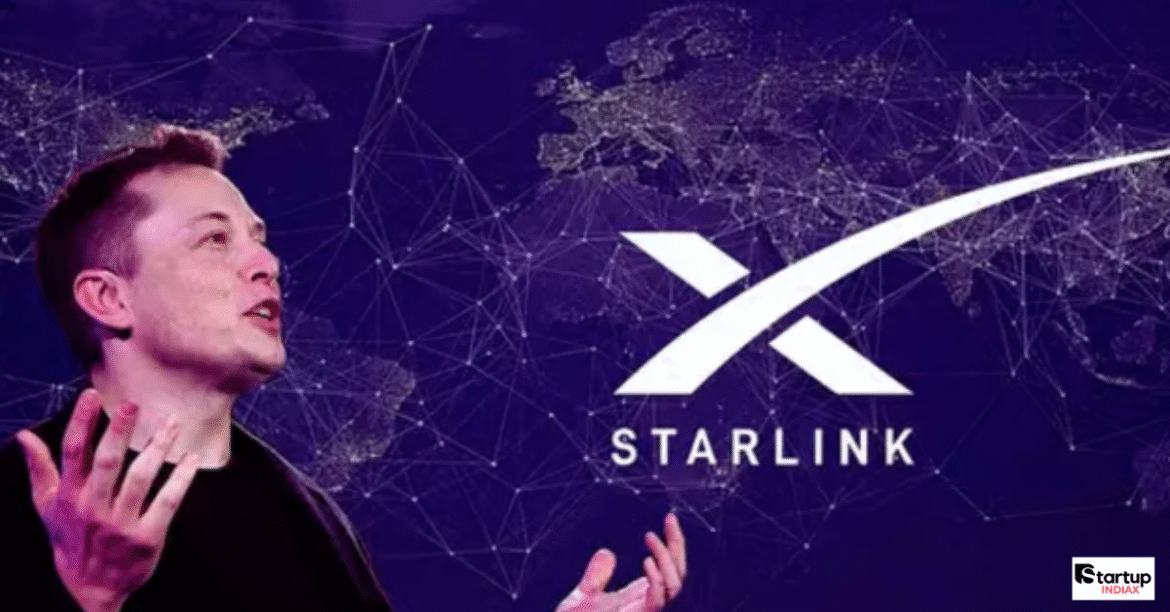
    Starlink Launch Satellite Services in India Soon: Elon Musk’s Starlink is on the cusp of transforming India’s internet landscape with its satellite services, set to launch soon. This article dives into the latest updates on Starlink’s regulatory progress, its plans to offer affordable high-speed internet, and how it aims to bridge the digital divide in rural and urban India. From the Department of Telecommunications’ (DoT) Letter of Intent to competitive pricing under ₹850/month, we’ll explore how Starlink’s satellite internet could redefine connectivity for millions, as reported by Startup INDIAX.

    Table of Contents

    Introduction: Starlink’s Journey to India
    What is Starlink and Why It Matters for India
    Understanding Starlink’s Satellite Internet
    The Need for Satellite Services in India
    Starlink’s Regulatory Progress: A Step Closer to Launch
    The Letter of Intent (LoI) from DoT
    Final Approvals and GMPCS License
    How Starlink Plans to Transform Connectivity
    Affordable Pricing for Indian Users
    Targeting Rural and Urban Areas
    Challenges Starlink Might Face in India
    High Spectrum Costs and Licensing Fees
    Competition from Jio, Airtel, and Amazon’s Kuiper
    What to Expect from Starlink’s India Launch
    Timeline and Rollout Plans
    Potential Impact on India’s Internet Landscape
    Conclusion: A New Era of Connectivity with Startup INDIAX

    Introduction: Starlink’s Journey to India

    Imagine a world where high-speed internet reaches every corner of India, from bustling cities to remote villages. That’s the promise of Starlink, Elon Musk’s ambitious satellite internet venture, which is gearing up to launch satellite services in India soon. After years of navigating regulatory hurdles, Starlink is closer than ever to bringing its low-Earth orbit (LEO) satellite technology to India. This isn’t just another tech launch—it’s a potential game-changer for millions who struggle with unreliable or non-existent internet. At Startup INDIAX, we’re excited to break down the four key updates that make Starlink’s India entry a big deal.

    What is Starlink and Why It Matters for India

    Understanding Starlink’s Satellite Internet

    Starlink, a project by SpaceX, uses a constellation of over 7,000 LEO satellites to deliver high-speed, low-latency internet globally. Unlike traditional broadband, which relies on cables and towers, Starlink beams internet directly from satellites, making it ideal for areas where infrastructure is limited. With speeds ranging from 25 to 220 Mbps and latency as low as 20 milliseconds, it’s a robust solution for streaming, gaming, and remote work.

    For India, where 50% of the population still lacks reliable internet, Starlink’s technology could be revolutionary. According to a 2024 report, only 37% of rural India has access to broadband, leaving millions disconnected. Starlink’s ability to serve both urban and rural areas makes it a unique player in the market.

    The Need for Satellite Services in India

    India’s digital divide is stark. While cities like Mumbai and Delhi enjoy fast fiber connections, rural areas often rely on slow, unreliable mobile data. This gap affects education, healthcare, and economic opportunities. Starlink’s satellite services promise to bridge this divide by offering consistent, high-speed internet to remote regions. For startups and entrepreneurs covered by Startup INDIAX, this could mean better access to global markets, cloud tools, and digital platforms, leveling the playing field.

    Starlink’s Regulatory Progress: A Step Closer to Launch

    The Letter of Intent (LoI) from DoT

    Starlink’s journey to launch satellite services in India soon took a major leap forward on May 7, 2025, when the Department of Telecommunications (DoT) issued a Letter of Intent (LoI). This conditional approval signals that Starlink is close to securing the Global Mobile Personal Communication by Satellite (GMPCS) license, a critical requirement for operating in India. According to Union Minister Jyotiraditya Scindia, the final green light from the Indian National Space Promotion and Authorization Centre (IN-SPACe) is all that remains.

    This progress is a big win for Starlink, which has been navigating India’s complex regulatory landscape for over three years. The LoI reflects India’s push to embrace satellite internet providers, with Starlink leading the charge.

    Final Approvals and GMPCS License

    The GMPCS license is the golden ticket Starlink needs to start operations. Sources indicate that Starlink’s team is visiting India to finalize this license, with approvals expected soon. Additionally, the Telecom Regulatory Authority of India (TRAI) has submitted recommendations on spectrum allocation, which will determine how much Starlink pays for airwaves. This regulatory momentum suggests a launch timeline as early as late 2025 or early 2026.

    How Starlink Plans to Transform Connectivity

    Affordable Pricing for Indian Users

    One of the most exciting updates is Starlink’s pricing strategy. Reports suggest that Starlink could offer unlimited data plans for as low as ₹850 ($10) per month as part of an introductory offer. This is a game-changer in a market where fiber broadband can cost ₹1,500–₹3,000 monthly. However, users will need to purchase a Starlink kit (dish and router), estimated at ₹20,000–₹35,000, similar to global pricing.

    For context, in Bangladesh, Starlink charges around ₹4,200/month with a ₹33,000 hardware fee. If Starlink keeps its promise of affordability, it could outshine competitors like Jio and Airtel in rural areas, where low-cost plans are critical.

    Targeting Rural and Urban Areas

    Starlink’s initial rollout will focus on select urban areas, offering 600–700 Gbps of bandwidth to serve 30,000–50,000 users. By 2027, the company aims to scale up to 3 Tbps, potentially connecting millions. This phased approach ensures quality before expansion, a strategy that aligns with India’s diverse connectivity needs. Rural users, who often rely on spotty 4G, stand to benefit most, as Starlink’s satellites don’t depend on ground infrastructure.

    For urban users, Starlink’s low latency could appeal to gamers, remote workers, and businesses. Startup INDIAX sees this as a boon for tech startups, enabling seamless access to cloud-based tools and global clients.

    Challenges Starlink Might Face in India

    High Spectrum Costs and Licensing Fees

    While Starlink’s plans are ambitious, challenges loom. TRAI has proposed a ₹500 monthly urban user charge, a 4% levy on adjusted gross revenue, and an 8% license fee. These costs could make satellite internet pricier than fiber in cities. Additionally, only 0.7–0.8% of Starlink’s global satellite capacity covers India, limiting its ability to scale quickly.

    Analysts warn that capacity constraints could cap Starlink’s growth at 1.5 million users by 2030, even with an expanded fleet of 18,000 satellites. This is a hurdle for a country with over 500 million internet users.

    Competition from Jio, Airtel, and Amazon’s Kuiper

    Starlink isn’t alone in the race. Bharti Airtel’s Eutelsat OneWeb and Reliance Jio’s SES joint venture have already secured GMPCS licenses, giving them a head start. Amazon’s Project Kuiper is also eyeing India, with plans for 3,200 LEO satellites and 10 ground gateways. While Starlink’s 7,000 satellites give it an edge in bandwidth, competitors are leveraging local partnerships. For instance, Starlink is collaborating with Jio and Airtel for distribution, which could complicate dynamics.

    What to Expect from Starlink’s India Launch

    Timeline and Rollout Plans

    All signs point to a launch by late 2025 or early 2026. Starlink’s team is working to secure IN-SPACe approval, and the DoT’s LoI has cleared major hurdles. The initial phase will target urban centers, with rural expansion to follow. Posts on X reflect excitement, with users like @IndianTechGuide noting Starlink’s ₹850/month plans could disrupt the market.

    By 2027, Starlink aims to serve millions, potentially capturing 1% of India’s broadband market—worth $1 billion annually. This aligns with India’s goal of becoming a global leader in satellite internet, as stated by Minister Scindia.

    Potential Impact on India’s Internet Landscape

    Starlink’s entry could redefine connectivity. For rural students, it means access to online education. For startups, it’s a chance to compete globally without connectivity barriers. Even urban users could benefit from Starlink’s reliability during outages. Startup INDIAX believes this launch will empower entrepreneurs, especially in tier-2 and tier-3 cities, by providing tools to scale their businesses.

    However, success depends on execution. Starlink must balance affordability with quality while navigating India’s competitive and regulatory landscape. If it delivers, the digital divide could shrink significantly.

    Conclusion: A New Era of Connectivity with Startup INDIAX

    Starlink’s impending launch in India is more than a tech story—it’s a step toward a connected future. With affordable plans, a robust satellite network, and a focus on underserved areas, Starlink could transform how Indians access the internet. At Startup INDIAX, we’re rooting for this revolution, as it aligns with our mission to empower startups with cutting-edge technology. While challenges like spectrum costs and competition remain, Starlink’s progress is a beacon of hope for millions. Stay tuned for more updates as we track this exciting journey!

    June 5, 2025 6 comments 285 views
    FacebookTwitterLinkedinWhatsapp
    VinFast's
    EVStartup

    VinFast’s Bold Surge: Up To 1.5 Lakh Annual EV Production in India to Transform the Market

    by Ismail Patel June 5, 2025
    3 min read

    VinFast, a pioneering Vietnamese electric vehicle manufacturer, is set to revolutionize India’s EV landscape with its ambitious plan for up to 1.5 lakh annual EV production in India. This article delves into VinFast’s strategic $2 billion investment in a Tamil Nadu manufacturing facility, the launch of VF6 and VF7 models, and its bold export plans for the Middle East and Africa. We explore the opportunities, challenges, and transformative impact on India’s EV ecosystem, offering insights for startups and investors on Startup INDIAX.

    Table of Contents

    • Introduction: VinFast’s Grand Entry into India
    • Why India? The Strategic Choice for VinFast
    • The Tamil Nadu Plant: A Hub for Up To 1.5 Lakh Annual EV Production
    • VF6 and VF7: VinFast’s First EVs in India
    • Export Ambitions: Targeting Middle East and Africa
    • Job Creation and Economic Impact
    • Challenges in India’s Competitive EV Market
    • How VinFast Fits into India’s EV Ecosystem
    • Opportunities for Startups on Startup INDIAX
    • Conclusion: VinFast’s Role in India’s Electric Future

    Introduction: VinFast’s Grand Entry into India

    Imagine a future where India’s roads are buzzing with sleek, eco-friendly electric vehicles (EVs) crafted by a Vietnamese automaker. That’s the vision VinFast, a trailblazing EV manufacturer, is bringing to life with its bold plan for up to 1.5 lakh annual EV production in India. With a massive $2 billion investment and a state-of-the-art manufacturing facility in Tamil Nadu, VinFast is not just entering the Indian market—it’s aiming to reshape it. For readers on Startup INDIAX, this move signals exciting opportunities for startups and investors in India’s rapidly growing EV sector. Let’s dive into how VinFast is setting the stage for an electric revolution in India.

    Why India? The Strategic Choice for VinFast

    India is the world’s third-largest automobile market, with a growing appetite for electric vehicles. In 2024, India recorded 1.47 lakh EV car sales, doubling the previous year’s figures. The government’s push for 30% EV adoption by 2030 makes India a hotspot for global automakers like VinFast. But why did VinFast choose India over other markets? For starters, India’s strategic location offers easy access to export markets in South Asia, the Middle East, and Africa. Plus, Tamil Nadu’s robust automotive ecosystem, with giants like Hyundai and BMW already established, makes it a prime location for VinFast’s ambitions.

    VinFast’s Asia CEO, Pham Sanh Chau, emphasized India’s potential, stating, “India is a big market, and we have prepared very well”. The company’s shift from focusing on the U.S. market, where it faced tariff challenges, to India, Indonesia, and the Philippines highlights its adaptability. For Startup INDIAX readers, this strategic pivot underscores the importance of flexibility in scaling global ventures.

    The Tamil Nadu Plant: A Hub for Up To 1.5 Lakh Annual EV Production

    At the heart of VinFast’s India strategy is its integrated EV manufacturing facility in Thoothukudi, Tamil Nadu. Spanning 400 acres within the State Industries Promotion Corporation of Tamil Nadu (SIPCOT) estate, this plant is a cornerstone of VinFast’s plan for up to 1.5 lakh annual EV production in India. The company broke ground in February 2024, just 50 days after signing an MoU with the Tamil Nadu government—a record for speed in India’s automotive sector.

    With an initial investment of $500 million over five years, the plant is set to start operations by June 2025, beginning with a capacity of 50,000 vehicles annually. Over time, VinFast aims to scale up to 1.5 lakh vehicles, depending on market demand. The facility will produce not only electric cars but also batteries, positioning it as a comprehensive EV hub. Its proximity to a major port in Thoothukudi enhances its export potential, making it a strategic asset for VinFast’s global plans.

    Vietnam's VinFast is in talks with Andhra Pradesh to expand their investments after a $2 Billion investment in Tamil Nadu. pic.twitter.com/6rXgWEkhr1

    — 🆂🅴🆂🅷🆄✨️ (@Sesh1999_) June 2, 2025

    VF6 and VF7: VinFast’s First EVs in India

    VinFast is hitting the ground running with the launch of its VF6 and VF7 electric SUVs in June 2025, targeting 33 cities across India. These premium models are designed to appeal to India’s price-sensitive yet aspirational consumers. The VF6, expected to be priced around ₹35 lakh, boasts a 59.6 kWh battery pack with a WLTP-claimed range of 410 km, while the VF7 will compete in the premium electric SUV segment.

    To build buzz, VinFast plans to showcase these models at shopping malls and airports before opening bookings in June 2025. “India is a sensitive market, and we will have an affordable price,” said CEO Pham Sanh Chau, hinting at competitive pricing to capture market share. For Startup INDIAX entrepreneurs, VinFast’s focus on premium yet accessible EVs offers a blueprint for balancing quality and affordability in India’s competitive market.

    Export Ambitions: Targeting Middle East and Africa

    VinFast’s vision extends beyond India. The Tamil Nadu plant will serve as an export hub, targeting markets in the Middle East, Africa, and South Asia. This aligns with India’s growing role as a manufacturing base for global automotive brands. By leveraging Tamil Nadu’s port connectivity, VinFast aims to export up to 1.5 lakh EVs annually, capitalizing on the rising demand for electric vehicles in these regions.

    This export strategy is a game-changer for India’s EV ecosystem. It positions India as a global EV manufacturing hub, creating opportunities for local suppliers and startups on platforms like Startup INDIAX to collaborate with VinFast. From battery production to charging infrastructure, the ripple effects of VinFast’s investment could spark innovation across the supply chain.

    Job Creation and Economic Impact

    VinFast’s entry isn’t just about cars—it’s about creating jobs and boosting India’s economy. The Tamil Nadu plant is expected to generate 3,000 to 3,500 jobs by 2030, offering opportunities in manufacturing, sales, and technical roles. This aligns with Tamil Nadu’s reputation as India’s automotive hub, with cities like Chennai and Coimbatore already hosting major auto clusters.

    For Startup INDIAX readers, this job creation signals a growing demand for skilled talent in the EV sector. Startups focusing on EV components, software, or charging solutions could find fertile ground in Tamil Nadu, where VinFast’s presence is likely to attract ancillary businesses. The company’s commitment to a nationwide dealership network further amplifies its economic impact, fostering partnerships with local entrepreneurs.

    Challenges in India’s Competitive EV Market

    While VinFast’s ambitions are impressive, India’s EV market is no easy playground. Domestic giants like Tata Motors, which led with 55,000 EV registrations in 2024, dominate the market. Global players like BYD and MG Motor are also vying for a slice of the pie, while high import tariffs (up to 70% plus a 30% luxury tax) pose challenges for foreign automakers. Although India is considering slashing duties to 15% for companies investing over $500 million, competition remains fierce.

    VinFast’s loss-making status, with a reported $1.3 billion loss in Q4 2024, raises questions about its financial sustainability. Additionally, its initial focus on premium SUVs may limit its appeal in a market where affordability drives adoption. For Startup INDIAX readers, this highlights the importance of balancing innovation with cost-effectiveness to succeed in India’s price-sensitive market.

    How VinFast Fits into India’s EV Ecosystem

    India’s EV market is at a tipping point. With 1.9 million EV registrations in 2024, including 1.47 lakh electric cars, the sector is growing rapidly. VinFast’s entry aligns with the government’s push for electrification, supported by incentives for local manufacturing. The company’s plans for a second plant in Andhra Pradesh and collaboration with Tamil Nadu for charging infrastructure signal a long-term commitment.

    VinFast’s focus on both electric cars and two-wheelers, like the Klara S scooter, taps into India’s dominant two-wheeler EV market, which accounted for 60% of registrations in 2024. For startups on Startup INDIAX, this opens doors for partnerships in battery swapping, charging stations, or EV software development, as VinFast builds a comprehensive EV ecosystem.

    Opportunities for Startups on Startup INDIAX

    VinFast’s ambitious plan for up to 1.5 lakh annual EV production in India creates a ripple effect for startups. From developing affordable battery solutions to creating smart charging networks, the opportunities are vast. Startups can explore collaborations with VinFast’s supply chain or tap into the growing demand for EV after-sales services. Platforms like Startup INDIAX can connect entrepreneurs with investors eager to back India’s EV revolution.

    VinFast’s taxi segment plans, with models like Minio Green and Limo Green, also offer potential for mobility startups to innovate in ride-hailing or fleet management. As VinFast expands its dealership network, startups specializing in marketing or customer experience could find new avenues for growth.

    Conclusion: VinFast’s Role in India’s Electric Future

    VinFast’s plan for up to 1.5 lakh annual EV production in India is more than a business move—it’s a bold statement of intent. By investing $2 billion, launching premium SUVs, and targeting exports, VinFast is poised to become a major player in India’s EV market. While challenges like competition and financial losses loom, the company’s strategic vision and Tamil Nadu’s supportive ecosystem position it for success. For Startup INDIAX readers, VinFast’s entry is a call to action—whether you’re a startup founder, investor, or enthusiast, now is the time to ride the EV wave in India.

    June 5, 2025 4 comments 273 views
    FacebookTwitterLinkedinWhatsapp
    Furniture Marketplace Pepperfry Raises Rs 43.3 Crore: A Boost for Growth Amid Challenges
    EcomNewsStartup

    Furniture Marketplace Pepperfry Raises Rs 43.3 Crore: A Boost for Growth Amid Challenges

    by Ismail Patel June 5, 2025
    3 min read

    Furniture marketplace Pepperfry raises Rs 43.3 crore in funding from existing investors like General Electric Pension Trust and Norwest Venture Partners, signaling confidence in its omnichannel strategy despite a 30.6% revenue drop in FY24. This article explores the funding details, Pepperfry’s market position, financial performance, and future growth plans, offering insights into how the company is navigating a competitive furniture retail landscape while aiming for profitability.

    Table of Contents

    • The Latest Funding Boost for Pepperfry
    • Who Invested in Pepperfry’s Rs 43.3 Crore Round?
    • Pepperfry’s Financial Performance: A Mixed Bag
    • Competitive Landscape: How Pepperfry Stands Out
    • What’s Next for Pepperfry? Growth and Expansion Plans
    • Challenges Ahead for the Furniture Marketplace
    • Why This Funding Matters for India’s Furniture Retail
    • Conclusion: A Promising Yet Challenging Path for Pepperfry

    The Latest Funding Boost for Pepperfry

    Furniture marketplace Pepperfry raises Rs 43.3 crore in funding, a move that’s got the Indian startup ecosystem buzzing. This fresh capital injection, led by existing investors, comes at a time when the Mumbai-based company is navigating a tough market with declining revenues but shrinking losses. Founded in 2011 by former eBay executives Ambareesh Murty and Ashish Shah, Pepperfry has carved a niche as a leading omnichannel furniture retailer in India. The company’s latest funding round, reported on June 2, 2025, by sources like The Economic Times and YourStory, underscores investor confidence in its long-term potential despite recent financial hiccups.

    This funding is a lifeline for Pepperfry as it competes with heavyweights like Amazon India, Flipkart, and Reliance-owned Urban Ladder. The Rs 43.3 crore will fuel growth, expansion, and general corporate activities, according to regulatory filings. For startups like those covered on Startup INDIAX, this move highlights the resilience of India’s D2C (direct-to-consumer) furniture sector, even in a crowded and competitive market.

    Who Invested in Pepperfry’s Rs 43.3 Crore Round?

    The funding round saw participation from existing investors, with General Electric Pension Trust leading the pack by injecting Rs 21.5 crore. Norwest Venture Partners contributed Rs 8.5 crore, while Panthera Growth Partners chipped in Rs 6.4 crore. Other investors, including Goldman Sachs and Growth Equity Opportunity Fund, also joined, as per filings with the Registrar of Companies (RoC). The company issued around 5.6 lakh compulsorily convertible preference shares at Rs 775 each on a private placement basis.

    This isn’t Pepperfry’s first rodeo with these investors. In 2022, the same group backed the company with $23 million, and in 2021, it secured $45 million in debt funding. The recurring support from marquee names like Goldman Sachs and Norwest Venture Partners signals strong belief in Pepperfry’s omnichannel model, which blends online sales with offline experience centers. For platforms like Startup INDIAX, which track funding trends, this repeat investment reflects a cautious but optimistic outlook in India’s furniture retail space.

    Pepperfry’s Financial Performance: A Mixed Bag

    Pepperfry’s financials tell a story of resilience amid adversity. In FY24, the furniture marketplace reported a 30.6% year-on-year revenue drop to Rs 188.9 crore, a sharp decline from Rs 272.3 crore in FY23. However, the company managed to cut its losses by 37.4%, bringing them down to Rs 117.4 crore from Rs 187.6 crore in the previous fiscal year. This reduction in losses is a silver lining, showing Pepperfry’s focus on cost optimization and operational efficiency.

    Most of Pepperfry’s revenue comes from commissions on product sales through its platform, with 88.5% of FY23’s operating revenue (Rs 241 crore) tied to this stream. The company has also been ramping up its home décor segment, onboarding multiple D2C brands to diversify its offerings. Despite the revenue dip, Pepperfry’s ability to rein in losses while expanding its portfolio makes it a compelling case study for Startup INDIAX readers interested in e-commerce and retail trends.

    Competitive Landscape: How Pepperfry Stands Out

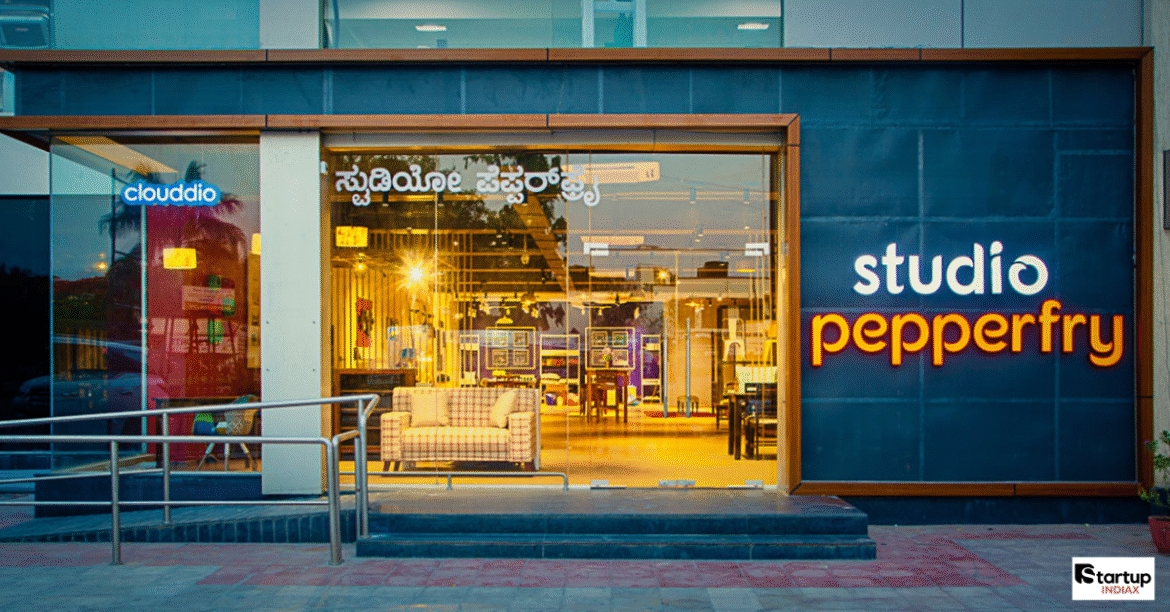
    The furniture marketplace in India is a battleground. Pepperfry faces stiff competition from e-commerce giants like Amazon India and Flipkart, as well as specialized players like Urban Ladder, Wakefit, and WoodenStreet. What sets Pepperfry apart is its omnichannel approach. With 43 company-owned studios and 142 franchise-operated studios across 109 cities as of 2023, Pepperfry blends the tactile experience of offline shopping with the convenience of online browsing. Its logistics network, PepCart, ensures last-mile delivery in over 127 towns and cities.

    Unlike horizontal platforms like Amazon, which prioritize discounts, Pepperfry focuses on quality, design, and curation. The company’s product catalog spans furniture, décor, mattresses, lighting, and home appliances, appealing to first-time homeowners and premium buyers alike. By partnering with over 10,000 sellers, Pepperfry ensures variety, with 3,500 sellers receiving orders monthly. This curated marketplace model has helped it maintain a 50% share in India’s online furniture market, as noted in earlier reports.

    What’s Next for Pepperfry? Growth and Expansion Plans

    With the fresh Rs 43.3 crore in its coffers, Pepperfry is poised to double down on its growth strategy. The company plans to use the funds for expansion, particularly in Tier II and III cities, where it sees growing demand. Pepperfry’s experience centers, or “Studio Pepperfry,” are a key part of this plan. These physical stores allow customers to touch and feel products before buying online, bridging the gap between digital and in-person shopping. The company aims to expand its footprint to 150 cities, as reported by Fashion Network in December 2024.

    Pepperfry is also investing in its supply chain and technology. By partnering with Infra.Market in November 2024, the company is enhancing its product range and customer experience. Additionally, Pepperfry’s “Swadeshi Is Great” campaign, launched in 2023, celebrates Indian craftsmanship, appealing to consumers who value local artisans. These moves align with the broader D2C furniture trends covered by Startup INDIAX, where brands prioritize authenticity and customer-centric innovation.

    The furniture marketplace also postponed its IPO plans last year to focus on growth and profitability. Initially aiming to raise $250–300 million through a public listing, Pepperfry converted to a public entity in 2022 but has since shifted gears to strengthen its fundamentals. This funding will likely support that pivot, helping the company scale operations while inching closer to breakeven.

    Challenges Ahead for the Furniture Marketplace

    Despite the funding boost, Pepperfry faces significant challenges. The 30.6% revenue drop in FY24 signals sluggish growth, a concern for a company valued at Rs 3,120 crore ($367 million) post-allotment. The furniture retail market is highly competitive, with players like IKEA and Wakefit gaining traction. Moreover, Pepperfry’s attempt to explore a sale in 2024, with a valuation of $200–220 million, fell through due to valuation mismatche.

    Customer reviews also pose a hurdle. With a one-star rating on Mouthshut from over 30,000 users, Pepperfry needs to address service quality concerns to maintain trust. The company’s high advertising spend (43.7% of FY19 expenses) and reliance on commissions for revenue add pressure to balance growth with profitability. For Startup INDIAX readers, this highlights the delicate dance D2C startups must perform in scaling without sacrificing customer satisfaction.

    Why This Funding Matters for India’s Furniture Retail

    Pepperfry raises Rs 43.3 crore in funding at a critical juncture for India’s furniture retail sector, estimated to reach Rs 3,50,000 crore by 2020. While online sales account for just 1% of this market, they’re growing at 70–80% annually, offering immense potential. Pepperfry’s ability to secure funding amid a revenue dip shows that investors see long-term value in its omnichannel model and curated approach.

    For startups featured on Startup INDIAX, Pepperfry’s journey is a lesson in resilience. The company’s focus on reducing losses, expanding offline presence, and diversifying its portfolio mirrors the strategies of many D2C brands navigating India’s competitive e-commerce landscape. This funding round also underscores the importance of repeat investors, who provide stability during tough times. As Pepperfry eyes profitability, its moves will shape the future of furniture retail in India.

    Conclusion: A Promising Yet Challenging Path for Pepperfry

    Furniture marketplace Pepperfry raises Rs 43.3 crore in funding, a testament to its enduring appeal despite financial setbacks. With backing from heavyweights like General Electric and Goldman Sachs, the company is well-positioned to expand its omnichannel presence and strengthen its supply chain. However, challenges like declining revenues, fierce competition, and customer service issues loom large. For Startup INDIAX readers, Pepperfry’s story is a reminder that even established players must innovate to stay ahead. As the company charts its path to profitability, all eyes will be on how it balances growth with customer trust in India’s dynamic furniture retail market.

    June 5, 2025 1 comment 397 views
    FacebookTwitterLinkedinWhatsapp
    TCS Partners with Richard Branson's Virgin Atlantic: 7-Year Deal Promises 300% Efficiency Boost | Startup India News
    AIDigitalNewsStartupTechnology

    TCS Partners with Richard Branson’s Virgin Atlantic: 7-Year Deal Promises 300% Efficiency Boost

    by Aalam Rohile June 5, 2025
    3 min read

    TCS partners with Richard Branson’s Virgin Atlantic in a groundbreaking seven-year digital transformation deal that promises to revolutionize airline operations with AI-powered solutions and cutting-edge technology infrastructure. This extended partnership between India’s IT giant and Richard Branson’s iconic airline represents one of the most significant airline digital transformation initiatives in recent years, combining two decades of collaboration expertise with next-generation artificial intelligence capabilities. The comprehensive modernization program aims to deliver unprecedented operational efficiency gains, enhanced passenger experiences, and sustainable aviation solutions that could reshape the entire industry landscape. With Virgin Atlantic ferrying over 5 million passengers worldwide in 2024 across 30+ global destinations, this strategic alliance positions both companies at the forefront of aviation innovation.

    The 7-Year Partnership Deal: What’s Inside the Agreement

    TCS partners with Richard Branson’s Virgin Atlantic through an ambitious seven-year extension that builds upon their existing two-decade relationship. The comprehensive agreement encompasses core system modernization, AI integration, and cloud-first digital solutions designed to transform every aspect of airline operations.

    The partnership involves modernizing Virgin Atlantic’s legacy systems with state-of-the-art technology infrastructure. TCS will serve as the exclusive technology partner, delivering fully managed services that optimize IT processes, applications, and infrastructure across the airline’s global operations.

    Key components of the deal include advanced data analytics platforms, machine learning algorithms for predictive maintenance, and AI-driven customer service solutions. The transformation will touch everything from booking systems to in-flight entertainment, creating a seamlessly connected ecosystem that enhances both operational efficiency and passenger satisfaction.

    Virgin Atlantic’s leadership recognizes this partnership as crucial for their competitive positioning in the post-pandemic aviation landscape. The airline industry has experienced unprecedented challenges, making digital transformation not just beneficial but essential for survival and growth.

    The financial scope of this partnership extends beyond traditional IT services, encompassing innovation labs, joint research initiatives, and collaborative development of next-generation aviation technologies. This holistic approach ensures Virgin Atlantic remains at the cutting edge of airline technology evolution.

    Why TCS Partners with Richard Branson’s Virgin Atlantic Makes Strategic Sense

    The strategic rationale behind why TCS partners with Richard Branson’s Virgin Atlantic extends far beyond typical vendor-client relationships. Both organizations bring complementary strengths that create powerful synergies in the rapidly evolving aviation technology landscape.

    TCS brings deep aviation industry expertise, having worked with numerous global airlines to implement digital transformation initiatives. Their proven track record in complex system migrations, cloud implementations, and AI integration makes them an ideal partner for Virgin Atlantic’s ambitious modernization goals.

    Richard Branson’s Virgin Atlantic offers TCS access to one of the world’s most innovative airline brands, known for pushing boundaries and embracing cutting-edge technologies. This partnership allows TCS to showcase their capabilities on a global stage while developing solutions that can be applied across their broader airline client portfolio.

    The timing proves particularly strategic as the aviation industry undergoes fundamental shifts toward sustainability, digitalization, and enhanced customer experiences. Airlines worldwide are investing heavily in technology upgrades, creating a massive market opportunity for TCS to demonstrate thought leadership and innovation.

    From Virgin Atlantic’s perspective, partnering with TCS provides access to world-class technical expertise, proven methodologies, and cost-effective solutions that might be prohibitively expensive to develop in-house. The partnership model allows Virgin Atlantic to focus on their core competencies while leveraging TCS’s technology capabilities.

    Industry analysts at Startup INIDAX note that such strategic partnerships are becoming increasingly common as airlines recognize the need for specialized technology partners to navigate digital transformation challenges successfully.

    AI-Powered Solutions Driving the 300% Efficiency Promise

    The ambitious 300% efficiency boost promise stems from comprehensive AI-powered solutions that TCS partners with Richard Branson’s Virgin Atlantic will implement across multiple operational domains. These intelligent systems represent a paradigm shift from reactive to predictive airline operations.

    TCS Partners with Richard Branson's Virgin Atlantic: AI-Powered Solutions Driving the 300% Efficiency Promise | Startup India
    Image Credit- TCS

    Predictive maintenance algorithms will analyze aircraft sensor data to identify potential issues before they cause delays or cancellations. Modern maintenance systems have already demonstrated their impact, with IATA reporting a 30% reduction in aircraft reactivation times, while maintenance-related ground time has been slashed by 20%. Virgin Atlantic’s implementation promises even greater improvements through advanced machine learning models.

    Revenue optimization systems powered by artificial intelligence will dynamically adjust pricing strategies based on real-time demand patterns, competitor analysis, and market conditions. These systems can process thousands of variables simultaneously, enabling more sophisticated revenue management than traditional approaches.

    Operational efficiency gains will come from AI-driven resource allocation, crew scheduling optimization, and intelligent route planning. Machine learning algorithms will analyze historical data, weather patterns, and air traffic information to make real-time decisions that minimize delays and maximize aircraft utilization.

    Customer service automation through natural language processing and chatbot technologies will handle routine inquiries, allowing human agents to focus on complex issues requiring personal attention. This approach significantly reduces response times while maintaining service quality standards.

    The 300% efficiency target encompasses multiple metrics including fuel consumption reduction, turnaround time optimization, customer satisfaction improvements, and cost reduction across various operational categories. Startup INIDAX research indicates that leading airlines implementing comprehensive AI solutions typically achieve 150-200% efficiency gains, making Virgin Atlantic’s target ambitious but achievable.

    Digital Transformation Impact on Virgin Atlantic Operations

    The digital transformation initiative where TCS partners with Richard Branson’s Virgin Atlantic will fundamentally reshape how the airline operates, creating interconnected systems that enhance every aspect of the business from ground operations to in-flight services.

    Ground operations will benefit from intelligent baggage handling systems that track luggage throughout the journey, reducing mishandled baggage rates and improving customer satisfaction. Automated check-in processes and biometric identification systems will streamline airport experiences, reducing wait times and operational costs.

    Flight operations will leverage real-time data analytics to optimize fuel consumption, route planning, and crew assignments. Advanced weather prediction models integrated with flight planning systems will enable more accurate scheduling and reduce weather-related delays.

    Maintenance operations will transform through digital twin technology, creating virtual replicas of aircraft that enable predictive analysis and simulation-based maintenance planning. This approach reduces unplanned maintenance events and extends aircraft lifespan through optimized care schedules.

    The digital transformation market in aviation is projected to grow from an estimated USD 2.9 billion in 2020 to USD 26.1 billion by 2030, highlighting the massive investment airlines are making in technology upgrades. Virgin Atlantic’s partnership positions them advantageously within this growing market.

    Revenue management systems will become more sophisticated through machine learning algorithms that analyze booking patterns, customer behavior, and market dynamics to optimize pricing strategies across different routes and customer segments.

    Supply chain management will benefit from enhanced visibility and predictive analytics, enabling better inventory management, supplier coordination, and cost optimization across the airline’s complex operational network.

    The Technology Stack: What Systems Are Being Modernized

    Understanding what specific systems TCS partners with Richard Branson’s Virgin Atlantic will modernize provides insight into the comprehensive scope of this digital transformation initiative. The technology stack encompasses both customer-facing and back-office systems critical to airline operations.

    Core reservation systems will migrate to cloud-native architectures that provide better scalability, reliability, and performance. These systems handle millions of transactions daily, making modernization critical for maintaining competitive service levels and supporting business growth.

    Customer relationship management platforms will integrate artificial intelligence capabilities to provide personalized service recommendations, predict customer needs, and automate routine interactions. These systems will create unified customer profiles that enhance service consistency across all touchpoints.

    Enterprise resource planning systems will undergo comprehensive upgrades to support real-time decision-making, improved financial reporting, and enhanced operational visibility. Modern ERP systems provide the foundation for data-driven management and strategic planning.

    Data analytics platforms will consolidate information from multiple sources, creating comprehensive dashboards that provide executives with real-time insights into operational performance, customer satisfaction, and financial metrics. Advanced analytics capabilities will support predictive modeling and scenario planning.

    Mobile applications for both customers and employees will receive significant enhancements, including improved user interfaces, offline capabilities, and integration with airline operational systems. These applications serve as primary customer touchpoints and employee productivity tools.

    Legacy system integration remains a critical challenge, requiring careful planning and phased implementation approaches that minimize operational disruption while maximizing modernization benefits. TCS’s proven methodologies for complex system migrations prove particularly valuable in this context.

    Customer Experience Revolution Through Partnership

    The customer experience transformation resulting from TCS partners with Richard Branson’s Virgin Atlantic initiative will create new standards for airline service delivery, leveraging technology to provide personalized, seamless, and memorable travel experiences.

    Personalized travel recommendations will emerge from advanced analytics platforms that analyze customer preferences, travel history, and behavioral patterns. These systems will suggest relevant services, upgrades, and ancillary products that enhance the travel experience while generating additional revenue.

    Mobile-first service delivery will enable passengers to manage their entire journey through smartphone applications, from booking and check-in to baggage tracking and in-flight entertainment. Seamless integration across all customer touchpoints creates consistency and convenience.

    Real-time communication capabilities will keep passengers informed about flight status, gate changes, and other important information through multiple channels including SMS, email, and mobile app notifications. Proactive communication reduces passenger anxiety and improves satisfaction scores.

    In-flight entertainment systems will leverage artificial intelligence to provide personalized content recommendations based on passenger preferences and viewing history. These systems will offer enhanced connectivity options and interactive features that make long flights more enjoyable.

    Loyalty program enhancements will include dynamic reward structures that adapt to individual customer behavior and preferences. Advanced analytics will identify opportunities to provide targeted benefits that increase customer engagement and retention.

    Customer service automation will handle routine inquiries through chatbots and virtual assistants, while complex issues will be escalated to human agents equipped with comprehensive customer information and intelligent assistance tools. This hybrid approach optimizes both efficiency and service quality.

    Financial Implications and ROI Projections

    The financial aspects of the deal where TCS partners with Richard Branson’s Virgin Atlantic represent a significant investment in future competitiveness, with projected returns that justify the substantial technology expenditure through multiple revenue streams and cost reduction opportunities.

    Operational cost reductions will emerge from improved fuel efficiency, optimized crew scheduling, reduced maintenance costs, and streamlined ground operations. Industry benchmarks suggest that comprehensive digital transformation initiatives can reduce operational costs by 15-25% within three years of implementation.

    Revenue enhancement opportunities include dynamic pricing optimization, personalized upselling, improved load factors, and ancillary service sales. Advanced analytics platforms enable airlines to identify revenue opportunities that might otherwise be missed through traditional approaches.

    Strategic cloud migration and advanced data frameworks are driving measurable outcomes, with some airlines outperforming previous years by 245% through data-led transformation. While Virgin Atlantic’s specific projections remain confidential, industry trends suggest significant financial benefits from comprehensive modernization initiatives.

    Capital expenditure efficiency improves through cloud-first architectures that reduce infrastructure costs, eliminate legacy system maintenance expenses, and provide scalable computing resources that adapt to demand fluctuations. This approach converts fixed IT costs into variable expenses that align with business performance.

    Risk mitigation benefits include improved system reliability, enhanced cybersecurity capabilities, and reduced regulatory compliance costs. Modern systems provide better audit trails, automated reporting capabilities, and built-in security features that reduce operational risks.

    Return on investment timelines typically extend over 3-5 years for comprehensive airline digital transformation initiatives, with initial benefits visible within 12-18 months. Startup INDIAX analysis suggests that airlines achieving successful digital transformation see sustained competitive advantages that justify initial investment costs.

    Industry Impact: How This Partnership Reshapes Aviation

    The broader aviation industry implications of TCS partners with Richard Branson’s Virgin Atlantic extend beyond the immediate participants, potentially catalyzing industry-wide changes in how airlines approach technology partnerships and digital transformation strategies.

    Competitive pressure will intensify as Virgin Atlantic’s enhanced capabilities force other airlines to accelerate their own digital transformation initiatives. The demonstration effect of successful AI implementation and operational efficiency gains will create market pressure for industry-wide technology upgrades.

    Partnership models between airlines and technology providers may evolve toward longer-term strategic relationships rather than traditional vendor arrangements. The success of extended partnerships like TCS and Virgin Atlantic could encourage other airlines to seek similar comprehensive technology alliances.

    Innovation acceleration will result from collaborative research and development initiatives that emerge from strategic partnerships. Joint innovation labs and shared technology development create opportunities for breakthrough solutions that benefit the entire industry ecosystem.

    Regulatory implications may arise as AI-powered systems become more prevalent in airline operations. Aviation authorities will need to develop new frameworks for certifying and monitoring artificial intelligence applications in safety-critical environments.

    Supply chain effects will ripple through the broader aviation technology ecosystem as successful implementations create demand for similar solutions across other airlines. Technology providers will need to scale their capabilities to meet growing market demand.

    Standards development may accelerate as successful implementations demonstrate best practices for AI integration, data management, and system interoperability. Industry associations may develop new guidelines based on proven success stories like the TCS-Virgin Atlantic partnership.

    Future Roadmap and Expected Outcomes

    The long-term vision for TCS partners with Richard Branson’s Virgin Atlantic extends beyond current technology implementations to envision future aviation possibilities enabled by continued innovation and collaborative development efforts.

    Sustainable aviation technologies will become increasingly important as environmental regulations tighten and customer expectations evolve. The partnership will likely explore carbon footprint reduction through optimized flight paths, improved fuel efficiency, and sustainable operations management.

    Advanced automation capabilities may include autonomous ground operations, AI-driven flight planning, and intelligent resource allocation systems that minimize human intervention while maintaining safety standards. These technologies represent the next frontier in aviation efficiency.

    Emerging technologies such as blockchain for secure transactions, augmented reality for maintenance operations, and Internet of Things integration for comprehensive asset monitoring will likely become part of future development roadmaps.

    Global expansion opportunities may arise as the partnership develops replicable solutions that can be deployed across Virgin Atlantic’s network and potentially licensed to other airlines within the Virgin Group or broader aviation industry.

    Research and development initiatives will continue pushing boundaries in areas such as predictive analytics, machine learning applications, and advanced customer experience technologies. The partnership provides a testing ground for innovations that could reshape aviation industry standards.

    Integration with broader travel ecosystems may include partnerships with hotels, ground transportation, and tourism services to create comprehensive travel management platforms that serve passengers throughout their journey, not just during flight operations.

    Conclusion: The Sky’s the Limit for Innovation

    The groundbreaking partnership where TCS partners with Richard Branson’s Virgin Atlantic represents more than just another technology implementation – it’s a blueprint for the future of aviation industry transformation. This seven-year commitment demonstrates how strategic technology partnerships can drive operational excellence, customer satisfaction, and sustainable growth in an increasingly competitive marketplace.

    The 300% efficiency promise may seem ambitious, but it reflects the transformative potential of comprehensive AI integration, cloud-first architectures, and data-driven decision making. As highlighted by Startup INIDAX research, successful digital transformation initiatives create compounding benefits that often exceed initial projections.

    Virgin Atlantic’s willingness to extend their two-decade partnership with TCS into this ambitious modernization initiative signals confidence in both the technology solutions and the collaborative relationship. This trust-based approach to technology partnerships may become the new standard for complex digital transformation projects.

    The aviation industry stands at a critical juncture where technology adoption will determine competitive positioning for decades to come. Partnerships like TCS and Virgin Atlantic’s serve as proving grounds for solutions that will eventually become industry standards.

    For passengers, employees, and stakeholders, this partnership promises enhanced experiences, improved operational reliability, and sustainable growth that benefits all participants in the aviation ecosystem. The sky truly is the limit when innovative technology meets visionary leadership and proven execution capabilities.

    June 5, 2025 5 comments 340 views
    FacebookTwitterLinkedinWhatsapp
    Tesla Not Interested In Manufacturing In India: 5 Reasons Behind the Showroom Strategy | Startup India
    EVNewsStartup

    Tesla Not Interested In Manufacturing In India: 5 Reasons Behind the Showroom Strategy

    by Ismail Patel June 4, 2025
    3 min read

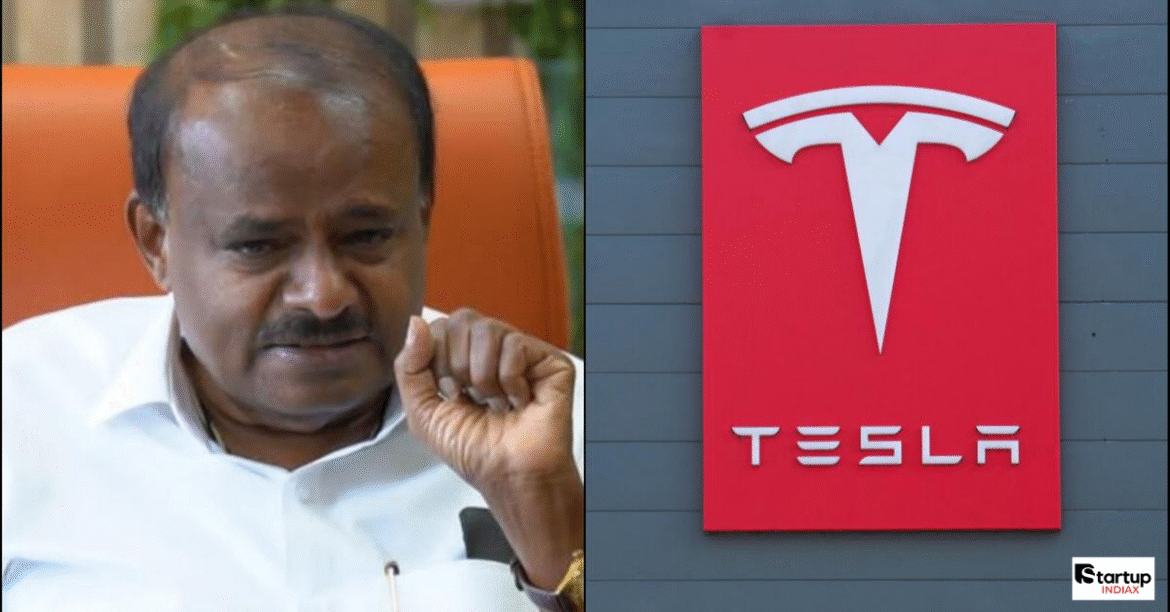
    Tesla Not Interested In Manufacturing In India, as revealed by Union Minister HD Kumaraswamy, marks a pivotal shift in the electric vehicle (EV) giant’s approach to the Indian market. This article uncovers the five key reasons behind Tesla’s decision to focus on showrooms rather than factories, exploring the implications for India’s EV ecosystem and opportunities for startups on platforms like Startup INDIAX. From import tariffs to global competition, we’ll dive into why Tesla is taking a cautious route and what it means for India’s electric mobility future.

    Table of Contents

    • 5 Reasons Tesla Not Interested In Manufacturing In India
    • Union Minister HD Kumaraswamy’s Announcement
    • India’s EV Policy: Why Tesla Stepped Back
    • Global Automakers Seizing India’s EV Market
    • Impact on India’s EV Ecosystem and Startups
    • Tesla’s Showroom Plans in India
    • Conclusion

    5 Reasons Tesla Not Interested In Manufacturing In India

    Tesla Not Interested In Manufacturing In India, a statement that has sparked curiosity and debate across India’s startup and automotive sectors. Union Minister HD Kumaraswamy’s recent revelation highlights Tesla’s shift toward opening showrooms instead of building factories. Here are the five key reasons behind this strategic pivot:

    1. High Import Tariffs: India’s import duties, which can reach up to 110% on fully built vehicles, have been a major hurdle. Tesla has long pushed for tariff reductions, but India insists on local manufacturing for duty concessions. Tesla’s reluctance to commit to a factory suggests the economics don’t align yet.
    2. Global Political Pressures: Elon Musk’s ties with US President Donald Trump may be influencing Tesla’s strategy. Trump has criticized companies manufacturing abroad to bypass tariffs, calling it unfair to the US. With Tesla’s China-made vehicles facing 245% US tariffs, Musk may be hesitant to invest in another overseas plant.
    3. Financial Caution: Tesla has faced challenges recently, including a drop in global deliveries and intense competition from rivals like BYD. Building a factory requires significant capital—potentially $500 million or more under India’s EV policy—making showrooms a less risky entry point.
    4. Testing the Market: By focusing on showrooms in cities like Delhi and Mumbai, Tesla can gauge consumer demand without the heavy investment of a factory. This allows the company to build brand presence and test India’s appetite for premium EVs.
    5. Policy Misalignment: India’s EV manufacturing scheme requires a $500 million investment and local production within three years. Tesla’s minimal engagement in policy discussions, as noted by Kumaraswamy, indicates the terms may not suit its current priorities.

    For the Startup INDIAX community, these reasons highlight how global and local factors shape corporate decisions, offering insights into navigating India’s EV landscape.

    Union Minister HD Kumaraswamy’s Announcement

    Union Minister HD Kumaraswamy dropped a bombshell on June 2, 2025, during a press conference about India’s EV manufacturing scheme. “Tesla is not interested in manufacturing in India,” he said. “They are only looking to start operations through showrooms.” This clear statement puts an end to years of speculation about a Tesla gigafactory in India, which many hoped would boost jobs and local innovation.

    Tesla Not Interested In Manufacturing In India: 5 Reasons Behind the Showroom Strategy

    For readers on Startup INDIAX, Kumaraswamy’s announcement signals a missed opportunity for large-scale economic impact. A Tesla factory could have created thousands of jobs and spurred growth in the EV supply chain. Instead, Tesla’s showroom strategy focuses on selling premium vehicles to India’s affluent buyers, limiting its immediate influence on the broader ecosystem. However, this also opens the door for other automakers to take center stage, as we’ll explore later.

    India’s EV Policy: Why Tesla Stepped Back

    India’s “Scheme to Promote Manufacturing of Electric Passenger Cars in India,” launched in March 2024, was designed to attract global EV players like Tesla. The policy offers a reduced 15% import duty on up to 8,000 EVs annually, but there’s a catch: companies must invest at least $500 million in a local plant within three years. This was seen as a tailor-made incentive for Tesla, which has long criticized India’s high tariffs.

    Yet, Tesla Not Interested In Manufacturing In India, as Kumaraswamy confirmed. The $500 million investment threshold, combined with the mandate for local production, appears too steep for Tesla’s current strategy. A government official noted that Tesla participated in initial policy talks but skipped later rounds, signaling a lack of commitment. For startups on Startup INDIAX, this underscores the importance of aligning business plans with government incentives to unlock opportunities in India’s EV sector.

    Global Automakers Seizing India’s EV Market

    While Tesla Not Interested In Manufacturing In India, other global automakers are eagerly stepping in. Kumaraswamy highlighted that companies like Mercedes-Benz, Skoda-Volkswagen, Hyundai, and Kia are showing strong interest in India’s EV policy. These players are engaging with the government and are likely to invest in local production, positioning India as a growing EV manufacturing hub.

    Chinese EV giant BYD, which surpassed Tesla in global sales in 2024, is planning its first plant in India. This move could shake up the market, offering affordable EVs to compete with local players like Tata Motors. European and South Korean automakers are also drawn to India’s expanding middle class and rising demand for sustainable transport. For Startup INDIAX entrepreneurs, this influx of global players creates opportunities to supply components, develop charging infrastructure, or innovate in EV software.

    Impact on India’s EV Ecosystem and Startups

    Tesla’s decision to prioritize showrooms over manufacturing has significant ripple effects for India’s EV ecosystem. A gigafactory could have generated thousands of jobs, boosted local suppliers, and accelerated charging network growth. Instead, Tesla’s retail-only approach limits its economic impact, leaving room for competitors to drive innovation.

    For startups on Startup INDIAX, this presents a dual reality. On one hand, the absence of a Tesla factory means fewer immediate partnerships for local suppliers and tech innovators. On the other, the entry of automakers like BYD, Hyundai, and Mercedes-Benz could spark demand for solutions in battery technology, fleet management software, and fast-charging stations. Tesla’s showrooms, meanwhile, could boost consumer interest in EVs, indirectly benefiting startups by increasing market demand.

    India’s EV market is on track to grow significantly, with the government targeting 30% electric vehicle sales by 2030. Tesla’s presence, even if limited to retail, could help normalize EVs among Indian buyers, creating a fertile ground for startups to innovate.

    Tesla’s Showroom Plans in India

    Despite Tesla Not Interested In Manufacturing In India, the company is moving forward with its retail strategy. Tesla has secured showroom locations in Delhi and Mumbai and is hiring for over 25 roles, from sales to service staff. The 2025 Tesla Model Y, recently spotted testing near Mumbai, is expected to be Tesla’s first offering, targeting India’s premium EV market.

    However, high import duties could make Tesla’s vehicles expensive, limiting their appeal to a niche segment. Competition from local brands like Tata Motors and global players like BYD will also challenge Tesla’s pricing and market share. For Startup INDIAX readers, Tesla’s retail push could open doors for partnerships in marketing, customer experience, or after-sales support, even if manufacturing opportunities remain limited.

    🚨BREAKING: $TSLA TO FOCUS ON SHOWROOMS, NOT PRODUCTION IN INDIA

    • Tesla skips manufacturing in India, focusing on showrooms in Mumbai and Delhi
    • Showrooms to start sales of imported EVs by April 2025
    • High tariffs (70-100%) deter production despite new EV policy
    • India’s… pic.twitter.com/uyemHS5S6n

    — Tesla Archive (@tesla_archive) June 2, 2025

    Conclusion

    Tesla Not Interested In Manufacturing In India, as stated by Union Minister HD Kumaraswamy, marks a significant pivot in the EV giant’s strategy, opting for showrooms over factories in one of the world’s fastest-growing markets. While this decision limits Tesla’s immediate economic impact, it opens doors for other global automakers like BYD, Mercedes-Benz, and Hyundai to drive India’s EV revolution. For the Startup INDIAX community, this shift presents a wealth of opportunities to innovate in areas like charging infrastructure, battery technology, and customer experience solutions. As India’s EV market accelerates toward its 2030 goal of 30% electric vehicle sales, platforms like Startup INDIAX will be key in connecting entrepreneurs with investors and partners to shape the future of electric mobility. Tesla’s showroom strategy may be cautious, but India’s EV journey is just getting started, and the potential for growth and innovation is limitless.

    June 4, 2025 1 comment 346 views
    FacebookTwitterLinkedinWhatsapp
    Telcos Flay TRAI’s Satellite Spectrum Charges: A Battle for Fairness in India’s Telecom Landscape | Startup India
    AIDigitalNewsStartup

    Telcos Flay TRAI’s Satellite Spectrum Charges: A Battle for Fairness in India’s Telecom Landscape

    by Ismail Patel June 3, 2025
    3 min read

    Telcos Flay TRAI and Satellite Spectrum Charges have sparked heated debates in India’s telecom industry, with major players like Reliance Jio, Bharti Airtel, and Vodafone Idea slamming the Telecom Regulatory Authority of India’s (TRAI) proposed 4% Adjusted Gross Revenue (AGR) charge for satellite spectrum. This article dives into the controversy, exploring why telcos believe these charges create an unfair advantage for satellite internet providers like Starlink and Amazon’s Kuiper. We’ll break down the implications for terrestrial telecom networks, the digital divide, and the future of connectivity in India, while also examining TRAI’s perspective and the potential impact on consumers. Written for Startup INDIAX, this conversational piece unpacks the complexities of spectrum pricing and its role in shaping India’s telecom ecosystem.

    Table of Contents

    The Brewing Storm: Telcos Flay TRAI Over Satellite Spectrum Charges
    Why Telcos Are Up in Arms
    The 4% AGR Controversy
    Auction vs. Administrative Allocation
    TRAI’s Defense: Satellite as a Complementary Service
    The Digital Divide Debate
    Impact on Consumers and Startups
    What’s Next for India’s Telecom Industry?
    Conclusion: A Balancing Act for Fairness

    The Brewing Storm: Telcos Flay TRAI Over Satellite Spectrum Charges

    The Indian telecom industry is no stranger to fierce competition and regulatory battles, but the latest clash has raised the stakes. Telcos Flay TRAI has become a trending topic as major players like Reliance Jio, Bharti Airtel, and Vodafone Idea criticize the Telecom Regulatory Authority of India (TRAI) for its Satellite Spectrum Charges recommendations. In May 2025, TRAI proposed that satellite communication (satcom) companies, such as Starlink and Amazon’s Kuiper, pay 4% of their Adjusted Gross Revenue (AGR) for spectrum usage, alongside an additional ₹500 per subscriber annually in urban areas. This move has sparked outrage among traditional telecom operators, who argue it creates an uneven playing field, favoring global satcom giants over terrestrial networks.

    At Startup INDIAX, we’ve been closely following this saga because it’s more than just a pricing dispute—it’s about the future of connectivity in India. With satellite internet poised to transform rural and urban access, the debate over spectrum charges could redefine how startups, consumers, and telecom giants operate. Let’s unpack why telcos are so upset, what TRAI is trying to achieve, and what this means for India’s digital landscape.

    Telcos Oppose TRAI’s Satcom Spectrum Plan, Cite Unfair Advantage to Global Players https://t.co/1j1fOpN0O7

    — Telecom TALK (@TelecomTalk) June 2, 2025

    Why Telcos Are Up in Arms

    The 4% AGR Controversy

    The heart of the issue lies in TRAI’s decision to set Satellite Spectrum Charges at 4% of AGR, with a minimum annual fee of ₹3,500 per MHz. Telcos, represented by the Cellular Operators Association of India (COAI), have called this rate “unjustifiably low” and “non-transparent.” They argue that TRAI’s pricing lacks a clear rationale and underestimates the capacity of satcom players. For context, terrestrial telecom operators have spent trillions of rupees in spectrum auctions over the years, while satcom companies are getting spectrum through administrative allocation—a process telcos view as unfairly lenient.

    According to a letter from COAI to the Department of Telecommunications (DoT), the proposed charges could undermine the sustainability of terrestrial networks. With satcom players like Starlink and Kuiper planning to offer 29 billion GB of data per month—surpassing the 23 billion GB handled by terrestrial operators—these companies aren’t just complementary players; they’re direct competitors. Telcos Flay TRAI for ignoring this reality, claiming the low charges give satcom firms an edge in pricing and market entry.

    Auction vs. Administrative Allocation

    Another sore point is TRAI’s decision to allocate satellite spectrum administratively rather than through auctions. Telcos, especially Reliance Jio, have long advocated for auctions, arguing they ensure fairness and transparency. In an October 2024 post on X, Jio emphasized that satellite broadband spectrum should be auctioned to level the playing field. Auctions force companies to bid competitively, reflecting the true market value of spectrum. In contrast, administrative allocation allows TRAI to set prices, which telcos argue benefits global players who can scale quickly without the financial burden of auctions.

    This debate isn’t new. Back in 2023, TRAI sought public views on whether satellite spectrum should be auctioned or administratively assigned. While satcom companies opposed auctions, telcos insisted on them, citing the massive investments they’ve made in spectrum over the years. The fact that TRAI stuck with administrative allocation has only fueled the Telcos Flay TRAI narrative, with operators warning that it could distort market dynamics.

    TRAI’s Defense: Satellite as a Complementary Service

    TRAI, led by Chairman Anil Kumar Lahoti, has pushed back against the telcos’ claims. Lahoti argues that satellite services are not competitors but complementary to terrestrial networks. In a May 2025 briefing, he stated, “After detailed examination, we have found that satellite services will be complementary and not compete with terrestrial services”. TRAI points out that satellite spectrum is a shared resource, unlike the exclusive spectrum assigned to terrestrial operators, making it impossible to price them similarly.

    Lahoti also highlighted capacity differences. For example, in Delhi, terrestrial networks can support 50 lakh broadband connections, while a single satellite constellation can only handle 10,000–20,000 connections. This limited capacity, TRAI argues, means satcom services are better suited for underserved rural areas or disaster relief, not urban markets where telcos dominate. Additionally, TRAI recommends subsidies for satcom user terminals in rural areas to bridge the digital divide, a move praised by the Indian Space Association (ISpA) for balancing government revenue with affordability.

    At Startup INDIAX, we see TRAI’s perspective as an attempt to foster innovation in connectivity, especially for remote regions. However, telcos argue that TRAI’s assumptions are flawed, particularly its claim that satcom won’t compete in urban markets. With companies like Starlink eyeing India’s growing data demand, the line between complementary and competitive is blurry.

    The Digital Divide Debate

    One of TRAI’s key arguments for lower Satellite Spectrum Charges is to bridge India’s urban-rural digital divide. Satcom services can reach remote areas where terrestrial networks are impractical, potentially connecting millions of unserved Indians. TRAI’s proposal to waive the ₹500 per subscriber fee in rural areas and subsidize user terminals (costing ₹20,000–50,000) aims to make satellite internet accessible.

    However, telcos argue this goal is misguided. In their letter to the DoT, COAI claimed that TRAI’s recommendations won’t effectively close the digital gap, as satcom players are likely to focus on profitable urban markets. They also criticized TRAI’s suggestion to allow billing in U.S. dollars, which could give global players like Starlink a pricing advantage over domestic telcos. This, they say, could divert investment away from terrestrial networks, slowing rural expansion.

    For startups following this on Startup INDIAX, the digital divide debate is critical. Affordable satellite internet could empower rural entrepreneurs, enabling e-commerce, edtech, and agritech ventures. But if telcos scale back investments due to perceived unfairness, the dream of a digitally inclusive India could stall.

    Impact on Consumers and Startups

    So, what does this mean for consumers and startups? For urban users, the additional ₹500 annual fee for satcom services might make satellite internet less attractive compared to terrestrial broadband. However, in rural areas, subsidized terminals and no extra fees could make services like Starlink a game-changer. Imagine a farmer in a remote village accessing real-time market prices or a student attending online classes—satcom could unlock these opportunities.

    For startups, the implications are twofold. First, satcom’s entry could spur innovation in sectors like IoT, logistics, and telemedicine, where reliable connectivity is key. Second, if telcos reduce network investments due to financial strain, startups relying on terrestrial broadband might face slower speeds or limited coverage. Startup INDIAX readers should watch how this unfolds, as it could impact funding and growth strategies for tech ventures.

    Telcos Flay TRAI for potentially disrupting their business models, but consumers might benefit from increased competition. Lower satcom prices could pressure telcos to improve services or cut costs, a win for users. However, if terrestrial networks suffer, urban consumers might face higher prices or reduced quality.

    What’s Next for India’s Telecom Industry?

    The battle over Satellite Spectrum Charges is far from over. TRAI’s recommendations are pending approval from the DoT’s Digital Communications Commission and the cabinet. Telcos, through COAI, have urged the government to form a committee for a comprehensive review, signaling their intent to fight on. Meanwhile, satcom players like Starlink and Eutelsat OneWeb are gearing up to launch services in India, with licenses already secured or in progress.

    The outcome will shape India’s telecom landscape for years. If TRAI’s recommendations are implemented, satcom could accelerate digital inclusion, but at the cost of straining terrestrial operators. If telcos succeed in pushing for auctions or higher charges, satcom’s growth might slow, delaying connectivity for remote areas. Either way, the debate highlights the need for a balanced approach that supports innovation without undermining existing infrastructure.

    Conclusion: A Balancing Act for Fairness

    The Telcos Flay TRAI saga underscores the complexities of regulating a rapidly evolving industry. TRAI’s Satellite Spectrum Charges aim to make satellite internet viable while addressing the digital divide, but telcos see them as a threat to their survival. For consumers and startups, the outcome could mean better connectivity or higher costs, depending on how the government navigates this storm. At Startup INDIAX, we’ll keep tracking this story, as it’s a pivotal moment for India’s tech and telecom ecosystem. What do you think—should satellite spectrum be auctioned, or is TRAI’s approach the right one? Let us know in the comments!

    June 3, 2025 5 comments 347 views
    FacebookTwitterLinkedinWhatsapp
    Gnani.ai,
    AIStartupTechnology

    IndiaAI Mission: Soket AI, Gnani.ai, and Gan.ai Unleash 3 Revolutionary Indigenous AI Models

    by Ismail Patel June 2, 2025
    3 min read

    The IndiaAI Mission is turbocharging India’s AI landscape by empowering Soket AI, Gnani.ai, and Gan.ai to develop transformative indigenous AI models, alongside Sarvam AI. These startups are crafting large language models (LLMs) to address India’s linguistic diversity and sectoral needs in healthcare, education, and defense. Backed by 34,000 GPUs and a Rs 10,372 crore budget, the mission is fostering innovation and positioning India as a global AI leader. This article, brought to you by Startup INDIAX, explores the startups’ roles, the mission’s infrastructure, and its potential to revolutionize India’s tech ecosystem.

    Table of Contents

    • Introduction: IndiaAI Mission’s Ambitious Vision
    • Why Indigenous AI Models Are Critical for India
    • Meet the Trailblazers: Soket AI, Gnani.ai, and Gan.ai
      • Soket AI Labs: Unleashing a 120 Bn Parameter Open-Source Model
      • Gnani.ai: Revolutionizing Voice AI for Indic Languages
      • Gan.ai: Redefining Multilingual AI with Breakthrough TTS
    • The Backbone of IndiaAI Mission’s Infrastructure
    • Transforming Sectors with Indigenous AI Models
    • Challenges and Opportunities in India’s AI Revolution
    • Conclusion: India’s Rise to Global AI Dominance

    Introduction: IndiaAI Mission’s Ambitious Vision

    Picture an AI that speaks fluent Hindi, Tamil, or Bengali, tackling India’s unique challenges in healthcare, education, and governance. That’s the bold promise of the IndiaAI Mission, a Rs 10,372 crore initiative launched in March 2024 to catapult India into the global AI spotlight. The mission has tapped three dynamic startups—Soket AI, Gnani.ai, and Gan.ai—to develop groundbreaking indigenous AI models tailored to India’s diverse linguistic and cultural fabric. Alongside Sarvam AI, these innovators are crafting large language models (LLMs) to rival global giants like OpenAI, but with a distinctly Indian flavor. At Startup INDIAX, we’re thrilled to dive into this transformative journey and explore how these startups are redefining India’s tech future.

    The IndiaAI Mission is more than a tech project; it’s a movement to democratize AI. With 506 applications by April 30, 2025, and access to 34,000 GPUs, the mission empowers startups to innovate across critical sectors like defense and education. This article unpacks the roles of Soket AI, Gnani.ai, and Gan.ai to develop indigenous AI models, the mission’s robust infrastructure, and its potential to reshape India’s tech landscape.

    Why Indigenous AI Models Are Critical for India

    With 1.4 billion people and 22 official languages, India’s diversity is its strength—and its challenge. Most global AI models, trained on Western datasets, stumble when faced with India’s linguistic nuances, like Hindi slang or Telugu idioms. Indigenous AI models, built on Indian datasets, are designed to bridge this gap, ensuring cultural and linguistic relevance.

    The IndiaAI Mission aims to create AI that serves every Indian, from rural farmers to urban professionals. By targeting sectors like healthcare, education, and governance, these models address local needs—like enabling telemedicine in remote villages or translating parliamentary debates in real time. As Startup INDIAX has observed, indigenous AI reduces reliance on foreign tech, strengthens data sovereignty, and positions India as a global AI contender.

    This push for homegrown AI also sparks innovation across startups, academia, and industries. It encourages entrepreneurs to build solutions tailored to India’s needs, from AI-driven farming tools to multilingual chatbots for banking. The IndiaAI Mission is a catalyst for a tech ecosystem that reflects India’s unique identity.

    Meet the Trailblazers: Soket AI, Gnani.ai, and Gan.ai

    The IndiaAI Mission has handpicked three startups to lead this AI revolution, each bringing bold innovation to the table. Here’s a closer look at Soket AI, Gnani.ai, and Gan.ai to develop indigenous AI models.

    Soket AI Labs: Unleashing a 120 Bn Parameter Open-Source Model

    Founded in 2019 by Abhishek Upperwal, Soket AI Labs is crafting India’s first open-source 120 billion parameter foundational model under its ‘EKA Project’. Built on Meta’s Llama 2 and TinyLlama, this model is trained on 2 trillion tokens to handle India’s linguistic diversity. It targets critical sectors like defense, healthcare, and education.

    Imagine an AI assisting rural doctors with diagnostics or helping teachers craft personalized lessons in regional languages. Soket AI’s open-source approach invites developers across India to build on this model, fostering collaboration. As Startup INDIAX reports, Soket AI’s timeline—12 months for the full model, six for smaller versions—signals a rapid leap toward innovation.

    Gnani.ai: Revolutionizing Voice AI for Indic Languages

    Gnani.ai, launched in 2017 by Ganesh Gopalan and Ananth Nagaraj, is a pioneer in voice AI. It’s developing a 14 billion parameter voice AI model with real-time, multilingual speech processing and advanced reasoning. Supporting 10 Indian languages and serving clients like TVS Credit, Gnani.ai is a leader in voice tech.

    “We’re building voice-to-voice AI that speaks the language of India’s people,” said Ganesh Gopalan, CEO of Gnani.ai. This aligns with the IndiaAI Mission’s goal of inclusive AI, enabling voice-based banking or real-time translation tools to empower millions across India’s linguistic spectrum.

    Gan.ai: Redefining Multilingual AI with Breakthrough TTS

    Delhi-based Gan.ai is creating a 70 billion parameter multilingual model with “superhuman” text-to-speech (TTS) capabilities. This model aims to deliver seamless audio and video outputs in multiple Indian languages, rivaling global TTS leaders. Think AI-generated videos that sound natural in Marathi or Kannada, powering education or customer service.

    Gan.ai’s multimodal AI—blending text, speech, and visuals—is a game-changer for inclusive technology. By leveraging the IndiaAI Mission’s resources, Gan.ai is set to make AI accessible and impactful for India’s diverse audience.

    The Backbone of IndiaAI Mission’s Infrastructure

    The IndiaAI Mission isn’t just funding startups; it’s building a powerhouse AI ecosystem. With a Rs 10,372 crore budget over five years, it includes:

    • IndiaAI Compute Capacity: Over 34,000 GPUs from NVIDIA, AMD, and Intel, available at subsidized rates (often under $1/hour), making high-performance computing accessible.
    • IndiaAI Datasets Platform (AI Kosh): With 367 curated Indian datasets, AI Kosh ensures models are trained on culturally relevant data.
    • IndiaAI Innovation Centre: This hub fosters collaboration between academia and industry, developing multimodal models and retaining AI talent.
    • IndiaAI FutureSkills: Expanding AI education through graduate programs and labs in smaller cities, building a skilled workforce.

    As Startup INDIAX notes, this infrastructure empowers startups like Soket AI, Gnani.ai, and Gan.ai to compete globally. Public-private partnerships with Jio Platforms and Yotta Data Services ensure scalable, affordable AI solutions.

    Transforming Sectors with Indigenous AI Models

    The AI models from Soket AI, Gnani.ai, and Gan.ai will revolutionize key sectors:

    • Healthcare: AI-driven diagnostics and telemedicine, especially in rural areas, with Soket AI’s model analyzing data in local languages.
    • Education: Multilingual AI tools for personalized learning, with Gan.ai’s TTS powering interactive e-learning platforms.
    • Defense: Soket AI’s open-source model enhancing cybersecurity and strategic decision-making with data sovereignty.
    • Governance: Gnani.ai’s voice AI enabling real-time translation of debates, making governance inclusive.

    These applications align with the IndiaAI Mission’s vision of socio-economic progress, driving inclusive innovation across India.

    Challenges and Opportunities in India’s AI Revolution

    Building foundational AI models is no small feat. Challenges include the need for vast computational resources and high-quality datasets, where India still trails global standards. A shortage of skilled AI professionals persists, though IndiaAI FutureSkills aims to address this.

    Yet, the opportunities are vast. The IndiaAI Mission’s open-source focus, like Soket AI’s model, fosters collaboration. Affordable GPUs and partnerships lower barriers for startups. As Startup INDIAX sees it, India’s frugal innovation and talent pool could make it a global AI leader.

    Conclusion: India’s Rise to Global AI Dominance

    The IndiaAI Mission is a bold declaration of India’s AI ambitions. By empowering Soket AI, Gnani.ai, and Gan.ai to develop indigenous AI models, it’s building a future where technology speaks India’s languages and solves its challenges. With 34,000 GPUs, 367 datasets, and a Rs 10,372 crore budget, India is charging toward global AI leadership.

    These startups aren’t just creating AI—they’re crafting a future that’s inclusive and innovative. Follow Startup INDIAX for the latest on this exciting journey!

    June 2, 2025 1 comment 567 views
    FacebookTwitterLinkedinWhatsapp
    Perplexity Labs Unveils Game-Changing AI Tool for Data Visualization in 2025
    AITechnology

    Perplexity Labs Unveils Game-Changing AI Tool for Data Visualization in 2025

    by Aalam Rohile May 31, 2025
    3 min read

    Perplexity Labs, AI-powered search engine, data visualization — these are the buzzwords lighting up the tech world in 2025. Perplexity Labs has just launched a revolutionary GenAI tool that transforms raw data into stunning charts, tables, and spreadsheets, making it a game-changer for startups like Startup INDIAX. This article dives into how Perplexity’s latest innovation empowers businesses to visualize data effortlessly, streamline workflows, and stay ahead in a competitive market. From its unique features to practical applications, we’ll explore why this AI-powered tool is a must-have for data-driven startups.

    Table of Contents

    • Introduction: Perplexity Labs’ Big Leap Forward
    • What is Perplexity Labs? A Quick Overview
    • How Perplexity’s GenAI Tool Transforms Data
      • Turning Raw Data into Visual Masterpieces
      • Real-World Applications for Startups
    • Why This AI-Powered Search Engine Stands Out
      • Beyond Traditional Search: A Creative Powerhouse
      • Seamless Integration with Startup Workflows
    • Perplexity Labs and the Future of AI-Driven Productivity
      • Empowering Startups like Startup INDIAX
      • Competitive Edge in a Crowded Market
    • How to Get Started with Perplexity Labs
      • Accessing the Tool as a Pro User
      • Tips for Maximizing Data Visualization
    • Challenges and Limitations to Consider
    • Conclusion: A New Era for Data-Driven Startups

    Introduction: Perplexity Labs’ Big Leap Forward

    Imagine turning a messy pile of data into a sleek, interactive dashboard in minutes. Sounds like a dream, right? Well, Perplexity Labs has made it a reality with its latest GenAI tool, launched in May 2025. This AI-powered search engine doesn’t just answer questions—it creates actionable insights by transforming raw data into charts, tables, and spreadsheets. For startups like Startup INDIAX, this means faster decision-making, sharper presentations, and a competitive edge in a fast-paced market. Let’s unpack how Perplexity Labs is redefining data visualization and why it’s creating such a buzz.

    What is Perplexity Labs? A Quick Overview

    Perplexity Labs Unveils Game-Changing AI Tool for Data Visualization in 2025
    Credit – Perplexity

    Perplexity Labs, an extension of Perplexity’s AI-powered search engine, is designed for Pro users who need more than quick answers. Launched on May 29, 2025, it’s like having an entire data team at your fingertips. Unlike traditional search tools, Perplexity Labs uses advanced AI to tackle complex tasks—think building trading strategies, creating dynamic dashboards, or even crafting mini-web apps. It’s a one-stop shop for startups looking to turn ideas into reality without juggling multiple tools. For a company like Startup INDIAX, this is a golden opportunity to streamline operations and impress clients with professional-grade visuals.

    How Perplexity’s GenAI Tool Transforms Data

    Turning Raw Data into Visual Masterpieces

    Perplexity’s GenAI tool takes data visualization to the next level. Got a spreadsheet full of sales figures? The tool can whip up a polished chart or dashboard in seconds, complete with interactive elements. Whether it’s a bar graph for your pitch deck or a detailed table for financial analysis, Perplexity Labs makes it effortless. The tool uses natural language processing to understand your needs, so you can simply type, “Create a pie chart of my Q1 revenue,” and voilà—it’s done. This is a massive win for startups that lack the budget for dedicated data analysts.

    Real-World Applications for Startups

    For startups like Startup INDIAX, Perplexity Labs is a game-changer. Imagine you’re preparing for a big investor meeting. Instead of spending hours in Excel, you can use Perplexity’s AI-powered search engine to generate a sleek dashboard showcasing your growth metrics. Or maybe you’re running a marketing campaign—Perplexity Labs can create real-time visualizations of customer engagement data, helping you tweak strategies on the fly. From financial reports to project timelines, this tool adapts to your needs, making it a versatile asset for any startup.

    Why This AI-Powered Search Engine Stands Out

    Beyond Traditional Search: A Creative Powerhouse

    Perplexity Labs isn’t just another search engine—it’s a creative powerhouse. While Google and ChatGPT focus on answering queries, Perplexity’s GenAI tool goes further by building actionable outputs. Need a storyboard for your next product launch? Done. Want a dynamic dashboard for your SaaS platform? No problem. The tool integrates coding, headless browsing, and design capabilities, making it a one-of-a-kind solution. For startups, this means less reliance on expensive software suites and more focus on innovation.

    Seamless Integration with Startup Workflows

    What makes Perplexity Labs truly special is its seamless integration into startup workflows. Available on web, iOS, and Android (with Mac and Windows apps coming soon), it’s designed for accessibility. Pro users get access to an “Assets” tab to organize all generated files, ensuring nothing gets lost in the chaos of a busy workday. For Startup INDIAX, this means team members can collaborate on reports or dashboards without switching platforms, saving time and reducing frustration. Plus, the tool’s real-time data processing ensures your visuals are always up-to-date.

    Perplexity Labs and the Future of AI-Driven Productivity

    Empowering Startups like Startup INDIAX

    Startups thrive on agility, and Perplexity Labs delivers just that. By automating complex tasks like data visualization, it frees up time for founders to focus on strategy and growth. For example, a startup like Startup INDIAX could use Perplexity Labs to create investor-ready financial reports or track user metrics for a new app launch. The tool’s ability to handle everything from spreadsheets to mini-web apps makes it a Swiss Army knife for entrepreneurs. This isn’t just about saving time—it’s about leveling the playing field for small businesses competing with bigger players.

    Competitive Edge in a Crowded Market

    The AI market is heating up, with players like Google’s Gemini and OpenAI’s ChatGPT vying for dominance. Yet, Perplexity Labs stands out by focusing on creation over conversation. While others stop at answering questions, Perplexity builds tools that execute ideas. This gives startups a competitive edge, especially in industries where data-driven decisions are king. As Perplexity continues to partner with brands like Motorola and PayPal, its ecosystem is only getting stronger, making it a must-watch player in 2025.

    How to Get Started with Perplexity Labs

    Accessing the Tool as a Pro User

    Ready to dive in? Perplexity Labs is available to Pro subscribers for $20/month, offering up to 500 queries per day compared to just five for free users. To get started, sign up on Perplexity’s website, upgrade to Pro, and head to the Labs section. From there, you can input your data or query, and the AI-powered search engine will guide you through creating charts, tables, or even full-blown apps. The intuitive interface means you don’t need to be a tech wizard to get results.

    Perplexity Labs Unveils Game-Changing AI Tool for Data Visualization in 2025

    Tips for Maximizing Data Visualization

    To make the most of Perplexity Labs, keep these tips in mind:

    • Be Specific: Use clear, detailed queries like “Generate a line graph of website traffic for Q2 2025.”
    • Leverage Templates: Explore pre-built templates for reports or dashboards to save time.
    • Organize Assets: Use the Assets tab to keep your visuals organized and easily accessible.
    • Experiment: Try combining data sets or testing different visualization styles to find what works best.

    These strategies will help startups like Startup INDIAX create professional-grade outputs without breaking a sweat.

    Challenges and Limitations to Consider

    No tool is perfect, and Perplexity Labs has its quirks. For one, it’s currently exclusive to Pro users, which might be a barrier for bootstrapped startups. Additionally, while Perplexity is known for its accuracy, a 2025 study noted that it still got 37% of answers wrong in some tests, so double-checking outputs is wise. Finally, the tool’s reliance on real-time data means a stable internet connection is a must. Despite these hurdles, the benefits far outweigh the drawbacks for most users.

    Conclusion: A New Era for Data-Driven Startups

    Perplexity Labs is more than just an AI-powered search engine—it’s a catalyst for startup success. By transforming raw data into stunning charts, tables, and dashboards, it empowers businesses like Startup INDIAX to make smarter decisions and impress stakeholders. As Perplexity continues to innovate, it’s clear that 2025 is the year for startups to embrace AI-driven productivity. Whether you’re a founder, marketer, or analyst, Perplexity Labs is a tool worth exploring. Ready to revolutionize your data game? Sign up for a Pro account and see the magic for yourself.

    May 31, 2025 4 comments 329 views
    FacebookTwitterLinkedinWhatsapp
    Govt To Procure Additional 14,000 GPUs: A Revolutionary Boost for India’s AI Future
    StartupAIDigital

    Govt To Procure Additional 14,000 GPUs: A Revolutionary Boost for India’s AI Future

    by Ismail Patel May 31, 2025
    3 min read

    Govt To Procure Additional 14,000 GPUs under the IndiaAI Mission, as announced by IT Minister Ashwini Vaishnaw, is a transformative step to supercharge India’s AI ecosystem. This article explores the initiative’s ambitious goals, the critical role of GPUs in AI development, the companies involved, and its profound impact on startups and researchers. With insights from Startup INDIAX, we’ll dive into how this bold move strengthens India’s global AI competitiveness and fosters innovation across sectors like healthcare and agriculture.

    Table of Contents

    • Introduction: A Big Leap for India’s AI Ambitions
    • What is the IndiaAI Mission?
    • Why GPUs Matter for AI Development
    • Govt To Procure Additional 14,000 GPUs: The Details
    • Companies Powering the GPU Procurement
    • How Startups Benefit from This Initiative
    • Challenges and Opportunities Ahead
    • India’s Global AI Competitiveness
    • Conclusion: A Bright Future for AI in India
    • Introduction: A Big Leap for India’s AI Ambitions
    • What is the IndiaAI Mission?
    • Why GPUs Matter for AI Development
    • Govt To Procure Additional 14,000 GPUs: The Details
    • Companies Powering the GPU Procurement
    • How Startups Benefit from This Initiative
    • Challenges and Opportunities Ahead
    • India’s Global AI Competitiveness
    • Conclusion: A Bright Future for AI in India

    Introduction: A Big Leap for India’s AI Ambitions

    Imagine a future where Indian startups and researchers have access to cutting-edge AI tools at a fraction of the cost. That’s exactly what the Indian government is aiming for with its latest announcement. IT Minister Ashwini Vaishnaw recently revealed that the government is set to procure an additional 14,000 GPUs under the IndiaAI Mission, building on the 18,000 GPUs already secured. This move is a massive step toward making India a global AI powerhouse. At Startup INDIAX, we’re thrilled to see this commitment to fostering innovation and democratizing AI access. Let’s break down what this means, why it matters, and how it could shape India’s tech landscape.

    What is the IndiaAI Mission?

    The IndiaAI Mission, approved in March 2024 with a budget of INR 10,372 crore, is the government’s blueprint to create a robust AI ecosystem. It aims to provide startups, researchers, and academics with the infrastructure needed to develop AI solutions for sectors like healthcare, agriculture, and governance. The mission’s core focus is to build a scalable AI computing ecosystem, and GPUs—specialized chips critical for AI processing—are at its heart. By offering affordable access to high-performance computing, the mission seeks to level the playing field for smaller players who can’t afford expensive AI infrastructure. As IT Minister Vaishnaw emphasized, the goal is to “democratize” AI, ensuring that everyone from startups to public sector agencies can tap into this technology.

    Why GPUs Matter for AI Development

    GPUs, or Graphics Processing Units, are the backbone of modern AI systems. Unlike traditional CPUs, GPUs are designed to handle complex mathematical calculations at lightning speed, making them ideal for training large language models (LLMs) and other AI applications. From generative AI tools to autonomous vehicles, GPUs power the heavy lifting behind the scenes.

    Govt To Procure Additional 14,000 GPUs: A Revolutionary Boost for India’s AI Future

    However, high-end GPUs like NVIDIA’s H100 can cost up to $40,000 each, putting them out of reach for most startups. The government’s plan to procure additional 14,000 GPUs addresses this challenge by offering subsidized access to these critical resources, enabling Indian innovators to compete globally. At Startup INDIAX, we see this as a golden opportunity for local talent to shine.

    Govt To Procure Additional 14,000 GPUs: The Details

    IT Minister Ashwini Vaishnaw recently shared that the government has already secured 18,000 GPUs, surpassing its initial target of 10,000. Now, with plans to procure an additional 14,000 GPUs, the total will exceed 32,000 units, creating one of the largest public AI compute infrastructures globally. This second round of procurement follows a successful first phase, where companies like Jio Platforms, Tata Communications, and E2E Networks were empanelled to supply GPUs. The government aims to make these resources available at less than $1 per hour, making it one of the most affordable AI compute facilities worldwide. This initiative, as Vaishnaw noted, is a “big change” that signals AI’s permanence in India’s tech landscape.

    Companies Powering the GPU Procurement

    The IndiaAI Mission is a collaborative effort between the government and private players. In the first round, ten tech giants, including Jio Platforms, Tata Communications, CMS Computers, and Yotta Data Services, were selected to supply 18,693 GPUs. The second round has expanded to include global players like AWS, Oracle, and Google Cloud, alongside Indian firms like Sify Digital Services and Cyfuture India. These companies are tasked with delivering AI compute units that meet specific performance criteria, ensuring startups and researchers have access to top-tier technology. The government’s flexible approach allows users to choose their preferred GPU types, such as NVIDIA’s H100 or Intel’s Gaudi 2, based on their needs.

    How Startups Benefit from This Initiative

    For Indian startups, access to affordable GPU compute power is a game-changer. Building AI models requires massive computational resources, which are often prohibitively expensive. By offering subsidized access to over 32,000 GPUs, the IndiaAI Mission empowers startups to innovate without breaking the bank. Companies like Sarvam AI and Soket AI Labs, which are developing frontier AI models, stand to gain significantly. The mission also includes incentives for building foundational AI models in Indian languages, fostering solutions tailored to local needs. At Startup INDIAX, we believe this will spark a wave of innovation, enabling startups to create AI-driven solutions for everything from healthcare diagnostics to smart agriculture.

    Challenges and Opportunities Ahead

    While the IndiaAI Mission is a bold step, it’s not without challenges. The global demand for GPUs is intense, with countries like the US and China investing heavily in AI infrastructure. Securing high-quality GPUs at scale could face supply chain hurdles. Additionally, ensuring equitable access across startups, academia, and public sector agencies requires robust checks to prevent misuse, such as voucher trading. However, these challenges are outweighed by the opportunities. The mission’s flexible procurement model, which allows bidders to include future compute units, encourages participation from smaller firms. This could lead to a more inclusive AI ecosystem, where even niche players can contribute to India’s AI revolution.

    India’s Global AI Competitiveness

    With over 32,000 GPUs, India is positioning itself as a serious contender in the global AI race. Compared to supercomputers like India’s Airawat, which has 640 GPUs, or the world’s fastest with over 30,000, this initiative significantly boosts India’s compute capacity. IT Minister Vaishnaw’s vision to “democratize” AI aligns with global trends, where countries are racing to secure compute power for national security and economic growth. By investing in a sovereign AI stack, India is reducing its dependency on foreign infrastructure, a move praised on X as a step toward technological sovereignty. This positions India to not only compete but also lead in developing AI solutions tailored to its diverse population.

    Conclusion: A Bright Future for AI in India

    The government’s plan to procure additional 14,000 GPUs under the IndiaAI Mission is a transformative step for India’s tech ecosystem. By making high-performance computing accessible and affordable, IT Minister Ashwini Vaishnaw is paving the way for startups, researchers, and public agencies to innovate like never before. At Startup INDIAX, we’re excited to see how this initiative will fuel AI-driven solutions that address India’s unique challenges. As the mission unfolds, India is not just catching up but leaping forward in the global AI race. The future is bright, and it’s powered by AI.

    Introduction: A Big Leap for India’s AI Ambitions

    Imagine a future where Indian startups and researchers have access to cutting-edge AI tools at a fraction of the cost. That’s exactly what the Indian government is aiming for with its latest announcement. IT Minister Ashwini Vaishnaw recently revealed that the government is set to procure an additional 14,000 GPUs under the IndiaAI Mission, building on the 18,000 GPUs already secured. This move is a massive step toward making India a global AI powerhouse. At Startup INDIAX, we’re thrilled to see this commitment to fostering innovation and democratizing AI access. Let’s break down what this means, why it matters, and how it could shape India’s tech landscape.

    What is the IndiaAI Mission?

    The IndiaAI Mission, approved in March 2024 with a budget of INR 10,372 crore, is the government’s blueprint to create a robust AI ecosystem. It aims to provide startups, researchers, and academics with the infrastructure needed to develop AI solutions for sectors like healthcare, agriculture, and governance. The mission’s core focus is to build a scalable AI computing ecosystem, and GPUs—specialized chips critical for AI processing—are at its heart. By offering affordable access to high-performance computing, the mission seeks to level the playing field for smaller players who can’t afford expensive AI infrastructure. As IT Minister Vaishnaw emphasized, the goal is to “democratize” AI, ensuring that everyone from startups to public sector agencies can tap into this technology.

    Union Minister @AshwiniVaishnaw announces several key initiatives under the IndiaAI Mission@GoI_MeitY @OfficialINDIAai https://t.co/tCNXCOnuy6

    — Ministry of Information and Broadcasting (@MIB_India) May 30, 2025

    Why GPUs Matter for AI Development

    GPUs, or Graphics Processing Units, are the backbone of modern AI systems. Unlike traditional CPUs, GPUs are designed to handle complex mathematical calculations at lightning speed, making them ideal for training large language models (LLMs) and other AI applications. From generative AI tools to autonomous vehicles, GPUs power the heavy lifting behind the scenes. However, high-end GPUs like NVIDIA’s H100 can cost up to $40,000 each, putting them out of reach for most startups. The government’s plan to procure additional 14,000 GPUs addresses this challenge by offering subsidized access to these critical resources, enabling Indian innovators to compete globally. At Startup INDIAX, we see this as a golden opportunity for local talent to shine.

    Govt To Procure Additional 14,000 GPUs: The Details

    IT Minister Ashwini Vaishnaw recently shared that the government has already secured 18,000 GPUs, surpassing its initial target of 10,000. Now, with plans to procure an additional 14,000 GPUs, the total will exceed 32,000 units, creating one of the largest public AI compute infrastructures globally. This second round of procurement follows a successful first phase, where companies like Jio Platforms, Tata Communications, and E2E Networks were empanelled to supply GPUs. The government aims to make these resources available at less than $1 per hour, making it one of the most affordable AI compute facilities worldwide. This initiative, as Vaishnaw noted, is a “big change” that signals AI’s permanence in India’s tech landscape.

    Companies Powering the GPU Procurement

    The IndiaAI Mission is a collaborative effort between the government and private players. In the first round, ten tech giants, including Jio Platforms, Tata Communications, CMS Computers, and Yotta Data Services, were selected to supply 18,693 GPUs. The second round has expanded to include global players like AWS, Oracle, and Google Cloud, alongside Indian firms like Sify Digital Services and Cyfuture India. These companies are tasked with delivering AI compute units that meet specific performance criteria, ensuring startups and researchers have access to top-tier technology. The government’s flexible approach allows users to choose their preferred GPU types, such as NVIDIA’s H100 or Intel’s Gaudi 2, based on their needs.

    How Startups Benefit from This Initiative

    For Indian startups, access to affordable GPU compute power is a game-changer. Building AI models requires massive computational resources, which are often prohibitively expensive. By offering subsidized access to over 32,000 GPUs, the IndiaAI Mission empowers startups to innovate without breaking the bank. Companies like Sarvam AI and Soket AI Labs, which are developing frontier AI models, stand to gain significantly. The mission also includes incentives for building foundational AI models in Indian languages, fostering solutions tailored to local needs. At Startup INDIAX, we believe this will spark a wave of innovation, enabling startups to create AI-driven solutions for everything from healthcare diagnostics to smart agriculture.

    Challenges and Opportunities Ahead

    While the IndiaAI Mission is a bold step, it’s not without challenges. The global demand for GPUs is intense, with countries like the US and China investing heavily in AI infrastructure. Securing high-quality GPUs at scale could face supply chain hurdles. Additionally, ensuring equitable access across startups, academia, and public sector agencies requires robust checks to prevent misuse, such as voucher trading. However, these challenges are outweighed by the opportunities. The mission’s flexible procurement model, which allows bidders to include future compute units, encourages participation from smaller firms. This could lead to a more inclusive AI ecosystem, where even niche players can contribute to India’s AI revolution.

    India’s Global AI Competitiveness

    With over 32,000 GPUs, India is positioning itself as a serious contender in the global AI race. Compared to supercomputers like India’s Airawat, which has 640 GPUs, or the world’s fastest with over 30,000, this initiative significantly boosts India’s compute capacity. IT Minister Vaishnaw’s vision to “democratize” AI aligns with global trends, where countries are racing to secure compute power for national security and economic growth. By investing in a sovereign AI stack, India is reducing its dependency on foreign infrastructure, a move praised on X as a step toward technological sovereignty. This positions India to not only compete but also lead in developing AI solutions tailored to its diverse population.

    Conclusion: A Bright Future for AI in India

    The government’s plan to procure additional 14,000 GPUs under the IndiaAI Mission is a transformative step for India’s tech ecosystem. By making high-performance computing accessible and affordable, IT Minister Ashwini Vaishnaw is paving the way for startups, researchers, and public agencies to innovate like never before. At Startup INDIAX, we’re excited to see how this initiative will fuel AI-driven solutions that address India’s unique challenges. As the mission unfolds, India is not just catching up but leaping forward in the global AI race. The future is bright, and it’s powered by AI.

    May 31, 2025 2 comments 343 views
    FacebookTwitterLinkedinWhatsapp
    Newer Posts
    Older Posts

    Follow Us

    Facebook Twitter Instagram

    Recent Posts

    • Breaking: Gemini Signs Three Years IPL Sponsorship Deal Worth Rs 270 Crore for IPL 2026

    • Startup India Seed Fund Scheme Incubators: How to Apply Now

    • Startup Application Rejection Rate Hits 67% – Avoid These Mistakes

    • Starting a Small Business in India in 2026? Here’s Your Complete Investment, Execution Plan

    • India’s Bionic Arm Breakthrough: 72kg Capacity at 10% Global Price

    Newsletter

    Subscribe my Newsletter for new blog posts, tips & new photos. Let's stay updated!

    Categories

    • Advertising (2)
    • Agritech (3)
    • AI (63)
    • AI & DeepTech (26)
    • AI Tools (18)
    • Automobile (15)
    • Beauty & Wellness (3)
    • Bootstrapped Wins (3)
    • Crowdfunding Hub (1)
    • Debt Financing (1)
    • Digital (31)
    • Ecom (12)
    • EV (31)
    • Failure Lessons (1)
    • Fashion & Lifestyle (1)
    • Finance (36)
    • Fintech (6)
    • FoodTech (6)
    • Funding (17)
    • Government Schemes (12)
    • Green Energy (8)
    • HealthTech (4)
    • Investor Directory (1)
    • News (174)
    • Politics (12)
    • Real State (1)
    • Science (13)
    • Startup (150)
    • Startup Learning (12)
    • Startup Stories (14)
    • Technology (84)
    • Unicorn Journeys (4)
    • Women Entrepreneurs (6)

    About Us

    Startup IndiaX is a digital media platform covering India’s startup ecosystem. We bring you the latest news, founder stories, funding updates, and tech innovations.

    Facebook Instagram Twitter Youtube

    Featured

    Startup India Seed Fund Scheme Incubators: How to Apply Now
    January 2, 2026
    Startup Application Rejection Rate Hits 67% – Avoid These Mistakes
    December 30, 2025
    Starting a Small Business in India in 2026? Here’s Your Complete Investment, Execution Plan
    December 27, 2025

    @2025 – All Right Reserved. 

    • Home
    • About Us
    • Privacy Policy
    • Contact
    startupindiax.com
    • Home
    • News
    • Startup
    • Funding
    • Startup Stories
    • Sectors
      • Finance
      • Agritech
      • AI & DeepTech
      • Fintech
      • Green Energy
      • HealthTech
      • EV
      • Digital
      • Automobile