startupindiax.com
  • Home
  • News
  • Startup
  • Funding
  • Startup Stories
  • Sectors
    • Finance
    • Agritech
    • AI & DeepTech
    • Fintech
    • Green Energy
    • HealthTech
    • EV
    • Digital
    • Automobile
startupindiax.com
SUBSCRIBE
Sunday, January 25, 2026
  • Home
  • News
  • Startup
  • Funding
  • Startup Stories
  • Sectors
    • Finance
    • Agritech
    • AI & DeepTech
    • Fintech
    • Green Energy
    • HealthTech
    • EV
    • Digital
    • Automobile
startupindiax.com
startupindiax.com
  • Home
  • About Us
  • Privacy Policy
  • Contact

@2025 - All Right Reserved.

Grammarly Raises $1 Billion: 5 Bold Moves to Expand Sales & Marketing in 2025
AIStartupTechnology

Grammarly Raises $1 Billion: 5 Bold Moves to Expand Sales & Marketing in 2025

by Aalam Rohile May 31, 2025
3 min read

Summary: Grammarly Raises $1 Billion to Supercharge Growth
Grammarly raises $1 billion a headline that’s making waves in the tech and startup world. This massive funding round positions Grammarly, a leader in AI-powered writing tools, to supercharge its sales and marketing strategies in 2025. With a strong focus on AI innovation, enterprise solutions, and global expansion, Grammarly is set to redefine how individuals and businesses communicate. This article from Startup INDIAX explores the five bold moves Grammarly is making, the impact on the AI writing industry, and why this funding is a game-changer for productivity and communication tools.

Table of Contents

  • Introduction: Grammarly’s Journey and the Power of AI Writing Tools
  • Grammarly Raises $1 Billion: Key Investors and Strategic Purpose
  • 5 Bold Moves: How Grammarly Plans to Expand Sales & Marketing in 2025
    • 4.1. Doubling Down on Enterprise Solutions
    • 4.2. Global Expansion: Reaching New Markets
    • 4.3. AI Innovation: Enhancing Product Offerings
    • 4.5. Customer-Centric Marketing Strategies
  • CEO Rahul Roy-Chowdhury’s Vision: Why the Future Looks Bright
  • What This Means for the AI Writing Industry
  • Why Startup INDIAX Believes Grammarly’s Move Sets a New Benchmark
  • Conclusion: Grammarly’s Next Chapter

Introduction: Grammarly’s Journey and the Power of AI Writing Tools

Since its founding in 2009, Grammarly has become synonymous with smart, AI-driven writing assistance. What started as a simple grammar checker has evolved into a comprehensive communication platform, trusted by over 30 million users and thousands of businesses worldwide. The company’s relentless focus on AI, machine learning, and user experience has made it a staple for students, professionals, and enterprises alike.

Grammarly’s growth reflects the rising demand for tools that not only correct grammar but also enhance clarity, tone, and overall communication effectiveness. In today’s digital-first world, the ability to communicate clearly and persuasively is a competitive advantage—and Grammarly is at the forefront of this transformation.

Grammarly Raises $1 Billion: Key Investors and Strategic Purpose

In May 2025, Grammarly raised $1 billion in a landmark funding round led by top-tier investors, including General Catalyst, IVP, and funds managed by BlackRock. This brings Grammarly’s valuation to a staggering $13 billion, underscoring investor confidence in its vision and business model.

The primary goal of this funding? To expand Grammarly’s sales and marketing efforts, accelerate product innovation, and deepen its footprint in the enterprise market.

According to CEO Rahul Roy-Chowdhury, “The future looks bright. This investment will help us reach more users, build smarter AI, and empower teams to communicate with impact.”

5 Bold Moves: How Grammarly Plans to Expand Sales & Marketing in 2025

4.1. Doubling Down on Enterprise Solutions

With the new capital, Grammarly is set to scale its enterprise offerings. The company plans to build tailored solutions for large organizations, focusing on security, compliance, and seamless integration with existing workflows. By addressing the unique needs of businesses—like data privacy and team collaboration—Grammarly aims to become an indispensable part of the modern workplace.

4.2. Global Expansion: Reaching New Markets

Grammarly’s user base is global, but there’s still massive untapped potential in regions like Asia-Pacific, Latin America, and Europe. The company will use its funding to localize products, expand language support, and establish regional sales and marketing teams. This move not only increases market share but also helps Grammarly adapt to diverse linguistic and cultural contexts.

4.3. AI Innovation: Enhancing Product Offerings

A significant portion of the $1 billion will go toward AI research and development. Grammarly plans to introduce advanced features such as real-time translation, context-aware suggestions, and deeper integration with popular productivity tools. By staying ahead of the AI curve, Grammarly ensures its platform remains the go-to choice for writing and communication enhancement.

4.4. Strategic Partnerships & Integrations

Grammarly understands that users want seamless experiences. That’s why it’s investing in strategic partnerships and integrations with platforms like Microsoft Office, Google Workspace, Slack, and more. These collaborations make it easier for users to access Grammarly’s features wherever they work, boosting adoption and engagement.

4.5. Customer-Centric Marketing Strategies

Grammarly’s marketing playbook is getting a major upgrade. The company will leverage data-driven insights to personalize user experiences, launch targeted campaigns, and build stronger relationships with both individual and enterprise customers. Expect to see more educational content, webinars, and community initiatives that position Grammarly as a thought leader in effective communication.

CEO Rahul Roy-Chowdhury’s Vision: Why the Future Looks Bright

CEO Rahul Roy-Chowdhury is optimistic about Grammarly’s trajectory. In his words, “We’re not just building a product; we’re building a movement to help people communicate with confidence and clarity.” This vision is backed by a commitment to ethical AI, transparency, and continuous learning—a combination that inspires trust among users and investors alike.

Roy-Chowdhury’s leadership is pivotal in shaping Grammarly’s culture of innovation and inclusivity. His focus on user empowerment and responsible AI development resonates with Grammarly’s mission to improve lives through better communication.

What This Means for the AI Writing Industry

Grammarly’s $1 billion raise is a watershed moment for the AI writing industry. It signals growing investor interest in productivity tools and sets a new benchmark for startups aiming to blend AI with real-world impact. As competition heats up, expect more innovation, better user experiences, and increased adoption of AI-powered writing assistants across sectors.

For startups and established players alike, Grammarly’s bold moves highlight the importance of:

  • Investing in AI research
  • Prioritizing user privacy and security
  • Building scalable, enterprise-ready solutions
  • Expanding globally with localized offerings

Why Startup INDIAX Believes Grammarly’s Move Sets a New Benchmark

At Startup INDIAX, we see Grammarly’s funding as a validation of the power of AI-driven productivity tools. It’s a reminder that user-centric innovation, backed by strong leadership and strategic investment, can transform entire industries. Grammarly’s approach—balancing product excellence with ethical responsibility—offers valuable lessons for startups looking to make a mark in the tech ecosystem.

Conclusion: Grammarly’s Next Chapter

Grammarly raises $1 billion a testament to its vision, execution, and the growing importance of AI in communication. With bold plans to expand sales, marketing, and product innovation, Grammarly is poised to set new standards in the AI writing industry. As it enters this exciting new chapter, the world will be watching how Grammarly leverages its resources to empower millions more to write with confidence and clarity. At Startup INDIAX, we’ll be tracking every step of this journey, bringing you the latest insights and analysis on the future of AI-powered productivity.

May 31, 2025 15 comments 348 views
FacebookTwitterLinkedinWhatsapp
How ZigMe, an HR-Led Startup, Is Transforming Fresher Hiring in India with Innovative Solutions
StartupNews

How ZigMe, an HR-Led Startup, Is Transforming Fresher Hiring in India with Innovative Solutions

by Aalam Rohile May 30, 2025
3 min read

HR-Led Startup ZigMe is revolutionizing the fresher hiring crisis in India with innovative solutions, advanced AI tools, and a personalized approach to workforce development. As India’s startup ecosystem experiences a surge in hiring and sustainable growth, ZigMe’s unique platform addresses key challenges faced by both employers and fresh graduates. By combining mentorship, upskilling, and technology-driven processes, ZigMe ensures that freshers are job-ready from day one, while employers get access to curated, qualified candidates. This article explores how ZigMe, featured on Startup INDIAX, is setting new standards in fresher recruitment, offering hope and real results for India’s next generation of talent.

Table of Contents

  • Introduction: The Fresher Hiring Crisis in India
  • The Rise of HR-Led Startups: Why ZigMe Stands Out
  • ZigMe’s Innovative Solutions for Fresher Hiring
    • Mentorship and Upskilling
    • AI-Powered Candidate Preparation
    • Streamlined Employer Connections
    • Personalized Guidance and Career Counseling
  • Impact and Success Stories: Real Results from ZigMe
  • How ZigMe Benefits Employers and Freshers
  • The Role of Technology: AI, Automation, and Future Plans
  • Why ZigMe’s HR-Led Model Works
  • Challenges and the Road Ahead
  • Conclusion: The Future of Fresher Hiring in India

Introduction: The Fresher Hiring Crisis in India

India’s booming startup ecosystem is facing a persistent challenge: the fresher hiring crisis. Despite a 32% year-on-year surge in startup hiring and a strong white-collar job market, thousands of graduates struggle to land their first job due to skill gaps, lack of industry exposure, and outdated recruitment processes. Employers, on the other hand, find it difficult to identify and onboard job-ready talent efficiently. This disconnect has created a pressing need for innovative, HR-led startups like ZigMe to bridge the gap and transform the fresher hiring landscape.

The Rise of HR-Led Startups: Why ZigMe Stands Out

HR-led startups are emerging as key players in India’s talent ecosystem, focusing on sustainable growth and innovation-led scaling. ZigMe stands out by offering an end-to-end platform that connects freshers with employers, mentors, and upskilling opportunities all under one roof. Unlike traditional recruitment agencies, ZigMe combines deep HR expertise, technology, and personalized support to address the unique needs of both job seekers and companies.

ZigMe’s Innovative Solutions for Fresher Hiring

Mentorship and Upskilling

ZigMe’s platform offers a suite of mentorship and training programs designed specifically for freshers. Initiatives like ‘Prep Me’, ‘Mentor Me’, and ‘Know Me’ provide candidates with practical guidance, interview preparation, and essential soft skills. This focus on generic employability helps boost confidence and ensures that candidates are ready to meet industry expectations from day one.

AI-Powered Candidate Preparation

A standout feature of ZigMe is its use of artificial intelligence. The platform employs AI-powered “bot buddies” to train candidates, assess their skills, and provide instant feedback. ZigMe is also exploring generative AI to filter information and match candidates with suitable roles, and is developing a mobile app and virtual reality experiences for immersive career exploration.

Streamlined Employer Connections

For employers, ZigMe simplifies the hiring process by presenting a curated pool of qualified, pre-assessed candidates. Its automated system allows companies to quickly access and select the best fit for their needs, reducing time-to-hire and improving recruitment outcomes. With over 3,500 college connections and partnerships with major companies, ZigMe has already facilitated over 1,200 successful hires.

Personalized Guidance and Career Counseling

ZigMe’s HR experts engage directly with colleges and students, offering one-on-one sessions to improve communication skills, boost confidence, and provide career counseling. Candidates scoring above 80% are supported with placement and internship opportunities, while those below receive targeted advice to help them improve and succeed

Impact and Success Stories: Real Results from ZigMe

ZigMe’s impact is tangible. In recent projects with two major companies, the platform helped streamline recruitment processes and resulted in over 1,200 successful fresher hires. Its collaborations with prestigious institutions and leading employers in fintech, microfinance, and BPM sectors demonstrate its effectiveness in meeting diverse industry needs. ZigMe’s focus on preparing candidates for real-world challenges leads to faster growth, better learning outcomes, and higher retention rates for employers.

How ZigMe Benefits Employers and Freshers

For Employers:

  • Access to a filtered, job-ready talent pool
  • Reduced hiring time and costs
  • Improved employee retention and performance
  • Automated, data-driven candidate selection

For Freshers:

  • Comprehensive mentorship and upskilling resources
  • Personalized career guidance and counseling
  • Exposure to real industry expectations
  • Increased confidence and employability

ZigMe’s approach ensures that both sides of the hiring equation benefit, fostering a more balanced and inclusive job market a vision shared by Startup INDIAX and other forward-thinking platforms

The Role of Technology: AI, Automation, and Future Plans

Technology is at the heart of ZigMe’s HR-led model. The platform’s AI-driven tools not only assess and train candidates but also help employers make smarter, data-backed hiring decisions. ZigMe is continuously innovating, with plans to expand its mobile app, integrate generative AI for deeper candidate analysis, and introduce virtual reality modules for career exploration. These advancements position ZigMe as a leader in the career tech space and a trusted partner for both freshers and employers.

Why ZigMe’s HR-Led Model Works

ZigMe’s founders bring nearly two decades of HR expertise, giving them a nuanced understanding of the challenges faced by both employers and job seekers. Their hands-on approach, combined with scalable technology, ensures that solutions are practical, effective, and adaptable to changing market needs. By focusing on both skill development and employer requirements, ZigMe creates a win-win scenario that addresses the root causes of the fresher hiring crisis.

Challenges and the Road Ahead

While ZigMe has made significant strides, challenges remain. The sheer scale of India’s fresher population, evolving industry demands, and the need for continuous upskilling require ongoing innovation and collaboration. ZigMe’s commitment to leveraging AI, expanding its college network, and enhancing its platform will be crucial in sustaining its impact and scaling its solutions nationwide.

Conclusion: The Future of Fresher Hiring in India

ZigMe, an HR-led startup, is setting a new benchmark in fresher hiring by combining mentorship, technology, and personalized support. As India’s startup ecosystem continues to grow, platforms like ZigMe supported by trusted sources like Startup INDIAX will play a vital role in shaping the future of work. By addressing the core challenges of the fresher hiring crisis, ZigMe is not just filling jobs; it’s building careers and empowering the next generation of Indian talent.

May 30, 2025 5 comments 318 views
FacebookTwitterLinkedinWhatsapp
Zoox Issues Second Software Recall: Safety Concerns Rise After San Francisco Crash
AIEcomEVNews

Zoox Issues Second Software Recall: Safety Concerns Rise After San Francisco Crash

by Ismail Patel May 30, 2025
3 min read

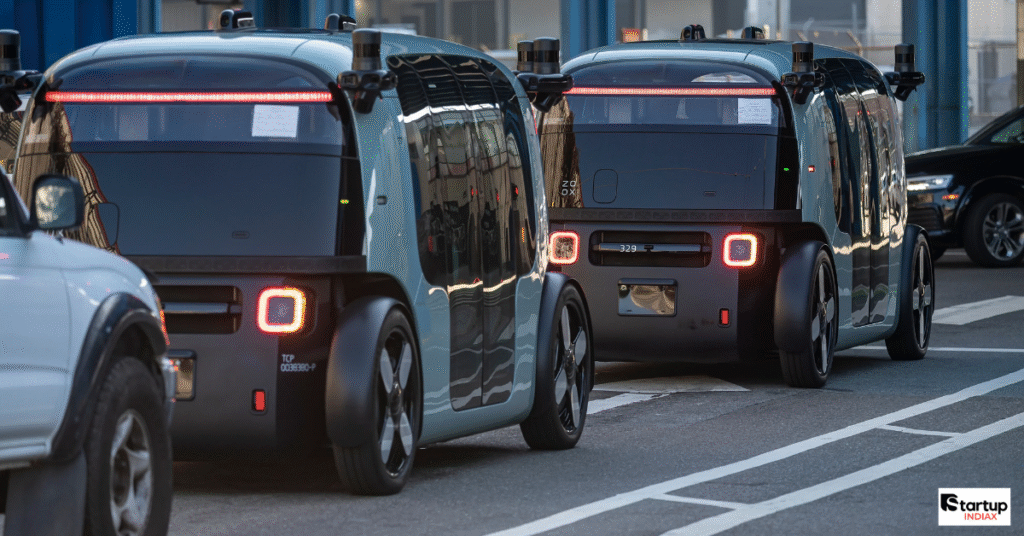
Zoox issues second software recall this month after San Francisco crash, raising concerns about autonomous vehicle safety. This Startup INDIAX article explores the details of the May 8 incident, where an unoccupied Zoox robotaxi collided with an e-scooter, prompting a recall of 270 vehicles. We dive into the reasons behind the recall, its impact on Zoox’s self-driving ambitions, how it compares to a prior Las Vegas crash, and what it means for the future of Amazon’s robotaxi unit. With insights into the competitive landscape and safety challenges, this piece unpacks the hurdles Zoox faces in building trust for autonomous ride-hailing.

Table of Contents

  • Introduction: Zoox’s Second Software Recall Shakes Autonomous Driving
  • What Happened in the San Francisco Crash?
  • Why Zoox Issued the Second Software Recall
  • The Las Vegas Crash: A Pattern of Software Issues?
  • Zoox’s Autonomous Driving Journey Under Amazon
  • How Zoox Stacks Up Against Waymo and Tesla
  • Safety Challenges in Autonomous Vehicles
  • What’s Next for Zoox and Startup INDIAX Insights
  • Conclusion: Can Zoox Rebuild Trust After Recalls?

Introduction: Zoox’s Second Software Recall Shakes Autonomous Driving

The world of self-driving cars is buzzing with innovation, but it’s not without its bumps—literally. Zoox issues second software recall this month after San Francisco crash, sending ripples through the autonomous vehicle industry. On May 8, 2025, an unoccupied Zoox robotaxi was involved in a collision with an electric scooter rider in San Francisco, prompting Amazon’s self-driving unit to recall 270 vehicles. This marks Zoox’s second software recall in a month, following a similar issue after a Las Vegas crash in April. At Startup INDIAX, we’re diving deep into what went wrong, why these recalls are happening, and what they mean for Zoox’s quest to redefine ride-hailing. With competitors like Waymo and Tesla pushing the boundaries, Zoox’s latest stumble raises questions about safety, reliability, and the future of autonomous driving.

What Happened in the San Francisco Crash?

On a seemingly routine day in San Francisco, an unoccupied Zoox robotaxi was navigating a low-speed turn at an intersection when it was struck by an electric scooter rider. According to reports, the robotaxi had braked to yield to other road users, but the e-scooter collided with it, causing the rider to fall and sustain minor injuries. The rider declined medical attention, but the incident didn’t end there. After the collision, the Zoox vehicle resumed moving, completing its turn before stopping, without making further contact with the rider. This behavior—continuing to move after a crash—raised red flags about the vehicle’s ability to detect and respond to vulnerable road users like pedestrians or cyclists.

The incident, reported by Reuters and CNBC, led Zoox to issue a voluntary software recall for 270 robotaxis equipped with outdated Automated Driving Systems (ADS) software. The recall, submitted to the National Highway Traffic Safety Administration (NHTSA) on May 21, 2025, aims to improve how Zoox vehicles track nearby pedestrians and prevent movement when someone is close. At Startup INDIAX, we see this as a critical moment for Zoox to address safety gaps in its technology, especially in complex urban environments like San Francisco.

Why Zoox Issued the Second Software Recall

Zoox issues second software recall to fix a critical flaw in its ADS that could put pedestrians at risk. The San Francisco crash exposed a weakness in how the robotaxi’s software tracks nearby objects, particularly vulnerable road users like e-scooter riders. According to Zoox, the vehicle’s software failed to adequately prevent movement after the collision, which could have led to more serious consequences. The updated software, already deployed across the affected 270 vehicles, enhances pedestrian tracking and ensures the vehicle remains stationary when someone is in a vulnerable position nearby.

This isn’t the first time Zoox has faced software challenges. Just weeks earlier, on April 8, 2025, a Zoox robotaxi collided with a passenger car in Las Vegas, prompting another recall of 270 vehicles. That issue stemmed from the software’s inability to accurately predict the movement of other vehicles, increasing the risk of crashes. Both recalls highlight a recurring problem: Zoox’s ADS struggles to interpret the unpredictable nature of real-world traffic, whether it’s cars, scooters, or pedestrians. For a company aiming to launch commercial robotaxi services, these setbacks underscore the need for robust, fail-safe systems.

The Las Vegas Crash: A Pattern of Software Issues?

The San Francisco crash wasn’t an isolated incident. On April 8, 2025, an unoccupied Zoox robotaxi collided with a passenger vehicle in Las Vegas, resulting in minor damage but no injuries. The issue? A software defect that caused the robotaxi to misjudge the movement of the approaching car. Zoox paused its driverless testing for over a week, conducted a safety review, and issued a software recall to address the flaw. The NHTSA report noted that the robotaxi slowed and steered to avoid the car but couldn’t prevent the collision when the passenger vehicle stopped unexpectedly.

This pattern of software issues—first in Las Vegas, then in San Francisco—raises questions about Zoox’s readiness for large-scale autonomous operations. While the company has already deployed fixes, the back-to-back recalls suggest deeper challenges in perfecting the ADS. At Startup INDIAX, we believe these incidents highlight the complexity of autonomous driving, where split-second decisions can make or break safety. Zoox’s transparency in issuing voluntary recalls is commendable, but it also puts pressure on the company to prove its technology is reliable.

$AMZN ZOOX STRIKES FIRST ROBOTAXI DEAL WITH RESORTS WORLD LAS VEGAS 👀 pic.twitter.com/MhMXY3CSDW

— Shay Boloor (@StockSavvyShay) May 28, 2025

Zoox’s Autonomous Driving Journey Under Amazon

Amazon acquired Zoox in 2020 for over $1 billion, betting big on its vision for autonomous ride-hailing. Unlike traditional automakers, Zoox designs purpose-built robotaxis without steering wheels or pedals, aiming to create a seamless, driverless experience. Since the acquisition, Zoox has been testing its vehicles in cities like San Francisco, Las Vegas, Los Angeles, Seattle, Austin, and Miami. The company is also scaling up production with a new factory in California and plans to launch commercial services in Las Vegas and San Francisco later this year.

However, Zoox’s journey hasn’t been smooth. In 2024, the NHTSA investigated two crashes involving Zoox-equipped Toyota Highlanders that braked suddenly, causing rear-end collisions with motorcyclists. Those incidents led to a recall of 258 vehicles for unexpected braking issues. Now, with Zoox issuing its second software recall this month after San Francisco crash, the company faces mounting scrutiny. Amazon’s deep pockets give Zoox the resources to innovate, but can it overcome these technical hurdles to compete with industry leaders?

How Zoox Stacks Up Against Waymo and Tesla

The autonomous vehicle race is heating up, and Zoox is lagging behind competitors like Alphabet’s Waymo and Tesla. Waymo is already operating commercial, driverless ride-hailing services in Phoenix, San Francisco, Los Angeles, and Austin, with plans to expand to Atlanta. Its proven track record and extensive real-world testing give it a significant edge. Tesla, meanwhile, is promising to launch its long-delayed robotaxis in Austin in June 2025, with ambitions to expand to San Francisco, Los Angeles, and San Antonio.

Zoox’s focus on purpose-built robotaxis sets it apart, but its recent recalls highlight a gap in reliability. Waymo’s ability to navigate complex urban environments with fewer incidents suggests a more mature ADS, while Tesla’s bold promises (despite delays) keep it in the spotlight. For Zoox, the challenge is not just fixing software bugs but building public trust in a technology that’s still in its testing phase. Startup INDIAX sees Zoox’s innovative approach as promising but notes that safety and consistency are critical to catching up with the competition.

Safety Challenges in Autonomous Vehicles

Autonomous vehicles promise a future of safer roads, but incidents like the San Francisco crash remind us that the technology isn’t foolproof. Zoox’s recalls highlight two key challenges: accurately predicting the behavior of other road users and ensuring vehicles respond appropriately after a collision. The San Francisco incident, where the robotaxi moved after the e-scooter rider fell, echoes a 2023 Cruise incident where a robotaxi dragged a pedestrian after a crash, leading to significant backlash.

Safety is paramount in autonomous driving, especially in dense urban areas where pedestrians, cyclists, and scooters are common. Zoox’s software updates aim to address these risks, but the broader industry faces similar hurdles. The NHTSA’s ongoing probe into Zoox’s 2022 self-certification of a robotaxi without traditional controls adds another layer of scrutiny. For Zoox and its competitors, proving that autonomous vehicles are safer than human drivers is critical to gaining regulatory and public approval.

What’s Next for Zoox and Startup INDIAX Insights

Despite these setbacks, Zoox is pushing forward. The company plans to expand testing to Atlanta this summer and is scaling up production to grow its robotaxi fleet. The software updates from both recalls have already been deployed, showing Zoox’s commitment to addressing issues quickly. However, rebuilding trust will take more than quick fixes. Zoox must demonstrate that its ADS can handle the unpredictability of real-world driving without compromising safety.

At Startup INDIAX, we believe Zoox’s vision for autonomous ride-hailing is bold, but the road ahead is challenging. The company’s transparency in issuing voluntary recalls is a step in the right direction, but repeated incidents could erode public confidence. As Zoox competes with Waymo and Tesla, it must prioritize robust testing and rigorous safety standards to carve out a place in the autonomous driving market.

Conclusion: Can Zoox Rebuild Trust After Recalls?

Zoox issues second software recall this month after San Francisco crash, marking another hurdle in its quest for autonomous ride-hailing. The May 8 incident, coupled with the April Las Vegas crash, underscores the challenges of perfecting self-driving technology. While Zoox’s quick response and software updates are promising, the back-to-back recalls raise questions about its readiness for commercial services. As Amazon’s self-driving unit navigates these challenges, it faces stiff competition from Waymo and Tesla, both of which are further along in their autonomous journeys. For Zoox to succeed, it must prove its technology is safe, reliable, and ready for the road. Startup INDIAX will continue tracking Zoox’s progress as it works to redefine the future of transportation.

May 30, 2025 8 comments 361 views
FacebookTwitterLinkedinWhatsapp
D2C Apparel Brand Snitch Secures INR 280 Cr to Skyrocket Growth with 360 Asset Management Fund
UncategorizedFinanceNews

D2C Apparel Brand Snitch Secures INR 280 Cr to Skyrocket Growth with 360 Asset Management Fund

by Ismail Patel May 30, 2025
3 min read

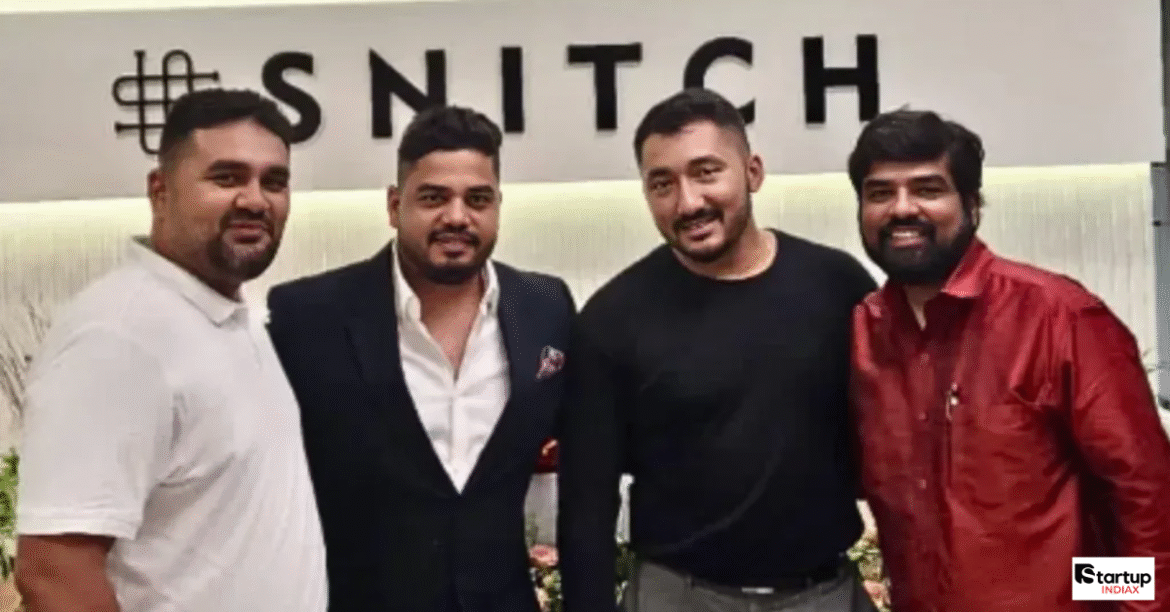
Snitch To Raise INR 280 Cr From 360 Asset Management Fund marks a significant milestone for the Bengaluru-based D2C menswear brand. This article dives into Snitch’s latest funding round, led by 360 Asset Management Fund with participation from SWC Global and IvyCap Ventures. We’ll explore how Snitch plans to utilize the INR 278.93 Cr to fuel its expansion, enhance product offerings, and strengthen its omnichannel presence. From its financial growth to its ambitious offline and global expansion plans, this piece covers Snitch’s journey and what this funding means for its future in the competitive D2C fashion market. Stay tuned for insights into how Snitch is redefining fast fashion for men in India and beyond.

Table of Contents

  • Introduction: Snitch’s Big Leap Forward
  • Snitch To Raise INR 280 Cr From 360 Asset Management Fund: The Details
  • Why This Funding Matters for Snitch
  • Snitch’s Journey: From B2B to D2C Powerhouse
  • Financial Growth and Market Impact
  • Expansion Plans: Offline Stores and Global Markets
  • The Role of 360 Asset Management Fund and Other Investors
  • What’s Next for Snitch and the D2C Fashion Industry?
  • Conclusion:

Introduction: Snitch’s Big Leap Forward

Snitch, a Bengaluru-based D2C menswear brand, is making waves in the Indian startup ecosystem with its latest funding milestone. Snitch To Raise INR 280 Cr From 360 Asset Management Fund, along with existing investors SWC Global and IvyCap Ventures, is a game-changer for the fast-fashion brand. This INR 278.93 Cr ($33 Mn) funding round, announced on May 29, 2025, positions Snitch to accelerate its growth, expand its offline presence, and explore global markets. At Startup INIDAX, we’re excited to break down what this funding means for Snitch and how it’s poised to redefine men’s fashion in India and beyond.

The D2C fashion space is booming, and Snitch is riding this wave with its trendy, affordable, and high-quality apparel. From its humble beginnings to becoming a household name, Snitch’s story is one of resilience and innovation. Let’s dive into the details of this funding, its implications, and what’s next for this rising star.

Snitch To Raise INR 280 Cr From 360 Asset Management Fund: The Details

According to regulatory filings, Snitch’s board has approved the issuance of 1,755 Series B compulsorily convertible preference shares (CCPS) at a premium of INR 15.89 Lakh each, raising a total of INR 278.93 Cr. Leading the round is 360 Asset Management Fund, which is infusing INR 220.12 Cr, while SWC Global and IvyCap Ventures are contributing INR 29.40 Cr each. This funding round values Snitch at approximately INR 2,400-2,500 Cr ($294 Mn), a nearly 5X jump from its previous valuation of INR 500 Cr in its Series A round in December 2023.

This significant capital injection comes at a time when Snitch is scaling rapidly. The brand’s founder and CEO, Siddharth Dungarwal, shared with Startup INIDAX that this funding is part of a larger round aimed at fueling Snitch’s ambitious growth plans. The involvement of prominent investors like 360 Asset Management Fund underscores the confidence in Snitch’s business model and its potential to dominate the D2C menswear market.

Why This Funding Matters for Snitch

The INR 280 Cr funding round is a testament to Snitch’s strong market presence and investor confidence in its vision. The D2C fashion industry in India is projected to reach a $100 Bn market opportunity by 2025, with apparel and footwear accounting for nearly 77.6% of the online clothing market. Snitch’s ability to secure such a substantial investment highlights its position as a leader in this space.

At Startup INIDAX, we see this funding as a pivotal moment for Snitch. It not only provides the financial muscle to scale operations but also validates the brand’s omnichannel strategy, which blends online sales with a growing offline presence. The funds will be used to enhance product offerings, expand offline stores, and explore international markets, particularly in the Middle East. This strategic move aligns with the growing demand for fast fashion and the increasing digital adoption among Indian consumers.

Snitch’s Journey: From B2B to D2C Powerhouse

Founded in 2019 by Siddharth Dungarwal, Snitch began as a B2B apparel brand but pivoted to a D2C model during the COVID-19 pandemic. The shift was driven by necessity, as physical retail stores shut down, leaving Snitch with excess inventory. Instead of relying solely on marketplaces, Snitch launched its own website and mobile app, a decision that proved transformative. Today, Snitch sells a wide range of menswear, including shirts, jackets, hoodies, co-ords, sweaters, and innerwear, through its website, app, and major e-commerce platforms like Amazon and Flipkart.

Snitch’s appearance on Shark Tank India in 2023 was a turning point, securing INR 1.5 Cr for 1.5% equity from all sharks at a INR 100 Cr valuation. This exposure, coupled with its focus on trendy, affordable designs, helped Snitch build a loyal customer base. By December 2022, the brand had fulfilled over 10 Lakh orders and boasted 2.4K SKUs, serving more than 8 Lakh customers.

Financial Growth and Market Impact

Snitch’s financial performance is equally impressive. In FY24, the brand reported an operating revenue of INR 243 Cr, a 127.89% increase from INR 106.6 Cr in FY23. Its net profit also jumped 1.3X to INR 4.4 Cr from INR 3.1 Cr in the previous fiscal year. According to unaudited numbers shared by Dungarwal, Snitch achieved an operating revenue of INR 520 Cr in FY25, showcasing its rapid growth trajectory.

This financial success is driven by Snitch’s ability to tap into the fast-fashion trend, offering daily new designs inspired by global fashion trends. The brand’s in-house manufacturing unit in Bengaluru ensures quality control and quick turnaround times, allowing Snitch to stay ahead of competitors like XYXX, DaMENSCH, and Bombay Shirt Company. At Startup INIDAX, we believe Snitch’s focus on affordability and style is resonating with India’s fashion-forward male demographic, driving its market impact.

Expansion Plans: Offline Stores and Global Markets

With the INR 280 Cr funding, Snitch is set to accelerate its omnichannel strategy. The brand currently operates 58 offline stores across major cities like Bengaluru, Mumbai, Delhi, and Gujarat. It plans to open 50 new stores in the next five months and aims to have over 100 stores by 2028. In January 2025, Snitch announced plans to open 10 new stores, including three in Bengaluru and one each in Delhi, Chennai, and other cities.

Beyond India, Snitch is eyeing global markets, starting with a pilot in the Middle East. This move aligns with the growing global demand for fast fashion and India’s increasing influence in the international apparel market. The brand also plans to expand its product portfolio, venturing into plus-size clothing, bags, footwear, and sunglasses in FY26. These ambitious plans position Snitch as a key player in the global D2C fashion space.

The Role of 360 Asset Management Fund and Other Investors

360 Asset Management Fund, formerly IIFL Wealth & Asset Management, is leading this funding round with a significant INR 220.12 Cr investment, securing a 9.67% stake in Snitch. The fund’s involvement is notable, given its recent launch of an INR 500 Cr early-stage venture capital fund, which has already backed startups in gaming, SaaS, and spacetech.

Existing investors SWC Global and IvyCap Ventures, who co-led Snitch’s INR 110 Cr Series A round in December 2023, continue to show confidence in the brand. IvyCap Ventures holds a 10.39% stake, while SWC Global owns 10.17%. Their continued support highlights Snitch’s strong fundamentals and growth potential. At Startup INIDAX, we see this investor lineup as a vote of confidence in Snitch’s ability to scale and innovate.

What’s Next for Snitch and the D2C Fashion Industry?

The D2C fashion industry is at a pivotal moment, with brands like Snitch leading the charge. The sector is expected to grow to $300 Bn by 2030, driven by robust consumer demand and digital adoption. Snitch’s focus on sustainability, such as using corn husk packaging and recycled materials, also aligns with emerging trends in the industry.

Looking ahead, Snitch aims to double its revenue in FY26 and continue its offline expansion while strengthening its digital presence. The brand’s ability to combine affordability, quality, and trend-driven designs positions it to compete with global giants like H&M and Zudio. For Startup INIDAX readers, Snitch’s story is a reminder of the power of adaptability and innovation in the fast-paced world of D2C fashion.

Conclusion:

Snitch’s Bright Future in Fast Fashion Snitch To Raise INR 280 Cr From 360 Asset Management Fund is more than just a funding milestone—it’s a signal of the brand’s ambitious vision to redefine men’s fashion. With a robust financial track record, a growing offline presence, and plans for global expansion, Snitch is well on its way to becoming a household name. The support of investors like 360 Asset Management Fund, SWC Global, and IvyCap Ventures underscores the brand’s potential to lead the D2C fashion space. At Startup INIDAX, we’re excited to watch Snitch’s journey unfold as it continues to dress the modern man with style and affordability.

May 30, 2025 6 comments 1K views
FacebookTwitterLinkedinWhatsapp
MeitY
News

MeitY Forms Panel To Build National Framework: 5 Exciting Ways GCCs Will Boost India

by Ismail Patel May 29, 2025
3 min read

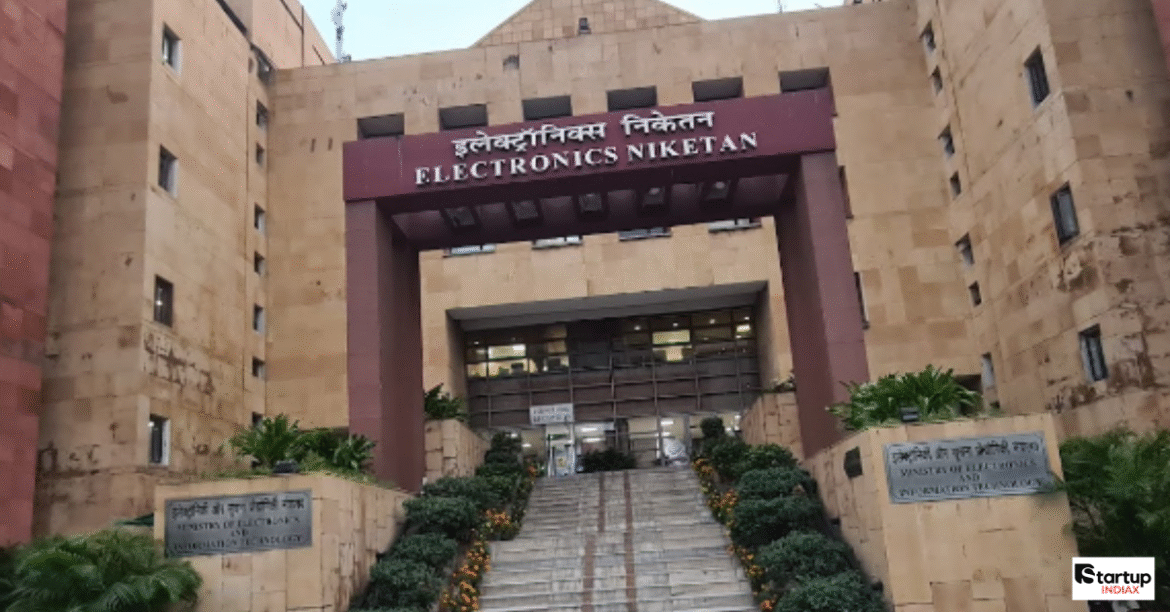
MeitY Forms Panel To Build National Framework for GCCs: India’s Ministry of Electronics and IT (MeitY) has launched an exciting initiative by forming an industry-led panel to create a national framework for Global Capability Centers (GCCs), as announced in the 2025-26 Union Budget. This article explores how this promising move will drive GCC growth in tier-2 and tier-3 cities, enhance talent ecosystems, and fuel innovation. We’ll dive into the panel’s composition, challenges, opportunities, and the transformative impact this framework could have on India’s tech landscape by 2030. Startup INIDAX breaks down why this is a game-changer for India’s ambition to become a global GCC hub.

Table of Contents

  • What Are Global Capability Centers (GCCs)?
  • Why MeitY’s Panel Is a Game-Changer for GCCs
  • The Composition of the MeitY Panel
  • Pushing GCCs to Tier-2 and Tier-3 Cities
  • Challenges GCCs Face in India
  • Opportunities for Growth and Innovation
  • How the National Framework Will Shape a Bright Future
  • Startup INIDAX’s Take: Why This Matters for India’s Tech Ecosystem
  • Conclusion: A Thriving Future for GCCs in India

What Are Global Capability Centers (GCCs)?

Global Capability Centers (GCCs) are specialized units established by multinational corporations to manage critical functions like IT, finance, analytics, and research and development (R&D). Unlike traditional outsourcing, GCCs are deeply integrated with their parent companies, delivering strategic value far beyond cost savings. In India, GCCs have evolved into innovation hubs, driving advancements in AI, cloud computing, and data analytics. According to a Nasscom-Zinnov report, India is home to over 1,760 GCCs, employing 1.9 million professionals and generating $64.6 billion in revenue, with projections to hit $100 billion by 2030. At Startup INIDAX, we view GCCs as a driving force behind India’s tech revolution, and MeitY’s new panel is set to amplify their impact.

Why MeitY’s Panel Is a Game-Changer for GCCs

MeitY Forms Panel To Build National Framework for GCCs, and the tech world is buzzing with excitement. Announced in the 2025-26 Union Budget, this industry-led panel is tasked with crafting a national framework to guide states in promoting GCCs, particularly in tier-2 and tier-3 cities. This move is a game-changer because GCCs are no longer just about cost efficiency—they’re about innovation, talent, and global leadership. The panel’s framework will address critical issues like talent shortages, infrastructure gaps, and regulatory challenges, positioning India as a global GCC powerhouse. Startup INIDAX sees this as a bold step toward decentralizing tech growth and creating millions of jobs across India by 2030.

Mid-market GCCs are on the rise: 480+ centres now employ over 210,000 professionals, and 35% of these were set up in just the last two years (FY23–25E). They now make up 27% of the entire GCC landscape in India!https://t.co/6yOmNQeroE#GlobalCapabilityCenters #GCCGrowth…

— GCC Rise™ (@GccRise) May 28, 2025

The Composition of the MeitY Panel

The MeitY panel is a dream team of industry giants, including NASSCOM, Zinnov Consulting, ANSR, KPMG, and Invest India. These organizations bring a wealth of expertise to the table, ensuring a robust and actionable framework. NASSCOM’s deep knowledge of India’s IT sector will shape policy recommendations, while Zinnov and ANSR offer specialized insights into GCC operations. KPMG’s financial and strategic expertise and Invest India’s focus on attracting global investment make this panel a powerhouse. Set to convene soon, the panel has a one-year timeline to deliver guidelines that could transform India’s GCC landscape. For Startup INIDAX, this lineup signals a serious commitment to making India irresistible for GCC investments.

Pushing GCCs to Tier-2 and Tier-3 Cities

One of the most exciting aspects of MeitY’s initiative is its focus on expanding GCCs to tier-2 and tier-3 cities like Coimbatore, Jaipur, and Ahmedabad. Metro hubs like Bengaluru, Hyderabad, and Delhi NCR currently dominate, hosting 90% of India’s GCC talent. But these cities are grappling with talent saturation, rising costs, and infrastructure strain. Tier-2 and tier-3 cities offer untapped talent pools, lower operational costs, and better quality of life, making them prime candidates for GCC growth. States like Madhya Pradesh and Uttar Pradesh are already rolling out incentives like payroll subsidies and single-window clearances. MeitY’s national framework will guide these regions in building robust infrastructure and talent ecosystems, fostering inclusive growth across India.

Challenges GCCs Face in India

Despite their potential, GCCs in India face hurdles. Talent shortages in specialized fields like AI, data science, and cybersecurity are a major challenge, especially in metro cities where demand outstrips supply. Upskilling programs are essential to close this gap. Infrastructure issues also persist—tier-1 cities face congestion, while smaller cities need better digital connectivity. Regulatory complexities, such as India’s transfer pricing laws and safe harbour regime, can complicate operations for GCCs tied to global parent companies. Cultural and communication barriers further add to the mix. Startup INIDAX believes MeitY’s panel must tackle these challenges head-on to ensure GCCs thrive across diverse regions.

Opportunities for Growth and Innovation

The national framework opens a world of exciting opportunities for GCCs. With a projected market size of $100-110 billion by 2030, GCCs are poised to contribute 4.5% to India’s GDP by FY25. Expanding to tier-2 cities offers cost savings, with operational expenses significantly lower than in metros. GCCs are also driving innovation, with 80% of new centers focusing on AI, machine learning, and cloud capabilities. This aligns with India’s Digital India mission, which emphasizes connectivity and technological advancement. Partnerships with startups, universities, and local ecosystems can amplify GCCs’ impact, creating innovation hubs in emerging cities. Companies like Airbus and Eli Lilly are already betting big on India’s GCC ecosystem, and Startup INIDAX sees this as a golden opportunity for tech-driven growth.

GCCs across India currently employ 1.66 million professionals, with projections to reach 4.5 million by 2030. While Tier-1 cities like Bengaluru and Hyderabad dominate, Tier-2 cities like those listed are increasingly contributing to this growth.

GCCs in these cities are… pic.twitter.com/rGnjkVNKXP

— Gostocks (@gostocksin) May 28, 2025

How the National Framework Will Shape a Bright Future

MeitY Forms Panel To Build National Framework, and the future looks incredibly promising. The framework will likely focus on three pillars: talent development, infrastructure upgrades, and policy streamlining. Centers of Excellence (CoEs) for AI and cybersecurity will drive cutting-edge research and upskilling. Fast-track approvals, tax incentives, and simplified compliance will make India more attractive for MNCs. The framework will also foster collaboration between industry, academia, and startups, spurring technology transfer and IP creation. By 2030, India could host 2,400 GCCs, creating 4.5 lakh fresher jobs and cementing its status as a global hub. Startup INIDAX is optimistic that this framework will propel India to the forefront of the global tech race.

Startup INIDAX’s Take: Why This Matters for India’s Tech Ecosystem

At Startup INIDAX, we’re thrilled about MeitY’s visionary move to create a national framework for GCCs. This initiative goes beyond economic growth—it’s about positioning India as a global tech leader. By expanding GCCs to smaller cities, the framework promotes inclusive development, creating jobs and opportunities in underserved regions. It also signals to multinational corporations that India is a hub for innovation, with policies that support R&D, AI, and digital transformation. For startups and tech enthusiasts, this is a chance to collaborate with GCCs, leveraging their resources and expertise. As India eyes a $110 billion GCC market by 2030, Startup INIDAX sees this as a defining moment for the nation’s tech ecosystem.

Conclusion: A Thriving Future for GCCs in India

MeitY’s decision to form a panel to build a national framework for GCCs is a bold and exciting step forward. By tackling talent, infrastructure, and regulatory challenges, the framework will enable GCCs to flourish in tier-2 and tier-3 cities, driving innovation and economic growth. With industry leaders like NASSCOM and KPMG steering the effort, the future is bright. As GCCs evolve into strategic hubs, India is on track to become the world’s GCC capital, creating millions of jobs and fueling technological advancements. Stay tuned to Startup INIDAX for more insights on how this framework shapes India’s tech future!

May 29, 2025 3 comments 379 views
FacebookTwitterLinkedinWhatsapp
World Bowling League Strikes Gold 3 Major Reasons Why Virat Kohli's Strategic Investment Changes Everything
News

World Bowling League Strikes Gold: 3 Major Reasons Why Virat Kohli’s Strategic Investment Changes Everything

by Aalam Rohile May 29, 2025
3 min read

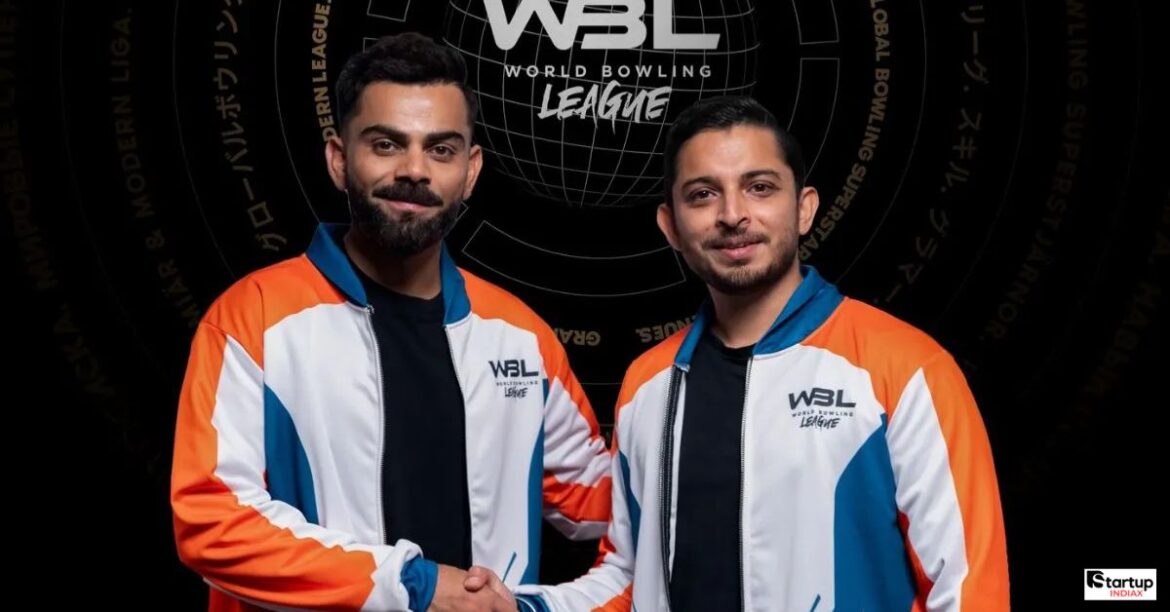
Virat Kohli joins The World Bowling League as a strategic investor, marking a bold new era for the sport of bowling and igniting global excitement across sports, business, and investment communities. This move by the cricket legend, who is also a massive social media influencer, signals a major boost for the World Bowling League (WBL) and is set to transform bowling from an underappreciated pastime into a high-energy, mainstream professional sport.

Table of Contents

  • Introduction: Why Virat Kohli’s Investment in World Bowling League Matters
  • Major Reason #1: Virat Kohli’s Global Influence Will Skyrocket Bowling’s Popularity
  • Major Reason #2: Strategic Investment to Modernize and Professionalize the Sport
  • Major Reason #3: Gender Diversity and Franchise Innovation – The New Face of Bowling
  • The Visionaries Behind WBL: Adi K. Mishra and Mookie Betts
  • What’s Next for the World Bowling League?
  • Why Startup INIDAX Is Watching This Move Closely
  • Conclusion: Virat Kohli’s Legacy Beyond Cricket

Introduction: Why Virat Kohli’s Investment in World Bowling League Matters

When a cricket icon like Virat Kohli steps into a new sport, the world pays attention. The news that Virat Kohli joins The World Bowling League as a strategic investor has sent ripples through the sports and business communities, especially among fans of both cricket and bowling. Kohli is not just any athlete—he’s the third-most followed sports star on Instagram, trailing only Cristiano Ronaldo and Lionel Messi. His brand power, combined with his passion for bowling since childhood, brings credibility and excitement to the WBL, an ambitious league aiming to turn bowling into a global phenomenon.

But why is this move so significant? Let’s break down the three major reasons why Kohli’s investment is a game-changer for the World Bowling League and the future of professional bowling.

Major Reason #1: Virat Kohli’s Global Influence Will Skyrocket Bowling’s Popularity

Virat Kohli is a household name, not just in India but worldwide. With more than 250 million followers across social platforms, his endorsement and investment in the WBL instantly put bowling on the global map. Kohli’s involvement means:

  • Massive Media Attention: Every move Kohli makes is covered by global media, ensuring that the World Bowling League gets unprecedented exposure.
  • New Audiences: Cricket fans, especially in India and Asia, are now paying attention to bowling for the first time. This crossover appeal is crucial for a sport seeking mainstream recognition.
  • Influencer Power: Kohli’s digital presence can drive fan engagement, ticket sales, and merchandise, making bowling cool for the next generation.

As Adi K. Mishra, founder and CEO of League Sports Co. (the WBL’s parent company), stated, “Virat’s relentless drive for sports mirrors our own. Every week, we uncover more about bowling’s global depth and fascinating history — it’s a sleeping giant we’re ready to awaken”

Major Reason #2: Strategic Investment to Modernize and Professionalize the Sport

Bowling has long been popular as a recreational activity, but it has struggled to be seen as a serious professional sport. Kohli’s strategic investment brings:

  • Business Acumen: Kohli is no stranger to sports business. He owns a team in the E1 World Championship power-boat series and has a stake in FC Goa, an Indian Super League football team. His experience will help the WBL attract more investors and sponsors.
  • Modernization: The WBL plans to host 12–15 high-profile events each year, spanning the US, Europe, Asia, and beyond. These events will feature cutting-edge formats, iconic venues, and immersive fan experiences.
  • Professional Franchises: With franchises expected across major cities and the involvement of other star investors like MLB’s Mookie Betts, the WBL is set to professionalize bowling at a scale never seen before.

Kohli himself highlighted the business potential, saying, “It is evident how popular the sport is while being underappreciated as a business proposition. I’m thrilled to join the WBL as an investor and partner”

Major Reason #3: Gender Diversity and Franchise Innovation – The New Face of Bowling

One of the most exciting aspects of the World Bowling League is its commitment to inclusivity and innovation:

  • Mixed-Gender Teams: The WBL will feature teams with at least two women, promoting gender balance and setting a new standard for professional sports leagues.
  • Global Franchises: The league is building a network of franchises in cities around the world, starting with Team OMG (owned by Mookie Betts) and expanding rapidly.
  • Cultural Moment: By blending competition, entertainment, and global appeal, the WBL aims to create a fresh cultural moment around bowling, making it a sport for everyone.

This approach not only modernizes the game but also makes it more appealing to sponsors, broadcasters, and fans who value diversity and innovation.

The Visionaries Behind WBL: Adi K. Mishra and Mookie Betts

The World Bowling League is the brainchild of Adi K. Mishra, founder and CEO of League Sports Co. His vision is to turn bowling into a dynamic, spectator-driven experience, leveraging technology, data, and global talent. MLB superstar Mookie Betts was the first to invest in a WBL team, signaling cross-sport interest and credibility.

Kohli’s partnership with Mishra and Betts brings together leaders from cricket, baseball, and business, creating a unique blend of expertise and passion. This leadership team is poised to disrupt the traditional sports landscape and make bowling a household name.

What’s Next for the World Bowling League?

The WBL is gearing up for its inaugural season, with plans to announce more franchises, schedules, and marquee events soon. Here’s what fans and investors can expect:

  • High-Energy Events: Expect electrifying tournaments in major cities, with a focus on fan experience and digital engagement.
  • Talent Discovery: The league will scout and develop new bowling stars, giving athletes from diverse backgrounds a global platform.
  • Tech Integration: From 3D-printed oil patterns to smart scoring systems, the WBL is embracing innovation to make bowling more exciting and accessible.

For readers of Startup INIDAX, this is a case study in how visionary leadership and strategic investment can transform a traditional sport into a global business opportunity.

Why Startup INIDAX Is Watching This Move Closely

At Startup INIDAX, we track disruptive investments and new business models in sports, tech, and entertainment. The story of Virat Kohli joining The World Bowling League is a textbook example of how star power, strategic capital, and innovative thinking can reshape entire industries. Whether you’re an entrepreneur, investor, or sports fan, there are lessons here about seizing untapped potential, building inclusive brands, and leveraging digital influence for growth.

Conclusion: Virat Kohli’s Legacy Beyond Cricket

Virat Kohli’s decision to join the World Bowling League as a strategic investor is more than just a headline—it’s a signal that bowling is ready for its global breakout moment. With Kohli’s influence, the WBL’s bold vision, and a commitment to diversity and innovation, the sport is set to reach new heights. For fans, athletes, and investors, this is a story to watch—and potentially, a movement to join.

May 29, 2025 0 comments 292 views
FacebookTwitterLinkedinWhatsapp
World-First Fan-in-Wing Transition Flight: How Horizon Cavorite X7 Redefines eVTOL in 2025
AIStartupTechnology

World-First Fan-in-Wing Transition Flight: How Horizon Cavorite X7 Redefines eVTOL in 2025

by Aalam Rohile May 29, 2025
3 min read

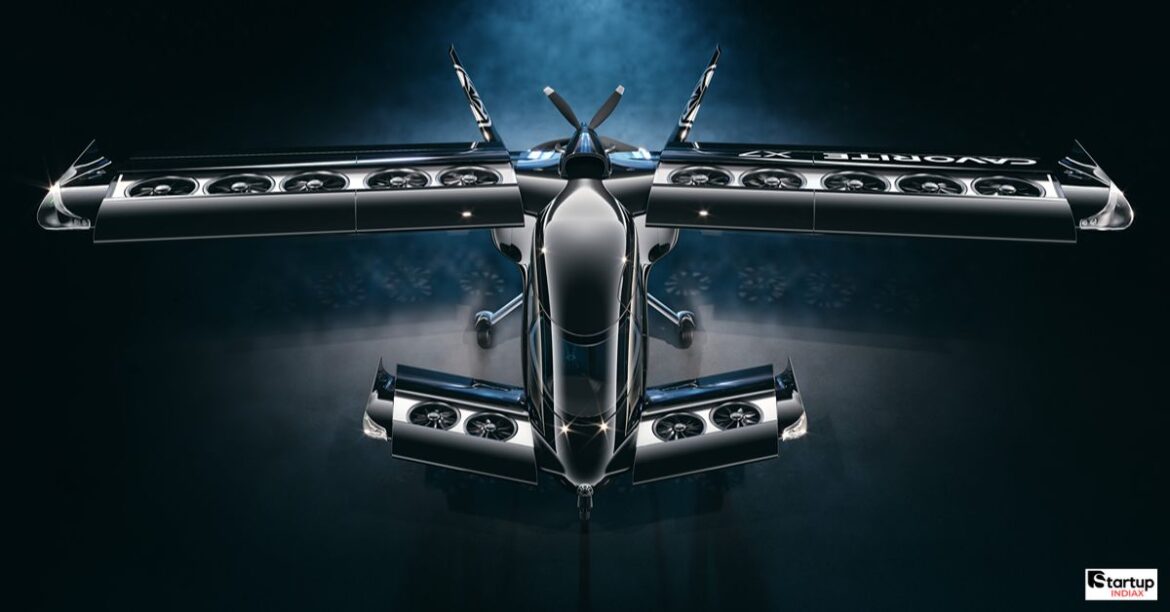
World-first fan-in-wing transition flight and Horizon Cavorite X7 are making waves in the aviation world, and for good reason. On May 15, 2025, Canadian startup Horizon Aircraft achieved a groundbreaking milestone: the Cavorite X7, a hybrid-electric vertical takeoff and landing (eVTOL) aircraft, became the first to successfully complete a stable wing-borne transition using a unique fan-in-wing design. This isn’t just a cool tech demo—it’s a leap toward redefining regional air mobility with a craft that blends helicopter-like versatility with the speed and range of a traditional airplane. At Startup INIDAX, we’re thrilled to dive into why this achievement is a big deal, how the technology works, and what it means for the future of aviation. From air ambulances to regional travel, the Horizon Cavorite X7 is poised to soar.

Introduction: A New Era for eVTOL with Horizon Cavorite X7

Imagine an aircraft that can lift off vertically from a hospital rooftop, cruise at 288 mph, and cover 500 miles without breaking a sweat. That’s not science fiction—it’s the Horizon Cavorite X7, and it just pulled off the world-first fan-in-wing transition flight. This milestone marks a turning point for eVTOL technology, blending the best of helicopters and fixed-wing planes. At Startup INIDAX, we’ve been tracking aviation startups for years, and Horizon’s breakthrough has us buzzing with excitement. Let’s break down why this matters and how it’s setting a new standard for the industry.

Credit – Horizon Aircraft – @horizonaircraft

What Makes the World-First Fan-in-Wing Transition Flight Special?

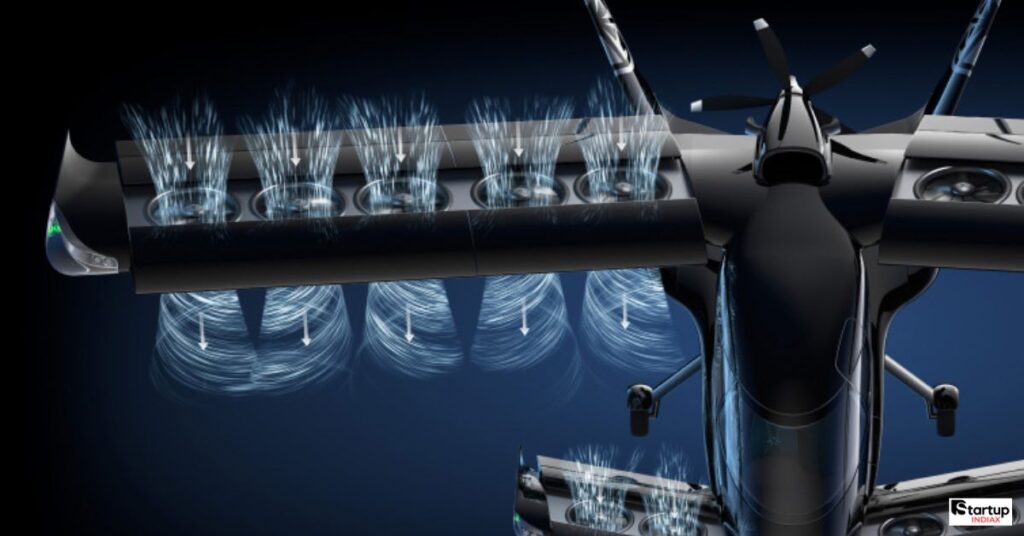
The world-first fan-in-wing transition flight isn’t just a fancy phrase—it’s a technical triumph. Most eVTOLs rely on tilt-rotors or exposed propellers to switch from vertical takeoff to forward flight, which can be mechanically complex and risky. Horizon Aircraft, however, took a different route with the Cavorite X7. Their patented fan-in-wing design uses 14 electric fans embedded in the wings and canards, which slide open for vertical lift and close for efficient cruising. This seamless transition from hovering like a helicopter to flying like a plane happened on May 15, 2025, and it’s a game-changer.

Why is this a big deal? Because transitioning between vertical and horizontal flight is the trickiest part of eVTOL design. Many competitors struggle with stability or mechanical failures during this phase. Horizon’s solution, tested on a large-scale prototype, was described as a “non-event” by Chief Operating Officer Jason O’Neill, meaning it was smooth, stable, and safe. That’s the kind of reliability that could make eVTOLs mainstream.

Horizon Cavorite X7: The Aircraft That Flies Like a Plane, Lands Like a Helicopter

The Horizon Cavorite X7 is no ordinary eVTOL. With a 50-foot wingspan and a 38-foot fuselage, it’s built to carry six passengers plus a pilot, with a maximum gross weight of 5,500 lbs. It can haul up to 1,500 lbs of cargo for vertical takeoffs or 1,800 lbs for conventional runway launches. But what sets it apart is its hybrid-electric system, combining battery-powered fans for vertical lift with a gas turbine engine for cruising. This gives it a jaw-dropping range of 500 miles and a cruising speed of 288 mph—numbers that blow most eVTOL competitors out of the water.

Credit – Horizon Aircraft – @horizonaircraft

Unlike urban air taxis like Archer Aviation’s Midnight (which tops out at 150 miles), the Cavorite X7 is designed for regional missions. It can land on any H1-H3 rated helipad, from hospital rooftops to yacht decks, as long as the landing area is 1.5 times the aircraft’s length. Plus, it only needs a 1,000-foot runway for conventional takeoffs, similar to a Cessna 172. This flexibility makes it a standout in the advanced air mobility (AAM) market.

The Tech Behind the Fan-in-Wing Design

Let’s geek out for a second. The world-first fan-in-wing transition flight was made possible by Horizon’s patented HOVR wing technology. Here’s how it works: the Cavorite X7 has 14 electric fans—five in each main wing and two in each forward canard. During takeoff, sliding panels open to expose these battery-powered fans, providing the lift needed to hover. Once the aircraft reaches a safe altitude and speed (around 115 km/h), the panels slide shut, transforming the X7 into a sleek, fixed-wing plane powered by a rear push-propeller.

World-First Fan-in-Wing Transition Flight: HOVR wing technology | Startup IndiaX

This design is a stroke of genius for a few reasons:

  • Efficiency: Wings are way more energy-efficient than rotors for long-distance flight, letting the X7 cruise farther and faster.
  • Safety: Each fan is electrically, thermally, and mechanically isolated, so the aircraft can still hover even if 30% of its fans fail.
  • Simplicity: No complex tilt-rotors or heavy mechanisms, reducing the risk of mechanical failure.
  • Quiet Operation: Electric fans are quieter than traditional helicopter rotors, making the X7 ideal for urban areas.

The forward-swept wings also improve low-speed handling and control during high-angle-of-attack maneuvers, ensuring a smooth transition. It’s no wonder Brandon Robinson, Horizon’s CEO and a former F-18 pilot, calls it a “normal airplane” that just happens to take off vertically.

Why the Cavorite X7 Stands Out in the eVTOL Market

The eVTOL market is crowded with big names like Joby Aviation and Archer, but the Horizon Cavorite X7 has a few tricks up its sleeve. For starters, its 500-mile range is about five times that of Archer’s Midnight and three times Joby’s standard S4. Even Joby’s hydrogen-electric S4, which hit 523 miles in a one-off test, can’t match the X7’s practical, hybrid-electric consistency.

Then there’s the speed: at 288 mph, the X7 is faster than most eVTOLs, which typically max out around 200 mph. This makes it a strong contender for regional air mobility (RAM), where longer distances and higher speeds are key. Plus, its ability to operate in all weather conditions, including known icing, means it’s not just a fair-weather flyer. Horizon is pursuing both instrument flight rules (IFR) and visual flight rules (VFR) certification, which will make the X7 a reliable choice for real-world missions.

At Startup INIDAX, we’ve seen plenty of eVTOL startups come and go, but Horizon’s focus on practicality and redundancy sets it apart. The X7’s fan-in-wing system isn’t just innovative—it’s built for safety and scalability, with plans to transition to full electrification as battery tech improves.

Real-World Applications: From Air Ambulances to Regional Travel

So, what can the Horizon Cavorite X7 actually do? The possibilities are endless. Its ability to land on small helipads makes it perfect for air ambulance missions, delivering critical care to remote areas or evacuating patients twice as fast as a traditional helicopter. It’s also ideal for disaster relief, cargo transport, and even military applications—imagine two X7s with folding wings fitting inside a Boeing C-17.

World-First Fan-in-Wing Transition Flight: HOVR wing technology | Startup IndiaX

For regional travel, the X7 could connect smaller cities to major hubs, offering a faster, greener alternative to driving or short-haul flights. With up to 30% lower hydrocarbon emissions than conventional aircraft, it’s a step toward sustainable aviation. And because it’s quieter than helicopters, it’s less likely to annoy communities near landing sites. Horizon’s already got a deal with Discovery Air Chile to lease five X7s by 2028, showing real-world demand.

Startup INIDAX’s Take: Why This Matters for the Future of Aviation

At Startup INIDAX, we’re all about spotlighting startups that push boundaries, and Horizon Aircraft is doing just that. The world-first fan-in-wing transition flight isn’t just a tech flex—it’s proof that hybrid eVTOLs can solve real problems. Whether it’s getting medical supplies to a remote village or shuttling passengers between cities, the Cavorite X7 is built for missions that matter. Its blend of speed, range, and versatility fills a gap in the market that pure electric eVTOLs can’t touch yet.

What we love most is Horizon’s pragmatic approach. They’re not chasing flashy urban air taxi dreams—they’re building an aircraft that works today, with an eye on full electrification tomorrow. That kind of forward-thinking innovation is why we’re rooting for them.

What’s Next for Horizon Aircraft and the Cavorite X7?

Horizon isn’t stopping at the world-first fan-in-wing transition flight. They’re already building a full-scale, piloted demonstrator, with a first flight planned for 2027 and customer deliveries expected by the end of the decade. They’re working with Cert Centre Canada to navigate Transport Canada and FAA certifications, ensuring the X7 meets rigorous safety standards.

The company is also exploring a conventional takeoff version of the X7 to speed up testing, since it flies like a regular plane 90% of the time. And with potential military applications and a folding wing design in the works, the Cavorite X7 could become a versatile workhorse for both civilian and defense markets.

Conclusion: A Milestone That Soars Beyond Expectations

The Horizon Cavorite X7 and its world-first fan-in-wing transition flight have set a new benchmark for eVTOL innovation. By combining the agility of a helicopter with the efficiency of a fixed-wing plane, Horizon Aircraft is paving the way for a future where regional air travel is faster, greener, and more accessible. At Startup INIDAX, we’re excited to see where this journey takes them—whether it’s saving lives, connecting communities, or redefining how we move. The sky’s the limit, and the Cavorite X7 is already soaring.

May 29, 2025 4 comments 336 views
FacebookTwitterLinkedinWhatsapp
How Drools Became the First Pet Food Unicorn of India in 2025
StartupFinanceNews

How Drools Became the First Pet Food Unicorn of India in 2025

by Aalam Rohile May 29, 2025
3 min read

First pet food unicorn of India, Drools, has rewritten the rules of the Indian pet care industry with its $1 billion valuation in 2025, following a strategic investment from Nestlé. This achievement marks a pivotal moment for Indian startups, especially in the fast-growing pet food sector. With a focus on innovation, rapid expansion, and a deep understanding of evolving pet parent needs, Drools has set a new benchmark for homegrown brands.

Introduction: The Rise of the First Pet Food Unicorn of India

The Indian startup ecosystem witnessed a historic milestone in 2025 as Drools, a homegrown pet food brand, ascended to unicorn status—a feat never before achieved in the country’s pet care sector. This transformation reflects not just the brand’s business acumen but also the shifting attitudes of Indian consumers, who are increasingly prioritizing quality nutrition and care for their pets.

Drools: Humble Beginnings to Unicorn Status

Founded in 2010 by Fahim Sultan, Drools started as a small manufacturer in a market dominated by global giants like Pedigree and Mars PetCare. The brand’s early years were defined by resilience and a relentless focus on quality. Over time, Drools expanded its product portfolio to over 650 SKUs, catering to diverse dietary needs of dogs and cats across India.

How Drools - Fahim Sultan Became the First Pet Food Unicorn of India in 2025 -

The company’s commitment to science-based nutrition and affordable pricing quickly won the trust of pet parents, enabling Drools to scale from a local player to a national force in less than a decade

Key Milestones on the Road to $1 Billion

  • 2010: Drools is founded by Fahim Sultan.
  • 2015-2020: Rapid expansion into offline retail and e-commerce platforms.
  • 2023: Secures $60 million investment from L Catterton, valuing the company at $600 million.
  • 2024: Revenue jumps 50% to ₹714.9 crore, reflecting explosive growth.
  • 2025: Achieves unicorn status after a minority stake investment by Nestlé, valuing Drools at over $1 billion.

These milestones highlight not just financial success but also operational excellence—Drools now operates six manufacturing units and a 1.6 million sq. ft. warehousing network, distributing through 40,000 retail outlets and exporting to 22 countries

The Power of Celebrity Endorsements and Brand Ambassadors

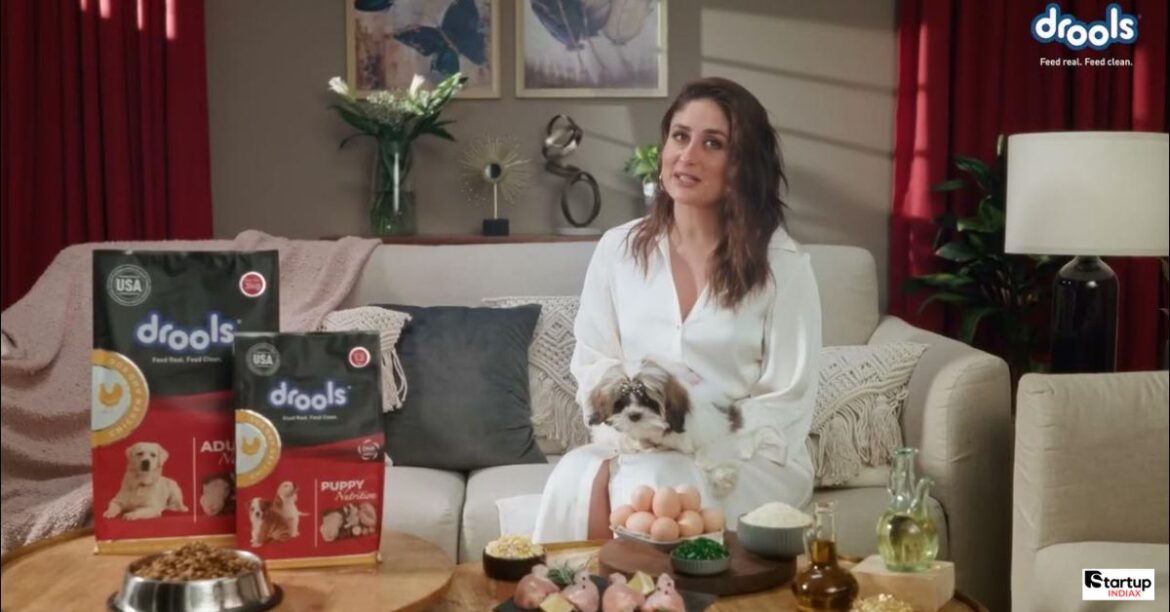
A crucial part of Drools’ explosive growth has been its savvy use of celebrity endorsements. Bollywood stars like Kareena Kapoor and Rakul Preet have become the faces of the brand, lending credibility and aspirational value to Drools’ products. This strategy has helped the brand connect with urban millennials and Gen Z, who are driving the surge in pet adoption and premium pet care spending in India.

How Drools Became the First Pet Food Unicorn of India in 2025 | Startup IndiaX

Technology and Innovation: The Secret Sauce

Drools’ journey to becoming the first pet food unicorn of India is rooted in its embrace of technology and customer-centric innovation. The company partnered with tech firms like Tailwebs to develop a robust customer loyalty program, offering personalized discounts and collecting valuable customer insights.

Key tech-driven strategies included:

  • Application Development: Building a seamless loyalty app for customer engagement.
  • Personalization: Using data analytics to tailor offers and recommendations.
  • Continuous Enhancement: Regularly updating features to stay ahead of evolving customer needs.

These initiatives not only improved customer retention but also positioned Drools as a tech-savvy, modern brand in a traditionally conservative sector.

Strategic Investments: Nestlé’s Game-Changing Stake

The defining moment in Drools’ journey was Nestlé SA’s decision to acquire a minority stake in 2025, propelling the company into the unicorn club. While the exact investment amount remains undisclosed, the deal valued Drools at over $1 billion.

Nestlé’s entry is significant for several reasons:

  • Validation: The world’s largest food company’s backing is a strong endorsement of Drools’ business model and growth potential.
  • Independence: Despite the investment, Drools continues to operate independently, ensuring its agility and entrepreneurial spirit remain intact.
  • Market Synergy: Nestlé gains a foothold in India’s booming pet food market, while Drools leverages global expertise and resources for further expansion.

Market Expansion: From Indian Homes to 22 Countries

Drools’ distribution network is a testament to its operational might. With products available in over 40,000 retail outlets and a leading presence on e-commerce platforms like Amazon, Drools has become a household name for pet parents across India. The company’s export strategy has also paid off, with Drools products now available in 22 countries, making it a global ambassador for Indian pet care innovation.

The Competitive Edge: How Drools Outpaced Global Giants

Entering a market dominated by established players like Pedigree was no easy feat. Drools differentiated itself through:

  • Localized Product Development: Tailoring recipes to Indian pets’ dietary needs.
  • Affordable Premium: Offering high-quality nutrition at accessible prices.
  • Omni-channel Presence: Combining online, offline, and veterinary clinic sales to maximize reach.
  • Customer Engagement: Building loyalty through tech-driven programs and personalized offers.

These strategies enabled Drools to capture significant market share and become the top seller in several pet food categories on platforms like Amazon

Challenges Faced and Lessons Learned

Drools’ journey was not without hurdles:

  • Market Penetration: With only 10% of Indian households owning pets, the company had to invest heavily in awareness and education.
  • Competition: Battling both global giants and emerging local brands required constant innovation.
  • Profitability: Despite soaring revenues, Drools reported a net loss of ₹14 crore in FY24, down from a profit the previous year. This underscores the challenges of balancing growth with sustainable margins.

Key lessons include the importance of agility, customer focus, and strategic partnerships in scaling a consumer brand in a nascent industry.

What’s Next for Drools and the Indian Pet Food Industry?

With India’s pet care market projected to grow at 20% annually and reach $1.2 billion by 2028, Drools is well-positioned to lead the next phase of industry evolution. The company plans to:

  • Expand its product portfolio with more science-backed offerings.
  • Deepen its presence in rural and Tier 2/3 cities.
  • Accelerate global exports and explore new international markets.

For the broader industry, Drools’ unicorn status is a beacon for aspiring startups and investors, signaling that India’s pet care sector is ripe for innovation and scale.

Conclusion: Drools’ Legacy as India’s First Pet Food Unicorn

Drools’ ascent to become the first pet food unicorn of India is a story of vision, resilience, and relentless pursuit of excellence. From humble beginnings to a billion-dollar valuation, the brand has inspired a new generation of entrepreneurs and set a gold standard for the Indian pet care industry. As a trusted name on platforms like Startup INIDAX, Drools’ journey is a blueprint for building enduring brands in emerging markets.


May 29, 2025 3 comments 632 views
FacebookTwitterLinkedinWhatsapp
Drools and Nestlé’s
FinanceNewsUnicorn Journeys

Drools Enters Unicorn Club: Nestlé’s Investment Sparks a Glorious $1B Milestone

by Ismail Patel May 29, 2025
3 min read

Drools Enters the Unicorn Club After Nestle’s Investment, marking a significant milestone for the Indian pet food startup. This article explores Drools’ journey to achieving a $1 billion valuation, the impact of Nestlé’s minority stake acquisition, and the booming pet care market in India. From its founding in 2010 to becoming India’s first pet food unicorn, we dive into the company’s growth, strategic partnerships, and future expansion plans. With insights into the competitive landscape and market trends, this piece highlights how Drools is positioning itself as a global leader while staying rooted in India. We also discuss the role of Startup INIDAX in covering such transformative stories in the Indian startup ecosystem.

Table of Contents

  • The Nestlé Effect: A Strategic Investment
  • From Humble Beginnings to a Pet Food Powerhouse
  • Why the Pet Care Market is Booming in India
  • Drools Competitive Edge in a Crowded Market
  • What’s Next for Drools After Joining the Unicorn Club?
  • Conclusion: A Bright Future for Drools and Indian Pet Care

The Nestlé Effect: A Strategic Investment

Nestlé SA, the parent company of Nestlé India, has made its first direct investment in an Indian brand by acquiring a minority stake in Drools. While the financial details of the deal remain undisclosed, the investment has propelled Drools into the Unicorn Club After Nestle’s Investment, valuing the company at over $1 billion. This move aligns with Nestlé’s global strategy to expand its pet care portfolio, which includes brands like Purina and Felix, generating $18.9 billion in sales in 2024, accounting for 20.7% of its total revenue. For Drools, this partnership provides not just capital but also access to Nestlé’s expertise in consumer goods and global distribution networks, sparking exciting growth prospects.

The investment follows Drools’ previous funding round in June 2023, when L Catterton, backed by LVMH, invested $60 million at a $600 million valuation. Anjana Sasidharan, Partner and Head of India at L Catterton, noted, “Drools has achieved significant growth since our investment, driven by high-quality execution and operational initiatives.” This dual backing from global giants like Nestlé and L Catterton positions Drools for accelerated growth, both domestically and internationally, as reported by Startup INIDAX. The company has emphasized that it will remain strategically and operationally independent, ensuring its unique vision and brand identity remain intact.

From Humble Beginnings to a Pet Food Powerhouse

Founded in 2010 by Fahim Sultan, Drools started with a mission to provide science-based, high-quality pet nutrition tailored to Indian pet parents. Today, it boasts a portfolio of over 650 SKUs, including high-protein diets, veterinary-prescribed foods, and value-for-money offerings under brands like Pure Pet, Meat Up, Canine Creek, and Kitty Yum. Drools’ products are available across 40,000 retail outlets in India and exported to 22 countries, showcasing its ability to cater to diverse markets.

The company’s operational scale is impressive, with six state-of-the-art manufacturing facilities and a 1.6 million square foot warehousing network. Employing over 3,400 people, including 1,800 sales professionals, Drools has built a robust infrastructure to support its growth. Its financial performance reflects this success, with a 50% revenue increase to ₹714.90 crore in FY24 from ₹474.62 crore in FY23, despite a reported net loss of ₹14 crore in FY24. Drools’ rise to unicorn status is a rare and thrilling feat in the pet care sector, making it the fourth Indian startup to achieve this milestone in 2025, following Netradyne, Juspay, and Porter.

Why the Pet Care Market is Booming in India

The Indian pet care market is experiencing unprecedented growth, driven by a surge in pet ownership among millennials and Gen Z. With only 10% of Indian households currently owning pets, the market has significant room for expansion, projected to grow at an 18-20% CAGR to reach $7 billion by 2027-28. Rising disposable incomes and a willingness to spend on premium pet nutrition have fueled this trend, with pet food imports doubling over the past five years to $69.8 million in the first half of 2024.

Drools Enters this booming market with a strong focus on science-based nutrition, appealing to the evolving demographic of Indian pet parents. The company’s dominance on e-commerce platforms like Amazon, where it claims to be a top seller in the pet food category, reflects its ability to tap into digital trends. Competitors like Wiggles, Heads Up For Tails, and Benny’s Bowl are also vying for a share of this growing market, but Drools’ scale and strategic partnerships give it a significant edge. Startup INIDAX has noted that the pet care sector’s growth is attracting both domestic and international investors, with companies like Godrej Consumer Products and Emami entering the space.

Drools Competitive Edge in a Crowded Market

In a competitive pet care landscape, Drools stands out for its comprehensive product range and robust distribution network. Unlike global players like Mars PetCare, Drools has tailored its offerings to Indian preferences, offering affordable yet high-quality products. Its brands, such as Canine Creek for dogs and Kitty Yum for cats, cater to specific nutritional needs, while its prescription diets address veterinary requirements. This versatility has helped Drools build trust among pet parents, as highlighted by Fahim Sultan: “This milestone reaffirms Drools’ leadership in India’s fast-growing pet care sector.”

The company’s online and offline presence further strengthens its market position. By selling through vet clinics, pet stores, general trade retailers, and e-commerce platforms, Drools ensures accessibility for a wide audience. Its export operations to 22 countries also demonstrate its global ambitions. The Nestlé investment is expected to enhance Drools’ ability to innovate and scale, potentially introducing new product lines or entering new markets. For platforms like Startup INIDAX, Drools’ success underscores the potential for Indian D2C brands to compete globally while addressing local needs.

What’s Next for Drools After Joining the Unicorn Club?

Drools Enters the Unicorn Club After Nestle’s Investment with ambitious plans for global expansion while retaining its Indian roots. The company aims to strengthen its position as a global pet food brand, leveraging Nestlé’s expertise and distribution networks. Potential areas of growth include expanding its product portfolio, entering new international markets, and investing in R&D for innovative pet nutrition solutions. Drools’ focus on science-based nutrition positions it to meet the growing demand for premium pet care products, both in India and abroad.

The company is also likely to double down on its e-commerce dominance, given its strong performance on platforms like Amazon. With the pet care market expected to reach $1.2 billion by 2028, Drools is well-positioned to capture a significant share. However, challenges remain, including managing its recent net loss and navigating increased competition from both local and global players. By maintaining operational independence, Drools can continue to innovate while benefiting from the strategic support of investors like Nestlé and L Catterton.

Conclusion: A Bright Future for Drools and Indian Pet Care

Drools’ ascent to unicorn status is a remarkable and glorious achievement, reflecting its leadership in India’s rapidly growing pet care market. With Nestlé’s investment and L Catterton’s prior backing, Drools is poised for global expansion while continuing to serve Indian pet parents with high-quality, science-based nutrition. The company’s journey from a small startup to a $1 billion valuation is an inspiring story for the Indian startup ecosystem, as highlighted by Startup INIDAX. As the pet care market continues to boom, Drools is set to lead the charge, proving that Indian brands can achieve global success while staying true to their roots.

May 29, 2025 8 comments 371 views
FacebookTwitterLinkedinWhatsapp
Wellness Beverage Brand TOVA Bags Funding to Fuel Growth with Poonawalla Group’s Support
FinanceNews

Wellness Beverage Brand TOVA Bags Funding to Fuel Growth with Poonawalla Group’s Support

by Ismail Patel May 28, 2025
3 min read

Wellness Beverage Brand TOVA Bags a significant investment from the Poonawalla Group, marking a pivotal moment for the Bengaluru-based startup founded in 2022 by Lakshmi and PS Srinivasan. This article dives into TOVA’s journey, the strategic importance of this funding, and its plans to expand across India’s booming D2C wellness market. We’ll explore how the Funding From Poonawalla Group empowers TOVA to enhance R&D, broaden distribution, and promote everyday wellness through its herb-infused water offerings. With the Indian D2C sector projected to reach $300 billion by 2030, TOVA’s story reflects the growing investor confidence in health-focused startups, as reported by Startup INIDAX.

Table of Contents

  • The Rise of TOVA: A Wellness Beverage Brand Making Waves
  • Why the Funding From Poonawalla Group Matters
  • TOVA’s Vision: Redefining Everyday Wellness
  • The Power of Herb-Infused Water in the D2C Market
  • How TOVA Plans to Use the Funding
  • Poonawalla Group’s Strategic Investment Approach
  • The Booming D2C Wellness Market in India
  • What’s Next for TOVA and Startup INIDAX’s Take
  • Conclusion: A Toast to TOVA’s Bright Future

The Rise of TOVA: A Wellness Beverage Brand Making Waves

In the bustling startup ecosystem of Bengaluru, Wellness Beverage Brand TOVA Bags the spotlight with its recent funding from the Poonawalla Group. Founded in 2022 by Lakshmi Srinivasan and PS Srinivasan, TOVA is carving a niche in the direct-to-consumer (D2C) wellness sector with its herb-infused water. Unlike sugary sodas or artificial energy drinks, TOVA offers a refreshing, health-focused alternative in six unique flavors, each bottled at 350ml. The brand’s mission? To make wellness accessible and inclusive for the “mass-premium” segment, a space that’s gaining traction as consumers prioritize healthier lifestyles.

Wellness Beverage Brand TOVA Bags Funding to Fuel Growth with Poonawalla Group’s Support

Startup INIDAX has been closely following TOVA’s journey, and this funding marks a turning point. The investment from Yohan and Michelle Poonawalla’s family business isn’t just a financial boost—it’s a vote of confidence in TOVA’s vision to redefine hydration. With a growing fanbase and a product that resonates with health-conscious Indians, TOVA is poised to make waves in a market hungry for innovation.

Why the Funding From Poonawalla Group Matters

The Funding From Poonawalla Group is a game-changer for TOVA. While the exact amount remains undisclosed, the partnership signals strong investor belief in the wellness beverage brand’s potential. The Poonawalla Group, known for backing innovative ventures like Wellness Forever and trackNOW, brings more than just capital. Their expertise in consumer goods and pharmaceuticals adds strategic value, helping TOVA navigate the competitive D2C landscape.

For a young startup like TOVA, this funding is a lifeline to scale operations. As Lakshmi Srinivasan, TOVA’s co-founder, shared, “This partnership empowers us to strengthen our research and development, expand our distribution, and deepen our impact on promoting everyday wellness.” The Poonawalla Group’s involvement also aligns with their track record of supporting startups that drive meaningful impact, making this a perfect match for TOVA’s mission-driven approach.

TOVA’s Vision: Redefining Everyday Wellness

At its core, TOVA is about more than just bottled water—it’s about transforming how people think about hydration. The Wellness Beverage Brand TOVA Bags attention for its herb-infused formulations, which blend natural ingredients to promote health without compromising on taste. From calming chamomile to zesty lemongrass, TOVA’s six flavors cater to diverse palates, making wellness feel approachable rather than exclusive.

Startup INIDAX sees TOVA’s vision as a reflection of a broader shift in consumer behavior. Indians are increasingly opting for products that align with their health goals, whether it’s premium water, organic snacks, or sugar-free beverages. TOVA’s focus on the “mass-premium” segment—products that are high-quality yet accessible—positions it perfectly to capture this growing demand. By emphasizing inclusivity, TOVA ensures that wellness isn’t just for the elite but for anyone seeking a healthier lifestyle.

The Power of Herb-Infused Water in the D2C Market

The D2C wellness market is booming, and herb-infused water is emerging as a star player. Unlike traditional beverages, TOVA’s offerings combine hydration with functional benefits, tapping into the trend of functional foods and drinks. Consumers today want products that do more than quench thirst—they want beverages that support digestion, boost immunity, or reduce stress. TOVA’s herb-infused water checks all these boxes, making it a standout in the crowded beverage market.

According to an Inc42 report, the Indian D2C market is projected to reach $300 billion by 2030, with food and beverage brands leading the charge. TOVA’s focus on herb-infused water aligns with this trend, as health-conscious consumers gravitate toward natural, low-calorie options. Startup INIDAX predicts that TOVA’s unique positioning will help it compete with established players like Jade Forest and TeaFit, both of which have also secured significant funding in recent years.

How TOVA Plans to Use the Funding

With the Funding From Poonawalla Group, TOVA has big plans to accelerate its growth. The startup aims to:

  • Expand Distribution: TOVA plans to strengthen its presence across India, targeting urban and semi-urban markets. This includes partnerships with quick-commerce platforms like Zepto and Blinkit, as well as retail chains like Nature’s Basket.
  • Boost R&D: Innovation is at the heart of TOVA’s strategy. The funding will fuel research into new flavors and formulations, ensuring the brand stays ahead of consumer trends.
  • Enhance Marketing: Building brand awareness is key in the competitive D2C space. TOVA will invest in digital marketing and influencer partnerships to reach a wider audience.
  • Scale Operations: From production to logistics, TOVA aims to streamline its supply chain to meet growing demand.

These initiatives reflect TOVA’s commitment to growth without losing sight of its core mission. As Startup INIDAX notes, TOVA’s strategic use of funds positions it to become a household name in the wellness beverage space.

Poonawalla Group’s Strategic Investment Approach

The Poonawalla Group’s investment in TOVA is part of their broader strategy to back innovative, high-impact startups. Led by Yohan and Michelle Poonawalla, the group has a diverse portfolio, including investments in Wellness Forever, trackNOW, and JetSynthesys. Their focus on sectors like wellness, technology, and logistics shows a keen understanding of India’s evolving market dynamics.

Michelle Poonawalla emphasized the potential of this partnership, stating, “This investment has the potential to unlock significant value for TOVA and the broader Indian economy.” By supporting startups like TOVA, the Poonawalla Group is not only driving innovation but also contributing to job creation and economic growth. For TOVA, this backing provides credibility and access to a network of industry experts, giving it a competitive edge.

The Booming D2C Wellness Market in India

India’s D2C wellness market is on fire, and TOVA is riding the wave. With the sector expected to grow to $300 billion by 2030, startups like TOVA, What’s Up Wellness, and Phool.co are redefining how consumers engage with health-focused brands. The rise of quick-commerce platforms like Zepto and Blinkit has made it easier for D2C brands to reach customers, while social media platforms like Instagram fuel brand discovery.

According to Inc42’s Indian Tech Startup Funding Report 2024, D2C startups snapped up over $840 million in funding across more than 1,000 deals last year. This investor enthusiasm reflects the growing demand for wellness products, from premium beverages to organic snacks. TOVA’s herb-infused water taps into this trend, offering a product that’s both innovative and aligned with consumer preferences for natural, sustainable options.

What’s Next for TOVA and Startup INIDAX’s Take

The Wellness Beverage Brand TOVA Bags a golden opportunity with this funding, but the road ahead is not without challenges. Competing in the D2C space requires constant innovation, strong branding, and seamless distribution. TOVA’s focus on herb-infused water gives it a unique edge, but it will need to differentiate itself from competitors like Jade Forest and Slurrp Farm, which have also secured significant funding.

Startup INIDAX believes TOVA has the potential to become a leader in the wellness beverage space. Its commitment to inclusivity, combined with the Poonawalla Group’s backing, sets it up for success. The startup’s plans to expand distribution and invest in R&D show a clear path to growth, while its focus on everyday wellness resonates with India’s health-conscious consumers.

Conclusion: A Toast to TOVA’s Bright Future

The Funding From Poonawalla Group marks a new chapter for TOVA, a Wellness Beverage Brand that’s redefining hydration in India. With plans to expand its footprint, innovate its product line, and promote everyday wellness, TOVA is well-positioned to capture a significant share of the D2C market. As Startup INIDAX continues to track the startup’s journey, we’re excited to see how TOVA leverages this investment to become a household name. Here’s to a refreshing future for TOVA and the millions of consumers it aims to serve!

May 28, 2025 5 comments 360 views
FacebookTwitterLinkedinWhatsapp
Newer Posts
Older Posts

Follow Us

Facebook Twitter Instagram

Recent Posts

  • Breaking: Gemini Signs Three Years IPL Sponsorship Deal Worth Rs 270 Crore for IPL 2026

  • Startup India Seed Fund Scheme Incubators: How to Apply Now

  • Startup Application Rejection Rate Hits 67% – Avoid These Mistakes

  • Starting a Small Business in India in 2026? Here’s Your Complete Investment, Execution Plan

  • India’s Bionic Arm Breakthrough: 72kg Capacity at 10% Global Price

Newsletter

Subscribe my Newsletter for new blog posts, tips & new photos. Let's stay updated!

Categories

  • Advertising (2)
  • Agritech (3)
  • AI (63)
  • AI & DeepTech (26)
  • AI Tools (18)
  • Automobile (15)
  • Beauty & Wellness (3)
  • Bootstrapped Wins (3)
  • Crowdfunding Hub (1)
  • Debt Financing (1)
  • Digital (31)
  • Ecom (12)
  • EV (31)
  • Failure Lessons (1)
  • Fashion & Lifestyle (1)
  • Finance (36)
  • Fintech (6)
  • FoodTech (6)
  • Funding (17)
  • Government Schemes (12)
  • Green Energy (8)
  • HealthTech (4)
  • Investor Directory (1)
  • News (174)
  • Politics (12)
  • Real State (1)
  • Science (13)
  • Startup (150)
  • Startup Learning (12)
  • Startup Stories (14)
  • Technology (84)
  • Unicorn Journeys (4)
  • Women Entrepreneurs (6)

About Us

Startup IndiaX is a digital media platform covering India’s startup ecosystem. We bring you the latest news, founder stories, funding updates, and tech innovations.

Facebook Instagram Twitter Youtube

Featured

Startup India Seed Fund Scheme Incubators: How to Apply Now
January 2, 2026
Startup Application Rejection Rate Hits 67% – Avoid These Mistakes
December 30, 2025
Starting a Small Business in India in 2026? Here’s Your Complete Investment, Execution Plan
December 27, 2025

@2025 – All Right Reserved. 

  • Home
  • About Us
  • Privacy Policy
  • Contact
startupindiax.com
  • Home
  • News
  • Startup
  • Funding
  • Startup Stories
  • Sectors
    • Finance
    • Agritech
    • AI & DeepTech
    • Fintech
    • Green Energy
    • HealthTech
    • EV
    • Digital
    • Automobile