startupindiax.com
  • Home
  • News
  • Startup
  • Funding
  • Startup Stories
  • Sectors
    • Finance
    • Agritech
    • AI & DeepTech
    • Fintech
    • Green Energy
    • HealthTech
    • EV
    • Digital
    • Automobile
startupindiax.com
SUBSCRIBE
Sunday, January 25, 2026
  • Home
  • News
  • Startup
  • Funding
  • Startup Stories
  • Sectors
    • Finance
    • Agritech
    • AI & DeepTech
    • Fintech
    • Green Energy
    • HealthTech
    • EV
    • Digital
    • Automobile
startupindiax.com
startupindiax.com
  • Home
  • About Us
  • Privacy Policy
  • Contact

@2025 - All Right Reserved.

RateGains
AINewsStartup

RateGain’s Shares Plummet 9% After Q4 Results: Trouble Ahead for the Travel Tech Star?

by Ismail Patel May 28, 2025
3 min read

RateGain’s Shares Slump 9% After Q4 Results: This article explores the 9% drop in RateGain Travel Technologies’ share price following its Q4 FY25 results, diving into the financials, the reasons behind the slump, and the company’s future prospects. Despite a 44% annual profit surge, weaker-than-expected FY26 guidance rattled investors. We’ll unpack the numbers, analyze RateGain’s AI-driven innovations, and discuss what’s next for this travel tech leader. Written for Startup INIDAX, this conversational piece offers insights for investors and tech enthusiasts navigating the volatile travel tech landscape.

Table of Contents

  • Introduction: A Tough Day for RateGain’s Shares
  • RateGain’s Q4 Results: The Numbers Behind the Slump
  • Why Did RateGain’s Shares Slump 9%?
  • Market Reactions and Analyst Insights
  • What’s Next for RateGain and Investors?
  • Conclusion: Navigating Challenges in Travel Tech

Introduction: A Tough Day for RateGain’s Shares

The travel tech world was abuzz when RateGain’s shares slumped 9% after the company released its Q4 results for FY25. As a leading SaaS provider in the hospitality and travel industry, RateGain Travel Technologies has been a darling of investors, but the recent dip to INR 478.80 on the BSE sent ripples through the market. Despite a solid year with a 44% surge in annual profit, the company’s weaker-than-expected FY26 guidance has raised eyebrows. At Startup INIDAX, we’re here to unpack what happened, why it matters, and what’s next for this enterprise tech unicorn. Whether you’re an investor, a tech enthusiast, or just curious about the startup ecosystem, let’s dive into the story behind RateGain’s turbulent week.

RateGain’s Q4 Results: The Numbers Behind the Slump

RateGain’s Q4 results painted a mixed picture. The company reported a consolidated net profit of INR 54.8 crore, up 9.6% year-on-year (YoY) from INR 50 crore in Q4 FY24. Operating revenue grew modestly by 1.9% to INR 260.6 crore, while EBITDA climbed 11.7% to INR 60.5 crore, with margins expanding to a record 23.2%—a 200-basis-point improvement from last year’s 21.2%. For the full FY25, RateGain’s operating revenue reached INR 10,766.7 million, a 12.5% YoY increase, and profit after tax soared 43.7% to INR 208.9 crore. These numbers reflect disciplined execution, as highlighted by CFO Rohan Mittal, who emphasized the company’s focus on operational efficiency.

However, the sequential performance told a different story. Compared to Q3 FY25, net profit dropped 3.1%, and net sales fell 6.5%. This slowdown, coupled with a cautious FY26 outlook, triggered the 9% share slump. RateGain’s global workforce grew to 821 employees, with a low attrition rate of 10.5%, signaling stability in operations. Yet, the market’s reaction suggests that investors were hoping for more robust growth, especially given RateGain’s reputation as a high-growth travel tech player. For readers of Startup INIDAX, these numbers highlight the challenges of sustaining momentum in a volatile macro environment.

Why Did RateGain’s Shares Slump 9%?

The 9% slump in RateGain’s shares after the Q4 results wasn’t just about the numbers—it was about expectations. Analysts and investors were rattled by the company’s FY26 guidance, which projected revenue growth of just 6–8%, a sharp decline from FY25’s 12.5% and far below the 46.2% to 69.3% growth rates seen in FY22–FY24. EBITDA margins are expected to dip to 15–17%, down from 21.6% in FY25, due to aggressive investments in go-to-market strategies in Asia-Pacific and West Asia. This guidance marks FY26 as RateGain’s weakest growth year since its 2021 listing, according to posts on X.

Several factors contributed to the market’s disappointment:

  • Weak Deal Momentum: RateGain reported new contracts worth INR 256.1 crore in FY25, a 10.1% drop from the previous year, signaling slower business development.
  • Segment Challenges: While the Data-as-a-Service (DaaS) and Martech segments showed promise, the Distribution segment faced headwinds due to the phasing out of a large OTA sub-brand and ongoing pricing pressures.
  • Macroeconomic Volatility: The broader US travel demand environment remains soft, with major hotel chains and airlines reporting a cautious outlook for leisure travel. This impacts RateGain’s clients, particularly in the OTA and car rental segments.

Phillip Capital downgraded RateGain to a ‘Neutral’ rating and slashed its price target by 26% to INR 480, citing near-term challenges like muted growth and margin pressure. This downgrade amplified the negative sentiment, leading to the sharp decline in share price. For Startup INIDAX readers, this underscores the importance of aligning expectations with market realities in the fast-paced tech startup world.

RateGain’s AI-First Strategy: A Silver Lining?

Despite the Q4 results disappointment, RateGain is doubling down on its AI-driven innovations, which could be a game-changer. The company launched UNO VIVA, an AI voice agent integrated with central reservation systems, and Smart ARI, an engine to tackle overbooking and rate parity issues. These tools are part of RateGain’s broader AI-first strategy, aimed at solving complex customer problems in the travel and hospitality sector. The company’s AirGain platform, which powers pricing intelligence for airlines, also saw a major upgrade with the AI-Powered Digest, rolled out in phases starting in March 2025.

These innovations have strengthened RateGain’s partnerships with 26 of the top 30 hotel chains, 25 of the top 30 OTAs, and all major car rental brands. The company’s growing presence in high-growth regions like APAC and the Middle East, now contributing 13.7% to revenue, shows its global ambitions. For Startup INIDAX, this focus on AI highlights RateGain’s potential to rebound, as tech-driven solutions are increasingly critical in the travel industry. While the 9% share slump reflects short-term pain, RateGain’s long-term vision could restore investor confidence.

Market Reactions and Analyst Insights

The market’s response to RateGain’s Q4 results was swift and unforgiving. Shares dropped to INR 478.80 during intraday trading on May 27, 2025, down from INR 525.40 the previous day. Over the past six months, the stock has fallen 31.58%, and over the last year, it’s down 34.34%, reflecting broader challenges in the travel tech space. Posts on X echoed this sentiment, with analysts like @EquityInsightss pointing out the “very weak guidance” and a potential 20% hit to FY26 EBITDA.

Analysts remain divided. Some, like Phillip Capital, are cautious, forecasting single-digit earnings growth through FY27 due to pricing pressures and weak deal momentum. Others see RateGain’s record margins and AI investments as signs of resilience. For instance, the company’s cash reserves of INR 1,210 crore—about 20% of its market capitalization—provide a buffer to weather near-term challenges. Startup INIDAX believes this mixed outlook reflects the high-risk, high-reward nature of tech startups, where innovation often comes with growing pains.

What’s Next for RateGain and Investors?

Looking ahead, RateGain faces a pivotal moment. The company’s management remains optimistic about returning to double-digit growth and EBITDA margins of 19–22% in the medium term. However, achieving this will require overcoming pricing pressures, boosting deal wins, and capitalizing on AI-driven products like UNO VIVA and AirGain. The travel tech sector is evolving rapidly, with AI and data analytics becoming critical for competitiveness. RateGain’s partnerships with global giants position it well, but execution will be key.

For investors, the 9% share slump after the Q4 results may present a buying opportunity for those with a long-term view. The stock’s current price of around INR 480 is close to Phillip Capital’s revised target, suggesting limited downside risk. However, caution is warranted given the weak FY26 guidance and macroeconomic headwinds. Startup INIDAX recommends that investors weigh RateGain’s AI-driven growth potential against near-term challenges before making decisions.

Conclusion: Navigating Challenges in Travel Tech

RateGain’s 9% share slump after its Q4 results reflects the harsh realities of the travel tech industry, where high expectations meet volatile market conditions. While the company delivered solid FY25 numbers, including a 44% profit surge and record margins, its cautious FY26 guidance has spooked investors. Yet, RateGain’s AI-first strategy and strong partnerships offer hope for a rebound. For Startup INIDAX readers, this is a reminder that tech startups like RateGain are a rollercoaster—full of ups and downs but with the potential for big wins. As the company navigates pricing pressures and macroeconomic challenges, its ability to innovate will determine its path forward. Keep an eye on RateGain; this travel tech unicorn isn’t done surprising us yet.
May 28, 2025 0 comments 302 views
FacebookTwitterLinkedinWhatsapp
nfo Edge Shareholders Approve INR 1,000 Cr Infusion Into Its VC Fund, Boosting Startup Investments
NewsFinance

Info Edge Shareholders Approve INR 1,000 Cr Infusion Into Its VC Fund, Boosting Startup Investments

by Ismail Patel May 27, 2025
3 min read

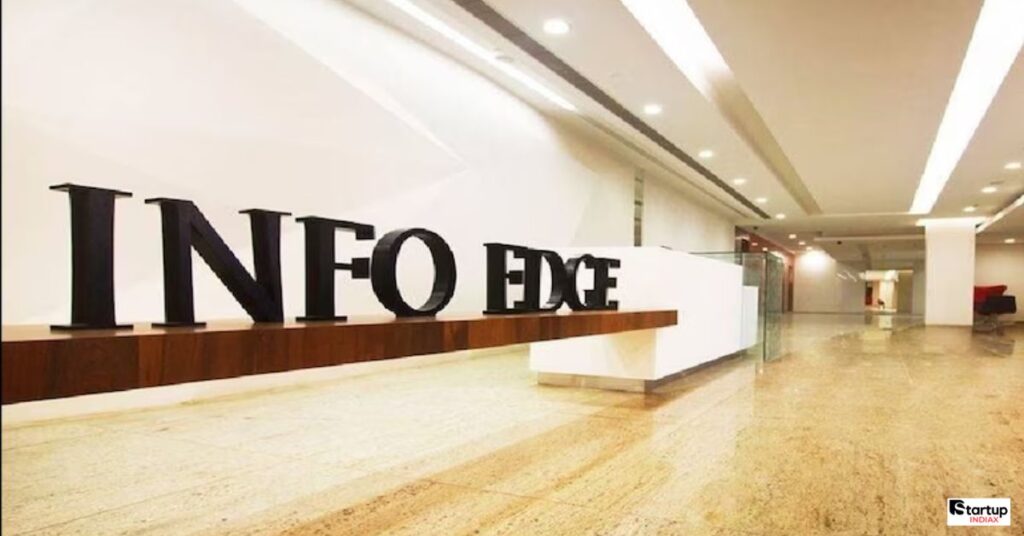
Info Edge Shareholders have enthusiastically greenlit a massive INR 1,000 Cr infusion into its VC Fund, Info Edge Venture Investment Fund III, signaling strong confidence in India’s startup ecosystem. This article dives into the significance of this move, exploring how Info Edge, the parent of Naukri.com, is doubling down on early-stage startups through its venture capital arm. We’ll cover the details of the shareholder approval, the fund’s strategy, its past successes with Zomato and Policybazaar, and what this means for India’s tech startup landscape. From financial insights to expert perspectives, Startup INIDAX unpacks how this investment will shape the future of innovation in India

Table of Contents

  • Introduction: A Big Win for Info Edge Shareholders
  • What is Info Edge Venture Investment Fund III?
  • The Significance of INR 1,000 Cr Infusion Into Its VC Fund
  • Shareholder Approval: A Resounding Vote of Confidence
  • Info Edge’s Stellar Track Record in Startup Investments
  • How Will the INR 1,000 Cr Infusion Impact Indian Startups?
  • Expert Insights: Why This Move Matters for India’s Startup Ecosystem
  • Challenges and Risks of Info Edge’s VC Strategy
  • The Future of Info Edge and Its VC Fund
  • Conclusion: A Bright Future for Indian Startups

Introduction: A Big Win for Info Edge Shareholders

Imagine a company so confident in India’s startup potential that its shareholders overwhelmingly approve a INR 1,000 Cr infusion into its VC fund. That’s exactly what happened with Info Edge, the Noida-based internet giant behind Naukri.com. On May 24, 2025, Info Edge Shareholders gave a near-unanimous nod to invest up to INR 1,000 Cr (approximately $118 Mn) into Info Edge Venture Investment Fund III, a move that’s set to supercharge India’s tech startup scene. At Startup INIDAX, we’re excited to break down this development, exploring why this infusion is a game-changer, how it aligns with Info Edge’s investment strategy, and what it means for entrepreneurs and innovators across India. Let’s dive in

What is Info Edge Venture Investment Fund III?

Info Edge Venture Investment Fund III is a SEBI-registered Category II Alternative Investment Fund (AIF) managed by Smartweb Internet Services, a wholly-owned subsidiary of Info Edge. This fund is designed to back early-stage startups, particularly in sectors like consumer internet, fintech, edtech, and software. The INR 1,000 Cr infusion into its VC fund marks a significant step in Info Edge’s ongoing mission to nurture high-growth businesses. The fund operates under the Karkardooma Trust and has a 12-year term, with the possibility of a two-year extension upon shareholder approval. This structured approach ensures Info Edge can strategically deploy capital to promising startups while maintaining strong governance.

Info Edge Shareholders Approve INR 1,000 Cr Infusion Into Its VC Fund, Boosting Startup Investments

For Startup INIDAX readers, this fund represents Info Edge’s commitment to fostering innovation. With a hybrid investment model combining direct investments and structured funds, Info Edge is positioning itself as a cornerstone investor in India’s startup ecosystem. The fund’s focus on tech-driven startups aligns with the growing demand for digital solutions in India, making it a critical player in the venture capital space.

The Significance of INR 1,000 Cr Infusion Into Its VC Fund

The INR 1,000 Cr infusion into its VC fund is more than just a financial commitment—it’s a bold statement about Info Edge’s belief in India’s startup potential. This move comes at a time when India’s startup ecosystem is booming, with sectors like fintech, edtech, and consumer internet attracting global attention. By allocating such a substantial amount, Info Edge Shareholders are signaling their trust in the company’s ability to identify and nurture the next Zomato or Policybazaar.

This infusion will allow Info Edge to diversify its portfolio, support innovative startups, and drive value creation over the medium to long term. For entrepreneurs, this means more opportunities to secure funding from a reputable investor with a proven track record. At Startup INIDAX, we see this as a positive signal for the Indian startup ecosystem, as it encourages other corporates to invest in venture capital and fuel innovation.

Shareholder Approval: A Resounding Vote of Confidence

On May 24, 2025, Info Edge Shareholders demonstrated overwhelming support for the INR 1,000 Cr infusion into its VC fund, with 99.9995% of 1,271 valid votes in favor. This near-unanimous approval, conducted through a remote e-voting and postal ballot process, reflects the confidence that investors have in Info Edge’s leadership and vision. Sanjeev Bikhchandani, the company’s co-founder, celebrated the decision on X, highlighting the strong mandate from shareholders.

Results of the Info Edge shareholders postal ballot are in. The proposal to invest up to Rs. 1000 crores in Info Edge Ventures Fund 3 was approved with 99.9995% of votes in favour. Thank you for the vote of confidence in our investing abilities shareholders.

My friends inform me… pic.twitter.com/Mhzez7YiAU

— Sanjeev Bikhchandani (@sbikh) May 25, 2025

This level of support is rare and underscores Info Edge’s reputation as a trusted player in India’s tech landscape. For Startup INIDAX readers, this approval is a reminder of the importance of shareholder trust in driving ambitious investment strategies. It also highlights Info Edge’s ability to rally its stakeholders around a shared goal of fostering innovation and growth.

Info Edge’s Stellar Track Record in Startup Investments

Info Edge’s venture capital journey is nothing short of remarkable. The company has a knack for spotting winners early, with investments in Zomato and Policybazaar being prime examples. Info Edge acquired an early stake in Zomato for just INR 4.7 Cr, which ballooned to over INR 3,000 Cr during Zomato’s 2021 IPO. Similarly, its stake in PB Fintech (Policybazaar’s parent) has contributed to a combined holding value of INR 31,500 Cr as of March 31, 2025.

Overall, Info Edge has deployed over INR 3,959 Cr across 111 startups, achieving a gross internal rate of return (IRR) of 36%. Its portfolio includes diverse names like Adda247, ShopKirana, and ixigo, showcasing its ability to identify high-potential ventures across sectors. While there have been setbacks—write-offs in startups like 4B Networks and ShopKirana—Info Edge’s overall success rate is impressive. For Startup INIDAX, this track record makes Info Edge a role model for strategic investing in India’s startup ecosystem.

How Will the INR 1,000 Cr Infusion Impact Indian Startups?

The INR 1,000 Cr infusion into its VC fund is poised to have a ripple effect across India’s startup landscape. Here’s how:

  • More Funding for Early-Stage Startups: The fund will focus on early-stage companies, providing critical capital to help them scale.
  • Sectoral Diversification: With a focus on consumer internet, fintech, edtech, and software, the fund will support innovation in high-growth sectors.
  • Strengthening India’s VC Ecosystem: Info Edge’s investment will encourage other corporates and investors to back startups, creating a more robust funding environment.
  • Job Creation and Economic Growth: By backing startups, Info Edge will indirectly contribute to job creation and economic development.

For entrepreneurs reading Startup INIDAX, this infusion means more opportunities to pitch to a seasoned investor with a deep understanding of India’s tech market. It also signals a growing maturity in India’s startup ecosystem, where large corporates are willing to take big bets on innovation.

Expert Insights: Why This Move Matters for India’s Startup Ecosystem

Industry experts are buzzing about Info Edge’s latest move. “This INR 1,000 Cr infusion into its VC fund is a testament to Info Edge’s long-term vision,” says Priya Sharma, a venture capital analyst at Startup INIDAX. “Their success with Zomato and Policybazaar shows they know how to pick winners, and this fund will amplify their impact.”

Sanjeev Bikhchandani himself emphasized the importance of governance and financial discipline in a recent shareholder letter, noting that these principles guide Info Edge’s investment strategy. Experts also point out that the partnership with Temasek, Singapore’s sovereign wealth fund, adds credibility and financial muscle to Fund III, potentially pushing its total corpus beyond INR 2,000 Cr.

For Startup INIDAX readers, this move highlights the growing synergy between corporates and startups in India. It’s a sign that established companies are increasingly seeing venture capital as a way to drive innovation and stay competitive.

Challenges and Risks of Info Edge’s VC Strategy

While the INR 1,000 Cr infusion into its VC fund is exciting, it’s not without risks. Startup investing is inherently volatile, and Info Edge has faced challenges in the past. Write-offs in startups like 4B Networks and ShopKirana highlight the risks of betting on early-stage ventures. Additionally, the competitive nature of India’s VC market means Info Edge will need to differentiate itself to attract top-tier startups.

Economic uncertainties, such as market corrections or regulatory changes, could also impact the fund’s performance. However, Info Edge’s hybrid investment model—combining direct investments with structured funds—mitigates some of these risks by diversifying its approach. For Startup INIDAX readers, this serves as a reminder that even successful investors like Info Edge must navigate challenges to achieve high returns.

The Future of Info Edge and Its VC Fund

Looking ahead, Info Edge is well-positioned to shape the future of India’s startup ecosystem. The INR 1,000 Cr infusion into its VC fund will enable the company to back the next generation of unicorns while strengthening its portfolio. With a focus on early-stage startups and a partnership with Temasek, Fund III is poised to make a significant impact.

Info Edge’s core businesses—Naukri.com, 99acres, Jeevansathi, and Shiksha—continue to perform strongly, providing a stable financial base to support its venture capital activities. In Q3 FY25, the company reported a 141% YoY increase in net profit to INR 288.41 Cr, driven by growth in its real estate and education verticals. This financial strength gives Info Edge the flexibility to take bold investment risks.

For Startup INIDAX, the future looks bright for Info Edge and the startups it supports. As the company continues to invest in innovation, it’s likely to remain a key player in India’s tech landscape.

Conclusion: A Bright Future for Indian Startups

The INR 1,000 Cr infusion into its VC fund, approved by Info Edge Shareholders, is a monumental step for India’s startup ecosystem. It reflects the confidence of investors in Info Edge’s vision and its ability to drive value through strategic investments. From its early bets on Zomato and Policybazaar to its latest venture fund, Info Edge is proving that it’s not just a tech company but a catalyst for innovation. For entrepreneurs and startups, this move opens new doors for funding and growth. At Startup INIDAX, we’re excited to see how Info Edge’s Fund III will shape the future of India’s tech startup scene. Stay tuned for more updates on this exciting journey!

May 27, 2025 0 comments 313 views
FacebookTwitterLinkedinWhatsapp
Foodtech Giants
NewsStartup

Foodtech Giants Slam Brakes On Diversification: 4 Critical Trends D2C Brands Must Navigate

by Ismail Patel May 26, 2025
3 min read

Foodtech Giants Hit Reset On Diversification, D2C Brands In Catch-22 & More: This article dives into the evolving landscape of India’s foodtech and D2C sectors, exploring how major players like Swiggy and Zomato are shifting away from aggressive diversification to focus on core strengths, while D2C brands face a challenging Catch-22 between scaling and profitability. We’ll unpack recent trends, startup struggles, and opportunities in the Indian startup ecosystem, with insights from Startup INIDAX on how these dynamics are reshaping the market. From cloud kitchens to premium D2C food brands, we’ll highlight key challenges, strategies, and what lies ahead for these industries in 2025.

Introduction: A New Era for Foodtech and D2C

India’s foodtech and direct-to-consumer (D2C) sectors are undergoing a transformation. Foodtech giants like Swiggy and Zomato, once chasing diversification into groceries, logistics, and beyond, are now hitting reset, focusing on their core strengths to stay profitable. Meanwhile, D2C brands are caught in a Catch-22, struggling to scale without sacrificing margins in a crowded market. At Startup INIDAX, we’re tracking these changes closely. In this article, we explore why foodtech giants are hitting reset on diversification, the challenges D2C brands face, and four critical trends they must navigate to thrive in 2025.

Foodtech Giants Hit Reset On Diversification

The Diversification Overreach

A few years ago, foodtech giants were on a mission to become super-apps, venturing into grocery delivery, hyperlocal services, and even healthcare. The logic was simple: capture more of India’s booming digital market. But as Startup INIDAX has noted, this diversification spree came at a cost. High operational expenses, slim margins, and a tougher funding landscape have forced a rethink. A 2021 Inc42 report pegged the average order value in food delivery at INR 400, with delivery and marketing costs eating into profits. This reality has pushed foodtech giants to hit reset on diversification, prioritizing efficiency and core offerings like food delivery and quick commerce.

The shift reflects a broader need for sustainability in a post-pandemic economy where consumer spending is unpredictable. Inflation and rising costs have made customers more cautious, prompting companies to streamline operations. For instance, Zomato’s INR 4,447 Cr acquisition of Blinkit in 2022 was a bold diversification move, but recent efforts focus on optimizing quick commerce rather than chasing new verticals.

Swiggy and Zomato’s Focused Approach

Swiggy and Zomato are leading the charge in this reset. Swiggy has scaled back ventures like Swiggy Genie, pouring resources into its Instamart platform to strengthen quick commerce. Zomato, meanwhile, is enhancing B2B restaurant services and refining its food delivery operations. As Avendus Capital’s Karan Sharma points out, India’s food delivery market is a duopoly, but profitability requires focus. Startup INIDAX has observed increased investments in tech like AI for demand forecasting and IoT for smart kitchens, with companies like Mukunda Foods securing $5M from Zomato in 2022 to advance food robotics. This pivot is helping foodtech giants build resilient, efficient businesses.

D2C Brands in a Catch-22: Scaling vs. Sustainability

The Profitability Puzzle

D2C brands, especially in food and beverage, face a Catch-22: scale to compete with legacy players or stay lean to protect margins. India’s D2C market is set to hit $100B by 2025, per Inc42, fueled by 350 million online shoppers. Yet, high customer acquisition costs and low liquidity are major roadblocks. Brands like MasterChow ($6.5M raised) and The Divine Foods are growing fast but struggle to balance expansion with profitability. This Catch-22 extends to sectors like beauty, where Minimalist’s INR 2,670 Cr acquisition by Hindustan Unilever in 2024 highlights both D2C potential and the pressure to stand out.

Customer Acquisition and Retention Struggles

Acquiring and retaining customers is a persistent challenge for D2C brands. Competing with e-commerce giants like Amazon and Flipkart requires heavy spending on digital marketing and social media. For instance, HustleCulture, a D2C sneaker brand, generates INR 22 Lakh monthly via Instagram but struggles to scale beyond social platforms. Retention demands personalized experiences and premium products at affordable prices, which strains budgets. Startup INIDAX notes that brands like Smoor and Plix are exploring omnichannel strategies, opening offline stores to build trust, but this risks overextending resources, deepening the Catch-22.

4 Trends D2C Brands Must Navigate

Trend 1: Sustainability and Upcycling

Sustainability is reshaping foodtech and D2C. Consumers increasingly demand eco-friendly products, pushing startups to innovate. Ventures like those featured on FoodHack are upcycling waste into plant-based proteins and insect-based foods, reducing environmental impact. D2C brands that embrace sustainable practices can differentiate themselves in a crowded market, aligning with consumer values and gaining loyalty.

Trend 2: Premiumisation and Niche Offerings

Premiumisation is a game-changer. Indian consumers are willing to pay for high-quality, niche products, from Plix’s plant-based supplements to Cure By Design’s hemp-based wellness items. FMCG giants are noticing, with Marico acquiring a 58% stake in Plix for INR 369.01 Cr in 2023. D2C brands focusing on specific needs—like Ayurvedic skincare or millet-based snacks—are carving out profitable niches.

Trend 3: Omnichannel Expansion

To break the Catch-22, D2C brands are going omnichannel, blending online and offline presence. Brands like Smoor are opening physical stores to enhance customer engagement, but this requires significant investment. Startup INIDAX predicts that successful omnichannel strategies will hinge on balancing costs with customer trust and brand visibility.

Trend 4: Automation and Tech Innovation

Automation is transforming foodtech and D2C. From AI-driven supply chain optimization to IoT-enabled kitchens, technology is cutting costs and improving efficiency. Foodtech giants are leading, but D2C brands are following suit, with startups like Curefoods leveraging tech to scale cloud kitchen operations. This trend is critical for staying competitive in a margin-tight market.

The Cloud Kitchen Boom

Cloud kitchens are a cornerstone of foodtech and D2C growth. Companies like Curefoods, which acquired five D2C brands in 2022, operate over 75 cloud kitchens, aiming to onboard 35+ brands. These kitchens reduce overheads, enabling delivery-focused scaling. However, competition is fierce, with players like Rebel Foods running 450+ kitchens globally. Startup INIDAX sees cloud kitchens adopting sustainable practices, like upcycling waste, to stand out and appeal to eco-conscious consumers.

What’s Next for Foodtech and D2C Brands

The future is bright yet challenging. Foodtech giants will continue refining core offerings, leveraging tech for efficiency. D2C brands must navigate their Catch-22 by focusing on differentiation and smart scaling. With India’s D2C market projected to reach $300B by 2030, brands that master these trends will lead the pack. Startup INIDAX believes agility and customer-centricity will define success in 2025.

Conclusion: Thriving in a Shifting Landscape

India’s foodtech and D2C sectors are evolving rapidly. Foodtech giants hitting reset on diversification are building leaner, stronger businesses, while D2C brands must navigate four key trends—sustainability, premiumisation, omnichannel expansion, and automation—to escape their Catch-22. At Startup INIDAX, we’re excited to see how these industries innovate. By staying agile and customer-focused, startups can thrive in this dynamic landscape.

May 26, 2025 0 comments 297 views
FacebookTwitterLinkedinWhatsapp
How India Can Build a Self-Reliant Drone Manufacturing Ecosystem
AIStartupTechnology

How India Can Build a Self-Reliant Drone Manufacturing Ecosystem in 7 Steps

by Aalam Rohile May 25, 2025
3 min read

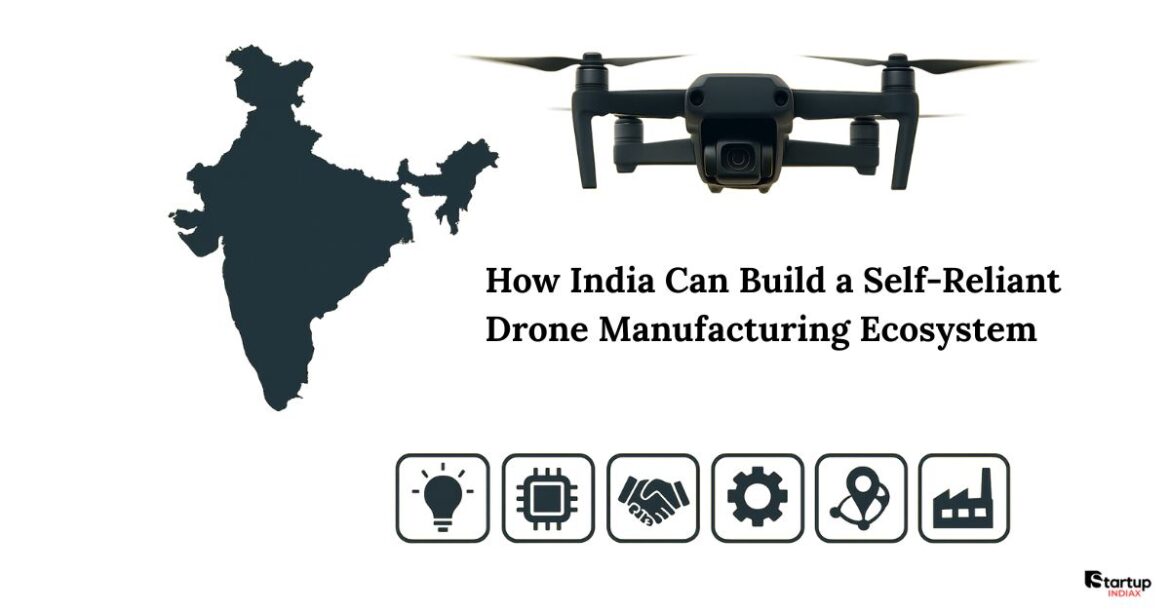
Self-Reliant Drone Manufacturing Ecosystem is the cornerstone of India’s vision for “A Self-Reliant Drone” industry, aiming to transform the nation into a global drone hub by 2030. As the government, startups, and industry leaders converge on this mission, India must address challenges such as dependence on imported components, regulatory hurdles, and the need for advanced R&D. By focusing on indigenous innovation, robust policy support, and strategic collaborations, Startup INIDAX believes India can unlock massive opportunities in agriculture, defense, logistics, and more, positioning itself as a leader in drone technology and manufacturing. This article outlines seven actionable steps to realize a truly self-reliant drone ecosystem, using insights from industry experts, government initiatives, and startup success stories.

Table of Contents

  • Introduction: Self-Reliant Drone Manufacturing Ecosystem – Why Now?
  • Step 1: Strengthen Indigenous Component Manufacturing
  • Step 2: Invest in Advanced R&D and Innovation
  • Step 3: Build Robust Industry-Academia Collaboration
  • Step 4: Streamline Regulations and Certification
  • Step 5: Incentivize Startups and MSMEs
  • Step 6: Create a National Drone Supply Chain Network
  • Step 7: Foster Global Trust and Promote Indian Drones
  • Conclusion: The Road Ahead for a Self-Reliant Drone Manufacturing Ecosystem
  • Frequently Asked Questions

Introduction: Self-Reliant Drone Manufacturing Ecosystem – Why Now?

The push for a Self-Reliant Drone Manufacturing Ecosystem in India has never been more urgent. With the global drone market projected to reach $23 billion by 2030 and India’s own market expected to surpass INR 2,300 crore, the stakes are high. Drones are revolutionizing sectors from agriculture and disaster management to defense and logistics. Yet, India’s reliance on imported drone components, especially from China, exposes vulnerabilities in national security and supply chain resilience.

The government’s Atmanirbhar Bharat and Make in India initiatives, combined with the Production-Linked Incentive (PLI) scheme, are laying the foundation for a robust, homegrown drone industry. However, achieving true self-reliance requires a multi-pronged approach—one that addresses manufacturing, innovation, policy, and perception. Here’s how India can build a future-ready, self-reliant drone ecosystem in seven strategic steps.

Step 1: Strengthen Indigenous Component Manufacturing

A Self-Reliant Drone Manufacturing Ecosystem starts with reducing dependence on imported components. Currently, over 60% of critical drone parts—sensors, flight controllers, batteries—are imported, making the industry vulnerable to geopolitical risks and supply disruptions.

Key Actions:

  • Develop Domestic Supply Chains: Incentivize local production of propulsion systems, lithium batteries, semiconductor-driven sensors, and advanced materials like carbon fiber.
  • Leverage PLI 2.0: The upcoming PLI scheme aims to boost domestic manufacturing and reduce imports by offering incentives for locally produced drone components.
  • Anchor Manufacturer Model: Encourage large manufacturers to mentor MSMEs, replicating the mobile industry’s success and accelerating Make in India for drones.

Startup INIDAX Insight: Building a resilient supply chain will empower Indian startups to innovate without being held back by imported parts and regulatory uncertainties.

Step 2: Invest in Advanced R&D and Innovation

Bridging the R&D gap is critical for a Self-Reliant Drone Manufacturing Ecosystem. While institutions like CSIR-NAL provide testing infrastructure, India needs a mission-mode collaboration between academia and industry to foster cutting-edge innovation.

Key Actions:

  • Establish National R&D Clusters: Create “Drone Valleys” or innovation hubs, similar to Hyderabad’s Pharma City, with tax incentives for IP creation and collaborative problem-solving.
  • Partner with ISRO: Collaborate with ISRO for space-grade battery solutions and advanced propulsion technologies.
  • Promote Private Sector R&D: Offer grants and tax rebates for startups and private companies investing in indigenous drone technology.

Startup INIDAX Perspective: Innovation without ecosystem support is just a hobby. India must invest in R&D to compete globally and develop drones tailored for local needs, such as precision agriculture and disaster management.

Step 3: Build Robust Industry-Academia Collaboration

A thriving Self-Reliant Drone Manufacturing Ecosystem depends on strong ties between industry and academia. This collaboration fuels innovation, nurtures talent, and accelerates technology transfer.

Key Actions:

  • Curriculum Alignment: Integrate drone technology into engineering and science streams, ensuring graduates are job-ready for the drone sector.
  • Joint Research Initiatives: Encourage co-development projects between universities and startups, focusing on indigenous flight software, AI-driven navigation, and cybersecurity.
  • Internships and Training: Facilitate internships and hands-on training for students in drone startups and manufacturing facilities.

Startup INIDAX Note: By aligning academic research with industry needs, India can create a steady pipeline of skilled professionals and breakthrough innovations.

Step 4: Streamline Regulations and Certification

Regulatory ambiguity is a major bottleneck for drone manufacturing in India. Lengthy approval processes and unclear certification norms slow down innovation and increase compliance costs.

Key Actions:

  • Unified Digital Platforms: Implement single-window approval systems, like Gujarat’s model, to simplify licensing and certification for drone manufacturers.
  • Drone Certification Sandboxes: Create simplified, fast-track certification processes for non-defense drones, reducing time-to-market for startups.
  • Adopt Global Standards: Implement ASTM International norms and launch a “Drone Mark” certification to assure global buyers of Indian drone quality.

Startup INIDAX Tip: Streamlined regulations will not only boost domestic manufacturing but also attract global investors and customers to Indian drone startups.

Step 5: Incentivize Startups and MSMEs

Startups and MSMEs are the backbone of India’s drone revolution. To build a Self-Reliant Drone Manufacturing Ecosystem, these innovators need targeted support and incentives.

Key Actions:

  • Fiscal Support: Offer grants, tax rebates, and low-interest loans for startups investing in indigenous drone technology.
  • Anchor Buyer Programs: Government and large enterprises should prioritize procurement from Indian startups, especially for niche and emerging drone technologies.
  • Mentorship Networks: Facilitate mentorship and knowledge-sharing between established manufacturers and new entrants, accelerating scale and expertise.

Startup INIDAX Highlight: Empowering startups will turn India’s constraints into catalysts for world-class drone innovation.

Step 6: Create a National Drone Supply Chain Network

A robust supply chain is essential for scaling up drone manufacturing. India must build a seamless network connecting component suppliers, manufacturers, and end-users.

Key Actions:

  • Bulk Procurement Consortiums: Form industry consortiums to pool resources for bulk procurement of materials, reducing costs and ensuring quality.
  • Logistics and Distribution Hubs: Develop state-of-the-art logistics centers to support rapid distribution of drone components and finished products.
  • Localize Key Inputs: Encourage localization of high-value inputs, such as sensors and flight controllers, through targeted incentives.

Startup INIDAX View: A strong supply chain will enable Indian drone makers to scale efficiently and compete globally.

Step 7: Foster Global Trust and Promote Indian Drones

Perception matters. For India’s Self-Reliant Drone Manufacturing Ecosystem to succeed, Indian drones must be seen as high-quality, reliable, and innovative—both at home and abroad.

Key Actions:

  • Global Showcases: Present Indian drones at international forums, such as Dubai’s logistics corridors, to demonstrate capabilities and build trust.
  • Industry Standards: Establish and enforce rigorous quality standards, including the “Drone Mark” certification, to counter the perception that “Made in India” means lower quality.
  • Export Promotion: Support Indian drone startups in accessing global markets through export incentives and trade partnerships.

Startup INIDAX Angle: Building global trust will unlock export opportunities and position India as a leader in the international drone market.

Conclusion: The Road Ahead for a Self-Reliant Drone Manufacturing Ecosystem

The path to a Self-Reliant Drone Manufacturing Ecosystem is challenging but achievable. By focusing on indigenous innovation, robust policy support, and strategic partnerships, India can not only meet its domestic needs but also emerge as a global drone powerhouse by 2030. The synergy between government, industry, and academia will be the driving force behind this transformation.

Startup INIDAX believes that with the right investments, clear regulations, and a relentless focus on quality and innovation, India’s drone sector will soar—turning the dream of a self-reliant drone industry into a reality that benefits the nation and the world.

Frequently Asked Questions

Q1: Why is self-reliance important for India’s drone industry?
Self-reliance reduces dependence on imports, strengthens national security, and creates jobs while fostering innovation and global competitiveness.

Q2: What are the main challenges to building a self-reliant drone ecosystem in India?
Key challenges include dependence on imported components, high R&D costs, regulatory hurdles, and the need for skilled talent.

Q3: How is the government supporting drone manufacturing in India?
Through initiatives like PLI schemes, Make in India, Atmanirbhar Bharat, streamlined regulations, and fiscal incentives for local manufacturers.

Q4: What sectors will benefit most from a self-reliant drone ecosystem?
Agriculture, defense, logistics, disaster management, and infrastructure monitoring are among the top beneficiaries.

Q5: How can startups contribute to drone self-reliance?
Startups drive innovation, develop indigenous technologies, and create jobs, playing a critical role in building a robust drone ecosystem

May 25, 2025 3 comments 349 views
FacebookTwitterLinkedinWhatsapp
Google I/O and Microsoft Build 2025: The AI Revolution Unveiled
AIDigitalTechnology

Google I/O and Microsoft Build 2025: The AI Revolution Unveiled

by Aalam Rohile May 25, 2025
3 min read

Google I/O and Microsoft Build 2025 have set the tech world ablaze with groundbreaking AI innovations, showcasing the future of consumer and enterprise solutions. From Google’s consumer-focused Gemini 2.5 Pro to Microsoft’s enterprise-driven Copilot enhancements, these conferences unveiled AI advancements that promise to reshape industries. This article dives into the highlights of Google I/O and Microsoft Build, compares their approaches, and explores how startups on Startup INDIAX can leverage these trends. Expect insights into AI-driven search, app development, enterprise tools, and the broader implications for the startup ecosystem.

Introduction: The AI Showdown at Google I/O and Microsoft Build

Imagine two tech giants stepping into the ring, each armed with their vision for the future of artificial intelligence. That’s exactly what happened at Google I/O 2025 and Microsoft Build 2025. These conferences weren’t just about new tools or shiny demos—they were a glimpse into how AI is transforming the way we work, create, and interact. While Google I/O dazzled with consumer-focused innovations like Gemini 2.5 Pro and tools for app creators, Microsoft Build leaned hard into enterprise solutions with Copilot and Windows AI Foundry. For startups on Startup INDIAX, this is a golden moment to tap into these advancements. Let’s break it down and see what these events mean for the tech world.

Google I/O 2025: Consumer-Centric AI Takes Center Stage

Google I/O 2025
Image Credit – Google I/O

Gemini 2.5 Pro: Redefining Search and Creativity

At Google I/O 2025, Google pulled out all the stops with Gemini 2.5 Pro, an AI model that’s not just smarter but also more intuitive. This upgrade to their generative AI platform is designed to make search more conversational and creative. Imagine asking Google, “Plan a weekend trip to Paris,” and getting a detailed itinerary with visuals, all powered by AI. That’s the kind of magic Gemini 2.5 Pro brings to the table. It’s not just about answering questions—it’s about anticipating needs and delivering personalized results. For startups, this means new opportunities to integrate advanced search capabilities into their products, especially those in travel, e-commerce, or content creation.

Stitch and App Design: Empowering Developers

Another standout from Google I/O was Stitch, a tool that simplifies app design for developers. Think of it as a drag-and-drop interface powered by AI, allowing even small teams to create sleek, functional apps without a massive budget. For startups listed on Startup INDIAX, Stitch is a game-changer. It lowers the barrier to entry for app development, letting entrepreneurs focus on their core ideas rather than wrestling with complex code. Whether you’re building a fitness app or a productivity tool, Stitch makes it easier to bring your vision to life. This consumer-friendly focus shows Google’s commitment to empowering creators, not just big corporations.

Microsoft Build 2025: Enterprise AI Dominates the Conversation

Microsoft Build 2025
Image Credit – Microsoft Build 2025

Copilot Enhancements: Smarter Workflows for Businesses

If Google I/O was about consumers, Microsoft Build 2025 was all about the enterprise. Microsoft doubled down on Copilot, its AI-powered assistant, with enhancements that make it a must-have for businesses. Copilot now integrates seamlessly with Microsoft 365, automating tasks like drafting emails, analyzing data, and even generating reports. Imagine a sales team using Copilot to predict customer trends or a project manager streamlining workflows with a single prompt. For startups on Startup INDIAX serving B2B markets, these tools offer a chance to build solutions that integrate with Microsoft’s ecosystem, boosting efficiency for clients.

Windows AI Foundry: A New Era for Developers

Microsoft also introduced the Windows AI Foundry, a platform that equips developers with tools to build AI-driven applications. This isn’t just about coding—it’s about creating apps that can think, adapt, and scale. The Foundry provides pre-built models and APIs, making it easier for developers to embed AI into their software. For startups, this is a big deal. Whether you’re developing a logistics platform or a healthcare app, the Windows AI Foundry can help you integrate AI without starting from scratch. It’s Microsoft’s way of saying, “We’ve got the tools—now go build something amazing.”

Key Differences: Google I/O vs. Microsoft Build

Consumer vs. Enterprise Focus

The biggest difference between Google I/O and Microsoft Build lies in their target audiences. Google is all about the end user—think personalized search, creative tools, and accessible app design. Their innovations, like Gemini 2.5 Pro and Stitch, are built to make life easier for consumers and small-scale developers. Microsoft, on the other hand, is laser-focused on enterprises. Copilot and Windows AI Foundry are designed for businesses that need scalable, efficient solutions. This contrast highlights a broader trend: Google wants to own the consumer space, while Microsoft is doubling down on the corporate world.

Innovation Speed and Market Impact

Both conferences showcased rapid innovation, but their approaches differ. Google’s updates feel iterative, building on existing strengths like search and Android. Microsoft, however, is taking bigger risks, integrating AI across its entire ecosystem, from Windows to Azure. Posts on X suggest Microsoft’s enterprise focus might give it an edge in the short term, especially for industries like finance and healthcare, where reliability is key. Google’s consumer tools, while exciting, face the challenge of monetization without disrupting its ad-driven model. For startups, this means choosing the right ecosystem based on your target market.

What This Means for Startups on Startup INDIAX

Opportunities in Consumer AI

For startups on Startup INDIAX targeting consumers, Google I/O 2025 offers a treasure trove of opportunities. Tools like Stitch can help you prototype apps quickly, while Gemini 2.5 Pro’s advanced search capabilities can enhance user experiences. Imagine a startup building a travel app that uses Gemini to offer personalized recommendations or a content platform that leverages Google’s AI to curate videos. The key is to tap into Google’s consumer-friendly tools to create engaging, user-centric products.

Leveraging Enterprise AI Tools

On the flip side, Microsoft Build 2025 is a goldmine for B2B startups. Copilot’s workflow automation can be integrated into SaaS products, while the Windows AI Foundry offers a foundation for building scalable AI solutions. For example, a startup on Startup INDIAX could develop a CRM tool that uses Copilot to automate follow-ups or a logistics platform powered by the Foundry’s AI models. Microsoft’s enterprise focus means startups can target larger clients with robust, reliable solutions.

The Future of AI: Trends to Watch Post-Google I/O and Microsoft Build

The innovations unveiled at Google I/O and Microsoft Build point to a few key trends. First, AI is becoming more accessible. Tools like Stitch and Windows AI Foundry lower the barriers for developers, making it easier for startups to compete. Second, personalization is king. Google’s focus on tailored search and Microsoft’s customized enterprise solutions show that AI is moving toward hyper-personalized experiences. Finally, the divide between consumer and enterprise AI is growing. Startups need to decide which side of the fence they’re on—or find ways to bridge the gap.

Another trend to watch is the ethical use of AI. Both Google and Microsoft emphasized responsible AI development, with features like bias detection and transparency tools. For startups, this means building trust with users by prioritizing ethical AI practices. Posts on X also highlight growing consumer awareness of AI’s impact, so startups on Startup INDIAX should stay ahead by adopting transparent policies.

Conclusion: A New Era of Innovation Awaits

Google I/O 2025 and Microsoft Build 2025 have shown us that AI isn’t just the future—it’s the present. Google’s consumer-focused innovations and Microsoft’s enterprise-driven tools offer something for everyone, from solo entrepreneurs to global corporations. For startups on Startup INDIAX, this is a moment to seize. Whether you’re building a consumer app with Google’s tools or a B2B solution with Microsoft’s ecosystem, the opportunities are endless. The AI revolution is here, and it’s time to jump in.

May 25, 2025 0 comments 339 views
FacebookTwitterLinkedinWhatsapp
X Suffers
DigitalNews

X Suffers yet another Outage, Leaving Thousands Stranded Online

by Ismail Patel May 25, 2025
3 min read

X Suffers yet another outage, leaving thousands of users frustrated as the platform went down globally. This article dives into the details of the May 24, 2025, disruption, exploring its impact on users, the possible causes behind the recurring outages, and what it means for X’s future under Elon Musk’s leadership. From technical glitches to user reactions, we’ll unpack how this outage affected the social media landscape and what steps X is taking to address these issues. Stay tuned for insights into how platforms like Startup INIDAX are covering this evolving story.

Table of Contents

  • Another Outage Hits X, Leaving Thousands Stranded
  • What Happened During the X Outage?
  • Why Does X Keep Going Down?
  • User Reactions: Frustration and Memes Flood the Internet
  • How X Responded to the Outage
  • The Bigger Picture: X’s Challenges Under Elon Musk
  • What This Means for Users and Startups Like INIDAX
  • What’s Next for X?
  • Conclusion: Can X Bounce Back?

Another Outage Hits X, Leaving Thousands Stranded

X Suffers another outage, and it’s making headlines for all the wrong reasons. On May 24, 2025, thousands of users worldwide found themselves staring at the dreaded “Something went wrong. Try reloading” error message. This wasn’t a one-off glitch—X had faced a similar outage just the day before, marking the second major disruption in less than 24 hours. For a platform that thrives on real-time conversations, these outages are more than just inconveniences; they’re a blow to user trust and engagement. At Startup INIDAX, we’ve been tracking these events closely, and this article breaks down what happened, why it matters, and what it could mean for X’s future.

The outage hit both the app and website, leaving users unable to post, view timelines, or even log in. According to Downdetector, reports spiked sharply after 6 PM IST, with over 25,000 complaints logged in the U.S. alone by 9 AM ET. From India to the UK, users took to other platforms to vent their frustrations, sparking a wave of memes and heated discussions. But why does this keep happening to X, and what’s behind these recurring technical hiccups? Let’s dive in.

What Happened During the X Outage?

On Saturday evening, May 24, 2025, X went down for several thousand users globally. The outage began around 6 PM IST, with Downdetector noting a sharp increase in user complaints. By 9 AM ET, over 25,000 reports had poured in from the U.S., with thousands more from India, the UK, and Canada. Users encountered issues like:

  • Inability to load posts: Timelines refused to refresh, showing the now-infamous “Something went wrong” message.
  • Login problems: Many couldn’t access their accounts, with some reporting complete website freezes.
  • App glitches: Around 55% of complaints were related to the mobile app, while 36% pointed to website issues, and 9% cited server connection problems.

This wasn’t the first outage of the week. On May 22, X’s engineering team acknowledged a data center outage that caused similar issues, with lingering effects reported into Friday. By Saturday, the platform was still struggling to recover, leaving users wondering if X could keep up with its own ambitions. Startup INIDAX, a platform dedicated to covering tech disruptions, noted that this outage affected not just casual users but also businesses and influencers who rely on X for real-time engagement.

Why Does X Keep Going Down?

X Suffers from outages more frequently than most major platforms, and the reasons are multifaceted. Since Elon Musk’s $44 billion acquisition of X (then Twitter) in 2022, the platform has undergone significant changes, including:

  • Massive layoffs: Musk slashed the workforce by about 80%, reducing the company from 7,500 employees to roughly 1,300 by January 2023, with only 550 full-time engineers. Fewer staff means fewer hands to maintain and troubleshoot complex systems.
  • Data center issues: X’s engineering team attributed the May 22 outage to a data center failure, and reports suggest a fire at an X-leased data center near Portland, Oregon, may have contributed to recent disruptions. While unconfirmed, such incidents highlight the fragility of X’s infrastructure.
  • Backend restructuring: Changes to X’s API access and content moderation systems have sparked criticism and may have introduced vulnerabilities. Some speculate that server misconfigurations could be making the platform susceptible to outages or even cyberattacks.

Elon Musk has previously claimed, without evidence, that outages like the one on March 10, 2025, were due to “massive cyberattacks.” While a hacking group called Dark Storm claimed responsibility for a March 30 outage, no such claims have surfaced for the May incidents. The lack of transparency from X leaves users and analysts guessing about the root causes.

User Reactions: Frustration and Memes Flood the Internet

When X goes down, the internet doesn’t stay quiet. Users flocked to platforms like Reddit and Instagram to share their frustrations, with hashtags like #XDown trending globally. Some took a humorous approach, posting memes about X’s unreliability, while others expressed genuine concern about the platform’s future. “X is down again? What’s new?” quipped one user on Reddit, while another tweeted on a rival platform, “Everyone’s on Instagram now that X is broken.”

For businesses and creators, the outages are no laughing matter. Many rely on X for real-time marketing, customer engagement, and news dissemination. Startup INIDAX spoke to a small business owner in India who said, “We were in the middle of a product launch campaign when X crashed. It cost us hours of visibility.” The recurring outages are raising questions about whether X can remain a reliable platform for professional use.

How X Responded to the Outage

X’s response to the May 24 outage was limited but telling. The engineering team posted an update on Friday night, stating, “We’re still experiencing issues from yesterday’s data center outage. Login and signup services are unavailable for some users, and there may be delays in notifications and Premium features.” By 9:57 AM ET on Saturday, some users reported restored access, but others continued to face issues.

Unlike previous outages, where Musk himself commented (often controversially), there was no direct statement from the CEO this time. The lack of an official acknowledgment from X’s leadership has fueled speculation about the severity of the problem. Some users even wondered if the outages were linked to Musk’s ambitious plans to make X a paid platform, though no concrete evidence supports this theory.

The Bigger Picture: X’s Challenges Under Elon Musk

X’s string of outages—March, August, and now May 2025—paints a troubling picture. Since Musk’s takeover, the platform has faced:

  • Frequent disruptions: Outages in December 2022, July 2023, and March 2025 suggest a pattern of instability.
  • Criticism over management: The drastic reduction in staff and engineering resources has left X with limited capacity to handle large-scale issues.
  • User backlash: Changes to content moderation and API restrictions have alienated some users, while outages erode trust further.

Other major platforms, like Meta’s WhatsApp, Facebook, and Instagram, have also faced outages (e.g., December 2024 and March 2025), but X’s issues seem more persistent. The platform’s reliance on data centers, combined with reduced staff, makes it vulnerable to technical failures. As Startup INIDAX has reported, these challenges could impact X’s ability to compete in a crowded social media landscape.

What This Means for Users and Startups Like INIDAX

For users, the outages are a reminder to diversify their online presence. Businesses and influencers are increasingly turning to platforms like Instagram, LinkedIn, and even emerging startups like INIDAX to stay connected during X’s downtimes. For startups, these incidents highlight the importance of robust infrastructure. As INIDAX covers the tech ecosystem, we’ve seen how outages can disrupt not just user experience but also investor confidence in platforms like X.

The outages also raise questions about X’s long-term viability. With Musk pushing for premium features and a potential paid model, users may hesitate to invest in a platform that can’t stay online. For now, X remains a key player in the social media space, but its reliability issues could open the door for competitors.

What’s Next for X?

X’s engineering team is reportedly working “24/7” to resolve the issues, but users deserve more transparency. A clear explanation of the outage causes—whether it’s data center failures, cyberattacks, or internal restructuring—would go a long way in rebuilding trust. Additionally, X needs to invest in its infrastructure to prevent future disruptions. With Musk’s focus on transforming X into an “everything app,” reliability is non-negotiable.

For users, the advice is simple: keep backups. Whether it’s cross-posting on other platforms or using tools to schedule content, don’t rely solely on X. For startups like INIDAX, covering these outages is a chance to highlight the importance of resilience in tech. As the industry evolves, platforms that can’t stay online risk losing their edge.

Conclusion: Can X Bounce Back?

X Suffers another outage, and the clock is ticking for Elon Musk’s team to get it right. The May 24, 2025, disruption, following closely on the heels of a similar incident, has left thousands of users frustrated and questioning the platform’s reliability. While X remains a powerful tool for real-time communication, its recurring technical issues are a red flag. As Startup INIDAX continues to track these developments, one thing is clear: X needs to address its infrastructure and communication gaps to regain user trust. Can it bounce back? Only time will tell, but for now, users are left reloading—and hoping for better days.

May 25, 2025 0 comments 278 views
FacebookTwitterLinkedinWhatsapp
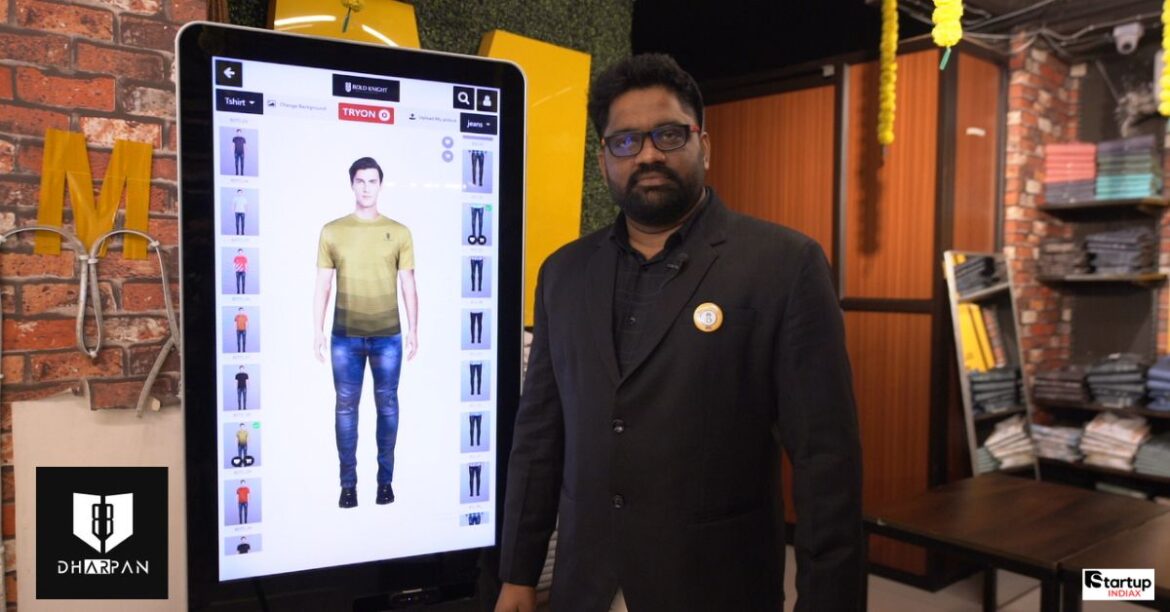
Dharpan.ai’s 6-Foot smart mirrors are changing how India shops in 2025
AdvertisingAIDigitalEcomStartupTechnology

Dharpan.ai’s 6-Foot smart mirrors are changing how India shops in 2025

by Aalam Rohile May 24, 2025
3 min read

Dharpan.ai’s smart mirrors are changing how India shops, blending cutting-edge technology with the joy of fashion retail. Imagine walking into a store, standing in front of a sleek 6-foot mirror, and trying on dozens of outfits in seconds—no cramped trial rooms, no hassle. This Hyderabad-based startup, founded in 2022 by Naveen Kumar, is redefining the shopping experience with its AI-powered smart mirrors and virtual trial rooms. At Startup INIDAX, we’re excited to dive into how Dharpan.ai is transforming fashion retail in India and beyond, offering immersive, instant try-on experiences both in-store and online. This article explores the technology, impact, and future of Dharpan.ai’s smart mirrors, showcasing why they’re a game-changer for shoppers and retailers alike.

What Are Smart Mirrors, and Why Are They a Game-Changer?

Smart mirrors are no ordinary reflective surfaces. These high-tech devices, like the ones developed by Dharpan.ai, combine augmented reality (AR), artificial intelligence (AI), and real-time inventory tracking to create a seamless shopping experience. Unlike traditional mirrors, smart mirrors let customers virtually try on clothes, switch colors, and check sizes without physically changing. According to a 2023 report, the global smart mirror market grew from $2.82 billion in 2022 to $3.28 billion in 2023, with projections to hit $5.58 billion by 2027, driven by innovations like Dharpan.ai’s.

Dharpan.ai’s 6-Foot smart mirrors are changing how India shops in 2025
Credit – Dharpan.ai

For Indian shoppers, this means no more waiting for trial rooms or dealing with size mismatches. Smart mirrors are changing how India shops by making the process faster, more engaging, and personalized. Retailers benefit too—fewer returns, better inventory management, and happier customers. At Startup INIDAX, we see this as a perfect blend of technology and convenience, addressing pain points that have plagued fashion retail for years.

Dharpan.ai’s Journey: From Boldknight to Fashion Tech Pioneer

The story of Dharpan.ai begins with its founder, Naveen Kumar, a second-time entrepreneur who knows the fashion retail game inside out. In 2021, Kumar launched Boldknight, a menswear brand with stores in Mumbai and Hyderabad. While Boldknight gained traction, Kumar faced common retail challenges: slow trial room turnover, customer indecision, and inventory mismatches. These pain points inspired him to pivot to technology, founding Dharpan.ai in 2022 to tackle these issues head-on.

Based at IIM Kozhikode and AIC Nalanda, Dharpan.ai is a B2B fashion tech startup that builds its hardware and software in-house. Unlike many competitors relying on third-party AI, Dharpan.ai’s proprietary algorithms power its smart mirrors, ensuring quality and control. This dedication to innovation has earned them a valuation of Rs 65 crore, despite being bootstrapped with just Rs 25 lakh in government grants. Kumar’s journey from retailer to tech innovator showcases the kind of expertise and vision that Startup INIDAX celebrates in India’s startup ecosystem.

How Dharpan.ai’s Smart Mirrors Work: The Tech Behind the Magic

At the heart of Dharpan.ai’s smart mirrors is a custom-built algorithm that scans and renders garments in just 2.5 seconds. Picture this: you stand in front of a 6-foot smart mirror placed near a store’s entrance, select an outfit on the touchscreen, and see it superimposed on your reflection. You can switch colors, sizes, or styles with a tap, all while the mirror tracks real-time inventory to ensure what you see is available.

For online shoppers, Dharpan.ai offers a virtual trial room solution. Customers upload a photo or use a preset avatar to try on clothes digitally, receiving notifications when new stock arrives. “It’s like a virtual fitting room in your pocket,” says Kumar. This seamless integration of AR and AI reduces decision fatigue and makes shopping fun. At Startup INIDAX, we’re impressed by how Dharpan.ai combines hardware (sleek mirrors) and software (intuitive apps) to create a truly phygital—physical plus digital—experience.

The Impact: How Smart Mirrors Are Changing How India Shops

Smart mirrors are changing how India shops by addressing key pain points. For customers, the instant try-on feature eliminates the hassle of physical trial rooms, which is a game-changer in India’s bustling retail scene. A 2023 study found that 60% of shoppers abandon purchases due to long trial room waits or size issues—Dharpan.ai solves this with its 2.5-second try-on and real-time sizing recommendations.

Retailers see tangible benefits too. Dharpan.ai’s smart mirrors reduce returns by letting customers make confident choices. They also double as live stock-trackers, ensuring stores never oversell unavailable items. Since launching in 2023 with brands like Monte Carlo and My Perfect Fit, Dharpan.ai has grown to serve 17 clients across India, Australia, and Singapore. This rapid adoption proves that smart mirrors are changing how India shops, and Startup INIDAX sees this as a sign of India’s growing appetite for tech-driven retail solutions.

Global Reach: Dharpan.ai’s Expansion Beyond India

Dharpan.ai’s vision goes beyond India’s borders. In 2023, the startup partnered with Glam You Up, a regional marketing firm, to introduce its smart mirrors to European brands like Nunalie, Tombolini, and Roberta Biagi. Seven European retailers are piloting the mirrors, with some willing to pay €1,500 per month for the technology. This global interest highlights the universal appeal of smart mirrors in transforming retail.

With a lean team of seven, including two dedicated engineers, Dharpan.ai is proving that Indian startups can compete on the world stage. Their focus on in-house technology gives them an edge in a competitive market, where giants like Amazon and Sephora are also experimenting with smart mirrors. At Startup INIDAX, we’re thrilled to see an Indian company like Dharpan.ai leading the charge in global fashion tech.

The SaaS Shift: Making Smart Mirrors Accessible to All

Initially, Dharpan.ai sold its smart mirrors for Rs 5 lakh each, with a 5% annual maintenance fee. While effective for large retailers, this model was a barrier for smaller stores. In response, Dharpan.ai pivoted to a SaaS model in 2024, offering subscriptions at Rs 25,000 per month per store (up to 500 product uploads) or Rs 35,000 for multi-store deployments. This shift has made smart mirrors accessible to standalone boutiques and mid-sized retailers, democratizing access to cutting-edge technology.

“The SaaS model is a game-changer,” Kumar says. “Retailers can test, adapt, and scale without heavy upfront costs.” This flexibility is key in India, where small and medium-sized retailers dominate the market. By lowering the entry barrier, Dharpan.ai ensures that smart mirrors are changing how India shops across all retail segments.

Why Dharpan.ai Stands Out in the Fashion Tech Space

In a crowded field of smart mirror providers, Dharpan.ai shines for several reasons. First, their proprietary algorithm sets them apart from competitors relying on third-party AI. This control ensures consistent performance and protects their intellectual property. Second, their focus on both in-store and online experiences creates a truly phygital retail model, aligning with the growing trend of omnichannel shopping.

Moreover, Dharpan.ai’s customer-centric approach—offering personalized sizing recommendations and new stock alerts—enhances engagement and loyalty. Their mirrors also act as brand ambassadors, displaying ads and promotions during downtime, adding value for retailers. At Startup INIDAX, we believe Dharpan.ai’s blend of innovation and practicality makes it a leader in India’s fashion tech revolution.

The Future of Shopping with Dharpan.ai’s Smart Mirrors

Looking ahead, Dharpan.ai aims to create the world’s first phygital store, seamlessly blending physical and digital shopping. Imagine a store where smart mirrors not only let you try on clothes but also suggest outfits based on your past purchases, powered by AI-driven analytics. With India’s retail market projected to reach $1.1 trillion by 2027, smart mirrors are changing how India shops by paving the way for smarter, more sustainable retail.

Dharpan.ai is also exploring integrations with metaverse platforms, allowing customers to try on clothes in virtual worlds. This forward-thinking approach positions them at the forefront of retail innovation. As Kumar puts it, “We’re not just transforming shopping; we’re revolutionizing the entire experience.” Startup INIDAX sees this as a glimpse into the future of fashion retail, where technology and personalization reign supreme.

Conclusion: A New Era for Indian Retail

Dharpan.ai’s 6-foot smart mirrors are revolutionizing how India shops in 2025, bringing speed, convenience, and personalization to fashion retail. By addressing pain points like trial room delays and size mismatches, Dharpan.ai is making shopping delightful for customers and profitable for retailers. Their global expansion and innovative SaaS model show that Indian startups can lead the world in tech-driven solutions. At Startup INIDAX, we’re excited to watch Dharpan.ai shape the future of retail, one smart mirror at a time. Whether you’re a shopper tired of trial room hassles or a retailer looking to boost sales, Dharpan.ai’s smart mirrors are the answer.

May 24, 2025 0 comments 335 views
FacebookTwitterLinkedinWhatsapp
PM E-DRIVE
NewsEVPolitics

PM E-DRIVE: India’s Bold Push for 10,900 Electric Buses to Transform Delhi and Beyond

by Ismail Patel May 24, 2025
3 min read

PM E-DRIVE, India’s ambitious electric vehicle initiative, is set to revolutionize public transport by deploying 10,900 electric buses in Delhi and other major cities like Bengaluru and Hyderabad. This article explores the scheme’s goals, its impact on urban mobility, environmental benefits, and challenges, while highlighting how startups like those featured on Startup INIDAX are driving innovation in the EV ecosystem. From subsidies to charging infrastructure, we dive into how PM E-DRIVE aims to make India’s cities cleaner and greener.

Table of Contents

  • Introduction: A Green Leap Forward with PM E-DRIVE
  • What is the PM E-DRIVE Scheme?
  • Why 10,900 Electric Buses Matter for Delhi
  • How PM E-DRIVE is Transforming Other Cities
  • The Role of Startups in the EV Revolution
  • Challenges in Deploying 10,900 Electric Buses
  • Environmental and Economic Benefits of PM E-DRIVE
  • The Future of Electric Mobility in India
  • Conclusion: A Cleaner, Greener Tomorrow

Introduction: A Green Leap Forward with PM E-DRIVE

Imagine hopping onto a quiet, eco-friendly bus in the heart of Delhi, knowing you’re contributing to a cleaner planet. That’s the vision behind PM E-DRIVE, a game-changing initiative by the Indian government to roll out 10,900 electric buses across major cities, with Delhi leading the charge. This isn’t just about swapping diesel buses for electric ones—it’s about reimagining urban mobility, cutting pollution, and fostering innovation in India’s startup ecosystem. Platforms like Startup INIDAX have been buzzing with stories of EV startups rising to meet this demand, and PM E-DRIVE is their moment to shine.

What is the PM E-DRIVE Scheme?

PM E-DRIVE, or Pradhan Mantri Electric Drive Revolution in Innovative Vehicle Enhancement, is India’s latest push to electrify public transport. Launched as a successor to the FAME scheme, it’s a Rs. 10,900 crore initiative aimed at accelerating EV adoption. The plan includes subsidies for electric buses, charging infrastructure, and support for manufacturers and operators.

The government’s decision to deploy 10,900 electric buses is a cornerstone of this scheme. Delhi, with its notorious air pollution, is a primary beneficiary, but cities like Bengaluru, Hyderabad, and Ahmedabad are also in line for a green makeover. The scheme offers financial incentives to state transport corporations and private operators, making electric buses more affordable than their diesel counterparts.

Why does this matter? For one, it’s a massive step toward reducing India’s carbon footprint. Plus, it’s a signal to innovators and startups—many featured on Startup INIDAX—that the government is serious about supporting the EV ecosystem. From battery tech to charging solutions, PM E-DRIVE is opening doors for new players to disrupt the market.

Why 10,900 Electric Buses Matter for Delhi

Delhi’s air quality is no secret—it’s often among the world’s most polluted cities. With over 7,000 diesel buses clogging its roads, the shift to 10,900 electric buses under PM E-DRIVE is a breath of fresh air (literally). These buses will replace older, polluting vehicles, slashing emissions and improving public health.

But it’s not just about the environment. Electric buses are quieter, making commutes more pleasant for passengers and reducing noise pollution in Delhi’s bustling streets. They’re also cheaper to run in the long term, thanks to lower fuel and maintenance costs. For Delhiites, this means more reliable, affordable, and eco-friendly public transport.

The government is also investing in charging infrastructure to support these buses. By 2030, Delhi aims to have a network of fast-charging stations across the city, ensuring buses stay on the move. This is where startups come in—many featured on Startup INIDAX are developing innovative charging solutions and battery-swapping tech to keep these buses running efficiently.

How PM E-DRIVE is Transforming Other Cities

Delhi isn’t the only city getting a green upgrade. PM E-DRIVE’s 10,900 electric buses will also roll out in cities like Bengaluru, Hyderabad, and Ahmedabad, each grappling with its own pollution and traffic challenges. Bengaluru, for instance, plans to add 1,400 electric buses to its fleet, while Hyderabad is eyeing 1,000.

Each city has unique needs, but the goal is the same: cleaner air and better public transport. In Bengaluru, known for its tech-savvy population, electric buses align perfectly with the city’s startup culture. Hyderabad, with its rapid urbanization, sees PM E-DRIVE as a way to manage growing transport demands sustainably. Ahmedabad, already a leader in bus rapid transit systems, will use electric buses to enhance its eco-friendly credentials.

In line with Hon’ble PM Shri @narendramodi’s vision of achieving Net Zero by 2070 and promoting clean, green urban transport across India, Union Minister Shri @hd_kumaraswamy has approved the rollout of electric buses under the PM E-DRIVE Scheme, which aims to deploy 14,028… pic.twitter.com/i2gzvUjrgc

— Ministry of Heavy Industries (@MHI_GoI) May 23, 2025

These cities are also learning from Delhi’s playbook, collaborating with EV startups to build charging networks and optimize bus operations. Platforms like Startup INIDAX are showcasing how local innovators are stepping up, from designing smart fleet management systems to creating affordable EV components.

The Role of Startups in the EV Revolution

India’s EV revolution wouldn’t be possible without its vibrant startup ecosystem. Platforms like Startup INIDAX are highlighting how companies like Tata Motors, Olectra Greentech, and newer players like Eka Mobility are driving the electric bus boom. These startups are not just manufacturing buses but also innovating in areas like battery technology, charging infrastructure, and fleet management software.

For example, startups are developing high-capacity batteries that allow buses to travel longer distances on a single charge. Others are creating modular charging stations that can be deployed in crowded urban areas. These innovations are critical to making PM E-DRIVE’s 10,900 electric buses a reality.

The government is also incentivizing startups through subsidies and grants under PM E-DRIVE. This support is helping small companies scale up and compete with established players. As Startup INIDAX reports, the EV sector is attracting significant investment, with venture capitalists betting big on India’s green future.

Challenges in Deploying 10,900 Electric Buses

While PM E-DRIVE is a bold step, it’s not without hurdles. Rolling out 10,900 electric buses across multiple cities is a massive logistical challenge. Here are some key issues:

  • Charging Infrastructure: Delhi and other cities need thousands of charging stations to support these buses. Building this infrastructure requires land, investment, and coordination between governments and private players.
  • High Upfront Costs: Even with subsidies, electric buses are more expensive to purchase than diesel ones. Operators need financing support to make the switch.
  • Skilled Workforce: Maintaining and operating electric buses requires specialized training. India’s workforce needs to upskill to meet this demand.
  • Battery Supply: The supply chain for EV batteries is still developing, and reliance on imports could slow things down.

Despite these challenges, the government and startups are working together to find solutions. For instance, Startup INIDAX has covered how companies are experimenting with battery leasing models to reduce upfront costs for operators.

Environmental and Economic Benefits of PM E-DRIVE

The impact of PM E-DRIVE’s 10,900 electric buses goes beyond cleaner air. Here’s a breakdown of the benefits:

  • Environmental Wins: Electric buses produce zero tailpipe emissions, significantly reducing CO2 and particulate matter. In Delhi alone, replacing diesel buses could cut emissions by thousands of tons annually.
  • Economic Savings: Electric buses have lower operating costs, saving state transport corporations millions over time. This could lead to cheaper fares for passengers.
  • Job Creation: The EV ecosystem is creating jobs in manufacturing, maintenance, and charging infrastructure. Startups featured on Startup INIDAX are hiring engineers, technicians, and data scientists to support this growth.
  • Energy Independence: By reducing reliance on fossil fuels, PM E-DRIVE aligns with India’s goal of energy self-sufficiency, especially as renewable energy sources like solar power grow.

These benefits make PM E-DRIVE a win-win for the environment and the economy, positioning India as a leader in sustainable transport.

The Future of Electric Mobility in India

PM E-DRIVE is just the beginning. With 10,900 electric buses hitting the roads, India is laying the foundation for a broader EV revolution. The government plans to expand the scheme to include electric cars, two-wheelers, and even e-rickshaws. By 2030, India aims to have 30% of its vehicles running on electricity.

Startups will play a pivotal role in this future. As Startup INIDAX has reported, companies are already working on next-gen technologies like wireless charging and AI-powered traffic management. These innovations could make electric mobility more efficient and accessible.

For cities like Delhi, the success of PM E-DRIVE could inspire other regions to follow suit. Imagine a future where every major Indian city has a fleet of electric buses, powered by clean energy and supported by homegrown startups. That’s the vision PM E-DRIVE is working toward.

Conclusion: A Cleaner, Greener Tomorrow

PM E-DRIVE’s plan to deploy 10,900 electric buses in Delhi and other cities is more than a policy—it’s a promise of a cleaner, greener India. By tackling pollution, creating jobs, and fostering innovation, the scheme is paving the way for a sustainable future. Startups, as showcased on platforms like Startup INIDAX, are at the heart of this transformation, proving that India’s EV revolution is as much about entrepreneurship as it is about policy.

As these electric buses hit the roads, they’ll carry more than passengers—they’ll carry hope for a better tomorrow.

May 24, 2025 1 comment 275 views
FacebookTwitterLinkedinWhatsapp
Google I/O 2025: 10 Game-Changing Announcements—AI Mode in Chrome, Gemini Live, XR Glasses & More
AITechnology

Google I/O 2025: 10 Game-Changing Announcements—AI Mode in Chrome, Gemini Live, XR Glasses & More

by Aalam Rohile May 23, 2025
3 min read

Google I/O 2025 has set a new benchmark for innovation, with AI Mode in Chrome, Gemini Live, and XR Glasses leading a wave of transformative announcements. This year’s event focused on integrating advanced AI into everyday tools, making technology more personal, proactive, and immersive. With the introduction of Gemini 2.5 Pro, enhanced search experiences, next-gen XR Glasses, and powerful creative tools like Imagen 4 and Veo 3, Google is redefining how we interact with information and the digital world. For startups and tech enthusiasts—especially those following Startup INIDAX—these updates signal a future where AI is not just a feature but the foundation of productivity and creativity.

Gemini 2.5 Pro: The AI Engine Powering Google’s Future

Google’s relentless progress in AI was front and center at I/O 2025. The new Gemini 2.5 Pro model, now the backbone of many Google services, has seen its Elo scores jump over 300 points since the first-generation Gemini Pro, sweeping the LMArena leaderboard in every category. This leap is powered by Google’s seventh-generation TPU, Ironwood, which delivers a staggering 42.5 exaflops per pod—ten times the performance of the previous generation.

Google I/O 2025: 10 Game-Changing Announcements—AI Mode in Chrome, Gemini Live, XR Glasses & More

Gemini 2.5 Pro introduces “Deep Think,” an enhanced reasoning mode that allows the AI to consider multiple hypotheses before responding, making it especially adept at complex math, coding, and research tasks. For users, this means smarter, faster, and more nuanced answers whether you’re searching, coding, or creating.

Key Takeaways:

  • Gemini 2.5 Pro is now the most advanced AI model in Google’s lineup.
  • Ironwood TPUs make AI responses faster and more affordable.
  • Deep Think mode brings expert-level reasoning to everyday queries.

AI Mode in Chrome & Search: Beyond Blue Links

AI Mode in Chrome and Google Search is arguably the most transformative update from I/O 2025. Instead of just listing links, AI Mode delivers deep, conversational answers and can handle follow-up questions, making search more interactive and intelligent than ever.

Personal Context and Privacy:
AI Mode can now tailor results based on your previous searches and, if you opt in, data from other Google apps like Gmail. Planning a trip? AI Mode can suggest restaurants and events based on your preferences and bookings. Importantly, users always control what data is connected, ensuring privacy and transparency.

Data Visualization:
For complex queries—like comparing sports stats or financial trends—AI Mode can generate custom charts and graphs, making data easier to understand and act on.

Deep Search:
A standout feature, Deep Search, uses a “query fan-out” technique, breaking down your question into subtopics and scouring the web for the most relevant answers. It can even generate expert-level research reports with citations in minutes.

Search Live:
Users can now have a real-time, back-and-forth conversation with AI about what’s on their screen or through their camera, blurring the line between search and smart assistant.

Rollout:
AI Mode is rolling out to all users in the US, with new features coming to Labs users soon

Gemini Live: Real-Time AI Assistance for Everyone

Gemini Live, now free for all Android and iOS users, takes AI assistance to a new level. You can point your phone at anything—like a broken appliance or a menu in a foreign language—and get real-time help. With camera and screen sharing, Gemini Live offers longer, more engaging conversations than traditional text-based chatbots.

Integration with Google Ecosystem:
Gemini Live is becoming more deeply integrated with Google Maps, Calendar, Tasks, and Keep. For example, you can plan an event in a chat and have it instantly added to your calendar. This seamless connection turns Gemini Live into a true digital assistant for daily life.

For Students:
Students in select countries get a free year of Google AI Pro, making advanced AI tools more accessible for learning and research

Imagen 4 & Veo 3: Next-Gen Image and Video Generation

Google’s new creative tools, Imagen 4 and Veo 3, are built into the Gemini app and set new standards for image and video generation.

  • Imagen 4 produces lifelike images with better text rendering and faster output, ideal for presentations, social media, and creative projects.
  • Veo 3 is a state-of-the-art video generator that can create not just visuals but also sound effects, background noises, and character dialogue from simple prompts.

These tools empower creators, marketers, and startups—like those at Startup INIDAX—to bring their ideas to life with unprecedented ease and realism.

XR Glasses and Project Aura: Android Steps Into Augmented Reality

One of the most exciting hardware reveals at Google I/O 2025 was Project Aura, a collaboration between Google and Xreal to create AI-powered Android XR Glasses. These glasses use optical see-through technology with a wide 70-degree field of view, making augmented reality more immersive and practical.

Key Features:

  • Make search queries and get answers directly in your field of vision.
  • Superimpose maps and translate text in real time.
  • Built on Qualcomm’s Snapdragon XR chipset for optimized spatial computing.

Google is partnering with brands like Gentle Monster and Warby Parker to bring stylish, functional XR eyewear to consumers. Project Aura is just the beginning, with more details coming at the Augmented World Expo and a mixed reality headset (Project Moohan) with Samsung on the horizon

Deep Research & Canvas: Smarter Creation and Learning Tools

Gemini’s Deep Research and Canvas features received major updates, unlocking new ways to analyze information, create podcasts, and even build websites or apps with simple prompts. These tools are designed to help users—especially students and creators—move from idea to execution faster.

  • Deep Research: Generate expert-level reports with citations in minutes.
  • Canvas: Collaborate, brainstorm, and build projects visually within the Gemini app.

Google AI Ultra & Pro Plans: New Access, New Experiences

For power users, Google introduced the AI Ultra premium plan, offering higher rate limits and early access to new Gemini features. The Pro plan remains available for students and professionals who want advanced capabilities without the higher price tag.

  • AI Ultra: Designed for pioneers and heavy users.
  • Pro Plan: Free for students in select countries, supporting education and research.

Integration Across the Google Ecosystem

A recurring theme at I/O 2025 is the deep integration of AI across Google’s products. From Chrome to Maps, Calendar, and even Gmail, AI is becoming the connective tissue that makes every app smarter and more helpful. This ecosystem approach ensures that users—whether individuals or startups like those at Startup INIDAX—can leverage AI wherever they work or play.

What This Means for Startups and Innovators (with Startup INIDAX Insights)

For startups, tech founders, and the Startup INIDAX community, Google I/O 2025’s announcements are a treasure trove of opportunities. The combination of powerful AI models, accessible creative tools, and immersive hardware like XR Glasses means that building innovative products is faster and more affordable than ever.

Opportunities for Startups:

  • Build smarter apps using Gemini 2.5 Pro’s APIs.
  • Integrate AI Mode for next-gen search experiences.
  • Leverage XR Glasses for unique AR applications in retail, education, and entertainment.
  • Use Imagen 4 and Veo 3 for standout marketing and content creation.

Startup INIDAX will be tracking these trends closely, offering insights and resources for founders looking to ride the next wave of AI-driven innovation.

Conclusion: The Future of AI is Here

Google I/O 2025 has made it clear: AI is not just an add-on, but the core of Google’s vision for the future. With Gemini 2.5 Pro, AI Mode in Chrome, Gemini Live, XR Glasses, and a suite of creative and research tools, Google is setting the stage for a smarter, more connected world. For users, creators, and startups—especially those in the Startup INIDAX network—now is the time to explore, experiment, and innovate with these powerful new tools.

Frequently Asked Questions

1. What is AI Mode in Chrome and how does it work?
AI Mode in Chrome transforms traditional search into an interactive, AI-driven experience. Powered by Gemini 2.5 Pro, it provides detailed answers, handles follow-up questions, and generates expert-level research reports using a “query fan-out” technique (breaking queries into subtopics and scanning hundreds of sources). It also offers real-time visual assistance via camera (Search Live) and personalized results based on your Google app data (with privacy controls).

2. How does Gemini Live differ from other AI assistants?
Gemini Live combines real-time camera/screen sharing with deep integration into Google’s ecosystem (Maps, Calendar, Tasks). Unlike text-based chatbots, it offers extended conversations, contextual help (e.g., translating menus or troubleshooting appliances), and a free tier for all Android/iOS users. Students in select regions also get a free Google AI Pro subscription.

3. What are the main features of Google’s XR Glasses?

  • Optical see-through display with 70° field of view for immersive AR.
  • Qualcomm Snapdragon XR chipset for spatial computing.
  • Gemini integration for real-time translation, navigation, and context-aware assistance.
  • Stylish designs via partnerships with Xreal, Gentle Monster, and Warby Parker.

4. How can startups use Gemini 2.5 Pro APIs?
Startups can build AI-driven apps using Gemini 2.5 Pro’s advanced reasoning and multimodal capabilities. The Gemini API supports:

  • URL Context: Pull data directly from web links.
  • Model Context Protocol (MCP): Integrate open-source tools.
  • GenAI SDK: Generate web apps from text/image prompts.

5. What’s new in Imagen 4 and Veo 3 for creators?

  • Imagen 4: Faster, photorealistic image generation with accurate text rendering.
  • Veo 3: Generates videos with sound effects, dialogue, and physics-accurate motion. Both include SynthID watermarks for authenticity.

6. When will Project Aura XR Glasses be available?
Google hasn’t announced a release date but confirmed partnerships with Xreal and Samsung. Details will emerge at the Augmented World Expo, with user testing ongoing.

7. What is the Google AI Ultra plan and who is it for?
The AI Ultra plan offers early access to Gemini’s latest features (e.g., Veo 3), higher rate limits, and priority support. It’s designed for developers, enterprises, and heavy users in the US.

8. How does Deep Search in AI Mode improve research?
Deep Search automates hours of research by issuing hundreds of sub-queries, synthesizing data, and generating fully cited reports in minutes. Ideal for academic or technical topics.

9. How is Google integrating AI across its ecosystem?
AI now underpins Chrome, Maps, Calendar, Gmail, and Android XR, enabling seamless tasks like event planning, real-time translation, and context-aware suggestions. Gemini acts as a unified assistant across devices.

10. What opportunities do these announcements create for startups?
Startups (like those in the Startup INIDAX network) can:

  • Develop AR apps using XR Glasses’ SDK.
  • Enhance search experiences with AI Mode APIs.
  • Create marketing content via Imagen 4/Veo 3.
  • Build AI agents with Gemini 2.5 Pro’s reasoning

May 23, 2025 1 comment 423 views
FacebookTwitterLinkedinWhatsapp
Data Sutram Secures $9
FinanceStartup

Data Sutram Secures $9 Mn to Skyrocket BFSI with Game-Changing Fraud Detection

by Ismail Patel May 23, 2025
3 min read

Imagine a world where banks can spot a fraudster before they even open an account. That’s the kind of future Data Sutram is building, and their recent $9 million Series A funding is a big step toward it. Co-led by Lightspeed Venture Partners and B Capital, this funding round is set to turbocharge Data Sutram’s mission to offer fraud detection services to the BFSI (Banking, Financial Services, and Insurance) sector. As reported by Startup INIDAX, the Kolkata-based B2B SaaS startup is using AI to tackle one of the biggest challenges in finance today—fraud. With plans to expand their tools and reach, Data Sutram is poised to make waves not just in banking but in industries like cryptocurrency and e-commerce too. Let’s break down why this matters and what’s next for this exciting startup.

Table of Contents

  • Who Is Data Sutram?
  • The Growing Need for Fraud Detection Services in BFSI
  • How Data Sutram’s AI Tools Are Tackling Fraud
  • What’s Next for Data Sutram with the $9 Mn Funding?
  • Financial Performance and Challenges
  • Expanding Beyond BFSI: New Industries in Focus
  • The Future of Fraud Detection in India
  • Conclusion: Data Sutram’s Bright Path Ahead

Who Is Data Sutram?

Founded in 2018 by three college friends—Rajit Bhattacharya, Ankit Das, and Aisik Paul—Data Sutram started with a simple yet bold idea: use data to outsmart fraudsters. Based in Kolkata, the startup has quickly become a trusted name in the BFSI sector, serving heavyweights like HDFC Bank, Axis Bank, Tata Capital, and Amazon Pay.

Data Sutram Secures $9 Mn to Skyrocket BFSI with Game-Changing Fraud Detection
Founders – Data Sutram

Their flagship product, DS Authenticate, is an AI-powered tool that ensures secure customer onboarding by flagging suspicious activities. By pulling data from over 250 sources, Data Sutram creates a “Trust Score” that helps banks decide who’s legit and who’s not. Their other products—DS Find, DS Markets, and DS Collect—focus on customer acquisition, market insights, and cross-selling opportunities, making them a one-stop shop for data-driven growth. With a team of around 65, Data Sutram is proving that small teams can make a big impact, as highlighted by Startup INIDAX.

The Growing Need for Fraud Detection Services in BFSI

Fraud in the BFSI sector isn’t just a small problem—it’s a massive headache. From mule accounts to identity theft, fraud cases have spiked in recent years. According to the Reserve Bank of India, digital payment frauds hit a peak in FY23, costing banks billions. Non-performing assets (NPAs) in NBFCs are also at alarming levels, pushing the need for smarter fraud detection services. As financial services go digital, fraudsters are getting bolder and more tech-savvy, using phishing, malware, and social engineering to exploit vulnerabilities. This is where startups like Data Sutram step in. Their AI-driven approach is a lifeline for banks struggling to keep up with these evolving threats. By offering fraud detection services that analyze vast datasets in real-time, Data Sutram helps institutions stay one step ahead of the bad guys.

How Data Sutram’s AI Tools Are Tackling Fraud

What makes Data Sutram stand out? It’s their knack for turning raw data into actionable insights. Their platform blends structured and unstructured data from over 250 sources—think satellite imagery, IoT sensors, and even social media activity (with user consent, of course). This data fuels their AI and machine learning models, which spot anomalies like unusual transaction patterns or logins from odd locations. Their flagship DS Authenticate tool, for instance, has reduced fraud cases by 45% for clients like HDFC Bank and Axis Bank. It’s not just about catching fraud after it happens; Data Sutram’s tools predict and prevent it, saving banks time, money, and reputation. As Startup INIDAX notes, this kind of innovation is why Data Sutram is a leader in offering fraud detection services to the BFSI sector.

What’s Next for Data Sutram with the $9 Mn Funding?

Data Sutram Bags $9 Mn, and they’re not sitting still. The startup plans to use the fresh capital to supercharge its fraud detection tools and expand its reach. According to CEO Rajit Bhattacharya, the funds will help enhance DS Authenticate and other products, making them even more effective at spotting fraud. But that’s not all—they’re also eyeing new industries like cryptocurrency, real-time payments, gaming, e-commerce, quick commerce, and insurance. These sectors are high-risk for fraud, and Data Sutram’s AI expertise could be a game-changer. The company also plans to grow its team, currently at 65, to bring in more talent to fuel innovation. Plus, they’re looking to expand globally, targeting markets in the Gulf and Southeast Asia. This funding, as covered by Startup INIDAX, is a springboard for Data Sutram to scale up and stand out.

Financial Performance and Challenges

Data Sutram’s growth story is impressive, but it’s not without hurdles. In FY24, their standalone operating revenue grew 23% to INR 5.4 Cr, up from INR 4.4 Cr the previous year. However, their net loss more than doubled to INR 10.83 Cr from INR 4.75 Cr in FY23. CEO Bhattacharya is optimistic, though, claiming the company has reduced losses in FY25 and is on track to break even within a year. This financial snapshot shows the high-stakes world of startups—growth comes with costs, but Data Sutram’s focus on fraud detection services could pave the way for profitability. For investors reading Startup INIDAX, this mix of revenue growth and strategic planning makes Data Sutram a startup to watch.

Expanding Beyond BFSI: New Industries in Focus

While Data Sutram has made its name in BFSI, the $9 million funding opens doors to new sectors. Cryptocurrency, for example, is a hotbed for fraud, with scams costing billions globally. Data Sutram’s AI tools, already proven in banking, could help crypto platforms verify users and flag suspicious transactions. Similarly, e-commerce and quick commerce face issues like fake accounts and return fraud, which Data Sutram’s DS Authenticate can tackle. Gaming and insurance are also on their radar, as these industries deal with complex fraud patterns. By diversifying, Data Sutram is positioning itself as a versatile player in the fraud detection space, a trend Startup INIDAX is excited to track. This expansion could redefine how high-risk industries manage fraud, making Data Sutram a go-to solution provider.

The Future of Fraud Detection in India

The rise of digital banking and fintech in India has made fraud detection a top priority. With cybercrimes like phishing and malware becoming more sophisticated, traditional methods aren’t enough. Data Sutram’s AI-powered approach is part of a broader trend where startups are stepping up to fill the gap. Other players like IDfy and Bureau are also making waves, but Data Sutram’s focus on blending diverse data sources sets it apart. As India’s BFSI sector grows, tools like DS Authenticate will be critical in building trust and security. The $9 million funding gives Data Sutram the resources to lead this charge, and Startup INIDAX will be watching to see how they shape the future of fraud prevention.

Conclusion: Data Sutram’s Bright Path Ahead

Data Sutram Bags $9 Mn, and the future looks promising. With their AI-driven fraud detection services, they’re not just helping banks—they’re redefining how industries tackle fraud. From strengthening DS Authenticate to entering new sectors like cryptocurrency and e-commerce, Data Sutram is on a mission to make the digital world safer. Their growth, backed by top-tier investors, shows the power of innovation in solving real problems. As they scale up and aim for profitability, Data Sutram is a startup to watch, and Startup INIDAX is proud to spotlight their journey. Whether you’re a founder, investor, or just curious about tech, Data Sutram’s story is one of ambition, impact, and endless potential.

May 23, 2025 3 comments 269 views
FacebookTwitterLinkedinWhatsapp
Newer Posts
Older Posts

Follow Us

Facebook Twitter Instagram

Recent Posts

  • Breaking: Gemini Signs Three Years IPL Sponsorship Deal Worth Rs 270 Crore for IPL 2026

  • Startup India Seed Fund Scheme Incubators: How to Apply Now

  • Startup Application Rejection Rate Hits 67% – Avoid These Mistakes

  • Starting a Small Business in India in 2026? Here’s Your Complete Investment, Execution Plan

  • India’s Bionic Arm Breakthrough: 72kg Capacity at 10% Global Price

Newsletter

Subscribe my Newsletter for new blog posts, tips & new photos. Let's stay updated!

Categories

  • Advertising (2)
  • Agritech (3)
  • AI (63)
  • AI & DeepTech (26)
  • AI Tools (18)
  • Automobile (15)
  • Beauty & Wellness (3)
  • Bootstrapped Wins (3)
  • Crowdfunding Hub (1)
  • Debt Financing (1)
  • Digital (31)
  • Ecom (12)
  • EV (31)
  • Failure Lessons (1)
  • Fashion & Lifestyle (1)
  • Finance (36)
  • Fintech (6)
  • FoodTech (6)
  • Funding (17)
  • Government Schemes (12)
  • Green Energy (8)
  • HealthTech (4)
  • Investor Directory (1)
  • News (174)
  • Politics (12)
  • Real State (1)
  • Science (13)
  • Startup (150)
  • Startup Learning (12)
  • Startup Stories (14)
  • Technology (84)
  • Unicorn Journeys (4)
  • Women Entrepreneurs (6)

About Us

Startup IndiaX is a digital media platform covering India’s startup ecosystem. We bring you the latest news, founder stories, funding updates, and tech innovations.

Facebook Instagram Twitter Youtube

Featured

Startup India Seed Fund Scheme Incubators: How to Apply Now
January 2, 2026
Startup Application Rejection Rate Hits 67% – Avoid These Mistakes
December 30, 2025
Starting a Small Business in India in 2026? Here’s Your Complete Investment, Execution Plan
December 27, 2025

@2025 – All Right Reserved. 

  • Home
  • About Us
  • Privacy Policy
  • Contact
startupindiax.com
  • Home
  • News
  • Startup
  • Funding
  • Startup Stories
  • Sectors
    • Finance
    • Agritech
    • AI & DeepTech
    • Fintech
    • Green Energy
    • HealthTech
    • EV
    • Digital
    • Automobile