startupindiax.com
  • Home
  • News
  • Startup
  • Funding
  • Startup Stories
  • Sectors
    • Finance
    • Agritech
    • AI & DeepTech
    • Fintech
    • Green Energy
    • HealthTech
    • EV
    • Digital
    • Automobile
startupindiax.com
SUBSCRIBE
Sunday, January 25, 2026
  • Home
  • News
  • Startup
  • Funding
  • Startup Stories
  • Sectors
    • Finance
    • Agritech
    • AI & DeepTech
    • Fintech
    • Green Energy
    • HealthTech
    • EV
    • Digital
    • Automobile
startupindiax.com
startupindiax.com
  • Home
  • About Us
  • Privacy Policy
  • Contact

@2025 - All Right Reserved.

paytm CEO
DigitalFinanceNewsStartup

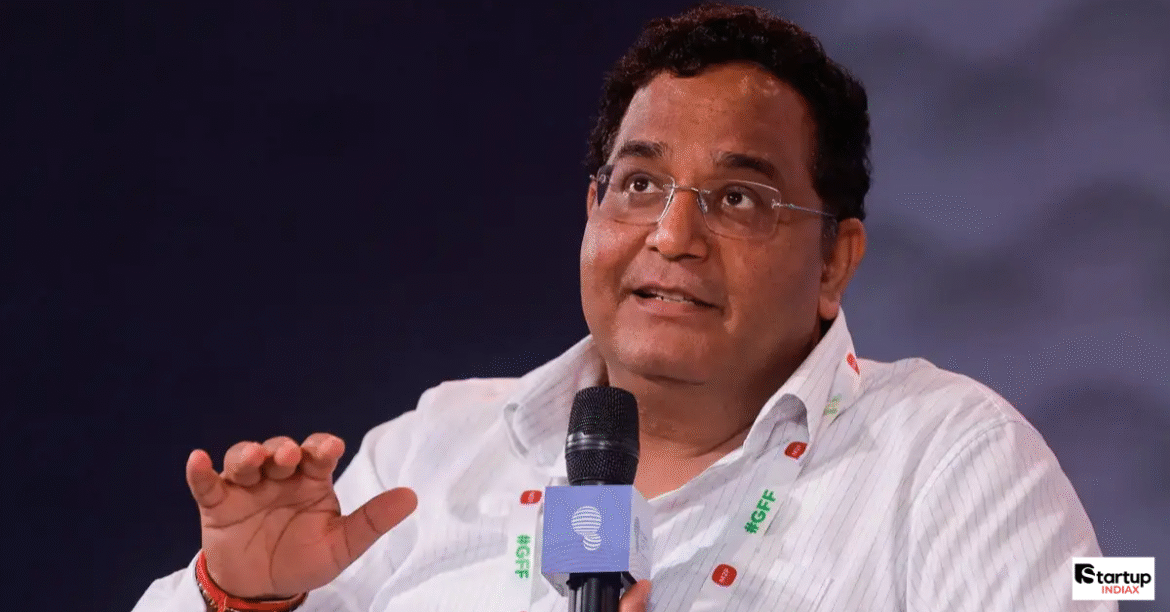
Paytm CEO Gets Scam Texts: A Hilarious Yet Serious Tale of Impersonation

by Ismail Patel May 23, 2025
3 min read

Paytm CEO gets scam texts in a bizarre incident that left the internet in stitches! In this article, we dive into the hilarious yet cautionary tale of Vijay Shekhar Sharma, the founder and CEO of Paytm, who received scam messages from a fraudster impersonating him. Shared on X on May 21, 2025, this incident highlights the audacity of scammers and the growing threat of digital impersonation. We’ll explore the details of the scam, Sharma’s witty response, the reactions from netizens, and what this means for cybersecurity in India’s startup ecosystem. From Startup INIDAX, this blog breaks down the event, its implications, and tips to stay safe from such scams, blending humor with a serious message about digital vigilance.

Table of Contents

  • A Scam Text That Took the Internet by Storm
  • What Exactly Happened with Paytm CEO Vijay Shekhar Sharma?
  • Vijay Shekhar Sharma’s Witty Response to the Scam
  • Netizens React: From Memes to Cybersecurity Warnings
  • The Bigger Picture: Rising Impersonation Scams in India
  • Why Scammers Target High-Profile Figures Like Paytm’s CEO
  • How to Protect Yourself from Impersonation Scams
  • Conclusion: A Funny Yet Serious Reminder

A Scam Text That Took the Internet by Storm

Imagine getting a WhatsApp message from yourself, asking you to save your own “new number.” Sounds like a plot twist from a Bollywood thriller, right? Well, that’s exactly what happened to Paytm CEO Vijay Shekhar Sharma on May 21, 2025, when a scammer, posing as him, tried to pull off a daring scam. The audacity of the attempt, coupled with Sharma’s cheeky response, turned this incident into a viral sensation on X, sparking laughter and serious discussions about cybersecurity. At Startup INIDAX, we’re diving into this bizarre story to uncover what happened, why it matters, and how you can stay safe from similar scams.

This isn’t just a funny anecdote—it’s a wake-up call. Impersonation scams are on the rise, and even high-profile figures like the Paytm CEO aren’t immune. From the hilarious reactions on social media to the deeper implications for India’s digital landscape, this blog covers it all. Let’s break it down.

Paytm CEO Vijay Shekhar Sharma gets scam texts from 'Vijay Shekhar Sharma'; says, 'Impersonating myself to me' https://t.co/yD49feNPDn

The serious risks of impersonation, especially for high-profile people. pic.twitter.com/wkYrFP3Dow

— Dr Efi Pylarinou (@efipm) May 22, 2025

What Exactly Happened with Paytm CEO Vijay Shekhar Sharma?

On May 21, 2025, Vijay Shekhar Sharma, the founder and CEO of Paytm, took to X to share a screenshot of a WhatsApp conversation that left everyone in splits. The message came from a fraudster who boldly introduced themselves as “Vijay Shekhar Sharma” and asked the real Sharma to save their “new” phone number. The scammer, clearly unaware they were messaging the actual CEO, went on to claim they were in a meeting and needed Sharma to perform certain tasks, including sharing sensitive company information and forwarding a dubious .exe file disguised as a GST document.

The conversation took a comedic turn when Sharma, instead of falling for the scam, played along. He responded in Hindi with, “Absolutely, Sir,” and even cheekily suggested the scammer consider a salary hike. The post, captioned “Impersonating myself to me 🥸,” went viral, amassing thousands of likes, shares, and comments. News outlets like Hindustan Times, News18, and India TV picked up the story, amplifying its reach.

Vijay Shekhar Sharma’s Witty Response to the Scam

What makes this story stand out is Sharma’s quick wit. Instead of ignoring the message or reporting it immediately, he engaged with the scammer in a way that was both humorous and clever. By playing along, he exposed the fraudster’s tactics without revealing sensitive information. His response, “Sir, salary dekh lijiye,” was a masterstroke, turning a potentially dangerous situation into a moment of levity.

This wasn’t just about trolling a scammer. Sharma’s decision to share the exchange on X served a dual purpose: it entertained his followers while highlighting the audacity of impersonation scams. At Startup INIDAX, we admire how Sharma turned a negative experience into a public awareness moment. His approach shows that humor can be a powerful tool to educate others about digital dangers.

Netizens React: From Memes to Cybersecurity Warnings

The internet, as expected, had a field day with this story. X users flooded Sharma’s post with memes and witty comments. One user referenced a popular meme, saying, “Impersonating ka tarika thoda kesual hai,” poking fun at the scammer’s casual approach. Another quipped, “Vijay calling Vijay,” drawing parallels to the Bollywood film Karthik Calling Karthik. Others took a more serious tone, warning about the prevalence of such scams and urging users to stay vigilant.

Comments like “Ask him what cashback you can get on Paytm UPI” and “Bas itna confidence chahiye” captured the mix of humor and disbelief that defined the online reaction. These responses reflect a broader sentiment: while the incident was funny, it underscored a serious issue. Impersonation scams are becoming more sophisticated, and even tech-savvy individuals can be targeted.

The Bigger Picture: Rising Impersonation Scams in India

This isn’t an isolated incident. Impersonation scams have surged in India, with a LocalCircles survey revealing that 42% of WhatsApp users have received fake job offers or scam messages demanding payment. Another 12% reported experiencing impersonation attempts where scammers posed as them to deceive their contacts.

From fake Paytm employees targeting shopkeepers to scammers impersonating army officers, fraudsters are using advanced tactics like fake profiles, malicious links, and even AI-generated content to trick victims. For instance, a Kolkata-based dentist lost money after a scammer posing as an army officer sent a malicious link. Even high-profile figures like YouTube CEO Neal Mohan have been targeted in similar AI-driven scams.

At Startup INIDAX, we’ve been tracking the rise of cyber fraud in India’s startup ecosystem. The Paytm CEO getting scam texts is a stark reminder that no one is safe—not even the head of a ₹55,000 crore fintech giant. This incident highlights the need for stronger cybersecurity measures and greater awareness among users.

Why Scammers Target High-Profile Figures Like Paytm’s CEO

Why would a scammer target someone as prominent as Vijay Shekhar Sharma? The answer lies in the potential payoff. High-profile individuals often have access to sensitive company information, financial resources, and networks that scammers can exploit. By impersonating Sharma, the fraudster likely hoped to gain access to Paytm’s financial details or trick employees into sharing confidential data.

Scammers also rely on the element of surprise. Posing as a trusted figure like a CEO can catch victims off guard, especially in a fast-paced corporate environment. In this case, the scammer’s request for Sharma to forward a .exe file disguised as a GST document was a classic tactic to install malware or steal data. Fortunately, Sharma’s quick thinking thwarted the attempt, but others may not be so lucky.

How to Protect Yourself from Impersonation Scams

The Paytm CEO getting scam texts is a reminder that anyone can be a target. Here are some practical tips to stay safe:

  1. Verify Identities: Always double-check the sender’s contact details. If someone claims to have a “new number,” confirm it through a trusted channel.
  2. Avoid Suspicious Links: Never click on links or download files from unknown sources, especially .exe files that could contain malware.
  3. Use Two-Factor Authentication: Enable 2FA on your accounts to add an extra layer of security.
  4. Report Scams: If you receive a suspicious message, report it to the platform (e.g., WhatsApp) and local authorities.
  5. Stay Informed: Follow trusted sources like Startup INIDAX for updates on cybersecurity trends and scam alerts.

WhatsApp itself has shared guidelines on avoiding scams, emphasizing the importance of not sharing sensitive information like passwords or bank details via text.

Conclusion: A Funny Yet Serious Reminder

The saga of Paytm CEO Vijay Shekhar Sharma getting scam texts is equal parts hilarious and sobering. It’s a testament to the creativity of scammers and the importance of staying vigilant in a digital world. Sharma’s witty response turned a potential threat into a viral moment, but it also shed light on a growing problem. As we laugh at the irony of a scammer impersonating the very person they’re targeting, let’s not forget the bigger lesson: cybersecurity is everyone’s responsibility.

Whether you’re a startup founder, an employee, or a regular user, take this as a reminder to double-check messages, avoid suspicious links, and stay informed. At Startup INIDAX, we’re committed to keeping you updated on such stories and providing actionable insights to navigate the digital landscape safely. Have you ever encountered a scam like this? Share your thoughts in the comments below!
May 23, 2025 0 comments 343 views
FacebookTwitterLinkedinWhatsapp
Tan90’s Rs 20 Crore Funding Ignites Climate-First Cooling Solutions for a Greener Future
Startup

Tan90’s Rs 20 Crore Funding Ignites Climate-First Cooling Solutions for a Greener Future

by Ismail Patel May 22, 2025
3 min read

Tan90’s Rs 20 crore funding marks a pivotal moment for the Indian deeptech startup, empowering it to scale climate-first cooling solutions that address global sustainability challenges. This article dives into Tan90’s innovative Phase Change Materials (PCMs) and Cooling-as-a-Service (CaaS) model, which are transforming cold chain logistics, agriculture, and healthcare. We explore their Series A funding, expansion plans across Tier-II cities and global markets, and their impact on reducing CO₂ emissions. Through Startup INIDAX’s lens, discover how Tan90 is driving a greener future with energy-efficient cooling solutions.

Table of Contents

  • Introduction: Igniting a Sustainable Cooling Revolution
  • Tan90: Pioneering Climate-First Innovation
  • The Funding Breakthrough: Tan90’s Rs 20 Crore Triumph
  • Transforming Industries with Climate-First Cooling
  • The Science of Tan90’s Phase Change Materials
  • Cooling-as-a-Service: A Game-Changing Model
  • Scaling Big: From Tier-II Cities to Global Horizons
  • Why Tan90’s Funding Fuels India’s Deeptech Boom
  • A Bold Vision for a Sustainable Future
  • Conclusion: Tan90’s Spark for a Greener Tomorrow

Introduction: Igniting a Sustainable Cooling Revolution

As global temperatures soar, the demand for sustainable cooling solutions has never been more critical. Tan90, an Indian deeptech startup, is igniting a revolution with its innovative approach to thermal management. Tan90’s Rs 20 crore funding in a Series A round, announced on May 20, 2025, empowers the company to scale climate-first cooling solutions that prioritize energy efficiency and environmental impact. Led by NABVENTURES and supported by Blue Ashva Capital, Capital-A, and 3i Partners, this funding is a game-changer. At Startup INIDAX, we’re thrilled to explore how Tan90’s breakthrough is sparking a greener future for India and beyond.

Tan90: Pioneering Climate-First Innovation

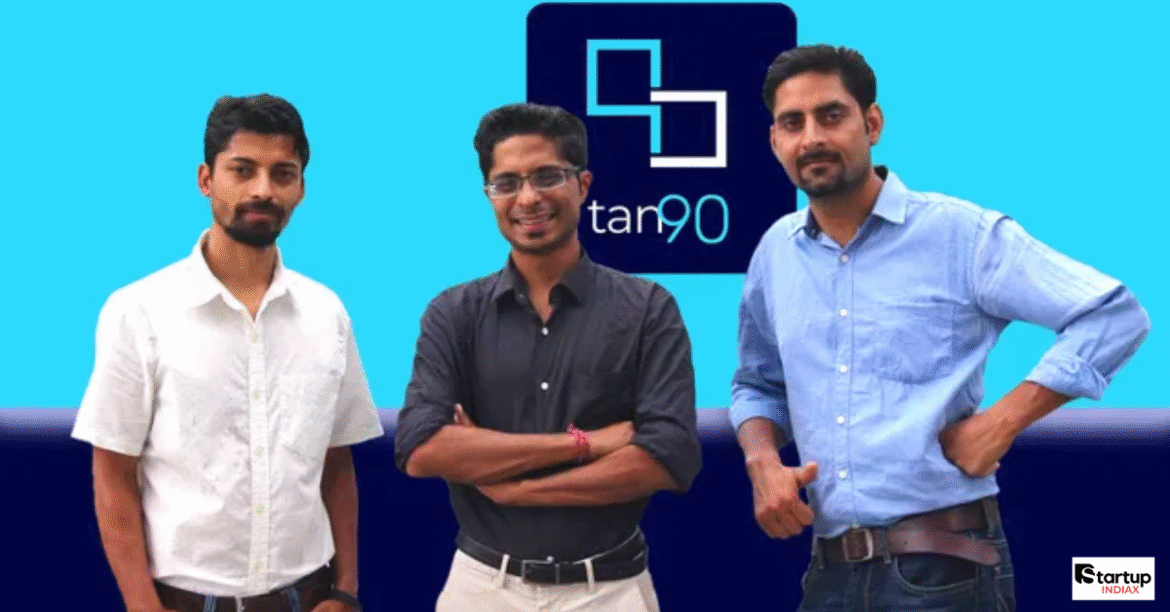
Launched in 2019 by IIT Madras graduates Soumalya Mukherjee, Rajnikant Rai, and Shiv Sharma, Tan90 is a Chennai-based startup redefining cooling technology. Using proprietary Phase Change Materials (PCMs), Tan90 delivers energy-efficient alternatives to traditional, energy-hungry refrigeration systems. Their mission is to transform industries like cold chain logistics, agriculture, and healthcare while drastically reducing carbon emissions.

Tan90’s climate-first cooling solutions have earned praise from the Bureau of Energy Efficiency, UNIDO, and the Department of Biotechnology. Operating across 12 Indian states and serving clients like Zomato Hyperpure, Swiggy Instamart, and Blinkit, Tan90 blends sustainability with profitability. Startup INIDAX views Tan90 as a trailblazer in India’s deeptech ecosystem, turning academic innovation into real-world impact.

The Funding Breakthrough: Tan90’s Rs 20 Crore Triumph

Tan90’s Rs 20 crore funding ($2.35 million) in their Series A round, announced on May 20, 2025, marks a pivotal milestone. Led by NABVENTURES, with participation from Blue Ashva Capital, Capital-A, and 3i Partners, this round builds on their earlier $4.6 million raise from Social Alpha and others, totaling over $6.95 million in funding.

This capital injection will fuel Tan90’s mission to scale climate-first cooling solutions, enabling new product development for cold chains, HVAC systems, and data centers. The startup plans to expand into 10 additional Indian cities, targeting Tier-II markets like Jaipur, Coimbatore, and Kochi, while also exploring international markets in Southeast Asia, the Middle East, and Africa. “This funding ignites our ability to scale climate-first cooling solutions globally,” said co-founder Soumalya Mukherjee in a statement to The Economic Times.

Transforming Industries with Climate-First Cooling

Cooling accounts for nearly 10% of global CO₂ emissions, per the International Energy Agency, with traditional methods like ice and diesel-powered refrigeration exacerbating environmental harm and inefficiencies. Tan90’s climate-first cooling solutions are rewriting this story by offering sustainable, energy-efficient alternatives that reduce waste and costs.

Their Cooling-as-a-Service (CaaS) model lets businesses lease cooling solutions without hefty upfront investments. Active in eight Indian cities with zero customer churn, CaaS is transforming quick-commerce operations for companies like Zomato and Swiggy, enabling efficient transport of perishables like frozen foods. This approach not only slashes operational costs but also ensures product quality, making it a win for both businesses and the environment.

The Science of Tan90’s Phase Change Materials

At the core of Tan90’s innovation are their proprietary Phase Change Materials (PCMs), which operate across a temperature range of -50°C to +80°C. PCMs store thermal energy as latent heat, maintaining precise temperatures without constant power—a perfect solution for regions with unreliable electricity.

Backed by multiple patents, Tan90’s PCMs offer unmatched durability, with panels reusable up to 1,500 times, lasting 3.5–4 years per customer. For farmers, this means transporting delicate produce like roses or vegetables without spoilage. Through programs like Krishi Mangal, Tan90 has empowered over 5,000 farmers, boosting their incomes by 16% by reducing wastage. Startup INIDAX celebrates Tan90’s ability to translate complex science into practical, impactful solutions.

Cooling-as-a-Service: A Game-Changing Model

Tan90’s Cooling-as-a-Service (CaaS) model is a standout, offering businesses a sustainable, cost-effective way to meet cooling needs. By leasing PCM-based solutions, companies bypass the high costs of traditional refrigeration systems, a boon for small and medium enterprises in Tier-II cities where cold chain infrastructure is scarce.

The CaaS model has driven Tan90’s growth, with a revenue CAGR exceeding 70% over the past three years and near-breakeven operations. Clients like Kisaan Konnect and Eternal’s Hyperpure benefit from lower costs and enhanced logistics. In the Philippines, Tan90’s partnership with USAID cut fishery operational costs by 40% by replacing ice-based cooling, proving the model’s global potential.

Scaling Big: From Tier-II Cities to Global Horizons

With Tan90’s Rs 20 crore funding, the startup is set to spark rapid expansion. In India, they plan to enter 10 new cities, focusing on Tier-II markets like Jaipur and Mohali, where demand for modern cooling solutions is surging. By replacing outdated methods like ice and dry ice, Tan90 aims to modernize cold chain logistics in these regions.

Globally, Tan90 is targeting Southeast Asia, the Middle East, and Africa, where cold chain demand is growing. Their success in the Philippines, coupled with plans to tap the European Union’s carbon credit market, underscores their global ambitions. Startup INIDAX believes Tan90’s expansion will cement India’s role as a climate tech leader, showcasing the power of local innovation on a global stage.

Why Tan90’s Funding Fuels India’s Deeptech Boom

Tan90’s Rs 20 crore funding is a catalyst for India’s deeptech ecosystem, reflecting growing investor confidence in startups tackling pressing challenges. “Tan90’s climate-first cooling solutions are redefining thermal management for agriculture and logistics,” said Vikas Bhatt of NABVENTURES. Investors like Blue Ashva Capital and Capital-A see Tan90 as a pioneer in sustainable innovation.

With India’s cold chain market projected to reach $36 billion by 2024, Tan90 is poised to lead. For Startup INIDAX, this funding highlights the rise of deeptech startups addressing climate change and food security, driving both economic and environmental progress.

A Bold Vision for a Sustainable Future

Tan90’s vision transcends business growth—it’s about igniting a sustainable future. Their solutions align with global climate goals, aiming to cut 6.6 million tonnes of CO₂ emissions annually by 2030. Their participation in COP26 showcased their commitment to 1.5°C-compatible cooling.

Through initiatives like Krishi Mangal, Tan90 empowers marginal farmers with portable cold storage, reducing wastage and boosting incomes. Their focus on empowering women farmers in Tamil Nadu for last-mile distribution further highlights their inclusive approach. Tan90’s blend of innovation and social impact is inspiring a new generation of climate tech startups.

Conclusion: Tan90’s Spark for a Greener Tomorrow

Tan90’s Rs 20 crore funding ignites a transformative journey to scale climate-first cooling solutions, paving the way for a greener, more efficient future. With their PCMs and CaaS model, Tan90 is revolutionizing industries from agriculture to quick commerce. Their bold expansion plans signal global impact, and Startup INIDAX is excited to see them lead India’s deeptech charge. As the world seeks sustainable solutions, Tan90 is proving that Indian startups can spark change, cooling the planet one innovation at a time.

May 22, 2025 0 comments 297 views
FacebookTwitterLinkedinWhatsapp
EVAutomobileStartup

Ola Electric’s Roadster X Bike Deliveries From Friday: A Game-Changer or Another Delay?

by Ismail Patel May 22, 2025
3 min read

Ola Electric’s Roadster X Bike Deliveries From Friday mark a significant milestone for the company, as announced by founder Bhavish Aggarwal. This article dives into the excitement surrounding the launch of Ola’s first electric motorcycle, the Roadster X, exploring its features, pricing, and the challenges the company faces. From its futuristic design to its advanced technology, we’ll uncover what makes this bike a potential game-changer in India’s electric vehicle market.

However, with Ola Electric’s history of delivery delays and recent controversies, we’ll also examine whether this launch will live up to the hype or face further setbacks. Stay tuned for a detailed look at the Roadster X, its impact, and what it means for Ola Electric’s future on Startup INIDAX.

Introduction: Ola Electric’s Big Moment

The electric vehicle (EV) revolution in India is gaining momentum, and Ola Electric is at the forefront with its much-anticipated Roadster X Bike Deliveries From Friday. Announced by founder Bhavish Aggarwal, this marks Ola’s bold entry into the electric motorcycle segment. The Roadster X, part of the Roadster Series unveiled in August 2024, promises to redefine urban mobility with its sleek design, advanced technology, and competitive pricing. But with Ola Electric facing scrutiny over delivery delays and sales discrepancies, can this launch restore confidence? At Startup INIDAX, we’re excited to explore what the Roadster X brings to the table and whether it’s the game-changer India’s EV market needs.

Ola Electric’s Roadster X Bike Deliveries From Friday: A Game-Changer or Another Delay?
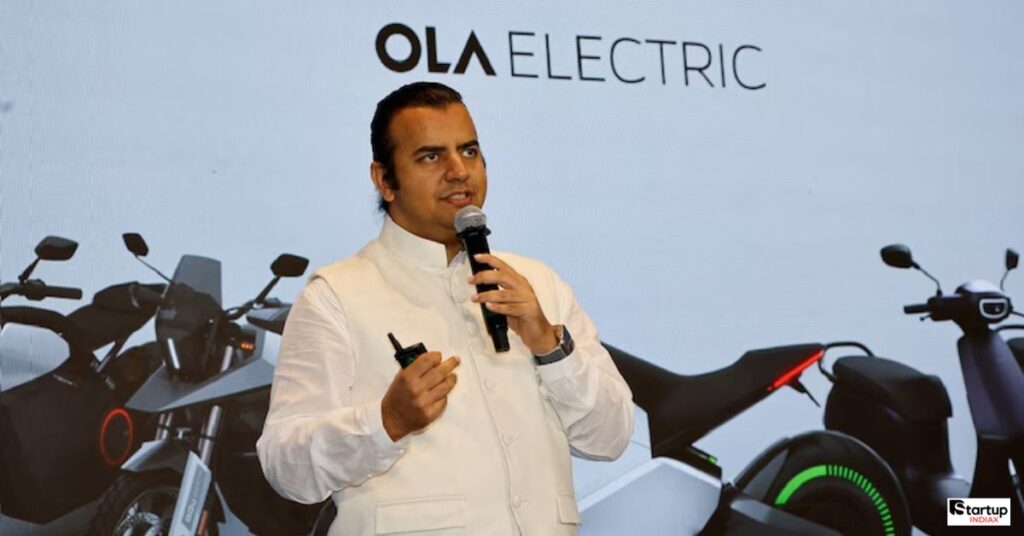
Founder of Ola Electric – Bhavish Aggarwal

The Roadster X is more than just a bike—it’s a statement. With prices starting at ₹74,999 and a claimed range of up to 501 km for the top variant, it’s designed to appeal to both budget-conscious commuters and tech-savvy riders. However, Ola’s journey hasn’t been smooth, with recent controversies casting a shadow over its ambitious plans. In this article, we’ll break down the Roadster X’s features, discuss Bhavish Aggarwal’s vision, and analyze whether Ola Electric can overcome its challenges to make a lasting impact.

The Roadster X: Features and Specifications

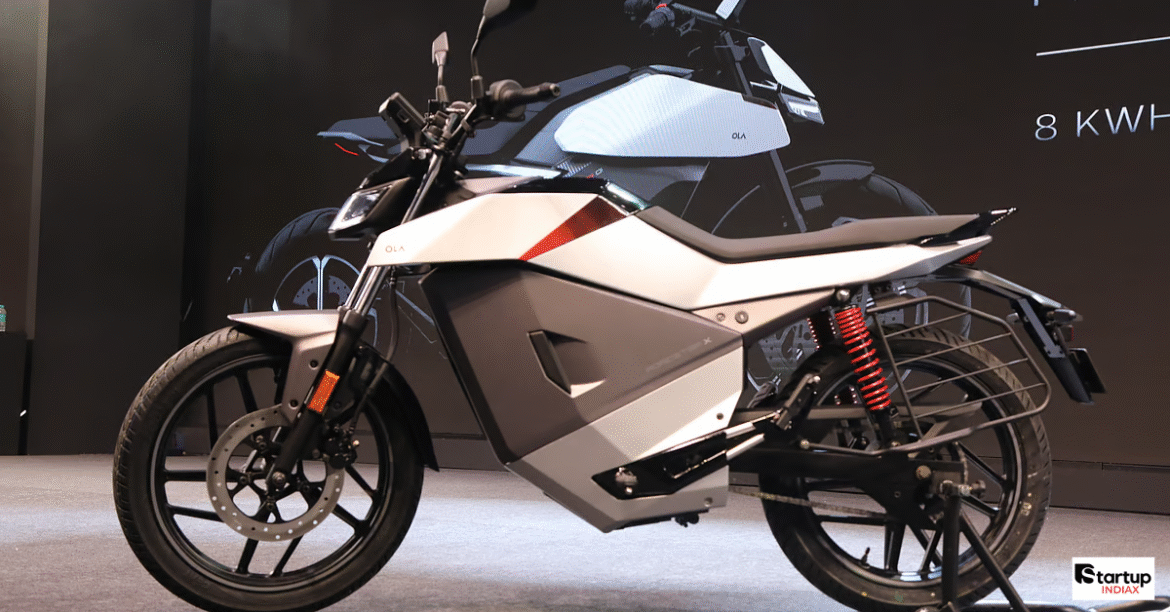
The Roadster X Bike Deliveries From Friday signal the arrival of a motorcycle that’s packed with innovation. Ola Electric has positioned the Roadster X as an entry-level electric bike with three variants: 2.5 kWh, 3.5 kWh, and 4.5 kWh, priced at ₹74,999, ₹84,999, and ₹99,999, respectively. For those seeking premium performance, the Roadster X+ 9.1 kWh variant, equipped with Ola’s in-house 4680 Bharat Cell, offers a staggering 501 km range per charge, priced at ₹1,54,999. This range is a bold claim, setting the Roadster X apart in a competitive market.

The bike’s design is minimalist yet futuristic, featuring LED lighting, alloy wheels, and a 4.3-inch LCD screen powered by MoveOS 5. This operating system brings smart features like turn-by-turn navigation, cruise control, and over-the-air (OTA) updates, ensuring the bike stays cutting-edge. With a top speed of 124 kmph and a 0-40 kmph sprint in just 2.8 seconds for the 4.5 kWh variant, the Roadster X blends performance with practicality. It also includes a Combi Braking System (CBS), single-channel ABS, and a tyre pressure monitoring system for enhanced safety.

The use of flat cables—an industry first—reduces weight and improves thermal efficiency, while the 4680 Bharat Cell battery promises high energy density and durability. These features make the Roadster X a compelling choice for riders looking for style, performance, and sustainability. At Startup INIDAX, we believe these specs position the Roadster X as a strong contender, but the real test lies in its on-road performance and reliability.

Bhavish Aggarwal’s Vision for Electric Mobility

Bhavish Aggarwal, the driving force behind Ola Electric, has been vocal about his mission to transform India’s mobility landscape. His announcement of Roadster X Bike Deliveries From Friday on X reflects his excitement: “Roadster X deliveries starting this Friday! Excited to see customers experience our bike ❤️🏍️.” This enthusiasm is rooted in his broader vision of making India a global leader in electric mobility. Since founding Ola Electric, Aggarwal has aimed to disrupt the two-wheeler market, which accounts for two-thirds of India’s vehicle sales.

Roadster X deliveries starting this Friday! Excited to see customers experience our bike ❤️🏍️

— Bhavish Aggarwal (@bhash) May 20, 2025

The Roadster Series, comprising the Roadster X, Roadster, and Roadster Pro, is a key part of this vision. Aggarwal envisions a future where electric motorcycles dominate, offering affordable, eco-friendly alternatives to traditional petrol bikes. His focus on in-house battery technology, like the 4680 Bharat Cell, underscores Ola’s commitment to innovation and self-reliance. By producing batteries locally, Ola aims to reduce costs and make EVs more accessible, a move that could reshape the industry.

However, Aggarwal’s ambition comes with challenges. Ola Electric’s rapid expansion has drawn criticism for overpromising and underdelivering. Despite these hurdles, Aggarwal remains optimistic, calling the Roadster X a “new era for Indian mobility.” At Startup INIDAX, we admire his bold approach but wonder if his vision can overcome the practical challenges of execution.

Challenges and Controversies Surrounding Ola Electric

While the Roadster X Bike Deliveries From Friday are a cause for celebration, Ola Electric’s journey has been far from smooth. The company has faced multiple setbacks, including repeated delivery delays for the Roadster X. Initially slated for January 2025, deliveries were pushed to May due to homologation issues and concerns over battery thermal management. These delays have frustrated customers, with online forums buzzing with complaints about Ola’s history of overpromising.

Ola Electric has also been under scrutiny for discrepancies in its sales data. In February 2025, the company reported selling 25,000 vehicles, but government records showed only 8,600 registrations. Ola attributed this to a “temporary backlog” caused by vendor transitions, but the mismatch raised red flags, prompting investigations by SEBI and the Ministry of Heavy Industries. Additionally, over 90% of Ola’s outlets reportedly operated without trade certificates, further damaging its reputation.

Financially, Ola Electric is struggling. Its Q3 FY25 net loss widened by 50% to ₹564 crore, with operating revenue dropping 19% to ₹1,045 crore. These numbers highlight the challenges of scaling up in a competitive market. At Startup INIDAX, we see these issues as a reminder that innovation must be backed by operational excellence. The Roadster X launch is a chance for Ola to prove it can deliver, but it’s also a high-stakes moment that could make or break its credibility.

Why the Roadster X Matters for India’s EV Market

The Roadster X Bike Deliveries From Friday are more than just a product launch—they’re a pivotal moment for India’s EV ecosystem. Motorcycles dominate India’s two-wheeler market, and electric options are still a small but growing segment. With competitors like TVS Motor and Bajaj Auto also entering the fray, the Roadster X’s success could set the tone for Ola Electric’s future.

Priced competitively, the Roadster X targets the mass-market commuter segment, making it accessible to a wide audience. Its 501 km range (for the 9.1 kWh variant) addresses a key concern for EV buyers: range anxiety. Features like brake-by-wire technology, MoveOS 5, and OTA updates make it a tech-forward option, appealing to younger riders who value connectivity and performance.

Moreover, Ola’s focus on in-house battery production could have far-reaching implications. By reducing reliance on imported cells, Ola is paving the way for cheaper, more sustainable EVs. This aligns with India’s broader push for green mobility and could inspire other manufacturers to follow suit. At Startup INIDAX, we believe the Roadster X has the potential to accelerate EV adoption, but only if Ola can deliver on its promises and address customer concerns.

Conclusion: A New Chapter or More Delays?

The Roadster X Bike Deliveries From Friday mark a defining moment for Ola Electric and Bhavish Aggarwal. The Roadster X has the potential to reshape India’s electric motorcycle market with its innovative features, competitive pricing, and bold design. However, Ola’s history of delays, sales controversies, and financial struggles casts a shadow over this launch. At Startup INIDAX, we’re rooting for Ola to succeed, but the company must address its challenges head-on to win over customers and investors.

As the first Roadster X bikes hit the roads, all eyes will be on Ola Electric. Will this be the start of a new chapter in India’s EV revolution, or will it be another case of unmet expectations? Only time will tell, but for now, the excitement is palpable, and the stakes couldn’t be higher.

May 22, 2025 5 comments 393 views
FacebookTwitterLinkedinWhatsapp
News

India To Lead Global Satcom Rollout: Telecom Minister’s Ambitious Vision For 2028

by Ismail Patel May 22, 2025
3 min read

India To Lead Global Satcom Rollout: Telecom Minister Jyotiraditya Scindia has unveiled an ambitious plan for India to spearhead the world’s fastest satellite communication (satcom) rollout, projecting the market to grow from $2.3 billion to $20 billion by 2028. This article explores the regulatory advancements, key players like Starlink and OneWeb, and challenges such as affordability and security. It also highlights how satcom will bridge India’s digital divide and create opportunities for startups on platforms like Startup INIDAX.

Table of Contents

  • India’s Satcom Ambition: Leading the Global Charge
  • Telecom Minister’s Bold Vision for 2028
  • Why India Will Lead the Global Satcom Rollout
  • Key Players Powering India’s Satcom Growth
  • TRAI’s Role in Paving the Way
  • Challenges on the Path to Satcom Success
  • Closing India’s Digital Divide with Satcom
  • The Future of India’s Satcom Ecosystem

India’s Satcom Ambition: Leading the Global Charge

Imagine a world where every corner of India, from busy metros to remote tribal villages, is connected by high-speed internet. That’s the future Telecom Minister Jyotiraditya Scindia envisions with his bold claim that India To Lead Global Satcom Rollout. Speaking at the World Telecommunications and Information Society Day event, Scindia predicted India’s satellite communication (satcom) market will surge from $2.3 billion to $20 billion by 2028. This isn’t just about faster internet—it’s about transforming lives, boosting businesses, and putting India at the forefront of global connectivity. For platforms like Startup INIDAX, this signals a massive opportunity for tech startups to innovate and grow. Let’s break down the plan, the players, and what it means for India’s digital future.

Telecom Minister’s Bold Vision for 2028

Telecom Minister Jyotiraditya Scindia is betting big on India To Lead Global Satcom Rollout, drawing inspiration from the country’s rapid 5G rollout, which covered 99% of districts in just 22 months. At a TRAI-organized event, he shared that satcom will work alongside existing networks like Airtel, Jio, and Vodafone Idea to create a robust digital ecosystem.

“We’re building a connected India, from cities to villages,” Scindia said, emphasizing satcom’s role in reaching areas traditional networks can’t.

His confidence comes from solid groundwork. The Telecom Regulatory Authority of India (TRAI) has finalized its recommendations on satcom spectrum norms, and the government is now shaping a policy to drive this growth. With a projected $20 billion market by 2028, this is a prime moment for startups on Startup INIDAX to dive into the satcom space. Scindia’s vision is about more than connectivity—it’s about making India a global leader in satellite technology.

Why India Will Lead the Global Satcom Rollout

What sets India apart in the race to lead the global satcom rollout? First, the government’s decision to allocate spectrum administratively, rather than through costly auctions, makes it easier for companies like Starlink, OneWeb, and Jio SES to enter the market. TRAI’s proposed 4% adjusted gross revenue (AGR) fee, plus ₹500 per subscriber annually in urban areas (with no extra charge in rural ones), keeps costs low for operators.

India’s track record also gives it an edge. The 5G rollout proved the country can scale infrastructure fast, and Scindia believes satcom can follow the same path. With 82 crore active internet users consuming 17.4 exabytes of data yearly, India’s hunger for connectivity is clear. This massive demand fuels the market’s growth potential.

The government’s open and customer-focused approach, as Scindia described, welcomes global players like Starlink and Amazon’s Project Kuiper while supporting local companies. Simplified regulations and a competitive market position India to outpace others. For Startup INIDAX entrepreneurs, this creates opportunities to innovate in satellite IoT, rural tech, and more.

Key Players Powering India’s Satcom Growth

India’s satcom market is a hotbed of activity, with global and local players competing for a share of the $20 billion opportunity. Elon Musk’s Starlink has received a letter of intent from the Department of Telecommunications (DoT), though it’s still navigating final approvals. Airtel-backed Eutelsat OneWeb and Jio SES have secured Global Mobile Personal Communication by Satellite (GMPCS) licenses, making them early leaders. Amazon’s Project Kuiper and Apple vendor Globalstar are also applying for licenses to tap into India’s vast potential.

Each player brings unique strengths. Starlink’s low-latency broadband could revolutionize rural internet, while OneWeb and Jio SES leverage local partnerships with Airtel and Reliance for faster scaling. These companies are deploying satellite networks to support everything from rural schools to airplane Wi-Fi. For Startup INIDAX founders, this is a chance to collaborate with these giants or build complementary solutions, like affordable user terminals or localized apps.

TRAI’s Role in Paving the Way

The Telecom Regulatory Authority of India (TRAI) is the engine behind India’s satcom ambitions. Its recent spectrum allocation recommendations have cleared the path for rapid growth. By opting for administrative allocation over auctions, TRAI has lowered barriers for new entrants. The 4% AGR fee, with no additional costs for rural services, makes it affordable for operators to serve remote areas.

TRAI Chairman Anil Kumar Lahoti emphasized reforms that improve coverage, simplify operations, and prioritize users. These align with India’s 2024 World Telecom Day theme of “Digital Innovation for Sustainable Development.” For startups on Startup INIDAX, TRAI’s policies create a fertile environment for building solutions like satellite-based IoT or rural broadband tools.

Challenges on the Path to Satcom Success

Even with the promise of India To Lead Global Satcom Rollout, challenges remain. Affordability is a big concern. A Jefferies report suggests Starlink’s monthly plans could cost ₹3,000–₹7,000, with user terminal kits priced at ₹20,000–₹35,000. These prices could exclude the rural users satcom aims to serve.

Security is another hurdle. The DoT’s 29 new guidelines require companies to host critical infrastructure in India, ensure data localization, and allow government interception for national security. These rules, while essential, complicate operations for global players like Starlink.

Competition also creates tension. Jio’s push for spectrum auctions, which could have favored bigger players, was overruled, but it shows the market’s complexities. Ensuring fair competition will be key. For Startup INIDAX innovators, these challenges are opportunities to develop cost-effective, secure, and scalable satcom solutions.

Closing India’s Digital Divide with Satcom

India’s digital divide is stark—45,000 villages lacked 4G as of February 2023. Satcom offers a solution by delivering internet to areas where cables can’t reach, from Himalayan villages to coastal hamlets. This could transform access to education, healthcare, and e-commerce for millions.

For example, 125,000 VSAT-enabled ATMs process 5 billion transactions yearly, showing satcom’s impact on India’s financial system. Expanding this to education (e-learning platforms), agriculture (real-time market data), and healthcare (telemedicine) could be game-changing. Startups on Startup INIDAX can build tools and apps tailored for rural users, tapping into satcom’s reach.

The Future of India’s Satcom Ecosystem

The road to India To Lead Global Satcom Rollout is full of potential but requires careful navigation. The government must balance speed with affordability, ensuring satcom reaches the masses without high costs. Finalizing TRAI’s recommendations and issuing licenses quickly will keep the momentum going. Scindia’s vision depends on collaboration between regulators, companies, and innovators.

India’s satcom journey could also make it a global spacetech hub. With initiatives like the Bharat 6G Mission and a thriving startup ecosystem, India is poised to lead in next-gen technologies. For Startup INIDAX entrepreneurs, this is a call to build solutions that harness satcom’s potential and shape India’s digital future.

In conclusion, India To Lead Global Satcom Rollout is a vision of connectivity, innovation, and opportunity. As Scindia’s plan unfolds, platforms like Startup INIDAX will play a key role in driving India’s digital transformation, one satellite at a time.

May 22, 2025 1 comment 267 views
FacebookTwitterLinkedinWhatsapp
News

Lathika Pai Sues Microsoft: A Deep Dive into the INR 35 Cr Lawsuit

by Ismail Patel May 21, 2025
3 min read

Lathika Pai Sues Microsoft, Seeks INR 35 Cr: In a bold move shaking up India’s startup and tech ecosystem, Lathika Pai, a prominent figure in the Indian startup scene, has filed a lawsuit against Microsoft India and Microsoft Corporation, seeking INR 35.3 Cr in damages for alleged unfair dismissal. This article dives into the details of her case, exploring the claims of intimidation, retaliation, and a hostile work environment that led to her resignation. We’ll uncover the background of Lathika Pai, her role at Microsoft, the legal arguments, and what this case means for corporate culture and employee rights in India’s tech industry. Published on Startup INIDAX, this piece also examines the broader implications for startups and professionals navigating high-pressure corporate environments.

Table of Contents

  • Introduction: A High-Profile Lawsuit Rocks India’s Tech Scene
  • Who is Lathika Pai? A Trailblazer in India’s Startup Ecosystem
  • The Allegations: Why Lathika Pai Sues Microsoft
  • Understanding Constructive Dismissal in the Corporate World
  • Seeks INR 35 Cr: Breaking Down the Lawsuit’s Demands
  • Microsoft’s Response: What’s the Tech Giant Saying?
  • Implications for India’s Startup and Tech Industry
  • What This Means for Employees and Corporate Culture
  • Conclusion: A Case to Watch in India’s Tech Landscape

Introduction: A High-Profile Lawsuit Rocks India’s Tech Scene

Lathika Pai Sues Microsoft, and the Indian tech industry is buzzing. A veteran in the startup ecosystem, Pai has taken a bold step by filing a civil lawsuit against Microsoft India and Microsoft Corporation, seeking INR 35.3 Cr in damages for what she claims was an unfair dismissal. The lawsuit, reported by Startup INIDAX, alleges that Pai faced intimidation, retaliation, and a hostile work environment that forced her to resign. This case isn’t just about one executive’s experience—it raises critical questions about workplace culture, employee rights, and corporate accountability in India’s booming tech sector. Let’s unpack the story, from Pai’s background to the broader impact on startups and professionals.

Who is Lathika Pai? A Trailblazer in India’s Startup Ecosystem

Lathika Pai is no stranger to India’s tech and startup community. A senior figure known for her leadership at Microsoft for Startups, Pai has been a driving force in nurturing innovation and supporting entrepreneurs across the country. With years of experience in the tech industry, she has built a reputation as a mentor and advocate for startups, helping bridge the gap between emerging businesses and global giants like Microsoft. Her work has empowered countless entrepreneurs, making her a respected name in the startup ecosystem.

Before her tenure at Microsoft, Pai held key roles in various organizations, contributing to India’s tech growth. Her expertise spans technology, business development, and startup mentorship, positioning her as a heavyweight in the industry. When news broke that Lathika Pai sues Microsoft, it sent shockwaves through the community, given her stature and contributions. Startup INIDAX, a platform dedicated to covering India’s startup scene, highlights her as a trailblazer whose legal battle could set a precedent for how tech giants treat their employees.

The Allegations: Why Lathika Pai Sues Microsoft

At the heart of the lawsuit is Pai’s claim of constructive dismissal—a situation where an employee is forced to resign due to an intolerable work environment created by the employer. According to reports, Pai alleges that Microsoft violated its own policies, subjecting her to intimidation, coercion, and retaliation. These actions, she claims, created a hostile workplace that left her with no choice but to step down from her role.

Lathika Pai Sues Microsoft: A Deep Dive into the INR 35 Cr Lawsuit

The allegations are serious. Pai asserts that Microsoft’s leadership engaged in practices that undermined her position, damaged her reputation, and caused significant mental distress. The lawsuit also raises questions about double standards in how Microsoft treats employees in its U.S. and India operations, as well as biases in its interactions with the Indian government. For a company like Microsoft, known for its global influence and commitment to diversity, these claims are a significant blow. As Startup INIDAX reports, this case could shine a light on systemic issues within tech giants operating in India.

Lathika Pai, a veteran in the Indian startup ecosystem, has sued Microsoft India for Rs 35 crore, accusing the tech giant of creating a hostile work environment and coercing her resignation.@AbirDasgupta101 reports: https://t.co/QMY60lawjq pic.twitter.com/sSvmbQ5wOc

— The Morning Context (@MorningContext) May 15, 2025

Understanding Constructive Dismissal in the Corporate World

Constructive dismissal is a term that’s gaining attention in corporate India, especially with high-profile cases like this one. It occurs when an employer creates a work environment so hostile or unbearable that an employee feels compelled to resign. This could involve harassment, unfair treatment, or deliberate actions to undermine an employee’s role. In Pai’s case, she claims that Microsoft’s actions—intimidation and coercion—pushed her out, leading to financial losses and emotional strain.

For employees in India’s tech and startup sectors, understanding constructive dismissal is crucial. It’s not just about being fired; it’s about being forced out through subtle or overt tactics. Pai’s decision to seek INR 35 Cr in damages underscores the severity of her experience and the broader implications for workplace fairness. Startup INIDAX emphasizes that this case could encourage other professionals to speak out against similar treatment, fostering a culture of accountability in corporate India.

Seeks INR 35 Cr: Breaking Down the Lawsuit’s Demands

Why INR 35.3 Cr? The figure isn’t arbitrary. Pai’s lawsuit seeks compensation for multiple losses, including lost income, reputational damage, and mental distress caused by her alleged unfair dismissal. The financial aspect reflects not only her salary and benefits but also the long-term impact on her career in a competitive industry. Reputation is everything in the startup world, and Pai argues that Microsoft’s actions tarnished her standing, making it harder for her to secure similar roles.

Beyond financial compensation, the lawsuit is a call for justice. By seeking INR 35 Cr, Pai is sending a message: tech giants must be held accountable for their treatment of employees, especially senior leaders who drive innovation. Startup INIDAX notes that this demand could set a benchmark for future lawsuits, encouraging employees to challenge unfair practices without fear of retaliation.

Microsoft’s Response: What’s the Tech Giant Saying?

As of now, Microsoft has not issued a detailed public response to the lawsuit, but the company is likely preparing its defense. Given its global reputation, Microsoft may argue that its policies are fair and that Pai’s resignation was voluntary. However, the allegations of policy violations and a hostile work environment are serious, and the company will need to address them carefully to avoid reputational damage.

The lack of a public statement leaves room for speculation, but it’s clear that this case will put Microsoft’s workplace culture under scrutiny. Startup INIDAX points out that how Microsoft handles this lawsuit could influence its relationship with India’s startup ecosystem, where it has significant investments. Will the tech giant settle out of court, or will it fight the allegations head-on? Only time will tell.

Implications for India’s Startup and Tech Industry

Lathika Pai sues Microsoft at a time when India’s tech and startup sectors are under intense scrutiny. With companies like Infosys and Cognizant facing their own legal battles over workplace issues, Pai’s case adds fuel to the conversation about corporate accountability. Startups, in particular, are watching closely, as many rely on partnerships with tech giants like Microsoft for growth and innovation.

This lawsuit could have a ripple effect. For one, it may encourage other employees to come forward with their own experiences of unfair treatment. It also highlights the need for stronger workplace policies in India’s tech industry, where rapid growth often comes at the expense of employee well-being. Startup INIDAX, a platform dedicated to startup news, sees this as a turning point for how tech companies operate in India, pushing for transparency and fairness.

What This Means for Employees and Corporate Culture

For employees, Pai’s lawsuit is a reminder that they have rights, even in high-pressure corporate environments. It’s a call to prioritize mental health and self-respect over job security, as seen in other cases like that of Bhupendra Vishwakarma, who quit Infosys citing toxic culture. Pai’s case could inspire others to challenge unfair practices, especially in industries where power imbalances are common.

From a corporate perspective, this lawsuit is a wake-up call. Companies must foster inclusive, supportive workplaces to retain talent and maintain their reputation. As Startup INIDAX emphasizes, a toxic work environment doesn’t just harm employees—it can damage a company’s brand and its ability to attract top talent. Microsoft’s response to this case could set a precedent for how tech giants address workplace grievances in India.

Conclusion: A Case to Watch in India’s Tech Landscape

Lathika Pai sues Microsoft, seeking INR 35 Cr for alleged unfair dismissal, and the implications are far-reaching. This lawsuit isn’t just about one executive’s experience—it’s about challenging systemic issues in India’s tech industry. From constructive dismissal to workplace fairness, Pai’s case could reshape how companies treat their employees and how professionals advocate for their rights. As Startup INIDAX continues to cover this story, we’ll keep you updated on what promises to be a landmark case in India’s tech and startup ecosystem.

May 21, 2025 0 comments 556 views
FacebookTwitterLinkedinWhatsapp
RentRedi Revolutionizes Property Management: 5 Reasons It’s a Game-Changer for Landlords
Startup

RentRedi Revolutionizes Property Management: 5 Reasons It’s a Game-Changer for Landlords

by Aalam Rohile May 20, 2025
3 min read

RentRedi, a leading SaaS property management tool, is transforming how landlords manage their rental properties with its user-friendly platform and innovative features. From seamless tenant screening to automated rent collection, RentRedi simplifies the complexities of property management, saving time and boosting efficiency. In this article, we’ll explore why RentRedi is a SaaS property management tool that’s making waves in the proptech industry, diving into its key features, growth metrics, and its role in the broader property management tech trend. Whether you’re a seasoned landlord or just starting out, Startup INIDAX brings you the insights you need to understand why RentRedi is a must-have tool for modern property management.

What is RentRedi? A Quick Overview

Let’s start with the basics. RentRedi is a SaaS property management tool designed to streamline the day-to-day tasks of landlords and property managers. Whether you’re handling a single rental unit or an entire portfolio, RentRedi offers an all-in-one platform that covers everything from tenant screening to rent collection and maintenance requests. Launched to address the pain points of traditional property management, RentRedi has quickly gained traction, with over 200,000 landlords using the platform and more than 100,000 app downloads on the Google Play Store alone.

What sets RentRedi apart is its focus on simplicity and affordability. For just $12 per month, landlords can manage an unlimited number of units, making it a cost-effective solution for both small-scale and large-scale property owners. Startup INIDAX has been tracking RentRedi’s growth, and with a staggering 2,300% revenue increase over three years, it’s clear this startup is doing something right. Let’s dive into the features that make RentRedi a game-changer.

5 Game-Changing Features of RentRedi’s SaaS Property Management Tool

1. Seamless Tenant Screening with TransUnion and Plaid

Finding reliable tenants is one of the biggest challenges for landlords. RentRedi makes this process a breeze by integrating with TransUnion for comprehensive tenant screening. Landlords can run credit checks, criminal background checks, and eviction reports directly through the platform, ensuring they make informed decisions about prospective renters. Additionally, RentRedi partners with Plaid to verify tenants’ income, adding an extra layer of confidence when evaluating applications.

This feature saves landlords hours of manual work and reduces the risk of renting to unreliable tenants. For small landlords especially, having access to professional-grade screening tools without breaking the bank is a huge win.

2. Automated Rent Collection for Hassle-Free Payments

Chasing down rent payments is a headache no landlord wants. RentRedi eliminates this hassle with its automated rent collection feature. Tenants can set up auto-pay through the RentRedi app, choosing from multiple payment options like ACH, credit, or debit. Landlords can also set up late fees and rent reminders to ensure timely payments.

This automation not only saves time but also improves cash flow consistency. Imagine never having to send awkward “rent’s due” texts again! Startup INIDAX has noted that tools like RentRedi are revolutionizing how landlords manage finances, making it easier to focus on growing their portfolios.

3. Maintenance Requests Made Simple

Dealing with maintenance requests can be a logistical nightmare, but RentRedi streamlines the process. Tenants can submit requests directly through the RentRedi app, even including a 5-second video to clearly describe the issue. Landlords can categorize, prioritize, and track these requests from their dashboard, assigning them to maintenance personnel if needed. Once resolved, tenants are notified automatically.

This feature fosters better communication between landlords and tenants, ensuring issues are addressed quickly and efficiently. It’s a perfect example of how RentRedi is a SaaS property management tool that prioritizes user experience for both parties.

4. Unlimited Units at an Affordable Price

One of RentRedi’s standout features is its pricing model. For just $12 per month, landlords can manage an unlimited number of units, tenants, and teammates. Unlike competitors that charge per unit or limit features based on pricing tiers, RentRedi offers flexibility and scalability. This makes it an ideal choice for landlords looking to grow their portfolios without worrying about escalating software costs.

For small landlords or those just starting out, this affordability is a game-changer. It allows them to access premium features without the hefty price tag typically associated with property management software.

5. Mobile App Convenience for Landlords and Tenants

In today’s mobile-first world, having a robust app is non-negotiable. RentRedi delivers with dedicated apps for both landlords and tenants. Landlords can manage their properties on the go, from reviewing applications to tracking payments and maintenance requests. Tenants, meanwhile, can pay rent, submit maintenance requests, and communicate with their landlord—all from their smartphones.

RentRedi Revolutionizes Property Management: 5 Reasons It’s a Game-Changer for Landlords

The app’s user-friendly interface has contributed to its popularity, with over 100,000 downloads on the Google Play Store. For landlords who travel or manage properties remotely, RentRedi’s mobile app ensures they’re always in control, no matter where they are.

RentRedi’s Impressive Growth and Market Impact

RentRedi isn’t just another property management tool—it’s a proptech powerhouse. The startup has posted an incredible 2,300% revenue growth over three years, a testament to its value in the market. With over 200,000 landlords trusting the platform, RentRedi has cemented its place as a go-to solution for property managers across the U.S.

Startup INIDAX has been closely following RentRedi’s rise, and it’s clear that its success is tied to its ability to address real landlord pain points. By offering an affordable, feature-rich platform, RentRedi is helping landlords save time and money while improving tenant satisfaction. Its partnerships with industry leaders like TransUnion, Plaid, and REI Hub for accounting further enhance its appeal.

How RentRedi Fits into the Proptech Revolution

The Rise of Proptech Startups

The property management industry is undergoing a digital transformation, and RentRedi is at the forefront of this proptech revolution. With approximately 45 million renter households in the U.S., including 75% of Gen Z and nearly 50% of millennials, the demand for efficient property management tools is higher than ever. Proptech startups are stepping up to meet this need, with over 90% planning to raise capital in the next 10-12 months to fuel innovation.

Last year alone, proptech startups secured $15.11 billion in funding, signaling strong investor confidence in the sector. RentRedi is a prime example of how technology can simplify complex processes, making landlording more profitable and less stressful.

Other Players in the Property Management Space

While RentRedi shines, it’s not the only player in the proptech game. Startup INIDAX has identified several other startups making waves:

  • EliseAI: Valued at $1 billion, this AI-powered platform automates prospect management, property tours, and payment reminders.
  • Baselane: A financial management tool that integrates banking, accounting, and rent collection for landlords.
  • Bilt Rewards: A unique loyalty program that lets renters earn points on rent payments, with over 100,000 app downloads.

Each of these startups brings something unique to the table, but RentRedi stands out for its comprehensive feature set and affordability, making it a top choice for small to mid-sized landlords.

Why Landlords Love RentRedi: Real-World Benefits

So, why are landlords raving about RentRedi? It boils down to three key benefits:

  1. Time Savings: RentRedi saves landlords an average of 8 hours per week by automating tasks like rent collection and maintenance management.
  2. Cost Efficiency: At $12 per month with unlimited units, RentRedi is significantly cheaper than hiring a property manager, which can cost 10-12% of monthly rent.
  3. Improved Tenant Experience: Features like the tenant portal and mobile app make renting seamless, leading to happier tenants and lower turnover rates.

Real-world feedback highlights these benefits. One landlord shared, “I’m using RentRedi for my two single-family rentals, and it’s been a game-changer. The tenant screening and maintenance features are so easy to use, and the customer support is top-notch.”

What’s Next for RentRedi and Property Management Tech

The future looks bright for RentRedi and the proptech industry. As more landlords embrace digital tools to manage their properties, RentRedi is well-positioned to continue its growth trajectory. The platform’s focus on innovation—such as its video maintenance request feature and partnerships with REI Hub for accounting—shows its commitment to evolving with the market.

With the proptech sector expected to see continued investment, RentRedi could expand its offerings or explore new integrations to further simplify property management. For landlords looking to stay ahead of the curve, adopting tools like RentRedi is a smart move in today’s competitive rental market.

Conclusion: Is RentRedi the Right SaaS Tool for You?

RentRedi is a SaaS property management tool that’s revolutionizing how landlords operate. Its affordable pricing, robust features, and mobile-first approach make it a standout choice for both new and experienced property managers. Whether you’re screening tenants, collecting rent, or managing maintenance, RentRedi streamlines the process, saving you time and money while keeping your tenants happy.

If you’re a landlord looking to simplify your workflow and boost profitability, RentRedi is worth a closer look. Visit their website to explore their features or sign up for a free trial. Startup INIDAX believes RentRedi is paving the way for the future of property management—don’t miss out on this game-changing tool!

May 20, 2025 1 comment 290 views
FacebookTwitterLinkedinWhatsapp
magicNOW Contributes 13% to magicpin’s Food Delivery Orders: Anshoo Sharma’s Bold Bet Pays Off
StartupNews

magicNOW Contributes 13% to magicpin’s Food Delivery Orders: Anshoo Sharma’s Bold Bet Pays Off

by Ismail Patel May 20, 2025
3 min read

magicNOW has quickly scaled to account for 13% of magicpin’s food delivery orders, with ambitions to hit 20% by the fiscal year-end. This article, published on Startup INIDAX, explores magicNOW’s unique 15-minute delivery model, its expansion to 20 cities, and partnerships with over 21,000 restaurants. We’ll also dive into the competitive quick commerce landscape, magicpin’s logistics arm Velocity, and Sharma’s hands-on leadership, showcasing why magicNOW is reshaping India’s food delivery sector.

Table of Contents

  • A New Player in Quick Commerce: magicNOW’s Rise
  • What Makes magicNOW Unique?
  • Anshoo Sharma’s Vision for magicNOW
  • Scaling Rapidly: From 6 to 20 Cities
  • The Power of Partnerships: 21,000+ Restaurants
  • Velocity: The Logistics Backbone
  • Competing in a Crowded Market
  • Anshoo Sharma’s Hands-On Leadership
  • What’s Next for magicNOW and magicpin?
  • Why magicNOW Matters for India’s Food Delivery Future

A New Player in Quick Commerce: magicNOW’s Rise

Picture this: you’re craving a piping-hot pizza, and it arrives at your door in just 15 minutes, straight from the oven. That’s the magic of magicNOW, magicpin’s quick commerce service that’s shaking up India’s food delivery game. Launched in September 2024, magicNOW contributes 13% to magicpin’s overall food delivery orders, a stunning achievement in under eight months, according to Anshoo Sharma, magicpin’s co-founder and CEO. As Startup INIDAX reports, this milestone highlights magicpin’s knack for innovation in a market ruled by heavyweights like Zomato and Swiggy. With sights set on reaching 20% of orders by the fiscal year-end, magicNOW is proving that speed and quality can go hand in hand.

What Makes magicNOW Unique?

What sets magicNOW apart from the pack? Unlike other quick commerce players that stockpile items in dark stores, magicNOW partners directly with restaurants to deliver freshly prepared meals. Operating within a 1.5-2 km radius, it ensures your food arrives hot and fresh, preserving what Sharma calls “cuisine integrity.” This focus on freshness is paying off—magicNOW boasts 10% higher monthly customer retention than magicpin’s platform average. Startup INIDAX notes that this customer-first approach stands out in a market where speed often trumps quality. During its pilot phase from November 14 to December 15, 2024, magicNOW handled 75,000 deliveries in Delhi-NCR and Bengaluru, showcasing its operational grit.

Anshoo Sharma’s Vision for magicNOW

Anshoo Sharma isn’t just a CEO; he’s a visionary steering magicpin toward new heights. His brainchild, magicNOW, was born from the growing demand for ultra-fast food delivery. “We’re not about dark stores; we’re about delivering fresh food straight from restaurants,” Sharma told PTI. His ambitious goal is for magicNOW to contribute 20% to magicpin’s food delivery orders by the fiscal year-end. Sharma’s track record speaks for itself—magicpin’s revenue for FY 2023-24 soared to Rs 870 crore, tripling from the previous year. Startup INIDAX points out that Sharma’s IIM Ahmedabad education and stints at firms like Bain & Company have honed his ability to thrive in India’s fast-paced startup scene.

Scaling Rapidly: From 6 to 20 Cities

magicNOW hit the ground running, launching in six major metros: Bengaluru, Hyderabad, Mumbai, Chennai, Delhi-NCR, and Pune. Within months, it expanded to 20 high-density cities, a bold move that reflects magicpin’s growth strategy. This rapid scaling taps into urban India’s hunger for quick, convenient delivery. Sharma emphasizes that the 1.5-2 km delivery radius keeps operations tight and efficient, even as the service grows. According to Startup INIDAX, this expansion aligns with the quick commerce boom, where urban consumers prioritize speed without sacrificing quality.

The Power of Partnerships: 21,000+ Restaurants

At the heart of magicNOW’s success is its network of over 21,000 restaurants, up from 3,000 at launch. From global giants like McDonald’s, Burger King, and Taco Bell to beloved local eateries, magicNOW offers something for every palate. These partnerships focus on restaurants that can whip up orders fast, ensuring deliveries stay within the 15-minute window. Sharma highlights that local merchants love magicNOW because it drives extra business without the steep commissions charged by bigger platforms. Startup INIDAX reports that this collaborative model has been key to magicNOW’s 13% contribution to magicpin’s food delivery orders.

Velocity: The Logistics Backbone

How does magicNOW deliver so fast? Enter Velocity, magicpin’s logistics aggregator platform. Velocity pulls together third-party providers like Shadowfax, Dunzo, Rapido, Porter, OLA, and Zypp, creating a seamless supply chain for brands and sellers. This approach cuts costs and boosts scalability, letting magicNOW operate smoothly across 20 cities. Unlike competitors with their own delivery fleets, magicpin’s reliance on Velocity offers flexibility and efficiency. Startup INIDAX notes that Velocity also powers deliveries for brands like KFC and Burger King, proving its value beyond magicNOW.

magicNOW’s Impact on magicpin’s Growth

magicNOW’s 13% share of magicpin’s food delivery orders isn’t just a statistic—it’s a springboard for the company’s growth. As India’s third-largest food delivery app, magicpin holds a 10% market share in cities like Delhi and Bengaluru. Its integration with the Open Network for Digital Commerce (ONDC) has supercharged its reach, handling 90% of ONDC’s food orders and processing 150,000 daily orders. Sharma’s focus on value—think competitive pricing and cashback rewards—has fueled organic growth through word-of-mouth. Startup INIDAX predicts that magicNOW’s momentum will push magicpin’s market share even higher.

Competing in a Crowded Market

India’s quick commerce market is a fierce battlefield, with Zomato’s Blinkit, Swiggy, Zepto, and newcomers like Swish and Zing all vying for the top spot. Yet, magicNOW stands out by prioritizing fresh, restaurant-prepared meals over dark store models. During the 2024 festive season, magicpin slashed platform fees to Rs 5 per delivery, compared to Rs 10 by rivals, resulting in 5 lakh orders over a single weekend. Sharma’s strategy of offering deals—like a McDonald’s burger for Rs 50 less—has won over budget-conscious customers. Startup INIDAX highlights that magicNOW’s 15-minute delivery promise, paired with affordability, makes magicpin a serious contender.

Anshoo Sharma’s Hands-On Leadership

Sharma’s leadership is anything but desk-bound. On New Year’s Eve 2024, he and magicpin’s top execs took to the streets of Delhi-NCR, Mumbai, and Bengaluru, delivering food alongside their partners. “It’s our busiest night, and our leadership is out there hustling with our delivery team,” magicpin shared on X. This hands-on approach not only lifted team spirits but also showed Sharma’s dedication to understanding the customer experience. Startup INIDAX emphasizes that such moves reflect magicpin’s customer-centric culture, which has driven magicNOW’s rapid rise.

What’s Next for magicNOW and magicpin?

magicNOW is gunning for a 20% share of magicpin’s food delivery orders by the fiscal year-end, and Sharma is confident it’s achievable. Plans include growing its restaurant network and fine-tuning logistics via Velocity. magicpin is also investing Rs 100 crore to onboard 100,000 new restaurants on ONDC, cementing its role as the network’s top food delivery seller. As India’s quick commerce market heats up, magicNOW’s focus on freshness, speed, and value will drive its next chapter. Startup INIDAX sees magicpin evolving into a hyperlocal super app, offering everything from food to fashion in one place.

Why magicNOW Matters for India’s Food Delivery Future

magicNOW’s 13% contribution to magicpin’s food delivery orders is impressive, but its real impact lies in transforming how Indians get their food. By prioritizing restaurant-prepared meals, it supports local businesses while meeting the demand for speed. Its 15-minute delivery model, powered by Velocity and a vast restaurant network, offers a sustainable twist on quick commerce. For Anshoo Sharma and magicpin, magicNOW proves that innovation and customer focus can disrupt even the toughest markets. As Startup INIDAX observes, magicNOW isn’t just delivering food—it’s delivering the future of hyperlocal commerce.

May 20, 2025 0 comments 297 views
FacebookTwitterLinkedinWhatsapp
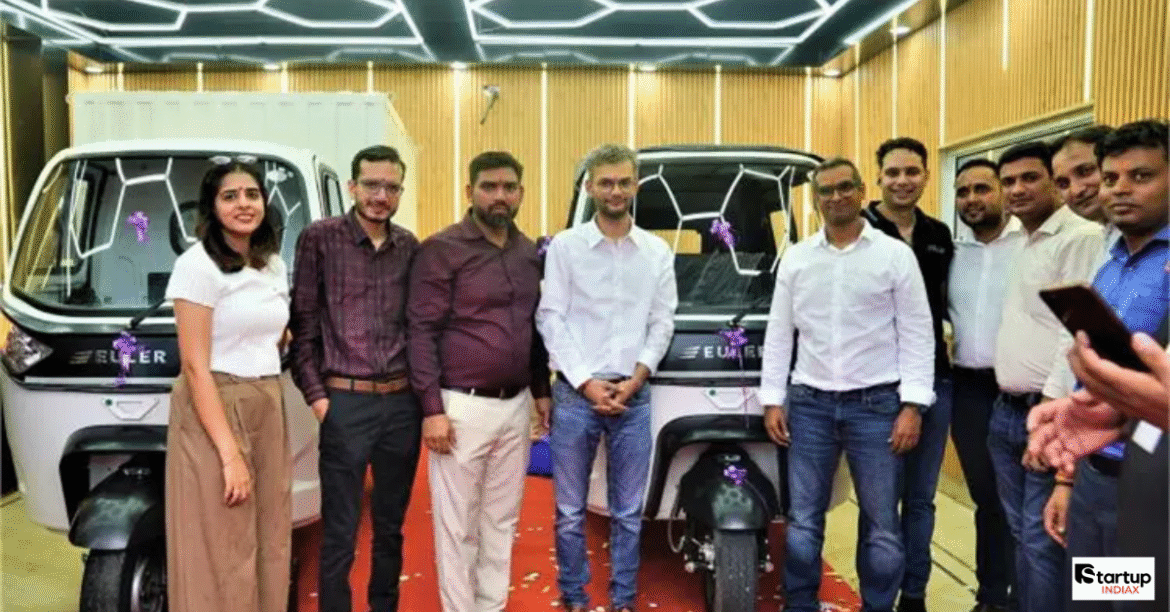
Euler Motors Secures INR 638 Cr
EVAutomobileFinance

Euler Motors Secures INR 638 Cr From Hero MotoCorp to Drive EV Growth

by Ismail Patel May 20, 2025
3 min read

Euler Motors, a Delhi-based electric commercial vehicle manufacturer, has secured INR 638 Cr from Hero MotoCorp and British International Investment (BII) in its Series D funding round, bringing its total funding to INR 1,420 Cr. This article dives into how this investment will fuel Euler Motors’ expansion, innovation, and leadership in India’s electric mobility market. We’ll explore Hero MotoCorp’s strategic backing, Euler’s growth journey, and the broader impact on the EV ecosystem, offering key insights for Startup INIDAX readers.

Table of Contents

  • A Big Win for Euler Motors
  • Why Hero MotoCorp’s Backing Is a Game-Changer
  • BII’s Role in Euler Motors’ Growth
  • How Euler Motors Will Use INR 638 Cr
  • Euler Motors’ Story So Far
  • India’s Electric Vehicle Boom
  • Challenges and Opportunities for Euler Motors
  • Conclusion: A Bright Road Ahead

A Big Win for Euler Motors

Picture a Delhi startup crafting electric vehicles that could transform how goods zip through India’s bustling cities. That’s Euler Motors, and they’ve just clinched INR 638 Cr from Hero MotoCorp and British International Investment (BII) in their Series D funding round. This isn’t just money—it’s a massive endorsement of Euler Motors’ vision to lead India’s electric commercial vehicle market. With this round, their total funding hits INR 1,420 Cr, making them a heavyweight in the EV space. For Startup INIDAX readers, this is a tale of grit, strategy, and the future of green transport.

India’s electric vehicle market is buzzing, and Euler Motors is riding the wave. Known for its three- and four-wheeler EVs like the HiLoad EV and StormEV, the startup is poised to scale up. Hero MotoCorp, the world’s largest two-wheeler maker, is betting big on Euler to break into electric three- and four-wheelers. BII’s continued support signals global faith in India’s EV potential. Let’s break down what this funding means for Euler Motors and the industry.

Why Hero MotoCorp’s Backing Is a Game-Changer

Hero MotoCorp’s INR 510 Cr investment, securing a 34.1% stake in Euler Motors, is more than a financial boost—it’s a strategic play. Hero, a household name in India’s two-wheeler market, wants to diversify into commercial EVs. Partnering with Euler Motors gives them a foothold in a fast-growing segment. Dr. Pawan Munjal, Hero’s Executive Chairman, called it a “bold step” toward sustainable mobility, aligning with India’s push for cleaner transport.

For Euler Motors, Hero’s involvement brings more than cash. It opens doors to Hero’s vast manufacturing expertise, supply chain networks, and market reach. Imagine Euler’s EVs rolling out faster and reaching more cities, thanks to Hero’s infrastructure. This partnership could also spark innovation, with Hero’s R&D muscle helping Euler refine its vehicles. For Startup INIDAX readers, this shows how strategic investors can turbocharge a startup’s growth.

BII’s Role in Euler Motors’ Growth

British International Investment, the UK’s development finance arm, chipped in INR 128 Cr, reinforcing its belief in Euler Motors. BII has backed Euler since 2022, and this follow-on investment highlights their confidence in the startup’s ability to deliver. BII’s focus on sustainable development aligns perfectly with Euler’s mission to cut carbon emissions through electric commercial vehicles.

BII’s global perspective adds another layer. Their investment signals to international markets that India’s EV sector is a hotbed of opportunity. For Euler Motors, BII’s backing means access to global networks and expertise, which could help them navigate challenges like scaling production or entering new markets. It’s a reminder for Startup INIDAX readers that global investors are eyeing India’s startups for big bets.

How Euler Motors Will Use INR 638 Cr

So, what’s Euler Motors planning with this INR 638 Cr? The startup has big ambitions. First, they’re expanding their sales and service network across India. With over 30 cities already covered, Euler aims to reach more Tier-2 and Tier-3 cities, where demand for commercial EVs is rising. This means more service centers, dealerships, and charging stations to support their customers.

Second, Euler Motors is doubling down on product innovation. They’re working on new EV models to cater to diverse industries like e-commerce, logistics, and agriculture. The HiLoad EV, with its 688 km range, is already a hit, and new launches could strengthen their portfolio. They’re also investing in R&D to improve battery life, payload capacity, and vehicle durability.

Finally, Euler plans to scale production to meet growing demand. This includes upgrading their manufacturing facilities and streamlining supply chains. For Startup INIDAX readers, this is a lesson in how startups use funding to balance growth and innovation while staying competitive.

Euler Motors’ Story So Far

Founded in 2018 by Saurav Kumar, Euler Motors started with a mission to electrify India’s commercial vehicle sector. Their focus on three- and four-wheeler EVs for last-mile delivery and intra-city logistics has paid off. Models like the HiLoad EV and StormEV have won over clients in e-commerce, FMCG, and agriculture, thanks to their reliability and cost-efficiency.

Euler’s growth has been steady. They’ve raised INR 1,420 Cr across multiple rounds, with earlier investors like QRG Enterprises and ADB Ventures. Their network spans 30+ cities, and they’ve delivered thousands of EVs to customers. Partnerships with brands like Magenta Mobility and MoEVing have cemented their market presence. For Startup INIDAX readers, Euler’s journey shows how a clear vision and strong execution can turn a startup into an industry leader.

India’s Electric Vehicle Boom

Euler Motors’ funding comes at a pivotal moment for India’s EV market. The government’s push for electrification, through schemes like FAME III and PLI, is driving adoption. By 2030, India aims for 30% of its vehicles to be electric, and commercial EVs are a key piece of that puzzle. With fuel prices rising, businesses are switching to EVs for lower operating costs.

The commercial EV segment, where Euler Motors operates, is growing fast. E-commerce giants like Amazon and Flipkart are electrifying their fleets, creating demand for reliable vehicles. Startups like Euler are stepping up, but they’re not alone—competitors like Omega Seiki and Altigreen are also in the race. Yet, Euler’s focus on innovation and partnerships gives them an edge. For Startup INIDAX readers, this highlights the massive potential in India’s EV ecosystem.

Challenges and Opportunities for Euler Motors

No startup’s journey is without hurdles, and Euler Motors faces its share. Scaling production to meet demand is a big challenge, especially with global supply chain disruptions affecting battery and chip availability. Competition is another hurdle, with rivals vying for market share. Plus, building a robust charging infrastructure in smaller cities isn’t easy.

But the opportunities are huge. India’s EV market is projected to grow at a 40% CAGR through 2030. Euler’s partnerships with Hero MotoCorp and BII position them to seize this growth. Their focus on R&D could lead to breakthroughs in battery tech or vehicle design, setting them apart. For Startup INIDAX readers, Euler’s story is a case study in navigating challenges while capitalizing on market trends.

Conclusion: A Bright Road Ahead

Euler Motors’ INR 638 Cr funding from Hero MotoCorp and BII is a milestone that sets the stage for their next chapter. With plans to expand, innovate, and lead India’s commercial EV market, they’re driving toward a greener, more efficient future. Hero’s strategic backing and BII’s global support make Euler a startup to bet on. For Startup INIDAX readers, this is a story of ambition meeting opportunity—proof that India’s EV revolution is just getting started. Keep an eye on Euler Motors; they’re charging toward something big.

May 20, 2025 0 comments 415 views
FacebookTwitterLinkedinWhatsapp
Receives 70 Applications: India’s Electronics Component Manufacturing Scheme Sparks Massive Boom
DigitalTechnology

Receives 70 Applications: India’s Electronics Component Manufacturing Scheme Sparks Massive Boom

by Ismail Patel May 20, 2025
3 min read

Receives 70 Applications, Electronics Component Manufacturing Scheme – In an exciting boost for India’s tech ecosystem, the Centre has received 70 applications for its INR 22,919 Cr Electronics Component Manufacturing Scheme in just 15 days. This massive response, largely driven by MSMEs, signals India’s growing ambition to become a global electronics manufacturing hub. This article dives into the scheme’s details, why it’s a big deal, who’s applying, and how platforms like Startup INIDAX see it shaping the future of innovation. From job creation to attracting global giants, we’ll explore the opportunities, challenges, and what this means for India’s tech journey.

Table of Contents

  • Introduction: A Surge in Applications for India’s Tech Future
  • What Is the Electronics Component Manufacturing Scheme?
  • Why the Scheme Is a Big Deal for India
  • Receives 70 Applications: Breaking Down the Numbers
  • The Role of MSMEs in Driving Applications
  • Global Giants and Local Players: Who’s Joining the Race?
  • The Road to India’s Electronics Manufacturing Hub
  • Conclusion: A Bright Future for India’s Tech Ecosystem

Introduction: A Surge in Applications for India’s Tech Future

Imagine a scheme so promising that it attracts 70 applications in just two weeks! That’s exactly what’s happening with India’s Electronics Component Manufacturing Scheme, a bold move by the government to supercharge the country’s electronics sector. Launched with a massive INR 22,919 Cr budget, this initiative has caught the attention of small businesses, global manufacturers, and startups alike. According to recent reports, 80% of these applications come from MSMEs, showing how small players are stepping up to shape India’s tech future. At Startup INIDAX, we’re thrilled to see this momentum, and in this blog, we’ll break down why this scheme is a game-changer and what it means for the industry.

What Is the Electronics Component Manufacturing Scheme?

The Electronics Component Manufacturing Scheme (ECMS) is a government-backed initiative designed to make India a powerhouse in electronics production. With a whopping INR 22,919 Cr in funding, the scheme offers financial incentives to manufacturers producing components like semiconductors, sensors, and circuit boards. The goal? To reduce India’s reliance on imported electronics, boost local production, and create a robust supply chain for tech products.

The scheme provides tailored incentives to address challenges faced by manufacturers, helping them scale up and compete globally. It’s expected to attract INR 59,350 Cr in investments and generate production worth INR 4,56,500 Cr. Plus, it’s projected to create 60,000 jobs, making it a win-win for the economy and employment. For platforms like Startup INIDAX, which champions tech innovation, this scheme is a golden opportunity for startups to collaborate with manufacturers and innovate.

Why the Scheme Is a Big Deal for India

India’s tech sector is booming, but we’ve long depended on countries like China and Taiwan for electronic components. The Electronics Component Manufacturing Scheme aims to change that by building a self-reliant ecosystem. Here’s why it’s such a big deal:

  • Reducing Import Dependency: By incentivizing local production, India can cut down on costly imports and strengthen its supply chain.
  • Job Creation: The scheme’s promise of 60,000 jobs is a massive boost for young professionals and engineers looking to break into tech.
  • Global Competitiveness: With tailored incentives, Indian manufacturers can achieve economies of scale and compete with global giants.
  • Startup Growth: For tech startups, access to locally made components means lower costs and faster prototyping, a point we at Startup INIDAX are particularly excited about.

The fact that the scheme receives 70 applications in just 15 days shows the industry’s confidence in India’s vision. It’s a clear sign that manufacturers see potential in the country’s growing tech market.

Receives 70 Applications: Breaking Down the Numbers

The headline says it all: the Centre receives 70 applications for the Electronics Component Manufacturing Scheme, and the response has been nothing short of phenomenal. According to Union Minister Ashwini Vaishnaw, these applications poured in within just 15 days of opening the scheme, highlighting its appeal.

What’s even more exciting is the diversity of applicants. While the full list of investors hasn’t been disclosed, reports suggest a mix of global players like Foxconn, Tata Electronics, Zetwerk, and Dixon, alongside a strong showing from local MSMEs. In fact, 80% of the applications come from small and medium enterprises, proving that smaller players are ready to compete on a big stage. This mix of global and local interest is a testament to the scheme’s broad appeal and India’s growing reputation as a tech hub.

The Role of MSMEs in Driving Applications

One of the standout stories of this scheme is the dominance of MSMEs. These small and medium enterprises make up 80% of the 70 applications, showing that India’s grassroots businesses are eager to seize this opportunity. MSMEs are the backbone of India’s economy, and their participation in the Electronics Component Manufacturing Scheme is a game-changer for several reasons:

  • Innovation at Scale: MSMEs often bring fresh ideas and agility, which can lead to innovative component designs.
  • Local Impact: By involving MSMEs, the scheme ensures that economic benefits reach smaller towns and cities, not just urban hubs.
  • Cost Efficiency: Smaller businesses can operate with lower overheads, making them competitive in the component market.

At Startup INIDAX, we believe MSMEs will play a pivotal role in creating a vibrant ecosystem for tech startups. Their ability to supply affordable, high-quality components could be a boon for early-stage companies looking to build prototypes or scale production.

Global Giants and Local Players: Who’s Joining the Race?

While MSMEs are stealing the show, global manufacturers are also jumping on board. Companies like Foxconn, a key supplier for Apple, and Tata Electronics are reportedly planning major investments under the scheme. These heavyweights bring expertise, technology, and global networks, which could elevate India’s manufacturing capabilities.

At the same time, local players like Zetwerk and Dixon are making waves with their focus on precision manufacturing and supply chain efficiency. This blend of global and local talent is exactly what India needs to compete in the electronics market. The fact that the scheme receives 70 applications from such a diverse pool is a strong signal that India is on the right track.

The Road to India’s Electronics Manufacturing Hub

The Electronics Component Manufacturing Scheme is a crucial step toward making India a global electronics manufacturing hub. With INR 59,350 Cr in expected investments and production worth INR 4,56,500 Cr, the scheme has the potential to transform the industry. Add to that the promise of 60,000 jobs, and it’s clear why this initiative is generating so much buzz.

States like Gujarat and Uttar Pradesh are already positioning themselves as key players, with plans to attract INR 30,000 Cr in investments. This regional push, combined with the scheme’s incentives, could create a ripple effect, boosting innovation, employment, and economic growth across the country.

Conclusion: A Bright Future for India’s Tech Ecosystem

The news that the Centre receives 70 applications for the Electronics Component Manufacturing Scheme is a massive vote of confidence in India’s tech ambitions. From MSMEs to global giants, the diversity of applicants shows that India is ready to take on the world of electronics manufacturing. At Startup INIDAX, we’re excited to see how this scheme will empower startups, create jobs, and build a self-reliant tech ecosystem.

May 20, 2025 0 comments 282 views
FacebookTwitterLinkedinWhatsapp
Stop Sale of Turkish Brands: Why Myntra & AJIO’s Bold Move Shocks Shoppers in 2025
StartupEcomPolitics

Stop Sale of Turkish Brands: Why Myntra & AJIO’s Bold Move Shocks Shoppers in 2025

by Aalam Rohile May 19, 2025
3 min read

Stop Sale of Turkish Brands and Turkish Brands have become hot topics in India’s ecommerce scene as two retail giants, Myntra and Reliance-owned AJIO, made a surprising decision in 2025 to halt the sale of Turkish apparel brands like Trendyol, Koton, and LC Waikiki. This article dives into the reasons behind this bold move, its impact on shoppers, and what it means for India’s fashion ecommerce market. From geopolitical tensions to public sentiment and social media reactions, we’ll explore why this decision has sent shockwaves through the industry and how it could reshape shopping trends, as reported by sources like Startup INIDAX.

Why Did Myntra & AJIO Stop Sale of Turkish Brands?

The decision to stop sale of Turkish Brands by Myntra and AJIO didn’t happen in a vacuum. It’s rooted in a mix of geopolitical tensions, public sentiment, and strategic business choices. Let’s break it down.

Geopolitical Tensions and the Turkey-Pakistan Connection

In early 2025, tensions between India and Pakistan escalated, particularly following the Pahalgam attack, with Turkey openly supporting Pakistan. This sparked widespread calls for a boycott of Turkish products across India. Industry insiders, as reported by Startup INIDAX, revealed that Myntra began reducing the visibility of Turkish Brands on its platform even before the ceasefire, signaling a proactive response to the growing anti-Turkey sentiment. AJIO, under Reliance’s umbrella, followed suit, completely halting sales of brands like Trendyol and Koton.

This move aligns with a broader trend of Indian businesses distancing themselves from Turkey. For instance, posts on X highlighted that 125 trade leaders across India boycotted commercial trade with Turkey and Azerbaijan, reflecting a strong national stance. The stop sale of Turkish Brands is seen as a response to Turkey’s geopolitical stance, which many in India view as antagonistic.

The Role of Public Sentiment in India

Public sentiment has played a massive role in this decision. Social media platforms, especially X, have been buzzing with hashtags like #BoycottTurkey and #TurkeyBoycott. Posts from outlets like Dainik Bhaskar and Asianet News reported that the boycott extended beyond ecommerce to tourism and other businesses, showing how deeply the sentiment runs.

Indian shoppers, known for their vocal online presence, have been pushing for brands to take a stand. Myntra and AJIO, being consumer-facing platforms, likely felt the pressure to act swiftly to maintain their brand image. As Startup INIDAX noted, this decision reflects how ecommerce platforms are increasingly sensitive to public opinion in a hyper-connected digital age.

Which Turkish Brands Are Affected?

The stop sale of Turkish Brands has directly impacted several popular apparel brands that were gaining traction in India. Some of the key names include:

  • Trendyol: Known for its trendy, affordable fashion, Trendyol was a favorite among young shoppers.
  • Koton: A go-to for chic, urban styles, Koton had carved a niche in India’s fashion market.
  • LC Waikiki: This brand offered family-friendly clothing at budget prices, appealing to a broad audience.

These brands, once prominently featured on Myntra and AJIO, have now disappeared from their websites and apps. The sudden removal has left shoppers scrambling to find alternatives, especially those who relied on these brands for their unique styles and competitive pricing.

How Shoppers Are Reacting to the Ban

The decision to stop sale of Turkish Brands has sparked a range of reactions among Indian shoppers, from support to frustration. Let’s take a closer look.

Social Media Buzz on X

X has been a hotbed of opinions on this move. Posts from accounts like @ETNowSwadesh and @TNNavbharat celebrated Myntra and AJIO’s decision as a patriotic step, with phrases like “PAK के यार तुर्किए पर एक और प्रहार” (Another blow to Pakistan’s friend Turkey). Others, like @centerofright, pointed out that only Tata’s retail platforms are yet to follow suit, hinting at a broader industry shift.

Boycott Turkey Trend: PAK के यार तुर्किए पर एक और प्रहार, Ajio-Myntra ने तुर्किए के ब्रैंड्स बेचना बंद किया

पूरी खबर- 🔗https://t.co/PXIskWZbyw#Turkiye #TurkeyPakistan #India #OperationSindoor #IndiaPakistanConflict pic.twitter.com/blu8nyGnx9

— Times Now Navbharat (@TNNavbharat) May 17, 2025

However, not all reactions were positive. Some users expressed disappointment, arguing that fashion shouldn’t be dragged into politics. One X post lamented, “Why punish shoppers for geopolitical issues? Trendyol had the best deals!” This divide shows how the stop sale of Turkish Brands has polarized consumers.

Mixed Feelings Among Fashion Enthusiasts

For fashion enthusiasts, the ban is a double-edged sword. On one hand, many support the move as a stand against Turkey’s policies. On the other, fans of Turkish Brands are upset about losing access to their favorite clothing lines. Shoppers who frequented Myntra and AJIO for Trendyol’s trendy dresses or LC Waikiki’s budget-friendly kids’ wear are now left searching for alternatives.

As Startup INIDAX observed, this shift could push consumers toward local brands or other international labels like H&M or Zara. However, the unique price-quality balance offered by Turkish Brands might be hard to replace, leaving a gap in the market.

Impact on India’s Ecommerce Landscape

The decision to stop sale of Turkish Brands isn’t just about Myntra and AJIO—it’s reshaping India’s ecommerce ecosystem. Here’s how.

A Boost for Local and Other International Brands

With Turkish Brands out of the picture, local Indian brands like Biba, FabIndia, and W for Women could see a surge in demand. Myntra and AJIO are likely to promote these brands more aggressively to fill the void. Similarly, international brands from countries like the US or Europe might gain more shelf space on these platforms.

This shift aligns with the “Vocal for Local” campaign, which has gained momentum in recent years. By prioritizing Indian brands, Myntra and AJIO could strengthen their appeal among nationalist shoppers while supporting homegrown businesses. Startup INIDAX predicts that this could lead to a renaissance for Indian fashion labels in 2025.

Challenges for Myntra and AJIO

While the move has earned Myntra and AJIO praise in some quarters, it’s not without risks. Removing Turkish Brands could lead to a temporary dip in sales, especially among shoppers loyal to Trendyol or Koton. Additionally, these platforms will need to work hard to onboard new brands or scale up existing ones to maintain their product diversity.

There’s also the challenge of managing public perception. If the boycott sentiment fades or geopolitical tensions ease, Myntra and AJIO might face pressure to bring back Turkish Brands, which could complicate their strategy. For now, though, the focus is on navigating this bold move without alienating their customer base.

What’s Next for Turkish Brands in India?

The stop sale of Turkish Brands raises questions about the future of these brands in India. Will they find alternative platforms to sell their products, or will they exit the market entirely? Smaller ecommerce players or physical retail stores might try to capitalize on the gap left by Myntra and AJIO, but they’ll face the same public scrutiny.

Another possibility is that Turkish Brands pivot to other markets in Asia or focus on direct-to-consumer models through their own websites. However, given the scale of India’s ecommerce market, losing access to giants like Myntra and AJIO is a significant blow. As Startup INIDAX reports, the boycott could extend to other sectors, making it harder for Turkish businesses to regain a foothold in India.

Conclusion: A Bold Step or a Risky Move?

Myntra and AJIO’s decision to stop sale of Turkish Brands in 2025 is a bold statement, reflecting the interplay of geopolitics, public sentiment, and business strategy. While it’s won them support from boycott advocates, it’s also left shoppers divided and raised questions about the long-term impact on their business. For now, the move has put Turkish Brands like Trendyol, Koton, and LC Waikiki in a tough spot, while opening doors for local and other international brands to shine.

As India’s ecommerce landscape evolves, platforms like Startup INIDAX will continue to track how this decision shapes shopping trends and whether Myntra and AJIO’s gamble pays off. What do you think—did they make the right call, or should fashion stay out of politics? Let us know in the comments!

May 19, 2025 4 comments 366 views
FacebookTwitterLinkedinWhatsapp
Newer Posts
Older Posts

Follow Us

Facebook Twitter Instagram

Recent Posts

  • Breaking: Gemini Signs Three Years IPL Sponsorship Deal Worth Rs 270 Crore for IPL 2026

  • Startup India Seed Fund Scheme Incubators: How to Apply Now

  • Startup Application Rejection Rate Hits 67% – Avoid These Mistakes

  • Starting a Small Business in India in 2026? Here’s Your Complete Investment, Execution Plan

  • India’s Bionic Arm Breakthrough: 72kg Capacity at 10% Global Price

Newsletter

Subscribe my Newsletter for new blog posts, tips & new photos. Let's stay updated!

Categories

  • Advertising (2)
  • Agritech (3)
  • AI (63)
  • AI & DeepTech (26)
  • AI Tools (18)
  • Automobile (15)
  • Beauty & Wellness (3)
  • Bootstrapped Wins (3)
  • Crowdfunding Hub (1)
  • Debt Financing (1)
  • Digital (31)
  • Ecom (12)
  • EV (31)
  • Failure Lessons (1)
  • Fashion & Lifestyle (1)
  • Finance (36)
  • Fintech (6)
  • FoodTech (6)
  • Funding (17)
  • Government Schemes (12)
  • Green Energy (8)
  • HealthTech (4)
  • Investor Directory (1)
  • News (174)
  • Politics (12)
  • Real State (1)
  • Science (13)
  • Startup (150)
  • Startup Learning (12)
  • Startup Stories (14)
  • Technology (84)
  • Unicorn Journeys (4)
  • Women Entrepreneurs (6)

About Us

Startup IndiaX is a digital media platform covering India’s startup ecosystem. We bring you the latest news, founder stories, funding updates, and tech innovations.

Facebook Instagram Twitter Youtube

Featured

Startup India Seed Fund Scheme Incubators: How to Apply Now
January 2, 2026
Startup Application Rejection Rate Hits 67% – Avoid These Mistakes
December 30, 2025
Starting a Small Business in India in 2026? Here’s Your Complete Investment, Execution Plan
December 27, 2025

@2025 – All Right Reserved. 

  • Home
  • About Us
  • Privacy Policy
  • Contact
startupindiax.com
  • Home
  • News
  • Startup
  • Funding
  • Startup Stories
  • Sectors
    • Finance
    • Agritech
    • AI & DeepTech
    • Fintech
    • Green Energy
    • HealthTech
    • EV
    • Digital
    • Automobile