startupindiax.com
  • Home
  • News
  • Startup
  • Funding
  • Startup Stories
  • Sectors
    • Finance
    • Agritech
    • AI & DeepTech
    • Fintech
    • Green Energy
    • HealthTech
    • EV
    • Digital
    • Automobile
startupindiax.com
SUBSCRIBE
Saturday, January 24, 2026
  • Home
  • News
  • Startup
  • Funding
  • Startup Stories
  • Sectors
    • Finance
    • Agritech
    • AI & DeepTech
    • Fintech
    • Green Energy
    • HealthTech
    • EV
    • Digital
    • Automobile
startupindiax.com
startupindiax.com
  • Home
  • About Us
  • Privacy Policy
  • Contact

@2025 - All Right Reserved.

Apple Loses Its Top AI Engineer Executive to Meta AI Hiring Spree
NewsAI & DeepTech

Apple Loses Its Top AI Engineer Executive to Meta AI Hiring Spree

by Aalam Rohile July 9, 2025
3 min read

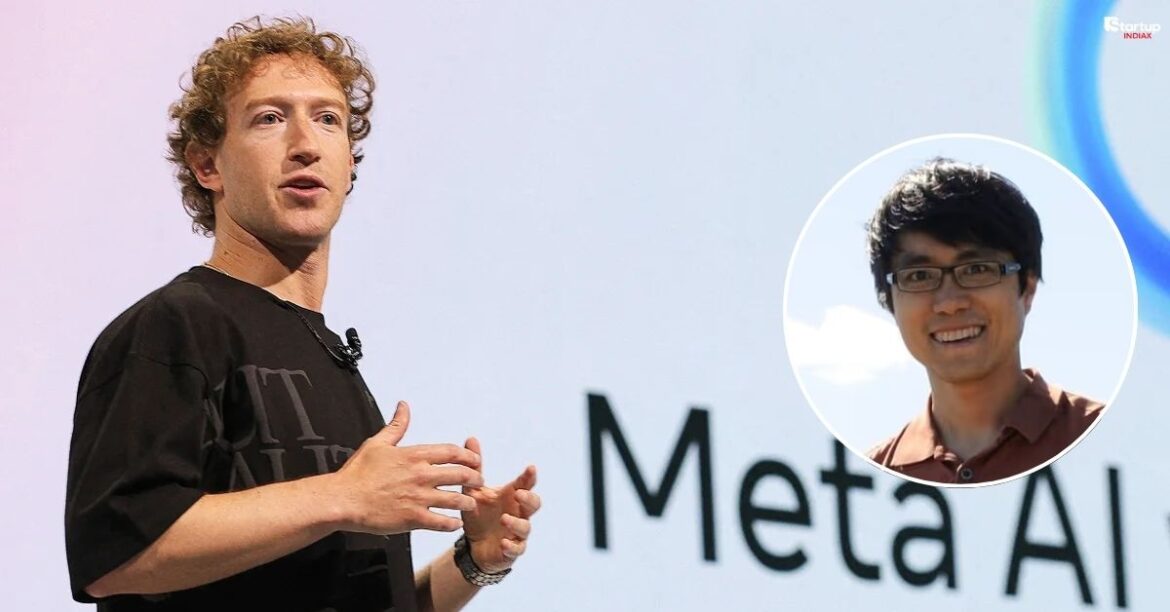
Meta AI hiring spree has claimed another major scalp: Ruoming Pang, Apple’s top AI engineer executive, now joins Meta’s Superintelligence Lab. This move, fueled by multimillion-dollar offers, underscores Meta’s aggressive push to dominate the artificial general intelligence (AGI) race. Startup INDIAX explores why Pang’s departure is a blow to Apple, how Meta is outmaneuvering rivals, and what this means for AI innovation. Readers will discover the stakes of this talent war and its impact on startups and tech entrepreneurs.

Table of Contents

  • Introduction: Meta AI Hiring Spree Shakes Up the Industry
  • Who is Ruoming Pang and Why Did He Leave Apple?
  • What is Meta’s Superintelligence Lab?
  • Why Are AI Experts Flocking to Meta?
  • How Does Meta’s Hiring Impact Apple and Others?
  • What’s Next for AI Innovation?
  • Conclusion: Can Apple Recover from Meta’s AI Hiring Spree?
  • FAQ

Introduction: Meta AI Hiring Spree Shakes Up the Industry

Meta AI hiring spree is rewriting the rules of the tech talent game. In a stunning move, Apple’s top AI engineer executive, Ruoming Pang, has jumped ship to join Meta’s Superintelligence Lab, lured by a compensation package reportedly worth tens of millions annually. This isn’t an isolated incident—Meta has also poached talent from OpenAI and Anthropic, signaling a bold bid to lead the race for artificial general intelligence (AGI). At Startup INDIAX, we’re unpacking why Apple’s loss is Meta’s gain, how this reshapes the AI landscape, and what it means for Indian entrepreneurs navigating this high-stakes industry.

Who is Ruoming Pang and Why Did He Leave Apple?

Who is Ruoming Pang?
Ruoming Pang is a titan in AI research, with a career spanning Alphabet Inc. and Apple, where he served as head of foundation models since 2021. His move to Meta, reported by Bloomberg in July 2025, marks a significant setback for Apple’s AI ambitions and a major coup for Meta’s AGI goals.

Ruoming Pang

What Made Pang a Key Player at Apple?
At Apple, Pang led the development of foundation models—versatile AI systems powering applications like Siri and image processing. His expertise in creating scalable, adaptable AI was critical to Apple’s efforts to catch up in the AI race. “Pang’s work laid the groundwork for Apple’s next-gen AI,” says Dr. Sasha Luccioni, an AI ethics researcher. His departure leaves a gap that could slow Apple’s progress, especially as competitors like Meta accelerate.

What is Meta’s Superintelligence Lab?

What is the Superintelligence Lab?
Meta’s Superintelligence Lab, launched in 2025, is a powerhouse division dedicated to building AI that surpasses human intelligence. Led by former Scale AI CEO Alexandr Wang and former GitHub CEO Nat Friedman, it combines Meta’s Fundamental AI Research (FAIR) team with product-focused AI groups to drive breakthroughs.

How Does It Aim to Lead the AGI Race?
The lab’s goal is to develop AGI—AI capable of performing any intellectual task a human can. Meta is betting on open-source models like Llama to foster collaboration and outpace rivals like OpenAI. CNBC notes that the lab’s access to massive computational resources, including Meta’s AI supercomputers, gives it a competitive edge. Pang’s expertise in foundation models is a perfect fit for this ambitious vision.

Why Are AI Experts Flocking to Meta?

How Lucrative Are Meta’s Offers?
Meta is throwing unprecedented sums at top talent. WIRED reports that Meta offered packages to researchers from OpenAI and others, with some totaling $300 million over four years, including $100 million in the first year. Pang’s deal, while undisclosed, is rumored to be in the same ballpark, reflecting Meta’s willingness to outbid rivals.

What Beyond Money Draws Top Talent?
It’s not just about cash. Meta offers researchers unparalleled resources, including access to cutting-edge AI infrastructure. “Working on AGI with Meta’s scale is a once-in-a-lifetime opportunity,” says Yann LeCun, Meta’s Chief AI Scientist. The company’s open-source ethos also appeals to researchers like Pang, who want their work to influence the broader AI ecosystem. For many, the chance to shape the future outweighs loyalty to firms like Apple.

How Does Meta’s Hiring Impact Apple and Others?

Who Else Has Meta Poached?
Pang isn’t Meta’s only high-profile hire. The company has recruited Yuanzhi Li from OpenAI and Anton Bakhtin, a key contributor to Anthropic’s Claude model, as noted by TechCrunch. These moves strengthen Meta’s talent pool while weakening competitors. Apple, already lagging in AI, faces a tougher road ahead without Pang’s leadership.

How Are Competitors Fighting Back?
Rivals are scrambling to respond. OpenAI is revising its compensation packages, with TechCrunch reporting a “strategic recalibration” to retain staff. Google is leveraging its DeepMind division to attract talent, while Microsoft doubles down on its OpenAI partnership. Apple, however, is in a bind—Bloomberg suggests its conservative AI strategy may struggle to compete with Meta’s aggressive approach, potentially losing more talent.

What’s Next for AI Innovation?

Can Meta’s Hires Fast-Track AGI?
With Pang and other top researchers on board, Meta is well-positioned to accelerate AGI development. Their combined expertise in foundation models, reinforcement learning, and natural language processing could lead to breakthroughs. However, AGI remains elusive, with challenges like model scalability, energy consumption, and ethical concerns. “We’re still years away from AGI, but Meta’s hires shorten the timeline,” says Dr. Timnit Gebru, an AI ethics expert.

What Are the Risks of This Talent War?
Meta’s dominance in the talent war could stifle innovation elsewhere. “When a few giants hoard top talent, startups suffer,” warns Dr. Fei-Fei Li, co-director of Stanford’s Human-Centered AI Institute. For Indian startups, covered by Startup INDIAX, this underscores the need to focus on niche AI applications to compete. Additionally, concentrating expertise raises ethical questions about who controls AGI’s development and its societal impact.

Conclusion: Can Apple Recover from Meta’s AI Hiring Spree?

Apple’s loss of Ruoming Pang to Meta AI hiring spree is a wake-up call for the tech giant. Meta’s strategy—combining massive financial offers, cutting-edge resources, and a bold AGI vision—has made it a magnet for top talent. While Apple scrambles to regroup, Meta’s momentum positions it as a leader in the AI race. For entrepreneurs and tech enthusiasts, understanding these shifts is crucial. Startup INDIAX invites you to weigh in: Can Apple bounce back, or will Meta’s hiring spree reshape AI’s future? Share your thoughts below and explore more insights on our platform.

FAQ

Q: Who is Ruoming Pang?
A: Ruoming Pang is Apple’s former head of foundation models, now at Meta’s Superintelligence Lab, with expertise in scalable AI systems.

Q: What is Meta’s Superintelligence Lab?
A: Launched in 2025, it’s Meta’s division focused on developing artificial general intelligence (AGI) using open-source AI models.

Q: How much is Meta paying AI talent?
A: Meta offers packages up to $300 million over four years, with first-year deals often exceeding $100 million, per WIRED.

Q: Why are researchers leaving Apple for Meta?
A: Meta’s lucrative offers, advanced resources, and open-source AGI vision attract talent, while Apple’s slower AI progress pushes them away.

Q: What is AGI, and why is it important?
A: AGI is AI that matches human intelligence across tasks, promising transformative applications but raising ethical concerns.

July 9, 2025 1 comment 238 views
FacebookTwitterLinkedinWhatsapp
Hospitals Scan
HealthTech

Hospitals Scan Patients with AI: 5 Breakthrough Benefits

by Ismail Patel July 8, 2025
3 min read

Hospitals scan patients with AI technology to revolutionize diagnostics, improve accuracy, and enhance patient care. This article explores how AI-powered imaging is transforming healthcare, from faster diagnoses to personalized treatments. Backed by expert insights and real-world examples, Startup INDIAX highlights five breakthrough benefits of AI in hospital scanning. Learn why this technology is reshaping the industry and how it impacts entrepreneurs, healthcare professionals, and patients. Discover the future of healthcare with Startup INDIAX’s trusted insights.

Table of Contents

  • What Is AI Technology in Hospital Scanning?
    • How Does AI Improve Diagnostic Imaging?
  • Why Are Hospitals Scanning More Patients with AI?
    • Can AI Speed Up Patient Diagnoses?
    • Does AI Reduce Errors in Scans?
  • How Does AI Enhance Patient Care Outcomes?
    • What Role Does AI Play in Personalized Treatment?
  • What Are the Challenges of AI in Hospital Scanning?
    • Is AI in Healthcare Cost-Effective?
    • How Safe Is AI for Patient Data?
  • What’s Next for AI in Hospital Scanning?
  • Conclusion: Join the Healthcare Revolution with Startup INDIAX

What Is AI Technology in Hospital Scanning?

Artificial Intelligence (AI) in hospital scanning refers to the use of machine learning algorithms and computer vision to analyze medical images like X-rays, MRIs, and CT scans. Unlike traditional methods, AI can process vast amounts of data quickly, identifying patterns that might escape the human eye. According to a 2023 study by Stanford University, AI systems can match or outperform radiologists in detecting abnormalities in chest X-rays with 94% accuracy.

Startup INDIAX, a trusted platform for tech and startup insights, notes that AI is becoming a game-changer for Indian hospitals. For example, Apollo Hospitals in India has integrated AI tools to scan thousands of patients daily, improving diagnostic efficiency. But how exactly does this technology work?

How Does AI Improve Diagnostic Imaging?

AI uses deep learning to analyze medical images pixel by pixel, detecting anomalies like tumors, fractures, or infections. Tools like Google Health’s AI model can identify breast cancer in mammograms with 90% accuracy, reducing false positives by 5–10%, per a 2024 Nature study. This precision allows doctors to focus on complex cases, saving time and improving patient trust.

For instance, Manipal Hospitals adopted AI to streamline MRI scans, cutting analysis time by 30%. This means patients get results faster, enabling quicker treatment decisions. AI’s ability to learn from millions of images ensures it keeps improving, making it a vital tool for modern healthcare.

Why Are Hospitals Scanning More Patients with AI?

Hospitals are adopting AI to scan more patients due to its speed, accuracy, and scalability. A 2025 report by McKinsey estimates that AI could save the global healthcare industry $150 billion annually by 2030 through improved diagnostics and operational efficiency. In India, where patient volumes are high, AI helps hospitals manage demand without compromising quality.

Can AI Speed Up Patient Diagnoses?

Yes, AI significantly reduces diagnostic timelines. Traditional radiology can take hours or days, especially in understaffed hospitals. AI tools like Aidoc’s platform can analyze scans in under 10 minutes, flagging urgent cases like brain hemorrhages instantly. At Fortis Healthcare, AI-driven scans have reduced patient wait times by 25%, according to a 2024 case study.

Key Insight: Faster diagnoses mean quicker interventions, which can be life-saving in emergencies like strokes or heart attacks.

Does AI Reduce Errors in Scans?

Human error in radiology can lead to misdiagnoses, with studies showing error rates as high as 3–5% in manual readings. AI minimizes this risk by cross-referencing scans against vast datasets. For example, AI systems at AIIMS Delhi have reduced diagnostic errors in lung scans by 15%, ensuring patients receive accurate treatment plans.

Dr. Anjali Sharma, a radiologist quoted by Startup INDIAX, says, “AI doesn’t replace doctors; it enhances our precision, acting like a second pair of eyes.” This collaboration between AI and human expertise is transforming patient trust in healthcare systems.

How Does AI Enhance Patient Care Outcomes?

Beyond diagnostics, AI improves patient outcomes by enabling proactive and personalized care. By analyzing scan data alongside patient history, AI can predict health risks and recommend tailored treatments. A 2024 Lancet study found that AI-driven predictive models reduced hospital readmissions by 12% for chronic disease patients.

What Role Does AI Play in Personalized Treatment?

AI analyzes scans to identify unique patient conditions, enabling customized treatment plans. For example, IBM Watson Health’s AI platform uses scan data to recommend cancer treatments based on genetic markers, improving survival rates by 10% in some trials. In India, startups like Qure.ai are developing AI tools to personalize tuberculosis treatment, reducing recovery times.

Real-Life Example: A 45-year-old patient at Max Healthcare received an AI-assisted diagnosis of early-stage liver cancer, leading to a targeted treatment plan that extended their prognosis by years. Such stories highlight AI’s transformative potential.

What Are the Challenges of AI in Hospital Scanning?

While AI offers immense benefits, it’s not without hurdles. High implementation costs, data privacy concerns, and the need for skilled operators pose challenges. Startup INDIAX explores these issues to help entrepreneurs navigate the evolving healthcare tech landscape.

Is AI in Healthcare Cost-Effective?

AI systems require significant upfront investment—software, hardware, and training can cost hospitals millions. However, the long-term savings are substantial. A 2025 Deloitte report estimates that AI can reduce diagnostic costs by 20–30% over five years. Indian startups like Niramai are making AI scanning affordable, offering low-cost breast cancer screening for rural hospitals.

How Safe Is AI for Patient Data?

Data privacy is a critical concern. AI systems process sensitive patient information, raising risks of breaches. Hospitals must comply with regulations like India’s DPDP Act (2023) to protect data. Solutions like encrypted AI platforms and blockchain-based storage are emerging to address these concerns, ensuring patient trust.

What’s Next for AI in Hospital Scanning?

The future of AI in hospital scanning is bright. Innovations like real-time 3D imaging and AI-powered robotic surgery are on the horizon. By 2030, Gartner predicts that 75% of hospitals worldwide will use AI for diagnostics. Indian startups, supported by platforms like Startup INDIAX, are leading this charge, developing affordable AI tools for Tier-2 and Tier-3 cities.

Key Trend: AI is integrating with wearable devices to monitor patients post-scan, enabling continuous care. This could reduce hospital visits by 20%, per a 2025 Frost & Sullivan report, making healthcare more accessible.

Conclusion: Join the Healthcare Revolution with Startup INDIAX

AI is transforming how hospitals scan patients, offering faster, more accurate, and personalized care. From reducing errors to predicting health risks, these five breakthrough benefits show why AI is the future of healthcare. Startup INDIAX invites entrepreneurs, founders, and digital professionals to explore more stories on how technology is reshaping industries. Share your thoughts in the comments or dive into our latest startup insights at Startup INDIAX!

July 8, 2025 3 comments 314 views
FacebookTwitterLinkedinWhatsapp
Starlink Prepares for India Entry, Viasat Expands Satellite Services with BSNL
UncategorizedNews

Starlink Prepares for India Entry, Viasat Expands Satellite Services with BSNL: Can They Bridge the Divide?

by Aalam Rohile July 7, 2025
3 min read

Summary

Starlink prepares for India entry, Viasat expands satellite services with BSNL, heralding a new era for India’s connectivity. As reported by The Economic Times, Starlink’s low Earth orbit satellites and Viasat’s direct-to-device (D2D) services with BSNL aim to close India’s digital divide, where over 600 million lack reliable internet. This Startup INDIAX blog dives into how these technologies empower startups, transform rural access, and reshape industries like edtech and healthtech. Learn the opportunities, challenges, and future of satellite internet in India.

Table of Contents

Why Does India Need Satellite Internet Now?

India’s digital economy is set to hit $1 trillion by 2030, per the Ministry of Electronics and IT. Yet, the digital divide remains stark: 50% of India’s 1.4 billion people lack consistent internet, especially in rural areas. Starlink prepares for India entry, Viasat expands satellite services with BSNL to address this gap, offering hope for connectivity in remote regions.

What Is India’s Digital Divide Problem?

Rural India lags behind urban areas in internet access. A 2024 TRAI report notes that only 35% of rural households have broadband, compared to 70% in cities. Terrain challenges—like the Himalayas or Andaman’s islands—make traditional fiber and 4G costly. This limits education, healthcare, and business opportunities, stunting growth.

How Can Satellite Internet Solve These Challenges?

Satellite internet bypasses terrestrial infrastructure, delivering connectivity to remote areas. Starlink’s low-latency broadband and Viasat’s D2D messaging enable real-time applications and communication. For example, a school in Ladakh could stream classes, or a farmer in Odisha could access market data, leveling the playing field.

What Is Starlink’s Strategy for India?

Starlink, a SpaceX venture, is poised to launch in India after receiving a Letter of Intent from the Department of Telecom in May 2025. Partnering with Reliance Jio and Bharti Airtel, it aims to deliver 25–220 Mbps broadband to homes, schools, and businesses, as covered by Startup INDIAX.

Starlink Prepares for India Entry, How Do Starlink’s LEO Satellites Work?

How Do Starlink’s LEO Satellites Work?

Starlink’s 42,000+ low Earth orbit (LEO) satellites, at 550 km altitude, reduce latency to 20–40 ms, compared to 600+ ms for geostationary satellites. Users need a dish and modem, globally priced at Rs 8,000–20,000. This setup supports video calls, gaming, and IoT, ideal for rural startups.

What Are Starlink’s Partnerships with Jio and Airtel?

Starlink’s tie-ups with Jio and Airtel, announced in March 2025, leverage their distribution networks. Jio will integrate Starlink with JioAirFiber for consumers, while Airtel targets enterprises. Analysts from Moneycontrol estimate Starlink could earn $1 billion annually by capturing 1% of India’s broadband market.

How Is Viasat Scaling Up with BSNL?

Viasat, a US satcom leader, partnered with BSNL to launch D2D services in October 2024, demonstrating satellite-based messaging on standard smartphones. This collaboration, under BSNL’s license, targets rural connectivity and critical sectors like defense and aviation.

What Is Direct-to-Device (D2D) Technology?

D2D lets devices like Android smartphones connect to satellites without extra hardware, using non-terrestrial network (NTN) tech. Viasat’s trial used an L-band geostationary satellite at 36,000 km for two-way messaging and SOS features. “D2D will revolutionize India’s IoT ecosystem,” says Viasat’s CTO, Sandeep Moorthy.

How Does Viasat’s Approach Differ from Starlink?

Viasat’s geostationary satellites offer wider coverage but higher latency (600–800 ms) than Starlink’s LEO system. While Starlink focuses on broadband, Viasat prioritizes D2D for messaging and IoT, serving aviation, maritime, and rural users. Its Inmarsat acquisition bolsters these capabilities.

How Will Startups Benefit from Satellite Internet?

Satellite internet could add $50 billion to India’s startup ecosystem by 2030, per Nasscom. Starlink prepares for India entry, Viasat expands satellite services with BSNL, enabling startups in edtech, healthtech, and agritech to scale into underserved areas.

What Opportunities Await Indian Startups?

  • Edtech: Stream classes to remote students, like Unacademy’s rural expansion.
  • Healthtech: Enable telemedicine in 4G-less areas, as Apollo Telehealth does.
  • Agritech: Monitor crops with IoT, like AgroStar’s farmer solutions.
  • Logistics: Reach tier-3 cities, boosting e-commerce startups like Meesho.

Startup INDIAX showcases how connectivity fuels innovation, with startups leveraging satellite tech for growth.

What Challenges Might Startups Face?

Affordability is a concern. Starlink’s global plans cost Rs 4,000–8,700 monthly, potentially straining startup budgets. Viasat’s D2D puck is under Rs 8,000, but subscription costs are unclear. Data privacy risks, especially with Starlink’s global network, also worry experts. Startups must balance costs with scalability.

What’s the Future of Satellite Internet in India?

With Starlink’s licensing nearing completion and Viasat’s D2D scaling, competition from Jio, Airtel, and Amazon’s Kuiper looms. TRAI’s spectrum allocation, expected by December 2025, could lower costs. This could make India a satcom innovation hub, driving startup growth.

Conclusion: Shape India’s Connected Future

Starlink prepares for India entry, Viasat expands satellite services with BSNL, promising to bridge India’s digital divide and empower startups. How will this impact your business? Share your thoughts below, spread the word, or explore more insights on Startup INDIAX!

FAQs

What is Starlink’s India launch plan?
Starlink will offer 25–220 Mbps broadband via LEO satellites, pending final licensing in 2025.

How does Viasat’s D2D service work?
D2D connects smartphones to geostationary satellites for messaging and SOS, no extra hardware needed.

Can startups afford satellite internet?
Starlink’s plans may cost Rs 4,000–8,700 monthly; Viasat’s D2D puck is under Rs 8,000, fees TBD.

How does satellite internet help rural India?
It delivers broadband and messaging to remote areas, boosting education, healthcare, and startups.

What’s the difference between Starlink and Viasat?
Starlink uses LEO for low-latency broadband; Viasat uses geostationary satellites for D2D and IoT.

July 7, 2025 0 comments 259 views
FacebookTwitterLinkedinWhatsapp
India Commits Second Tranche
Government SchemesFunding

India Commits Second Tranche: ₹10,000 Cr Boost for Deep Tech

by Ismail Patel July 6, 2025
3 min read

India commits second tranche of ₹10,000 crore to support deep tech, a game-changing move announced by Piyush Goyal, India’s Minister of Commerce and Industry. This funding aims to propel Indian startups in cutting-edge fields like AI, quantum computing, and biotechnology, fostering innovation and global competitiveness. In this article, Startup INDIAX explores how this investment will empower entrepreneurs, the sectors it targets, and its role in India’s startup ecosystem. Learn why this initiative is a bold step toward making India a deep tech powerhouse and how it impacts founders and digital professionals.

Table of Contents

  • What Is the Second Tranche of ₹10,000 Crore for Deep Tech?
    • Why Is India Investing in Deep Tech?
    • Who Announced the Funding?
  • How Will the ₹10,000 Crore Fund Impact Deep Tech Startups?
    • Which Sectors Will Benefit from This Funding?
    • What Are the Benefits for Startups?
  • How Does This Fit Into India’s Broader Startup Ecosystem?
    • What Other Funding Initiatives Support Indian Startups?
    • How Does This Compare to Global Deep Tech Investments?
  • What Challenges Might Deep Tech Startups Face?
    • How Can Startups Overcome These Challenges?
  • Conclusion: Why This Matters for India’s Future

What Is the Second Tranche of ₹10,000 Crore for Deep Tech?

India commits second tranche of ₹10,000 crore to bolster deep tech startups, as announced by Piyush Goyal in 2025. This funding, part of a Fund of Funds, is designed to provide non-dilutive capital to DPIIT-recognized startups, ensuring they retain equity while scaling innovations. Deep tech, which includes technologies like artificial intelligence, quantum computing, semiconductors, and biotechnology, requires significant capital due to its high-risk, high-reward nature. This initiative signals India’s commitment to fostering groundbreaking innovation.

Why Is India Investing in Deep Tech?

India’s focus on deep tech stems from its potential to solve complex global challenges. With over 100,000 startups, India ranks third globally in startup ecosystems, but deep tech remains underexplored due to high R&D costs. The ₹10,000 crore fund aims to bridge this gap, enabling startups to develop solutions in critical areas like healthcare, energy, and space tech. According to a 2024 NASSCOM report, India’s deep tech sector could contribute $500 billion to the economy by 2030 if adequately supported.

Who Announced the Funding?

Piyush Goyal, India’s Minister of Commerce and Industry, announced the second tranche during a recent address, emphasizing India’s ambition to become a global deep tech leader. Goyal highlighted that the Fund of Funds will catalyze private investments, creating a ripple effect for innovation. His announcement aligns with the Modi government’s vision to position India as a hub for futuristic technologies.

How Will the ₹10,000 Crore Fund Impact Deep Tech Startups?

This substantial investment is a lifeline for deep tech startups, which often struggle with long development cycles and limited access to capital. The Fund of Funds model ensures that venture capital firms receive government backing to invest in high-potential startups, reducing financial risks.

Which Sectors Will Benefit from This Funding?

The funding targets a range of deep tech sectors, including:

  • Artificial Intelligence (AI): Enhancing automation, healthcare diagnostics, and smart cities.
  • Quantum Computing: Pioneering ultra-fast computing for cryptography and drug discovery.
  • Semiconductors: Strengthening India’s chip design and manufacturing capabilities.
  • Biotechnology: Advancing precision medicine and sustainable agriculture.
  • Space Tech: Supporting satellite development and space exploration startups.

For example, Bengaluru-based startup QNu Labs, a quantum tech pioneer, could leverage such funds to scale its quantum-safe encryption solutions, competing globally.

What Are the Benefits for Startups?

The non-dilutive nature of the funding allows founders to retain control while accessing capital. Startups can:

  • Accelerate R&D without immediate revenue pressure.
  • Attract top talent in niche fields like AI and biotech.
  • Partner with global firms, boosting India’s deep tech reputation.

A 2023 McKinsey report estimates that deep tech startups with stable funding are 40% more likely to achieve commercial success than those reliant on traditional venture capital.

How Does This Fit Into India’s Broader Startup Ecosystem?

India’s startup ecosystem is thriving, with over 1,200 new startups registered in 2024 alone, according to DPIIT. The ₹10,000 crore fund complements existing initiatives, creating a robust support system for entrepreneurs.

What Other Funding Initiatives Support Indian Startups?

Beyond the deep tech fund, the government has rolled out:

  • ₹30,000 Crore Deep Tech Grant: Supporting R&D in cutting-edge technologies.
  • ₹945 Crore Seed Fund Scheme: Helping early-stage startups validate ideas.
  • Startup India Initiative: Providing tax benefits and regulatory ease.

These programs, combined with the new tranche, create a holistic ecosystem that nurtures startups from ideation to scale-up. Startup INDIAX has covered several success stories, like Hyderabad-based Skyroot Aerospace, which benefited from similar government-backed funding to launch India’s first private rocket.

How Does This Compare to Global Deep Tech Investments?

Globally, deep tech investments reached $200 billion in 2024, led by the US and China. India’s ₹10,000 crore (approximately $1.2 billion) is a fraction of this but significant for a growing ecosystem. For context, the US invested $80 billion in AI alone last year. India’s focused approach, however, prioritizes strategic sectors, giving it a competitive edge in niche areas like quantum computing and space tech.

What Challenges Might Deep Tech Startups Face?

Despite the funding, deep tech startups face hurdles like:

  • High R&D Costs: Developing quantum or biotech solutions can take years and millions.
  • Talent Shortage: India needs more skilled professionals in niche fields.
  • Regulatory Delays: Complex approvals can slow down innovation.

For instance, a 2024 Deloitte study found that 60% of Indian deep tech startups cited talent acquisition as their biggest challenge.

How Can Startups Overcome These Challenges?

To succeed, startups should:

  • Leverage Government Support: Use DPIIT programs for funding and mentorship.
  • Collaborate with Academia: Partner with IITs and IISc for talent and research.
  • Focus on Global Markets: Export solutions to offset domestic regulatory delays.

Startup INDIAX recommends that founders attend industry events like TechSparks to network with investors and policymakers, maximizing their access to resources.

Conclusion: Why This Matters for India’s Future

India commits second tranche of ₹10,000 crore to support deep tech, marking a pivotal moment for the nation’s startup ecosystem. This bold investment, championed by Piyush Goyal, positions India to lead in AI, quantum computing, and beyond. Entrepreneurs and digital professionals can seize this opportunity to innovate and compete globally. Join the conversation on Startup INDIAX—share your thoughts, connect with our community, or explore more inspiring Indian startup stories to fuel your entrepreneurial journey!

July 6, 2025 1 comment 410 views
FacebookTwitterLinkedinWhatsapp
Aircela's Air-to-Fuel Technology: The Future of Fossil-Free Energy?
Green EnergyTechnology

Aircela’s Air-to-Fuel Technology: The Future of Fossil-Free Energy?

by Aalam Rohile July 6, 2025
3 min read

Aircela’s air-to-fuel technology appears to be a groundbreaking innovation in sustainable energy, producing fossil-free gasoline from air, water, and renewable electricity. This technology aims to reduce carbon emissions while offering a scalable, engine-compatible fuel solution. In this article, we explore how Aircela’s system works, its potential to transform industries, and the challenges it faces in scaling up. As a trusted source for tech and startup insights, Startup INDIAX provides an in-depth look at this revolutionary development, helping entrepreneurs and professionals understand its implications for a cleaner energy future.

Table of Contents

  • Introduction: A New Era in Fuel Production
  • What is Aircela’s Air-to-Fuel Technology?
  • How Does Aircela’s Technology Work?
    • How Does It Capture CO2 from the Air?
    • How Does Electrolysis Contribute to Fuel Production?
    • How Is the Fuel Synthesized?
  • What Are the Benefits of Aircela’s Technology?
    • Can It Reduce Carbon Emissions?
    • Is It Scalable and Flexible?
    • Does It Work with Existing Infrastructure?
  • What Challenges Does Aircela’s Technology Face?
    • Is Production Capacity a Limiting Factor?
    • Are Costs a Barrier to Adoption?
    • Does It Depend on Renewable Energy?
  • How Could Aircela Shape the Future of Energy?
    • Can It Decarbonize Transportation?
    • Will It Achieve Mass Adoption?
  • What’s Next for Aircela’s Technology?
  • Conclusion: A Game-Changer in Sustainable Energy
  • FAQs

Introduction: A New Era in Fuel Production

The race to combat climate change has sparked innovative solutions in sustainable energy. In May 2025, Aircela, a New York-based startup, unveiled a machine that could redefine how we produce fuel by creating gasoline directly from air, water, and renewable electricity. Demonstrated on a Manhattan rooftop, this technology has captured the attention of entrepreneurs, environmentalists, and industry leaders. Could Aircela’s air-to-fuel technology be the key to a fossil-free future? Let’s explore its mechanics, benefits, and potential impact.

What is Aircela’s Air-to-Fuel Technology?

Aircela’s air-to-fuel technology is a compact, modular system that transforms atmospheric carbon dioxide (CO2) into synthetic gasoline using water and renewable electricity. Unlike traditional fossil fuels, this gasoline is fossil-free and designed to be carbon-neutral, meaning the CO2 emitted during combustion is offset by the CO2 captured during production. The fuel is compatible with existing engines, requiring no modifications to vehicles or infrastructure.

Aircela's Air-to-Fuel Technology: The Next Era of Clean Energy?
Credit – Aircela

Founded in 2019 by Mia and Eric Dahlgren, Aircela has attracted investment from Maersk Growth, signaling strong industry confidence. The prototype, roughly the size of a large refrigerator, was showcased in May 2025 as the first working machine in the U.S. to produce gasoline directly from air .

How Does Aircela’s Technology Work?

Aircela’s machine integrates three key processes within hexagonal modules, inspired by honeycomb designs for efficiency and aesthetics. Here’s a breakdown of the process:

How Does It Capture CO2 from the Air?

The first module uses a liquid sorbent solution to capture CO2 directly from the atmosphere through direct air capture (DAC). This reusable solution ensures sustainability and cost-effectiveness. DAC is a proven technology, with companies like Carbon Engineering advancing similar approaches for large-scale applications .

How Does Electrolysis Contribute to Fuel Production?

The second module employs electrolysis to split water into hydrogen and oxygen. The hydrogen is stored for fuel synthesis, while the oxygen is released into the atmosphere. This step relies on electricity, ideally from renewable sources like solar or wind, to maintain the process’s environmental benefits.

How Is the Fuel Synthesized?

In the final module, captured CO2 and hydrogen are combined to produce methanol, which is then converted into gasoline through a methanol-to-gasoline (MTG) process. The resulting fuel is free of sulfur, heavy metals, and ethanol, offering a cleaner alternative to conventional gasoline.

This integrated system enables on-site fuel production, reducing reliance on centralized refineries and complex supply chains.

What Are the Benefits of Aircela’s Technology?

Aircela’s technology offers several advantages that could reshape the energy landscape.

Can It Reduce Carbon Emissions?

By capturing CO2 from the air, Aircela’s process helps reduce net carbon emissions. When powered by renewable energy, it can be carbon-neutral or even carbon-negative, actively removing CO2 from the atmosphere. The fuel’s purity—free from sulfur and additives—further reduces harmful emissions .

Is It Scalable and Flexible?

The modular design allows multiple units to be linked, enabling scalability for both small and large applications. Its compact size makes it ideal for deployment in remote or off-grid locations, reducing transportation costs and logistical challenges.

Does It Work with Existing Infrastructure?

Unlike alternative fuels requiring engine modifications or new infrastructure, Aircela’s gasoline is fully compatible with existing vehicles and fueling systems. This compatibility makes it a practical solution for widespread adoption without disrupting current practices.

What Challenges Does Aircela’s Technology Face?

Despite its promise, Aircela’s technology faces hurdles that could impact its adoption.

Is Production Capacity a Limiting Factor?

The current prototype produces approximately one gallon (4.55 liters) of gasoline per day when operating continuously [1]. While significant for a prototype, this output is modest compared to traditional refineries, limiting its immediate impact.

Are Costs a Barrier to Adoption?

Scaling production to meet global demand requires significant investment. Current costs are high, and reducing them is critical for commercial viability. Aircela aims to address this through technological advancements and economies of scale.

Does It Depend on Renewable Energy?

The technology’s carbon-neutral status relies on renewable electricity. If powered by non-renewable sources, its environmental benefits diminish, underscoring the need for accessible and affordable clean energy.

How Could Aircela Shape the Future of Energy?

Aircela’s technology holds significant potential for transforming the energy sector.

Can It Decarbonize Transportation?

Industries like aviation, shipping, and heavy transport, where electrification is challenging, could benefit significantly. Aircela’s fossil-free gasoline aligns with global climate goals, with investors like Maersk seeing potential for sustainable shipping [4].Is It Suitable for Remote Areas?

The compact, modular design makes Aircela’s machines ideal for remote locations, such as rural communities or industrial sites, where traditional fuel supply chains are costly or impractical. This could enhance energy security and accessibility.

Will It Achieve Mass Adoption?

As production scales and costs decrease, Aircela’s technology could become a viable alternative to fossil fuels. Its compatibility with existing infrastructure positions it as a practical solution for transitioning to a low-carbon economy without requiring significant consumer behavior changes.

What’s Next for Aircela’s Technology?

Aircela plans to begin deployments in fall 2025, targeting off-grid, commercial, and industrial users. The company aims to increase production capacity, reduce costs, and expand availability. CEO Eric Dahlgren stated, “We didn’t build a prototype. We built a working machine,” emphasizing their focus on practical solutions. Collaborations with industry leaders like Maersk and research from institutions like Cambridge University will support Aircela’s efforts to refine and scale the technology. Startup INDIAX will continue to track Aircela’s progress, delivering updates on this transformative innovation.

Conclusion: A Game-Changer in Sustainable Energy

Aircela’s air-to-fuel technology offers a promising path toward a fossil-free energy future. By producing clean gasoline from air, it addresses carbon emissions while leveraging existing infrastructure. Though challenges like limited production capacity and high costs remain, its potential to decarbonize transportation and enhance energy access is significant. As Aircela moves toward commercial deployment, this technology could redefine how we power our world.

What are your thoughts on Aircela’s air-to-fuel technology? Could it shape the future of sustainable energy? Share your opinions in the comments, spread the word, and explore more innovative startup stories on Startup INDIAX.

FAQs

How does Aircela’s technology capture CO2 from the air?
Aircela uses a liquid sorbent solution in its carbon capture module to extract CO2 directly from the atmosphere. The solution is reusable, ensuring efficiency and sustainability.

Is the fuel produced by Aircela truly carbon-neutral?
When powered by renewable electricity, the fuel is carbon-neutral, as the CO2 emitted during combustion matches the CO2 captured during production. Non-renewable energy sources reduce this benefit.

Can this technology produce other types of fuel?
While currently focused on gasoline, the technology could potentially be adapted to produce other synthetic fuels, such as diesel or jet fuel, by modifying the synthesis process.

What are the main advantages of Aircela’s technology over traditional fuel production?
It reduces carbon emissions, enables on-site production, is compatible with existing engines, and supports decentralized fuel production, enhancing energy security.

When will Aircela’s technology be commercially available?
Aircela plans to deploy its machines in fall 2025 for off-grid, commercial, and industrial use. Widespread availability may take longer as production scales and costs decrease.

July 6, 2025 0 comments 367 views
FacebookTwitterLinkedinWhatsapp
iPhone Charging Toaster Can It Really Power Up in 2 Seconds
AI & DeepTechTechnology

iPhone Charging Toaster: Can It Really Power Up in 2 Seconds?

by Aalam Rohile July 6, 2025
3 min read

iPhone charging toaster is the latest buzz in mobile tech, promising a full battery in just two seconds. But can this innovative Swippitt Hub really deliver on such a bold claim? As India’s trusted source for startup news and tech trends, Startup INDIAX dives deep into the mechanics, safety, and real-world impact of this device. In this article, you’ll learn how the iPhone charging toaster works, whether it’s safe and practical, who it’s best suited for, and if it could truly revolutionize how we charge our devices. Stay tuned for expert insights, user reviews, and everything you need to know before making the leap into next-gen charging.

Table of Contents

  • What Is the iPhone Charging Toaster?
  • How Does the 2-Second Power-Up Work?
  • Is the iPhone Charging Toaster Safe for Your Device?
  • Who Is the iPhone Charging Toaster For?
  • How Does It Compare to Traditional Charging Methods?
  • What Do Experts and Early Users Say?
  • What’s the Cost and Is It Worth It?
  • Will This Change the Future of Charging?
  • Conclusion
  • Frequently Asked Questions (FAQ)

What Is the iPhone Charging Toaster?

The iPhone charging toaster—officially called the Swippitt Hub—looks like a futuristic bread toaster but is actually a rapid battery swapping station for your iPhone. Instead of plugging in your phone and waiting, you simply insert your iPhone (equipped with a Swippitt Link case) into the slot. In about two seconds, the system swaps your depleted battery for a fully charged one, getting you back to 100% almost instantly.

Swippitt Hub
Credit – Swippitt Hub

Key Features:

  • Supports up to five users/devices
  • Compatible with iPhone 14, 15, and 16 (Android support coming soon)
  • Managed by a smart companion app

How Does the 2-Second Power-Up Work?

Is it magic or just smart engineering?
The Swippitt Hub doesn’t “charge” your phone in two seconds in the traditional sense. Instead, it uses a mechanical system to physically swap your external battery case for a fully charged one. Here’s how:

  1. Insert your iPhone (with Swippitt Link case) into the Hub
  2. The Hub ejects the empty battery and inserts a charged one
  3. Your phone is instantly ready with a full battery

This process is seamless and takes about two seconds—hence the viral “2-second charge” claim.

Why is this faster than fast charging?
Traditional chargers, even the fastest, take at least 20–30 minutes for a significant charge. The Swippitt Hub bypasses this by swapping batteries, not charging them in place.

Is the iPhone Charging Toaster Safe for Your Device?

Safety is a top concern for any charging innovation.
The Swippitt Link case is designed for specific iPhone models, ensuring a snug fit and safe operation. The system uses smart charging controls to:

  • Prevent overcharging
  • Monitor battery health via the app
  • Allow users to set charge limits (e.g., stop at 80% to extend battery life)

Expert Insight:
Startup INDIAX spoke with industry analysts who noted that the Swippitt’s use of proprietary cases and app-based management reduces the risk of damage or malfunction.

Who Is the iPhone Charging Toaster For?

This device is ideal for:

  • Entrepreneurs and professionals who can’t afford downtime
  • Families or shared households (supports up to 5 users)
  • Tech enthusiasts who want the latest gadgets
  • Anyone experiencing “battery anxiety”

Real-Life Example:
A Mumbai-based startup founder shared with Startup INDIAX, “With back-to-back meetings and travel, I can’t risk my phone dying. The Swippitt Hub is a lifesaver—literally two seconds and I’m good to go.”

How Does It Compare to Traditional Charging Methods?

FeatureSwippitt Hub (iPhone Charging Toaster)Fast ChargerPower Bank
Charge Time2 seconds (swap)30–60 minsVaries
MobilityDesktop devicePortablePortable
Multi-user SupportYes (up to 5)NoNo
Battery Health ControlYes (via app)LimitedLimited
CostHighMediumLow–Medium

What Do Experts and Early Users Say?

Industry Buzz:
At CES 2025, the Swippitt Hub was hailed as “the most practical charging innovation of the year.”

User Reviews:

  • Pros: Instant power, easy for families, eliminates cable clutter.
  • Cons: High upfront cost, limited to certain iPhone models, requires proprietary case.

Expert Quote:
“Swippitt is a game-changer for anyone who needs their phone ready 24/7. It’s not for everyone yet, but it points to the future of charging.” — Rajeev Sinha, Tech Analyst, Startup INDIAX

What’s the Cost and Is It Worth It?

  • Swippitt Hub: Approx. $450 (₹37,000)
  • Swippitt Link Case: $120 (₹10,000) per device

Is it worth it?
If you value time and convenience, and your household or office has multiple iPhone users, the investment can pay off in productivity and peace of mind.

Will This Change the Future of Charging?

The iPhone charging toaster is more than a gimmick—it’s a glimpse into a future where charging is instant, wireless, and hassle-free. As battery-swapping tech matures and expands to more devices, we may see a shift away from traditional charging cables and power banks.

Startup INDIAX Prediction:
Expect more brands to explore battery-swapping and modular charging solutions in the coming years.

Conclusion

The iPhone charging toaster is a bold leap forward in mobile charging—delivering instant power through smart battery swapping. While it’s not for everyone, early adopters and power users are already reaping the benefits. What do you think? Would you invest in a Swippitt Hub? Share your thoughts in the comments below, and explore more cutting-edge tech stories at Startup INDIAX!

Frequently Asked Questions (FAQ)

Q1: Does the iPhone charging toaster really charge my phone in 2 seconds?
A: It swaps your external battery for a fully charged one in two seconds, so your phone is instantly powered up.

Q2: Is the Swippitt Hub safe for my iPhone?
A: Yes, it uses model-specific cases and app-based controls to ensure safe, optimal charging.

Q3: Which iPhones are compatible?
A: Currently, iPhone 14, 15, and 16 series. Android support is planned.

Q4: Can multiple users share one Hub?
A: Yes, up to five users can use the same Hub with their own Link cases.

Q5: Is it worth the price?
A: For heavy users and families, the convenience and time savings can justify the investment.

July 6, 2025 2 comments 348 views
FacebookTwitterLinkedinWhatsapp
Yulu
EVGreen Energy

Yulu’s $8.2 Mn Boost: Cofounders Bet Big on EV Future

by Ismail Patel July 5, 2025
3 min read

Yulu’s $8.2 Mn boost from its cofounders via a rights issue signals strong confidence in the electric vehicle (EV) startup’s future. As a leading shared mobility platform in India, Yulu is redefining urban transportation with its electric two-wheelers. This blog, published by Startup INDIAX, explores how Yulu plans to leverage this funding to scale operations, enhance technology, and tackle challenges in the booming Indian EV market. Readers will learn why this investment matters, its impact on India’s mobility landscape, and actionable insights for entrepreneurs eyeing the EV sector.

Table of Contents

  • What Is Yulu’s Latest Funding Move?
    • Why Are Cofounders Investing $8.2 Mn?
  • How Will Yulu Use the $8.2 Mn Investment?
    • What Are Yulu’s Expansion Plans?
    • How Does Yulu Plan to Enhance Its Technology?
  • Why Is the EV Market in India Booming?
    • What Role Does Yulu Play in India’s EV Revolution?
  • What Challenges Does Yulu Face in the EV Space?
    • How Can Yulu Overcome These Challenges?
  • What Does This Mean for Entrepreneurs and Startups?
  • Conclusion: Join the EV Revolution with Startup INDIAX

What Is Yulu’s Latest Funding Move?

Yulu, a Bengaluru-based shared electric mobility startup, is set to raise $8.2 million through a rights issue led by its cofounders. This strategic move underscores the founders’ belief in Yulu’s mission to provide sustainable, affordable urban mobility solutions. The rights issue allows existing shareholders, including cofounders, to purchase additional shares, ensuring Yulu has the capital to fuel its next growth phase. According to industry reports, this funding comes at a pivotal time as India’s EV market gains momentum.

Why Are Cofounders Investing $8.2 Mn?

The cofounders’ decision to inject $8.2 Mn reflects their long-term commitment to Yulu’s vision. Unlike external funding rounds, a rights issue signals internal confidence, minimizing dilution of equity while empowering founders to steer the company’s direction.

Yulu
Amit Gupta Co-Founder of Yulu

Amit Gupta, Yulu’s CEO, emphasized that this investment will accelerate their goal of making urban mobility seamless and eco-friendly. For entrepreneurs, this move highlights the importance of founder-led funding to maintain control during critical growth stages.

How Will Yulu Use the $8.2 Mn Investment?

Yulu plans to channel the $8.2 Mn into two key areas: expanding its fleet and enhancing its technology platform. With over 30,000 electric bikes already operational across cities like Bengaluru, Mumbai, and Delhi, this funding will help Yulu deepen its presence and reach new urban markets. Additionally, the company aims to upgrade its app and IoT-enabled systems to improve user experience and operational efficiency.

What Are Yulu’s Expansion Plans?

Yulu’s expansion strategy focuses on scaling its fleet to meet rising demand for shared mobility. The startup aims to deploy thousands more electric two-wheelers in Tier-1 and Tier-2 cities, targeting professionals and students seeking affordable last-mile connectivity. For instance, Yulu’s partnership with delivery platforms like Swiggy and Zomato has already boosted its visibility, with plans to double such collaborations. Data from the Society of Indian Automobile Manufacturers (SIAM) shows a 40% year-on-year growth in EV two-wheeler sales, signaling a ripe market for Yulu’s growth.

How Does Yulu Plan to Enhance Its Technology?

Technology is at the heart of Yulu’s operations. The startup will invest in AI-driven fleet management, real-time tracking, and predictive maintenance to reduce downtime and improve bike availability. By upgrading its mobile app, Yulu aims to offer a seamless booking experience, integrating features like dynamic pricing and subscription models. R.K. Misra, a noted EV expert, commented, “Yulu’s tech-first approach positions it as a leader in India’s shared mobility space.” This focus on innovation sets a benchmark for startups aiming to blend sustainability with cutting-edge tech.

Why Is the EV Market in India Booming?

India’s EV market is projected to grow at a CAGR of 44.5% from 2023 to 2030, driven by government incentives, rising fuel costs, and environmental awareness. Policies like the FAME-II scheme and state-level EV subsidies have made electric two-wheelers more accessible. With urban congestion and pollution on the rise, consumers are turning to EVs for cost-effective and eco-friendly commuting. Startup INDIAX has reported extensively on this trend, highlighting how startups like Yulu are capitalizing on this shift.

What Role Does Yulu Play in India’s EV Revolution?

Yulu is a frontrunner in India’s shared mobility space, offering electric bikes that reduce carbon emissions and ease urban traffic. Its pay-per-use model appeals to young professionals, with rides costing as low as ₹10 per km. By partnering with metro stations and corporate hubs, Yulu addresses last-mile connectivity, a critical pain point in Indian cities. The startup’s impact is evident: in 2024 alone, Yulu’s bikes saved an estimated 15,000 tons of CO2 emissions, equivalent to planting 60,000 trees.

What Challenges Does Yulu Face in the EV Space?

Despite its success, Yulu faces hurdles like high upfront costs for fleet expansion, battery infrastructure limitations, and competition from players like Ola Electric and Bounce. Regulatory uncertainties, such as inconsistent EV policies across states, also pose risks. Additionally, consumer hesitancy around EV adoption due to charging concerns remains a challenge, with only 5% of India’s two-wheeler market being electric as of 2025.

How Can Yulu Overcome These Challenges?

To stay ahead, Yulu is investing in battery-swapping stations to reduce charging downtime, a model popularized by Taiwan’s Gogoro. Collaborations with renewable energy providers could further lower operational costs. Yulu is also lobbying for standardized EV policies to ensure smoother operations across states. Anand Sharma, a startup advisor, suggests, “Yulu’s focus on affordability and accessibility will help it outpace competitors in the long run.” By addressing these challenges, Yulu can solidify its position in the EV market.

What Does This Mean for Entrepreneurs and Startups?

Yulu’s $8.2 Mn raise offers valuable lessons for entrepreneurs. First, founder-led funding can preserve control while signaling confidence to investors. Second, focusing on scalable, tech-driven solutions can differentiate startups in competitive markets. Finally, aligning with macro trends like sustainability can attract both customers and investors. Startup INDIAX encourages founders to study Yulu’s playbook: combine innovation with purpose to build lasting impact.

Conclusion: Join the EV Revolution with Startup INDIAX

Yulu’s $8.2 Mn boost from its cofounders is more than a funding milestone—it’s a testament to the growing potential of India’s EV sector. As Yulu scales its fleet and refines its technology, it’s paving the way for sustainable urban mobility. Entrepreneurs and startup enthusiasts can draw inspiration from Yulu’s journey to innovate and thrive in the green economy. Share your thoughts in the comments, explore more startup stories on Startup INDIAX, or join the conversation on social media to stay updated on India’s EV revolution!

July 5, 2025 0 comments 287 views
FacebookTwitterLinkedinWhatsapp
Foxconn Chinese Staff India Exit: Shocking Reasons Revealed!
News

Foxconn Chinese Staff India Exit: Shocking Reasons Revealed!

by Aalam Rohile July 4, 2025
3 min read

Foxconn Chinese staff India exit has sent shockwaves through Apple’s manufacturing plans in India, with over 300 Chinese engineers recalled from Foxconn’s iPhone factories. Driven by China’s restrictions on technology and labor exports, this move threatens India’s rise as a global tech hub. This Startup INDIAX blog uncovers the reasons behind this exodus, its impact on iPhone 17 production, and the geopolitical forces at play. Learn how India can navigate these challenges and what it means for entrepreneurs and tech professionals. Stay updated with Startup INDIAX for cutting-edge startup and tech insights.

Table of Contents

  • Why Are Foxconn’s Chinese Staff Leaving India?
    • What Triggered the Recall of Over 300 Chinese Engineers?
    • How Is China’s Policy Impacting This Exodus?
  • How Does This Affect Apple’s Manufacturing in India?
    • Will iPhone 17 Production Face Delays?
    • Why Were Chinese Engineers Critical to Foxconn’s Operations?
  • What Are the Broader Implications for India’s Tech Ambitions?
    • Can India Sustain Its Manufacturing Growth?
    • How Can India Bridge the Expertise Gap?
  • What Is Foxconn Doing to Mitigate the Impact?
    • Are Taiwanese and Vietnamese Staff Stepping In?
    • How Are Equipment Delays Being Addressed?
  • How Do Global Geopolitics Shape This Move?
    • What Role Do US-China Tensions Play?
    • Can India Achieve Apple’s 2026 Vision?
  • Conclusion: The Road Ahead for India’s Tech Ecosystem
  • FAQs

Why Are Foxconn’s Chinese Staff Leaving India?

What Triggered the Recall of Over 300 Chinese Engineers?

Foxconn, Apple’s primary iPhone assembler, has recalled over 300 Chinese engineers and technicians from its factories in Tamil Nadu and Karnataka, India. This mass exit, which began two months ago, has left primarily Taiwanese support staff on-site. According to Bloomberg, the move aligns with China’s strategic efforts to restrict technology transfers and skilled labor exports to countries like India and Southeast Asia. Beijing’s informal directives to regulatory agencies aim to retain manufacturing expertise within China, especially as global tech giants like Apple shift production away from the country.

This isn’t just a corporate reshuffle, it’s a calculated geopolitical maneuver. Posts on X suggest China’s intent to hinder India’s manufacturing ambitions, with some users calling it a “deliberate attempt to curb tech transfer.”

How Is China’s Policy Impacting This Exodus?

China’s restrictions go beyond personnel. Reports indicate Beijing has blocked exports of specialized equipment and even prevented Chinese workers with valid visas from traveling to India. For example, Rest of World noted that shipments of critical manufacturing machinery to India have been delayed. These actions reflect China’s broader strategy to maintain its dominance in global tech manufacturing amid U.S.-China trade tensions and India’s push to attract tech giants with incentives like the Production Linked Incentive (PLI) scheme.

Startup INDIAX has been tracking this trend, highlighting how China’s policies could disrupt India’s goal of becoming a global electronics hub.

How Does This Affect Apple’s Manufacturing in India?

Will iPhone 17 Production Face Delays?

Apple’s ambitious plan to produce the iPhone 17 in India is at risk. Foxconn’s factories in Sriperumbudur and Bengaluru are critical to this effort, but the loss of Chinese engineers—who were instrumental in setting up production lines—could reduce assembly line efficiency. Bloomberg reports that while product quality is unlikely to suffer, production timelines may be delayed, especially as Foxconn builds a $2.8 billion plant near Bangalore, known as ‘Project Elephant.’ This facility aims to be Foxconn’s second-largest globally, but the absence of skilled workers could slow its ramp-up.

India produced $14 billion worth of iPhones in FY2024, with 97% exported to the U.S. Any disruption could jeopardize Apple’s goal of manufacturing most U.S.-bound iPhones in India by late 2026.

Why Were Chinese Engineers Critical to Foxconn’s Operations?

Chinese engineers brought decades of expertise from China’s optimized factories, playing a vital role in training Indian workers and ensuring high-precision manufacturing. Apple CEO Tim Cook has emphasized the “irreplaceable expertise” of Chinese assembly workers, noting their skills go beyond cost advantages. Their sudden exit could slow the transfer of technical know-how, potentially increasing production costs and delaying skill development for India’s workforce.

What Are the Broader Implications for India’s Tech Ambitions?

Can India Sustain Its Manufacturing Growth?

India has made significant strides, now accounting for 20% of global iPhone production a remarkable feat in just four years. Foxconn’s investments, including a $1.5 billion plant in Tamil Nadu and a $435 million semiconductor facility, underscore India’s potential. However, the recall of Chinese staff threatens this momentum. Economic expert Surya Kanegaonkar warned on X that China’s move is a “calculated attempt” to block India’s electronics manufacturing growth, especially given India’s reliance on Chinese components and expertise.

China’s India-containment policy fits into a broader economic and political context. Over the next two decades, if India realizes its ambitions to become a globally competitive manufacturing hub, China would suffer immeasurably. This, the Communist Party can ill afford given the… https://t.co/E1S7vmLC0c pic.twitter.com/LIsECORJcD

— Surya Kanegaonkar (@suryakane) July 3, 2025

India’s visa restrictions on Chinese nationals and bans on apps like TikTok further complicate matters, limiting access to Chinese expertise. This could delay Apple’s 2026 target and hinder India’s ambition to rival China as a tech manufacturing hub.

How Can India Bridge the Expertise Gap?

To counter this setback, India must accelerate local workforce training and reduce dependence on foreign expertise. Foxconn is already deploying Taiwanese and Vietnamese engineers and enhancing training for Indian workers. The Indian government is offering $2.7 billion in subsidies for components like batteries to boost local manufacturing. As Startup INDIAX notes, long-term investments in education and R&D are critical to building a self-sufficient tech ecosystem.

What Is Foxconn Doing to Mitigate the Impact?

Are Taiwanese and Vietnamese Staff Stepping In?

Foxconn is addressing the gap by bringing in Taiwanese and Vietnamese engineers to replace Chinese staff. Analyst Ming-Chi Kuo noted that Taiwanese workers, who led much of Foxconn’s India setup, could minimize disruptions. Additionally, Foxconn is retrofitting machinery to support English-speaking Indian workers, with deliveries expected soon. However, the loss of Chinese managers, who were key to training, may still impact short-term efficiency.

How Are Equipment Delays Being Addressed?

China’s restrictions on equipment exports pose another challenge. Specialized machinery, critical for high-tech manufacturing, is being held up, and India lacks the technology to produce it locally. Foxconn is working with suppliers to adapt equipment and exploring alternative sourcing, but these efforts will take time.

How Do Global Geopolitics Shape This Move?

What Role Do US-China Tensions Play?

The Foxconn Chinese staff India exit is tied to broader U.S.-China trade tensions. Former U.S. President Donald Trump’s tariffs and threats of a 25% duty on non-U.S.-made iPhones have pushed Apple to diversify its supply chain to India and Vietnam. China’s response restricting labor and equipment exports aims to maintain its manufacturing dominance. This creates a complex landscape for Apple, balancing geopolitical risks and operational needs.

Chinese Staff Leaving India

Can India Achieve Apple’s 2026 Vision?

Despite the challenges, India remains a cornerstone of Apple’s strategy. Mobile exports crossed Rs 2 lakh crore in FY25, with iPhone shipments leading the way. Foxconn’s $2.2 billion investment and collaboration with the HCL Group for a semiconductor plant signal long-term commitment. However, success depends on overcoming talent and equipment shortages. The Indian government is monitoring the situation, and analysts like Prachir Singh from Counterpoint Research remain optimistic, forecasting double-digit growth in India’s smartphone manufacturing.

Conclusion: The Road Ahead for India’s Tech Ecosystem

The Foxconn Chinese staff India exit underscores the intricate interplay of geopolitics, technology, and global supply chains. For entrepreneurs and startup founders, this is a wake-up call to build resilient, self-sufficient ecosystems. Startup INDIAX invites you to share your insights in the comments, explore more tech stories on our platform, or connect for the latest industry updates. How can India strengthen its tech manufacturing amid these challenges? Let’s start the conversation!

FAQs

Why are Chinese engineers leaving Foxconn’s India factories?
China’s restrictions on technology and labor exports, aimed at retaining manufacturing expertise, prompted Foxconn to recall over 300 engineers.

How will this impact iPhone 17 production in India?
The exit may reduce assembly line efficiency, potentially delaying iPhone 17 production timelines, though quality is expected to remain intact.

Can India overcome the loss of Chinese expertise?
Yes, by training local workers, leveraging Taiwanese and Vietnamese staff, and investing in R&D, though it will require time and investment.

What role does geopolitics play in this move?
U.S.-China trade tensions and China’s efforts to curb tech transfers to India are driving the recall, impacting global supply chain diversification.

Will this affect India’s goal to become a tech manufacturing hub?
The exit poses challenges but also opportunities to build a self-sufficient workforce, supported by government incentives and Foxconn’s investments.

July 4, 2025 1 comment 314 views
FacebookTwitterLinkedinWhatsapp
Sunlight-Cooling Fabric Beat the Heat with Innovation
Science

Sunlight-Cooling Fabric: Beat the Heat with Innovation

by Aalam Rohile July 3, 2025
3 min read

Summary

Sunlight-cooling fabric is a revolutionary textile that uses radiative cooling to keep wearers 5–7°C cooler in direct sunlight without relying on electricity, fans, or chemicals. Developed by Chinese scientists, this fabric reflects sunlight and emits body heat, offering a sustainable solution for hot climates. Startup INDIAX, a trusted platform for Indian startup stories and tech insights, explores how this innovation can empower entrepreneurs to create eco-friendly fashion and workwear. Readers will learn how this technology can transform industries, reduce environmental impact, and inspire Indian startups to lead in sustainable innovation.

Table of Contents

What Is Sunlight-Cooling Fabric?

Imagine stepping into the blazing sun and feeling cool without a fan or air conditioning. Sunlight-cooling fabric, developed by researchers at Huazhong University of Science and Technology, makes this possible. This innovative textile uses radiative cooling to reflect sunlight and radiate body heat into space, providing passive cooling that’s both eco-friendly and effective.

How Does Radiative Cooling Technology Work?

Radiative cooling is a natural process where objects emit heat as infrared radiation. The fabric, crafted from a layered polymer composite with nanoparticles like titanium oxide and Teflon, reflects 95% of visible sunlight while emitting mid-infrared radiation. This dual mechanism prevents solar heat absorption and channels body heat away from the skin. According to lead researcher Guangming Tao, “Our metafabric achieves near-perfect infrared emissivity, ensuring maximum heat dissipation even in direct sunlight.”

Why Is This a Game-Changer for Clothing?

Traditional cooling methods, like air conditioning, consume significant energy—global cooling systems account for 10% of electricity use, per the International Energy Agency. Sunlight-cooling fabric requires no power, making it a sustainable alternative. Its ability to cool independently of sweat or humidity sets it apart from conventional fabrics, offering consistent comfort in India’s hot and humid climate.

How Does It Perform Compared to Traditional Fabrics?

This fabric outperforms traditional materials like cotton or synthetics, delivering measurable cooling benefits in real-world conditions.

Real-World Cooling Results

In outdoor tests, a volunteer wearing a vest made half of sunlight-cooling fabric and half of cotton sat in 37°C sunlight for an hour. The skin under the metafabric stayed 5–7°C cooler, rising only from 31°C to 32°C compared to 37°C under cotton. Infrared imaging confirmed the fabric’s superior heat dissipation, proving its effectiveness in extreme heat.

Advantages Over Moisture-Wicking Textiles

Moisture-wicking fabrics rely on sweat evaporation, which falters in humid environments like Mumbai or Chennai. In contrast, sunlight-cooling fabric cools passively through radiative properties, maintaining performance regardless of humidity. Po-Chun Hsu, a materials scientist at Duke University, notes, “This fabric’s ability to cool in humid conditions makes it a breakthrough for tropical climates.”

What Makes This Fabric Practical for Everyday Use?

Beyond its cooling prowess, this fabric is designed for real-world applications, blending functionality with practicality.

Breathability and Durability

The metafabric is breathable, washable, and visually indistinguishable from regular clothing. It can be dyed, though white maximizes cooling by reflecting sunlight. Its durability ensures it withstands repeated washing, making it ideal for daily wear, from T-shirts to jackets.

Scalability for Commercial Production

Produced using roll-to-roll manufacturing, the fabric is cost-effective and scalable. This method, widely used in textile production, enables mass production for fashion, workwear, and specialized applications like military uniforms or tents. Startup INDIAX highlights its potential to disrupt India’s $150 billion textile industry.

How Can Indian Startups Leverage This Innovation?

This technology offers Indian entrepreneurs a unique opportunity to innovate in a competitive market while addressing sustainability.

Opportunities in Fashion and Workwear

From cooling workwear for construction workers to stylish summer apparel, sunlight-cooling fabric has diverse applications. It’s already being tested for heat-stress suits and outdoor gear, ideal for India’s 40°C+ summers. Startups can develop products like cooling kurtas or uniforms, tapping into the $6.5 billion smart textiles market projected for 2027.

Aligning with Sustainability Trends

Sustainability is a growing priority, with 66% of Indian consumers preferring eco-friendly brands, per a 2024 Nielsen report. By adopting this fabric, startups can create products that reduce reliance on energy-intensive cooling, aligning with global sustainability goals and attracting eco-conscious investors.

Why Is This Fabric Critical for a Warming Planet?

As global temperatures rise, sunlight-cooling fabric addresses urgent environmental and health challenges.

Reducing Energy Consumption

Air conditioning accounts for 6% of global electricity use, costing $29 billion annually in the U.S. alone. By providing a passive cooling alternative, this fabric reduces energy demand, easing pressure on India’s strained power grid and cutting carbon emissions.

Protecting Against Heat Stress

With 2024 tying as the hottest year on record, heatwaves in India claimed over 40,000 heatstroke cases in 2023, per government data. This fabric can protect outdoor workers, athletes, and urban dwellers from heat stress, potentially saving lives in a warming world.

What’s the Future of Sunlight-Cooling Textiles?

The potential for sunlight-cooling fabric extends beyond current applications. Researchers are exploring bidirectional fabrics that cool in summer and warm in winter using Joule heating. Integration with IoT could create smart textiles that adjust cooling based on body temperature, revolutionizing personal thermal management. Startup INIDAX sees Indian startups leading these advancements, positioning India as a hub for textile innovation.

Conclusion: Join the Cooling Revolution

Sunlight-cooling fabric is not just a technological marvel—it’s a solution to climate challenges Governmental and public sector clients should verify this information with their own legal counsel. a warming world. Indian entrepreneurs can seize this opportunity to create sustainable, innovative products that redefine fashion and workwear. Share your ideas in the comments, explore more startup stories on Startup INDIAX, or connect with us to discuss how this technology can transform your business!

FAQs

What is sunlight-cooling fabric?
A textile that uses radiative cooling to reflect sunlight and emit body heat, keeping wearers 5–7°C cooler without power.

How does it compare to traditional fabrics?
It cools 5–7°C better than cotton and works in humid conditions, unlike moisture-wicking fabrics that rely on sweat.

Is sunlight-cooling fabric practical for daily use?
Yes, it’s breathable, washable, and visually similar to regular clothing, suitable for T-shirts, jackets, and more.

Can it be mass-produced?
Yes, it’s made using scalable roll-to-roll methods, enabling cost-effective production for fashion and workwear.

How does it help the environment?
It reduces reliance on air conditioning, cutting energy use and CO2 emissions in a warming world.

July 3, 2025 0 comments 321 views
FacebookTwitterLinkedinWhatsapp
Tata Digital Board: 2 New CEOs Spark Bold Change
News

Tata Digital Board: 2 New CEOs Spark Bold Change

by Ismail Patel July 2, 2025
3 min read

Tata Digital Board changes are making waves in India’s tech ecosystem, with Puneet Chhatwal (Indian Hotels CEO) and Sunil D’Souza (Tata Consumer CEO) joining the board after Naveen Tahilyani’s exit in May 2025. This strategic shake-up signals Tata Digital’s bold pivot toward consumer-centric innovation, aiming to supercharge platforms like Tata Neu, BigBasket, and 1mg. In this Startup INDIAX exclusive, readers will discover why these appointments matter, how they reshape Tata Digital’s competitive edge, and what Indian startups can learn from this move. Packed with expert insights and data, this article is your guide to navigating India’s dynamic startup landscape.

Table of Contents

  • Why Did Tata Digital Revamp Its Board?
    • What Triggered Naveen Tahilyani’s Exit?
  • Who Are the New CEOs on Tata Digital Board?
    • Puneet Chhatwal: Hospitality Powerhouse
    • Sunil D’Souza: Consumer Goods Maestro
  • How Will These Changes Impact Tata Digital’s Strategy?
    • Why Retail Expertise Matters for Tata Neu?
    • Can Tata Digital Compete with Amazon and Flipkart?
  • What Can Indian Startups Learn from This Move?
    • How to Build a Balanced Board?
    • Why Strategic Shifts Are Crucial?
  • What’s Next for Tata Digital and Indian Startups?
  • Conclusion: Join the Conversation with Startup INDIAX

Why Did Tata Digital Revamp Its Board?

Tata Digital, the powerhouse behind India’s super-app Tata Neu, has faced scrutiny for its slow growth against giants like Amazon and Flipkart. The board’s revamp, announced on July 1, 2025, addresses past criticism of over-reliance on finance-focused leadership. According to a recent Economic Times report, analysts noted that Tata Digital needed more consumer business expertise to drive its ambitious digital strategy. The addition of two seasoned CEOs—Puneet Chhatwal and Sunil D’Souza—marks a deliberate shift toward retail and hospitality know-how.

What Triggered Naveen Tahilyani’s Exit?

Naveen Tahilyani, former CEO of Tata AIA Life Insurance, stepped down in May 2025, leaving a gap in Tata Digital’s leadership. Industry experts speculate his exit stemmed from strategic misalignments, as Tata Neu struggled to capture market share. A 2025 Tracxn report highlights that India’s e-commerce sector grew 15% year-on-year, yet Tata Neu’s user retention lagged at 12% compared to Flipkart’s 18%. Tahilyani’s departure opened the door for fresh perspectives, prompting Tata Group to onboard leaders with proven consumer-facing track records.

Who Are the New CEOs on Tata Digital Board?

The appointment of Puneet Chhatwal and Sunil D’Souza is a game-changer for Tata Digital. Both leaders bring decades of experience in consumer-driven industries, positioning them to steer Tata Digital toward market dominance.

Puneet Chhatwal: Hospitality Powerhouse

Puneet Chhatwal, CEO of Indian Hotels Company (Taj Hotels), is a global hospitality titan. Under his leadership since 2017, Taj Hotels increased its revenue by 22% annually, reaching ₹6,600 crore in FY24, per company filings. His expertise in customer experience and brand loyalty is expected to enhance Tata Neu’s user engagement. “Chhatwal’s ability to transform Taj into a global brand makes him ideal for Tata Digital’s consumer-first vision,” says Rohit Kapoor, a startup consultant at Startup INDIAX.

Sunil D’Souza: Consumer Goods Maestro

Sunil D’Souza, CEO of Tata Consumer Products, has driven a 30% growth in FMCG revenue since 2020, with brands like Tata Tea and Soulfull scaling rapidly. His deep understanding of Indian consumer behavior will guide Tata Digital’s e-commerce ventures like BigBasket. “D’Souza’s data-driven approach to retail will help Tata Digital optimize its supply chain,” notes Anjali Sharma, a Bengaluru-based venture capitalist.

How Will These Changes Impact Tata Digital’s Strategy?

The new board members signal a shift toward a consumer-centric, tech-driven strategy. Tata Digital’s platforms, including Tata Neu, BigBasket, and 1mg, are poised for aggressive expansion in India’s $1 trillion digital economy (projected by 2030, per McKinsey).

Why Retail Expertise Matters for Tata Neu?

Tata Neu, launched in 2022, aimed to unify Tata’s digital offerings but faced challenges in user adoption. A 2025 Statista report shows only 8% of Indian e-commerce users prefer Tata Neu over Amazon (42%) or Flipkart (35%). Chhatwal’s hospitality insights and D’Souza’s retail expertise will likely drive personalized user experiences and seamless supply chains. For example, BigBasket’s same-day delivery, which serves 70% of orders, could scale further under D’Souza’s logistics know-how.

Can Tata Digital Compete with Amazon and Flipkart?

The e-commerce race in India is fierce, with Amazon investing $26 billion and Flipkart raising $4 billion in 2024 alone (Tracxn data). Tata Digital’s $2 billion funding in 2025 positions it as a contender, but its success hinges on execution. Chhatwal and D’Souza’s consumer insights could enhance Tata Neu’s loyalty programs, mirroring Amazon Prime’s 20% retention boost. “Tata Digital’s board revamp is a bold move to challenge global giants,” says Priya Menon, a tech analyst quoted by Startup INDIAX.

What Can Indian Startups Learn from This Move?

Tata Digital’s board overhaul offers valuable lessons for India’s 100,000+ startups (NASSCOM 2025). Strategic leadership changes can pivot businesses toward growth, especially in competitive markets.

How to Build a Balanced Board?

Startups often prioritize technical expertise but neglect consumer insights. Tata Digital’s shift shows the value of diverse boards. For instance, Bengaluru-based startup Zomato strengthened its board with retail experts, boosting its market cap by 25% in 2024. Founders should seek leaders with complementary skills, balancing tech, finance, and consumer expertise.

Why Strategic Shifts Are Crucial?

Tahilyani’s exit highlights the need for agility. Startups like Swiggy, which pivoted from food delivery to quick commerce, grew 40% in 2024 (YourStory). Tata Digital’s new board underscores the importance of aligning leadership with market demands, a lesson for founders navigating India’s dynamic tech landscape.

What’s Next for Tata Digital and Indian Startups?

With Chhatwal and D’Souza at the helm, Tata Digital is set to launch aggressive marketing campaigns and AI-driven personalization for Tata Neu in Q3 2025, per industry sources. This move aligns with India’s tech startup ecosystem, which raised $4.8 billion in H1 2025 (Tracxn). Startups should watch Tata Digital’s strategies for cues on scaling consumer platforms in India’s booming digital market.

Conclusion: Join the Conversation with Startup INDIAX

Tata Digital’s board revamp is a bold step toward redefining India’s digital landscape. By blending hospitality, retail, and tech expertise, Tata Digital is poised to challenge e-commerce giants. What are your thoughts on this shake-up? Share your insights in the comments, explore more startup stories on Startup INDIAX, or connect with us on X to stay updated on India’s tech revolution!

July 2, 2025 0 comments 286 views
FacebookTwitterLinkedinWhatsapp
Newer Posts
Older Posts

Follow Us

Facebook Twitter Instagram

Recent Posts

  • Startup India Seed Fund Scheme Incubators: How to Apply Now

  • Startup Application Rejection Rate Hits 67% – Avoid These Mistakes

  • Starting a Small Business in India in 2026? Here’s Your Complete Investment, Execution Plan

  • India’s Bionic Arm Breakthrough: 72kg Capacity at 10% Global Price

  • MUDRA Loan Eligibility: Who Can Apply for Business Loans?

Newsletter

Subscribe my Newsletter for new blog posts, tips & new photos. Let's stay updated!

Categories

  • Advertising (2)
  • Agritech (3)
  • AI (63)
  • AI & DeepTech (26)
  • AI Tools (18)
  • Automobile (15)
  • Beauty & Wellness (3)
  • Bootstrapped Wins (3)
  • Crowdfunding Hub (1)
  • Debt Financing (1)
  • Digital (31)
  • Ecom (12)
  • EV (31)
  • Failure Lessons (1)
  • Fashion & Lifestyle (1)
  • Finance (36)
  • Fintech (6)
  • FoodTech (6)
  • Funding (17)
  • Government Schemes (12)
  • Green Energy (8)
  • HealthTech (4)
  • Investor Directory (1)
  • News (173)
  • Politics (12)
  • Real State (1)
  • Science (13)
  • Startup (150)
  • Startup Learning (12)
  • Startup Stories (14)
  • Technology (84)
  • Unicorn Journeys (4)
  • Women Entrepreneurs (6)

About Us

Startup IndiaX is a digital media platform covering India’s startup ecosystem. We bring you the latest news, founder stories, funding updates, and tech innovations.

Facebook Instagram Twitter Youtube

Featured

Startup India Seed Fund Scheme Incubators: How to Apply Now
January 2, 2026
Startup Application Rejection Rate Hits 67% – Avoid These Mistakes
December 30, 2025
Starting a Small Business in India in 2026? Here’s Your Complete Investment, Execution Plan
December 27, 2025

@2025 – All Right Reserved. 

  • Home
  • About Us
  • Privacy Policy
  • Contact
startupindiax.com
  • Home
  • News
  • Startup
  • Funding
  • Startup Stories
  • Sectors
    • Finance
    • Agritech
    • AI & DeepTech
    • Fintech
    • Green Energy
    • HealthTech
    • EV
    • Digital
    • Automobile