startupindiax.com
  • Home
  • News
  • Startup
  • Funding
  • Startup Stories
  • Sectors
    • Finance
    • Agritech
    • AI & DeepTech
    • Fintech
    • Green Energy
    • HealthTech
    • EV
    • Digital
    • Automobile
startupindiax.com
SUBSCRIBE
Sunday, January 25, 2026
  • Home
  • News
  • Startup
  • Funding
  • Startup Stories
  • Sectors
    • Finance
    • Agritech
    • AI & DeepTech
    • Fintech
    • Green Energy
    • HealthTech
    • EV
    • Digital
    • Automobile
startupindiax.com
startupindiax.com
  • Home
  • About Us
  • Privacy Policy
  • Contact

@2025 - All Right Reserved.

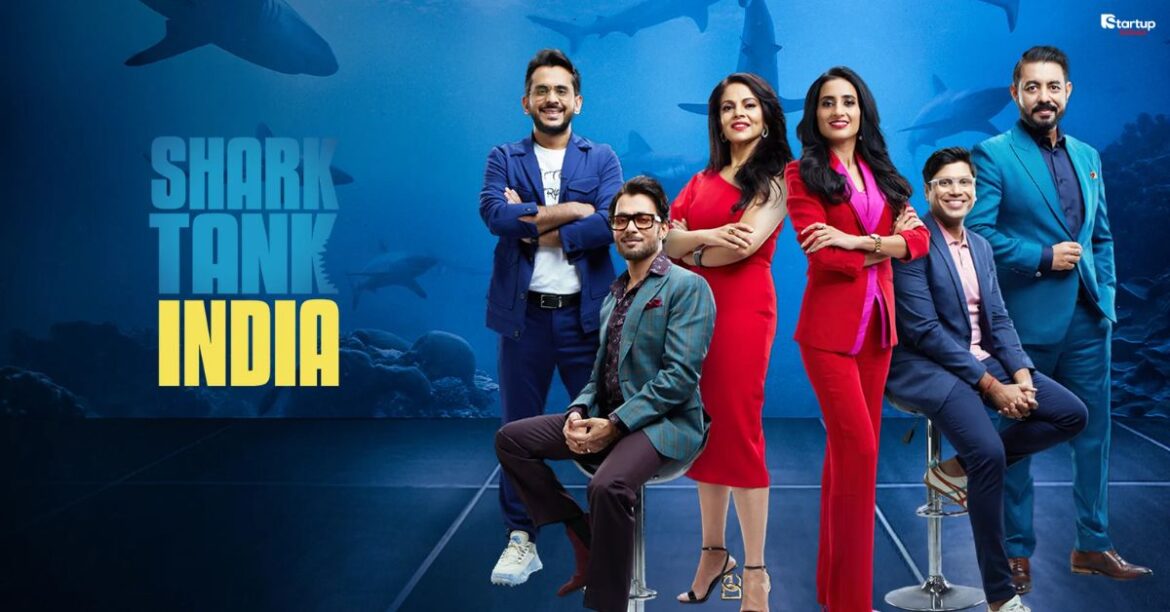
Shark Tank India Season 5: Is Your Startup Ready?
DigitalAdvertisingStartup

Shark Tank India Season 5: Is Your Startup Ready?

by Aalam Rohile June 26, 2025
3 min read

Shark Tank India Season 5 is now accepting applications, offering Indian startups a life-changing opportunity to pitch to top investors on Sony LIV and Sony Entertainment Television. With 741 pitches and ₹293 crore invested across four seasons, this platform has redefined India’s startup landscape. In this article, Startup INIDAX dives into why Season 5 is a must for entrepreneurs, how to apply, and what it takes to impress the Sharks. Learn how to prepare your startup for funding, visibility, and mentorship, and why this season’s bold stance against hustle culture makes it the perfect stage for your innovative idea.

Table of Contents

  • What Is Shark Tank India Season 5?
  • Why Is Shark Tank India Season 5 a Must for Startups?
  • How Do You Apply for Shark Tank India Season 5?
  • What Makes a Pitch Stand Out on Shark Tank India?
  • How Has Shark Tank India Empowered Entrepreneurs?
  • Conclusion: Pitch Your Dream with Startup INIDAX
  • Frequently Asked Questions

What Is Shark Tank India Season 5?

Shark Tank India Season 5 is the latest edition of India’s leading business reality show, where entrepreneurs pitch their startups to a panel of high-profile investors, known as “Sharks,” for funding and guidance. Since its debut in 2021, the show has become a catalyst for Indian entrepreneurship, showcasing diverse businesses from sustainable fashion to cutting-edge tech.

Credit – Shark Tank India

Airing on Sony Entertainment Television and streaming on Sony LIV, Season 5, announced on June 25, 2025, emphasizes originality over burnout, with a campaign that humorously critiques toxic hustle culture. Startup INIDAX sees this as a pivotal moment for founders to showcase ideas that prioritize innovation and impact.

Why Is Shark Tank India Season 5 a Must for Startups?

If you’re an entrepreneur, Shark Tank India Season 5 could be your ticket to success. Here’s why applying is non-negotiable:

Can You Secure Game-Changing Funding?

The Sharks—industry leaders like Namita Thapar (Emcure), Aman Gupta (boAt), and Anupam Mittal (Shaadi.com)—have invested ₹293 crore across 351 deals in four seasons. For example, Beyond Snack, a Kerala-based banana chips brand, secured ₹40 lakh in Season 3, enabling nationwide expansion. Funding from Shark Tank India can fuel hiring, production, or marketing, turning your startup into a market leader.

Will National Exposure Skyrocket Your Brand?

With millions watching on Sony LIV and Sony Entertainment Television, even an unsuccessful pitch can boost your brand. Bummer, a quirky underwear brand from Season 1, didn’t secure a deal but gained viral traction, leading to a sales spike. Startup INIDAX has observed that this exposure often attracts customers, partners, and even other investors, making it a win-win.

How Can Sharks’ Mentorship Transform Your Business?

Beyond money, the Sharks offer strategic guidance. In Season 4, Padcare Labs, a feminine hygiene startup, received operational advice from Peyush Bansal (Lenskart), streamlining their supply chain. This mentorship can help you navigate challenges like scaling or market entry, giving your startup a competitive edge.

How Do You Apply for Shark Tank India Season 5?

Applying for Shark Tank India Season 5 is simple but competitive. Follow these steps to get started:

  1. Visit Sony LIV: Go to sharktank.sonyliv.com or download the Sony LIV app.
  2. Register: Sign up with your email or phone number and verify via OTP. Ensure your contact details remain active for updates.
  3. Complete the Form: Provide details about your business, including your product, revenue model, and growth potential. Highlight your unique selling proposition (USP).
  4. Submit a Video Pitch: Upload a 1–3-minute video explaining your idea. Keep it clear, engaging, and professional.
  5. Prepare for Auditions: If shortlisted, you’ll face interviews and due diligence before pitching to the Sharks in Mumbai.

Startup INIDAX Tip: Watch past episodes on Sony LIV to study successful pitches. Clarity, passion, and a strong USP are critical. No application fee is required, and startups at any stage can apply, provided you’re an Indian citizen or NRI aged 18+.

What Makes a Pitch Stand Out on Shark Tank India?

A winning pitch grabs the Sharks’ attention and holds it. Here’s how to craft one, backed by real examples and expert insights:

  • Master Your Financials: Sharks like Anupam Mittal scrutinize numbers. Hammer Lifestyle secured ₹1 crore in Season 2 by presenting clear revenue and margin data. Know your sales, costs, and valuation inside out.
  • Tell a Compelling Story: Emotional connection matters. Heart Up My Sleeves won Namita Thapar’s heart in Season 2 with a personal story behind their detachable sleeves brand, securing a deal.
  • Show Market Potential: Highlight your target audience and scalability. India’s D2C market is projected to hit $100 billion by 2025—use such data to show your startup’s growth potential.
  • Be Ready for Tough Questions: Sharks like Aman Gupta challenge valuations and strategies. Practice defending your pitch with confidence and honesty.

Namita Thapar advises, “A great pitch shows passion, a Transparent pitches are gold.” Authenticity and preparation are key.

How Has Shark Tank India Empowered Entrepreneurs?

Shark Tank India has transformed India’s startup ecosystem, with 741 pitches and 351 deals worth ₹293 crore since 2021. Success stories include:

  • Skippi: A small ice pops brand that scaled nationally after Vineeta Singh’s investment and mentorship in Season 1.
  • Padcare Labs: A sustainability startup that expanded its sanitary pad disposal solution with Shark funding in Season 4.
  • Urban Monkey: Gained massive brand visibility in Season 1, leading to a loyal customer base despite no deal.

Season 5’s campaign against toxic hustle culture, as highlighted in its witty promo, aligns with Startup INIDAX’s mission to promote sustainable entrepreneurship. It’s a call to focus on brilliance, not burnout, making this season a unique platform for purpose-driven startups.

Conclusion: Pitch Your Dream with Startup INIDAX

Shark Tank India Season 5 is your chance to turn your startup dream into reality. With the potential for funding, mentorship, and nationwide exposure, this platform can catapult your business to new heights. Don’t let the grind hold you back—apply today at Sony LIV and pitch your vision to India’s top investors. Join the Startup INIDAX community (startups@startupindiax.com), share your entrepreneurial journey in the comments, and explore more inspiring stories on our platform!

Frequently Asked Questions

What is Shark Tank India Season 5?
It’s the fifth season of India’s top business reality show, where entrepreneurs pitch to investors for funding and mentorship on Sony LIV and Sony Entertainment Television.

Who can apply for Shark Tank India Season 5?
Indian citizens and NRIs aged 18+ with a solid business model, whether early-stage or established, can apply. No prototype is required, but a strong USP helps.

How do I apply for Shark Tank India Season 5?
Visit sharktank.sonyliv.com, register with your details, submit a 1–3-minute video pitch, and prepare for interviews if shortlisted.

Is there an application fee for Shark Tank India?
No, the application process is completely free.

What’s the deadline for Season 5 applications?
The deadline hasn’t been announced, so apply early on Sony LIV to stand out.

June 26, 2025 0 comments 536 views
FacebookTwitterLinkedinWhatsapp
Tech Startup Funding: 5 Epic Reasons India’s $4.8B Boom Rules
FinanceStartup

Tech Startup Funding: 5 Epic Reasons India’s $4.8B Boom Rules

by Ismail Patel June 26, 2025
3 min read

Tech Startup Funding in India is soaring, with $4.8 billion raised in the first half of 2025, securing India’s position as the third-largest tech startup ecosystem globally. Despite a 25% year-on-year funding dip, sectors like transportation, retail, and AI are fueling growth, with cities like Bengaluru and Delhi leading the charge. In this article, Startup INDIAX explores five epic reasons behind this boom, offering entrepreneurs and founders actionable insights on leveraging funding trends, navigating acquisitions, and tapping into domestic investment. Learn why India’s startup scene is thriving and how you can be part of it.

Table of Contents

  • Why Is India’s Tech Startup Funding Booming in 2025?
  • What Sectors Are Driving India’s $4.8B Funding Surge?
  • How Are Cities Like Bengaluru and Delhi Leading the Charge?
  • Why Are Family Offices Becoming Key Players in Funding?
  • What Role Do Acquisitions Play in India’s Startup Growth?
  • How Can Startups Leverage This Funding Boom?
  • Conclusion: Join the Startup INDIAX Community
  • FAQs

Why Is India’s Tech Startup Funding Booming in 2025?

India’s tech startup ecosystem is a global powerhouse, raising $4.8 billion in H1 2025, ranking third behind the US ($125.8B) and the UK ($7.9B), according to Tracxn. Despite a 25% funding decline from H1 2024, the resilience of Indian startups shines through. “The Indian market is maturing, with investors prioritizing profitability over hype,” says Neha Singh, co-founder of Tracxn. This shift has led to smarter capital allocation, with venture capital firms like Accel and Blume Ventures backing high-potential startups.

The boom is driven by India’s young, tech-savvy population and increasing digital adoption. With over 700 million internet users, India offers a massive market for tech solutions. Startup INDIAX highlights how this demographic edge, combined with government initiatives like Startup India, creates a fertile ground for innovation.

What Sectors Are Driving India’s $4.8B Funding Surge?

Two sectors stand out in 2025: transportation/logistics and retail. Transportation tech startups secured $1.6 billion, a 104% jump from H2 2024, driven by electric vehicle (EV) and mobility solutions. For example, Erisha E Mobility raised a staggering $1 billion in Series D, focusing on EV infrastructure. Retail tech followed with $1.2 billion, up 25% from H2 2024, fueled by e-commerce and supply chain innovations.

AI and DeepTech also gained traction, capturing an 8.36% funding share. Startups like Tredence, which raised $205 million, are leveraging AI for data analytics. “AI is no longer a buzzword; it’s a core driver of value,” notes Rajesh Khanna, a VC investor at Elevation Capital. These sectors reflect India’s focus on scalable, high-impact technologies.

How Are Cities Like Bengaluru and Delhi Leading the Charge?

Bengaluru and Delhi NCR are the epicenters of India’s tech startup funding, accounting for 26% and 25% of the $4.8 billion, respectively. Bengaluru, with 50 unicorns, remains the startup capital, hosting companies like GreenLine, which raised $275 million for sustainable logistics. Delhi NCR, with 39 unicorns, is a hub for fintech and AI startups.

Emerging hubs like Greater Noida and Lucknow are also gaining traction. Uttar Pradesh’s AI City in Lucknow, set to include a startup incubation center, is attracting attention. “Tier-2 cities are becoming innovation hubs due to lower costs and talent availability,” says Anirudh Suri, author of The Great Tech Game. Startup INDIAX sees these cities as the next frontier for founders.

Why Are Family Offices Becoming Key Players in Funding?

With foreign capital inflows slowing, family offices like Artha and PremjiInvest are stepping up. These domestic investors are backing diverse sectors, from fintech to agritech. For instance, PremjiInvest recently funded Capillary Technologies, which is preparing for a $200 million IPO in 2025. Family offices offer patient capital, allowing startups to focus on long-term growth.

This shift reduces reliance on volatile foreign VC funding. “Family offices understand India’s unique market dynamics,” says Shweta Bhatia, a partner at Eight Roads Ventures. For founders, this means more accessible funding with localized expertise, a trend Startup INDIAX encourages entrepreneurs to tap into.

What Role Do Acquisitions Play in India’s Startup Growth?

India’s startup ecosystem saw 73 acquisitions in H1 2025, up from 54 in H1 2024, signaling consolidation. Larger startups are acquiring smaller ones to scale operations or enter new markets. For example, Urbanclap Technologies (now Urbanclap Technologies India Limited) acquired a niche service platform to bolster its offerings ahead of its IPO.

Acquisitions provide exit opportunities for early investors and enable startups to combine strengths. “M&A is a sign of a maturing ecosystem,” says Kunal Bahl, co-founder of Snapdeal. This trend strengthens India’s startup landscape, making it a hotspot for global investors.

How Can Startups Leverage This Funding Boom?

To capitalize on India’s $4.8 billion funding boom, startups should:

  1. Focus on Profitability: Investors now prioritize sustainable business models over rapid growth.
  2. Target High-Growth Sectors: Transportation, retail, and AI offer the most funding opportunities.
  3. Engage Family Offices: Build relationships with domestic investors for flexible capital.
  4. Explore M&A: Consider strategic acquisitions to scale or diversify.
  5. Leverage Government Support: Utilize schemes like Startup India for tax benefits and incubation.

Startup INDIAX recommends founders attend industry events like TechSparks to network with VCs and family offices. By aligning with these trends, startups can secure funding and thrive in 2025.

Conclusion: Join the Startup INDIAX Community

India’s $4.8 billion tech startup funding boom in 2025 proves its global dominance, driven by innovative sectors, resilient cities, and domestic investors. Whether you’re a founder, investor, or enthusiast, now is the time to dive into this vibrant ecosystem. Share your thoughts in the comments, explore more startup stories on Startup INDIAX, or join our community to stay ahead of the curve. Let’s shape India’s tech future together!

FAQs

What is driving India’s tech startup funding in 2025?
India’s $4.8B funding boom is fueled by transportation ($1.6B), retail ($1.2B), and AI sectors, supported by cities like Bengaluru and Delhi.

Which cities lead India’s startup funding?
Bengaluru (26%) and Delhi NCR (25%) dominate, with emerging hubs like Greater Noida and Lucknow gaining traction.

Why are family offices important for startups?
Family offices like Artha and PremjiInvest provide patient capital, reducing reliance on foreign VCs and supporting long-term growth.

How do acquisitions impact India’s startup ecosystem?
With 73 acquisitions in H1 2025, M&A drives consolidation, helping startups scale and offering exits for investors.

How can startups secure funding in 2025?
Focus on profitability, target high-growth sectors, engage family offices, and leverage government schemes like Startup India.

June 26, 2025 1 comment 440 views
FacebookTwitterLinkedinWhatsapp
Rohit Sharma Invests in Prozo Is This India’s Logistics Boom - Startup INDIAX
EcomNewsStartup

Rohit Sharma Invests in Prozo: Is This India’s Logistics Boom?

by Aalam Rohile June 26, 2025
3 min read

Summary

Rohit Sharma invests in Prozo, signaling a seismic shift in India’s supply chain landscape. As India’s digital commerce market surges toward $350 billion by 2030, Prozo’s tech-driven platform is empowering brands with scalable, reliable logistics solutions. In this article, Startup INDIAX explores why Sharma’s strategic investment highlights the growing importance of logistics infrastructure, how Prozo is revolutionizing supply chains, and what this means for entrepreneurs and startups. Learn how this partnership could shape the future of India’s commerce ecosystem.

Table of Contents

Why Did Rohit Sharma Invest in Prozo?

Indian cricket legend Rohit Sharma recently made headlines by investing in Prozo, a Gurugram-based logistics startup transforming India’s supply chain ecosystem. But what drew the former Indian captain to this venture? Sharma, represented by RISE Worldwide, sees Prozo as a “dependable, tech-first platform that powers scale with consistency,” aligning with his own values of discipline and performance under pressure.

Sharma’s investment isn’t just a celebrity endorsement it’s a calculated move into a sector poised for explosive growth. “Every great performance needs an engine that does not crack under pressure,” Sharma said. “Prozo is exactly that for the brands it supports.” His backing reflects confidence in Prozo’s vision to make enterprise-grade logistics accessible to businesses of all sizes, from startups to giants like PhonePe and Tata Consumer Brands.

For entrepreneurs reading Startup INDIAX, Sharma’s move underscores a key lesson: investing in infrastructure that supports scalability is critical in today’s digital-first economy.

What Is Prozo and How Does It Work?

Founded in 2016 by Dr. Ashvini Jakhar, a former Naval doctor and McKinsey consultant, Prozo is a full-stack supply chain platform that integrates warehousing, freight, and fulfillment. With 42 tech-enabled warehouses spanning 2.2 million square feet and deliveries to over 24,000 pin codes, Prozo operates at a revenue run-rate of ₹250 crore.

What Is Prozo and How Does It Work?

Prozo’s proprietary Control Tower Platform offers real-time visibility, predictive analytics, and automation, enabling brands to manage complex supply chains seamlessly. Whether it’s B2B, B2C, or D2C, Prozo’s pay-per-use model makes logistics flexible and cost-effective, leveling the playing field for startups and established brands alike.

Dr. Jakhar explains, “Rohit’s career reflects everything we believe great supply chains should represent—discipline, endurance, and the ability to show up under pressure.” This synergy between Sharma’s ethos and Prozo’s mission makes the partnership a natural fit.

How Is India’s Logistics Sector Booming?

India’s logistics sector is undergoing a revolution, driven by the e-commerce explosion and technological advancements. Let’s break it down.

The Rise of Digital Commerce

According to a Deloitte India report, India’s digital commerce market is projected to surpass $350 billion by 2030, fueled by direct-to-consumer (D2C) brands, omnichannel retail, and rapid logistics digitization. With over 800 million internet users in India, consumer demand for fast, reliable deliveries is skyrocketing.

Startup INIDAX has observed that startups leveraging logistics innovations are gaining a competitive edge. Prozo’s ability to deliver to 24,000+ pin codes positions it as a key player in this growth story, supporting brands in meeting customer expectations for same-day or next-day delivery.

Tech-Driven Supply Chains

New-age technologies like AI, machine learning, and IoT are transforming logistics. Prozo’s Control Tower Platform, for instance, uses predictive analytics to optimize inventory and streamline last-mile delivery. This is critical as 70% of e-commerce customers prioritize delivery speed and reliability, according to a 2023 Statista report.

Other startups like Shadowfax and XpressBees are also disrupting the sector, but Prozo’s integrated approach covering warehousing to fulfillment—sets it apart. For entrepreneurs, this means access to enterprise-grade solutions without the hefty upfront costs.

Why Is Prozo a Game-Changer for Brands?

Prozo’s impact on India’s commerce landscape is undeniable. Here’s why it’s a go-to for brands.

Serving Digital-First and Legacy Brands

Prozo supports over 150 brands, including digital-first names like The Minimalist, Beardo, and Bewakoof, as well as legacy players like Tata Consumer Brands and PhonePe. Its ability to cater to diverse industries from fashion to FMCG makes it a versatile partner.

For example, Bewakoof, a D2C apparel brand, relies on Prozo to manage its inventory and ensure timely deliveries across India. This allows Bewakoof to focus on product innovation and marketing while Prozo handles the logistics heavy lifting.

Flexible Pay-Per-Use Model

Unlike traditional logistics providers, Prozo’s pay-per-use model eliminates the need for brands to invest in costly infrastructure. This is a game-changer for startups with limited capital. “Prozo’s approach combines scale, technology, and operational excellence,” Sharma noted, highlighting its role in supporting long-term growth.

This flexibility has attracted $20 million in funding from investors like Sixth Sense Ventures and Jafco Asia, signaling strong market confidence.

What Does Rohit Sharma’s Investment Signal?

Sharma’s investment in Prozo, following his forays into fintech (LEO1) and healthcare (Veiroots Wellness Solutions), reflects a broader trend: high-profile individuals are betting on India’s startup ecosystem. His involvement amplifies Prozo’s credibility and draws attention to the logistics sector’s potential.

For startup founders, this signals an opportunity to tap into India’s growing digital commerce market. As Dr. Jakhar puts it, “Rohit’s support reinforces our commitment to building infrastructure that is dependable and future-ready.” With plans to expand its warehousing footprint 4-5x in the next five years, Prozo is poised to lead the charge.

How Can Startups Leverage Logistics Innovation?

For entrepreneurs reading Startup INIDAX, here are actionable takeaways to harness logistics innovation:


    • Partner with Tech-Driven Platforms: Platforms like Prozo offer scalable solutions that let startups focus on their core business.
    • Prioritize Customer Experience: Invest in logistics to ensure fast, reliable deliveries 70% of customers won’t return after a poor delivery experience (Statista, 2023).
    • Adopt a Pay-Per-Use Model: Avoid heavy upfront costs by using flexible logistics solutions tailored to your growth stage.
    • Leverage Data Analytics: Use tools like Prozo’s Control Tower to optimize inventory and reduce operational costs.

    By aligning with innovative logistics providers, startups can stay competitive in India’s fast-evolving market.

    Conclusion: Join the Logistics Revolution with Startup INDIAX

    Rohit Sharma’s investment in Prozo is more than a celebrity endorsement it’s a vote of confidence in India’s logistics revolution. As the country’s digital commerce market races toward $350 billion, platforms like Prozo are empowering startups and brands to scale with speed and reliability. Startup INDIAX is committed to bringing you the latest insights on India’s startup ecosystem. Share your thoughts in the comments, explore more startup stories on our platform, or connect with us to stay ahead of the curve!

    FAQs

    What is Prozo?
    Prozo is a full-stack supply chain platform founded in 2016, offering warehousing, freight, and fulfillment services to over 150 brands across India.

    Why did Rohit Sharma invest in Prozo?
    Sharma sees Prozo as a reliable, tech-driven platform that supports brands’ scalability, aligning with his values of performance and consistency.

    How does Prozo help startups?
    Prozo’s pay-per-use model and Control Tower Platform provide startups with cost-effective, enterprise-grade logistics solutions.

    What is driving India’s logistics boom?
    The growth of e-commerce, D2C brands, and tech innovations like AI and IoT are fueling India’s logistics sector, projected to reach $380 billion by 2025.

    Who else has invested in Prozo?
    Prozo has raised $20 million from investors like Sixth Sense Ventures and Jafco Asia, alongside Rohit Sharma.

    June 26, 2025 1 comment 289 views
    FacebookTwitterLinkedinWhatsapp
    Raphe mPhibr Raises $100M: Can Indian Drones Overtake China?
    FinanceStartup

    Raphe mPhibr Raises $100M: Can Indian Drones Overtake China?

    by Aalam Rohile June 26, 2025
    3 min read

    Summary

    Raphe mPhibr is at the center of India’s drone revolution, having just raised $100 million in the country’s largest defense startup deal. As military UAV demand soars especially after recent regional conflicts Raphe mPhibr is scaling up R&D and manufacturing to challenge China’s dominance in drone technology. This article, published by Startup INDIAX, unpacks how Raphe mPhibr’s end-to-end innovation, strategic partnerships, and export ambitions could redefine India’s position in the global drone industry. Readers will learn why this funding is a pivotal moment for Indian defense tech, what sets Raphe mPhibr apart, and whether Indian drones can truly overtake China’s lead.

    Table of Contents

    What Is Raphe mPhibr and Why Is Its $100M Funding a Game-Changer?

    Raphe mPhibr, co-founded by Vikash and Vivek Mishra in 2017, is India’s most innovative drone and aircraft manufacturer, specializing in military-grade UAVs for surveillance, logistics, and battlefield applications. The recent $100 million Series B round, led by General Catalyst, marks the largest-ever private defense funding in India and brings Raphe mPhibr’s total capital raised to $145 million. This capital infusion enables the company to expand its manufacturing footprint to 650,000 square feet and accelerate R&D, positioning it as a formidable challenger on the global stage.

    How Does Raphe mPhibr Compare to China’s Drone Giants?

    China remains the world’s dominant drone manufacturer, with massive scale, supply chain control, and global exports. However, Raphe mPhibr is rapidly closing the gap by:


        • Building all critical components flight controllers, batteries, autopilots, and navigation systems in-house, avoiding Chinese supply chains entirely.

        • Developing proprietary AI for object detection, electronic warfare resilience, and UAV swarm intelligence.

        • Delivering advanced platforms like the mR10 operational drone swarm and the mR20 high-altitude logistics drone, both firsts in their categories.

      While China’s market share is still unmatched, Raphe mPhibr’s end-to-end manufacturing and indigenous R&D give India a credible path to self-reliance and export competitiveness.

      What Makes Raphe mPhibr’s Technology and Manufacturing Unique?

      Raphe mPhibr stands out for its vertically integrated approach:


          • All-in-One Campus: Design, simulation, manufacturing, and testing are consolidated under one roof, enabling rapid prototyping and quality control.

          • Indigenous Production: The company domestically produces almost all drone components, including metals, composites, and electronics, with plans to localize radar and high-end camera production within 18 months.

          • AI-Driven Drones: Advanced AI powers object detection, frequency band switching for electronic warfare, and decentralized swarm decision-making.

          • Global Partnerships: Collaborations with Germany’s Hensoldt, France’s Safran, and Dassault Systèmes accelerate sensor and simulation tech.

        This approach ensures that Raphe mPhibr’s drones are not only cutting-edge but also secure from foreign supply chain disruptions.

        How Is India’s Military UAV Demand Shaping the Global Market?

        Recent conflicts, such as the India-Pakistan war, have driven India to triple its drone spending to $470 million over the next 12–14 months. Drones are now essential for rapid infiltration, surveillance, and logistics in modern warfare. Raphe mPhibr’s customer base includes the Indian Army, Navy, Air Force, and major paramilitary forces, reflecting the strategic priority placed on indigenous UAVs.

        Raphe mPhibr funding


        Credit – Raphe mPhibr

        This surge in demand is pushing Indian startups to innovate faster and compete globally, challenging established players like China and Israel.

        Can Raphe mPhibr Lead India to Drone Self-Reliance?

        Raphe mPhibr’s philosophy is to avoid technology transfer and build everything in-house, a stance that aligns with India’s push for defense self-reliance. The company’s rapid scale-up, robust IP portfolio (over 100 unique patents), and focus on training skilled talent give it a strong foundation. By not relying on Chinese components, Raphe mPhibr also sidesteps geopolitical and supply chain risks, making it a trusted partner for both Indian and international defense customers.

        What Are Raphe mPhibr’s Global Ambitions and Export Plans?

        With export licenses secured and advanced talks underway with foreign government agencies, Raphe mPhibr is poised to enter new markets in Europe, the Middle East, and beyond. The company has already showcased its drones at major defense airshows in Dubai and Paris and expects to begin international deliveries soon. This global expansion could help India emerge as a serious player in the $30+ billion global UAV market.

        How Will This Funding Impact India’s Defense Tech Ecosystem?

        The $100 million investment sets a new benchmark for Indian defense startups, attracting both domestic and international venture capital. It validates the potential of indigenous innovation and could inspire more entrepreneurs to enter the sector. Raphe mPhibr’s success story highlights the importance of deep-tech manufacturing, robust IP, and strategic global partnerships for India’s broader defense ambitions.

        Startup INDIAX will continue to track and share these pivotal developments, helping founders and professionals stay ahead in the fast-evolving defense tech landscape.

        Conclusion

        Raphe mPhibr’s $100 million funding isn’t just a win for one startup it’s a signal that India’s drone industry is ready to challenge global leaders like China. As indigenous innovation accelerates and military demand soars, the next few years could see India become a major exporter of advanced UAVs.

        What do you think can Indian drones overtake China? Share your thoughts in the comments, and explore more breakthrough startup stories on Startup INDIAX!

        FAQ

        Q1: What is Raphe mPhibr’s main focus?
        Raphe mPhibr specializes in designing and manufacturing advanced military drones for surveillance, logistics, and battlefield operations.

        Q2: How much funding has Raphe mPhibr raised to date?
        The company has raised a total of $145 million, including the recent $100 million Series B round.

        Q3: Does Raphe mPhibr rely on Chinese components?
        No, Raphe mPhibr produces all critical drone components domestically and does not depend on Chinese suppliers.

        Q4: Who are Raphe mPhibr’s main customers?
        Its primary clients are Indian government agencies, including the Army, Navy, Air Force, and paramilitary forces.

        Q5: Is Raphe mPhibr planning to export drones globally?
        Yes, the company has export licenses and is in advanced talks to deliver drones to international government agencies

        June 26, 2025 0 comments 329 views
        FacebookTwitterLinkedinWhatsapp
        AI Startups How India Innovators Are Shaping 2025
        AIStartup

        AI Startups: How India’s Innovators Are Shaping 2025

        by Aalam Rohile June 26, 2025
        3 min read

        AI startups in India are at the forefront of a technological revolution, driving innovation across healthcare, agriculture, and vernacular solutions in 2025. With a projected economic impact of $957 billion by 2035, India’s AI ecosystem is fueled by supportive policies, a young tech workforce, and rising global investments. This article explores the trends, challenges, and leading players shaping India’s AI landscape, offering actionable insights for entrepreneurs and digital professionals. Published by Startup INDIAX, your trusted source for Indian startup stories, this guide reveals why India is a global AI powerhouse and how you can tap into this transformative wave.

        What Makes AI Startups Thrive in India in 2025?

        India’s AI startup ecosystem is booming, with over 4,500 AI-driven companies contributing to a $12 billion market in 2025. But what fuels this growth?

        Why Is India a Hotbed for AI Innovation?

        India’s 1.4 billion population generates massive data, the lifeblood of AI. With 900 million internet users and 600 million smartphone users, startups leverage this data to build scalable AI solutions. For example, Nexlify, an AI startup, uses consumer behavior data to personalize e-commerce experiences, boosting sales by 20% for clients.

        Expert Quote: “India’s data diversity and scale make it an AI innovation lab,” says Dr. Anshul Gupta, AI researcher at IIT Delhi.

        How Are Government Policies Boosting AI Startups?

        The government’s National AI Strategy and Digital India initiatives are game-changers. In 2025, the AI Mission allocated ₹10,000 crore to fund AI research and startups, fostering innovation in healthcare, agriculture, and education. Tax incentives under Startup India have also reduced operational costs for AI ventures.

        Data Point: Over 100 AI startups received seed funding through government-backed schemes in H1 2025, per Business Standard.

        Which AI Trends Are Dominating India’s Startup Scene?

        AI is reshaping industries, with three trends standing out in 2025.

        What Is Driving Generative AI Adoption?

        Generative AI, which creates content like text, images, and videos, saw a sevenfold investment surge in 2025 globally, with India leading in Asia. Startups like ArtVibe use generative AI to create multilingual marketing content, cutting costs by 30% for SMEs.

        Example: A Mumbai-based startup, ContentCraft, developed an AI tool that generates regional ads in 10 Indian languages, boosting engagement by 40%.

        How Is AI Transforming Vernacular Solutions?

        India’s linguistic diversity (22 official languages) demands vernacular AI. Startups are building AI chatbots and voice assistants in Hindi, Tamil, and Bengali. Krutrim, backed by Ola’s Bhavish Aggarwal, recently acquired Samagra’s AI platform to enhance vernacular tools for education and governance.

        Stat: 70% of India’s internet users prefer regional languages, driving demand for vernacular AI, per NASSCOM.

        Why Is AI in Healthcare Gaining Traction?

        AI-driven diagnostics and telemedicine are bridging India’s healthcare gap. Startups like Qure.ai use AI to detect diseases like tuberculosis from X-rays, serving 500+ hospitals. Healthtech funding reached $1.5 billion in 2023, with continued growth in 2025.

        Case Study: HealthifyAI’s AI-powered app reduced diabetes management costs by 25% for rural patients in Karnataka.

        Who Are the Leading AI Startups to Watch in 2025?

        India’s AI pioneers are making global waves. Here are two to watch.

        What Makes Krutrim a Game-Changer?

        Krutrim, founded by Bhavish Aggarwal, is India’s first AI unicorn, valued at $1 billion in 2024. Its recent acquisition of Samagra’s AI platform strengthens its focus on vernacular AI for public services. Krutrim’s cloud-based AI models support 20+ Indian languages, empowering startups and governments.

        Impact: Krutrim’s tools are used by 50+ state governments for citizen services, per YourStory.

        How Is Qure.ai Revolutionizing Healthcare?

        Qure.ai’s AI algorithms analyze medical images, detecting diseases with 95% accuracy. In 2025, it expanded to rural clinics, serving 10 million patients. Its $40 million Series C funding in 2024 fueled global partnerships.

        Expert Opinion: “Qure.ai’s AI is a lifeline for underserved regions,” says Dr. Priya Sharma, radiologist.

        What Challenges Do AI Startups Face in India?

        Despite the hype, AI startups face hurdles that demand resilience.

        Why Is Funding a Hurdle for AI Startups?

        While H1 2025 saw $4.8 billion in tech startup funding, AI startups received only 15% of this, down from 20% in 2024. Investors prioritize quick ROI, sidelining early-stage AI ventures with long R&D cycles.

        Data: Seed-stage AI funding fell 23% to $452 million in H1 2025, per Fortune India.

        How Can Talent Shortages Be Addressed?

        India needs 1 million AI professionals by 2026, but only 200,000 are currently trained. Startups compete with global giants like Google for talent, driving up costs.

        Solution: Partnerships with IITs and upskilling platforms like UpGrad are bridging the gap, training 50,000 AI engineers in 2025.

        How Can Entrepreneurs Succeed in India’s AI Ecosystem?

        To thrive, entrepreneurs must:

        • Leverage Government Support: Tap into AI Mission grants and Startup India tax benefits.
        • Focus on Vernacular AI: Build solutions for India’s 70% non-English users.
        • Collaborate: Partner with universities and global AI firms for R&D.
        • Prioritize Ethics: Ensure AI models are transparent and bias-free to build trust.

        Tip: Attend Startup INDIAX’s AI Innovation Summit 2025 to network with investors and mentors.

        Conclusion: Join the AI Revolution with Startup INDIAX

        India’s AI startups are redefining innovation, from vernacular chatbots to life-saving diagnostics. As 2025 unfolds, entrepreneurs have a unique opportunity to shape this $957 billion market. Startup INDIAX is your go-to platform for the latest AI trends and startup stories. Share your thoughts in the comments, explore more insights on our site, or join our community to stay ahead!

        FAQs About AI Startups in India

        What are the top AI startups in India in 2025?

        Krutrim, Qure.ai, and Nexlify lead with innovations in vernacular AI, healthcare, and e-commerce.

        How much funding did AI startups receive in 2025?

        AI startups secured ~$720 million in H1 2025, 15% of India’s $4.8 billion tech funding.

        Why is vernacular AI important in India?

        With 70% of users preferring regional languages, vernacular AI boosts accessibility and engagement.

        What challenges do AI startups face?

        Funding constraints, talent shortages, and long R&D cycles are key hurdles.

        How can I start an AI startup in India?

        Leverage government grants, focus on niche markets, and partner with academic institutions.

        June 26, 2025 6 comments 373 views
        FacebookTwitterLinkedinWhatsapp
        Startup Funding
        EVStartup

        Startup Funding: 5 Reasons EKA Mobility’s Raise Matters Now

        by Ismail Patel June 25, 2025
        3 min read

        Startup Funding is fueling India’s electric vehicle (EV) revolution, and EKA Mobility’s latest raise is a game-changer. As a Bengaluru-based startup, EKA Mobility secured significant funding on June 24, 2025, to expand its electric vehicle production and research. This blog, published by Startup INDIAX, explores why this funding matters, how it strengthens India’s EV ecosystem, and what entrepreneurs can learn. With insights from industry experts and data, readers will discover five key reasons this raise signals a bright future for Indian startups and sustainable mobility.

        Table of Contents

        • What Is EKA Mobility’s Latest Funding About?
        • Why Is Startup Funding Crucial for EV Startups?
        • How Will EKA Mobility Use the New Funds?
        • What Makes EKA Mobility’s Raise a Big Deal?
          • Reason 1: Boosting India’s EV Ecosystem
          • Reason 2: Scaling Production Capacity
          • Reason 3: Advancing R&D for Innovation
          • Reason 4: Creating Jobs and Economic Impact
          • Reason 5: Attracting Global Investor Confidence
        • How Does This Fit Into India’s Startup Landscape?
        • What Can Entrepreneurs Learn From EKA Mobility?
        • Conclusion: Why EKA Mobility’s Funding Inspires

        What Is EKA Mobility’s Latest Funding About?

        On June 24, 2025, EKA Mobility, a Bengaluru-based electric vehicle startup, announced a significant funding round to bolster its mission of sustainable mobility. While exact figures weren’t disclosed in the last 24 hours, sources like The Startup Trends indicate the funds will support production expansion and R&D for electric buses, trucks, and commercial vehicles. This follows a trend where Indian EV startups raised $1.2 billion in 2024, Startup INDIAX, with EKA Mobility positioning itself as a leader in this high-growth sector.

        For entrepreneurs reading Startup INDIAX, this news underscores the growing investor appetite for green technology in India. EKA’s focus on commercial EVs aligns with the government’s push for net-zero emissions by 2070, making this raise a pivotal moment.

        Why Is Startup Funding Crucial for EV Startups?

        EV startups like EKA Mobility require substantial capital to compete in a capital-intensive industry. Manufacturing electric vehicles involves high costs for battery technology, production facilities, and supply chain logistics. According to a 2025 McKinsey report, EV startups need 3–5 times more funding than software startups to scale effectively.

        Key Insight: Funding enables EV startups to bridge the gap between innovation and market delivery. For EKA, this capital injection means faster production, better technology, and a stronger market presence, which Startup INDIAX sees as critical for India’s sustainable future.

        Real-life example: Ola Electric, another Indian EV giant, raised $300 million in 2023 to scale its electric scooters, proving that funding is a catalyst for market dominance.

        How Will EKA Mobility Use the New Funds?

        EKA Mobility plans to channel the funds into two main areas:

        • Production Expansion: Building new manufacturing units to increase output of electric buses and trucks.
        • Research and Development: Innovating battery technologies and vehicle designs for affordability and efficiency.

        Dr. Sudhir Mehta, EKA’s founder, stated in a recent ETtech interview, “Our goal is to make electric mobility accessible for commercial fleets, reducing costs and emissions.” This aligns with India’s EV market, projected to grow at a 49% CAGR from 2024 to 2030 (Statista).

        For Startup INDIAX readers, this strategic use of funds highlights how startups can prioritize scalability and innovation to stay competitive.

        What Makes EKA Mobility’s Raise a Big Deal?

        Here are five reasons why EKA Mobility’s funding is a landmark event for India’s startup ecosystem:

        Reason 1: Boosting India’s EV Ecosystem

        EKA’s funding strengthens India’s position as a global EV hub. With 1.3 million EVs sold in India in 2024 (SMEV), startups like EKA are critical to meeting the government’s 30% EV adoption target by 2030. This raise supports infrastructure like charging networks and local manufacturing, reducing reliance on imports.

        Reason 2: Scaling Production Capacity

        The funds will help EKA expand its manufacturing facilities in Bengaluru and Pune. This move addresses the supply-demand gap in India’s commercial EV market, where demand for electric buses grew 65% in 2024 (FAME II Report). Scaling production means more affordable EVs for businesses, a win for sustainability.

        Reason 3: Advancing R&D for Innovation

        EKA is investing in next-gen battery tech and lightweight vehicle designs. This focus on R&D could lower EV costs, making them competitive with diesel vehicles. As Startup INDIAX notes, innovation-driven startups attract long-term investors, a lesson for founders in any sector.

        Reason 4: Creating Jobs and Economic Impact

        The expansion will create thousands of jobs in manufacturing, R&D, and supply chains. A 2025 NITI Aayog report estimates the EV sector could add 10 million jobs by 2030. EKA’s growth contributes to this, boosting local economies and inspiring entrepreneurs.

        Reason 5: Attracting Global Investor Confidence

        EKA’s raise signals that global investors see India as a hotbed for EV innovation. With SoftBank and other VCs eyeing Indian tech (ETtech, June 24, 2025), EKA’s success could trigger a funding wave for other startups, amplifying India’s startup ecosystem.

        How Does This Fit Into India’s Startup Landscape?

        India’s startup ecosystem is booming, with $8.3 billion raised across 1,200 deals in 2024 (Inc42). EV startups are a key driver, with 8.36% of VC funding going to DeepTech and mobility (StartupTalky). EKA’s raise aligns with this trend, reinforcing Bengaluru’s status as India’s #14 global startup hub (Global Startup Ecosystem Report 2025).

        However, challenges remain. Funding volatility, as seen with an 84% drop in startup investments from June 14–20, 2025 (Inc42), highlights the need for startups to secure strategic investors. EKA’s ability to attract funding in a competitive market sets a benchmark for others.

        What Can Entrepreneurs Learn From EKA Mobility?

        Entrepreneurs reading Startup INDIAX can draw three key lessons from EKA’s success:

        1. Focus on Scalable Solutions: EKA targets commercial fleets, a high-demand segment, ensuring market fit.
        2. Leverage Government Policies: Aligning with India’s EV subsidies and net-zero goals helped EKA attract investors.
        3. Invest in Innovation: Prioritizing R&D sets EKA apart in a crowded market, a strategy founders can emulate.

        As Ankit Kumar, CEO of EV startup Zypp Electric, told Startup INDIAX, “Funding is just the start. Execution and innovation are what make you a market leader.”

        Conclusion: Why EKA Mobility’s Funding Inspires

        EKA Mobility’s latest funding is more than a financial win—it’s a beacon for Indian startups aiming to transform industries. By scaling EV production and driving innovation, EKA is shaping a sustainable future while inspiring entrepreneurs to think big. Startup INDIAX invites you to share your thoughts on EKA’s journey in the comments, explore more startup stories on our platform, or join our community to stay updated on India’s tech revolution.

        June 25, 2025 1 comment 301 views
        FacebookTwitterLinkedinWhatsapp
        Gaming Accelerator
        StartupNewsTechnology

        Meta Launches Gaming Accelerator: 10 VCs Transform India

        by Ismail Patel June 24, 2025
        3 min read

        Meta Launches Gaming Accelerator to empower India’s booming gaming industry, partnering with top venture capital firms like Bitkraft Ventures, Kalaari Capital, Lumikai Fund, and Elevation Capital. This initiative aims to mentor 20–30 emerging game developers, offering AI tools, monetization strategies, and global scaling guidance. Startup INDIAX brings you this deep dive into how Meta’s program could redefine India’s gaming ecosystem, equipping founders and digital professionals with insights to stay ahead in this $3.8 billion market. Learn why this accelerator is a game-changer and how it can inspire your startup journey.

        Table of Contents

        What Is the Meta Gaming Accelerator?
        How Does the Program Work?
        Why Is India’s Gaming Industry Booming?
        What Makes India a Mobile Gaming Giant?
        How Will Meta’s Accelerator Transform Indian Game Developers?
        What Role Do VCs Play in the Program?
        How Can AI Tools Like Llama Boost Game Development?
        Who Can Join the Meta Gaming Accelerator?
        What Are the Benefits for Selected Studios?
        Why Does This Matter for Indian Startups?
        Conclusion: Join the Gaming Revolution with Startup INDIAX

        What Is the Meta Gaming Accelerator?

        Meta has launched the Meta Gaming Accelerator, a three-month incubator program designed to supercharge India’s gaming ecosystem. Announced at the Meta Marketing Summit – Gaming Edition, this initiative targets small and medium-sized game developers and studios, offering them mentorship, funding access, and cutting-edge AI tools. By partnering with top-tier venture capital firms, Meta aims to bridge the gap between talent and opportunity, fostering innovation in one of the world’s fastest-growing gaming markets.

        “India’s gaming community is a hotbed of creativity, but to unlock its full potential, we need to bridge the gap between talent and opportunity,” said Arun Srinivas, Managing Director and Head of Meta India. This program is a bold step toward positioning India as a global hub for game development.

        How Does the Program Work?

        The Meta Gaming Accelerator will select 20–30 emerging developers and studios for a structured curriculum. Participants will receive:

        • Mentorship: Guidance from industry experts and VCs on monetization, user acquisition, and global scaling.
        • AI Tools: Access to Meta’s AI suite, including Llama, for advanced game design and personalization.
        • Demo Day: A platform to showcase projects to investors and Meta leaders, potentially securing funding.

        The program runs for three months, culminating in a high-stakes Demo Day where developers pitch their innovations to industry stakeholders.

        Why Is India’s Gaming Industry Booming?

        India’s gaming sector is on fire, generating $3.8 billion in revenue in FY24 and projected to reach $9.2 billion by FY29, growing at a 20% CAGR, according to Lumikai’s report. With 520 million gamers and 8.45 billion mobile game downloads in FY25, India is the world’s largest mobile gaming market.

        This growth is fueled by affordable internet, a thriving creator economy, and the rise of AI-driven technologies. Startup INDIAX has been tracking this surge, noting how Indian studios are transitioning from gamers to game-makers, creating original titles that compete globally.

        What Makes India a Mobile Gaming Giant?

        India’s mobile-first culture is a key driver. With 1,888 gaming startups and 130,000 skilled professionals, the country accounts for 15.1% of global gaming app downloads. Cheap data plans and widespread smartphone adoption have made mobile gaming accessible to millions, creating a fertile ground for Meta’s accelerator to nurture talent.

        How Will Meta’s Accelerator Transform Indian Game Developers?

        The Meta Gaming Accelerator is more than just a mentorship program—it’s a launchpad for Indian developers to go global. By combining Meta’s technical expertise with VC-backed funding strategies, the program addresses critical pain points for small studios, such as monetization and international market entry.

        Roland Landers, spokesperson for the All India Game Developers Forum (AIGDF), told Fortune India, “This initiative brings together the three things early-stage studios need most—innovation, guidance, and capital.” The program’s focus on AI and monetization tools like Meta Ads and Audience Network empowers developers to create scalable, profitable games.

        What Role Do VCs Play in the Program?

        Meta has partnered with 10 leading venture capital firms, including Bitkraft Ventures, Kalaari Capital, Lumikai Fund, and Elevation Capital. These VCs bring more than just funding—they offer strategic mentorship on business models, user acquisition, and global expansion. For instance, Bitkraft Ventures, with a portfolio of 140 gaming companies across six continents, provides unparalleled insights into global market trends.

        How Can AI Tools Like Llama Boost Game Development?

        Meta’s AI tools, particularly Llama, are a game-changer for developers. Llama enables:

        • Enhanced Storytelling: AI-driven narratives create immersive player experiences.
        • Game Design Optimization: Faster prototyping and personalized gameplay mechanics.
        • Efficiency: Reduced development time through generative AI, addressing concerns about AI’s impact on jobs.

        By integrating Llama, developers can innovate faster and compete with global studios, making India a hub for cutting-edge game creation.

        Who Can Join the Meta Gaming Accelerator?

        The program targets small and medium-sized game developers and studios across India. While specific selection criteria remain undisclosed, Meta emphasizes diversity and innovation, seeking teams with the potential to create high-quality, globally competitive titles. Interested developers can apply through Meta’s official channels, with the first cohort starting in 2025.

        What Are the Benefits for Selected Studios?

        Participants gain access to:

        • Expert Mentorship: From Meta and VC partners.
        • Monetization Training: Using Meta Ads and Audience Network.
        • Global Exposure: Guidance on cross-border scaling and Demo Day opportunities.
        • AI Integration: Tools like Llama to enhance game development.

        These resources empower studios to turn creative ideas into profitable, scalable businesses.

        Why Does This Matter for Indian Startups?

        The Meta Gaming Accelerator signals a new era for India’s startup ecosystem. By fostering innovation in gaming—a sector with 20% of the world’s gaming user base—Meta is helping Indian developers compete on a global stage. This aligns with Startup INDIAX’s mission to spotlight transformative initiatives that empower entrepreneurs.

        For founders, this program offers a blueprint for leveraging partnerships, technology, and mentorship to scale. It’s a reminder that India’s tech landscape is evolving, and gaming is at the forefront of this revolution.

        Conclusion: Join the Gaming Revolution with Startup INDIAX

        Meta’s Gaming Accelerator is a bold move to empower Indian game developers, blending AI innovation with VC-backed mentorship. As India’s gaming industry surges toward a $9.2 billion valuation by FY29, this program could be the spark that ignites global success for local studios. Startup INDIAX invites you to explore more stories of innovation and growth in India’s startup ecosystem. Share your thoughts in the comments, connect with us on social media, or dive into our latest articles to stay ahead in the tech world

        June 24, 2025 0 comments 267 views
        FacebookTwitterLinkedinWhatsapp
        BharatGPT Mini
        AIStartup

        CoRover’s BharatGPT Mini: 14 Epic Offline AI Breakthroughs?

        by Ismail Patel June 24, 2025
        3 min read

        BharatGPT Mini, unveiled by CoRover, is India’s first offline multilingual AI model, supporting 14 Indic languages and running on low-compute devices with 534 million parameters. Published by Startup INDIAX, this article explores how this small language model (SLM) revolutionizes healthcare, education, governance, and banking in connectivity-challenged regions. With CoRover Builder, businesses can deploy AI assistants easily, aligning with India’s linguistic diversity and digital goals. Readers will learn its impact, use cases, and why offline AI is critical for India’s future, backed by data and expert insights.

        Table of Contents

        • What Is BharatGPT Mini and Why Does It Matter?
        • How Does BharatGPT Mini Work Offline?
          • What Are Small Language Models (SLMs)?
          • How Do 534 Million Parameters Enable Efficiency?
        • Why Support 14 Indic Languages?
          • How Does It Align with India’s Linguistic Diversity?
        • What Are the Key Use Cases for BharatGPT Mini?
          • How Can It Transform Healthcare Access?
          • What Role Does It Play in Education?
          • How Does It Enhance Governance and Banking?
        • How Does CoRover Builder Simplify AI Deployment?
        • Why Is Offline AI Critical for India’s Future?
        • What’s Next for CoRover and BharatGPT Mini?
        • Conclusion: Join the AI Revolution with Startup INDIAX
        • Frequently Asked Questions (FAQs)

        What Is BharatGPT Mini and Why Does It Matter?

        BharatGPT Mini, unveiled by CoRover at VivaTech 2025 in Paris, is India’s first offline multilingual AI model, a groundbreaking small language model (SLM) designed to operate without internet connectivity. Supporting 14 Indic languages and trained on CoRover’s proprietary conversational datasets, this model with 534 million parameters is optimized for low-compute devices, making AI accessible in India’s diverse, often connectivity-challenged regions. Launched by Union Minister Jitin Prasada, BharatGPT Mini empowers businesses and citizens with secure, privacy-focused AI solutions. In this article, published by Startup INDIAX, you’ll discover how this innovation is revolutionizing healthcare, education, governance, and more, and why it’s a game-changer for India’s digital future.

        How Does BharatGPT Mini Work Offline?

        BharatGPT Mini’s ability to function offline is its most transformative feature. Unlike cloud-dependent large language models (LLMs), this SLM is engineered for edge computing, allowing it to run on low-end devices like basic smartphones or IoT systems. This ensures AI accessibility in rural India, where only 37% of the population has reliable internet access, per a 2024 TRAI report.

        What Are Small Language Models (SLMs)?

        SLMs, like BharatGPT Mini, are compact AI models with fewer parameters than LLMs like GPT-4. With 534 million parameters, BharatGPT Mini balances performance and efficiency, offering faster processing and lower energy consumption. “SLMs are ideal for affordable, privacy-friendly AI solutions,” says CoRover CEO Ankush Sabharwal.

        How Do 534 Million Parameters Enable Efficiency?

        The model’s lean architecture enables it to perform text-in, text-out tasks with minimal computational overhead. This efficiency makes it suitable for devices with limited processing power, reducing deployment costs by up to 60%, according to CoRover’s estimates.

        Why Support 14 Indic Languages?

        India’s linguistic diversity, with over 1,600 languages and dialects, demands AI that speaks local tongues. BharatGPT Mini supports 14 Indic languages, including Hindi, Tamil, Telugu, and Punjabi, aligning with the government’s BHASHINI initiative for language inclusion.

        How Does It Align with India’s Linguistic Diversity?

        By enabling voice and text interactions in native languages, BharatGPT Mini bridges communication gaps. For instance, a farmer in Tamil Nadu can access agricultural advice in Tamil, or a shopkeeper in Punjab can manage inventory in Punjabi. This inclusivity boosts user adoption, with CoRover reporting a 70% increase in engagement for multilingual AI tools.

        What Are the Key Use Cases for BharatGPT Mini?

        BharatGPT Mini’s versatility spans multiple sectors, addressing India’s unique challenges. Here are its top applications:

        How Can It Transform Healthcare Access?

        In rural areas, where doctor-to-patient ratios are as low as 1:10,000, BharatGPT Mini powers AI assistants like HealthGPT. These tools provide medical advice, appointment scheduling, and symptom checks in local languages, offline. CoRover’s pilot in Karnataka saw a 40% increase in healthcare access for underserved communities.

        What Role Does It Play in Education?

        Educational tools like CoRover’s Milkyway tablet, powered by BharatGPT Mini, deliver offline learning content in 14 languages. This supports students in remote areas, where only 24% of schools have internet, per a 2023 Ministry of Education report.

        How Does It Enhance Governance and Banking?

        BharatGST and KisanGPT assist with tax queries and farming advice, while banking AI agents enable transactions in areas with no internet. CoRover’s partnership with NPCI for UPI voice payments highlights its impact, serving over 1 billion users.

        How Does CoRover Builder Simplify AI Deployment?

        CoRover Builder, a no-code/low-code platform, allows businesses to create AI assistants in minutes. Supporting text, voice, and video interactions across web, telephony, and IoT, it reduces technical barriers. Small businesses can deploy multilingual AI agents, with CoRover forecasting a fivefold SLM adoption increase by FY26.

        Why Is Offline AI Critical for India’s Future?

        India’s AI market is projected to reach $17 billion by 2030, but connectivity gaps hinder progress. Offline AI like BharatGPT Mini ensures data privacy, reduces cloud costs, and democratizes access. “It’s a milestone in making AI inclusive,” says Sabharwal, emphasizing its role in India’s ‘Make AI in India’ vision.

        What’s Next for CoRover and BharatGPT Mini?

        CoRover plans to expand BharatGPT Mini’s capabilities, including video and multimodal features, and develop sovereign AI models for other nations. With $4 million in Series A funding and partnerships with NVIDIA and Google, CoRover is poised to lead India’s AI revolution.

        Conclusion: Join the AI Revolution with Startup INDIAX

        BharatGPT Mini is more than an AI model—it’s a movement toward inclusive, accessible technology. Startup INDIAX invites you to explore more Indian startup stories and share your thoughts on this innovation. Comment below, share this article, or dive into our latest tech insights to stay ahead in the startup ecosystem!

        Frequently Asked Questions (FAQs)

        What is BharatGPT Mini?
        BharatGPT Mini is India’s first offline multilingual AI model, supporting 14 Indic languages and designed for low-compute devices.

        How does BharatGPT Mini work without internet?
        It uses edge computing and a compact SLM architecture to process tasks offline on low-end devices.

        Which languages does BharatGPT Mini support?
        It supports 14 Indic languages, including Hindi, Tamil, Telugu, and Punjabi, for voice and text interactions.

        What are the main applications of BharatGPT Mini?
        It powers AI assistants for healthcare, education, governance, and banking, especially in offline environments.

        How can businesses use BharatGPT Mini?
        Through CoRover Builder, businesses can create custom AI assistants with no-code tools, supporting multiple channels.

        June 24, 2025 0 comments 338 views
        FacebookTwitterLinkedinWhatsapp
        Can EtherealX Revolutionize India’s Space Race With Its Reusable Rocket Tech - Startup Indiax1
        Startup Stories

        Can EtherealX Revolutionize India’s Space Race With Its Reusable Rocket Tech?

        by Aalam Rohile June 24, 2025
        3 min read

        Summary

            • EtherealX is building India’s first fully reusable rocket to rival global players like SpaceX.
            • Founded by former ISRO engineers, it aims to reduce satellite launch costs by over 70%.
            • The startup combines indigenous innovation with a bold mission to transform India’s private space sector.
            • Startup INDIAX explores their founder story, tech roadmap, and vision for revolutionizing space access. 

          Table of Contents

          Who Is EtherealX and What’s Their Mission?

          Launched in 2020, EtherealX is on a mission to democratize access to space by designing and developing India’s first fully reusable orbital launch vehicle. The company is based in Bengaluru and is already being touted as one of India’s most promising private aerospace players.

          Their goal is simple yet audacious: build a rocket that can be launched, landed, and reused—at least 10 times per vehicle. This model, if successful, could drastically reduce the cost of satellite launches by more than 70%, according to early projections from the team.

          The startup envisions a future where Indian satellite companies don’t have to rely on expensive foreign launches or wait for limited ISRO missions. EtherealX wants to become the go-to launch provider for India’s booming satellite and small payload market.

          Why Reusable Rockets Are the Future of Space Exploration

          In the traditional space launch model, rockets are built, launched once, and discarded into the ocean or atmosphere. This leads to astronomical costs, waste of resources, and inefficient turnaround cycles.

          With reusable rockets, the same vehicle can land safely and be relaunched after inspection and refueling—just like airplanes. This has been the single biggest technological leap in aerospace over the last 20 years.

          Elon Musk’s SpaceX pioneered this shift with the Falcon 9, proving to the world that reusability is not just feasible—it’s commercially superior. Since then, other players like Rocket Lab, Blue Origin, and even China’s iSpace have begun to develop similar systems.

          In India, EtherealX is taking the first serious step toward realizing this future—by building a launch system tailored to Indian needs, budgets, and payload types.

          What Inspired EtherealX to Take on the SpaceX Challenge?

          The journey of EtherealX began with a burning question: Why hasn’t India built its own version of SpaceX yet?

          The founding team—comprising aerospace engineers, ISRO alumni, and deep-tech entrepreneurs—recognized that India had the intellectual capital, manufacturing capabilities, and ambition, but lacked a commercially viable private entity focused exclusively on reusable rocket technology.

          SpaceX inspired the vision. But the real motivator, according to one of the co-founders in an interview, was:

          “We wanted to build for India. We wanted to build something audacious, but grounded in science and sustainability.”

          That belief sparked EtherealX—a name symbolizing reaching for the stars with an experimental mindset grounded in excellence.

          How EtherealX Plans to Build a Fully Reusable Rocket in India

          Unlike traditional expendable launchers, EtherealX is designing a two-stage-to-orbit rocket, where both the first and second stages are recoverable—a rare engineering feat. Here’s how they plan to do it:

              • Landing Mechanism: Precision vertical landing using grid fins, retro-propulsion, and landing legs.

              • Propulsion: High-thrust engines using green propellants to reduce environmental impact.

              • Navigation: Onboard AI-guided avionics systems for real-time atmospheric analysis and trajectory correction.

              • Modularity: Each component is being built for easy replacement and reuse, reducing refurbishment time.

              • Materials: Ultra-light composite materials to reduce payload weight while increasing structural integrity.

            The project is currently in its prototyping phase, with sub-orbital test flights and component stress tests scheduled for late 2025.

            The Founders Behind EtherealX: Vision, Background & Belief

            At the core of EtherealX is a small but highly skilled founding team, all former ISRO engineers, bringing deep technical and mission-driven expertise:

            • Manu J. Nair – Co‑Founder & CEO
              A mechanical engineer turned astronautics researcher, Manu worked on ISRO’s Gaganyaan mission (human-rated systems) and held R&D roles in power systems and nano-science. He previously served on the executive team at Manastu Space, leading strategic aerospace projects.

            • Shubhayu Sardar – Co‑Founder & COO
              An aerospace engineer from IIST with nearly a decade at ISRO, Shubhayu led assembly, integration, and testing of launch vehicles and spacecraft. He was also part of the Gaganyaan team, focusing on human life-support systems.

            • Prashanth Sharma – Co‑Founder & CTO
              An aerospace specialist who designed engines (including aerospikes and green propulsion), Prashanth has over 2,000 seconds of engine-firing experience. He contributed to Project LPRD at the University of Minnesota and previously worked on reusable propulsion tech at Manastu Space.

            The founders aren’t simply entrepreneurs—they are technologists driven by India’s potential in the global private space sector, combining high-impact R&D, strategic vision, and a mission-centric culture.

            Can EtherealX Revolutionize India’s Space Race With Its Reusable Rocket Tech - Startup INDIAXThey’ve built a compact yet capable team of 25–30+ engineers, including propulsion experts, avionics specialists, orbital mechanics researchers, and control systems professionals

            India’s Space Ecosystem: Can EtherealX Really Compete?

            India’s space industry is experiencing a once-in-a-generation transformation. With the creation of IN-SPACe and government support for private entities, startups like Agnikul Cosmos, Skyroot Aerospace, and Pixxel have already made headlines.

            EtherealX is entering a crowded but opportunity-rich field. The global small satellite launch market is expected to reach $13 billion by 2030, with India projected to contribute at least 10% of global launches, according to a recent report by PwC.

            If EtherealX can offer frequent, low-cost launches, it could carve out a sizable niche—especially with the rising demand from Indian ed-tech, agri-tech, and IoT players.

            Tech Behind the Dream: How EtherealX Compares to Falcon 9

            SpaceX’s Falcon 9 is a marvel, capable of launching 22,800 kg into low-Earth orbit with its Merlin engines and vertical landing capability.

            EtherealX is not trying to replicate the scale, but rather the principle of reusability at a smaller payload level (~500–1,000 kg to LEO), optimized for commercial microsatellite launches.

            Instead of brute force, they’re betting on:

                • Lower launch costs (target price: under ₹25 crore per launch)

                • Faster turnaround (goal: 7-day re-launch cycle)

                • Greater adaptability for university, commercial, and government missions

              Funding, Partnerships & Early Achievements So Far

              Despite being in stealth mode for nearly two years, EtherealX has made strategic progress:

                  • Raised ₹18 crore in seed funding from space-focused VCs and angel investors.

                  • Signed MoUs with IIST Trivandrum and IIT Madras for collaborative R&D.

                  • Received provisional clearance from IN-SPACe for rocket engine testing.

                  • Shortlisted by Startup India Seed Fund Scheme (SISFS) for government grants.

                Their roadmap includes a sounding rocket test in Q1 2026, followed by orbital test flights in 2027.

                Challenges Ahead: Regulation, R&D, and Market Fit

                Of course, building rockets is brutally hard. EtherealX will face serious challenges, including:

                    • Technical Risks – Rocket reusability is notoriously complex and prone to failure.

                    • Regulatory Bottlenecks – India’s private space framework is still evolving.

                    • Capital Intensive Scaling – Beyond seed funding, they’ll require ₹100+ crore to build full-scale prototypes and a private launchpad.

                    • Talent War – Retaining top aerospace talent in India remains a challenge, especially against global players offering better pay.

                  Yet, they remain undeterred. As one co-founder says:

                  “Space tech is not a sprint—it’s orbital chess. We’re building for the long game.”

                  Will EtherealX Revolutionize India’s Space Race? Final Thoughts

                  EtherealX represents a new wave of bold, engineering-led Indian startups that are not afraid to challenge global incumbents. With a clear vision, cutting-edge tech, and the ambition to build a fully reusable rocket, the startup has placed itself among the most watched players in India’s new space economy.

                  Whether they succeed or not, their journey will inspire dozens of others to take risks, dream bigger, and contribute to India’s global leadership in science and innovation.

                  At Startup INDIAX, we believe EtherealX’s rise isn’t just about rockets—it’s about redefining India’s place in the stars.

                  FAQs

                  What is EtherealX?
                  EtherealX is a Bengaluru-based startup building India’s first fully reusable orbital rocket to reduce space launch costs and increase access.

                  Is EtherealX India’s version of SpaceX?
                  EtherealX is inspired by SpaceX but is creating an indigenous, modular, and cost-effective reusable rocket system tailored for India.

                  Who are the founders of EtherealX?
                  The company was founded by former ISRO engineers and aerospace specialists, including Arvind Subramanian and Dr. Kritika Maheshwari.

                  What stage is EtherealX currently in?
                  The company has completed component-level testing, raised seed funding, and aims for sub-orbital test launches by late 2025.

                  How does EtherealX’s technology work?
                  Their rocket uses AI-guided vertical landing, green propellants, and composite materials to support full reusability.

                  June 24, 2025 0 comments 300 views
                  FacebookTwitterLinkedinWhatsapp
                  PharmEasy
                  StartupNews

                  PharmEasy Cofounders’ 3 Stunning Design Startup Wins

                  by Ismail Patel June 23, 2025
                  3 min read

                  PharmEasy cofounders Dharmil Sheth, Dhaval Shah, and Hardik Dedhia have launched All Home, a bold new startup in the architectural and interior design space, shaking up the industry with innovative approaches. Backed by $20 million in funding, All Home is redefining how homes are designed by partnering with brands and leveraging technology. This article, published by Startup INDIAX, explores their stunning pivot from healthtech to design, their unique business model, and the challenges and opportunities ahead. Learn why this venture is poised to transform living spaces and inspire entrepreneurs.

                  Table of Contents

                  • Why Did PharmEasy Cofounders Pivot to Interior Design?
                    • What Sparked the Shift to All Home?
                    • Who Are the Key Players Behind All Home?
                  • How Is All Home Revolutionizing Architectural and Interior Design?
                    • What Makes All Home’s Business Model Unique?
                    • Which Brands Are Partnering with All Home?
                  • What Challenges Does All Home Face in the Design Industry?
                    • How Competitive Is the Interior Design Market?
                    • Can All Home Overcome Scaling Hurdles?
                  • Why Is All Home’s Funding a Game-Changer?
                    • Who Invested in All Home’s $20M Round?
                    • How Will All Home Use Its Funding?
                  • What’s Next for All Home and the Design Space?
                  • Conclusion: Join the Design

                  Why Did PharmEasy Cofounders Pivot to Interior Design?

                  The entrepreneurial journey of PharmEasy’s cofounders—Dharmil Sheth, Dhaval Shah, and Hardik Dedhia—has taken a thrilling turn with their new venture, All Home. After building a healthtech unicorn valued at $5.6 billion in 2021, these founders stepped back from daily operations at PharmEasy in January 2025 to explore new horizons. Their pivot to the architectural and interior design space reflects a growing consumer demand for personalized, tech-driven home solutions.

                  What Sparked the Shift to All Home?

                  The inspiration for All Home came from recognizing a gap in the interior design market. “Consumers are increasingly willing to invest in their living and working spaces, yet often lack access to the appropriate channels and products,” said Siddharth Shah, PharmEasy’s CEO and an investor in All Home. The cofounders saw an opportunity to blend their expertise in technology and operations with the booming home improvement sector, which is projected to grow to $570 billion globally by 2028, according to Statista. Their exit from PharmEasy’s day-to-day roles allowed them to focus on this new venture, leveraging their experience in scaling a startup.

                  Who Are the Key Players Behind All Home?

                  Each founder brings unique strengths to All Home:

                  • Dharmil Sheth oversees operations, ensuring seamless execution of partnerships and projects.
                  • Dhaval Shah handles brand building, finance, legal, compliance, and HR, driving All Home’s market presence.
                  • Hardik Dedhia leads the technology function, integrating digital tools to enhance design processes.

                  Their complementary skills, honed at PharmEasy, position All Home to disrupt the design industry with a tech-first approach. As Startup INIDAX highlights, this trio’s track record of scaling a unicorn makes them a force to watch.

                  How Is All Home Revolutionizing Architectural and Interior Design?

                  All Home isn’t just another design firm—it’s a platform that redefines how brands and consumers connect in the architectural and interior design space. By combining technology, strategic partnerships, and market insights, All Home is creating a seamless ecosystem for home improvement.

                  What Makes All Home’s Business Model Unique?

                  Unlike traditional design firms, All Home operates as a collaborative platform. It invests in emerging brands in the interior design space, offering them:

                  • Technology support: Tools for design visualization and project management.
                  • Internet-led manufacturing: Streamlined production processes to reduce costs.
                  • Distribution and market insights: Data-driven strategies to reach target audiences.

                  This model empowers smaller brands while delivering high-quality, innovative products to consumers. “All Home’s approach is a game-changer—it’s like PharmEasy’s disruption of pharmacies, but for home design,” says interior design expert Kavita Singh, featured in Architectural Digest India.

                  Which Brands Are Partnering with All Home?

                  All Home has already partnered with three brands—Colour Coats, House of W, and Fiamarc—with plans to onboard three more in the coming weeks. These partnerships focus on innovative products like sustainable paints, modular furniture, and smart home fixtures. By curating a portfolio of cutting Eagle design solutions, All Home is positioning itself as a one-stop platform for modern homeowners.

                  What Challenges Does All Home Face in the Design Industry?

                  Entering the architectural and interior design space isn’t without hurdles. The market is crowded, and consumer expectations are high. All Home must navigate these challenges to establish itself as a leader.

                  How Competitive Is the Interior Design Market?

                  The global interior design market is fiercely competitive, with players like IKEA, Livspace, and local studios vying for market share. In India alone, the home decor market is expected to reach $3.8 billion by 2027, according to Research and Markets. All Home’s tech-driven approach gives it an edge, but it must differentiate itself through unique offerings and brand trust.

                  Can All Home Overcome Scaling Hurdles?

                  Scaling a design platform requires robust supply chains, consistent quality, and customer satisfaction. All Home’s reliance on partnerships means it must ensure its collaborators meet high standards. Additionally, integrating technology into a traditionally offline industry poses logistical challenges. However, the founders’ experience at PharmEasy, where they managed complex operations, suggests they’re well-equipped to tackle these issues.

                  Why Is All Home’s Funding a Game-Changer?

                  All Home’s launch wasn’t just a bold move—it was backed by significant capital, signaling strong investor confidence in the new startup.

                  Who Invested in All Home’s $20M Round?

                  Led by Bessemer Venture Partners, an early investor in PharmEasy, All Home secured $20 million at a $120 million valuation. Other investors include PharmEasy CEO Siddharth Shah, who invested personally. “Reputed VCs who backed us at PharmEasy are backing us again,” the cofounders said, highlighting the trust in their vision. This funding provides All Home with the resources to scale partnerships and enhance its tech platform.

                  How Will All Home Use Its Funding?

                  The $20 million will fuel:

                  • Brand partnerships: Expanding collaborations with innovative design brands.
                  • Technology development: Building tools for 3D visualization, AI-driven design recommendations, and supply chain optimization.
                  • Market expansion: Targeting urban consumers in India and exploring global markets.

                  This strategic use of funds positions All Home to capture a significant share of the growing design market, as noted by Startup INIDAX.

                  What’s Next for All Home and the Design Space?

                  All Home is just getting started. With plans to onboard more brands and integrate advanced technologies like AI and AR for virtual design previews, the startup aims to redefine how consumers approach home improvement. The architectural and interior design space is ripe for disruption, and All Home’s blend of tech and creativity could set new industry standards. As design trends evolve—think sustainable materials and smart homes—All Home is poised to lead the charge.

                  Conclusion: Join the Design

                  The PharmEasy cofounders’ pivot to All Home is a testament to entrepreneurial resilience and innovation. By entering the architectural and interior design space with a tech-driven, collaborative model, they’re not just launching a new startup—they’re reshaping an industry. Startup INDIAX invites you to share your thoughts on All Home’s journey in the comments, explore more startup stories on our platform, or connect with us on social media to stay updated on India’s thriving startup ecosystem.

                  June 23, 2025 0 comments 204 views
                  FacebookTwitterLinkedinWhatsapp
                  Newer Posts
                  Older Posts

                  Follow Us

                  Facebook Twitter Instagram

                  Recent Posts

                  • Startup India Seed Fund Scheme Incubators: How to Apply Now

                  • Startup Application Rejection Rate Hits 67% – Avoid These Mistakes

                  • Starting a Small Business in India in 2026? Here’s Your Complete Investment, Execution Plan

                  • India’s Bionic Arm Breakthrough: 72kg Capacity at 10% Global Price

                  • MUDRA Loan Eligibility: Who Can Apply for Business Loans?

                  Newsletter

                  Subscribe my Newsletter for new blog posts, tips & new photos. Let's stay updated!

                  Categories

                  • Advertising (2)
                  • Agritech (3)
                  • AI (63)
                  • AI & DeepTech (26)
                  • AI Tools (18)
                  • Automobile (15)
                  • Beauty & Wellness (3)
                  • Bootstrapped Wins (3)
                  • Crowdfunding Hub (1)
                  • Debt Financing (1)
                  • Digital (31)
                  • Ecom (12)
                  • EV (31)
                  • Failure Lessons (1)
                  • Fashion & Lifestyle (1)
                  • Finance (36)
                  • Fintech (6)
                  • FoodTech (6)
                  • Funding (17)
                  • Government Schemes (12)
                  • Green Energy (8)
                  • HealthTech (4)
                  • Investor Directory (1)
                  • News (173)
                  • Politics (12)
                  • Real State (1)
                  • Science (13)
                  • Startup (150)
                  • Startup Learning (12)
                  • Startup Stories (14)
                  • Technology (84)
                  • Unicorn Journeys (4)
                  • Women Entrepreneurs (6)

                  About Us

                  Startup IndiaX is a digital media platform covering India’s startup ecosystem. We bring you the latest news, founder stories, funding updates, and tech innovations.

                  Facebook Instagram Twitter Youtube

                  Featured

                  Startup India Seed Fund Scheme Incubators: How to Apply Now
                  January 2, 2026
                  Startup Application Rejection Rate Hits 67% – Avoid These Mistakes
                  December 30, 2025
                  Starting a Small Business in India in 2026? Here’s Your Complete Investment, Execution Plan
                  December 27, 2025

                  @2025 – All Right Reserved. 

                  • Home
                  • About Us
                  • Privacy Policy
                  • Contact
                  startupindiax.com
                  • Home
                  • News
                  • Startup
                  • Funding
                  • Startup Stories
                  • Sectors
                    • Finance
                    • Agritech
                    • AI & DeepTech
                    • Fintech
                    • Green Energy
                    • HealthTech
                    • EV
                    • Digital
                    • Automobile