startupindiax.com
  • Home
  • News
  • Startup
  • Funding
  • Startup Stories
  • Sectors
    • Finance
    • Agritech
    • AI & DeepTech
    • Fintech
    • Green Energy
    • HealthTech
    • EV
    • Digital
    • Automobile
startupindiax.com
SUBSCRIBE
Sunday, January 25, 2026
  • Home
  • News
  • Startup
  • Funding
  • Startup Stories
  • Sectors
    • Finance
    • Agritech
    • AI & DeepTech
    • Fintech
    • Green Energy
    • HealthTech
    • EV
    • Digital
    • Automobile
startupindiax.com
startupindiax.com
  • Home
  • About Us
  • Privacy Policy
  • Contact

@2025 - All Right Reserved.

Meta launches Oakley
AIStartupTechnology

Meta launches Oakley AI Glasses: 5 Features Athletes Will Love

by Ismail Patel June 23, 2025
3 min read

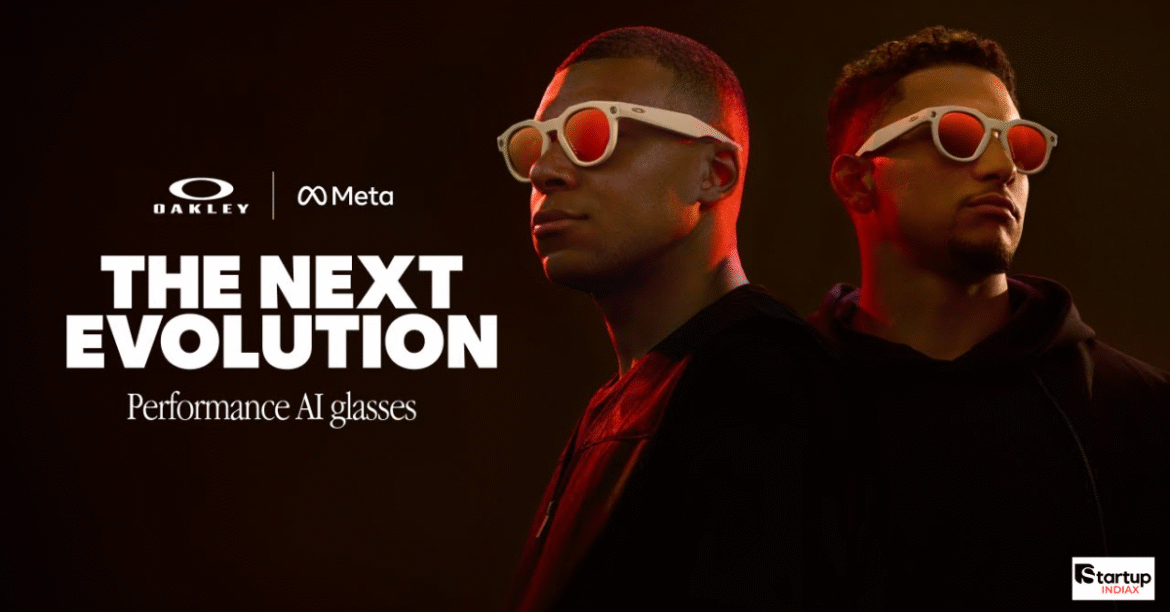
Meta launches Oakley AI glasses, a game-changing wearable designed as smart glasses for athletes, combining cutting-edge tech with Oakley’s iconic style. Published by Startup INDIAX, this article explores the five standout features of the Oakley Meta HSTN glasses, from 3K video recording to Meta AI integration. Readers will learn how these glasses enhance athletic performance, why they’re a must-have for 2025, and what they mean for tech startups. With a global market for smart glasses projected to hit $10 billion by 2027, this launch signals a new era for wearable tech

Table of Contents

  • What Are Meta’s Oakley AI Glasses?
  • Why Are Smart Glasses for Athletes Trending in 2025?
  • What Makes Meta’s Oakley HSTN Stand Out?
    • 1. Ultra HD 3K Camera for Hands-Free POV Recording
    • 2. Eight-Hour Battery Life for All-Day Performance
    • 3. IPX4 Water Resistance for Intense Workouts
    • 4. Meta AI Integration for Real-Time Insights
    • 5. Open-Ear Audio for Seamless Connectivity
  • How Do Oakley Meta Glasses Compare to Ray-Ban Meta?
  • What Do Experts and Athletes Say About Meta’s Oakley Glasses?
  • Why Should Startups Pay Attention to This Launch?
  • Conclusion: Join the Smart Glasses Revolution

What Are Meta’s Oakley AI Glasses?

Meta, in collaboration with Oakley and EssilorLuxottica, unveiled the Oakley Meta HSTN smart glasses on June 20, 2025. Pronounced “HOW-stuhn,” these smart glasses for athletes are engineered for performance, blending Oakley’s rugged aesthetics with Meta’s AI-driven technology. Priced at $399 for standard models and $499 for a limited-edition gold-accented pair, they’re available for pre-order from July 11 in multiple countries, including the US, Canada, and India later in 2025. Unlike Meta’s Ray-Ban glasses, the HSTN targets active users like runners, cyclists, and skiers.

Why Are Smart Glasses for Athletes Trending in 2025?

The global smart glasses market is booming, with a projected value of $10 billion by 2027, driven by demand for hands-free tech in sports and fitness. Athletes want devices that enhance performance without compromising style or durability. Meta’s partnership with Oakley taps into this trend, leveraging Oakley’s cult following among cyclists and runners. As Startup INDIAX reports, startups in India are also exploring wearable tech, making this launch a pivotal moment for tech entrepreneurs.

What Makes Meta’s Oakley HSTN Stand Out?

Here are the five features that make Meta launches Oakley AI glasses a must-have for athletes:

1. Ultra HD 3K Camera for Hands-Free POV Recording

The Oakley Meta HSTN boasts a 12MP camera that records 3K video, a significant upgrade from the 1080p camera in Ray-Ban Meta glasses. This allows athletes to capture high-quality, first-person footage during activities like snowboarding or cycling. For example, pro surfer Gabriel Medina uses the glasses to record POV clips for Instagram, sharing his rides hands-free. The camera’s side placement ensures balance, and an LED privacy light addresses recording concerns.

2. Eight-Hour Battery Life for All-Day Performance

With an eight-hour battery life (double that of Ray-Ban Meta’s four hours) and 19 hours on standby, these glasses support long training sessions. The included charging case provides up to 48 hours of on-the-go power, juicing up to 50% in just 20 minutes. Marathon runner Priya Sharma, an Indian athlete, praised the battery for lasting her entire 42K race, allowing her to document her journey without recharging.

3. IPX4 Water Resistance for Intense Workouts

The HSTN’s IPX4 water resistance protects against sweat and rain, ideal for intense workouts. Oakley’s Prizm and Polarized lenses enhance visibility in changing light conditions, making them perfect for outdoor sports. Cyclist Rohan Patel, a startup founder, noted on Startup INDIAX that the glasses stayed secure and functional during a rainy 100-mile ride, outperforming traditional action cameras like GoPro.

4. Meta AI Integration for Real-Time Insights

Meta AI, activated by saying “Hey Meta,” provides hands-free access to real-time data. Golfers can ask about wind speed, while runners can get navigation cues. For instance, pro golfer J.R. Smith uses Meta AI to adjust his swing based on weather data. The glasses also connect to the Be My Eyes network, aiding visually impaired athletes, showcasing Meta’s commitment to accessibility.

5. Open-Ear Audio for Seamless Connectivity

Five onboard microphones and open-ear Bluetooth speakers enable calls, music, and podcasts without blocking ambient sounds. Skater Ishod Wair streams Spotify playlists during practice, staying aware of his surroundings. The audio quality rivals premium earbuds, and hands-free messaging via WhatsApp keeps athletes connected on the go.

How Do Oakley Meta Glasses Compare to Ray-Ban Meta?

While Ray-Ban Meta glasses ($240–$300) are stylish and versatile, Oakley Meta HSTN ($399–$499) is purpose-built for athletes. Key differences include:

  • Camera: 3K (HSTN) vs. 1080p (Ray-Ban).
  • Battery: 8 hours (HSTN) vs. 4 hours (Ray-Ban).
  • Durability: IPX4 water resistance (HSTN) vs. none (Ray-Ban).
  • Design: Athletic-focused (HSTN) vs. casual (Ray-Ban).

Both use Meta AI, but HSTN’s rugged build and longer battery life make it ideal for sports. EssilorLuxottica reports selling over two million Ray-Ban Meta pairs since 2023, aiming for 10 million smart glasses annually by 2026.

What Do Experts and Athletes Say About Meta’s Oakley Glasses?

Alex Himel, Meta’s VP of Wearables, told The Verge, “This is our first step into the performance category, with more to come.” Oakley Global President Caio Amato added, “We’re amplifying human potential as never before.” Athletes like Kylian Mbappé and Patrick Mahomes, featured in Meta’s campaign, endorse the glasses for their seamless tech integration. On X, users like @JvShah124 praised the 3K video and AI features, reflecting positive sentiment.

Why Should Startups Pay Attention to This Launch?

For Indian startups, Meta launches Oakley AI glasses highlight the potential of wearable tech. The integration of AI and IoT (Internet of Things) opens opportunities in fitness tracking, real-time coaching, and AR analytics. With India’s startup ecosystem growing—over 100,000 startups registered by 2025—this launch inspires innovation. Entrepreneurs can explore partnerships with global brands like Oakley or develop localized smart wearables for India’s fitness market.

Conclusion: Join the Smart Glasses Revolution

Meta launches Oakley AI glasses redefine how athletes interact with technology, offering unparalleled features for performance and connectivity. Whether you’re a startup founder or a fitness enthusiast, the Oakley Meta HSTN is a glimpse into the future of wearables. Share your thoughts in the comments, explore more tech stories on Startup INDIAX, or pre-order your pair to experience the revolution firsthand!

June 23, 2025 0 comments 568 views
FacebookTwitterLinkedinWhatsapp
Mokobara
FinanceEcomNews

33 Rejections Conquered: Mokobara’s Epic ₹117 Cr Victory

by Ismail Patel June 23, 2025
3 min read

33 Rejections didn’t deter Mokobara’s founders, Sujayath Ali and Navin Parwal, from building a ₹117 crore Indian luggage brand by FY24. This Startup INDIAX article explores their 18-month field-testing journey, innovative D2C strategies, and bold branding that transformed setbacks into success. Entrepreneurs will learn how to overcome rejection, prioritize quality, and leverage digital channels to create a standout brand in a competitive market.

Table of Contents

  • Why Did Mokobara Face 33 Rejections?
    • What Challenges Did the Founders Encounter Early On?
  • How Did 18 Months of Field Testing Shape Mokobara?
    • What Made Their Testing Process Unique?
  • How Did Mokobara Build a ₹117 Cr Brand?
    • What Strategies Drove Their Revenue Growth?
    • How Did They Stand Out in the Luggage Market?
  • What Lessons Can Startups Learn from Mokobara?
  • Conclusion: Mokobara’s Blueprint for Success

Why Did Mokobara Face 33 Rejections?

Mokobara’s journey began with a bold vision: to create stylish, durable, and affordable luggage for India’s modern travelers. However, their pitch faced 33 rejections from investors skeptical about entering a competitive market dominated by brands like Samsonite and VIP.

What Challenges Did the Founders Encounter Early On?

Sujayath Ali, a former Myntra executive, and Navin Parwal, a supply chain expert, lacked direct experience in luggage manufacturing. Investors questioned their ability to compete in a ₹12,000 crore Indian luggage market growing at a 10% CAGR (Statista, 2023). High production costs, complex supply chains, and low brand recognition were red flags.

Despite this, the duo persisted. “Every rejection taught us to refine our pitch and product,” Ali shared in a 2024 Startup INDIAX interview. They used feedback to focus on customer pain points like durability and aesthetics.

How Did 18 Months of Field Testing Shape Mokobara?

For 18 months, Mokobara’s founders tested prototypes under real-world conditions, from monsoon-soaked streets to overcrowded airports. This rigorous process set them apart in a market flooded with generic designs.

What Made Their Testing Process Unique?

Unlike competitors, Mokobara prioritized user feedback. They distributed 500+ prototypes to travelers, collecting data on zipper strength, wheel durability, and handle comfort. Over 70% of testers reported issues with existing luggage brands, per a 2022 Mokobara survey.

The founders iterated 20+ designs, ensuring waterproof materials and reinforced corners. “We didn’t want to launch until it was perfect,” Parwal noted. This obsession with quality built trust and laid the foundation for their ₹117 crore revenue in FY24

How Did Mokobara Build a ₹117 Cr Brand?

Mokobara launched in 2020, leveraging direct-to-consumer (D2C) channels and social media to bypass traditional retail. By FY24, they clocked ₹117 crore in revenue, a 120% YoY growth (Economic Times, 2024).

What Strategies Drove Their Revenue Growth?

  1. D2C Model: Selling online via their website and platforms like Amazon reduced costs, allowing competitive pricing (₹5,000–₹12,000 per bag).
  2. Influencer Marketing: Collaborations with 200+ Instagram travel influencers boosted brand visibility. Posts tagged #Mokobara garnered 1.2 million impressions in 2023.
  3. Sustainability Focus: Eco-friendly materials like recycled polyester appealed to 65% of Gen Z consumers, per a 2023 Nielsen report.

How Did They Stand Out in the Luggage Market?

Mokobara’s vibrant designs and lifetime warranties differentiated them. Their “Monsoon Test” campaign, showcasing bags surviving 48-hour rain exposure, went viral with 3 million views. Strategic partnerships with coworking spaces like WeWork India offered pop-up stores, driving 15% of offline sales.

“Mokobara redefined premium luggage for young Indians,” says Ankit Gupta, a retail analyst. Their focus on aesthetics and durability resonated with 25–35-year-olds, who made up 80% of their customer base.

What Lessons Can Startups Learn from Mokobara?

Mokobara’s story offers a blueprint for entrepreneurs facing rejection or market saturation:

  • Embrace Feedback: Use rejections to refine your product and strategy.
  • Prioritize Quality: Rigorous testing builds customer trust and loyalty.
  • Leverage Digital Channels: D2C and social media can level the playing field.
  • Differentiate Boldly: Unique designs and campaigns cut through noise.

Startup INDIAX highlights Mokobara as a case study for resilience. Their journey proves that persistence and innovation can turn underdogs into market leaders.

Conclusion: Mokobara’s Blueprint for Success

From 33 rejections to a ₹117 crore victory, Mokobara’s story inspires entrepreneurs to push past setbacks. Their 18 months of field testing and customer-centric approach built an Indian luggage brand that rivals global giants. Startup INDIAX invites you to share your thoughts in the comments, explore more startup stories on our platform, or connect with us on X to discuss your entrepreneurial journey!

June 23, 2025 0 comments 399 views
FacebookTwitterLinkedinWhatsapp
Meta Ilya Sutskever Buyout Blocked: Inside the $32B AI Startup Drama
StartupFinanceNews

Meta Ilya Sutskever Buyout Blocked: Inside the $32B AI Startup Drama

by Aalam Rohile June 22, 2025
3 min read

Meta Ilya Sutskever acquisition talks have dominated tech headlines this week, as the social media giant’s failed attempt to purchase Safe Superintelligence reveals the intense competition in artificial intelligence. The $32 billion AI company, co-founded by former OpenAI chief scientist Ilya Sutskever, rejected Meta’s buyout offer, forcing Mark Zuckerberg to pivot toward hiring key talent instead. This strategic shift highlights how Meta AI startup acquisition efforts are evolving as the company races to compete with OpenAI and Google in the artificial general intelligence arena.

Startup INDIAX brings you this exclusive analysis of why traditional acquisition models are failing in the AI space, and how tech giants are adapting their talent acquisition strategies to secure competitive advantages in the rapidly evolving artificial intelligence landscape.

Table of Contents

  • What is Safe Superintelligence and Why Did Meta Want It?
  • Why Did Meta’s Acquisition Attempt Fail?
  • Who is Daniel Gross and Why is Meta Hiring Him Instead?
  • What Does This Mean for the AI Industry?
  • How Are Tech Giants Competing for AI Talent?
  • What’s Next for Meta’s AI Strategy?
  • Conclusion
  • Frequently Asked Questions

What is Safe Superintelligence and Why Did Meta Want It?

Safe Superintelligence (SSI), newly co-founded by OpenAI’s former chief scientist Ilya Sutskever, has raised $1 billion in cash to help develop safe artificial intelligence systems that far surpass human capabilities. The startup represents one of the most ambitious artificial intelligence ventures in Silicon Valley, focusing exclusively on developing superintelligence before releasing any commercial products.

Meta Ilya Sutskever Buyout Blocked: Inside the $32B AI Startup Drama

Meta Ilya Sutskever negotiations began earlier this year when Meta recognized SSI’s unique position in the AI safety research space. Unlike other AI startups rushing to market with consumer products, Safe Superintelligence operates with unprecedented secrecy and long-term vision. By April 2025, a new $2 billion investment that included tech giants Alphabet and Nvidia pushed its valuation to an astounding $32 billion.

The $32 billion AI company attracted Meta’s attention for several strategic reasons:

Advanced AI Safety Research: SSI’s focus on developing safe artificial general intelligence aligns with Meta’s long-term AI ambitions. The startup’s research methodology prioritizes safety over speed, addressing growing concerns about AI alignment and control.

Elite Talent Pool: Beyond Sutskever’s reputation as one of the world’s leading AI researchers, SSI assembled a team of exceptional machine learning scientists and AI safety experts from top institutions and companies.

Competitive Positioning: Acquiring SSI would have positioned Meta ahead of Google, Microsoft, and other tech giants in the race toward artificial general intelligence, providing exclusive access to breakthrough research and development.

Why Did Meta’s Acquisition Attempt Fail?

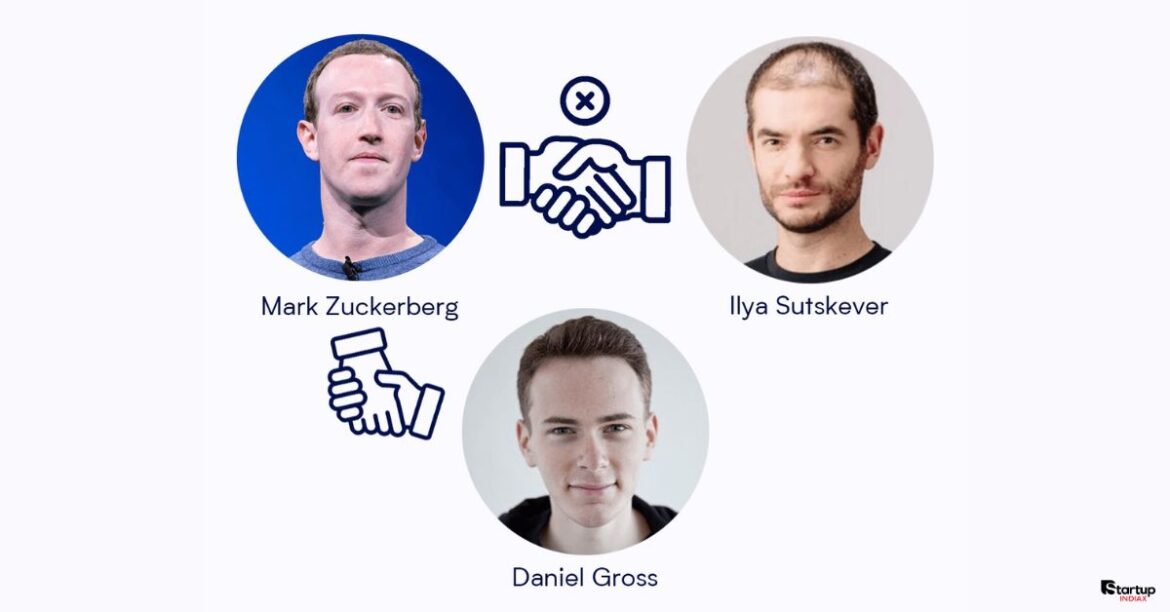
Meta recently tried to acquire Safe Superintelligence, the AI startup launched by OpenAI co-founder Ilya Sutskever, according to sources familiar with the matter. When Sutskever rebuffed the offer, Mark Zuckerberg moved to recruit the startup’s CEO and co-founder Daniel Gross instead.

The Meta acquisition attempt failed for several interconnected reasons that reflect broader challenges in AI industry consolidation:

Founder Vision Alignment: Sutskever’s commitment to AI safety research conflicted with Meta’s commercial timelines and product development cycles. The OpenAI co-founder prioritizes long-term safety research over immediate commercial applications, creating fundamental misalignment with Meta’s business objectives.

Valuation Disagreements: At $32 billion, Safe Superintelligence commands premium pricing that may have exceeded Meta’s acquisition budget, especially considering the startup’s pre-revenue status and research-focused approach.

Regulatory Concerns: Large tech acquisitions face increasing scrutiny from antitrust regulators worldwide. Meta’s previous acquisition challenges with Instagram and WhatsApp likely influenced both parties’ willingness to pursue a complex deal structure.

Team Independence: Many AI researchers value academic freedom and research autonomy. Integration into Meta’s corporate structure could potentially limit SSI’s innovative research culture and long-term vision execution.

Competitive Dynamics: Sutskever likely recognized that maintaining independence provides more strategic flexibility, including potential partnerships with multiple tech giants rather than exclusive alignment with Meta.

As Startup INDIAX has reported extensively, AI startup acquisitions in 2025 face unique challenges compared to traditional tech buyouts, requiring new approaches to talent acquisition and partnership development.

Who is Daniel Gross and Why is Meta Hiring Him Instead?

Daniel Gross Meta hiring represents a strategic pivot from acquisition to talent recruitment. In June 2024, he co-founded Safe Superintelligence Inc. Time 100 has listed Gross as one of the “Most Influential People in AI”, highlighting his significance in the artificial intelligence ecosystem.

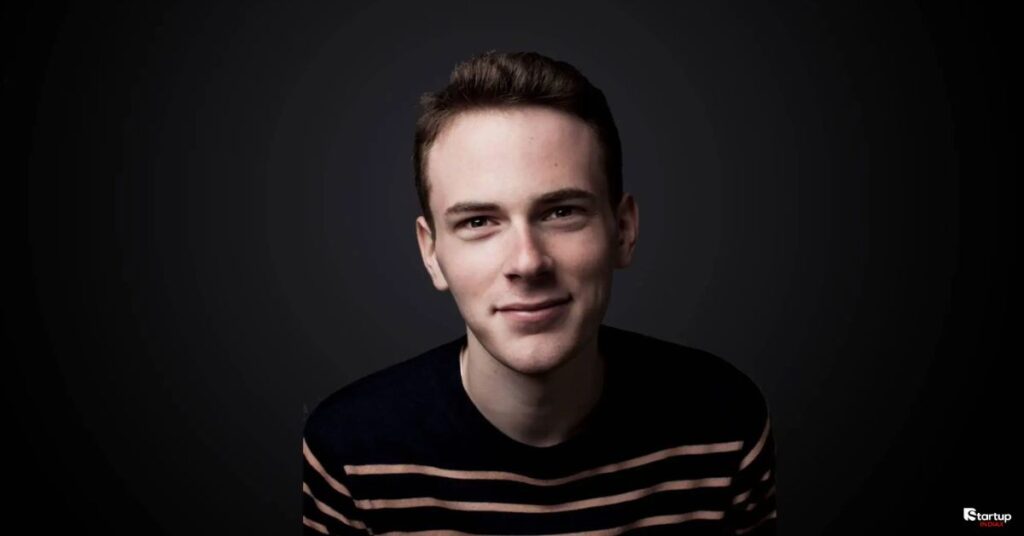
Daniel Gross Meta hiring
CEO and co-founder Daniel Gross

Gross brings exceptional credentials to Meta’s AI development efforts:

Entrepreneurial Success: Before co-founding SSI, Gross built and sold multiple startups, demonstrating both technical expertise and business acumen essential for scaling AI initiatives.

Investment Expertise: Meta is also reportedly taking a stake in Friedman and Gross’ joint venture firm, NFDG, which has invested in prominent AI startups such as Perplexity and Character.AI. This provides Meta indirect access to cutting-edge AI innovations across the startup ecosystem.

Technical Leadership: As SSI’s CEO and co-founder, Gross gained intimate knowledge of advanced AI safety research and superintelligence development methodologies.

Industry Networks: His connections throughout Silicon Valley’s AI community could accelerate Meta’s talent recruitment and partnership development efforts.

Meta has poached the CEO of AI startup Safe Superintelligence, Daniel Gross. Meta is taking a stake in Gross’s venture capital firm, NFDG. In exchange, Gross and his venture capital partner, Nat Friedman, will join Meta as part of the company’s expanded AI leadership team.

This Meta hiring AI talent strategy reflects a broader industry trend where tech giants compete for individual experts rather than acquiring entire companies, providing greater flexibility and reduced regulatory complexity.

What Does This Mean for the AI Industry?

The Meta Ilya Sutskever acquisition failure signals significant shifts in artificial intelligence industry dynamics and competitive strategies. Traditional corporate development approaches may prove inadequate for the unique challenges of AI startup integration.

Talent-First Strategies: Tech giants increasingly prioritize individual talent acquisition over company buyouts. This approach provides greater flexibility while avoiding regulatory scrutiny and valuation challenges associated with large acquisitions.

Research Independence: AI researchers value autonomy and long-term vision alignment over immediate financial returns. Companies like Safe Superintelligence can maintain research focus while partnering selectively with industry leaders.

Valuation Inflation: AI startup valuation metrics have reached unprecedented levels, with pre-revenue companies commanding multi-billion dollar valuations based on potential rather than proven business models.

Safety vs. Speed Trade-offs: The industry faces growing tension between rapid commercialization and responsible AI development. SSI’s research-first approach may influence how other startups balance safety considerations with market pressures.

Partnership Evolution: Rather than exclusive acquisitions, AI companies increasingly pursue strategic partnerships that preserve independence while enabling resource sharing and collaborative development.

Startup INDIAX analysis suggests these trends will accelerate throughout 2025, fundamentally reshaping how AI innovation develops and scales across the technology sector.

How Are Tech Giants Competing for AI Talent?

The competition for artificial intelligence expertise has evolved into a sophisticated talent war involving multiple acquisition strategies and unprecedented compensation packages. Meta AI startup acquisition efforts represent just one approach in this intensely competitive landscape.

Recruitment Strategies:

  • Executive Poaching: Direct hiring of startup founders and C-level executives
  • Team Acquisitions: Acquiring entire research teams while leaving parent companies intact
  • Advisory Relationships: Formal advisory positions that provide influence without exclusivity
  • Investment Stakes: Taking equity positions in startups to maintain ongoing relationships

Compensation Innovation:

  • Equity Packages: Multi-million dollar stock options tied to AI project success
  • Research Budgets: Dedicated funding for exploratory AI research projects
  • Publication Rights: Academic freedom to publish research findings
  • Team Building: Authority to hire additional researchers and engineers

Meta’s Comprehensive Approach: The company hired Scale AI CEO, Alexandr Wang, to work with Meta and lead its new superintelligence unit. Friedman is part of Meta’s Advisory Group, an external advisory council established by the company to provide guidance on technology and product development.

This multi-pronged strategy allows Meta to access diverse AI expertise while maintaining flexibility in project development and resource allocation.

Industry Impact: The tech giants AI talent competition drives innovation while creating challenges for smaller companies and research institutions. Salary inflation and resource concentration may limit AI development diversity, potentially slowing overall industry progress.

What’s Next for Meta’s AI Strategy?

Meta AI strategy evolution following the failed Safe Superintelligence acquisition reveals the company’s commitment to artificial intelligence leadership despite setbacks. Mark Zuckerberg’s pivot toward talent acquisition and strategic partnerships demonstrates adaptability in rapidly changing competitive dynamics.

Immediate Priorities:

  • Team Integration: Successfully incorporating Daniel Gross, Nat Friedman, and other new hires into existing AI development workflows
  • Product Development: Accelerating consumer AI product launches to compete with OpenAI and Google
  • Research Investment: Expanding fundamental AI research capabilities through both internal development and external partnerships

Long-term Vision: Meta’s artificial general intelligence ambitions remain intact despite the SSI acquisition failure. The company continues investing heavily in AI infrastructure, research facilities, and talent development programs designed to establish long-term competitive advantages.

Partnership Strategy: Rather than pursuing expensive acquisitions, Meta may focus on strategic partnerships that provide access to cutting-edge research while preserving startup independence and innovation culture.

Regulatory Adaptation: Future AI investments will likely prioritize structures that minimize antitrust concerns while maximizing strategic value and competitive positioning.

As Startup INDIAX continues monitoring these developments, Meta’s AI strategy adaptation provides valuable insights for other tech companies navigating similar competitive challenges in the artificial intelligence ecosystem.

Conclusion

The Meta Ilya Sutskever acquisition saga illustrates how artificial intelligence industry dynamics are reshaping traditional corporate development strategies. While Meta couldn’t purchase Safe Superintelligence’s $32 billion valuation, the company’s pivot toward talent acquisition demonstrates strategic adaptability in highly competitive markets.

Key Takeaways:

  • AI startup valuations have reached unprecedented levels, challenging traditional acquisition models
  • Talent-first strategies may prove more effective than company buyouts in the AI sector
  • Research independence increasingly influences founder decision-making in AI ventures
  • Tech giants must balance speed and safety considerations in AI development initiatives

The Daniel Gross Meta hiring success suggests that individual talent acquisition may become the dominant strategy for accessing AI innovation and expertise. As the artificial intelligence industry continues evolving, companies that adapt their corporate development approaches will likely achieve better outcomes than those relying on traditional acquisition methods.

What do you think about Meta’s shift from acquisition to talent poaching? Share your thoughts on how this trend might impact AI innovation and startup culture. For more insights into AI industry developments and startup trends, explore Startup INDIAX’s comprehensive coverage of technology sector evolution.

Frequently Asked Questions

Q: Why did Safe Superintelligence reject Meta’s acquisition offer? A: Ilya Sutskever prioritized research independence and AI safety focus over immediate financial returns. The startup’s long-term vision for superintelligence development conflicted with Meta’s commercial timelines and integration requirements.

Q: How much is Safe Superintelligence worth in 2025? A: Safe Superintelligence reached a $32 billion valuation in April 2025 following a $2 billion funding round that included investments from Alphabet and Nvidia, making it one of the most valuable AI startups globally.

Q: Who is Daniel Gross and what role will he play at Meta? A: Daniel Gross is the co-founder and CEO of Safe Superintelligence, named one of Time’s “Most Influential People in AI.” At Meta, he’ll focus on AI product development while Meta takes a stake in his venture capital firm NFDG.

Q: What does this mean for the AI startup ecosystem? A: The failed acquisition highlights how AI talent increasingly values research autonomy over traditional buyout structures. This trend may encourage more AI experts to maintain startup independence while pursuing strategic partnerships.

Q: How is Meta competing with OpenAI and Google in AI development? A: Meta is hiring top AI talent like Daniel Gross and Alexandr Wang, investing heavily in AI research infrastructure, and developing consumer AI products to compete directly with ChatGPT and Google’s AI offerings.

June 22, 2025 0 comments 262 views
FacebookTwitterLinkedinWhatsapp
Karnataka Bike Taxi Ban
News

Karnataka Bike Taxi Ban: 5 Devastating Impacts on Drivers

by Ismail Patel June 22, 2025
3 min read

Karnataka Bike Taxi Ban has left over 100,000 gig workers in Bengaluru grappling with income loss and uncertainty, as the state enforces a controversial ban on bike taxi services like Rapido, Ola, and Uber. This Startup INDIAX article explores the devastating impacts on drivers, from financial hardship to protests met with police detentions, while highlighting the broader effects on commuters and the gig economy. Backed by expert insights and real-time data, readers will learn why this ban matters, how it disrupts last-mile mobility, and what solutions could emerge to support affected drivers.

Table of Contents

  • What Is the Karnataka Bike Taxi Ban?
    • Why Did Karnataka Ban Bike Taxis?
    • When Did the Ban Take Effect?
  • How Is the Ban Affecting Bike Taxi Drivers?
    • 1. Massive Income Loss for Gig Workers
    • 2. Protests and Police Crackdowns
    • 3. Impact on Last-Mile Connectivity
    • 4. Safety and Regulatory Concerns
    • 5. Uncertainty for the Future of Gig Economy
  • What Are the Broader Implications for Bengaluru?
  • How Can Stakeholders Address the Crisis?
  • Conclusion: Join the Conversation with Startup INDIAX
  • FAQs

What Is the Karnataka Bike Taxi Ban?

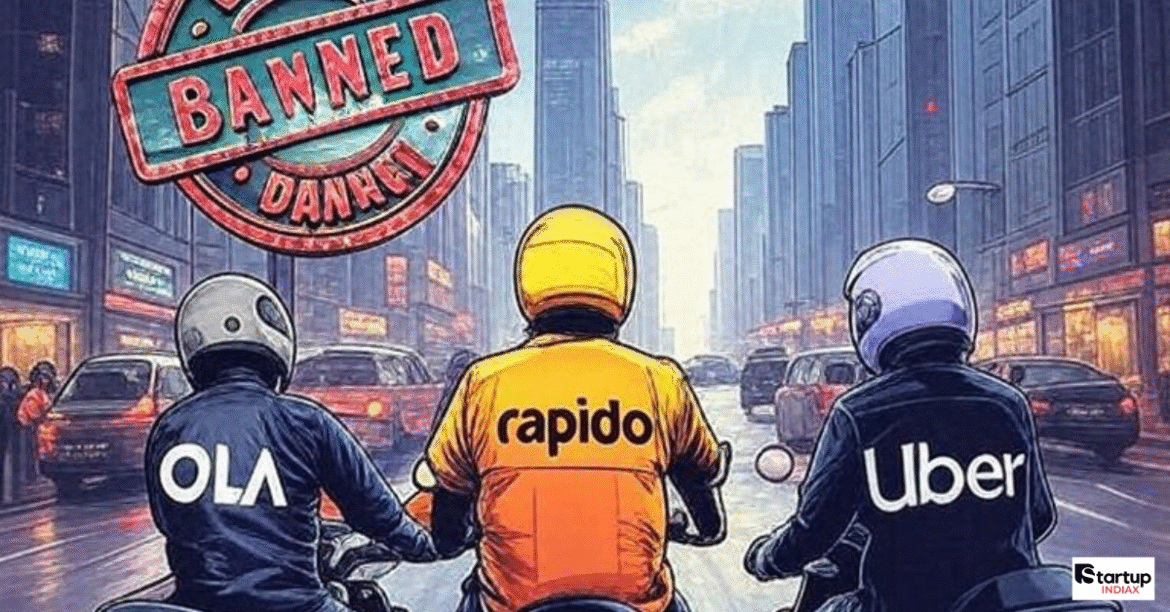
The Karnataka government implemented a ban on bike taxi services, effective June 16, 2025, following a Karnataka High Court ruling that refused to stay the government’s decision. This ban prohibits platforms like Rapido, Ola, and Uber from operating bike taxi services, citing violations of the Motor Vehicles Act and safety concerns. The decision has sparked widespread protests from drivers and criticism from commuters reliant on affordable transport options in Bengaluru, a city known for its traffic congestion and limited public transport.

Why Did Karnataka Ban Bike Taxis?

The Karnataka government justified the ban due to:

  • Legal Violations: Bike taxis often use private white-board vehicles for commercial purposes, which violates the Motor Vehicles Act.
  • Safety Concerns: Authorities flagged bike taxis as unsafe, particularly for women, citing inadequate safety protocols.
  • Conflicts with Other Transport Sectors: Frequent disputes between bike taxi drivers and auto-rickshaw or cab drivers prompted regulatory action.

According to transportation expert Dr. Ashwin Mahesh, “The ban reflects a regulatory gap in addressing gig economy innovations while balancing safety and fairness for all transport stakeholders.”

When Did the Ban Take Effect?

The Karnataka High Court announced the ban in April 2025, giving operators six weeks to cease operations. The ban officially took effect on June 16, 2025, impacting platforms and drivers across the state.

The bike taxi ban starts today in Karnataka.
⁰But the Product Owner at @rapidobikeapp has already bypassed the law 💀

Can’t book a ride?
⁰No worries – just parcel yourself to work 📦🛵

Call it: "PaaS – Passenger as a Service"#Bangalore #BikeTaxiBan #GrowthHack #Rapido… pic.twitter.com/HK0mIE7HUJ

— Dhanvi (@Tummala_Dhanvi) June 16, 2025

How Is the Ban Affecting Bike Taxi Drivers?

The Karnataka bike taxi ban has unleashed a cascade of challenges for drivers, commuters, and the gig economy. Below, Startup INDIAX breaks down the five devastating impacts on drivers, backed by real-life examples and data.

1. Massive Income Loss for Gig Workers

Over 100,000 gig workers in Bengaluru face severe financial strain due to the ban. Posts on X highlight that Rapido alone paid over ₹700 crore to its captains in Bengaluru, underscoring the economic significance of bike taxis for drivers.

For instance, Rajesh Kumar, a 32-year-old Rapido driver, shared, “I earned ₹25,000 monthly, supporting my family of four. Now, with the ban, I’m struggling to find work.” Many drivers, like Rajesh, relied on bike taxis as their primary income source, and the sudden halt has pushed them toward alternative low-paying jobs or unemployment.

Key Stat: Approximately 1 lakh gig workers are affected, with some estimating losses of ₹50,000–₹80,000 per driver annually.

2. Protests and Police Crackdowns

The ban sparked protests across Bengaluru, with drivers demanding reinstatement of bike taxi services. However, police detained several protesting drivers, escalating tensions. Videos circulating on X show drivers rallying outside government offices, only to face arrests for “disrupting public order.”

A Drivers Union spokesperson stated, “This is our livelihood. Detaining us for peaceful protests is unfair.” The crackdowns have further alienated drivers, who feel unheard by policymakers.

3. Impact on Last-Mile Connectivity

Bike taxis provided an affordable, efficient solution for last-mile connectivity in Bengaluru, where public transport often falls short. The ban has left students, delivery agents, and low-income commuters struggling to find cost-effective alternatives.

For example, Priya Sharma, a college student, said, “Bike taxis were my go-to for quick, cheap rides to my classes. Now, I’m spending double on auto-rickshaws.” Experts estimate that 60% of bike taxi users were low-income commuters, highlighting the ban’s disproportionate impact on vulnerable groups.

4. Safety and Regulatory Concerns

While the government cites safety as a primary reason for the ban, critics argue that proper regulation could address these concerns without dismantling the industry. A 2024 study by the Bengaluru Urban Mobility Lab found that bike taxis had a lower accident rate (0.8%) compared to auto-rickshaws (1.2%) when operated under strict guidelines.

Dr. Shreya Rao, a policy analyst, told Startup INDIAX, “Instead of banning bike taxis, Karnataka could implement licensing, safety training, and insurance mandates to protect both drivers and passengers.”

5. Uncertainty for the Future of Gig Economy

The ban raises questions about the future of the gig economy in India. Bengaluru, a hub for startups and tech innovation, risks stifling innovation by restricting platforms like Rapido. Posts on X suggest that the ban could deter investment in mobility startups, as regulatory uncertainty grows.

Expert Insight: “The gig economy thrives on flexibility and innovation. Blanket bans like this could push talent and capital to other states,” says tech entrepreneur Vinod Menon.

What Are the Broader Implications for Bengaluru?

The Karnataka bike taxi ban extends beyond drivers, affecting Bengaluru’s commuters, businesses, and startup ecosystem. With public transport strained and cabs often expensive, bike taxis filled a critical gap. The ban could:

  • Increase commuting costs by 20–30% for low-income groups.
  • Worsen traffic congestion, as commuters shift to private vehicles.
  • Hurt delivery services reliant on bike taxis for quick turnarounds.

Startup INDIAX spoke with local shop owner Anil Gowda, who noted, “My delivery orders dropped 15% since the ban, as bike taxis were faster and cheaper for my customers.”

How Can Stakeholders Address the Crisis?

To mitigate the ban’s impact, stakeholders must collaborate on sustainable solutions:

  • Government: Introduce a regulatory framework for bike taxis, including licensing and safety standards.
  • Platforms: Invest in driver training and insurance to address safety concerns.
  • Drivers: Form collectives to negotiate with policymakers for fair policies.
  • Commuters: Advocate for affordable transport options through public campaigns.

A balanced approach could preserve the benefits of bike taxis while addressing regulatory gaps, ensuring Bengaluru remains a hub for innovation and mobility.

Conclusion: Join the Conversation with Startup INDIAX

The Karnataka bike taxi ban has upended the lives of thousands of drivers and commuters, raising critical questions about the future of the gig economy. At Startup INDIAX, we’re committed to covering stories that matter to entrepreneurs and digital professionals. What are your thoughts on the ban? How should Bengaluru balance innovation and regulation? Share your views in the comments, explore more startup stories on our platform, or share this article to spark a conversation!

FAQs

What is the Karnataka bike taxi ban?
The Karnataka government banned bike taxi services like Rapido, Ola, and Uber, effective June 16, 2025, citing legal and safety concerns.

Why are drivers protesting the ban?
Drivers are protesting due to massive income losses, with over 100,000 gig workers affected and no clear alternative employment options.

How does the ban affect commuters?
Commuters, especially students and low-income groups, face higher costs and reduced access to affordable last-mile transport.

Can bike taxis return to Karnataka?
With proper regulation, such as licensing and safety protocols, bike taxis could potentially resume operations.

What’s next for Bengaluru’s gig economy?
The ban may deter investment in mobility startups, but collaborative solutions could restore balance and innovation.

June 22, 2025 0 comments 224 views
FacebookTwitterLinkedinWhatsapp
Campus Fund’s $100M Surge: 60 Bold Student Startups Soar
FinanceStartup

Campus Fund’s $100M Surge: 60 Bold Student Startups Soar

by Ismail Patel June 22, 2025
3 min read

Campus Fund’s $100M third fund is a transformative initiative to empower 60 student-led startups in India, as highlighted by Startup INDIAX. Targeting young entrepreneurs, it offers seed funding ($500K–$2M), mentorship, and resources to drive innovation in sectors like EdTech, FinTech, HealthTech, and sustainability. With India’s startup ecosystem booming—over 100,000 startups by 2024—students are key to the next wave of disruption. Readers will learn how Campus Fund tackles funding and experience gaps, why student ventures are thriving, and what’s next for India’s youth-driven startup scene. Published by Startup INDIAX, this article inspires entrepreneurs to join the surge.

Table of Contents

Campus Fund’s $100M Surge: A Game-Changer for Student Startups
What Is Campus Fund’s $100M Third Fund?
Why Invest in Student-Led Startups?
How Will the $100M Fund Support Young Founders?
Who Is Eligible for Campus Fund’s Support?
Which Sectors Will Campus Fund Prioritize?
Why Are Student Startups Booming in India?
What Hurdles Do Student Entrepreneurs Face?
How Does Campus Fund Tackle These Challenges?
What Sets Campus Fund Apart From Other VCs?
Why Is Mentorship Critical to Its Strategy?
What’s the Future of India’s Student Startup Scene?
Conclusion: Be Part of the Startup Surge

Campus Fund’s $100M Surge: A Game-Changer for Student Startups

Campus Fund has launched a monumental $100M third fund to empower 60 student-led startups in India, sparking a new wave of innovation. As reported by Startup INDIAX, this initiative targets young entrepreneurs, offering capital, mentorship, and resources to transform bold ideas into thriving businesses. With India’s startup ecosystem flourishing—boasting over 100,000 startups by 2024, per the Ministry of Commerce—this fund positions Campus Fund as a catalyst for youth-driven disruption. In this article, you’ll learn how this $100M surge is reshaping India’s entrepreneurial landscape, why students are the future of innovation, and how Campus Fund stands out in the VC world.

What Is Campus Fund’s $100M Third Fund?

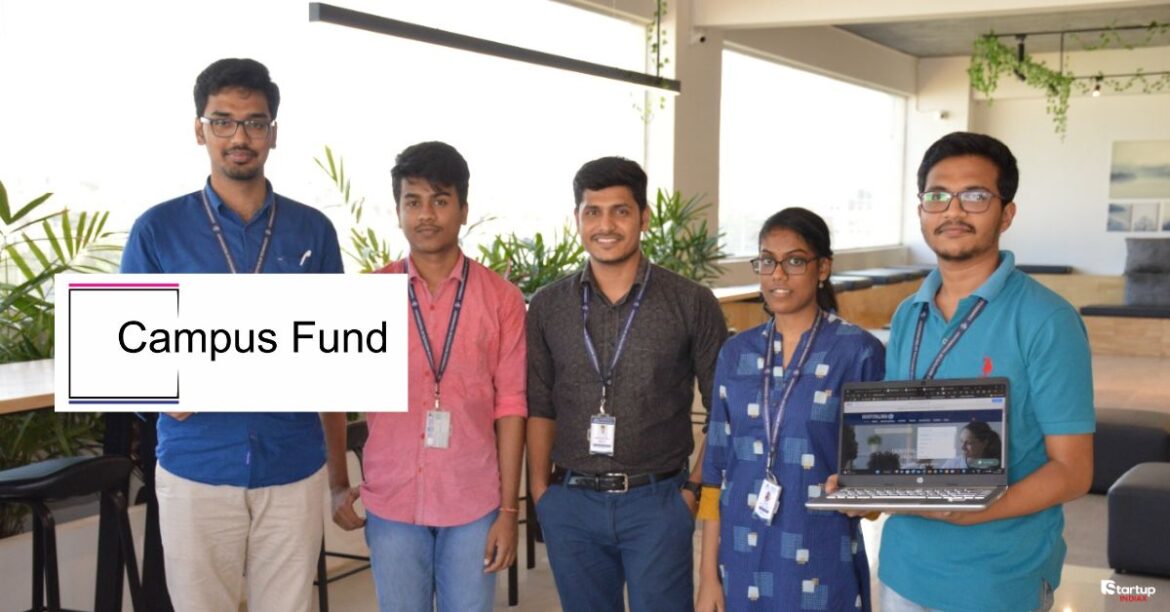
Campus Fund’s $100M third fund is a bold investment in India’s next generation of entrepreneurs. Focused on student-led startups, it aims to back 60 early-stage ventures with seed funding ranging from $500,000 to $2M per startup. Startup INDIAX highlights that this fund goes beyond cash, providing mentorship, incubation, and networking to ensure success.

Why Invest in Student-Led Startups?

Students are uniquely positioned to innovate. Unconstrained by traditional mindsets, they bring fresh ideas and tech-savvy solutions. A 2023 NASSCOM report revealed that 18% of Indian startups have founders under 25, a figure rising steadily. Campus Fund taps into this potential, betting on youth to drive India’s startup ecosystem forward.

“Students dare to challenge the status quo,” says Priyanka Madnani, co-founder of Campus Fund. “Our $100M fund equips them to turn audacious ideas into reality.”

How Will the $100M Fund Support Young Founders?

The $100M fund offers more than just financial backing. It provides a comprehensive ecosystem to help student entrepreneurs scale:

  • Seed Funding: Investments to build MVPs and gain traction.
  • Mentorship: Guidance from industry experts.
  • Incubation: Access to resources and workspaces.
  • Networking: Connections to investors and partners.

This holistic approach, as noted by Startup INDIAX, makes Campus Fund a lifeline for young founders navigating the startup world.

Who Is Eligible for Campus Fund’s Support?

The fund targets students enrolled in or recently graduated from Indian universities. Startups must have a minimum viable product (MVP) and a scalable business model. Campus Fund seeks founders tackling real-world problems with passion and clarity, whether in tech, healthcare, or sustainability.

Which Sectors Will Campus Fund Prioritize?

Campus Fund focuses on high-growth sectors, including:

  • EdTech: India’s e-learning market is set to hit $10B by 2026 (Statista).
  • FinTech: Solutions for India’s 400M+ underbanked population.
  • HealthTech: Affordable healthcare innovations.
  • Sustainability: Green tech and circular economy ventures.

This strategic focus aligns with India’s pressing needs and global trends.

Why Are Student Startups Booming in India?

India’s startup ecosystem is thriving, with student-led ventures at the forefront. A 2024 EY report found that 22% of startups in Tier-2 and Tier-3 cities are student-founded, fueled by digital access and initiatives like Startup India. Institutes like IIT Madras and IIM Bangalore, with robust entrepreneurship cells, amplify this trend.

Students are leveraging AI, blockchain, and IoT to create globally competitive solutions. For example, a student-led startup from IIT Kanpur recently raised $1.2M for an AI-based logistics platform.

What Hurdles Do Student Entrepreneurs Face?

Despite their promise, student founders encounter challenges:

  • Inexperience: Limited business knowledge can stall progress.
  • Funding Shortages: Early-stage capital is scarce without traction.
  • Time Pressure: Juggling academics and startups is demanding.

A 2023 YourStory survey showed 65% of student entrepreneurs struggle with funding, while 40% lack mentorship.

How Does Campus Fund Tackle These Challenges?

Campus Fund addresses these pain points directly:

  • Early Funding: Seed capital to kickstart MVPs.
  • Expert Guidance: Mentors to navigate business challenges.
  • Skill-Building: Workshops on pitching and strategy.

“Money is just the start; we build an ecosystem for success,” says Rohan Malhotra, a Campus Fund partner.

What Sets Campus Fund Apart From Other VCs?

Campus Fund carves a niche by focusing solely on student-led startups. Its team, including former entrepreneurs, brings real-world insights. Unlike traditional VCs, it offers hands-on support, with a network of 200+ mentors and tailored incubation programs. This approach ensures startups don’t just survive but thrive.

Why Is Mentorship Critical to Its Strategy?

Mentorship is the backbone of Campus Fund’s model. Each startup is paired with industry veterans who provide strategic advice. For instance, an EdTech founder might work with an education policy expert, while a FinTech team could learn from a banking leader. This personalized guidance accelerates growth and minimizes errors.

What’s the Future of India’s Student Startup Scene?

Campus Fund’s $100M surge signals a vibrant future for student entrepreneurs. With India targeting a $5T economy by 2027, young innovators will be key. Government programs like Atal Innovation Mission, paired with private funds like Campus Fund, create a fertile startup ecosystem. Expect a wave of disruptive ventures, from AI-driven health platforms to sustainable energy solutions.

Conclusion: Be Part of the Startup Surge

Campus Fund’s $100M third fund is a rallying cry for India’s youth to dream big and build bold. Whether you’re a student with a game-changing idea or an entrepreneur inspired by these stories, now’s the time to act. Dive into more startup insights on Startup INDIAX, share your thoughts below, or join our community to fuel India’s startup surge!

June 22, 2025 0 comments 316 views
FacebookTwitterLinkedinWhatsapp
AI Startup Acquisition: Meta’s $32B Shock Fails, Now It’s Hiring the CEO - startupindiax.com
AINewsStartup

AI Startup Acquisition: Meta’s $32B Shock Fails, Now It’s Hiring the CEO

by Aalam Rohile June 22, 2025
3 min read

AI startup acquisition attempts are heating up, and Meta’s failed bid to buy Safe Superintelligence, a $32 billion AI startup, is making waves. Founded by ex-OpenAI chief scientist Ilya Sutskever, Safe Superintelligence turned down Meta’s offer, prompting the tech giant to pivot and hire its CEO, Daniel Gross, and former GitHub CEO Nat Friedman. Published by Startup INDIAX, this article dives into why the deal fell apart, Meta’s new talent-focused strategy, and what it means for the AI industry. Learn how regulatory hurdles, competitive pressures, and the race for AI supremacy are shaping the future of tech innovation.

Table of Contents

What Is Safe Superintelligence, and Why Did Meta Want It?

Safe Superintelligence (SSI) is a rising star in the AI world, focused on building safe and interpretable AI systems that rival human intelligence. Launched in 2024, SSI quickly gained attention for its ambitious mission and high-profile founders, attracting a $32 billion valuation in a fundraising round by April 2025. Startup INDIAX highlights SSI as a key player in the race toward artificial general intelligence (AGI).

Meta’s interest in SSI stemmed from its need to catch up with AI leaders like OpenAI, Google, and Anthropic. With its Llama 4 models underperforming and its Fundamental AI Research (FAIR) unit losing ground, Meta saw SSI as a way to leapfrog competitors. “Meta is desperate to close the gap in AI innovation,” said Vahan Petrosyan, CEO of SuperAnnotate, a data annotation firm. SSI’s expertise in safe AI aligned with Meta’s goal to integrate advanced AI into its platforms, from chatbots to augmented reality.

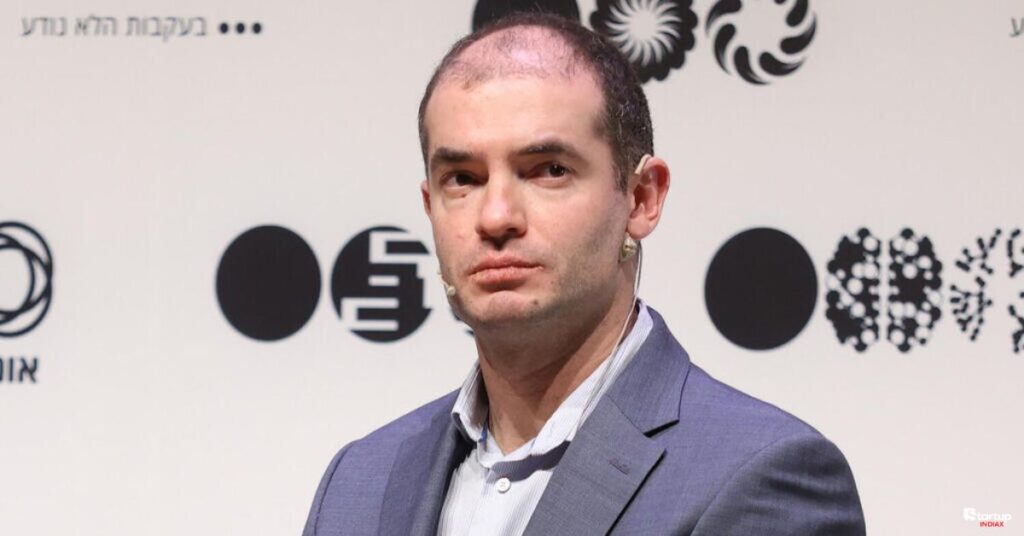
AI Startup Acquisition: Ilya Sutskever CEO Hiring - Startup INDIAX


OpenAI’s former chief scientist – Ilya Sutskever

Who Founded Safe Superintelligence?

SSI was co-founded by Ilya Sutskever, OpenAI’s former chief scientist, known for his contributions to ChatGPT’s underlying tech. Sutskever left OpenAI in 2024 to focus on AI safety, joined by Daniel Gross, a former Meta AI researcher and Y Combinator alum, as CEO. Their vision of building AI that prioritizes safety over speed made SSI a unique target for acquisition.

Why Was Safe Superintelligence Valued at $32 Billion?

SSI’s $32 billion valuation reflects the AI industry’s skyrocketing demand for cutting-edge tech and talent. According to CNBC, SSI raised significant capital in April 2025, fueled by investor confidence in its founders and mission. The startup’s focus on AGI and safety protocols positioned it as a potential game-changer, drawing Meta’s attention.

Why Did Meta’s AI Startup Acquisition Attempt Fail?

Meta’s attempt to acquire Safe Superintelligence fell through due to a mix of strategic and regulatory roadblocks. Ilya Sutskever’s refusal to sell was a major factor, as he prioritized SSI’s independent mission. Additionally, Meta’s ongoing antitrust scrutiny made a full acquisition risky.

What Role Did Ilya Sutskever Play in the Decision?

Sutskever, SSI’s visionary co-founder, rebuffed Meta’s offer to preserve SSI’s focus on safe AI development. Sources told CNBC that Sutskever also declined a personal offer to join Meta, signaling his commitment to SSI’s independence. His decision underscores a growing trend among AI founders to resist Big Tech buyouts.

How Did Regulatory Concerns Impact the Deal?

Meta is currently facing an antitrust trial with the Federal Trade Commission (FTC) over its acquisitions of Instagram and WhatsApp. A $32 billion deal for SSI would likely have drawn intense scrutiny from regulators, especially under the Biden administration’s tough stance on Big Tech mergers. To avoid further regulatory heat, Meta shifted to a talent acquisition strategy, mirroring moves by Google and Microsoft with startups like Character.AI and Inflection AI.

What Is Meta’s New Strategy After the Failed Acquisition?

Unable to buy SSI, Meta pivoted to hiring its CEO, Daniel Gross, and former GitHub CEO Nat Friedman, to bolster its AI team. This move is part of Mark Zuckerberg’s aggressive talent acquisition spree, aimed at building a “superintelligence lab” to compete with OpenAI and Google.

Who Is Daniel Gross, and Why Is Meta Hiring Him?

Daniel Gross is a tech prodigy who worked at Meta’s AI division before joining Y Combinator and co-founding SSI. His expertise in AI and venture capital makes him a valuable asset for Meta’s struggling AI efforts. Sources say Zuckerberg sees Gross as key to turning around Meta’s Llama models and advancing its AGI ambitions.

How Does Nat Friedman Fit Into Meta’s AI Plans?

Nat Friedman, former CEO of GitHub, brings a wealth of experience in open-source software and tech leadership. Alongside Gross, Friedman runs a venture capital firm, NFDG, which Meta is reportedly taking a stake in. His hiring signals Meta’s intent to blend business acumen with technical expertise to rival OpenAI’s consumer-focused AI products.

How Does This Move Compare to Meta’s Scale AI Investment?

Meta’s SSI hiring spree follows its $14.3 billion investment in Scale AI, a data-labeling startup, in June 2025. Both moves highlight Meta’s focus on acquiring top talent to strengthen its AI capabilities.

What Is Scale AI, and How Did Meta Invest?

Scale AI, founded by Alexandr Wang, provides high-quality labeled data to train AI models for clients like OpenAI and Google. Meta invested $14.3 billion for a 49% stake in Scale AI, bringing Wang and key engineers to lead its new superintelligence lab. The deal valued Scale AI at $29 billion, doubling its valuation from 2024.

Why Is Meta Focusing on Talent Acquisition?

Meta’s shift to talent acquisition reflects the scarcity of elite AI experts. “When Meta hires someone like Gross or Wang, they’re buying their intelligence,” said Petrosyan. With SSI’s acquisition blocked, hiring its leaders allows Meta to gain expertise without triggering regulatory alarms. This strategy also helps Meta stay competitive in the “AI talent wars,” where signing bonuses can reach $100 million.

What Does This Mean for the AI Industry?

Meta’s failed SSI acquisition and subsequent hiring spree signal a new phase in the AI race, where talent is as valuable as technology. The move has ripple effects for competitors, startups, and the broader tech ecosystem.

How Are Competitors Like OpenAI Responding?

OpenAI CEO Sam Altman noted Meta’s aggressive hiring tactics, claiming Meta offered $100 million signing bonuses to lure OpenAI staff, though none accepted. Altman’s comments highlight the intensifying competition, with OpenAI itself spending $6.5 billion to hire Jony Ive for its device startup.

What Are the Implications for AI Talent Wars?

The AI talent wars are escalating, with Big Tech firms like Meta, Google, and Microsoft vying for top minds. According to Reuters, AI startups like Scale AI and SSI are breeding grounds for talent, making them prime targets for acqui-hires. This trend could limit opportunities for smaller startups to scale independently, as their leaders are poached by tech giants.

Conclusion: What’s Next for Meta and AI Startups?

Meta’s failed bid for Safe Superintelligence and its pivot to hiring Daniel Gross and Nat Friedman underscore the high stakes in the AI race. As Startup INDIAX continues to cover Indian and global tech trends, we see Meta doubling down on talent to close the gap with OpenAI and Google. For entrepreneurs and startup founders, this saga offers a lesson: top talent is the ultimate currency in tech. Share your thoughts in the comments, or explore more startup stories on Startup INDIAX to stay ahead of the curve.

FAQs

What is Safe Superintelligence?
Safe Superintelligence (SSI) is an AI startup founded in 2024 by Ilya Sutskever, focusing on safe and interpretable AI systems. It was valued at $32 billion in April 2025.

Why did Meta want to acquire Safe Superintelligence?
Meta aimed to boost its AI capabilities to compete with OpenAI and Google, leveraging SSI’s expertise in safe AI and AGI.

Why did the acquisition fail?
Ilya Sutskever rejected Meta’s offer to maintain SSI’s independence, and regulatory concerns over Meta’s antitrust issues played a role.

Who is Daniel Gross, and why is Meta hiring him?
Daniel Gross is SSI’s CEO and a former Meta AI researcher. Meta hired him to lead its AI efforts and advance its superintelligence lab.

How does Meta’s Scale AI investment relate to this?
Meta invested $14.3 billion in Scale AI to acquire talent like Alexandr Wang, mirroring its strategy with SSI to strengthen its AI team.

June 22, 2025 2 comments 743 views
FacebookTwitterLinkedinWhatsapp
Apple Reportedly Eyeing Perplexity AI: Could This Be Its Biggest Acquisition Ever?
AINews

Apple Reportedly Eyeing Perplexity AI: Could This Be Its Biggest Acquisition Ever?

by Aalam Rohile June 22, 2025
3 min read

Apple reportedly eyeing Perplexity AI signals a significant strategic move by the tech giant to strengthen its artificial intelligence capabilities and potentially launch its own AI-powered search engine. This acquisition, if finalized, could be Apple’s largest ever, underscoring the company’s urgent need to catch up with rivals in AI innovation and talent acquisition. Readers will learn about Perplexity AI’s unique offerings, Apple’s motivations behind this potential deal, and the broader implications for the AI and tech startup ecosystem. Published by Startup INDIAX, this article combines expert insights, market data, and industry trends to inform entrepreneurs, startup founders, and digital professionals about the evolving AI landscape and Apple’s pivotal role within it.

What is Perplexity AI and Why Does It Matter?

Perplexity AI is a fast-rising startup known for its real-time, conversational AI search engine technology. Valued recently at around $14 billion, it offers cutting-edge generative AI capabilities that enable more intuitive, personalized search experiences. Unlike traditional search engines, Perplexity AI integrates natural language understanding to provide users with direct, context-aware answers, making it a promising platform for the future of AI-driven information retrieval.

Why Is Apple Reportedly Eyeing Perplexity AI for Its Biggest Acquisition

Apple’s interest in Perplexity AI is strategically motivated by its urgent need to bolster its generative AI capabilities and reduce its heavy reliance on Google, which currently pays Apple roughly $20 billion annually to remain the default search engine on Apple devices. With ongoing antitrust litigation threatening this arrangement, Apple is exploring alternatives to maintain control over its search ecosystem and enhance user experience across Safari and Siri.

Acquiring Perplexity AI would give Apple a ready-made AI search platform and a team of AI experts, accelerating its AI roadmap. This move aligns with Apple’s ethos of delivering seamless, privacy-focused user experiences and could position the company as a serious contender in the AI space.

How Would This Acquisition Impact Apple’s AI Strategy?

If Apple acquires Perplexity AI, it could integrate the startup’s AI engine into its products, notably Safari and Siri, making these services smarter, more conversational, and more responsive. This would mark a significant leap forward in Apple’s AI ambitions, which have lagged behind competitors like Google, OpenAI, and Anthropic.

Moreover, it could help Apple develop new AI-powered features for upcoming products such as smart home hubs and augmented reality (AR) glasses, reinforcing its ecosystem and future-proofing its technology offerings.

Could This Be Apple’s Biggest Acquisition to Date?

Yes. The $14 billion valuation of Perplexity AI dwarfs Apple’s previous largest acquisition — the $3 billion purchase of Beats Electronics in 2014. This would be a landmark deal, not only in size but also in strategic importance, signaling Apple’s commitment to owning AI technologies rather than relying on partnerships.

What Are the Potential Challenges and Alternatives for Apple?

While talks are underway, no formal offer has been made, and discussions remain at an early stage. One challenge is that Perplexity AI is reportedly close to a partnership deal with Samsung, Apple’s biggest smartphone rival, which could complicate acquisition efforts.

Alternatively, Apple might opt for a strategic partnership with Perplexity AI instead of a full acquisition, integrating its technology into Apple’s ecosystem without the complexities of a buyout.

How Does This Move Affect the Competitive Landscape in AI?

Apple’s pursuit of Perplexity AI highlights the intensifying competition among tech giants to dominate AI-driven search and consumer technology. Samsung, Meta, and others have shown interest in Perplexity, underscoring the startup’s value and the broader industry shift towards AI-powered information retrieval systems.

Securing Perplexity AI could give Apple a critical edge in the AI race, helping it catch up with rivals who have already launched flagship generative AI products.

What Does This Mean for Apple Users and the Future of AI Search?

For Apple users, this acquisition could translate into smarter, more natural interactions with Siri and Safari, delivering faster, more accurate answers powered by AI. It could also herald new AI-driven features across Apple’s devices, enhancing user experience and privacy simultaneously.

In the broader context, Apple’s move signals a shift toward AI-centric search technologies that may redefine how consumers access and interact with information in the coming years.

Conclusion: What Should Entrepreneurs and Startups Learn from Apple’s AI Ambitions?

Apple’s potential acquisition of Perplexity AI demonstrates the critical importance of AI innovation in today’s tech landscape. For entrepreneurs and startups, it highlights how emerging AI technologies can disrupt established ecosystems and attract major investment interest.

It also underscores the value of building scalable, user-centric AI platforms that can integrate seamlessly into larger ecosystems. As Apple seeks to reduce dependency on external partners, startups with unique AI capabilities may find themselves in a strong position to influence the future of technology.

What do you think about Apple’s ambitious AI acquisition plans? Will Perplexity AI be the game-changer Apple needs? Share your thoughts in the comments below, and explore more cutting-edge startup stories and tech insights on Startup INDIAX.

FAQs

Q1: What is Perplexity AI?
Perplexity AI is a startup known for its real-time conversational AI search engine, offering advanced generative AI capabilities for intuitive search experiences.

Q2: Why is Apple interested in Perplexity AI?
Apple aims to boost its AI capabilities, reduce reliance on Google, and develop its own AI-powered search platform integrated into Safari and Siri.

Q3: How much is Perplexity AI valued at?
Perplexity AI is valued at approximately $14 billion, making it a potentially record-breaking acquisition for Apple.

Q4: Could Apple partner with Perplexity AI instead of buying it?
Yes, Apple is reportedly considering both acquisition and partnership options to integrate Perplexity’s AI technology.

Q5: How will this acquisition affect Apple users?
Users could see smarter, more conversational Siri and Safari experiences, along with new AI-driven features across Apple devices.


June 22, 2025 0 comments 226 views
FacebookTwitterLinkedinWhatsapp
Tesla to Open First Showroom in Mumbai Next Month: 5 Exciting Details Revealed
StartupEVNews

Tesla to Open First Showroom in Mumbai Next Month: 5 Exciting Details Revealed

by Ismail Patel June 21, 2025
3 min read

Tesla to Open First Showroom, Mumbai Next Month, Tesla – these keywords are buzzing as Elon Musk’s electric vehicle giant gears up for its grand India entry. Tesla is set to open its first showroom in Mumbai’s Bandra Kurla Complex (BKC) in July 2025, marking a milestone for India’s EV market. This article dives into why Mumbai was chosen, what the showroom will offer, Tesla’s broader India plans, and the impact on the local EV scene. At Startup INDIAX, we’re thrilled to unpack these five exciting details for you, blending insights with a conversational tone to keep you hooked.

Table of Contents

  1. Why Mumbai? The Strategic Choice for Tesla to Open First Showroom
  2. What to Expect from Tesla’s Mumbai Showroom Opening Next Month
  3. Tesla’s Broader Plans for India: Beyond the Mumbai Showroom
  4. How Tesla’s Entry Impacts India’s EV Market
  5. Challenges Tesla Might Face in India
  6. Conclusion: A Bright Future for Tesla in India

Why Mumbai? The Strategic Choice for Tesla to Open First Showroom

Mumbai, India’s financial capital, is a no-brainer for Tesla’s first showroom. The city’s affluent Bandra Kurla Complex (BKC) is a hub for high-net-worth individuals who align with Tesla’s premium brand. Tesla reportedly signed a lease for a 4,000-square-foot space in BKC, a move that screams strategic intent. This prime location ensures visibility among Mumbai’s elite, who are likely early adopters of Tesla’s luxury EVs like the Model 3 and Model Y.

But it’s not just about glitz. Mumbai’s infrastructure, with its growing EV charging network, supports Tesla’s vision. The city’s cosmopolitan vibe also aligns with Tesla’s global brand image. As Startup INDIAX has observed, startups and multinationals often choose Mumbai for its market potential, and Tesla’s decision to open its first showroom in Mumbai next month fits this trend perfectly.

What to Expect from Tesla’s Mumbai Showroom Opening Next Month

So, what’s in store when Tesla opens its first showroom in Mumbai next month? Expect a sleek, futuristic space that mirrors Tesla’s global showrooms. The 4,000-square-foot BKC outlet will likely showcase models like the Model 3, Model Y, and possibly the Cybertruck (though availability is unconfirmed). Interactive displays, test drive zones, and expert staff will create an immersive experience.

Tesla’s showrooms are known for minimalism and tech-driven engagement. Visitors can configure their dream EV on massive touchscreens, explore battery tech, and learn about Tesla’s sustainability mission. Mumbai’s showroom will also likely feature a service desk, given Tesla’s recent lease of a 24,565-square-foot service center in Kurla. This dual setup signals Tesla’s commitment to both sales and aftercare, a big win for Indian buyers.

Tesla’s Broader Plans for India: Beyond the Mumbai Showroom

Tesla’s Mumbai showroom is just the start. The company is eyeing New Delhi for its next showroom, with plans reportedly in motion for a mid-2025 launch. Posts on X also hint at Tesla’s interest in an assembly unit in Maharashtra’s Satara, though manufacturing plans are on hold for now. This multi-city strategy shows Tesla’s ambition to capture India’s diverse EV market.

Beyond showrooms, Tesla is hiring for roles in sales, service, and operations, as seen in job postings shared on X. This suggests a robust local team to support its India rollout. Tesla’s Indian subsidiary, Tesla India Motor & Energy, is also leasing spaces like a 30-seater co-working hub in Phoenix Market City, indicating a phased but aggressive expansion. For Startup INDIAX, this signals a startup-like agility in Tesla’s approach, blending scale with precision.

NEWS : Bloomberg is reporting that Tesla India ⚡ will open its Mumbai showroom in mid July.

Tesla also seems to have imported 5 Model Y RWDs from China, likely for showroom display. Each valued at ₹27.7L before duties and taxes.

It's weird that Tesla will try to sell Model Y… pic.twitter.com/B0YsI1j39j

— Tesla Club India® (@TeslaClubIN) June 20, 2025

How Tesla’s Entry Impacts India’s EV Market

Tesla’s decision to open its first showroom in Mumbai next month is a game-changer for India’s electric vehicle ecosystem. India’s EV market is growing, with players like Tata Motors and MG leading the charge. Tesla’s entry brings global credibility, premium branding, and cutting-edge tech, pushing local brands to innovate.

For consumers, Tesla’s presence means more choices. The Model 3, priced globally around $40,000, could be a premium option for India’s urban elite, though import duties may inflate costs. Tesla’s focus on sustainability also aligns with India’s green energy push, potentially spurring investments in charging infrastructure. However, as Startup INDIAX notes, Tesla’s high price point might limit its immediate reach, keeping mass-market EVs in the spotlight for now.

Challenges Tesla Might Face in India

Tesla’s road in India won’t be all smooth. High import duties (up to 100% on EVs) could make Tesla’s cars pricey, limiting affordability. Local competition from Tata’s Nexon EV and Mahindra’s XUV400 is fierce, with these brands offering budget-friendly options. Infrastructure gaps, like inconsistent charging networks outside metros, could also deter buyers.

Regulatory hurdles are another concern. Tesla’s push for lower import duties has met resistance, and its manufacturing plans remain uncertain. Posts on X reflect mixed sentiment, with some users excited about Tesla’s showroom but others skeptical about pricing and service reliability. For Tesla to succeed, it must navigate these challenges while maintaining its premium allure, a topic Startup INDIAX will keep tracking.

Conclusion: A Bright Future for Tesla in India

Tesla’s move to open its first showroom in Mumbai next month is a bold step into one of the world’s fastest-growing EV markets. With a strategic BKC location, plans for Delhi, and a focus on premium EVs, Tesla is poised to redefine India’s electric mobility landscape. While challenges like pricing and infrastructure loom, the excitement around Tesla’s India entry is palpable.

At Startup INDIAX, we’re rooting for Tesla to spark innovation and sustainability in India. Whether you’re an EV enthusiast or a curious onlooker, Tesla’s Mumbai showroom opening next month is a must-watch event. Stay tuned for more updates as we track this electrifying journey!

June 21, 2025 2 comments 391 views
FacebookTwitterLinkedinWhatsapp
Electron Beam
News

U.S. Claims Global Innovation Lead with 5x More Powerful Electron Beam Breakthrough

by Ismail Patel June 21, 2025
3 min read

U.S. Is Once Again Set to Take the Lead in Global Innovation with a groundbreaking achievement at SLAC National Accelerator Laboratory, where scientists have shattered records by creating the most powerful electron beam ever—five times stronger than any before it. This milestone in Breaking the Record for the Most Powerful Electron Beam opens new frontiers in physics, quantum chemistry, and astrophysics, positioning the U.S. as a leader in cutting-edge scientific discovery. In this article, we’ll dive into what makes this electron beam so special, how it was achieved, and why it’s a game-changer for global innovation. From its potential to revolutionize industries to its impact on startups like Startup INDIAX, this breakthrough is a beacon of progress in the tech world.

Table of Contents

What Makes This Electron Beam So Special?
Understanding Electron Beam Technology
The Role of SLAC’s Breakthrough
Breaking the Record for the Most Powerful Electron Beam
How SLAC Achieved This Milestone
The Science Behind the 5x Power Boost
Why This Matters for Global Innovation
Applications in Physics, Chemistry, and Beyond
Boosting U.S. Leadership in Science
The Future of Electron Beam Technology
What’s Next for SLAC and Global Research?
Challenges and Opportunities Ahead
Conclusion: The U.S. Sets the Stage for a New Era

What Makes This Electron Beam So Special?

Let’s start with the basics. An electron beam is a stream of electrons accelerated to high speeds, often used in scientific research to probe the tiniest building blocks of matter. Unlike laser beams, which use photons, electron beams interact with materials in unique ways, making them essential for studying everything from atomic structures to cosmic phenomena. But here’s the catch: creating a super-powerful electron beam without losing its quality has been a massive challenge—until now.

At SLAC National Accelerator Laboratory in Menlo Park, California, researchers have cracked the code. They’ve developed an electron beam with a peak current five times higher than any other, all while keeping it tightly controlled. This isn’t just a cool lab trick; it’s a leap that could redefine how we explore the universe. For companies like Startup INDIAX, which focus on cutting-edge tech, this breakthrough signals exciting opportunities to push boundaries in innovation.

Understanding Electron Beam Technology

Electron beams are like high-speed microscopes for scientists. By accelerating electrons to near-light speeds in a vacuum, researchers can use them to study materials, chemical reactions, and even cosmic events like plasma filaments in stars. The challenge? Packing enough power into these beams without them losing focus or energy. Traditional methods used microwave fields to compress electrons, but this often led to energy loss, degrading the beam’s quality. SLAC’s team, led by Claudio Emma, found a smarter way using laser-based shaping, a technique borrowed from their work on X-ray free-electron lasers.

U.S. Claims Global Innovation Lead with 5x More Powerful Electron Beam Breakthrough

The Role of SLAC’s Breakthrough

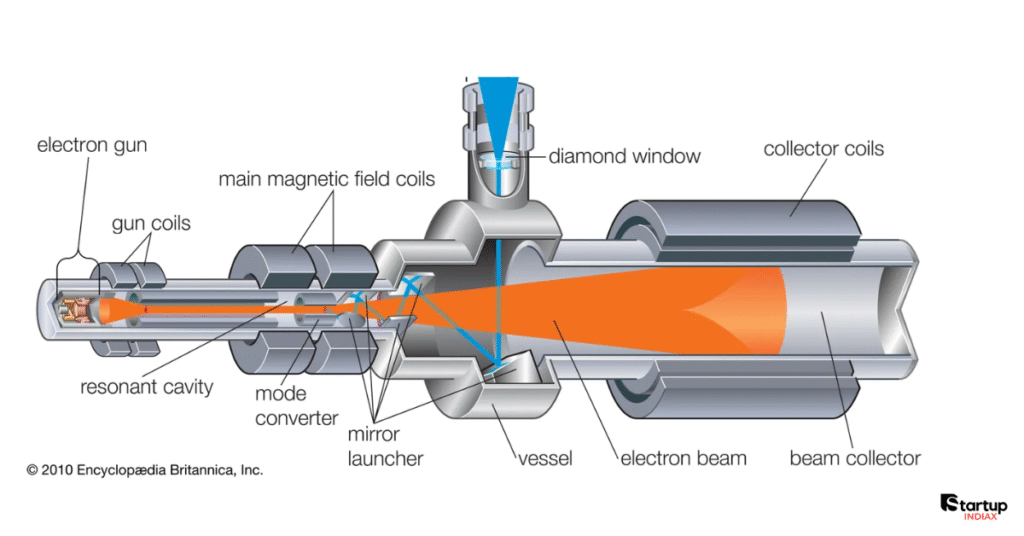
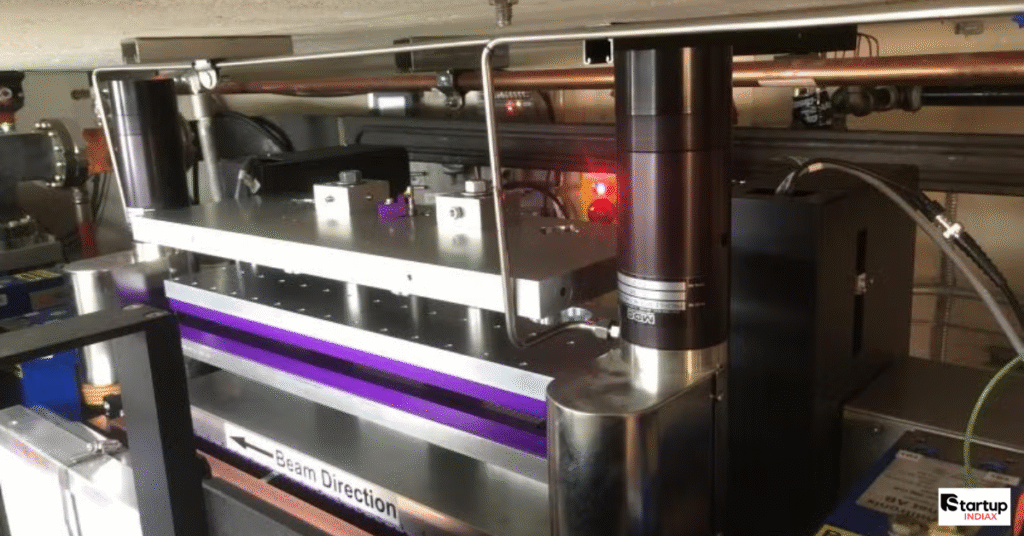
SLAC’s Facility for Advanced Accelerator Experimental Tests (FACET-II) is where the magic happened. The team used a laser heater undulator to precisely modulate the energy of billions of electrons, compressing them into a beam just one micrometer long. This is like squeezing a crowd of people into a phone booth without anyone getting squished! The result? A beam with 100 kiloamps of current and petawatt-level peak power, delivered in pulses lasting just a quadrillionth of a second. This precision and power combo is what makes SLAC’s achievement a global game-changer.

Breaking the Record for the Most Powerful Electron Beam

So, how did SLAC pull off Breaking the Record for the Most Powerful Electron Beam? It wasn’t easy. The team spent months fine-tuning their approach, using a one-kilometer-long accelerator to shape and transport the beam without losing its intensity. Here’s a quick breakdown of how they did it.

How SLAC Achieved This Milestone

SLAC National

The secret sauce is a laser-based shaping technique. Unlike traditional microwave fields, which can cause electrons to lose energy as they emit radiation, lasers offer pinpoint precision. The SLAC team used lasers to modulate the energy of electrons within the first 10 meters of their accelerator. Then, they guided the beam through a kilometer-long machine, using magnets to compress it into a super-tight, high-power pulse. This process, described in Physical Review Letters, required meticulous calibration to ensure the beam stayed stable and powerful.

The Science Behind the 5x Power Boost

The numbers are staggering: SLAC’s beam delivers five times the peak current of any previous electron beam, reaching 10 GeV in energy and lasting just femtoseconds. To put that in perspective, it’s like firing a bullet train’s worth of electrons through a straw in less time than it takes to blink. By using laser-based modulation, the team avoided the energy loss that plagued older methods, achieving both power and precision. This breakthrough isn’t just about raw strength—it’s about control, making the beam a versatile tool for scientists worldwide.

Why This Matters for Global Innovation

The U.S. Is Once Again Set to Take the Lead in Global Innovation because this electron beam opens doors to discoveries that were once out of reach. From studying the quantum world to recreating cosmic phenomena, the applications are endless. Let’s explore why this matters.

Applications in Physics, Chemistry, and Beyond

This electron beam is like a supercharged flashlight for science. In astrophysics, researchers can now recreate plasma filaments found in stars, allowing them to study cosmic phenomena in a lab. In quantum chemistry, the beam’s precision lets scientists observe molecular reactions at unprecedented scales. Even materials science benefits, as the beam can probe the structure of new materials for tech and manufacturing. For startups like Startup INDIAX, this means new opportunities to develop products that leverage these scientific advances, from semiconductors to medical devices.

Boosting U.S. Leadership in Science

This breakthrough cements the U.S. as a leader in particle physics and accelerator technology. While other countries, like France with its Apollon laser, are pushing boundaries, SLAC’s electron beam sets a new standard. Claudio Emma’s invitation to global researchers—“If you need an extreme beam, we have the tool for you”—shows the U.S. is ready to collaborate and lead. This isn’t just about bragging rights; it’s about driving innovation that benefits the world.

The Future of Electron Beam Technology

What’s next for Breaking the Record for the Most Powerful Electron Beam? SLAC’s team isn’t stopping here. They’re already eyeing the next milestone: beams with megaamp currents, ten times more powerful than today’s record. Here’s what the future holds.

What’s Next for SLAC and Global Research?

SLAC plans to push the limits further by using plasma-based compression techniques, which could make beams even shorter and more intense. This could lead to attosecond-scale light pulses—think of it as a camera that captures events a billionth of a billionth of a second long. Such tools would let scientists watch electrons move in real-time, unlocking new insights into chemistry and physics. For the global research community, this means more opportunities to collaborate and innovate.

Challenges and Opportunities Ahead

Of course, there are hurdles. Creating megaamp beams requires new tech to handle the intense energy, and measuring these ultra-short pulses is tricky—traditional tools like scintillating screens can’t handle the beam’s power. But SLAC’s team is optimistic, and their collaborative spirit means solutions are on the horizon. For startups and researchers, this is a chance to jump in and shape the future of science.

Conclusion: The U.S. Sets the Stage for a New Era

The U.S. Is Once Again Set to Take the Lead in Global Innovation with SLAC’s record-breaking electron beam. This isn’t just a win for science—it’s a win for everyone who believes in pushing boundaries. From unlocking the secrets of the universe to inspiring startups like Startup INDIAX, this breakthrough shows what’s possible when innovation meets determination. As SLAC continues to refine this technology, the world is watching, ready to see what discoveries come next. Let’s celebrate this milestone and get excited for the future of global innovation

June 21, 2025 0 comments 188 views
FacebookTwitterLinkedinWhatsapp
16 Billion Passwords Leaked: 5 Steps to Secure Your Digital Life - Startup Indiax
News

16 Billion Passwords Leaked: 5 Steps to Secure Your Digital Life

by Aalam Rohile June 21, 2025
3 min read

16 billion passwords leaked in a record-breaking data breach has sent shockwaves through the cybersecurity world, exposing credentials from countless online services. This massive breach, reported by researchers, underscores the urgent need for stronger digital security. In this Startup INDIAX article, you’ll learn what this breach means, how to check if your data was compromised, and five actionable steps to secure your digital life. With expert insights and practical tips, we’ll help entrepreneurs, startup founders, and digital professionals stay safe online. Protect your accounts and regain control today.

Table of Contents

  • What Is the 16 Billion Passwords Leaked Breach?
    • How Did This Record-Breaking Data Breach Happen?
  • Why Should You Care About This Data Breach?
    • What Are the Risks of Leaked Passwords?
  • How Can You Check If Your Password Was Leaked?
  • What Are the 5 Steps to Secure Your Digital Life?
    • Step 1: Change Your Passwords Immediately
    • Step 2: Enable Two-Factor Authentication (2FA)
    • Step 3: Use a Password Manager
    • Step 4: Monitor Your Accounts for Suspicious Activity
    • Step 5: Stay Informed About Cybersecurity Threats
  • How Can Startups Protect Against Data Breaches?
  • Conclusion: Take Control of Your Digital Security
  • FAQs

What Is the 16 Billion Passwords Leaked Breach?

In June 2025, researchers uncovered a staggering 16 billion passwords leaked in what’s being called the largest data breach in history. Compiled from multiple infostealer malware campaigns, this breach exposed login credentials from platforms like social media, banking, and e-commerce sites. According to Cybernews, the data includes usernames, passwords, and other sensitive information, making it a goldmine for cybercriminals.

How Did This Record-Breaking Data Breach Happen?

The breach stems from infostealer malware, which infects devices and silently collects login credentials. These stolen details are then aggregated into massive databases and sold on the dark web. India Today reports that this breach combines data from previous leaks, creating an unprecedented dataset. For startups and individuals, this highlights the growing threat of malware and the need for robust cybersecurity.

Why Should You Care About This Data Breach?

This isn’t just another headline—it’s a wake-up call. With 16 billion passwords leaked, your personal and professional accounts could be at risk. Cybercriminals can use stolen credentials to access bank accounts, steal identities, or even compromise business systems. For entrepreneurs, a single breach can damage customer trust and derail a startup’s reputation.

What Are the Risks of Leaked Passwords?

  • Financial Loss: Hackers can drain bank accounts or make unauthorized purchases.
  • Identity Theft: Stolen credentials can be used to impersonate you.
  • Business Disruption: For startups, compromised accounts can lead to data leaks or ransomware attacks.
  • Reputation Damage: Customers lose trust in businesses that fail to protect their data.

A 2023 IBM report found that the average cost of a data breach for businesses is $4.45 million. For individuals, the emotional and financial toll of recovering from identity theft can be devastating.

How Can You Check If Your Password Was Leaked?

First, don’t panic—but act quickly. Use trusted tools like Have I Been Pwned (haveibeenpwned.com) to check if your email or password was exposed. Simply enter your email address to see if it’s part of the 16 billion passwords leaked dataset.

Pro Tip: Avoid entering sensitive information on unverified websites claiming to check for leaks, as they could be phishing scams.

What Are the 5 Steps to Secure Your Digital Life?

Here are five actionable steps to protect yourself and your startup from the fallout of this record-breaking data breach:

Step 1: Change Your Passwords Immediately

If your credentials were exposed, update your passwords across all accounts. Use strong, unique passwords with at least 12 characters, combining letters, numbers, and symbols. Avoid reusing passwords across platforms.

Example: Instead of “password123,” use something like “X9m!pL2qW8zR.”

Step 2: Enable Two-Factor Authentication (2FA)

2FA adds an extra layer of security by requiring a second verification step, like a code sent to your phone. Enable it on critical accounts like email, banking, and social media. According to Google, 2FA reduces account hijacking by 99.9%.

Startup INDIAX Tip: For startups, mandate 2FA for all employees accessing company systems to prevent unauthorized access.

Step 3: Use a Password Manager

Managing unique passwords for every account is tough. Password managers like LastPass or 1Password securely store and generate complex passwords. A 2024 survey by Statista found that 24% of internet users now rely on password managers for better security.

Real-Life Example: An Indian startup founder, Priya S., avoided a major breach by using a password manager to secure her company’s cloud accounts after a similar leak in 2023.

Step 4: Monitor Your Accounts for Suspicious Activity

Regularly check your bank accounts, email, and social media for unusual activity. Set up alerts for transactions or login attempts from unfamiliar devices. Tools like Experian or Credit Karma can help monitor your financial accounts for signs of identity theft.

Step 5: Stay Informed About Cybersecurity Threats

Follow trusted sources like Startup INDIAX for the latest cybersecurity news. Subscribe to newsletters or follow experts like Troy Hunt, creator of Have I Been Pwned, for real-time updates on breaches.

Expert Quote: “The 16 billion passwords leaked breach shows that no one is immune. Staying proactive is your best defense,” says cybersecurity expert Dr. Ankit Sharma.

How Can Startups Protect Against Data Breaches?

For startups, the stakes are higher. A breach can cripple operations and erode customer trust. Here are key strategies:

  • Encrypt Sensitive Data: Use end-to-end encryption for customer data.
  • Train Employees: Educate staff on phishing and malware risks.
  • Regular Audits: Conduct cybersecurity audits to identify vulnerabilities.
  • Invest in Tools: Use firewalls, antivirus software, and secure cloud solutions.

A 2024 Verizon report found that 43% of breaches involve small businesses, often due to weak security practices. Startup INDIAX recommends partnering with cybersecurity firms to build robust defenses.

Conclusion: Take Control of Your Digital Security

The 16 billion passwords leaked breach is a stark reminder that cybersecurity is everyone’s responsibility. By following these five steps—changing passwords, enabling 2FA, using a password manager, monitoring accounts, and staying informed—you can protect your digital life. For startups, investing in security is non-negotiable to safeguard your business and customers. Share your thoughts in the comments, explore more cybersecurity tips on Startup INDIAX, or share this article to spread awareness!

FAQs

What is the 16 billion passwords leaked breach?
It’s a massive data breach involving 16 billion stolen credentials from various online platforms, compiled from infostealer malware attacks.

How do I know if my password was leaked?
Use tools like Have I Been Pwned breach checker to verify if your email or password was exposed.

What should I do if my password was leaked?
Change your password immediately, enable 2FA, and monitor your accounts for suspicious activity.

Can a password manager prevent data breaches?
While not foolproof, password managers generate and store strong, unique passwords, reducing the risk of breaches.

How can startups avoid data breaches?
Encrypt data, train employees, conduct regular audits, and use secure tools to protect your business.

June 21, 2025 0 comments 290 views
FacebookTwitterLinkedinWhatsapp
Newer Posts
Older Posts

Follow Us

Facebook Twitter Instagram

Recent Posts

  • Startup India Seed Fund Scheme Incubators: How to Apply Now

  • Startup Application Rejection Rate Hits 67% – Avoid These Mistakes

  • Starting a Small Business in India in 2026? Here’s Your Complete Investment, Execution Plan

  • India’s Bionic Arm Breakthrough: 72kg Capacity at 10% Global Price

  • MUDRA Loan Eligibility: Who Can Apply for Business Loans?

Newsletter

Subscribe my Newsletter for new blog posts, tips & new photos. Let's stay updated!

Categories

  • Advertising (2)
  • Agritech (3)
  • AI (63)
  • AI & DeepTech (26)
  • AI Tools (18)
  • Automobile (15)
  • Beauty & Wellness (3)
  • Bootstrapped Wins (3)
  • Crowdfunding Hub (1)
  • Debt Financing (1)
  • Digital (31)
  • Ecom (12)
  • EV (31)
  • Failure Lessons (1)
  • Fashion & Lifestyle (1)
  • Finance (36)
  • Fintech (6)
  • FoodTech (6)
  • Funding (17)
  • Government Schemes (12)
  • Green Energy (8)
  • HealthTech (4)
  • Investor Directory (1)
  • News (173)
  • Politics (12)
  • Real State (1)
  • Science (13)
  • Startup (150)
  • Startup Learning (12)
  • Startup Stories (14)
  • Technology (84)
  • Unicorn Journeys (4)
  • Women Entrepreneurs (6)

About Us

Startup IndiaX is a digital media platform covering India’s startup ecosystem. We bring you the latest news, founder stories, funding updates, and tech innovations.

Facebook Instagram Twitter Youtube

Featured

Startup India Seed Fund Scheme Incubators: How to Apply Now
January 2, 2026
Startup Application Rejection Rate Hits 67% – Avoid These Mistakes
December 30, 2025
Starting a Small Business in India in 2026? Here’s Your Complete Investment, Execution Plan
December 27, 2025

@2025 – All Right Reserved. 

  • Home
  • About Us
  • Privacy Policy
  • Contact
startupindiax.com
  • Home
  • News
  • Startup
  • Funding
  • Startup Stories
  • Sectors
    • Finance
    • Agritech
    • AI & DeepTech
    • Fintech
    • Green Energy
    • HealthTech
    • EV
    • Digital
    • Automobile