startupindiax.com
  • Home
  • News
  • Startup
  • Funding
  • Startup Stories
  • Sectors
    • Finance
    • Agritech
    • AI & DeepTech
    • Fintech
    • Green Energy
    • HealthTech
    • EV
    • Digital
    • Automobile
startupindiax.com
SUBSCRIBE
Sunday, January 25, 2026
  • Home
  • News
  • Startup
  • Funding
  • Startup Stories
  • Sectors
    • Finance
    • Agritech
    • AI & DeepTech
    • Fintech
    • Green Energy
    • HealthTech
    • EV
    • Digital
    • Automobile
startupindiax.com
startupindiax.com
  • Home
  • About Us
  • Privacy Policy
  • Contact

@2025 - All Right Reserved.

Scribenote: 5 Ways AI-Powered Medical Note-Taking Automation Revolutionizes Veterinary Practice in 2025
AIStartupTechnology

Scribenote: 5 Ways AI-Powered Medical Note-Taking Automation Revolutionizes Veterinary Practice in 2025

by Aalam Rohile June 11, 2025
3 min read

Introduction: The Scribenote Revolution in Veterinary Care

Scribenote medical note-taking for veterinarians is transforming how veterinary professionals document patient care, saving precious time while improving accuracy and consistency. This AI-powered platform has already processed over 1.5 million medical notes, helping veterinarians reclaim more than 2 hours of their day that would otherwise be spent on tedious documentation. With veterinary burnout at an all-time high and the pet tech market valued at $11 billion, Scribenote represents a crucial innovation that addresses one of the industry’s most pressing challenges.

The veterinary profession faces unprecedented demands, with practitioners struggling to balance quality patient care with extensive documentation requirements. Traditional medical note-taking consumes valuable time that could be better spent with animals and their owners. Scribenote’s revolutionary approach to automated medical documentation is changing this narrative, offering a solution that enhances both efficiency and care quality in veterinary practices worldwide.

What is Scribenote? Understanding AI-Powered Medical Note-Taking

Scribenote is an innovative AI-powered platform specifically designed to automate medical note-taking for veterinarians. The system works by recording veterinary appointments and using advanced artificial intelligence to transcribe audio conversations into comprehensive, formatted medical notes. This technology eliminates the need for manual documentation during or after patient consultations, allowing veterinarians to focus entirely on their patients.

The platform’s sophisticated AI algorithms can distinguish between different speakers, identify medical terminology, and organize information into proper SOAP (Subjective, Objective, Assessment, Plan) note format. Founded in 2022 with initial pre-seed funding of $250,000, Scribenote has rapidly evolved into a market leader, securing $8.2 million in seed funding by September 2024.

According to industry reports covered by Startup INDIAX, the veterinary AI market is experiencing explosive growth, with more than 43% of veterinarians expressing optimism about AI integration in their practices. Nearly 70% of veterinary professionals now use AI technology on a daily or weekly basis, highlighting the industry’s readiness for innovative solutions like Scribenote.

5 Ways Scribenote Transforms Veterinary Practice

Way #1: Automated SOAP Note Generation Saves 2+ Hours Daily

The most significant advantage of Scribenote medical note-taking for veterinarians lies in its ability to generate comprehensive SOAP notes automatically. Traditional documentation requires veterinarians to spend 1-3 hours daily writing notes, often staying late or taking work home. Scribenote’s AI processes recorded appointments and produces fully formatted medical notes that include:

  • Subjective observations from pet owners about their animal’s condition
  • Objective findings from the veterinarian’s examination
  • Assessment of the patient’s health status and diagnosis
  • Plan outlining treatment recommendations and follow-up care

This automation allows veterinarians to complete documentation in minutes rather than hours, dramatically improving work-life balance and reducing after-hours administrative burden.

Way #2: Real-Time Audio Transcription During Appointments

Scribenote’s advanced voice recognition technology captures every detail of veterinary consultations through real-time audio transcription. The system operates seamlessly in the background, recording conversations between veterinarians and pet owners while maintaining complete accuracy in medical terminology transcription.

The AI is trained specifically on veterinary vocabulary, ensuring that complex medical terms, medication names, and procedural descriptions are captured correctly. This real-time processing means that by the time an appointment concludes, the medical note is already generated and ready for review, eliminating the traditional lag time between patient care and documentation.

Way #3: Seamless Integration with Existing Practice Management Software

One of Scribenote’s most valuable features is its ability to integrate effortlessly with existing veterinary practice management systems. The platform doesn’t require practices to abandon their current software investments or retrain staff on new systems. Instead, Scribenote medical notes can be easily transferred into popular veterinary software platforms, maintaining workflow continuity.

This integration capability has been crucial to Scribenote’s adoption success, as veterinary practices can enhance their documentation efficiency without disrupting established operational procedures. The seamless data transfer ensures that patient records remain centralized and accessible across all practice management functions.

Way #4: Enhanced Accuracy and Consistency in Medical Documentation

Human error in medical documentation is a significant concern in veterinary practice, potentially affecting patient care quality and legal compliance. Scribenote addresses this challenge by providing consistent, accurate documentation that follows standardized medical note formats every time.

The AI system eliminates common documentation errors such as:

  • Incomplete patient information
  • Inconsistent terminology usage
  • Missing treatment plans or follow-up instructions
  • Illegible handwriting or unclear digital notes

This improved accuracy enhances patient care continuity and reduces liability risks for veterinary practices, while ensuring compliance with professional documentation standards.

Way #5: Reduced Veterinarian Burnout and Improved Work-Life Balance

Veterinary burnout has reached crisis levels, with documentation burden being a significant contributing factor. According to research highlighted by Startup INDIAX, administrative tasks consume approximately 30% of veterinarians’ working hours, leaving less time for actual patient care and personal life.

Scribenote medical note-taking for veterinarians directly addresses this issue by eliminating the most time-consuming administrative task. Veterinarians report feeling more energized and engaged with their patients when they’re not concerned about remembering every detail for later documentation. This improved work-life balance contributes to better job satisfaction and reduced turnover in veterinary practices.

The Technology Behind Scribenote’s Success

Scribenote’s AI technology represents a sophisticated integration of natural language processing, machine learning, and veterinary-specific algorithms. The platform utilizes advanced speech recognition technology that has been specifically trained on veterinary terminology, animal health conditions, and common consultation patterns.

The system’s machine learning capabilities continuously improve through exposure to more veterinary conversations, becoming increasingly accurate at identifying medical concepts, treatment protocols, and diagnostic procedures. This adaptive learning ensures that Scribenote becomes more valuable to practices over time, rather than becoming outdated.

Market Impact: 1.5M Medical Notes and Growing

Since its launch, Scribenote has processed over 1.5 million medical notes, demonstrating significant market adoption and trust from veterinary professionals. This impressive milestone reflects the platform’s reliability and effectiveness in real-world veterinary settings.

The rapid adoption rate indicates strong market demand for AI-powered veterinary solutions. Industry analysis suggests that veterinary AI tools like Scribenote are becoming essential infrastructure for modern practices, similar to how electronic health records transformed human healthcare documentation.

Investment and Growth: From $250K to $8.2M Funding

Scribenote’s funding journey illustrates investor confidence in veterinary AI solutions. The company’s progression from $250,000 in pre-seed funding to $8.2 million in seed funding within two years demonstrates both strong business performance and market validation.

This substantial funding round positions Scribenote to accelerate product development, expand market reach, and enhance AI capabilities. The investment also signals broader investor interest in veterinary technology solutions, as reported extensively by Startup INIDAX in their coverage of pet tech innovations.

The Future of Vet Tech: Market Trends and Opportunities

The veterinary technology sector is experiencing unprecedented growth, with the overall pet tech market valued at approximately $11 billion and projected to grow at nearly 14% CAGR through 2032. This growth is driven by several factors:

  • Increasing pet ownership and humanization of pets
  • Rising demand for advanced veterinary care
  • Integration of AI and digital technologies in veterinary practice
  • Growing awareness of veterinary workflow efficiency needs

Scribenote is positioned at the forefront of this trend, representing the type of innovative solution that will define the future of veterinary practice management.

Competitive Landscape: How Scribenote Stands Out

While the veterinary AI market includes several notable players, Scribenote’s focus on medical note-taking automation creates a distinct competitive advantage. Other vet tech startups like Vetology (AI-assisted radiology) and Digitail (practice management software) address different aspects of veterinary practice, but none specifically tackle the documentation burden that Scribenote addresses.

The platform’s specialization in medical note-taking for veterinarians allows for deeper AI training and more refined features compared to general-purpose solutions. This focused approach has enabled Scribenote to achieve superior accuracy and user satisfaction in its specific use case.

Implementation Guide: Getting Started with Scribenote

Veterinary practices considering Scribenote implementation can expect a straightforward onboarding process. The platform is designed for easy adoption with minimal training requirements. Key implementation steps include:

  1. Initial consultation to assess practice needs and integration requirements
  2. Software setup and integration with existing practice management systems
  3. Staff training on basic operation and best practices
  4. Pilot testing with selected appointments to ensure optimal performance
  5. Full deployment across all practice veterinarians

The typical implementation timeline ranges from 2-4 weeks, depending on practice size and technical requirements.

Conclusion: Why Scribenote is Essential for Modern Veterinary Practices

Scribenote medical note-taking for veterinarians represents more than just a technological advancement—it’s a fundamental shift toward more efficient, accurate, and sustainable veterinary practice. By automating the most time-consuming administrative task in veterinary medicine, Scribenote enables practitioners to focus on what they do best: caring for animals.

The platform’s impressive track record of processing 1.5 million medical notes, combined with substantial investor backing and strong market adoption, positions Scribenote as an essential tool for modern veterinary practices. As the veterinary industry continues to evolve and embrace AI solutions, platforms like Scribenote will become increasingly critical for practices seeking to remain competitive while maintaining high standards of patient care.

For veterinary professionals struggling with documentation burden and work-life balance challenges, Scribenote offers a proven solution that delivers measurable time savings, improved accuracy, and enhanced job satisfaction. The future of veterinary practice is AI-enhanced, and Scribenote is leading the way toward more efficient, effective veterinary care.


June 11, 2025 0 comments 262 views
FacebookTwitterLinkedinWhatsapp
Scribenote Pros & Cons: 5 Reasons Medical Note-Taking for Veterinarians is Changing in 2025
AIStartupTechnology

Scribenote Pros & Cons: 5 Reasons Medical Note-Taking for Veterinarians is Changing in 2025

by Aalam Rohile June 11, 2025
3 min read

Scribenote is making waves in veterinary medicine by offering AI-driven medical note-taking for veterinarians. This article explores the pros and cons of this innovative technology and examines how it’s reshaping veterinary practices. Discover how AI-powered solutions like Scribenote are addressing challenges such as veterinarian burnout and improving patient care, while also considering potential data security concerns and integration issues. Learn why Startup INDIAX believes this is a game-changer for the industry.

Table of Contents

Introduction: The Rise of AI in Veterinary Medicine

Artificial intelligence (AI) is rapidly transforming various sectors, and veterinary medicine is no exception. Veterinarians are increasingly turning to AI-powered solutions to streamline their practices, improve patient care, and alleviate the burden of administrative tasks. Among these innovative tools, Scribenote stands out as a pioneering platform designed to automate medical note-taking for veterinarians.

What is Scribenote? AI-Powered Medical Note-Taking for Veterinarians

Scribenote is an AI-powered platform that automates the process of medical note-taking for veterinarians. The app records conversations between veterinarians and clients, using AI to generate accurate medical records in minutes. This includes subjective and objective observations, assessments, and treatment plans, which can then be easily transferred into the clinic’s patient tracking software. By automating these documentation requirements, Scribenote allows veterinarians to focus more on their patients and less on paperwork.

The Pros of Scribenote: Why Veterinarians are Embracing AI

There are several reasons why veterinarians are increasingly adopting AI-powered solutions like Scribenote.

      • Saving Time and Reducing Burnout: Veterinarians often face long hours and heavy workloads, leading to burnout. Scribenote saves veterinarians up to two hours per day by automating medical records, allowing them to take lunch breaks and spend more time with family. This reduction in administrative burden can significantly improve their work-life balance.

      • Improving Accuracy and Completeness of Medical Records: AI ensures comprehensive and accurate documentation of patient visits. Scribenote captures detailed discussions between veterinarians and clients, reducing the risk of omissions or errors in medical records. This leads to better patient care and reduces potential liability issues.

      • Enhancing Focus on Patient Care: By automating note-taking, Scribenote enables veterinarians to focus more on examining and treating animals. With AI handling the documentation, vets can dedicate their attention to the well-being of their patients, improving the quality of care.

      • Streamlining Workflow and Practice Management: Scribenote offers a user-friendly interface that integrates seamlessly into existing veterinary workflows. The platform allows veterinarians to start notes on their phones and continue from any device, with offline recording capabilities that sync when connectivity is restored. This streamlines practice management and improves overall efficiency.

      • Startup INIDAX: Leading the Way in Innovative Veterinary Solutions: Startup INDIAX recognizes the transformative potential of Scribenote in the veterinary industry. By promoting and supporting such innovative solutions, Startup INDIAX aims to enhance the efficiency and quality of veterinary practices, ensuring better outcomes for both veterinarians and their patients.

    The Cons of Scribenote: Potential Challenges and Considerations

    Despite its many advantages, Scribenote also presents potential challenges that veterinary practices should consider.

        • Data Security and Privacy Concerns: Storing sensitive patient information in the cloud raises concerns about data security and privacy. Veterinarians must ensure that Scribenote complies with all relevant regulations and implements robust security measures to protect patient data.

        • Dependence on Technology and Internet Connectivity: As an AI-powered platform, Scribenote relies on technology and internet connectivity. Practices in areas with poor internet access may experience disruptions in service, affecting their ability to use the platform effectively.

        • Initial Investment and Training: Implementing Scribenote requires an initial investment in the software and training for staff. Veterinarians need to allocate resources for onboarding and ensure that their team is comfortable using the new system.

        • Integration with Existing Systems: Integrating Scribenote with existing practice management software can be complex. Practices need to ensure that the platform is compatible with their current systems and that data can be seamlessly transferred between them.

        • The Learning Curve for Veterinarians: While Scribenote is designed to be user-friendly, some veterinarians may require time to adjust to the new technology. Practices should provide adequate support and training to help their staff overcome the learning curve and maximize the benefits of the platform.

      5 Reasons Medical Note-Taking for Veterinarians is Changing in 2025

        1. Increased Efficiency and Productivity: AI-powered note-taking significantly reduces the time spent on administrative tasks, allowing veterinarians to see more patients and improve overall productivity.
        2. Better Work-Life Balance for Veterinarians: By automating documentation, Scribenote helps veterinarians achieve a better work-life balance, reducing burnout and improving their overall well-being.
        3. Improved Patient Outcomes: Accurate and complete medical records lead to better-informed decisions and improved patient outcomes, ensuring that animals receive the best possible care.
        4. Cost Savings for Veterinary Practices: While there is an initial investment, the long-term cost savings from increased efficiency and reduced administrative burden can be substantial.
        5. Enhanced Client Communication: Detailed and accurate notes facilitate better communication between veterinarians and pet owners, leading to increased trust and satisfaction.

        Real-World Impact: Success Stories and Use Cases

        Scribenote has already made a significant impact on numerous veterinary practices. Veterinarians report being able to take lunch breaks, spend more time with family, and focus more on their patients. Some have even found Scribenote invaluable when dealing with injuries or mobility issues, allowing them to continue working without the physical strain of writing notes. The platform has automated over 1.5 million medical records, saving veterinarians up to two hours per day.

        The Future of Veterinary Medicine: What’s Next for AI and Scribenote?

        The future of veterinary medicine is increasingly intertwined with AI. As AI technology continues to evolve, platforms like Scribenote will likely offer even more advanced features and capabilities. From AI-assisted diagnostics to personalized treatment plans, the possibilities are endless. Startup INDIAX is committed to staying at the forefront of these advancements, ensuring that veterinary practices have access to the best tools and technologies available.

        Conclusion: Is Scribenote Right for Your Practice?

        Scribenote offers a compelling solution for veterinarians looking to streamline their practices, reduce burnout, and improve patient care. While there are potential challenges to consider, the benefits of AI-powered medical note-taking are undeniable. By carefully weighing the pros and cons and understanding the impact on their specific needs, veterinary practices can make an informed decision about whether Scribenote is the right fit for them. With the support of innovative platforms like Startup INDIAX, the veterinary industry is poised to embrace a future where technology enhances the capabilities of veterinary professionals, leading to better outcomes for animals and their owners.

        June 11, 2025 0 comments 257 views
        FacebookTwitterLinkedinWhatsapp
        CodeQL: 7 Powerful Ways This Code Analysis Engine Transforms Software Security
        TechnologyStartup

        CodeQL: 7 Powerful Ways This Code Analysis Engine Transforms Software Security

        by Aalam Rohile June 11, 2025
        3 min read

        Summary
        CodeQL, the leading code analysis engine, is revolutionizing software security by automating vulnerability detection, delivering AI-powered code fixes, and supporting multiple programming languages. As organizations increasingly prioritize secure coding, tools like CodeQL and related AI debugging solutions are essential for developers, startups, and enterprises. In this article from Startup INDIAX, we explore seven powerful ways CodeQL transforms software security, highlighting its unique features, industry impact, and why it’s become a must-have for modern development teams.

        Table of Contents


        Introduction: CodeQL and the Evolution of Code Analysis Engines

        In today’s fast-paced tech landscape, ensuring software security is more critical than ever. With the rise of AI-powered code analysis engines like CodeQL, developers now have advanced tools that not only uncover vulnerabilities but also suggest and sometimes even apply fixes automatically. This shift is changing how organizations—from nimble startups to global enterprises—approach secure software development.

        What is CodeQL? An Overview

        CodeQL is a sophisticated code analysis engine developed by GitHub. Launched in 2019, it has rapidly gained traction, especially after the introduction of its AI-powered features. CodeQL allows developers to query code as if it were data, enabling deep analysis to find security vulnerabilities and logic errors that traditional tools might miss. With support for languages like JavaScript, TypeScript, Java, and Python, CodeQL is designed for modern, multi-language development environments.

        1. Automated Vulnerability Detection

        One of the most powerful features of CodeQL is its ability to automatically detect security vulnerabilities in software code. CodeQL scans codebases for common vulnerabilities and exposures (CVEs), leveraging a vast database of known issues and patterns. In 2024 alone, more than 40,000 new CVEs were discovered, highlighting the scale of the challenge for developers. By automating detection, CodeQL significantly reduces manual effort, allowing teams to identify and address risks early in the development cycle.

        2. AI-Powered Code Fixes

        CodeQL’s integration with AI takes code analysis to the next level. Not only does it find vulnerabilities, but its AI tool can also fix more than two-thirds of the issues it identifies. In most cases, these fixes don’t require human intervention, streamlining the remediation process. Developers receive natural-language explanations alongside the fixes, making it easier to understand the root cause and learn from each incident. This feature is especially valuable as debugging code manually can take hours, but AI tools like CodeQL can resolve issues in minutes.

        3. Multi-Language Support for Modern Development

        Modern applications are rarely built in a single language. CodeQL supports JavaScript, TypeScript, Java, and Python, making it versatile for diverse development teams. This multi-language capability ensures that security analysis is consistent across the entire codebase, regardless of the technologies used. As organizations adopt more complex stacks, having a unified code analysis engine like CodeQL is a significant advantage.

        4. Natural-Language Explanations for Developers

        Understanding why a piece of code is vulnerable is just as important as fixing it. CodeQL provides natural-language explanations for each identified vulnerability, helping developers grasp the underlying issue. This educational approach not only speeds up remediation but also empowers teams to write more secure code in the future. For startups and enterprises alike, building a culture of security awareness is crucial, and CodeQL’s explanations make that possible.

        5. Integrating CodeQL into DevOps and CI/CD Pipelines

        Security should be an integral part of the software development lifecycle. CodeQL seamlessly integrates with DevOps workflows and CI/CD pipelines, enabling continuous security analysis as code is written, reviewed, and deployed. This integration ensures that vulnerabilities are caught early, reducing the risk of costly security incidents post-deployment. For organizations using platforms like GitHub, the process is even more streamlined, making CodeQL a natural fit for modern agile teams.

        6. Accelerating Debugging with AI Debugging Tools

        The rise of AI debugging tools is a major trend in software development. Search volume for “AI debugging” has grown exponentially, reflecting the industry’s shift toward automation. CodeQL is at the forefront of this movement, offering rapid, automated debugging that outpaces traditional manual methods. By leveraging AI, CodeQL helps developers resolve issues faster, improve code quality, and focus on building new features rather than firefighting bugs.

        7. Building Trust with Open Source and Community Support

        Trust is a cornerstone of any security tool. CodeQL benefits from strong community support and is part of the broader open-source ecosystem. Developers contribute new queries, share best practices, and collaborate to improve the tool’s effectiveness. This community-driven approach enhances transparency and ensures that CodeQL stays up-to-date with the latest security threats. For startups like those featured on Startup INDIAX, leveraging trusted, community-backed tools is essential for building secure products.

        Trending AI Debugging Tools: The Competitive Landscape

        While CodeQL leads the pack, several other AI debugging tools are gaining traction:

            • CodeRabbit: Automates code review with human-like feedback and has raised nearly $20M since its launch.

            • Tabnine: Offers an AI coding assistant for code completion, explanations, and bug fixes, with over $57M in funding.

            • Snyk DeepCode AI Fix: Uses self-hosted large language models (LLMs) for enhanced privacy and is preparing for a public offering.

          These tools highlight the growing demand for intelligent code analysis and debugging solutions in the software industry.

          Why CodeQL Matters for Startups and Enterprises

          For startups and enterprises featured on platforms like Startup INDIAX, adopting CodeQL and similar code analysis engines is a strategic move. The ability to automate security checks, receive AI-driven fixes, and maintain high code quality gives organizations a competitive edge. As cyber threats evolve, proactive security measures are no longer optional—they’re essential for success.

          Conclusion: The Future of Software Security with CodeQL

          CodeQL is more than just a code analysis engine—it’s a catalyst for transforming software security. By automating vulnerability detection, providing AI-powered fixes, and fostering a culture of security awareness, CodeQL empowers developers to build safer, more reliable software. As the industry continues to embrace AI debugging tools, CodeQL stands out as a trusted, innovative solution for teams of all sizes. For readers of Startup INDIAX, now is the time to explore how CodeQL can elevate your software security strategy.

          Frequently Asked Questions

          What is CodeQL?
          CodeQL is a code analysis engine developed by GitHub that automates vulnerability detection and provides AI-powered fixes for software code.

          How does CodeQL help with software security?
          It scans codebases for vulnerabilities, suggests fixes, and integrates with CI/CD pipelines for continuous security analysis.

          Which programming languages does CodeQL support?
          CodeQL currently supports JavaScript, TypeScript, Java, and Python.

          Can CodeQL fix vulnerabilities automatically?
          Yes, its AI-powered tool can fix more than two-thirds of identified issues, often without human intervention.

          Is CodeQL suitable for startups?
          Absolutely. CodeQL’s automation and community support make it ideal for startups and enterprises focused on secure development.

          June 11, 2025 0 comments 249 views
          FacebookTwitterLinkedinWhatsapp
          Starlink
          NewsDigitalStartup

          Starlink’s INR 3,000 Monthly Plans Spark Excitement for India’s Internet Revolution

          by Ismail Patel June 10, 2025
          3 min read

          Starlink’s debut monthly subscriptions at INR 3,000 in India are set to transform the nation’s internet landscape, promising high-speed connectivity to even the most remote corners. With a one-time setup cost of INR 33,000, Elon Musk’s satellite internet venture aims to bridge India’s digital divide. This article explores Starlink’s pricing, its potential to revolutionize rural connectivity, the challenges it faces, and how it stacks up against competitors like Reliance Jio and Airtel’s OneWeb. At Startup INDIAX, we’re diving into what this means for India’s tech ecosystem and whether Starlink’s ambitious plans will live up to the hype.

          Table of Contents

          • Introduction: Starlink’s Big Leap into India
          • What is Starlink? A Quick Overview
          • Starlink’s INR 3,000 Monthly Plans: What’s on Offer?
          • The Setup Cost: Is INR 33,000 Worth It?
          • Why Starlink’s Debut Matters for India
          • Challenges Starlink Faces in India’s Market
          • How Starlink Compares to Competitors in India
          • The Future of Satellite Internet in India
          • Conclusion: A New Era for Connectivity?

          Introduction: Starlink’s Big Leap into India

          Imagine living in a remote village in Ladakh or a forested area in Chhattisgarh, where reliable internet is a distant dream. That’s where Starlink, Elon Musk’s satellite internet venture, steps in. With Starlink’s debut monthly subscriptions at INR 3,000 in India, the company is poised to bring high-speed internet to underserved regions. According to recent reports, Starlink has secured a key license from the Ministry of Telecommunications, paving the way for a launch within the next 12 months. But with a steep setup cost and regulatory hurdles, will this be a game-changer or a tough sell? Let’s break it down.

          At Startup INDIAX, we’re excited to explore how Starlink’s entry could reshape India’s startup and tech ecosystem, especially for rural entrepreneurs and digital nomads.

          What is Starlink? A Quick Overview

          For those new to the buzz, Starlink is a division of SpaceX, Musk’s aerospace company. It uses a constellation of over 7,600 low Earth orbit (LEO) satellites to deliver high-speed internet globally. Unlike traditional broadband that relies on fiber cables or cell towers, Starlink beams internet directly to a user’s satellite dish, offering speeds between 50 and 250 Mbps. This makes it ideal for areas where laying cables is impractical, like India’s hilly terrains or island regions.

          Starlink’s technology is already live in over 125 countries, from Bangladesh to Zimbabwe. In India, the company aims to target both urban and rural users, with a focus on bridging the digital divide in remote areas like Arunachal Pradesh and the Andaman Islands.

          Starlink’s INR 3,000 Monthly Plans: What’s on Offer?

          Starlink’s debut monthly subscriptions at INR 3,000 in India come with unlimited data, a major draw for users tired of capped plans. According to Business Standard, the pricing ranges from INR 3,000 to INR 4,200 per month, aligning with Starlink’s strategy in neighboring countries like Bangladesh and Bhutan. This is a stark contrast to earlier estimates from Starlink’s former India head, who pegged first-year costs at INR 1.58 lakh, including equipment. The revised pricing makes Starlink more accessible, though it’s still a premium offering compared to India’s dirt-cheap terrestrial broadband.

          The plans promise download speeds of 25–220 Mbps, with most users likely to experience over 100 Mbps. For context, this is comparable to 4G speeds but falls short of 5G’s potential. For rural schools, healthcare facilities, and small businesses, this could be a lifeline for accessing online education, telemedicine, and e-commerce.

          The Setup Cost: Is INR 33,000 Worth It?

          Here’s where things get tricky. To access Starlink’s INR 3,000 monthly subscriptions in India, users need to purchase a Starlink kit—a satellite dish and Wi-Fi router—for a one-time cost of INR 33,000. Compared to traditional broadband modems (often under INR 5,000), this is a hefty upfront investment. Globally, Starlink kits range from $250 to $380 (INR 21,300–32,400), so India’s pricing is in line with international standards.

          For urban users with access to Jio or Airtel’s gigabit plans, this cost might seem steep. But for rural users or startups in remote areas, the kit could be a worthy investment for reliable connectivity. At Startup INDIAX, we believe this could empower rural entrepreneurs to compete in the digital economy, provided the costs don’t deter adoption.

          Why Starlink’s Debut Matters for India

          India’s digital divide is stark. Despite initiatives like BharatNet, remote areas like Ladakh, Jammu & Kashmir, and tribal regions remain underserved. Starlink’s satellite-based internet bypasses the need for terrestrial infrastructure, making it a game-changer for:

          • Education: Online learning for students in remote villages.
          • Healthcare: Telemedicine for rural clinics.
          • Business: E-commerce and digital banking for small businesses.
          • Disaster Response: Connectivity during floods or earthquakes when traditional networks fail.

          Starlink’s initial bandwidth capacity of 600–700 Gbps could support 30,000–50,000 users, with plans to scale to 3 Tbps by 2027, potentially serving millions. This aligns with India’s push for digital inclusion, and Startup INDIAX sees it as a catalyst for tech-driven growth in underserved regions.

          Challenges Starlink Faces in India’s Market

          While the excitement around Starlink’s debut monthly subscriptions at INR 3,000 in India is palpable, challenges abound:

          • Regulatory Hurdles: Starlink has cleared the telecom ministry’s license but still needs spectrum allocation from the Telecom Regulatory Authority of India (TRAI) and approval from IN-SPACe for earth stations. Stringent security conditions, like real-time terminal tracking and local data processing, add complexity.
          • High Costs: The INR 33,000 kit and INR 3,000–4,200 monthly plans are pricey compared to Jio’s sub-INR 1,000 plans with gigabit speeds.
          • Competition: Reliance Jio, Airtel’s OneWeb, and Amazon’s Project Kuiper are all vying for India’s satcom market. Jio’s terrestrial dominance and OneWeb’s B2B focus could challenge Starlink’s consumer plans.
          • Capacity Constraints: With only 700–800 satellites covering India at any time, Starlink may struggle to scale to millions of users by 2030.

          These hurdles could slow Starlink’s rollout, but its global track record suggests it’s up for the challenge.

          How Starlink Compares to Competitors in India

          India’s telecom market is fiercely competitive, with Jio and Airtel offering some of the world’s cheapest data plans. Here’s how Starlink stacks up:

          • Reliance Jio: Offers fiber broadband at INR 399–1,499/month with speeds up to 1 Gbps. Jio’s satellite arm, partnered with SES, is also entering the satcom race.
          • Airtel’s OneWeb: Focuses on B2B clients but plans consumer services. Pricing is unclear, but Airtel’s retail network could give it an edge in distributing Starlink kits.
          • Amazon’s Project Kuiper: Still seeking licenses, Kuiper aims to set up gateways in Chennai and Mumbai but lacks Starlink’s operational scale.
          • Traditional Broadband: Cheaper and faster in urban areas but unavailable in remote regions where Starlink shines.

          Starlink’s edge lies in its ability to serve areas where others can’t. For startups covered by Startup INDIAX, this could mean new opportunities in rural markets.

          The Future of Satellite Internet in India

          Starlink’s entry is just the beginning. With plans to expand its constellation to 12,000 satellites, the company aims to support 5.7 million users in India by 2030. The satcom market is heating up, with players like OneWeb, Kuiper, and Globalstar eyeing India’s 1.4 billion population.

          For India, this could mean a digital revolution. From enabling e-governance in remote areas to powering IoT startups, satellite internet could unlock new economic opportunities. However, success hinges on affordability and regulatory clarity. If Starlink can lower its kit costs or offer financing options, it could capture a larger share of India’s price-sensitive market.

          Conclusion: A New Era for Connectivity?

          Starlink’s debut monthly subscriptions at INR 3,000 in India mark a bold step toward closing the digital divide. While the INR 33,000 setup cost and regulatory challenges pose hurdles, the promise of high-speed internet in remote areas is undeniable. For startups and entrepreneurs, especially those covered by Startup INDIAX, Starlink could open new markets and opportunities. Whether it’s a school in the Himalayas or a startup in a tier-3 city, Starlink’s arrival signals a new era of connectivity. Will it live up to the hype? Only time will tell, but the excitement is real.

          June 10, 2025 1 comment 311 views
          FacebookTwitterLinkedinWhatsapp
          Tesla to Open First Showroom in Mumbai Next Month
          AIEVStartup

          Tesla Ramps Up India Strategy: New Warehouse Space Lease in Mumbai Signals Big Plans

          by Ismail Patel June 8, 2025
          3 min read

          Tesla Ramps Up India Strategy with a bold move that’s turning heads in the electric vehicle (EV) world. The company’s recent lease of a 24,565 sq ft warehouse in Mumbai’s Kurla West is a clear signal of its commitment to India’s growing EV market. This New Warehouse Space Lease in Mumbai isn’t just about storage—it’s a strategic step toward building a robust ecosystem for Tesla’s operations, from service centers to potential manufacturing. In this article, we’ll dive into why this move matters, how it fits into Tesla’s broader India plans, and what it means for Indian consumers and startups on platforms like Startup INDIAX. Packed with insights and data, this piece explores Tesla’s exciting journey in India, backed by recent developments and expert commentary.

          Table of Contents

          Introduction: Tesla’s Big Bet on India
          Why Tesla’s New Warehouse Space Lease in Mumbai Matters
          The Details of the Kurla West Deal
          A Strategic Move for Tesla’s India Strategy
          Tesla’s Growing Footprint in India
          Showrooms in Mumbai and Delhi
          Offices in Pune and Bengaluru
          What’s Behind Tesla Ramps Up India Strategy?
          India’s Booming EV Market
          Policy Changes and Government Support
          How the Mumbai Warehouse Fits into Tesla’s Plans
          Supporting Service Centers and Supply Chains
          Potential for Future Manufacturing
          Challenges Tesla Faces in India
          Import Duties and Local Manufacturing
          Competition in the EV Space
          What This Means for Indian Consumers and Startups
          Impact on the EV Ecosystem
          Conclusion: Tesla’s India Journey is Just Beginning

          Introduction: Tesla’s Big Bet on India

          Hey, have you heard the buzz about Tesla in India? It’s not just talk anymore—Elon Musk’s electric vehicle giant is making serious moves. The latest? A New Warehouse Space Lease in Mumbai at Lodha Logistics Park in Kurla West. This isn’t some random real estate deal; it’s a calculated step in Tesla Ramps Up India Strategy to establish a strong foothold in one of the world’s fastest-growing EV markets. With a five-year lease for 24,565 square feet, Tesla is signaling big plans, from setting up service centers to laying the groundwork for future supply chain operations. Let’s unpack why this matters and what it tells us about Tesla’s ambitions in India.

          Why Tesla’s New Warehouse Space Lease in Mumbai Matters

          The Details of the Kurla West Deal

          Tesla India Motor & Energy Pvt Ltd has signed a five-year lease for a 24,565 sq ft warehouse in Mumbai’s Kurla West, starting June 1, 2025. The deal, valued at over ₹24 crore, includes a starting monthly rent of ₹37.53 lakh, with a 5% annual escalation and a ₹2.25 crore security deposit. The space, located at Lodha Logistics Park developed by Macrotech Developers, comes with 20 dedicated parking slots and common area maintenance charges of ₹1.62 crore over the lease term. According to CRE Matrix, a real estate data analytics firm, this move is more than just a lease—it’s a bold statement of intent.

          A Strategic Move for Tesla’s India Strategy

          Why Kurla West? It’s a prime location for urban distribution, perfect for Tesla’s plans to set up a service center and streamline logistics. This New Warehouse Space Lease in Mumbai positions Tesla to support its growing operations, ensuring quick access to parts and services for its electric vehicles. Abhishek Kiran Gupta, CEO of CRE Matrix, puts it perfectly: “This 24,565 sq ft lease at ₹153 per sq ft is more than a real estate transaction—it’s a signal of intent.” Tesla’s not just dipping its toes in India; it’s diving in headfirst, and platforms like Startup INDIAX are buzzing with excitement about the opportunities this creates for EV-related startups.

          Tesla leases warehousing facility in Mumbai's Kurla West for five years
          Tesla leases 24,565 sq ft facility in Kurla West for vehicle servicing, signalling expansion in India amid market launch preparations. pic.twitter.com/9OK8oVrWka

          — Manvi (@Manvi21165) June 4, 2025

          Tesla’s Growing Footprint in India

          Tesla’s not stopping at warehouses. The company is building a multi-city presence to cement its place in India’s EV landscape.

          Showrooms in Mumbai and Delhi

          Earlier this year, Tesla set a national record by leasing a 4,003 sq ft showroom in Mumbai’s Bandra Kurla Complex (BKC) for ₹35.26 lakh per month—₹881 per sq ft, the highest for an auto showroom in India. This premium space in Maker Maxity is set to showcase Tesla’s sleek electric cars, targeting India’s affluent buyers. Tesla also has its eyes on Delhi, with a 4,000 sq ft showroom planned in Aerocity at ₹25 lakh per month. These showrooms are Tesla’s way of saying, “We’re here, and we mean business.”

          Offices in Pune and Bengaluru

          Beyond showrooms, Tesla has an engineering facility in Pune (5,850 sq ft) and a registered office in Bengaluru. In April 2025, it leased a 30-seater co-working space near Mumbai’s BKC for ₹3 lakh per month, showing its focus on operational flexibility. These moves highlight Tesla Ramps Up India Strategy by building a network of offices, showrooms, and now logistics hubs to support its market entry. For startups listed on Startup INDIAX, this signals a growing ecosystem ripe for collaboration.

          What’s Behind Tesla Ramps Up India Strategy?

          India’s Booming EV Market

          India’s EV market is on fire, expected to grow at a CAGR of 44.5% from 2023 to 2030, driven by rising fuel costs, environmental awareness, and government incentives. With over 1.5 million EVs sold in 2024 alone, India is a goldmine for Tesla’s premium electric vehicles. The country’s affluent middle class is eager for sustainable, high-tech cars, and Tesla’s brand power makes it a perfect fit. This New Warehouse Space Lease in Mumbai is Tesla’s way of preparing to meet that demand head-on.

          Policy Changes and Government Support

          Recent policy tweaks have made India more attractive for global EV players. The government’s ‘Scheme to Promote Manufacturing of Electric Passenger Cars in India’ offers reduced import duties for companies investing in local manufacturing. While Tesla hasn’t committed to a factory yet, its flurry of real estate deals suggests it’s laying the groundwork. Prime Minister Narendra Modi’s meeting with Elon Musk earlier this year seems to have lit a spark, pushing Tesla Ramps Up India Strategy into high gear.

          Union Minister Shri @hd_kumaraswamy addressed a media briefing on the "Scheme to Promote Manufacturing of Electric Passenger Cars in India". He was accompanied by Secretary, MHI, Shri Kamran Rizvi and Additional Secretary, MHI, Dr. Hanif Qureshi. The scheme will enable fresh… pic.twitter.com/OFmhZoHbjo

          — Ministry of Heavy Industries (@MHI_GoI) June 2, 2025

          How the Mumbai Warehouse Fits into Tesla’s Plans

          Supporting Service Centers and Supply Chains

          The Kurla West warehouse is likely to serve as a service center, storing parts and supporting Tesla’s upcoming showrooms. With a strategic location in Mumbai, it ensures quick turnaround times for repairs and maintenance, crucial for customer satisfaction. This move aligns with Tesla’s global playbook: establish a strong service network before scaling sales. For Indian startups on Startup INDIAX, this could mean opportunities to supply components or services to Tesla’s growing ecosystem.

          Potential for Future Manufacturing

          While Union Minister HD Kumaraswamy recently stated that Tesla isn’t interested in manufacturing in India yet, the company’s real estate moves tell a different story. Earlier this year, Tesla’s scouting team explored Maharashtra’s Satara for a potential $2-3 billion EV factory. The New Warehouse Space Lease in Mumbai could be a stepping stone, supporting logistics for a future manufacturing hub. Even if production isn’t immediate, Tesla’s building an infrastructure that screams long-term commitment.

          Challenges Tesla Faces in India

          Import Duties and Local Manufacturing

          High import duties have been a sticking point for Tesla. While India has relaxed some tariffs, the government wants global players to manufacture locally. Kumaraswamy’s comments suggest Tesla might focus on showrooms for now, importing vehicles from China or Germany. This could keep prices high, limiting Tesla’s reach in a price-sensitive market. Navigating these policies will be key to Tesla Ramps Up India Strategy.

          Competition in the EV Space

          Tesla isn’t alone in India’s EV race. Local players like Tata Motors and Mahindra, along with global brands like BYD, are vying for market share. Tata’s Nexon EV dominates the affordable segment, while BYD targets the premium space. Tesla’s brand cachet gives it an edge, but it’ll need to localize pricing and offerings to compete. The New Warehouse Space Lease in Mumbai shows Tesla’s ready to tackle these challenges with a robust supply chain.

          What This Means for Indian Consumers and Startups

          Impact on the EV Ecosystem

          Tesla’s entry is a game-changer for India’s EV ecosystem. Its premium vehicles will raise the bar for quality and technology, pushing local players to innovate. The Kurla West warehouse ensures Tesla can deliver top-notch service, building trust among Indian buyers. For consumers, this means access to cutting-edge EVs, even if prices start high. Over time, Tesla’s presence could drive competition, lowering costs across the board.

          Conclusion: Tesla’s India Journey is Just Beginning

          Tesla’s New Warehouse Space Lease in Mumbai is more than a real estate deal—it’s a bold step in Tesla Ramps Up India Strategy. From showrooms in BKC and Delhi to offices in Pune and Bengaluru, Tesla is building a comprehensive network to conquer India’s EV market. While challenges like import duties and competition loom, the company’s strategic moves signal a long-term commitment. For Indian consumers, this means exciting new options in the EV space. For startups on Startup INDIAX, it’s a chance to ride the Tesla wave and innovate in a booming market. Keep an eye on Tesla—its India journey is just getting started.

          June 8, 2025 13 comments 384 views
          FacebookTwitterLinkedinWhatsapp
          syfe
          StartupNews

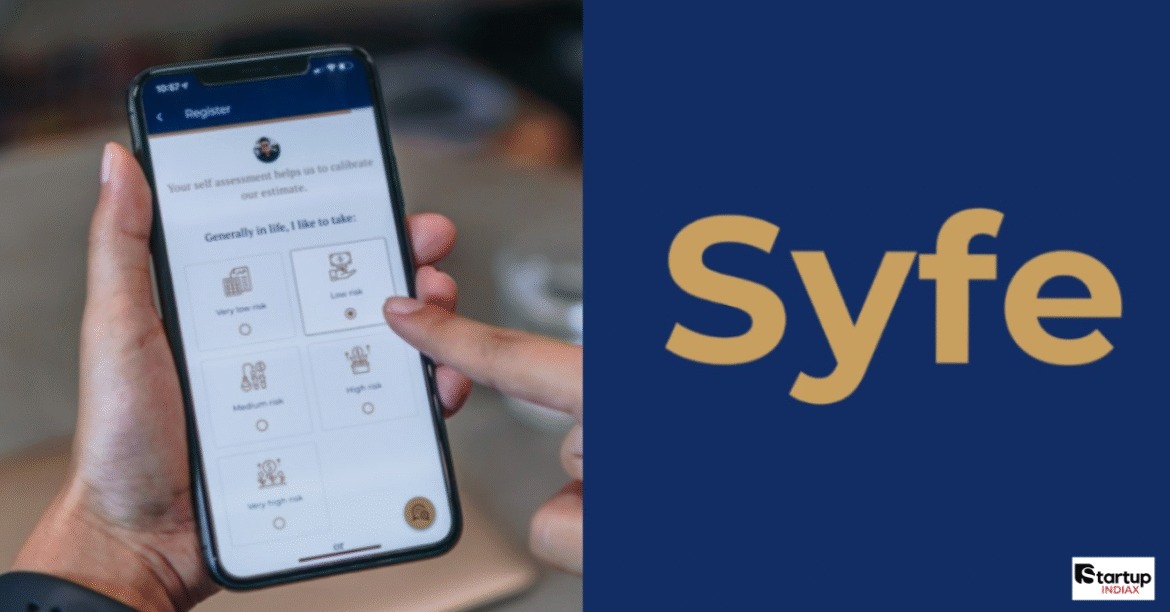
          Syfe Raises $80 Mn in Series C to Fuel Wealth Management Growth

          by Ismail Patel June 8, 2025
          3 min read

          Syfe raises $80 Mn in its Series C funding round, marking a significant milestone for the Singapore-based wealth management platform. This fresh capital injection, led by prominent investors, underscores Syfe’s growing influence in the fintech and wealth management sectors. With plans to accelerate regional expansion across Asia and enhance its technology-driven investment solutions, Syfe is poised to redefine how individuals manage their wealth. This article dives into the details of Syfe’s Series C funding, its strategic goals, and what this means for the future of wealth management, all while highlighting why platforms like Startup INDIAX are excited to cover this game-changing development.

          Table of Contents

          • Introduction: Syfe’s Big Leap Forward
          • What is Syfe? A Quick Overview
          • Syfe Raises $80 Mn: Breaking Down the Series C Funding
          • Why This Funding Matters for Syfe and Investors
          • Fueling Regional Expansion Across Asia
          • How Syfe Stands Out in the Wealth Management Space
          • The Road Ahead: What’s Next for Syfe?
          • Conclusion: A Bright Future for Syfe and Fintech

          Introduction: Syfe’s Big Leap Forward

          Imagine a world where managing your wealth is as simple as ordering your favorite coffee. That’s the vision Syfe, a Singapore-based fintech startup, is turning into reality. With the recent announcement that Syfe raises $80 Mn in its Series C funding round, the company is taking a bold step toward revolutionizing wealth management. This funding, secured at a higher valuation than its previous rounds, signals strong investor confidence in Syfe’s mission to democratize access to sophisticated investment tools. For platforms like Startup INDIAX, which track the pulse of innovative startups, Syfe’s latest milestone is a testament to the growing demand for user-friendly, technology-driven financial solutions. Let’s explore what this funding means and why it’s a big deal for both Syfe and the fintech ecosystem.

          What is Syfe? A Quick Overview

          Before diving into the details of Syfe’s $80 Mn Series C triumph, let’s get to know the company. Founded in 2019 by Dhruv Arora, a former UBS banker, Syfe is a robo-advisor and wealth management platform designed to make investing accessible to everyone. Unlike traditional wealth management firms that cater to high-net-worth individuals, Syfe leverages cutting-edge technology to offer personalized, low-cost investment portfolios to users of all financial backgrounds. From automated portfolio management to tailored financial advice, Syfe’s platform is built to simplify wealth creation.

          What sets Syfe apart? Its user-centric approach. The platform uses advanced algorithms to create diversified portfolios based on users’ risk profiles and financial goals. Whether you’re a young professional saving for your first home or a seasoned investor planning for retirement, Syfe’s solutions are designed to grow your wealth efficiently. With a presence in Singapore, Hong Kong, and Australia, Syfe is already a key player in the wealth management platform space, and this latest funding round is set to amplify its reach.

          Syfe Raises $80 Mn: Breaking Down the Series C Funding

          The big news is that Syfe raises $80 Mn in its Series C funding round, a significant achievement that highlights the company’s growing traction. According to posts on X, this round includes a new all-equity C2 tranche, bringing the total capital raised to $80 million. The funding was led by prominent investors, though specific names weren’t disclosed in the announcements. What we do know is that this round was closed at a higher valuation than Syfe’s previous funding, signaling strong market confidence in its growth potential.

          Syfe Raises $80 Mn in Series C to Fuel Wealth Management Growth

          This isn’t Syfe’s first rodeo. The company has raised substantial capital in earlier rounds, including a $30 million Series B in 2021. With this latest Series C injection, Syfe’s total funding now exceeds $130 million, positioning it as one of the leading players in the fintech funding landscape. For Startup INDIAX, which closely follows startup financing trends, Syfe’s ability to attract such significant investment underscores its credibility and market appeal.

          Why This Funding Matters for Syfe and Investors

          So, why is Syfe’s $80 Mn Series C such a big deal? For starters, it validates the growing demand for digital wealth management solutions. As more people seek accessible and affordable ways to invest, platforms like Syfe are stepping in to fill the gap. This funding will enable Syfe to scale its operations, enhance its technology, and expand its product offerings, making wealth management even more inclusive.

          From an investor’s perspective, Syfe’s success is a promising sign. The wealth management platform space is highly competitive, with players like Wealthfront, Betterment, and Stash vying for market share. Yet, Syfe’s ability to secure $80 Mn in Series C funding at a higher valuation shows that investors see it as a standout. The capital will likely be used to strengthen Syfe’s technological edge, such as improving its AI-driven portfolio management tools and expanding its suite of financial products.

          For users, this funding means better services and more options. Whether it’s lower fees, more diversified investment portfolios, or enhanced user experiences, Syfe’s growth will directly benefit its customers. As Startup INDIAX notes, this is a win-win for both the company and its users, as it drives innovation in a sector that’s traditionally been inaccessible to the average person.

          Fueling Regional Expansion Across Asia

          One of the most exciting aspects of Syfe raises $80 Mn is its plan to use the funds for regional expansion. Asia is a hotbed for fintech innovation, with a growing middle class and increasing demand for digital financial services. Syfe’s current footprint includes Singapore, Hong Kong, and Australia, but the company has its sights set on further growth across the region.

          Why Asia? The continent is home to some of the world’s fastest-growing economies, yet access to quality wealth management remains limited for many. Syfe aims to bridge this gap by offering tailored investment solutions that cater to diverse markets. For example, in markets like India and Southeast Asia, where financial literacy is on the rise, Syfe’s user-friendly platform could attract a new wave of investors. This aligns perfectly with Startup INDIAX’s mission to spotlight startups that are making a tangible impact in emerging markets.

          The funding will also support Syfe’s efforts to navigate regulatory landscapes and build partnerships with local financial institutions. By expanding its presence, Syfe can tap into new customer segments and solidify its position as a leading wealth management platform in Asia.

          How Syfe Stands Out in the Wealth Management Space

          In a crowded fintech market, what makes Syfe unique? For one, its technology-driven approach sets it apart from traditional wealth managers. Syfe’s robo-advisor uses sophisticated algorithms to create and manage investment portfolios, minimizing human error and reducing costs. This allows Syfe to offer competitive fees, making wealth management accessible to a broader audience.

          Additionally, Syfe’s focus on personalization is a game-changer. The platform tailors portfolios to individual risk appetites and financial goals, ensuring that users get the most out of their investments. Whether you’re a conservative investor looking for stable returns or a risk-taker chasing high growth, Syfe has you covered.

          Another key differentiator is Syfe’s commitment to transparency. Unlike some traditional firms that hide fees or complicate investment strategies, Syfe provides clear, straightforward information about costs and performance. This builds trust, which is critical in the fintech funding space, where credibility is everything. As Startup INDIAX has observed, Syfe’s user-first philosophy is a major reason for its rapid growth.

          The Road Ahead: What’s Next for Syfe?

          With Syfe’s $80 Mn Series C in the bag, the company is well-positioned to take on new challenges and opportunities. So, what’s next? Based on its announcements, Syfe plans to double down on technology and product innovation. This could mean new features like enhanced financial planning tools, integration with other fintech platforms, or even the introduction of new asset classes like cryptocurrencies or sustainable investments.

          Syfe is also likely to invest in customer acquisition and education. By raising awareness about the benefits of digital wealth management, Syfe can attract more users and build a loyal customer base. This is especially important in Asia, where financial literacy varies widely across markets.

          Finally, Syfe’s expansion plans will keep it busy. Entering new markets requires careful planning, from understanding local regulations to tailoring products for regional needs. With the backing of its Series C investors, Syfe has the resources to execute its vision and become a household name in wealth management.

          Conclusion: A Bright Future for Syfe and Fintech

          Syfe raises $80 Mn in its Series C funding round, and the implications are massive. This milestone not only highlights Syfe’s growing influence in the wealth management platform space but also signals a broader shift toward digital, accessible financial solutions. For platforms like Startup INDIAX, Syfe’s success is a reminder of the transformative power of fintech startups. As Syfe expands across Asia and continues to innovate, it’s paving the way for a future where wealth management is no longer a privilege but a possibility for everyone. Here’s to watching Syfe soar to new heights!

          June 8, 2025 2 comments 300 views
          FacebookTwitterLinkedinWhatsapp
          Khari Foods
          NewsStartup

          Khari Foods Raises Rs 3 Cr in Seed Round to Revolutionize Healthy Snacking

          by Ismail Patel June 8, 2025
          3 min read

          Khari Foods, a Bengaluru-based startup, has raised Rs 3 Cr in a seed funding round to revolutionize the healthy snacking industry. This article explores how Khari Foods plans to use the funds to scale operations, innovate plant-based snacks, and expand market reach while aligning with the growing demand for nutritious, sustainable foods. We dive into their mission, the booming healthy snacking market, investor confidence, and what this means for Startup INDIAX readers, offering insights into the future of food startups in India.

          Table of Contents

          • Introduction: Khari Foods’ Big Win with Rs 3 Cr Seed Funding
          • Who is Khari Foods? A Glimpse into Their Mission
          • Details of the Rs 3 Cr Seed Funding Round
          • Investors Betting Big on Khari Foods’ Vision
          • How Khari Foods Plans to Use the Rs 3 Cr Funding
          • Why the Healthy Snacking Market is Booming
          • Khari Foods’ Unique Approach to Nutritious Foods
          • Challenges and Opportunities Ahead for Khari Foods
          • Conclusion: Khari Foods’ Bright Future in the Food Industry

          Introduction: Khari Foods’ Big Win with Rs 3 Cr Seed Funding

          Khari Foods, a rising star in the healthy snacking industry, has raised Rs 3 Cr in seed funding, marking a significant milestone for the startup. This infusion of capital is set to propel Khari Foods’ mission to deliver nutritious, sustainable, and delicious snacks to health-conscious consumers across India. With the healthy snacking market gaining traction, this funding round highlights the growing investor confidence in startups like Khari Foods that prioritize wellness and innovation. In this article, we’ll dive into the details of Khari Foods’ Rs 3 Cr seed round, explore their vision, and discuss what this means for the future of healthy eating, all while keeping you, the Startup INDIAX reader, in the loop.

          Who is Khari Foods? A Glimpse into Their Mission

          Khari Foods is a Bengaluru-based startup that’s all about making healthy eating accessible and enjoyable. Founded by a team of passionate entrepreneurs, the company focuses on creating plant-based, nutrient-rich snacks that cater to the growing demand for guilt-free indulgence. Their product lineup includes snacks made from wholesome ingredients like millets, nuts, and seeds, designed to appeal to health-conscious consumers who don’t want to compromise on taste.

          What sets Khari Foods apart is their commitment to sustainability and local sourcing. By working closely with farmers and prioritizing eco-friendly practices, they’re not just serving snacks—they’re building a brand that resonates with the values of today’s consumers. For Startup INDIAX readers, Khari Foods represents the kind of innovative, mission-driven startup that’s shaping the future of the food industry.

          Details of the Rs 3 Cr Seed Funding Round

          Khari Foods’ Rs 3 Cr seed round is a game-changer for the young startup. While specific details about the funding round are still emerging, sources indicate that it was led by a mix of prominent angel investors and early-stage venture capital firms. The Rs 3 Cr infusion, equivalent to roughly $360,000, provides Khari Foods with the financial runway to scale operations and expand their market presence.

          This seed funding round comes at a time when the Indian startup ecosystem is buzzing with activity, particularly in the food and beverage sector. For Khari Foods, securing Rs 3 Cr in seed funding is a testament to their potential to disrupt the snacking industry with healthier alternatives. Startup INDIAX has been tracking similar funding rounds, and Khari Foods’ success underscores the growing investor interest in startups that align profitability with purpose.

          Delhi-based health-focused snack startup Khari Foods has raised Rs. 3 crore (approximately $350,000) in a seed funding round led by Meri Punji IMF Private…..

          Read more: https://t.co/lqXRjj8XWZ#D2C #business #news #market #updates #snacks #food #brands #funding #expansion pic.twitter.com/HL8zMaN2ok

          — IndianRetailer.com (@Indian_Retailer) June 5, 2025

          Investors Betting Big on Khari Foods’ Vision

          While the exact names of the investors in Khari Foods’ Rs 3 Cr seed round haven’t been fully disclosed, industry buzz suggests that the round included participation from well-known angel investors and possibly a venture capital firm with a focus on consumer goods. These investors are likely drawn to Khari Foods’ unique value proposition: offering snacks that are both nutritious and affordable without sacrificing flavor.

          Investors today are increasingly selective, backing startups that show strong market fit and scalability. Khari Foods checks these boxes with its focus on the booming healthy snacking market and its innovative approach to product development. For Startup INDIAX readers, this is a reminder that investors are not just looking for profits—they’re betting on startups that can make a meaningful impact, like Khari Foods.

          How Khari Foods Plans to Use the Rs 3 Cr Funding

          So, what’s next for Khari Foods with this Rs 3 Cr in their pocket? The startup has big plans to leverage the funds to fuel growth and innovation. Here’s a breakdown of how they’re likely to allocate the capital:

          • Product Development: Khari Foods aims to expand its product portfolio by introducing new snack varieties that cater to diverse tastes and dietary needs, such as gluten-free and vegan options.
          • Scaling Operations: The funding will help Khari Foods ramp up production capacity, invest in better manufacturing processes, and streamline their supply chain to meet growing demand.
          • Marketing and Branding: To stand out in the competitive snacking market, Khari Foods plans to boost its marketing efforts, focusing on digital campaigns and partnerships with health influencers.
          • Market Expansion: The startup is eyeing a wider reach, both within India and potentially in international markets, to bring their healthy snacks to a global audience.

          For Startup INDIAX readers, this strategic use of funds highlights how early-stage startups like Khari Foods balance growth with sustainability—a key lesson for aspiring entrepreneurs.

          Why the Healthy Snacking Market is Booming

          The healthy snacking market in India is on fire, and Khari Foods is riding the wave. With rising awareness about health and wellness, consumers are ditching traditional snacks loaded with sugar and preservatives in favor of nutritious alternatives. According to industry reports, the Indian healthy snacking market is expected to grow at a CAGR of over 15% in the next five years, driven by demand from urban millennials and Gen Z.

          Khari Foods is well-positioned to capitalize on this trend. Their focus on plant-based, low-calorie, and high-protein snacks aligns perfectly with what today’s consumers want. Add to that the growing popularity of sustainable and locally sourced products, and it’s clear why investors are excited about Khari Foods’ Rs 3 Cr seed round. For Startup INDIAX readers, this is a prime example of how startups can tap into emerging consumer trends to drive growth.

          Khari Foods’ Unique Approach to Nutritious Foods

          What makes Khari Foods stand out in a crowded market? It’s their ability to blend innovation with tradition. Their snacks are crafted using time-honored ingredients like millets, which are not only nutritious but also deeply rooted in Indian culinary heritage. By combining these ingredients with modern food processing techniques, Khari Foods delivers snacks that are both healthy and crave-worthy.

          Their commitment to sustainability is another feather in their cap. Khari Foods works directly with farmers to source ingredients, ensuring fair prices and high-quality produce. This farm-to-table approach not only supports local communities but also reduces the environmental impact of their operations. For Startup INDIAX readers, Khari Foods’ model is a masterclass in building a brand that’s both profitable and purpose-driven.

          Challenges and Opportunities Ahead for Khari Foods

          Like any startup, Khari Foods faces its share of challenges. The healthy snacking market may be growing, but it’s also highly competitive, with established players and new entrants vying for consumer attention. Scaling production while maintaining quality and affordability will be a key hurdle. Additionally, breaking into international markets requires navigating complex regulations and consumer preferences.

          But the opportunities are immense. With Rs 3 Cr in seed funding, Khari Foods has the resources to innovate and expand. The startup can leverage digital platforms to reach a wider audience, partner with e-commerce giants, and even explore collaborations with cafes and gyms to boost brand visibility. For Startup INDIAX readers, Khari Foods’ journey is a reminder that challenges are just stepping stones to success when you have a clear vision and the right backing.

          Conclusion: Khari Foods’ Bright Future in the Food Industry

          Khari Foods’ Rs 3 Cr seed round is a major milestone that sets the stage for their growth in the healthy snacking market. With a clear mission, innovative products, and a commitment to sustainability, Khari Foods is poised to become a household name in India and beyond. For Startup INDIAX readers, this is a story of what’s possible when passion meets opportunity. As Khari Foods continues to grow, we’ll be watching closely to see how they revolutionize the way we snack—one healthy bite at a time.

          June 8, 2025 1 comment 211 views
          FacebookTwitterLinkedinWhatsapp
          WazirX
          News

          Singapore HC Rejects WazirX Plan: 4.4M Users Face Uncertain 2025

          by Ismail Patel June 7, 2025
          3 min read

          WazirX, Singapore HC Rejects WazirX Restructuring Plan, crypto hack, Zettai Pte Ltd, Zensui Corporation – In a major blow to India’s largest crypto exchange, the Singapore High Court rejected WazirX’s restructuring plan on June 4, 2025, leaving 4.4 million users grappling with uncertainty after a $235 million hack in July 2024. This decision stalls fund recovery efforts, raises questions about WazirX’s transparency, and highlights the need for stronger crypto regulations in India. Startup INDIAX explores the court’s ruling, its impact on users, and what lies ahead for WazirX in this detailed analysis.

          Introduction: WazirX’s Recovery Hopes Dashed

          On June 4, 2025, WazirX, India’s leading cryptocurrency exchange, faced a significant setback when the Singapore High Court rejected its restructuring plan. The decision has left 4.4 million Indian users, affected by a massive $235 million hack in July 2024, in limbo, with no clear timeline for recovering their funds. The court’s ruling, driven by concerns over transparency and WazirX’s undisclosed move to Panama, has sparked widespread frustration. As Startup INDIAX reports, this development not only jeopardizes WazirX’s future but also underscores the urgent need for robust crypto regulations in India. Let’s dive into what happened, why it matters, and what’s next for WazirX and its users.

          Why Did Singapore HC Reject WazirX’s Plan?

          The Court’s Ruling Explained

          The Singapore High Court’s rejection of WazirX’s restructuring plan came as a shock to the crypto community. Submitted by WazirX’s Singapore-based parent company, Zettai Pte Ltd, in November 2024, the plan aimed to address the fallout from the July 2024 hack that wiped out nearly 45% of the platform’s assets. Despite securing approval from 93% of creditors in April 2025, the court, led by Judicial Commissioner Kristy Tan, declined to sanction the plan on June 4, 2025. The ruling cited critical issues with WazirX’s transparency and compliance with regulatory standards.

          WazirX responded via a post on X, stating, “We are disappointed by the court’s decision but remain committed to our users and legal compliance.” The rejection has halted the platform’s recovery efforts, leaving users anxious about their frozen funds. For Startup INDIAX, this ruling highlights the challenges crypto exchanges face in navigating complex legal landscapes.

          #122

          🚨 Major Setback for @WazirXIndia 🚨

          The Singapore High Court has officially rejected WazirX's restructuring plan despite over 93% creditor approval* and months of effort following the $230M Lazarus Group hack in July.

          🧾 The now-rejected plan was designed to:
          — Return… pic.twitter.com/SvIH4eubrF

          — CapJarry (@CapJarry) June 5, 2025

          Transparency and Regulatory Concerns

          The court’s decision hinged on WazirX’s lack of transparency, particularly its failure to disclose the incorporation of Zensui Corporation in Panama. Additionally, Zettai Pte Ltd, WazirX’s parent, is not registered with India’s Financial Intelligence Unit (FIU-IND), raising questions about the plan’s legitimacy in India. The court also scrutinized WazirX’s compliance with Singapore’s Financial Services and Markets (FSM) Act 2022, which requires crypto exchanges to obtain a Digital Token Service Provider (DTSP) license by June 30, 2025.

          This regulatory misstep has put WazirX in a precarious position. As Startup INDIAX has noted in its coverage of the crypto sector, transparency and adherence to local laws are non-negotiable for building user trust. The court’s rejection serves as a reminder that even well-intentioned plans can falter without clear communication and regulatory alignment.

          Recapping the WazirX $235M Hack

          How the Hack Affected 4.4 Million Users

          In July 2024, WazirX suffered a catastrophic cyberattack, allegedly orchestrated by North Korea’s Lazarus Group, resulting in the loss of $235 million in crypto assets. The hack targeted a multisig wallet managed with Liminal, leading WazirX to suspend trading and withdrawals. This affected over 4.4 million Indian users, many of whom lost significant portions of their portfolios. The incident sent shockwaves through India’s crypto community, with users voicing their anger on platforms like X.

          One user, Priya Sharma, posted, “WazirX’s lack of transparency cost us all. If they had been upfront with the court, we wouldn’t be stuck like this.” The hack exposed vulnerabilities in WazirX’s security protocols and sparked investigations by India’s Financial Intelligence Unit, Intelligence Bureau, and CERT-In. For users, the financial and emotional toll has been immense, with many still awaiting clarity on their funds.

          Zettai Pte Ltd’s Role in the Crisis

          Zettai Pte Ltd, WazirX’s Singapore-based parent, stepped in to manage the crisis. In August 2024, Zettai secured a four-month moratorium under Singapore’s Insolvency, Restructuring, and Dissolution Act 2018 to develop a restructuring plan. The plan proposed distributing $284 million in liquid assets and issuing recovery tokens to creditors, with a target to resume operations by April 2025. However, the court’s rejection has derailed this timeline, forcing WazirX to explore alternative recovery strategies.

          WazirX’s Panama Pivot: A Risky Move?

          Zensui Corporation and Its Purpose

          In a surprising development, WazirX revealed it had incorporated Zensui Corporation in Panama on March 10, 2025, as a fallback to continue operations without a Singapore license. This move was prompted by the impending enforcement of Singapore’s FSM Act 2022, which mandates licensing for crypto exchanges. Panama’s lenient regulatory environment offered WazirX a way to sidestep these requirements, but the court viewed this as a lack of transparency, contributing to the plan’s rejection.

          Startup INDIAX believes this move could backfire. While Panama provides regulatory flexibility, it risks eroding user trust, especially among Indian investors who value accountability. Social media reactions on X reflect this sentiment, with users like Rohan K. calling it “a shady move to dodge regulations.” Zensui Corporation’s role in WazirX’s future remains unclear, but it has certainly complicated the platform’s recovery efforts.

          Navigating Singapore’s FSM Act 2022

          Singapore’s FSM Act 2022 aims to regulate crypto exchanges by requiring a DTSP license, effective June 30, 2025. For WazirX, this meant Zettai Pte Ltd needed to comply or cease operations outside Singapore. The court’s scrutiny of Zettai’s unregistered status in India and its Panama subsidiary highlighted the challenges of operating across jurisdictions. This regulatory hurdle underscores the need for Indian exchanges to align with global standards, a topic Startup INDIAX has covered extensively in its crypto news updates.

          What’s Next for WazirX Users?

          Delays in Fund Recovery

          The rejection of WazirX’s restructuring plan has left 4.4 million users facing prolonged delays in recovering their funds. The plan promised to return up to 85% of frozen assets through token rebalancing and recovery tokens. Now, with the moratorium ending on June 6, 2025, users may not see distributions for months, or even years if WazirX moves to liquidation. The company has assured users that their Net Liquid Platform Assets (NLPA) remain secure, but the lack of a clear timeline has fueled frustration.

          For users like Ankit, who lost ₹5 lakh in the hack, the wait is agonizing. “I trusted WazirX with my savings, and now I don’t know if I’ll ever get them back,” he shared on X. Startup INDIAX urges users to stay informed and explore all available options, including legal recourse, to protect their interests.

          Legal Options in India

          With the Singapore moratorium expiring, Indian users may now pursue litigation to recover their funds. However, India’s lack of specific crypto regulations complicates this process. Former Supreme Court judge BN Srikrishna noted that Indian laws don’t explicitly govern crypto platforms, which could hinder legal proceedings. While WazirX’s Indian entity, Zanmai Labs, is registered with FIU-IND, Zettai’s unregistered status adds complexity. Users are already discussing class-action lawsuits on X, signaling growing unrest.

          WazirX’s Response: Appeal and Relaunch Strategy

          Plans for a Decentralized Exchange (DEX)

          Despite the setback, WazirX is determined to move forward. The company plans to appeal the Singapore High Court’s decision and is exploring alternative legal pathways. Additionally, WazirX aims to relaunch its platform by February 2025, introducing a decentralized exchange (DEX), crypto staking, an OTC desk, and futures trading. These features are intended to generate revenue to fund recovery token buybacks, offering users a path to recoup losses. Co-founder Nischal Shetty remains optimistic, stating in a recent town hall, “Our goal is to help users recover 90-145% of their funds within three years.”

          Recovery Tokens and Trading Revival

          WazirX’s proposed recovery tokens are central to its strategy. These tradable tokens would allow users to benefit from market gains, particularly in a bullish crypto environment. The company plans to use profits from its relaunched platform to buy back these tokens over 36 months. However, the court’s rejection has cast doubt on this plan’s viability, and users remain skeptical. Startup INDIAX will continue to monitor WazirX’s progress and provide updates as the situation evolves.

          India’s Crypto Landscape: Time for Change?

          The Push for Crypto Regulations

          The WazirX hack and the subsequent court rejection have amplified calls for stronger crypto regulations in India. Sumit Gupta, WazirX’s co-founder, emphasized on LinkedIn, “The WazirX case shows why India needs clear crypto laws to protect users.” Without a regulatory framework, users remain vulnerable to hacks and mismanagement. Startup INDIAX has long advocated for balanced regulations that foster innovation while ensuring consumer safety, and this incident reinforces that need.

          Lessons for Indian Crypto Exchanges

          The WazirX saga offers critical lessons for India’s crypto ecosystem. Exchanges must prioritize transparency, robust security, and regulatory compliance to maintain user trust. For users, diversifying investments and using hardware wallets can reduce risks. As the crypto market grows, platforms like Startup INDIAX will continue to educate investors and track regulatory developments to empower the community.

          Conclusion: WazirX Faces a Tough Road Ahead

          The Singapore High Court’s rejection of WazirX’s restructuring plan has left 4.4 million Indian users in a state of uncertainty. While WazirX plans to appeal and relaunch with new features like a DEX and recovery tokens, the path to recovery is fraught with challenges. The Panama move and regulatory scrutiny in Singapore highlight the complexities of the global crypto landscape. For Indian users, this saga underscores the risks of unregulated markets. Startup INDIAX remains committed to providing timely updates and insights to help users navigate this evolving situation.

          June 7, 2025 5 comments 307 views
          FacebookTwitterLinkedinWhatsapp
          WazirX Rebrands as Zensui in Panama to Dodge Singapore’s 2025 Crypto Rules
          FinanceNews

          WazirX Rebrands as Zensui in Panama to Dodge Singapore’s 2025 Crypto Rules

          by Aalam Rohile June 5, 2025
          3 min read

          WazirX rebrands as Zensui in Panama to escape Singapore’s tightening crypto regulations, a bold move that’s stirring up the crypto community. After a crippling $235 million hack in 2024, WazirX, India’s leading crypto exchange, has set up a new entity, Zensui Corporation, in Panama to sidestep Singapore’s strict Financial Services and Markets (FSM) Act, 2022, effective June 2025. This article, brought to you by Startup INDIAX, explores why WazirX made this leap, how it affects its 4.4 million Indian users, and what it signals for the future of crypto exchanges. From Singapore’s crypto noose to Panama’s regulatory haven, we’ll unpack the drama and its implications for India’s crypto ecosystem.

          Introduction: WazirX’s Strategic Shift to Panama

          Picture this: your go-to crypto platform suddenly moves to a new country and changes its name. That’s the reality for WazirX users in June 2025. WazirX, India’s largest crypto exchange, has rebranded as Zensui Corporation and set up shop in Panama to dodge Singapore’s 2025 crypto rules. This isn’t just a rebrand—it’s a calculated escape from regulatory pressure and a bid to recover from a $235 million hack that rocked the platform in 2024. At Startup INDIAX, we’re diving deep into this shift, exploring why WazirX chose Panama, what Zensui means for users, and how this move could reshape India’s crypto landscape. Buckle up—it’s a wild ride!

          Understanding Singapore’s 2025 Crypto Crackdown

          Singapore has been a crypto darling for years, with its clear rules and vibrant ecosystem. But the tide is turning. The Financial Services and Markets (FSM) Act, 2022, set to fully kick in on June 30, 2025, is tightening the screws on crypto firms. Under this law, platforms like WazirX, operating via its Singapore-based parent Zettai Pte Ltd, must secure a license from the Monetary Authority of Singapore (MAS) to offer digital token services, especially overseas. This “Singapore crypto noose” means stricter anti-money laundering (AML) rules, detailed reporting, and hefty compliance costs.

          For WazirX, already battered by a massive hack, staying in Singapore was a non-starter. The company told the Singapore Supreme Court it had no plans to apply for a license, citing the regulatory burden as a dealbreaker. Instead, WazirX rebrands as Zensui in Panama, where the rules are far less stringent. This move highlights a growing tension: as regulators like the MAS crack down, crypto firms are seeking friendlier shores to keep their operations alive.

          Why Panama? WazirX’s New Home Explained

          So, why Panama? It’s not just about sunny beaches—Panama is a crypto haven with minimal regulatory hoops. Unlike Singapore’s license-heavy approach, Panama doesn’t require crypto firms to jump through endless compliance checks, making it a magnet for platforms like WazirX. By setting up Zensui Corporation on March 10, 2025, WazirX aims to keep its operations nimble while recovering from the 2024 hack. The move is quick, too—WazirX claims it can transfer operations to Panama in just two to three business days once agreements are finalized.

          But it’s not all smooth sailing. Some analysts, like crypto expert Priya Sharma, argue that WazirX’s Panama pivot could be seen as dodging accountability. On X, users like @CryptoVibeIndia have called it a “shady move” to escape Singapore’s crypto noose. Still, for WazirX, Panama offers a lifeline to rebuild without the weight of Singapore’s regulations. Startup INDIAX sees this as a pragmatic, if risky, step for a platform fighting to regain its footing.

          Zensui Corporation: A Fresh Start for WazirX

          WazirX rebrands as Zensui Corporation, a name that signals a new chapter for the exchange. This isn’t just a cosmetic change—Zensui will take over WazirX’s crypto services, including issuing recovery tokens to compensate users hit by the 2024 hack. These tokens, tied to WazirX’s profits and recovered assets, aim to repay users for their losses. The rebrand also distances WazirX from Singapore’s regulatory scrutiny and the hack’s fallout, giving it a clean slate to rebuild trust.

          The response? Mixed, to say the least. On X, users like @BlockchainBros and @CryptoDailyIN are skeptical, with some labeling the rebrand a tactic to “run from responsibility.” Others see it as a necessary pivot to keep WazirX afloat. At Startup INDIAX, we believe Zensui could be a fresh start—if WazirX plays its cards right. Transparency and robust security will be key to winning back users who feel burned by the hack and the sudden move.

          The $235M Hack That Shook WazirX

          Let’s rewind to July 2024, when WazirX faced a nightmare: a $235 million hack linked to North Korea’s Lazarus Group. The breach, one of the largest in crypto history, drained nearly 45% of WazirX’s holdings from a multisig wallet, impacting 4.4 million Indian users. Trading and withdrawals ground to a halt, sparking outrage and regulatory attention in India and Singapore. WazirX’s “socialised loss strategy”—spreading 45% of the losses across users—drew fierce criticism, with CoinSwitch’s CEO calling it “absurd.”

          WazirX Rebrands as Zensui in Panama to Dodge Singapore’s 2025 Crypto Rules

          The hack also exposed cracks in WazirX’s security, particularly its reliance on third-party wallet provider Liminal Custody. WazirX pointed fingers at Liminal’s interface, while Liminal’s forensics cleared their name. WazirX has since cut ties with Liminal and recovered $3 million in assets, but the damage was done. The Singapore High Court rejected WazirX’s restructuring plan in June 2025, citing insufficient transparency, pushing the company to rebrand as Zensui in Panama.

          Impact on Indian Crypto Users: What’s Next?

          For WazirX’s 4.4 million Indian users, the Panama move and Zensui rebrand raise big questions. Will their funds be secure? Can Zensui deliver on its recovery promises? The restructuring plan, approved by 75% of creditors in January 2025, aims to repay 75-80% of losses through recovery tokens and liquid assets. But repayments are based on current crypto values, not those at the time of the hack, leaving some users frustrated.

          India’s crypto environment is already tough, with a 1% TDS on transactions and a 30% tax on gains—among the highest globally. WazirX’s Panama shift may streamline operations, but it doesn’t solve India’s regulatory uncertainty. The National Consumer Disputes Redressal Commission (NCDRC) recently dismissed a user plea, citing India’s lack of clear crypto laws. For now, users must trust Zensui’s recovery efforts and hope Panama’s lax rules don’t lead to more risks.

          Startup INDIAX’s Perspective: A Turning Point for Crypto?

          At Startup INDIAX, we view WazirX’s rebrand as Zensui in Panama as a high-stakes gamble. It’s a clever way to dodge Singapore’s 2025 crypto rules and keep the platform running post-hack, but it risks alienating users if transparency falters. X posts from users like @CryptoNinjaIN reflect this tension, with some praising the move as “smart” and others slamming it as “evasive.” The bigger picture? Crypto exchanges are caught in a global regulatory tug-of-war, and WazirX’s pivot could inspire others to seek out havens like Panama or the UAE.

          For platforms like Startup INDIAX, which aim to educate and empower crypto enthusiasts, this saga is a wake-up call. Exchanges must prioritize user trust through airtight security and clear communication. WazirX’s quiet rebrand, with no public announcement, has fueled skepticism, but Zensui has a chance to reset the narrative—if it delivers on its promises.

          Conclusion: The Future of WazirX and Crypto Regulation

          WazirX rebrands as Zensui in Panama to dodge Singapore’s 2025 crypto rules, a move that’s both a survival tactic and a gamble. While it offers a path to recovery after the $235 million hack, it hinges on rebuilding trust with 4.4 million users. At Startup INDIAX, we’re watching closely as this unfolds, and we’ll keep you updated on how WazirX—and the broader crypto world—navigates this regulatory maze. For Indian crypto users, it’s a time to stay vigilant, informed, and ready for what’s next. The crypto rollercoaster never stops, does it?

          June 5, 2025 21 comments 350 views
          FacebookTwitterLinkedinWhatsapp
          KiranaPro Cyber Attack:
          EcomAI

          KiranaPro Cyber Attack: App Code Wiped Out in Devastating Breach

          by Ismail Patel June 5, 2025
          3 min read

          KiranaPro, a rising star in India’s quick commerce scene, suffered a catastrophic cyber attack that obliterated its app code and exposed sensitive user data. This article dives into the details of the breach, its impact on KiranaPro’s operations, the suspected insider threat, and the broader implications for startups in the quick commerce space. We’ll explore how KiranaPro is responding, what this means for user trust, and essential cybersecurity lessons for platforms like Startup INIDAX to stay secure in a digital age.

          Table of Contents

          • The Shocking KiranaPro Cyber Attack: What Happened?
          • How the Attack Unfolded: A Timeline
          • The Fallout: Impact on KiranaPro and Its Users
          • Was It an Insider Job? The Allegations
          • KiranaPro’s Response: Rebuilding and Recovery
          • Cybersecurity Lessons for Quick Commerce Startups
          • The Bigger Picture: Quick Commerce and Cybersecurity
          • What’s Next for KiranaPro ?
          • Conclusion: A Wake-Up Call for the Industry

            The Shocking KiranaPro Cyber Attack: What Happened?

            KiranaPro, an AI-powered quick commerce platform revolutionizing grocery delivery in India, was hit by a devastating cyber attack that wiped out its app code and compromised sensitive user information. On May 26, 2025, hackers gained unauthorized access to KiranaPro’s Amazon Web Services (AWS) and GitHub accounts, deleting critical backend infrastructure and leaving the platform crippled. This wasn’t just a random hack—it was a targeted assault that has sent shockwaves through the quick commerce industry, raising questions about cybersecurity for startups like Startup INDIAX.

            The breach exposed user data, including names, addresses, and payment details, affecting thousands of customers who rely on KiranaPro for ultra-fast grocery deliveries. The platform, which processes over 2,000 orders daily and supports small kirana stores, is now offline, unable to process orders while the team scrambles to recover. This incident highlights the vulnerability of even the most promising startups in the face of sophisticated cyber threats.

            Evidently @kirana_pro security was less robust than the neighbourhood kirana store! #CyberSecurity @JagmeetS13 pic.twitter.com/SEpcXBkpVp

            — Lloyd Mathias (@LloydMathias) June 4, 2025

            How the Attack Unfolded: A Timeline

            The KiranaPro cyber attack came to light on May 26, 2025, when the team detected suspicious activity in their AWS account. Hackers had gained root access to both AWS and GitHub, allowing them to delete the platform’s app code and backend infrastructure. According to CEO Deepak Ravindran, the attack was not a random act but a deliberate attempt to sabotage the company’s operations.

            • May 26, 2025: Suspicious activity detected in KiranaPro’s AWS account.
            • May 27, 2025: The team confirmed the breach, discovering that app code and user data were compromised.
            • June 2, 2025: KiranaPro filed an FIR with cybercrime authorities, with CEO Ravindran publicly acknowledging the hack on X.
            • June 3, 2025: Ravindran called for forensic support from AWS and GitHub, alleging a coordinated deletion with intent to destroy.
            • June 4, 2025: Ravindran announced plans to expose the hacker, hinting at an insider threat.

            The speed and precision of the attack suggest it was meticulously planned, leaving KiranaPro and its users reeling from the fallout.

            The Fallout: Impact on KiranaPro and Its Users

            The KiranaPro cyber attack has had far-reaching consequences. With the app code destroyed, the platform is currently non-functional, halting its ability to process over 2,000 daily orders and 100,000 AI-driven shopping queries. This has disrupted the livelihoods of thousands of small kirana store owners who depend on KiranaPro to compete with quick commerce giants like Blinkit and Zepto.

            For users, the breach of sensitive data—names, mailing addresses, and payment details—has sparked concerns about privacy and potential misuse. Customers who trusted KiranaPro for 10-20 minute grocery deliveries are now left in limbo, unsure when the platform will resume operations. The incident has also dented KiranaPro’s reputation, which had ambitious plans to onboard 100 million users and 1 million kirana stores by the end of 2025.

            Startups like Startup INDIAX, operating in the competitive quick commerce space, must take note of this incident. A single breach can erode customer trust, disrupt operations, and jeopardize long-term growth. The financial and reputational damage could take months, if not years, to repair.

            Was It an Insider Job? The Allegations

            One of the most alarming aspects of the KiranaPro cyber attack is the suspicion of an insider threat. CEO Deepak Ravindran has suggested that the attack was “personal” and deliberate, pointing to a possible ex-employee or insider with access to critical credentials. Posts on X have echoed this sentiment, with some cybersecurity experts warning that lax access controls, such as leaving keys with former employees, could have enabled the breach.

            Insider threats are a growing concern for tech startups, especially those handling sensitive user data. If true, this breach underscores the importance of robust access management and multi-factor authentication (MFA). For platforms like Startup INDIAX, ensuring that only authorized personnel have access to critical systems is non-negotiable in today’s threat landscape.

            KiranaPro’s Response: Rebuilding and Recovery

            KiranaPro has taken swift action to address the cyber attack. The company has filed a First Information Report (FIR) with cybercrime authorities and is working with law enforcement and cybersecurity experts to investigate the breach. Ravindran has vowed to rebuild the platform with stronger protections, emphasizing transparency and resilience.

            The team is collaborating with AWS and GitHub to recover what they can and trace the attack’s origins. KiranaPro’s commitment to transparency, as seen in Ravindran’s public statements on X, has been praised by some, though others question whether the company can regain user trust.

            For startups like Startup INDIAX, KiranaPro’s response offers valuable lessons. Prompt communication, collaboration with authorities, and a focus on rebuilding with enhanced security measures are critical steps in managing a crisis of this magnitude.

            Cybersecurity Lessons for Quick Commerce Startups

            The KiranaPro cyber attack serves as a wake-up call for quick commerce startups. Here are key lessons to prevent similar incidents:

            1. Implement Multi-Factor Authentication (MFA): MFA can block up to 100% of automated bot attacks and 95% of phishing attempts. Startups must enforce MFA across all critical systems.
            2. Restrict Access Controls: Regularly audit and revoke access for former employees or contractors to prevent insider threats.
            3. Use AI-Enhanced Threat Detection: AI-powered tools can detect anomalies and prevent unauthorized access, offering a proactive defense against sophisticated attacks.
            4. Backup Critical Data: Regular backups of app code and user data can minimize downtime and data loss during a breach.
            5. Educate Employees: Human error is often the weakest link. Training staff to recognize phishing and other threats is essential.

            Startups like Startup INDIAX can adopt these measures to safeguard their platforms and maintain user trust in the fast-paced quick commerce market.

            The Bigger Picture: Quick Commerce and Cybersecurity

            The quick commerce sector, with its promise of 10-20 minute deliveries, is booming in India, but it’s also a prime target for cybercriminals. Platforms like KiranaPro, Blinkit, and Zepto handle vast amounts of user data and rely on complex tech infrastructure, making them vulnerable to attacks. The KiranaPro cyber attack underscores the need for robust cybersecurity as quick commerce continues to disrupt traditional retail.

            Kirana stores, which contribute nearly 10% to India’s GDP, are increasingly integrating with platforms like KiranaPro to stay competitive. However, incidents like this could discourage small retailers from adopting digital solutions, fearing data breaches or operational disruptions. For startups like Startup INDIAX, investing in cybersecurity isn’t just about protecting data—it’s about ensuring the survival of the quick commerce ecosystem.

            What’s Next for KiranaPro ?

            KiranaPro’s road to recovery will be challenging but not impossible. The company’s leadership is focused on rebuilding its infrastructure, enhancing security, and restoring user confidence. With high-profile investors like PV Sindhu and Arjun Vaidya backing the platform, KiranaPro has the potential to bounce back stronger.

            For Startup INDIAX and other quick commerce players, the KiranaPro cyber attack is a stark reminder to prioritize security from day one. As the industry grows, startups must balance innovation with robust protections to avoid becoming the next headline. By learning from KiranaPro’s missteps, platforms can build trust and resilience in a competitive market.

            🎯 Exposing the Hacker Behind the KiranaPro Breach
            Last week, KiranaPro—a company built on the trust of thousands of small businesses—faced a targeted cyberattack. It wasn’t random. It wasn’t opportunistic. It was deliberate. And it was personal. Our servers were breached,…

            — Deepak Ravindran 🏴‍☠️ (@deepakravindran) June 4, 2025

            Conclusion: A Wake-Up Call for the Industry

            The KiranaPro cyber attack, with its app code destroyed and user data exposed, is a sobering lesson for the quick commerce industry. It highlights the critical need for cybersecurity in an era where digital platforms power millions of transactions daily. For startups like Startup INDIAX, this incident is an opportunity to strengthen their defenses, protect user data, and build trust. As KiranaPro works to recover, the industry must take proactive steps to ensure that the promise of quick commerce isn’t derailed by cyber threats.


            June 5, 2025 1 comment 324 views
            FacebookTwitterLinkedinWhatsapp
            Newer Posts
            Older Posts

            Follow Us

            Facebook Twitter Instagram

            Recent Posts

            • Startup India Seed Fund Scheme Incubators: How to Apply Now

            • Startup Application Rejection Rate Hits 67% – Avoid These Mistakes

            • Starting a Small Business in India in 2026? Here’s Your Complete Investment, Execution Plan

            • India’s Bionic Arm Breakthrough: 72kg Capacity at 10% Global Price

            • MUDRA Loan Eligibility: Who Can Apply for Business Loans?

            Newsletter

            Subscribe my Newsletter for new blog posts, tips & new photos. Let's stay updated!

            Categories

            • Advertising (2)
            • Agritech (3)
            • AI (63)
            • AI & DeepTech (26)
            • AI Tools (18)
            • Automobile (15)
            • Beauty & Wellness (3)
            • Bootstrapped Wins (3)
            • Crowdfunding Hub (1)
            • Debt Financing (1)
            • Digital (31)
            • Ecom (12)
            • EV (31)
            • Failure Lessons (1)
            • Fashion & Lifestyle (1)
            • Finance (36)
            • Fintech (6)
            • FoodTech (6)
            • Funding (17)
            • Government Schemes (12)
            • Green Energy (8)
            • HealthTech (4)
            • Investor Directory (1)
            • News (173)
            • Politics (12)
            • Real State (1)
            • Science (13)
            • Startup (150)
            • Startup Learning (12)
            • Startup Stories (14)
            • Technology (84)
            • Unicorn Journeys (4)
            • Women Entrepreneurs (6)

            About Us

            Startup IndiaX is a digital media platform covering India’s startup ecosystem. We bring you the latest news, founder stories, funding updates, and tech innovations.

            Facebook Instagram Twitter Youtube

            Featured

            Startup India Seed Fund Scheme Incubators: How to Apply Now
            January 2, 2026
            Startup Application Rejection Rate Hits 67% – Avoid These Mistakes
            December 30, 2025
            Starting a Small Business in India in 2026? Here’s Your Complete Investment, Execution Plan
            December 27, 2025

            @2025 – All Right Reserved. 

            • Home
            • About Us
            • Privacy Policy
            • Contact
            startupindiax.com
            • Home
            • News
            • Startup
            • Funding
            • Startup Stories
            • Sectors
              • Finance
              • Agritech
              • AI & DeepTech
              • Fintech
              • Green Energy
              • HealthTech
              • EV
              • Digital
              • Automobile