startupindiax.com
  • Home
  • News
  • Startup
  • Funding
  • Startup Stories
  • Sectors
    • Finance
    • Agritech
    • AI & DeepTech
    • Fintech
    • Green Energy
    • HealthTech
    • EV
    • Digital
    • Automobile
startupindiax.com
SUBSCRIBE
Sunday, January 25, 2026
  • Home
  • News
  • Startup
  • Funding
  • Startup Stories
  • Sectors
    • Finance
    • Agritech
    • AI & DeepTech
    • Fintech
    • Green Energy
    • HealthTech
    • EV
    • Digital
    • Automobile
startupindiax.com
startupindiax.com
  • Home
  • About Us
  • Privacy Policy
  • Contact

@2025 - All Right Reserved.

Over 500 Proposals Pour In for IndiaAI:
AIStartupTechnology

Over 500 Proposals Pour In for IndiaAI: Building India’s AI Backbone

by Ismail Patel May 18, 2025
3 min read

Over 500 Proposals Pour In for IndiaAI, marking a monumental step toward building India’s AI backbone. This article explores the IndiaAI Mission’s success in attracting 506 foundation model proposals across three phases, highlighting the roles of startups like Sarvam.ai, the government’s vision for indigenous AI, and the implications for India’s tech ecosystem. With insights from Startup INIDAX, we dive into why this milestone is a game-changer, what’s next for the mission, and how it positions India as a global AI leader.

Table of Contents

  • The IndiaAI Mission: Fueling India’s AI Ambition
  • A Three-Phase Surge of 506 Proposals
  • Why Over 500 Proposals Matter
  • Sarvam.ai: Pioneering India’s AI Models
  • Tailoring AI for India’s Unique Needs
  • Startups Driving India’s AI Revolution
  • The Road Ahead for IndiaAI
  • Startup INIDAX’s Perspective: A Defining Moment
  • Conclusion: India’s AI Future is Bright

The IndiaAI Mission: Fueling India’s AI Ambition

Launched in March 2024, the IndiaAI Mission is a bold step toward making India a self-reliant AI powerhouse. Designed to create foundational AI models, the mission targets India-specific challenges in sectors like healthcare, agriculture, and education. Unlike global models trained on Western datasets, these indigenous models will understand India’s 22 official languages, diverse cultures, and unique contexts. The call for proposals, opened on January 30, 2025, invited startups, academics, and institutions to join this transformative journey.

Startup INIDAX has been closely following the mission, noting its potential to reshape India’s tech landscape. Beyond developing AI, the initiative offers affordable compute power (GPUs at under $1 per hour), datasets like AIKosha, and funding for innovators. With 18,693 GPUs committed, India is building a robust AI infrastructure. The real highlight? The 506 proposals submitted across three phases, reflecting the dynamism of India’s startup ecosystem.

A Three-Phase Surge of 506 Proposals

Over 500 Proposals Pour In for IndiaAI across three carefully structured phases, each amplifying the mission’s momentum:

  • Phase 1 (Jan 30 – Feb 15, 2025): The first phase saw 67 proposals—22 for Large Language Models (LLMs) and 45 for Small Language Models (SLMs). This strong start showed India’s tech community was ready to act.
  • Phase 2 (Feb 16 – Mar 15, 2025): The second phase drew 120 proposals, with 36 LLMs and 84 SLMs. The range of applications, from education to healthcare, underscored the mission’s wide appeal.
  • Phase 3 (Mar 16 – Apr 30, 2025): The final phase saw such a flood of submissions that the deadline was extended from April 15 to April 30. While specific numbers for this phase remain undisclosed, the total reached 506, a remarkable feat.

The government paused new applications after April 30 to evaluate the proposals, promising updates soon. Startup INIDAX sees this phased approach as a strategic way to balance inclusivity with quality, ensuring startups and researchers have a fair shot at contributing.

Why Over 500 Proposals Matter

Why is it a big deal that Over 500 Proposals Pour In for IndiaAI? First, it highlights the depth of talent and ambition in India’s tech ecosystem. These proposals aren’t just numbers—they come from leading AI startups like Sarvam AI, CoRover.ai, and Ola’s Krutrim, as well as international teams from Singapore and San Francisco. They span LLMs for complex reasoning to SLMs for specialized tasks, like aiding breast cancer research.

This response also reflects confidence in the IndiaAI Mission’s vision. With equity-based funding, compute credits, and access to Nvidia H100 GPUs, the government is empowering innovators to think big. The focus on Indian datasets ensures these models address local needs—like translating regional dialects or improving rural education—while remaining globally competitive. Startup INIDAX emphasizes that this positions India to shift from an AI consumer to a creator, a critical step for tech sovereignty.

Sarvam.ai: Pioneering India’s AI Models

Sarvam.ai stands out as a trailblazer, selected in the first phase to develop a 70-billion-parameter foundational model. Set to launch within six months, this model will excel in Indian languages, reasoning, and voice interactions. Partnering with AI4Bharat at IIT-Madras, Sarvam.ai is ensuring cultural and linguistic accuracy.

Sarvam.ai’s strategy includes:

  • Sarvam-Large: For advanced tasks like content generation.
  • Sarvam-Small: For real-time, interactive applications.
  • Sarvam-Edge: For compact, on-device solutions.

With 4,096 Nvidia H100 GPUs allocated for six months, Sarvam.ai is well-equipped to deliver. Startup INIDAX views this as proof that Indian startups can rival global AI leaders like OpenAI, setting a high bar for indigenous innovation.
sarvam.ai

Tailoring AI for India’s Unique Needs

Global AI models often falter in India’s complex landscape—22 official languages, countless dialects, and distinct cultural nuances pose challenges. The IndiaAI Mission aims to bridge this gap by training models on Indian datasets, ensuring AI that resonates with local realities. From farmers needing crop advice in Tamil to doctors seeking tools for regional health issues, these models will deliver practical solutions.

The mission also prioritizes ethical AI, with guidelines to mitigate bias and comply with laws like the Digital Personal Data Protection Act. This commitment to fairness makes the 506 proposals even more impactful—they’re about building AI that’s inclusive and trustworthy. Startup INIDAX notes that this aligns with India’s goal of reducing reliance on foreign models, enhancing data privacy and cultural relevance.

Startups Driving India’s AI Revolution

Startups are at the core of this initiative. India boasts over 200 GenAI startups, which raised $1.2 billion from 2020 to 2024. Companies like Sarvam AI, CoRover.ai, and Krutrim are leading the charge, and the IndiaAI Mission is amplifying their impact. By providing compute credits, funding, and datasets, the mission empowers smaller teams to compete with global giants.

The diversity of proposals—from LLMs to niche SLMs—shows startups are innovating with purpose. For instance, one proposal by doctors focuses on breast cancer research, highlighting AI’s potential for social good. Startup INIDAX believes this startup-driven approach could make India a global hub for AI innovation, blending profit with impact.

The Road Ahead for IndiaAI

With 506 proposals under review, the IndiaAI Mission is entering a pivotal phase. The government will soon announce additional selections, with evaluations prioritizing early submissions. Shortlisted applicants will present detailed plans, and selected ones will secure funding or investment deals.

The mission is also expanding its ecosystem through initiatives like the AIKosha datasets platform and the IndiaAI Compute Portal. By 2026, IT Minister Ashwini Vaishnaw has pledged that India will have its own LLM. With 27 AI labs planned in smaller cities and AI education in schools, the mission is building a long-term foundation. Startup INIDAX sees the coming months as critical—swift approvals and transparency could sustain this momentum, while reopening applications could draw even more talent.

Startup INIDAX’s Perspective: A Defining Moment

At Startup INIDAX, we view Over 500 Proposals Pour In for IndiaAI as a defining moment. These proposals reflect India’s potential to lead in AI, creating models that respect its diversity and values. The mission is also a catalyst for job creation and tech innovation, empowering entrepreneurs to build solutions with global impact. As we track this journey, Startup INIDAX is excited to see how these proposals shape India’s role in the AI landscape, challenging the dominance of Western and Chinese models.

Conclusion: India’s AI Future is Bright

Over 500 Proposals Pour In for IndiaAI, and this is just the beginning. The IndiaAI Mission is sparking a movement, uniting startups, researchers, and the government to build an AI backbone that reflects India’s unique identity. With leaders like Sarvam.ai and a robust ecosystem, India is on track to create AI models that rival global standards while addressing local needs.

Startup INIDAX is optimistic about the future. The 506 proposals showcase India’s talent and ambition, and with continued support, they could redefine the country’s place in the global AI race. The journey to build India’s AI backbone has started—let’s see how far it takes us.
May 18, 2025 0 comments 311 views
FacebookTwitterLinkedinWhatsapp
Nobel Hygiene Raises Massive Rs 170 Crore from Neo Asset Management in Pre-IPO Boost
Finance

Nobel Hygiene Raises Massive Rs 170 Crore from Neo Asset Management in Pre-IPO Boost

by Ismail Patel May 18, 2025
3 min read

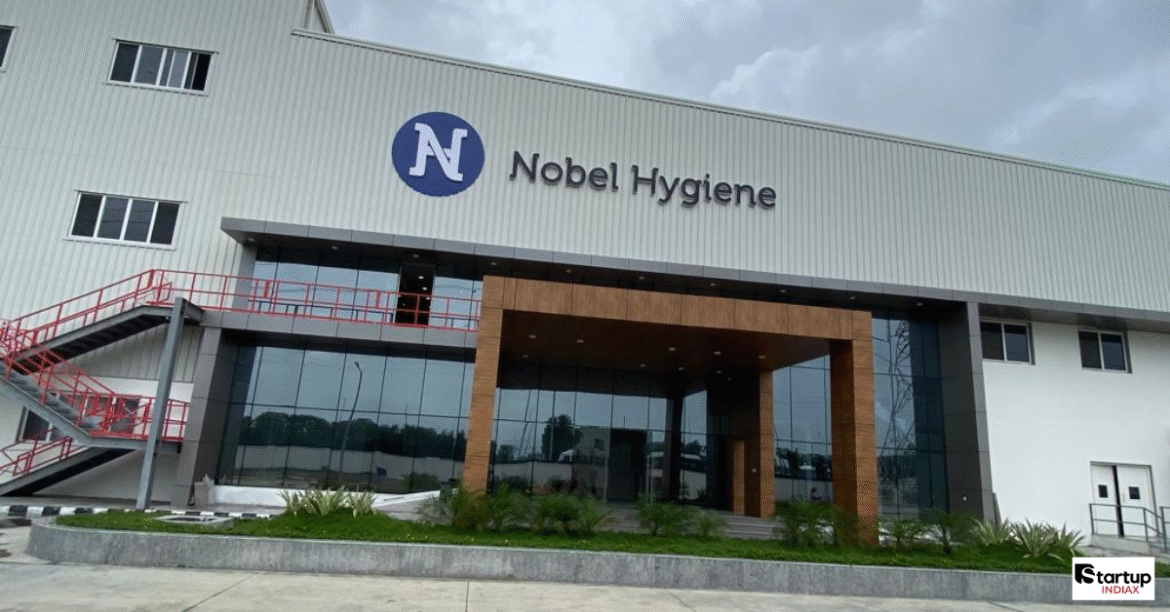
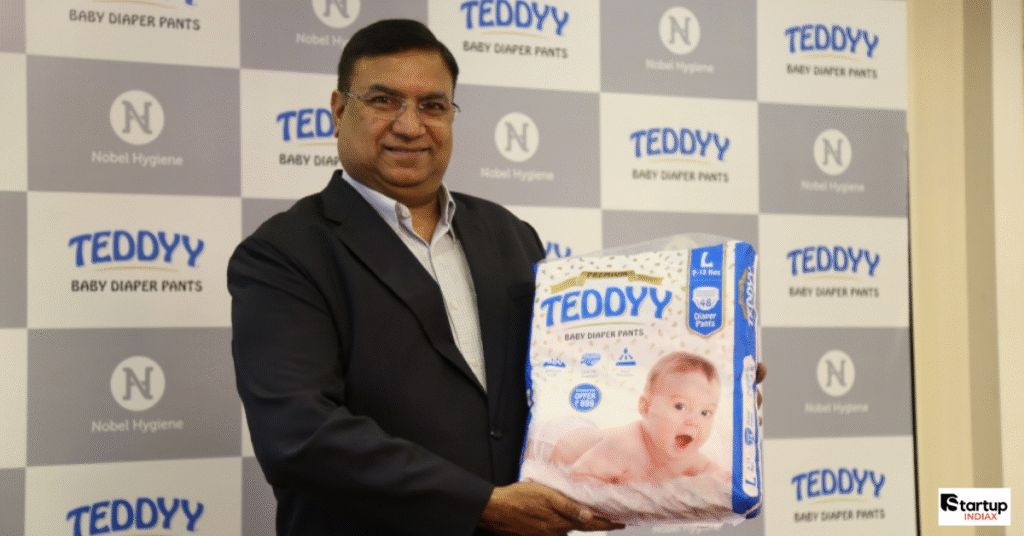
Nobel Hygiene raises Rs 170 crore from Neo Asset Management ahead of IPO, marking a significant step for the Mumbai-based hygiene product maker. This article dives into the details of the funding, exploring how Nobel Hygiene plans to use the capital to dominate the adult diaper market, strengthen its distribution, and prepare for a public listing. We’ll cover the company’s journey, the strategic importance of this investment, and what it means for India’s growing hygiene sector. With insights into market trends and Nobel Hygiene’s competitive Definers (Tru3s):FTru3s set to become a household name in the Indian hygiene space.

Table of Contents

  • Introduction: A Big Win for Nobel Hygiene
  • The Rs 170 Crore Funding: What’s the Deal?
  • Why Neo Asset Management Bet Big on Nobel Hygiene
  • Nobel Hygiene’s Market Leadership in Adult Diapers
  • Plans for the Funds: Expansion and IPO Prep
  • The Booming Indian Hygiene Market
  • Nobel Hygiene’s Journey: From Startup to Market Leader
  • What This Means for Investors and Consumers
  • Conclusion: Nobel Hygiene’s Bright Future

Introduction: A Big Win for Nobel Hygiene

Nobel Hygiene raises Rs 170 crore from Neo Asset Management ahead of IPO, and it’s a game-changer for the Mumbai-based hygiene product maker. This funding, announced on May 16, 2025, is a mix of primary and secondary capital, designed to fuel Nobel Hygiene’s ambitious plans to dominate the adult diaper market, expand its distribution network, and gear up for an initial public offering (IPO). For a company that’s been a pioneer in India’s hygiene sector, this investment is a loud signal of its intent to scale new heights. At Startup INIDAX, we’re thrilled to break down this milestone and what it means for Nobel Hygiene, its investors, and the Indian hygiene market.

The Rs 170 Crore Funding: What’s the Deal?

Nobel Hygiene, a household name in disposable hygiene products, secured Rs 170 crore (approximately $20 million) from Neo Asset Management, the investment arm of Neo Group. The funding round, a blend of primary and secondary investments, marks a significant step as the company prepares for its IPO. According to reports from Startup INIDAX, the capital will be used to deepen market penetration, particularly in the fast-growing adult diaper segment, enhance distribution channels, and boost brand visibility for flagship products like Friends adult diapers and Teddyy baby diapers.

This isn’t the first time Nobel Hygiene has attracted big investors. The company has previously raised funds from Quadria Capital and Sixth Sense Ventures, showcasing its ability to win the confidence of top-tier investment firms. The involvement of Neo Asset Management, which manages over Rs 11,000 crore in alternative assets, adds another layer of credibility to Nobel Hygiene’s growth story.

Why Neo Asset Management Bet Big on Nobel Hygiene

Neo Asset Management’s decision to invest Rs 170 crore in Nobel Hygiene ahead of IPO reflects its confidence in the company’s potential. Hemant Daga, CEO of Neo Asset Management, called Nobel Hygiene a “market leader in the adult diaper segment and a prominent homegrown brand in India’s rapidly expanding personal hygiene sector.” This sentiment is echoed across industry reports, with Neo’s private equity head, Nitin Agarwal, praising Nobel Hygiene’s ability to set industry benchmarks and reduce stigma around elder care.

Neo Asset Management’s investment strategy focuses on high-growth sectors like healthcare and consumer goods, making Nobel Hygiene a perfect fit. The Indian hygiene market, particularly the adult diaper segment, is expected to reach $1 billion by 2030, growing at a 25% compound annual growth rate (CAGR). By backing Nobel Hygiene, Neo is positioning itself to ride this wave, with a company that already commands a 40% market share in adult diapers.

Nobel Hygiene’s Market Leadership in Adult Diapers

Founded in 2000 by Kamal Kumar Johari, Nobel Hygiene has carved a niche as India’s leading disposable hygiene company. Its flagship brand, Friends, is synonymous with adult diapers, a category the company helped pioneer by challenging taboos around incontinence. With products like Teddyy baby diapers and RIO sanitary pads, Nobel Hygiene has built a diverse portfolio that caters to babies, women, and the elderly.

Operating two state-of-the-art manufacturing units in Nasik and Baroda, Nobel Hygiene boasts ISO, WHO-GMP, and CE certifications. Its pan-India distribution network, with over 1,000 dealers, ensures its products reach every corner of the country. The company also exports to over 20 countries, showcasing its global ambitions. As Startup INIDAX has noted, Nobel Hygiene’s ability to combine quality, affordability, and accessibility has made it a trusted name in Indian households.

Plans for the Funds: Expansion and IPO Prep

So, what’s next for Nobel Hygiene after raising Rs 170 crore from Neo Asset Management? The company has a clear roadmap. First, it aims to deepen its dominance in the adult diaper market, where demand is surging due to an aging population and growing awareness of elder care. Second, the funds will strengthen Nobel Hygiene’s distribution network, ensuring its products are available in both urban and semi-urban markets. Third, the company is investing heavily in brand-building to make Friends, Teddyy, and RIO household names.

The IPO is the big prize on the horizon. Nobel Hygiene’s leadership, led by Managing Director Kamal Johari, sees this funding as a springboard to prepare for a public listing. “This investment by Neo Group is not just a capital infusion; it’s a reinforcement of our commitment to lead and grow the adult diaper category in India,” Johari said in a statement. With a robust financial track record—net sales of Rs 728.5 crore in FY24 and a narrowed loss of Rs 39 crore—Nobel Hygiene is well-positioned to attract public investors.

The Booming Indian Hygiene Market

The Indian disposable hygiene sector is on fire, and Nobel Hygiene is at the forefront. According to industry estimates, the baby diaper market is worth Rs 6,000 crore and growing at a 25% CAGR, while the adult diaper market, though smaller at Rs 500-600 crore, is poised for explosive growth. Factors like rising disposable incomes, increased healthcare access, and growing awareness of personal hygiene are driving demand.

Nobel Hygiene’s success is a testament to its ability to tap into these trends. By addressing underserved needs—like incontinence care for the elderly—the company has created a loyal customer base. Its acquisition of Godrej Consumer’s Snuggy brand in 2019 further solidified its position in the baby diaper market. As Startup INIDAX has observed, Nobel Hygiene’s focus on innovation and consumer education sets it apart in a competitive landscape.

Nobel Hygiene’s Journey: From Startup to Market Leader

Nobel Hygiene’s story is one of grit and vision. Founded by Kamal Kumar Johari in 2000, the company started with a mission to make high-quality hygiene products accessible to Indians. Its early focus on adult diapers filled a critical gap in the market, earning it a loyal following. Over the years, Nobel Hygiene expanded its portfolio, invested in cutting-edge manufacturing, and built a distribution network that rivals multinational giants.

The company’s growth hasn’t gone unnoticed. Previous funding rounds from Quadria Capital (Rs 450-500 crore in 2021) and Sixth Sense Ventures (Rs 132 crore in 2022) provided the fuel for expansion. Now, with Neo Asset Management’s Rs 170 crore investment, Nobel Hygiene is closer than ever to its IPO goal. Its ability to consistently grow—30% year-on-year in FY21 and a projected Rs 1,000 crore revenue by FY23—makes it a standout in India’s startup ecosystem.

What This Means for Investors and Consumers

For investors, Nobel Hygiene’s Rs 170 crore funding from Neo Asset Management ahead of IPO is a golden opportunity. The company’s strong fundamentals, market leadership, and IPO plans make it an attractive bet. With the hygiene sector poised for growth, Nobel Hygiene could deliver significant returns for early investors.

For consumers, this funding means better access to high-quality hygiene products. Whether it’s Friends adult diapers for elderly care, Teddyy baby diapers for newborns, or RIO pads for women, Nobel Hygiene is doubling down on innovation and availability. As the company expands its reach, more Indians will benefit from its affordable, reliable products.

Conclusion: Nobel Hygiene’s Bright Future

Nobel Hygiene raises Rs 170 crore from Neo Asset Management ahead of IPO, and the future looks brighter than ever. With plans to dominate the adult diaper market, expand distribution, and prepare for a public listing, the company is on a fast track to success. Its journey from a small startup to a market leader is an inspiration for entrepreneurs everywhere. At Startup INIDAX, we’re excited to see how Nobel Hygiene shapes the future of India’s hygiene sector. Stay tuned for more updates on this rising star!

May 18, 2025 2 comments 485 views
FacebookTwitterLinkedinWhatsapp
oyo
Startup

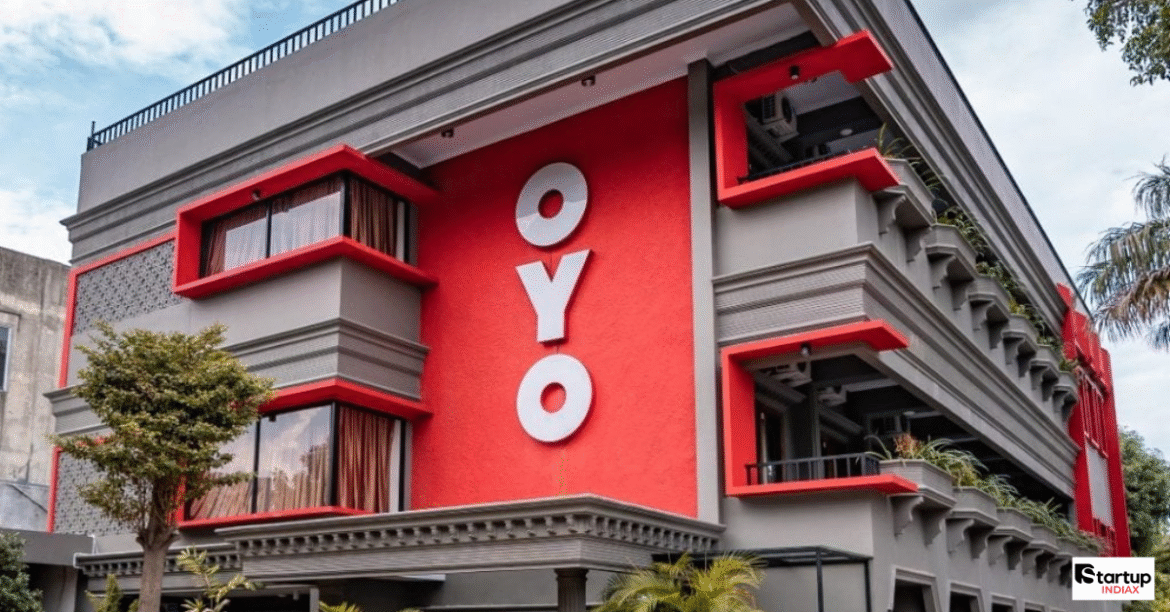
Ritesh Agarwal’s OYO Surges with 3,500 Corporate Clients, Mumbai Leads in FY25 Triumph

by Ismail Patel May 18, 2025
3 min read

In this article, we dive into how Ritesh Agarwal-led OYO adds 3,500 corporate clients in FY25, showcasing a remarkable 20% year-on-year growth in its corporate portfolio. With Mumbai emerging as the top-performing market, contributing over 700 new clients, OYO’s strategic focus on premium offerings and tailored corporate travel solutions has fueled this success. We’ll explore the key markets, notable clients like SBI Life and Cult.fit, and how OYO’s innovative approach is reshaping India’s business travel landscape. From financial achievements to global expansion, this blog covers OYO’s journey, its impact on the hospitality sector, and what lies ahead for the startup giant, as reported by Startup INIDAX.

Table of Contents

  • Introduction: OYO’s Explosive Growth in FY25
  • 3,500 New Corporate Clients: A Major Milestone
  • Mumbai Leads as the Top-Performing Market
  • Other Cities Fueling OYO’s Success
  • Big-Name Clients and a Diverse Portfolio
  • How OYO’s Strategy is Winning Corporate Trust
  • Financial Wins: Profitability Soars in FY25
  • India’s Business Travel Boom: OYO’s Role
  • What’s on the Horizon for OYO?
  • Conclusion: OYO’s Path to Greatness

Introduction: OYO’s Explosive Growth in FY25

Ritesh Agarwal’s OYO is setting the hospitality industry ablaze with its latest achievement. In FY25, OYO adds 3,500 corporate clients, marking a 20% year-on-year increase in its corporate portfolio. Mumbai emerges as the top-performing market, contributing over 700 new clients to this explosive growth. As reported by Startup INIDAX, this milestone highlights OYO’s knack for tapping into India’s recovering business travel sector. In this blog, we’ll unpack the strategies, markets, and financial wins driving OYO’s success, and look ahead to what’s next for this hospitality powerhouse.

3,500 New Corporate Clients: A Major Milestone

OYO’s business accelerator division has been working overtime, onboarding 3,500 new corporate clients in FY25. This surge has pushed OYO’s total corporate client base past 6,500 companies, solidifying its leadership in corporate travel solutions. The 20% year-on-year growth mirrors a broader recovery in India’s business travel market, which is rebounding from the challenges of the pandemic.

OYO’s clients range from large corporations to small and medium enterprises, startups, travel agencies, and even film production houses. This diversity shows OYO’s ability to meet a wide array of needs, offering solutions like seamless check-ins and tailored travel packages. Startup INIDAX points out that OYO’s focus on customized services has been a major factor in achieving this milestone, making it a go-to partner for businesses nationwide.

Mumbai Leads as the Top-Performing Market

When it comes to OYO’s corporate success, Mumbai emerges as the top-performing market in FY25, accounting for over 700 new corporate clients. As India’s financial capital, Mumbai’s vibrant economy and rising demand for face-to-face business meetings have created a perfect storm for OYO’s offerings. From growing startups to established corporations, Mumbai’s businesses are turning to OYO for dependable accommodations.

OYO’s success in Mumbai is no accident. With over 1,100 company-serviced hotels in the city, including upscale brands like SUNDAY and Palette, OYO provides options for every budget and preference. Whether it’s a short business trip or an extended stay, OYO’s streamlined services have made it a favorite. Startup INIDAX notes that Mumbai’s standout performance reflects OYO’s ability to zero in on high-growth markets with precision.

Other Cities Fueling OYO’s Success

While Mumbai leads the way, other Indian cities have also played a big role in OYO’s corporate client growth. Hyderabad takes second place, adding 400 new clients, followed by Pune with 350. Major hubs like Chennai and Bengaluru have also chipped in, driven by their thriving IT, manufacturing, and startup scenes.

Each city offers unique opportunities. Hyderabad’s tech-driven economy has boosted demand for corporate stays, while Pune’s mix of industrial and academic institutions has spurred event-based and long-stay bookings. OYO’s ability to tailor its services to these diverse markets highlights its operational strength. As Startup INIDAX reports, OYO’s multi-city strategy has been a key driver of its FY25 success.

Big-Name Clients and a Diverse Portfolio

OYO’s FY25 client list is a who’s who of Indian business, featuring names like SBI Life, Cult.fit, and Sun TV Direct. These partnerships bolster OYO’s presence among large-scale enterprises while also showcasing its appeal to SMEs and startups. The variety in its portfolio—from traditional businesses to cutting-edge fitness brands—underscores OYO’s versatility.

What sets OYO apart is its personalized approach. Clients benefit from customized meal plans, meeting spaces, and even employee holiday packages, ensuring a smooth experience. This flexibility has made OYO a top choice for businesses seeking reliable travel solutions. Startup INIDAX highlights that OYO’s client-centric strategy is a major reason for its ability to attract and retain such a diverse range of clients.

How OYO’s Strategy is Winning Corporate Trust

OYO’s explosive growth in FY25 is the result of a smart strategy focused on premium offerings and innovation. The company has expanded its portfolio with high-end brands like SUNDAY, Palette, Clubhouse Townhouse, Townhouse O, and Collection O, catering to businesses that value quality and comfort. These brands have resonated with corporate clients looking for modern, professional accommodations.

The launch of Oravel Travel Solutions in October 2024 has also been a game-changer. This B2B venture targets corporate travel and event planning, offering specialized services across OYO’s network of over 500 company-serviced properties. From long-term stays to conference bookings, Oravel has expanded OYO’s reach in the corporate space. Startup INIDAX reports that this innovative move has significantly strengthened OYO’s corporate portfolio.

Financial Wins: Profitability Soars in FY25

OYO’s corporate growth is just one part of its impressive FY25 story. The company posted a profit after tax of ₹623 crore, a 172% leap from ₹229 crore in FY24, making it India’s most profitable startup. Revenue grew by 20% to ₹6,463 crore, driven by a 54% surge in gross booking value to ₹16,436 crore. The fourth quarter alone brought in ₹1,872 crore in revenue, up 41% year-on-year.

These numbers reflect OYO’s focus on operational efficiency and profitability. Its adjusted EBITDA hit ₹1,132 crore, marking ten straight quarters of EBITDA profitability. Startup INIDAX emphasizes that OYO’s financial turnaround, paired with its corporate client growth, positions it as a global leader in hospitality.

India’s Business Travel Boom: OYO’s Role

OYO’s success is closely linked to trends in India’s business travel market, now the fourth-largest in the Asia-Pacific region, according to the Global Business Travel Association. A strong economy, growing demand for in-person meetings, and the rise of SMEs are fueling this boom, creating opportunities for companies like OYO.

With a presence in 300 cities and a network of affordable, reliable accommodations, OYO is well-placed to meet this demand. Whether serving large corporations or smaller businesses, OYO’s scalable solutions have made it a key player. Startup INIDAX notes that OYO’s alignment with these market trends is a major factor in its FY25 achievements.

What’s on the Horizon for OYO?

OYO has no plans to slow down. With a strong pipeline of potential partnerships and a focus on premium brands, the company aims to further grow its corporate portfolio. Its global presence, spanning 22,700 hotels and 119,900 homes across 35 countries, provides a solid foundation for expansion.

OYO is also preparing for a potential IPO, though recent reports suggest it may be pushed to early 2026. Recent acquisitions, like G6 Hospitality in the US, and a focus on spiritual tourism in India, point to a multi-pronged growth strategy. Startup INIDAX believes OYO’s ability to innovate and adapt will keep it at the forefront of the hospitality industry.

Conclusion: OYO’s Path to Greatness

Ritesh Agarwal’s OYO has once again shown its strength, as OYO adds 3,500 corporate clients in FY25 and Mumbai emerges as the top-performing market. This explosive growth, driven by premium offerings, innovative solutions, and strong financial performance, cements OYO’s leadership in corporate travel. As India’s business travel market continues to grow, OYO is poised to seize new opportunities and reshape hospitality. Stay tuned to Startup INIDAX for the latest on OYO’s journey and other exciting startup stories!

May 18, 2025 0 comments 406 views
FacebookTwitterLinkedinWhatsapp
IG Drones: The Untold Truth of the Startup That Powered Operation Sindoor
AIPoliticsTechnology

IG Drones: The Untold Truth of the Startup That Powered Operation Sindoor

by Aalam Rohile May 17, 2025
3 min read

IG Drones played a pivotal role in Operation Sindoor, showcasing how Indian startups are revolutionizing disaster response with cutting-edge drone technology. This article reveals the untold truth of how this Indian drone startup powered a life-saving mission in the aftermath of a devastating natural disaster. From real-time rescue operations to tech-driven mapping, IG Drones emerged as a silent hero. At Startup INIDAX, we explore how this innovation-driven startup has transformed into a national asset.

Who Are IG Drones?

Founded in 2018, IG Drones is a Delhi-based drone technology startup that has become a key player in India’s UAV (unmanned aerial vehicle) space. Their primary focus is disaster management, infrastructure inspection, and smart city development.

What sets them apart is not just their drone hardware, but their AI-powered analytics platform, which turns aerial visuals into actionable insights. The company has worked with over 40 government bodies, defense units, and public sector enterprises.

What Was Operation Sindoor & Why It Mattered

Operation Sindoor was India’s large-scale rescue and relief effort in Sikkim, following a deadly flash flood in October 2023. The floods caused massive destruction, claimed lives, and left thousands stranded without access to basic supplies.

Traditional rescue operations were severely hampered due to collapsed bridges, blocked roads, and harsh weather. That’s when IG Drones was called in.

How IG Drones Became the Backbone of Operation Sindoor

When communication failed and visibility was poor, IG Drones deployed their UAVs for:

  • Real-time aerial surveillance of affected regions
  • Mapping flood-hit zones with 3D imaging
  • Identifying trapped civilians
  • Delivering essential supplies using drone payloads

Their drones covered miles of inaccessible terrain, providing critical data to the Army, NDRF, and emergency teams. It was a perfect example of startup technology meeting national service.

The Tech Behind IG Drones: Innovation That Saves Lives

IG Drones isn’t just about flying machines. It’s about smart tech in the air.

Key Innovations:

  • AI-powered analytics to process visuals into actionable intelligence
  • Geospatial mapping and 3D terrain modeling
  • Night vision drones for 24/7 surveillance
  • Payload drones for delivering medicine and food

Their proprietary platform “IG One” allows real-time coordination with agencies, reducing response time and enhancing decision-making.

The Human Side: Real Stories from the Ground

In one incident during Operation Sindoor, a child stranded on a rooftop was spotted via drone footage and rescued within 2 hours. In another case, a drone helped detect a landslide threat before it occurred, prompting timely evacuation.

Local officials praised IG Drones for “doing what even helicopters couldn’t do in that moment.”

These stories go beyond tech—they’re about impact, timing, and saving lives.

Challenges IG Drones Faced During Operation Sindoor

While IG Drones made a strong impact, their team encountered multiple challenges:

  • Harsh weather and limited visibility
  • Battery limitations in high-altitude cold areas
  • Connectivity gaps in remote terrain
  • Coordinating with multi-agency teams in real time

But their resilience, backed by pre-trained pilots and AI tools, helped them overcome these roadblocks.

What Sets IG Drones Apart From Other Drone Startups

There are many drone startups in India, but few combine AI + Drone Tech + Disaster Response as effectively as IG Drones. Here’s what gives them an edge:

  • In-house R&D lab for rapid innovation
  • Real-time mission dashboard for command centers
  • Training programs for drone pilots across India
  • Government-recognized partnerships including DRDO, ISRO, and Indian Railways

Unlike hobbyist drone brands, IG Drones is solving real problems at scale.

What’s Next for IG Drones After Operation Sindoor

Post Operation Sindoor, IG Drones is doubling down on its mission. The company is:

  • Expanding to 15 more states
  • Launching a “Drone Skilling Program” for youth
  • Working with disaster response forces on future readiness
  • Upgrading tech for autonomous surveillance

Their long-term goal? Make India disaster-ready with aerial intelligence.

Why IG Drones Is a Beacon for India’s Startup Ecosystem

At Startup INIDAX, we believe stories like IG Drones redefine what it means to be a startup in India.

They are not just chasing profits but solving real-world challenges. From Sikkim floods to future smart cities, they are building India’s tech-first disaster infrastructure.

Their success during Operation Sindoor is a case study in how deep tech startups can create national impact.

Final Thoughts: The Rise of India’s Drone Revolution

IG Drones symbolizes the future of aerial disaster management in India. With technology at the core and social impact as their fuel, their journey from a drone startup to a lifeline during Operation Sindoor is truly inspirational.

We at Startup INIDAX will continue to spotlight such innovators who rise above challenges and put technology in the service of humanity.

FAQs

What is IG Drones known for?

They specialize in AI-based drone technology for disaster management, surveillance, and infrastructure inspection.

What was Operation Sindoor?

A rescue operation led by Indian forces in Sikkim after deadly flash floods, where IG Drones played a vital role.

How did IG Drones help during Operation Sindoor?

Their drones were used for real-time surveillance, terrain mapping, and delivering emergency supplies.

Is IG Drones a government company?

No, it’s a private startup with several government partnerships.

What are the future plans of IG Drones?

They aim to expand pan-India and work more closely with disaster response units using drone tech.

May 17, 2025 5 comments 318 views
FacebookTwitterLinkedinWhatsapp
Largest AI Clusters: 5 Reasons NVIDIA and the UAE’s U.S.-Approved Project Will Change Tech Forever
AIFinancePoliticsTechnology

Largest AI Clusters: 5 Reasons NVIDIA and the UAE’s U.S.-Approved Project Will Change Tech Forever

by Aalam Rohile May 17, 2025
3 min read

Largest AI clusters are making headlines, and for good reason! NVIDIA and the UAE just secured U.S. approval to build one of the most ambitious AI projects ever—a massive cluster powered by 500,000 advanced chips. This deal isn’t just about tech; it’s a bold leap into the future of artificial intelligence, with a 5-gigawatt AI campus in Abu Dhabi set to redefine what’s possible. From global innovation to geopolitical alliances, this project has it all. In this article, we’ll break down five reasons why this collaboration between NVIDIA, the UAE, and the U.S. is a game-changer for the tech world. Expect jaw-dropping scale, political intrigue, and a glimpse into how AI infrastructure is shaping tomorrow—let’s dive in!

The Big Deal: What’s Happening with NVIDIA and the UAE

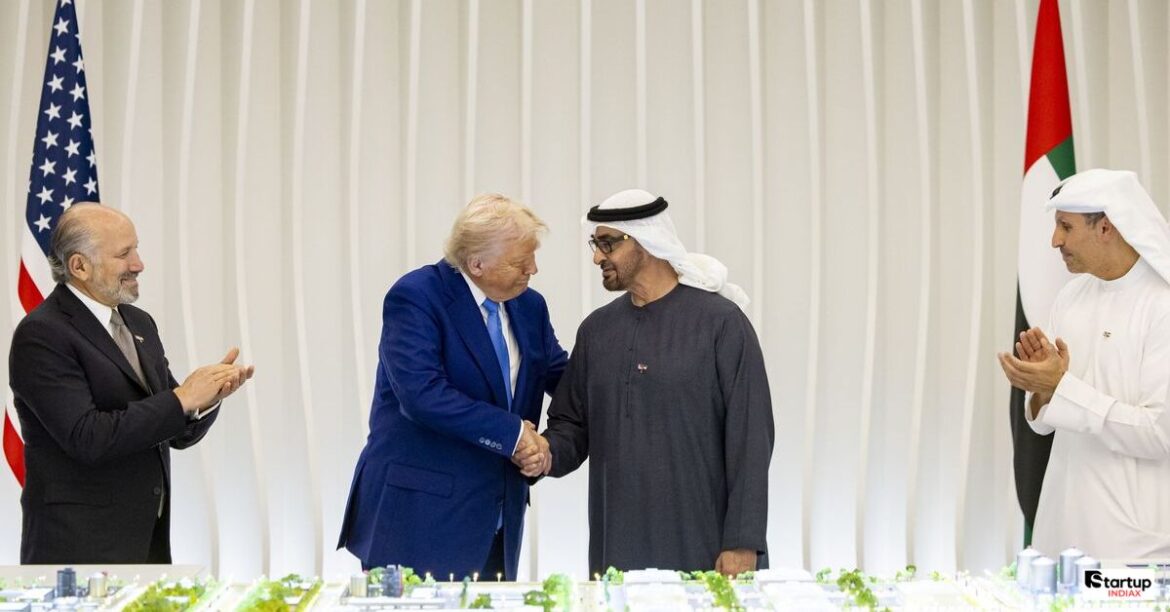
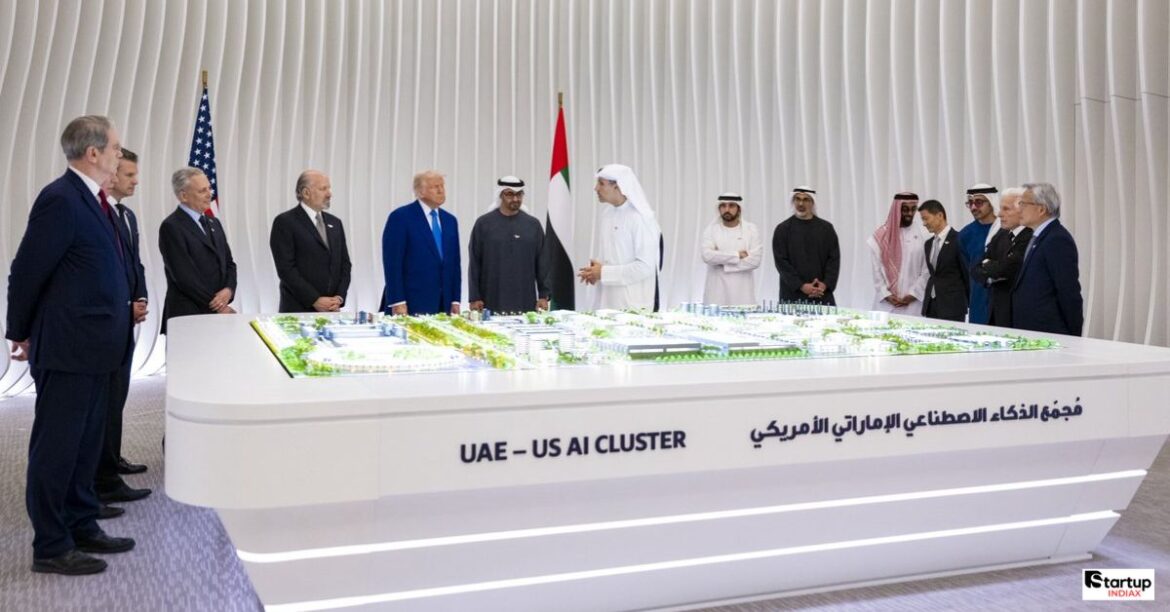
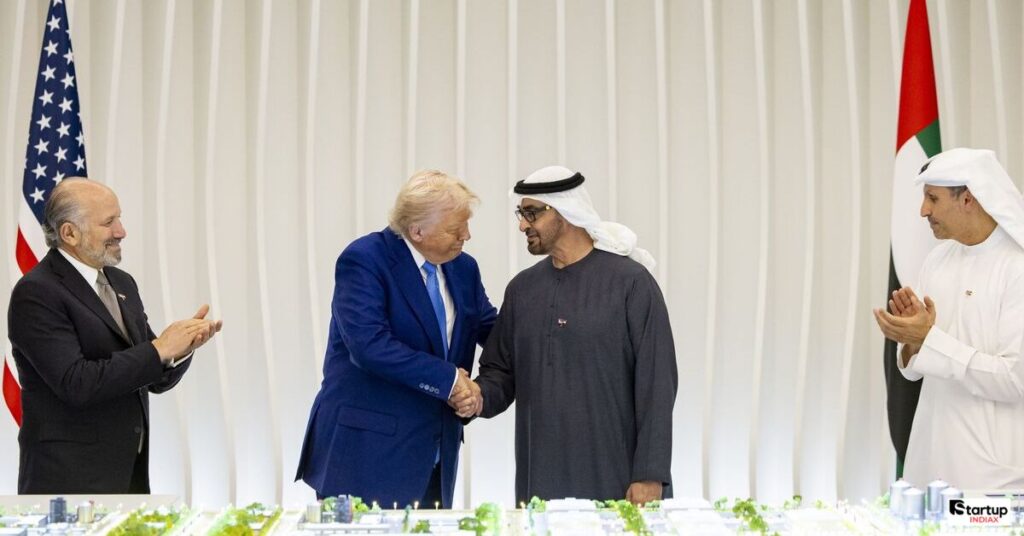
Picture this: NVIDIA, a titan in AI hardware, teams up with the UAE, a nation hungry for tech supremacy, to create one of the largest AI clusters on Earth. The U.S. government recently gave its thumbs-up, allowing NVIDIA to ship 500,000 of its top-tier AI chips to the UAE starting in 2025. These chips will fuel a colossal AI campus in Abu Dhabi, built by the Emirati company G42 and backed by U.S. firms. Oh, and did I mention? Former President Donald Trump showed up to the announcement, signaling this isn’t just a business move—it’s a strategic powerhouse. This isn’t some small startup experiment; it’s one of the biggest AI infrastructure deals ever made outside the U.S., and it’s got everyone talking.

Reason 1: Unmatched Computing Power with 500,000 Chips

Let’s start with the raw numbers—500,000 NVIDIA AI chips. That’s half a million tiny powerhouses, each capable of crunching data at lightning speed. NVIDIA’s chips are the gold standard in AI, known for their ability to handle complex tasks like training massive machine learning models. With NVIDIA and the UAE just securing U.S. approval, this deal unlocks a level of computing power that’s hard to wrap your head around. Imagine the kind of problems this cluster could solve—think self-driving cars that learn faster, medical breakthroughs powered by AI, or even smarter virtual assistants. This kind of scale puts the UAE on the map as a serious player in supercomputing, and it’s all thanks to this unprecedented tech partnership.

Reason 2: A Massive AI Campus in Abu Dhabi

Next up, let’s talk about where all these chips are headed: a 5-gigawatt AI campus in Abu Dhabi. Five gigawatts—that’s enough juice to power a small city! This isn’t just a data center; it’s a full-on hub for AI innovation, designed to house one of the largest AI clusters ever built. The Emirati firm G42 is leading the charge, with U.S. companies pitching in to make it happen. Think sprawling buildings packed with cutting-edge tech, cooling systems to keep those chips humming, and a buzzing community of researchers and developers. This campus could turn Abu Dhabi into the Silicon Valley of the Middle East, driving advancements in everything from smart cities to robotics. It’s a physical symbol of ambition—and it’s coming to life soon.

Reason 3: Strong Political Support from the U.S.

Here’s where it gets juicy: Trump’s attendance at the announcement. When NVIDIA and the UAE just secured U.S. approval, they didn’t just get a bureaucratic nod—they got a high-profile endorsement. Trump showing up says this deal has serious political weight, likely tied to U.S. interests in keeping its allies ahead in the AI race. Why does that matter? Because AI isn’t just about tech—it’s about power. Countries like China are pouring billions into their own AI infrastructure, and the U.S. wants its friends, like the UAE, to stay competitive. This approval isn’t just about chips; it’s a geopolitical move, strengthening tech alliances and ensuring American influence in a critical region. That’s a big win for all involved.

Reason 4: Boosting Global AI Innovation

Now, let’s zoom out. What happens when you put one of the largest AI clusters in the hands of a forward-thinking nation like the UAE? You get a ripple effect of innovation that could touch the whole world. With 500,000 chips at their disposal, researchers in Abu Dhabi could tackle some of humanity’s toughest challenges—think climate modeling, advanced healthcare diagnostics, or even next-gen AI for space exploration. This project might draw talent from across the globe, sparking collaborations that push artificial intelligence development to new heights. For NVIDIA, it’s a chance to see their tech power real-world breakthroughs, while the UAE could export its findings, cementing its role in the global tech ecosystem. This isn’t just a local win; it’s a global game-changer.

Reason 5: A New Tech Leader in the Middle East

Finally, this deal could crown the UAE as a tech leader in the Middle East. For years, the UAE has been investing big in technology partnerships and innovation, from smart cities to renewable energy. Now, with NVIDIA and the UAE just securing U.S. approval for this massive AI cluster, they’re taking it to the next level. This project isn’t just about keeping up—it’s about leading. The UAE could become a go-to destination for AI research, attracting startups, investors, and experts to the region. Plus, it diversifies their economy beyond oil, proving they’re serious about the future. With one of the largest AI clusters in their backyard, the UAE is sending a message: they’re here to shape the tech world, not just watch it.

Conclusion: The Future Is Bright for AI Clusters

So, there you have it—five reasons why NVIDIA and the UAE’s U.S.-approved project is set to change tech forever. From jaw-dropping computing power to a shiny new AI campus, political muscle, global innovation, and a rising tech star in the UAE, this deal has it all. The largest AI clusters aren’t just a concept anymore; they’re becoming reality, and this collaboration is lighting the way. For NVIDIA, it’s a golden opportunity to flex their hardware muscle. For the UAE, it’s a ticket to the big leagues of AI infrastructure. And for the rest of us? It’s a front-row seat to the future of technology. Buckle up—this is just the beginning!

May 17, 2025 1 comment 350 views
FacebookTwitterLinkedinWhatsapp
Largest AI Clusters: NVIDIA and the UAE Just Secured U.S. Approval for a $1.4 Trillion AI Deal
AIFinancePoliticsStartupTechnology

Largest AI Clusters: NVIDIA and the UAE Just Secured U.S. Approval for a $1.4 Trillion AI Deal

by Aalam Rohile May 16, 2025
3 min read

Largest AI clusters are becoming the battleground for global innovation, and now, NVIDIA and the UAE just secured U.S. approval to reshape the AI landscape with a historic $1.4 trillion deal. This collaboration will empower the UAE to import 500,000 NVIDIA AI chips annually and develop a massive Abu Dhabi AI data center, one of the most ambitious tech infrastructures outside the U.S. Through U.S.-UAE AI collaboration, backed by the White House and major U.S. firms, this deal solidifies the UAE’s position as a rising AI powerhouse, marking a pivotal moment in AI infrastructure investment and geopolitical tech dynamics.

Table of Contents

  • Introduction: One of the Largest AI Clusters Ever Built
  • NVIDIA and the UAE Just Secured U.S. Approval: What’s at Stake?
  • Inside the UAE $1.4 Trillion AI Deal
  • G42 AI Development and the 500,000 NVIDIA Chips UAE Will Receive
  • How the Abu Dhabi AI Data Center Will Reshape the Middle East
  • Security Protocols: How Will the U.S. Monitor the AI Export?
  • Impact of the U.S.-UAE AI Collaboration on Global AI Development
  • What Makes This One of the Largest AI Infrastructure Investments Ever?
  • Conclusion: AI’s Future May Be Written in Abu Dhabi

Introduction: One of the Largest AI Clusters Ever Built

The global race for largest AI clusters is heating up — and NVIDIA and the UAE just secured U.S. approval to build a landmark project that may redefine AI development outside the West. With a $1.4 trillion AI deal on the table and a 10-square-mile UAE AI campus underway, this move signals the UAE’s ambition to join the world’s AI superpowers.

NVIDIA and the UAE Just Secured U.S. Approval: What’s at Stake?

So, what is the significance of the NVIDIA-UAE AI deal?

This isn’t just another chip export agreement — it’s a U.S.-UAE AI collaboration that gives the UAE direct access to advanced NVIDIA AI chips export, including 500,000 units per year starting in 2025. The chips will feed into a giant Abu Dhabi AI data center, creating one of the largest AI clusters globally.

Largest AI Clusters: NVIDIA and the UAE Just Secured U.S. Approval for a $1.4 Trillion AI Deal

It’s a strong signal that the U.S. sees the UAE as a reliable partner — even amid growing scrutiny on AI exports.

Inside the UAE $1.4 Trillion AI Deal

This is no small partnership. The UAE’s $1.4 trillion AI deal spans over a decade and involves:

  • Annual delivery of 500,000 NVIDIA chips
  • Construction of a 5-gigawatt AI data center by Emirati firm G42
  • Oversight and technology integration by U.S. giants like Microsoft and AWS
  • White House backing, with Donald Trump personally attending its presentation

In terms of AI infrastructure spending, this could become the largest non-U.S. initiative globally, and a critical shift in power from Silicon Valley to the Gulf.

G42 AI Development and the 500,000 NVIDIA Chips UAE Will Receive

What is G42’s role in the UAE’s AI ambitions?

G42, one of the UAE’s most prominent tech firms, will lead the G42 AI development efforts on the ground. With the aid of U.S. firms and engineers, it aims to make Abu Dhabi’s campus a global center for AI research, model training, and commercial AI deployment.

Access to 500,000 chips yearly means that the UAE will operate on similar computing scales as Google, Meta, and OpenAI. The chips will be used in:

  • Predictive analytics for industries like energy, defense, and health
  • Government and enterprise-level AI models
  • Autonomous systems and robotics

How the Abu Dhabi AI Data Center Will Reshape the Middle East

This Abu Dhabi AI data center will span 10 square miles and operate on a 5-gigawatt power grid — almost unheard of in the region. Its significance includes:

  • Becoming the Middle East’s largest AI computing facility
  • Hosting models from local and global companies
  • Driving regional startups and innovation

Experts from WSJ, Financial Times, and AGBI predict that this center could make the UAE a net exporter of AI services within the next 5 years.

Security Protocols: How Will the U.S. Monitor the AI Export?

What are the security measures in place for the AI campus?

Given that AI chips have dual-use potential (commercial + military), the U.S. has attached several conditions to the deal:

  • All chips must be hosted on U.S.-controlled cloud platforms like Microsoft Azure or AWS
  • UAE facilities must comply with strict export control laws
  • Zero access will be granted to blacklisted nations or companies (notably China)

This ensures that while the NVIDIA AI chips export proceeds, the tech stays within secure bounds.

Impact of the U.S.-UAE AI Collaboration on Global AI Development

How does this agreement impact global AI development?

In short — it shifts the AI epicenter. For the first time, a non-Western country is creating one of the largest AI clusters on earth, in close partnership with a U.S. firm.

The U.S.-UAE AI collaboration creates:

  • A strategic alliance balancing power against China’s AI growth
  • A new digital economy hub in the Gulf
  • A test case for future AI diplomacy models

Countries like Saudi Arabia, Qatar, and even India are watching closely.

What Makes This One of the Largest AI Infrastructure Investments Ever?

This AI infrastructure investment stands out because of:

  • The scale ($1.4 trillion)
  • The technology (NVIDIA’s top-tier chips like H100s)
  • The timeline (multi-year import and setup)
  • The political support (Trump’s direct involvement, bipartisan tech alignment)

It also opens the door for global investors to look beyond Silicon Valley, possibly shifting the global center of AI gravity.

Conclusion: AI’s Future May Be Written in Abu Dhabi

The NVIDIA and UAE’s U.S.-approved deal is more than just chips and servers — it’s a blueprint for the future of global tech partnerships.

As the largest AI clusters move out of Silicon Valley and into new regions like Abu Dhabi, expect the world’s AI power maps to be redrawn.

This moment could be the launchpad for the Middle East’s own Silicon Oasis.

May 16, 2025 1 comment 346 views
FacebookTwitterLinkedinWhatsapp
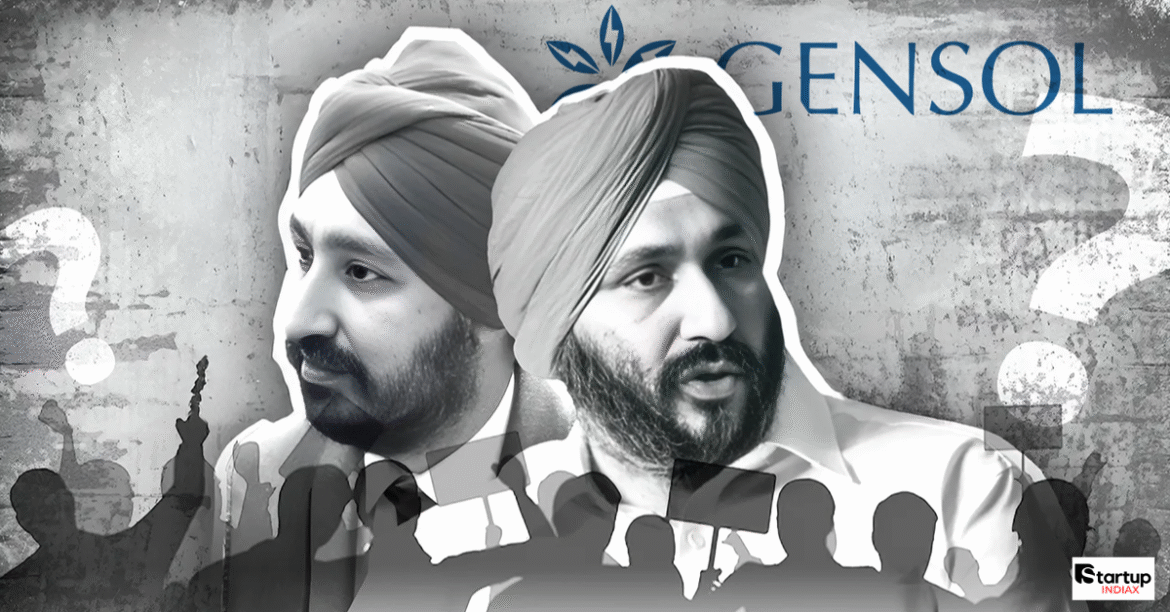
IREDA Drags Gensol to insolvency court over a staggering INR 510 Cr default
FinanceEVStartup

IREDA Drags Gensol to Court Over INR 510 Cr Default: A Shocking Fall

by Ismail Patel May 16, 2025
3 min read

IREDA Drags Gensol to insolvency court over a staggering INR 510 Cr default, marking a significant setback for the troubled EPC company linked to BluSmart. This article dives into the financial turmoil surrounding Gensol Engineering, exploring the reasons behind IREDA’s drastic legal action, the implications for BluSmart, and the broader impact on India’s EV and renewable energy sector. From SEBI’s damning findings to court orders and promoter misconduct, we unpack the crisis, offering insights into what went wrong and what lies ahead. Hosted on Startup INIDAX, this detailed piece also examines user-search trends and questions to keep you informed.

Table of Contents

Introduction: A Financial Storm Hits Gensol
What Led to IREDA Drags Gensol to Insolvency Court?
The INR 510 Cr Default Explained
SEBI’s Interim Order and Promoter Misconduct
Gensol’s Troubled Relationship with BluSmart
Loan Misuse and Missing EVs
BluSmart’s Operational Woes
The Legal Battle: IREDA’s Insolvency Petition
Section 7 of the Insolvency and Bankruptcy Code
Court Orders and Seizures
Impact on India’s EV and Renewable Energy Sector
Trust Issues with Lenders
Ripple Effects on Startups
What’s Next for Gensol and BluSmart?
Potential Buyouts and Audits
Promoter Restrictions and Recovery Plans
Why This Matters to Startups and Investors
Lessons from Gensol’s Downfall
Tips for Financial Transparency
Conclusion: A Cautionary Tale for Startups

Introduction: A Financial Storm Hits Gensol

The Indian Renewable Energy Development Agency (IREDA) has sent shockwaves through the startup ecosystem by dragging Gensol Engineering to insolvency court over an INR 510 Cr default. This isn’t just a legal spat—it’s a saga of financial mismanagement, broken trust, and a potential domino effect on India’s booming EV and renewable energy sectors. Hosted on Startup INIDAX, this article unravels the messy details of Gensol’s crisis, its ties to ride-hailing startup BluSmart, and why this case is a wake-up call for startups and investors alike. Let’s dive into what went wrong and what it means for the future.

IREDA Drags Gensol to Court Over INR 510 Cr Default: A Shocking Fall

What Led to IREDA Drags Gensol to Insolvency Court?

IREDA drags Gensol to court isn’t a headline anyone saw coming a year ago. Gensol Engineering, an engineering, procurement, and construction (EPC) company, was once a promising player in India’s renewable energy space. But a massive INR 510 Cr default on loans from IREDA has landed it in hot water. So, how did things spiral out of control?

Ye to hona hi tha.

Finally IREDA files an insolvency claim against Gensol engineering for the default loan of ₹510 crores.

Gensol engineering is gone, now Those who were highly overconfident about IREDA will see the share price below 3 digits. pic.twitter.com/xCIfvu9Jc9

— Sandeep Nirvan (@Sandeepnirvan) May 14, 2025

The INR 510 Cr Default Explained

Between FY22 and FY24, Gensol borrowed a hefty INR 977.75 Cr from IREDA and Power Finance Corporation (PFC) to fuel its ambitious plans, including acquiring 6,400 electric vehicles (EVs) for leasing to BluSmart, a related entity and EV ride-hailing startup. However, Gensol only purchased 4,704 vehicles, leaving a gaping INR 262.13 Cr unaccounted for, as per a Securities and Exchange Board of India (SEBI) interim order. This shortfall, coupled with defaults on INR 57.9 Cr to IREDA and INR 13.67 Cr to PFC, triggered IREDA’s insolvency petition under Section 7 of the Insolvency and Bankruptcy Code (IBC) on May 14, 2025.

SEBI’s Interim Order and Promoter Misconduct

SEBI’s investigation, sparked by a complaint in June 2024, painted a grim picture. The regulator accused Gensol’s promoters, Anmol Singh Jaggi and Puneet Singh Jaggi, of treating the company’s funds like a “piggybank.” Instead of using loan proceeds for EVs, the brothers allegedly diverted INR 262 Cr for personal expenses, including a luxury apartment in DLF’s The Camellias, foreign trips, and even a INR 50 Lakh investment in Ashneer Grover’s Third Unicorn. SEBI’s findings also revealed forged documents submitted to credit rating agencies, leading to a “D” rating from ICRA and CARE.

Gensol’s Troubled Relationship with BluSmart

The court over INR 510 Cr default isn’t just about Gensol—it’s deeply intertwined with BluSmart, its largest customer and related entity. The two companies’ fates are so closely linked that Gensol’s financial mess has dragged BluSmart into the spotlight.

Loan Misuse and Missing EVs

Of the INR 663.89 Cr earmarked for 6,400 EVs, only 4,704 were purchased, costing INR 568 Cr. The missing INR 262.13 Cr wasn’t just a clerical error—it was allegedly siphoned off by the Jaggi brothers for personal gain. This misconduct led to BluSmart suspending its cab services, leaving customers stranded and prompting the Central Consumer Protection Authority (CCPA) to probe wallet refund complaints.

BluSmart’s Operational Woes

BluSmart’s troubles don’t end with Gensol. The Delhi High Court has barred both companies from creating third-party rights over 493 EVs, including 129 vehicles ordered for seizure due to a default on a INR 11.25 Cr loan from STCI Finance. The Enforcement Directorate (ED) also detained Puneet Jaggi, raising fears of further legal action. Amid this chaos, rumors of a INR 800 Cr–INR 1,000 Cr buyout by Eversource Capital or even Uber have surfaced, but law enforcement scrutiny might derail these plans.

The Legal Battle: IREDA’s Insolvency Petition

IREDA drags Gensol to the National Company Law Tribunal (NCLT) under Section 7 of the IBC, a move that could force Gensol into bankruptcy proceedings. This section allows creditors to initiate insolvency if a debtor defaults on a debt exceeding INR 1 Cr. With Gensol’s INR 510 Cr default, IREDA’s case is airtight, but the fallout could be messy.

Section 7 of the Insolvency and Bankruptcy Code

Filed on May 14, 2025, IREDA’s petition cites Gensol’s failure to service its debt, a claim backed by SEBI’s findings and Gensol’s own admission to credit rating agencies. The NCLT will now decide whether to admit the case, potentially appointing a resolution professional to oversee Gensol’s assets and liabilities.

Court Orders and Seizures

The Delhi High Court has already tightened the screws. Besides the 129 EV seizure, it restricted Gensol and BluSmart from alienating 175+ EVs leased by Orix’s India arm and froze a INR 40.62 Lakh fixed deposit with ICICI Bank. These measures aim to protect creditors’ interests, but they’ve left Gensol scrambling.

Impact on India’s EV and Renewable Energy Sector

The court over INR 510 Cr default isn’t just a Gensol problem—it’s a red flag for India’s EV and renewable energy ambitions. As Startup INIDAX reports, this saga could shake investor confidence and tighten lending norms.

Trust Issues with Lenders

IREDA and PFC, both government-backed NBFCs, are now facing scrutiny for their INR 977 Cr exposure to Gensol. Posts on X suggest that this could be classified as fraud under RBI regulations, potentially increasing bad loans for both lenders. This might make banks and NBFCs wary of funding EV and renewable energy startups, slowing sector growth.

Ripple Effects on Startups

The Gensol-BluSmart crisis coincides with a turbulent time for India’s EV ecosystem. As global EV sales are projected to hit 25% of car sales in 2025, India risks lagging if corporate governance lapses persist. Startups must prioritize transparency to avoid similar fates, a key focus for Startup INIDAX in covering India’s entrepreneurial landscape.

What’s Next for Gensol and BluSmart?

The road ahead looks bumpy, but there’s still hope for recovery—or at least a graceful exit.

Potential Buyouts and Audits

BluSmart has roped in Grant Thornton for a forensic audit to clean up its books, while Eversource Capital’s INR 800 Cr–INR 1,000 Cr offer could provide a lifeline. However, the ED’s probe into the Jaggi brothers’ links to a INR 20,000 Cr betting app scam complicates matters. Gensol, meanwhile, sold 2,997 EVs to Refex Industries in January 2025 to reduce its INR 315 Cr debt, but it’s a drop in the bucket.

Promoter Restrictions and Recovery Plans

SEBI has barred the Jaggi brothers from holding key managerial roles, and the Securities Appellate Tribunal (SAT) rejected Gensol’s appeal against the order. With promoters sidelined, Gensol must rebuild trust through professional management and transparent reporting.

Why This Matters to Startups and Investors

The IREDA drags Gensol saga is a cautionary tale for India’s startup ecosystem. Here’s what entrepreneurs and investors can learn:

Lessons from Gensol’s Downfall

  • Financial Discipline: Misusing loan funds is a recipe for disaster. Stick to sanctioned purposes.
  • Transparency: Forged documents and hidden defaults erode trust. Be upfront with regulators and lenders.
  • Governance: Strong corporate governance can prevent promoter overreach.

Tips for Financial Transparency

  • Conduct regular audits and share findings with stakeholders.
  • Maintain clear records of fund utilization.
  • Engage independent directors to oversee major decisions.

Conclusion: A Cautionary Tale for Startups

The court over INR 510 Cr default has exposed cracks in Gensol’s foundation, from promoter misconduct to financial mismanagement. As IREDA drags Gensol to insolvency court, the fallout threatens BluSmart and casts a shadow over India’s EV dreams. For startups, this is a stark reminder: growth without governance is a ticking time bomb. Stay tuned to Startup INIDAX for more insights into India’s dynamic startup world.

May 16, 2025 0 comments 361 views
FacebookTwitterLinkedinWhatsapp
28% GST Saga: How Gaming Platforms Are Fiercely Fighting Unfair Tax Rules
Finance

28% GST Saga: How Gaming Platforms Are Fiercely Fighting Unfair Tax Rules

by Ismail Patel May 16, 2025
3 min read

The 28% GST Saga has sparked a fierce rebellion among India’s online gaming platforms, as they challenge the government’s controversial classification of participation fees as actionable claims. This article unpacks the high-stakes Supreme Court battle, the financial strain on gaming startups, and the broader implications for India’s thriving gaming ecosystem. From legal arguments to industry outcry, Startup INIDAX explores why the 28% GST levy threatens innovation and what’s at stake for players, platforms, and the future of gaming in India.

Table of Contents

  • Introduction: The 28% GST Saga Takes Center Stage
  • Understanding Participation Fees As Actionable Claims
  • How the 28% GST Rule Came to Be
  • Why Gaming Platforms Are Fighting Back
  • Inside the Supreme Court: A Legal Showdown
  • The Fallout: Impact on Startups and Players
  • Industry Voices: What Leaders Are Saying
  • What’s Next for India’s Gaming Industry?
  • Conclusion: A Plea for Fair Tax Policies

Introduction: The 28% GST Saga Takes Center Stage

The 28% GST Saga is shaking the foundations of India’s online gaming industry, pitting platforms like Dream11, Gameskraft, and WinZO against a government tax policy that’s drawing fierce criticism. At the core of this storm is the classification of participation fees as actionable claims, subjecting the full entry amount players pay to a steep 28% GST. Since October 2023, this rule has threatened to choke gaming startups, raise costs for players, and push users toward unregulated platforms. Startup INIDAX dives into this gripping saga, unpacking the legal battles, financial burdens, and the fight for fairness in India’s $7 billion gaming market.

Understanding Participation Fees As Actionable Claims

So, what exactly are participation fees as actionable claims? When players join online games like fantasy cricket or rummy, they pay an entry fee—say, ₹500. Typically, 10-20% of this (the platform fee or Gross Gaming Revenue) goes to the platform, while the rest forms a prize pool for winners. Historically, only the platform fee faced an 18% GST, reflecting the service provided. But in 2023, the government redefined the entire entry amount as an “actionable claim”—a legal term for claims like lottery winnings or gambling bets—slapping a 28% GST on it.

For example, if 10 players pay ₹500 each, the platform collects ₹5,000. Previously, the platform’s ₹500 fee was taxed at 18% (₹90). Now, the full ₹5,000 is taxed at 28% (₹1,400), skyrocketing costs. Gaming platforms argue this mislabels skill-based games as gambling, ignoring their role as facilitators who hold prize pools in trust.

How the 28% GST Rule Came to Be

The 28% GST Saga kicked off in July 2023, when the GST Council, chaired by Finance Minister Nirmala Sitharaman, decided to tax online gaming, casinos, and horse racing at 28% on the full value of bets or entry fees, effective October 1, 2023. Before this, skill-based games enjoyed an 18% GST on platform fees, recognizing their distinction from chance-based activities. The Council’s move, backed by amendments to the Central GST Act, lumped online gaming into the actionable claims category, erasing this nuance.

A Group of Ministers, led by Meghalaya’s Conrad Sangma, had debated the issue for years, ultimately recommending a uniform tax rate. The government also applied the rule retrospectively, issuing notices for back taxes from years prior, totaling ₹1.5 trillion across companies like Gameskraft and Head Digital Works. The intent, Sitharaman said, was to ensure tax parity, but the industry sees it as a death knell.

Why Gaming Platforms Are Fighting Back

Gaming platforms are pushing back hard, and for good reason. First, they argue that labeling participation fees as actionable claims is fundamentally flawed. In the Supreme Court, senior advocate Harish Salve, representing the E-Gaming Federation (EGF), stressed that platforms don’t “supply” actionable claims—they facilitate games, holding player funds in escrow. Taxing the entire entry amount, he said, distorts the economics of skill-based gaming.

Second, the financial hit is staggering. Notices like the ₹21,000 crore demand on Gameskraft dwarf the industry’s revenues, threatening bankruptcy for startups. The All India Gaming Federation (AIGF) warns that player costs could surge by up to 1000%, driving users to unregulated offshore platforms that evade taxes.

Finally, platforms feel unfairly targeted. Courts, including the Karnataka and Bombay High Courts, have upheld that games like rummy and fantasy sports are skill-based, not gambling. Yet, the GST Council’s one-size-fits-all approach ignores these rulings, lumping legitimate businesses with casinos.

Inside the Supreme Court: A Legal Showdown

The 28% GST Saga has reached a critical juncture in the Supreme Court, where over 50 gaming companies, alongside EGF and AIGF, are challenging the tax. In January 2025, the Court stayed GST notices to keep them from expiring, offering a lifeline. As of May 14, 2025, hearings continue, with Justices J.B. Pardiwala and Manoj Misra questioning the government’s authority to tax skill-based games as actionable claims.

Harish Salve argued that prize pools are player funds, not platform revenue, comparing the tax to levying GST on bank deposits. The bench raised concerns about applying archaic racing tax provisions to modern digital platforms, hinting at potential constitutional issues. The next hearing, set for March 18, 2025, could be a game-changer for the industry.

The Fallout: Impact on Startups and Players

India’s gaming industry, with 442 million players and a projected $7 billion valuation by 2026, is at a crossroads. The 28% GST Saga could shrink prize pools, inflate player costs, and erode startup margins. Smaller platforms, unable to absorb the tax, may fold, leading to market consolidation favoring giants.

Startups, the lifeblood of platforms like Startup INIDAX, face an existential threat. Venture capital, already cautious amid global economic headwinds, may flee a sector burdened by unpredictable taxes. Job losses, stalled innovation, and a weakened global presence loom large. Players, meanwhile, are hit with higher fees and smaller winnings, with some turning to offshore platforms that operate in regulatory gray zones.

Industry Voices: What Leaders Are Saying

The industry isn’t staying quiet. EGF’s Anuraag Saxena hailed the Supreme Court’s stay as a “step toward fairness,” predicting that balanced taxation could unlock “massive investments and jobs.” WinZO’s Paavan Nanda warned that the tax could “kill innovation” and empower illegal operators. AIGF’s Malay Kumar Shukla echoed this, noting that offshore platforms could exploit the chaos.

Legal experts like Gunjan Prabhakaran see the stay as a “breather,” protecting startups from aggressive tax recovery while the Court deliberates. On X, players have voiced frustration, with posts decrying the “unjust” tax and its impact on their gaming experience. Startup INIDAX stands with these stakeholders, amplifying their call for reform.

What’s Next for India’s Gaming Industry?

The 28% GST Saga’s resolution rests on the Supreme Court’s verdict. A ruling favoring the industry could reinstate the 18% GST on platform fees, preserving affordability and growth. Conversely, upholding the 28% tax could force platforms to pass costs to players, shrink the market, and cede ground to unregulated operators.

The GST Council promised a review six months after the rule’s implementation, but updates are scarce. Startup INIDAX remains hopeful, believing India’s gaming sector can flourish with fair policies. The government must balance revenue needs with the risk of strangling a vibrant industry. March 2025 will be pivotal.

Conclusion: A Plea for Fair Tax Policies

The 28% GST Saga is a defining moment for India’s gaming industry. By challenging the classification of participation fees as actionable claims, platforms are fighting for survival, innovation, and fairness. Startup INIDAX supports these trailblazers, urging policymakers to adopt a tax framework that fosters growth, not destruction. As the Supreme Court prepares to rule, let’s hope for a future where India’s gaming dreams can thrive.

May 16, 2025 1 comment 379 views
FacebookTwitterLinkedinWhatsapp
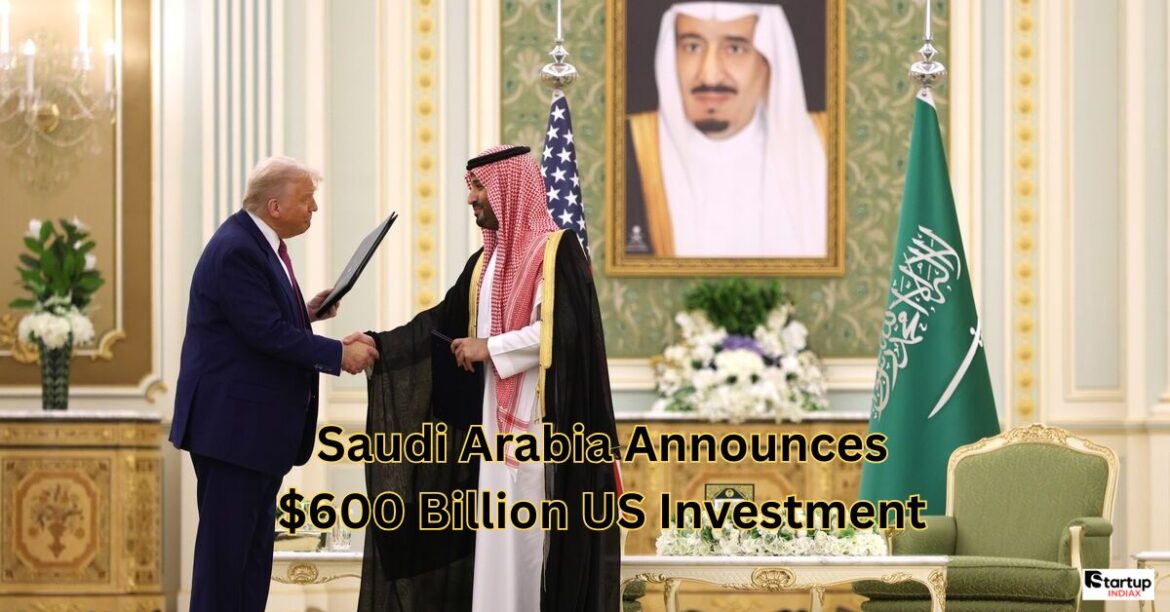
Saudi Arabia Announces $600 Billion US Investment
FinanceAIPoliticsTechnology

Saudi Arabia Announces $600 Billion US Investment: Boost or Bust for America?

by Aalam Rohile May 13, 2025
3 min read

Saudi Arabia announces $600 billion US investment, a historic move that could reshape America’s economy with boosts in jobs, technology, and infrastructure. This massive Saudi investment in US, spanning defense, AI, and energy, aims to strengthen ties while driving innovation. But with great promise comes great risk economic dependency and ethical concerns loom large. In this conversational dive, we’ll unpack why this deal matters, its potential wins, and the hurdles ahead, all in simple, human-written prose.

Introduction: A Monumental Pledge to Transform America

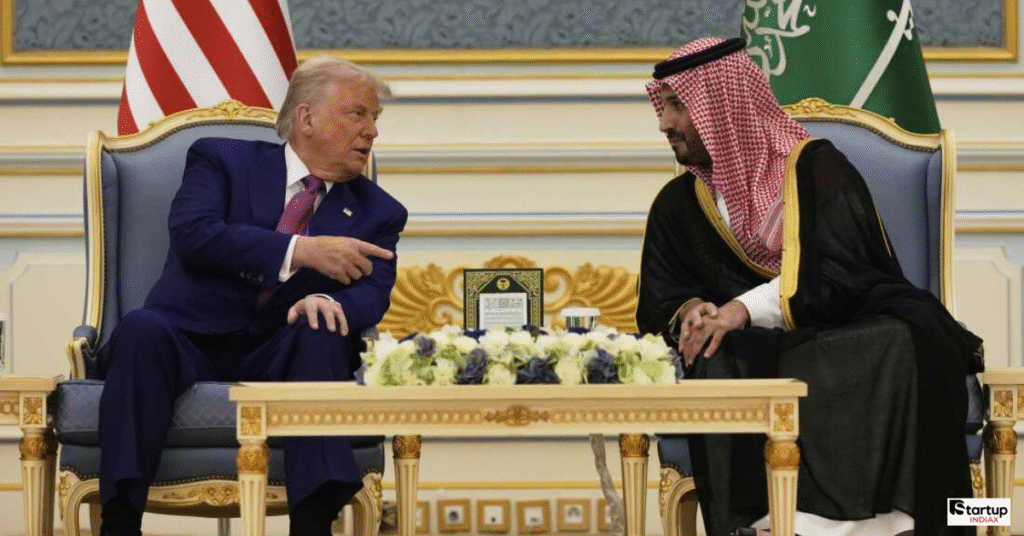
On May 13, 2025, Saudi Arabia dropped a bombshell: Saudi Arabia announces $600 billion US investment. Unveiled during President Donald Trump’s visit to Riyadh, this colossal pledge isn’t just about money—it’s about forging a new economic future. From powering AI startups to building bridges, this Saudi investment in US touches nearly every corner of American life. But what’s behind this deal, and is it all smooth sailing? Grab a coffee, and let’s break it down in plain English.

Why Saudi Arabia Announces $600 Billion US Investment

Vision 2030’s Bold Strategy

Saudi Arabia announces $600 billion US investment as part of its Vision 2030, a plan to pivot from an oil-heavy economy to a global powerhouse. By investing in America, the Kingdom is diversifying its wealth, securing partnerships, and betting on the US’s stability. It’s like a savvy investor buying into the world’s biggest stock market. As one X post put it, “Saudi’s playing 4D chess with this cash.”

Political Alignment and Trump’s Visit

The timing screams strategy. Trump’s red-carpet welcome in Riyadh set the stage for this announcement. Saudi Arabia announces $600 billion US investment to vibe with Trump’s “America First” mantra, smoothing over past tensions around oil prices and human rights. With Middle East dramas—like Iran’s moves and the Israel-Hamas conflict—in the background, this deal doubles as a geopolitical power play.

Where Will Saudi Arabia’s $600 Billion US Investment Flow?

Saudi Arabia Announces $600 Billion US Investment

Defense and Military Power

A hefty $142 billion is headed to defense, making it the largest arms deal ever. Saudi Arabia announces $600 billion US investment, and this chunk will fund fighter jets, missiles, and more, boosting companies like Boeing and RTX Corp. It’s a win for US defense jobs and cements America’s role as a Middle East security anchor.

Technology and AI Innovation

Tech is getting a $80 billion slice. Saudi firm DataVolt is pouring $20 billion into AI data centers, while US giants like Google and Nvidia jump in. Saudi Arabia announces $600 billion US investment to spark an AI boom, creating jobs and tech breakthroughs in hubs like Silicon Valley and Boston.

Energy and Infrastructure Expansion

Energy and infrastructure are also big winners. A $5 billion Energy Investment Fund will drive renewable projects, while firms like Jacobs and Bechtel tackle bridges and ports. Saudi Arabia announces $600 billion US investment to build a greener, stronger America, with projects that could transform communities.

How Saudi Arabia Announces $600 Billion US Investment Benefits America

Job Creation on a Massive Scale

Jobs are the golden ticket here. Saudi Arabia announces $600 billion US investment, and it could mean tens of thousands of new gigs. Think factory workers in Michigan building defense gear, coders in California working on AI, and construction crews in Texas on energy projects. Local businesses—like coffee shops near new data centers—will feel the love too. An X user summed it up: “This is a job explosion!”

Supercharging Key Sectors

Beyond jobs, entire industries are set to soar. Defense will hum with new contracts, tech will race ahead with AI advancements, and energy will go greener. Saudi Arabia announces $600 billion US investment, and even small players, like suppliers for infrastructure projects, will see a boost. It’s like giving the US economy a triple espresso.

The US-Saudi Partnership: A New Chapter

Decades of Economic Ties

The US and Saudi Arabia have been economic BFFs for years. From the $110 billion arms deal in 2017 to $9.5 billion in direct Saudi investment in 2023, the bond is strong. Saudi Arabia announces $600 billion US investment to take this to the next level, building on a history of shared oil, security, and trade interests.

Geopolitical Opportunities and Risks

This deal is a geopolitical flex. It strengthens Saudi Arabia as a US ally against Iran and boosts America’s Middle East clout. Trump’s push for Syria ties adds diplomatic spice. But there’s a catch—some fear this ties the US too tightly to Saudi Arabia, especially if regional tensions boil over. It’s a high-wire act.

Challenges of Saudi Arabia’s $600 Billion US Investment

Economic Uncertainties

Big bucks come with big “what-ifs.” What if Saudi Arabia can’t deliver the full $600 billion? Vision 2030 has stumbled before, and some deals might be repackaged, as Reuters noted. If oil prices dip or priorities shift, the US could be left hanging. Saudi Arabia announces $600 billion US investment, but foreign cash reliance might spook some Americans.

Ethical and Political Concerns

Then there’s the tough stuff. Saudi Arabia’s human rights record, including the 2018 Khashoggi murder, is a sore spot. Critics—think activists and some lawmakers—question cozying up to a regime with baggage. The $142 billion arms deal might hit Congressional roadblocks too. Saudi Arabia announces $600 billion US investment, but it’s not all cheers.

What Saudi Arabia Announces $600 Billion US Investment Means for Startups

Tech and AI Breakthroughs

Startups, get ready! Saudi Arabia announces $600 billion US investment, and the $80 billion tech chunk is your playground. DataVolt’s $20 billion AI data center push could spark demand for apps, chips, and talent. A small AI firm in Austin could land a Saudi deal, turning it into a star. It’s a gold rush for innovators.

Energy Sector Opportunities

Energy startups are in luck too. The $5 billion Energy Investment Fund could back solar, wind, or hydrogen ventures. Saudi Arabia’s Public Investment Fund, already a fan of US firms like Lucid, might fund more green-tech players. Saudi Arabia announces $600 billion US investment, and clean energy could be the next startup hotspot.

Conclusion: A Bright Future or a Risky Gamble?

Saudi Arabia announces $600 billion US investment, and it’s a deal that could light up America’s economy or trip it up. The wins are tantalizing: jobs, tech leaps, and a tighter US-Saudi bond. But the risks economic reliance, ethical debates, and geopolitical drama—loom large. As one X user said, “This could be a slam dunk or a fumble.” For now, America’s got a chance to shine, but it’ll need to tread carefully. What’s your take—bright future or risky bet?

FAQs: Your Questions Answered

1. What does Saudi Arabia’s $600 billion US investment involve?
Saudi Arabia announces $600 billion US investment to fund defense, tech, energy, and infrastructure over four years, starting May 13, 2025.

2. How will this investment help the US economy?
It could create thousands of jobs, boost AI and energy innovation, and strengthen industries like defense and infrastructure.

3. What are the risks of this investment?
Potential issues include economic dependency, funding shortfalls, and ethical concerns over Saudi Arabia’s human rights record.

4. Which US companies will benefit?
Firms like Boeing, Google, Nvidia, and startups in tech and energy stand to gain from this Saudi investment in US.

5. How does this align with Saudi Arabia’s Vision 2030?
It supports their goal of diversifying beyond oil by investing in global economies like the US.

May 13, 2025 1 comment 322 views
FacebookTwitterLinkedinWhatsapp
Curefoods
Startup

Curefoods Buys Pan-India Rights: Krispy Kreme’s Exciting 350+ Store Surge!

by Ismail Patel May 13, 2025
3 min read

Curefoods Buys Pan-India Rights for Krispy Kreme, a thrilling milestone in its growth journey. This article explores Curefoods’ bold acquisition of Krispy Kreme’s India operations from the Landmark Group, diving into how this strengthens its food-tech dominance. We’ll unpack the deal’s specifics, Curefoods’ ambitious plans to scale Krispy Kreme to over 350 outlets, and what this means for doughnut lovers across India. With insights into the competitive foodservice market, Startup INIDAX highlights why this acquisition is a game-changer for both Curefoods and consumers.

Table of Contents

  • A Thrilling Move for Curefoods
  • What’s Behind the Deal?
  • Why Krispy Kreme Shines
  • Curefoods’ Ambitious Krispy Kreme Vision
  • Why Curefoods Wins Big
  • What Consumers Gain
  • Startup INIDAX’s Perspective
  • The Exciting Future

A Thrilling Move for Curefoods

Picture yourself biting into a warm Krispy Kreme doughnut, the glaze melting in your mouth, and knowing that this iconic brand is now powered by one of India’s most dynamic food-tech startups. Curefoods Buys Pan-India Rights for Krispy Kreme, and it’s a move that’s electrifying the food industry. Announced on December 31, 2024, this acquisition from the Landmark Group is a bold leap for Curefoods, a Bengaluru-based startup already dominating with over 500 cloud kitchens and offline stores. At Startup INIDAX, we’re buzzing with excitement to break down this deal, which promises to spread Krispy Kreme’s magic across India while cementing Curefoods’ place in the foodservice spotlight.

This isn’t just about doughnuts—it’s about Curefoods’ relentless drive to conquer India’s food market. With brands like EatFit, Nomad Pizza, and Sharief Bhai Biryani in its arsenal, Curefoods is a force to be reckoned with. By securing Pan-India Rights for Krispy Kreme, it’s diving headfirst into the premium quick-service restaurant (QSR) space with a global icon. Let’s dig into the details and uncover why this acquisition is pure genius.

What’s Behind the Deal?

Curefoods Buys Pan-India Rights for Krispy Kreme in a deal that’s as strategic as it is exciting. Initially focused on South and West India, the acquisition from the Landmark Group covers Krispy Kreme’s nearly 50 outlets in cities like Bengaluru, Chennai, and Hyderabad. Finalized in late 2024, the agreement blends cash and equity, with Landmark Hospitality Services Limited taking a stake in Curefoods India—a sign of a powerful partnership.

What sets this deal apart is Curefoods’ multi-year franchise agreement with Krispy Kreme Doughnut Corporation, allowing it to open over 350 new outlets across India in the next five years. That’s a massive jump from the current 50 touchpoints, showcasing Curefoods’ confidence in Krispy Kreme’s appeal. Ankit Nagori, Curefoods’ founder, shared with Moneycontrol that talks are underway to expand into North and East India, making this a true pan-India triumph.

At Startup INIDAX, we see this as a brilliant play in India’s booming food-tech scene. Curefoods isn’t just acquiring a brand; it’s embracing a legacy that’s been winning hearts since 1937. So, why Krispy Kreme, and why is this the perfect moment?

Why Krispy Kreme Shines

Krispy Kreme isn’t just a doughnut shop—it’s a global sensation. Known for its Original Glazed doughnuts and the famous “Hot Light” signaling fresh batches, Krispy Kreme boasts over 15,500 access points in 40 countries. Since landing in India in 2013, it’s built a loyal following with its melt-in-your-mouth doughnuts, premium coffee, and welcoming vibe.

Curefoods Buys Pan-India Rights: Krispy Kreme’s Exciting 350+ Store Surge!

For Curefoods, Krispy Kreme is a dazzling addition to its portfolio. Unlike its cloud kitchen-focused brands like EatFit, Krispy Kreme brings international prestige and a devoted fanbase. Ankit Nagori told ETRetail, “Franchising a global brand like Krispy Kreme eases product development pressure, with a proven global machinery backing brand growth.” This means Curefoods can focus on scaling rather than reinventing the wheel.

Plus, Krispy Kreme’s prime store locations in cities like Bengaluru and Chennai are a treasure trove. A source told YourStory, “Krispy Kreme’s spots are in high-demand areas, tough to secure at today’s prices.” Curefoods can capitalize on these while weaving Krispy Kreme into its 300+ cloud kitchen network and boosting its presence on Swiggy and Zomato.

Curefoods’ Ambitious Krispy Kreme Vision

Now that Curefoods Buys Pan-India Rights for Krispy Kreme, what’s the plan? The startup is charging forward with a vision to make Krispy Kreme a household name. By the end of 2025, Curefoods aims to launch 25 new brick-and-mortar stores and integrate Krispy Kreme into its cloud kitchen network. This omnichannel strategy—blending offline and online channels—is Curefoods’ secret sauce.

Ankit Nagori predicts Krispy Kreme could hit a Rs 100 crore revenue run-rate in 2025, a bold goal for a brand already profitable under Landmark’s management. Curefoods’ roadmap includes:

  • Offline Expansion: 25 new stores in 2025, with a five-year target of 350+ outlets.
  • Online Growth: Adding Krispy Kreme to cloud kitchens and amplifying its reach on food delivery platforms.
  • Nationwide Reach: Securing rights for North and East India to create a truly pan-India presence.

This aligns with Curefoods’ mission to build a “house of brands.” With EatFit, CakeZone, and Nomad Pizza already in its portfolio, Krispy Kreme adds a premium QSR edge. Startup INIDAX believes this positions Curefoods as a heavyweight in India’s food-tech arena, rivaling players like Rebel Foods and Wow! Momo.

Why Curefoods Wins Big

Securing Pan-India Rights for Krispy Kreme is a stunning victory for Curefoods. Here’s why it’s a game-changer:

  1. Portfolio Power-Up: Krispy Kreme diversifies Curefoods’ offerings with a premium dessert and coffee brand, complementing CakeZone and tapping into India’s dessert craze.
  2. Global Credibility: Krispy Kreme’s iconic status gives Curefoods instant brand power, drawing in new customers effortlessly.
  3. Operational Magic: Integrating Krispy Kreme into its cloud kitchens streamlines costs and supercharges delivery efficiency.
  4. Investor Buzz: The deal, paired with Landmark’s stake, boosts market confidence. Curefoods’ $40 million Series D round, backed by Binny Bansal and Chiratae Ventures, proves its momentum.

Curefoods’ financials are equally impressive. In FY24, it clocked Rs 585 crore in revenue, up 53% year-on-year. With Krispy Kreme, Curefoods is on track for a Rs 1,000 crore revenue run-rate by FY25, per media reports.

What Consumers Gain

For doughnut fans, Curefoods Buys Pan-India Rights for Krispy Kreme is a delicious win. Here’s what’s in store:

  • More Locations: With 350+ outlets planned, Krispy Kreme will pop up in metros and tier-2 cities alike.
  • Seamless Online Orders: Curefoods’ cloud kitchen expertise means Krispy Kreme will be just a Swiggy or Zomato tap away.
  • Fresh Flavors: While the core menu stays, Curefoods might roll out localized treats, building on its success with Nomad Pizza.
  • Top-Notch Quality: Curefoods’ tech-driven operations ensure every doughnut delivers that signature Krispy Kreme joy.

Startup INIDAX is thrilled about how this deal caters to India’s urban, dessert-loving crowd. Whether you’re sipping coffee in Mumbai or grabbing a doughnut in Pune, Curefoods is making indulgence easier.

Startup INIDAX’s Perspective

At Startup INIDAX, we’re all about celebrating India’s startup stars, and Curefoods’ acquisition of Krispy Kreme’s Pan-India Rights is a shining moment. This isn’t just a business deal—it’s a homegrown startup taking on a global titan and reshaping India’s food-tech landscape. Curefoods’ blend of tech, efficiency, and consumer focus is a model for startups everywhere.

We’re especially impressed by Curefoods’ omnichannel approach, capitalizing on both dine-in and delivery trends post-pandemic. This acquisition proves Indian startups can go toe-to-toe with global brands while keeping local tastes in mind.

The Exciting Future

Curefoods Buys Pan-India Rights for Krispy Kreme, but this is just the start. With a $300-400 million IPO planned for FY26, Curefoods is eyeing a spot alongside Zomato and Swiggy in India’s startup elite. Krispy Kreme is a cornerstone of this ambition, showcasing Curefoods’ knack for scaling premium brands.

For Krispy Kreme, this deal ensures its legacy thrives in India, reaching new cities and customers under Curefoods’ dynamic leadership. For consumers, it’s a promise of more doughnuts, coffee, and happiness.

Startup INIDAX will keep a close eye on Curefoods’ next steps. Can it make Krispy Kreme a pan-India sensation? We’re betting on yes, and this dazzling deal is just the beginning.

May 13, 2025 0 comments 490 views
FacebookTwitterLinkedinWhatsapp
Newer Posts
Older Posts

Follow Us

Facebook Twitter Instagram

Recent Posts

  • Breaking: Gemini Signs Three Years IPL Sponsorship Deal Worth Rs 270 Crore for IPL 2026

  • Startup India Seed Fund Scheme Incubators: How to Apply Now

  • Startup Application Rejection Rate Hits 67% – Avoid These Mistakes

  • Starting a Small Business in India in 2026? Here’s Your Complete Investment, Execution Plan

  • India’s Bionic Arm Breakthrough: 72kg Capacity at 10% Global Price

Newsletter

Subscribe my Newsletter for new blog posts, tips & new photos. Let's stay updated!

Categories

  • Advertising (2)
  • Agritech (3)
  • AI (63)
  • AI & DeepTech (26)
  • AI Tools (18)
  • Automobile (15)
  • Beauty & Wellness (3)
  • Bootstrapped Wins (3)
  • Crowdfunding Hub (1)
  • Debt Financing (1)
  • Digital (31)
  • Ecom (12)
  • EV (31)
  • Failure Lessons (1)
  • Fashion & Lifestyle (1)
  • Finance (36)
  • Fintech (6)
  • FoodTech (6)
  • Funding (17)
  • Government Schemes (12)
  • Green Energy (8)
  • HealthTech (4)
  • Investor Directory (1)
  • News (174)
  • Politics (12)
  • Real State (1)
  • Science (13)
  • Startup (150)
  • Startup Learning (12)
  • Startup Stories (14)
  • Technology (84)
  • Unicorn Journeys (4)
  • Women Entrepreneurs (6)

About Us

Startup IndiaX is a digital media platform covering India’s startup ecosystem. We bring you the latest news, founder stories, funding updates, and tech innovations.

Facebook Instagram Twitter Youtube

Featured

Startup India Seed Fund Scheme Incubators: How to Apply Now
January 2, 2026
Startup Application Rejection Rate Hits 67% – Avoid These Mistakes
December 30, 2025
Starting a Small Business in India in 2026? Here’s Your Complete Investment, Execution Plan
December 27, 2025

@2025 – All Right Reserved. 

  • Home
  • About Us
  • Privacy Policy
  • Contact
startupindiax.com
  • Home
  • News
  • Startup
  • Funding
  • Startup Stories
  • Sectors
    • Finance
    • Agritech
    • AI & DeepTech
    • Fintech
    • Green Energy
    • HealthTech
    • EV
    • Digital
    • Automobile