Summary
- Rohit Sharma has become an equity partner in FITTR after years as its brand ambassador, with the investment amount undisclosed.
- FITTR turned profitable in FY25, reporting ₹128 crore revenue and ₹11 crore profit before tax after years of losses.
- The deal signals growing investor confidence in India’s subscription based fitness coaching model as the sector heads toward ₹37,700 crore by 2030.
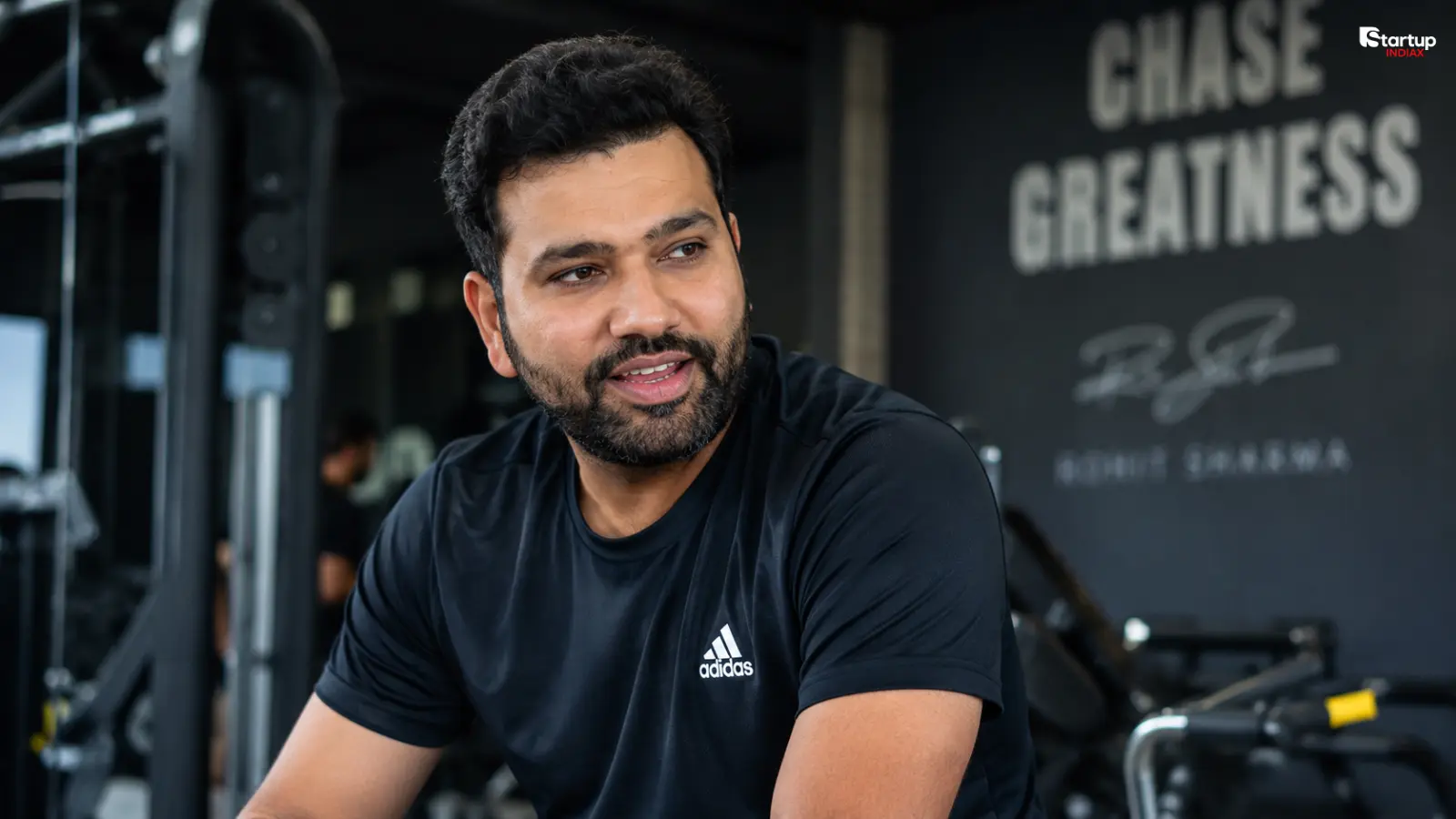
Rohit Sharma is now more than the face of FITTR. The Indian cricket captain has become an investor and equity partner in the Pune based health and fitness platform, deepening a relationship that started when he signed on as its first brand ambassador. FITTR did not disclose how much Sharma has put in, but the move marks a shift from paid endorsement to genuine ownership, and it comes right as the startup’s numbers start looking a lot healthier.
What Happened
Fittr announced that Sharma has come on board as an investor and equity partner, expanding a relationship that began with his role as brand ambassador. The company framed it as a natural progression rather than a sudden celebrity endorsement deal.
Sharma spent several months engaging with founder and CEO Jitendra Chouksey and the leadership team, going through the business model, growth plans, and broader mission before agreeing to come on board as an investor
In his own words, Sharma said he’d spent time with the team, understood the business, and seen the growth opportunity first hand, and that the fundamentals are strong, the mission is clear, and there’s an opportunity to create meaningful and lasting impact.
Chouksey, for his part, pointed to a shared philosophy. He said the world is witnessing a sharp rise in lifestyle-related health concerns and that FITTR has always believed there are no shortcuts to good health, and that Sharma not only shares this belief but lives it every day.
Read More : Rohit Sharma Invests in Prozo: Is This India’s Logistics Boom?
Why It Happened: The Numbers Behind the Deal
This isn’t happening in a vacuum. Fittr reported revenue of ₹128 crore and a profit before tax of ₹11 crore in FY25, a real turnaround after losses over the previous three financial years. Its online fitness coaching business accounted for about ₹122 crore of total revenue, showing the subscription model is the engine driving this profitability.
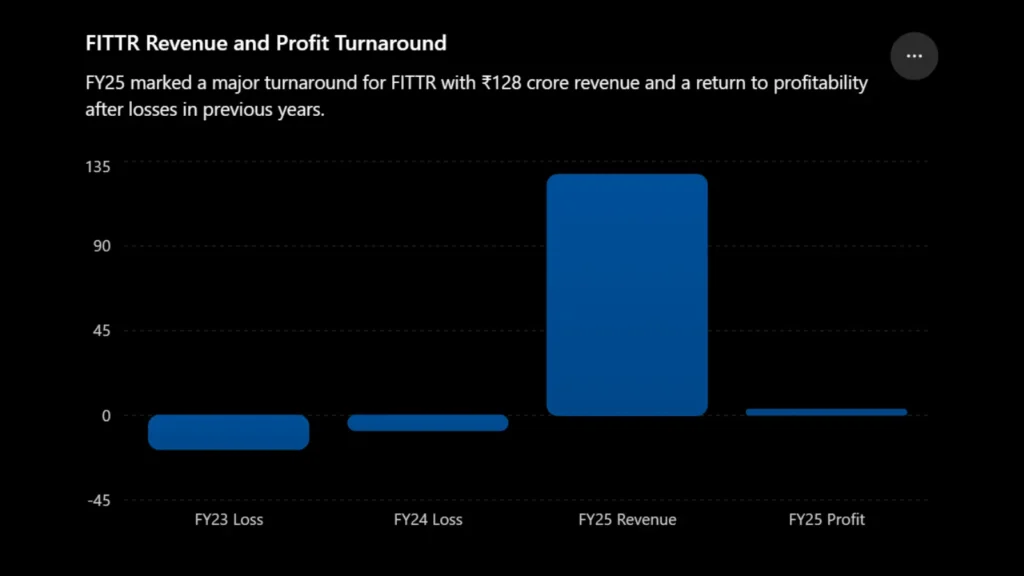
For a company that spent years bleeding money, hitting profitability is the kind of milestone that makes a celebrity ambassador’s “let’s just put my name on it” arrangement feel a lot more credible as an actual investment thesis.
Founded in 2016 by Jitendra Chouksey, Bala Krishna Reddy, Rohit Chattopadhyay, and Jyoti Dabas, Fittr runs online health and fitness communities and platforms, claiming to have helped more than 4 lakh users through a network of over 700 coaches, with its broader community exceeding 30 lakh users globally. The startup has raised close to $17 million so far from investors including Rainmatter, Peak XV’s Surge, and Elysian Park Ventures, and counts actor Sunil Shetty among its backers too.
Why This Matters
FITTR operates in a crowded space. It competes with platforms like Healthify, Cult.fit, FitBudd, and MyFitnessPal, all chasing the same urban Indian consumer who’s suddenly very interested in step counts, macros, and “consistency.”
A profitable year changes the conversation with investors. Most fitness-tech startups in India have spent the last several years burning cash to acquire users, betting that scale would eventually translate into margins. FITTR getting there, even modestly, with an ₹11 crore PBT, gives it leverage that a lot of its competitors don’t currently have. Bringing in a recognizable name as an actual stakeholder, rather than just a paid face, signals the company wants long-term alignment, not just a marketing boost for the next campaign cycle.
For consumers, it probably means more visibility, more campaigns, and possibly new product lines aimed at the kind of mainstream audience that watches cricket more than it scrolls fitness influencers on Instagram.
The Bigger Picture
India’s health and fitness market isn’t slowing down. The sector is expected to grow from roughly ₹16,200 crore ($1.9 billion) to ₹37,700 crore ($4.5 billion) by 2030, and that growth is pulling in everyone from VCs to celebrities looking for a stake in the “wellness economy.”
What’s notable here isn’t just that an athlete invested in a fitness company, that’s almost expected at this point. It’s the order of events: brand ambassador first, investor only after the company proved it could actually make money. FITTR has also said it doesn’t want to be seen as “just a fitness company” and is positioning itself as an end to end healthcare business going forward, which suggests Sharma’s stake might be a bet on something bigger than workout plans and meal trackers.
Startup INDIAX Take
This deal is a useful signal for founders chasing celebrity backing: investors, including famous ones, increasingly want to see the business work before they put money behind it. A few years ago, brand deals with athletes were mostly about reach. Now they’re starting to look more like due diligence exercises that happen to also come with a famous face attached.
For India’s fitness-tech sector, FITTR’s profitability matters more than Sharma’s name. It’s proof that the subscription-coaching model, long dismissed as too thin-margin to scale in India, can actually work if the user base is large enough. Expect more “ambassador to investor” conversions across categories as profitable D2C and subscription startups look for partners who already have skin in the game, literally.
Got thoughts on celebrities trading endorsement deals for equity stakes? Drop a comment, and check out more funding stories from India’s startup ecosystem on Startup INDIAX.
FAQs
Did Rohit Sharma disclose how much he invested in FITTR?
No. FITTR confirmed Sharma joined as an investor and equity partner but did not disclose the size of the investment.
What was Rohit Sharma’s earlier relationship with FITTR?
He previously served as the company’s first brand ambassador before transitioning into an equity stake.
Is FITTR profitable now?
Yes. FITTR reported revenue of ₹128 crore and a profit before tax of ₹11 crore in FY25, after several years of losses.
Who founded FITTR and when?
FITTR was founded in 2016 by Jitendra Chouksey, Bala Krishna Reddy, Rohit Chattopadhyay, and Jyoti Dabas.
Who else has backed FITTR besides Rohit Sharma?
Investors include Rainmatter, Peak XV’s Surge, and Elysian Park Ventures, and the platform is also backed by actor Sunil Shetty.
Who are FITTR’s main competitors?
FITTR competes with Healthify, Cult.fit, FitBudd, and MyFitnessPal, among others, in India’s crowded fitness app space.