startupindiax.com
  • Home
  • News
  • Startup Stories
  • Funding
  • Founder Toolkit
    • Startup Valuation Calculator
    • Startup Runway Calculator
    • Indian VC & Investor Database
    • Co-founder Equity Split Calculator
    • Government Scheme Finderfor Indian Startups
    • Pitch Deck Structure Tool
    • Market Size Calculator TAM · SAM · SOM
    • Find the perfect startup name
    • Funding Round Dilution Calculator
  • Sectors
    • Agritech
    • AI & DeepTech
    • Fintech
    • Green Energy
    • HealthTech
    • EV
    • Digital
    • Automobile
startupindiax.com
SUBSCRIBE
Wednesday, October 7, 2026
  • Home
  • News
  • Startup Stories
  • Funding
  • Founder Toolkit
    • Startup Valuation Calculator
    • Startup Runway Calculator
    • Indian VC & Investor Database
    • Co-founder Equity Split Calculator
    • Government Scheme Finderfor Indian Startups
    • Pitch Deck Structure Tool
    • Market Size Calculator TAM · SAM · SOM
    • Find the perfect startup name
    • Funding Round Dilution Calculator
  • Sectors
    • Agritech
    • AI & DeepTech
    • Fintech
    • Green Energy
    • HealthTech
    • EV
    • Digital
    • Automobile
startupindiax.com
startupindiax.com
  • Privacy Policy
  • Disclaimer
  • Terms

@2025 - All Right Reserved.

Arkam Ventures
AutomobileStartup

91Trucks Raises $5 Million: A Thrilling Boost for India’s Commercial Vehicle Future

by Ismail Patel May 10, 2025
3 min read

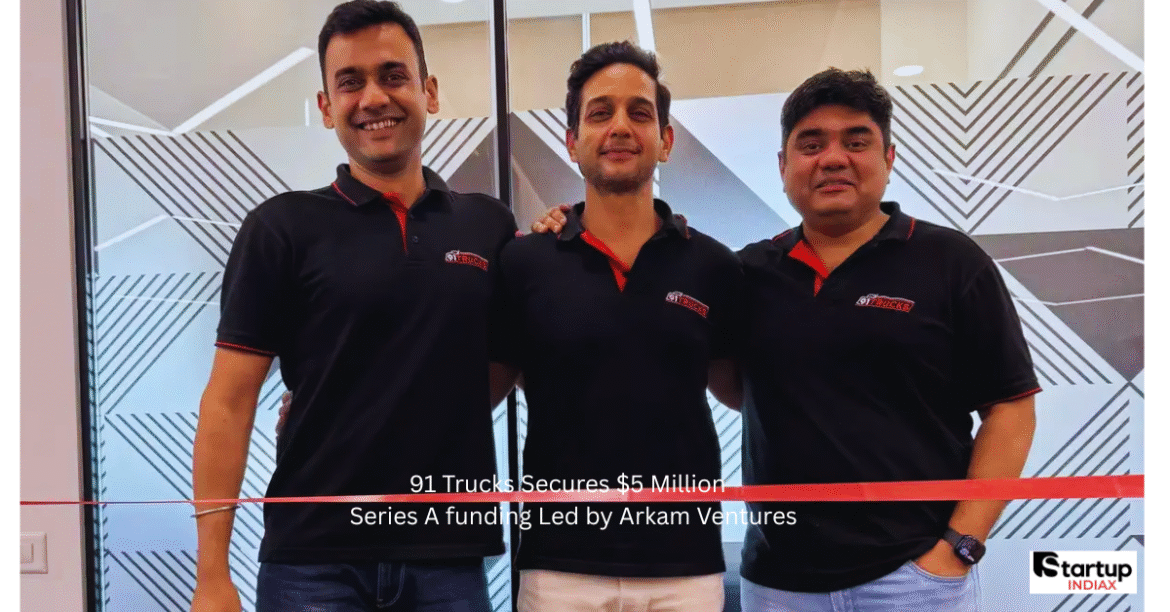
91Trucks raises $5 million in a Series A round led by Arkam Ventures, a pivotal moment for this full-stack commercial vehicle platform. This article delves into how 91Trucks is reshaping India’s logistics and transportation sector with its innovative, tech-driven solutions and bold expansion plans. From upgrading its digital platform to launching physical stores, we explore the startup’s strategy, its remarkable valuation growth, and its vision for the future. With insights into industry trends and investor confidence, Startup INIDAX brings you the story of why 91Trucks is poised to lead the commercial vehicle revolution in India.

Table of Contents

  1. Introduction: 91Trucks’ $5 Million Milestone
  2. What is 91Trucks? A Full-Stack Commercial Vehicle Platform
  3. Breaking Down 91Trucks’ $5 Million Series A Round
  4. How 91Trucks Plans to Use the $5 Million
  5. Valuation Surge: 91Trucks’ 5.5X Leap
  6. Why 91Trucks is Vital for India’s Commercial Vehicle Industry
  7. Arkam Ventures and the Investor Backing
  8. Challenges and Opportunities on the Horizon
  9. 91Trucks’ Role in India’s Startup Ecosystem
  10. Conclusion: Driving India’s Logistics Future

Introduction: 91Trucks’ $5 Million Milestone

Imagine a world where buying a truck is as easy as ordering a pizza. That’s the future 91Trucks is building, and its recent $5 million Series A funding round is a huge step toward that vision. Led by Arkam Ventures, this funding marks a turning point for the Gurugram-based startup, which is redefining India’s commercial vehicle industry. 91Trucks raises $5 million to fuel its full-stack platform, blending technology and real-world solutions to make logistics smoother for businesses. At Startup INIDAX, we’re excited to dive into what this funding means for 91Trucks and the broader transportation sector.

What is 91Trucks? A Full-Stack Commercial Vehicle Platform

91Trucks isn’t just another startup—it’s a full-stack commercial vehicle platform that’s simplifying the complex world of trucks, buses, and heavy vehicles. Whether you’re a small business owner needing a delivery truck or a fleet manager looking for financing, 91Trucks offers a one-stop solution. It’s like having a trusted guide for every step of the commercial vehicle journey.

Using advanced technology, 91Trucks connects buyers, sellers, and financiers on a single platform. Customers can browse vehicles, compare specs, check reviews, and secure loans with ease. Recent X posts highlight 91Trucks’ impressive growth, with revenue jumping to Rs 10.11 crore in FY24 from Rs 3.95 crore in FY23. By addressing pain points like fragmented supply chains and lack of transparency, 91Trucks is transforming India’s $250 billion logistics market.

Breaking Down 91Trucks’ $5 Million Series A Round

The big news? 91Trucks raises $5 million (approximately Rs 42.9 crore) in a Series A round, announced on May 8, 2025. Led by Arkam Ventures, the round also saw participation from existing investors, signaling strong confidence in the startup’s vision. This funding is a game-changer for 91Trucks, positioning it to disrupt the commercial vehicle industry.

Beyond the dollars, the round skyrocketed 91Trucks’ valuation to Rs 280 crore—a 5.5X increase from its previous valuation. As reported by Entrackr, this milestone underscores 91Trucks’ ability to deliver results and capture market share. For Startup INIDAX, this is a clear sign that 91Trucks is a startup to watch in India’s evolving tech landscape.

How 91Trucks Plans to Use the $5 Million

So, what’s next for the $5 million? 91Trucks has a bold plan to maximize this funding. According to the Economic Times, the startup will focus on:

  • Tech Innovation: Enhancing its platform with AI, predictive analytics, and a seamless user interface to improve customer experience.
  • Physical Expansion: Opening over 20 brick-and-mortar stores across India to combine online convenience with offline trust.
  • Talent Acquisition: Hiring top talent in tech, sales, and operations to support its growth ambitions.

These initiatives reflect 91Trucks’ commitment to bridging the digital and physical worlds of commercial vehicles. At Startup INIDAX, we believe this strategic approach will solidify 91Trucks’ position as a leader in the full-stack commercial vehicle space.

Valuation Surge: 91Trucks’ 5.5X Leap

Let’s talk about the numbers that have everyone buzzing. 91Trucks’ valuation has soared to Rs 280 crore ($33 million), a 5.5X jump that highlights its meteoric rise. This isn’t just hype—it’s a reflection of 91Trucks’ ability to tap into a massive market opportunity. India’s commercial vehicle industry is thriving, driven by e-commerce, infrastructure growth, and rising demand for last-mile delivery.

The startup’s financials back this up: revenue grew to Rs 10.11 crore in FY24 from Rs 3.95 crore in FY23. This traction, combined with a scalable business model, has made 91Trucks a magnet for investors. For Startup INIDAX, this valuation surge signals that 91Trucks is on track to dominate the commercial vehicle sector.

Why 91Trucks is Vital for India’s Commercial Vehicle Industry

India’s commercial vehicle industry is a powerhouse, but it’s far from perfect. Small businesses often struggle with unreliable suppliers, complex financing, and limited after-sales support. Middlemen and opaque pricing only add to the chaos.

That’s where 91Trucks steps in. Its full-stack commercial vehicle platform streamlines the entire process:

  • Buyers get transparent pricing, detailed vehicle info, and customer reviews.
  • Sellers access a large customer base and data-driven insights.
  • Financiers benefit from a fast, efficient loan approval system.

By bringing clarity and efficiency to a fragmented market, 91Trucks is solving real problems. As India’s logistics sector grows, platforms like 91Trucks are essential for driving innovation and progress.

Arkam Ventures and the Investor Backing

Arkam Ventures, the lead investor, is known for backing transformative startups in India. Their investment in 91Trucks is a strong endorsement of the startup’s potential to disrupt the commercial vehicle space. Existing investors also recommitted, showing unwavering support for 91Trucks’ vision.

This investor lineup brings more than just capital—it brings expertise. Arkam’s experience in scaling tech startups will be crucial as 91Trucks navigates its next phase. For a company tackling a complex industry, this kind of backing is a major advantage.

Challenges and Opportunities on the Horizon

Every startup faces challenges, and 91Trucks is no exception. Balancing its online platform with a network of offline stores is a logistical hurdle. Competition from legacy players and other startups could also test 91Trucks’ staying power.

But the opportunities are massive. India’s commercial vehicle market is booming, with growing demand for trucks and buses fueled by e-commerce and infrastructure projects. By staying tech-savvy and customer-focused, 91Trucks can turn challenges into opportunities and cement its place in the industry.

91Trucks’ Role in India’s Startup Ecosystem

91Trucks’ success is a win for India’s startup ecosystem. It proves that innovative ideas in traditional sectors like logistics can attract significant funding and drive change. At Startup INIDAX, we’re thrilled to see startups like 91Trucks showcasing India’s potential as a hub for tech-driven solutions.

This funding round also reflects a broader trend: investors are increasingly backing startups that solve real-world problems. As more companies like 91Trucks rise, they pave the way for others to innovate and disrupt legacy industries.

Conclusion: Driving India’s Logistics Future

91Trucks raises $5 million, and the road ahead looks promising. With plans to supercharge its tech, expand offline, and grow its team, the startup is well-equipped to lead India’s commercial vehicle industry. Its 5.5X valuation surge and strong investor support are testaments to its potential. As 91Trucks continues to innovate, it’s not just making it easier to buy trucks—it’s powering the future of India’s logistics. Watch this space; 91Trucks is just hitting its stride.


May 10, 2025 4 comments 496 views
FacebookTwitterLinkedinWhatsapp
X Sparks
DigitalPoliticsTechnology

Block Over 8,000 Accounts: India’s Crackdown on X Sparks Debate

by Ismail Patel May 9, 2025
3 min read

India’s government has taken a bold step by ordering X to block over 8,000 accounts to curb misinformation and Pakistani propaganda amid escalating tensions. This article dives into the reasons behind this massive crackdown, its impact on free speech, national security, and the tech ecosystem. We’ll explore the India-Pakistan conflict’s role, X’s compliance challenges, and what this means for startups like Startup INIDAX navigating India’s dynamic digital landscape.

Table of Contents

  • Introduction: India’s Digital Power Play
  • Why Block Over 8,000 Accounts?
  • X’s Role in the Content Crackdown
  • The India-Pakistan Conflict Context
  • Free Speech vs. National Security: A Tough Call
  • What This Means for Startups Like Startup INIDAX
  • X’s Compliance and Challenges
  • Tech Regulation in India: The Bigger Picture
  • The Future of India’s Digital Space
  • Conclusion: A New Era for Digital India

Introduction: India’s Digital Power Play

Picture this: one day, you open X, and thousands of accounts—over 8,000, to be exact—are gone, blocked by order of the Indian government. This isn’t a glitch; it’s a deliberate move to stop content originating from Pakistan, accused of spreading propaganda and misinformation. Announced on May 8, 2025, this crackdown has set the internet ablaze with debates about censorship, security, and the role of tech platforms. For startups like Startup INIDAX, thriving in India’s digital economy, this is a wake-up call about the challenges of operating in a tightly regulated space. Let’s dive into why India took this step and what it means for everyone involved.

Why Block Over 8,000 Accounts?

The Indian government’s decision to block over 8,000 accounts on X is rooted in national security concerns. According to posts on X, these accounts were allegedly pushing Pakistani propaganda or content that could destabilize India. The Ministry of Information and Broadcasting (MIB) led the charge, targeting accounts linked to divisive narratives, including some tied to international news outlets. This move comes at a time when India is hyper-vigilant about misinformation, especially with the India-Pakistan conflict heating up.

India’s reasoning is straightforward: these accounts weren’t just sharing opinions; they were seen as tools for foreign interference. By ordering X to block over 8,000 accounts, the government aims to protect its citizens from harmful content. But this raises a thorny question: how do you balance curbing propaganda with preserving open dialogue? For a country as diverse and complex as India, the stakes couldn’t be higher.

X’s Role in the Content Crackdown

X, a global hub for real-time conversations, is caught in the crosshairs of India’s crackdown. The platform confirmed it received orders to block over 8,000 accounts, with a post from @AJEnglish on X noting threats of “fines and imprisonment” for non-compliance. This puts X in a tough spot: comply with India’s demands or face severe consequences in one of its largest markets.

Content moderation is a constant challenge for X. It’s expected to be a neutral platform for free expression while also adhering to local laws. In this case, X chose compliance, but not without risks. Over-moderation could silence legitimate voices, while under-moderation might invite further government scrutiny. For startups like Startup INIDAX, which rely on X for visibility and engagement, this underscores the unpredictable nature of operating on third-party platforms.

The India-Pakistan Conflict Context

To grasp the full picture, we need to look at the India-Pakistan rivalry fueling this crackdown. Posts on X, like one from @shashank_ssj, reference “IndiaPakistanWar,” signaling how tensions have spilled online. Hashtags like #IndianArmy and #OperationSindoor trending on X reflect India’s heightened alertness, with the government keen to control the digital narrative.

The India-Pakistan conflict has long been a flashpoint, with both sides accusing each other of using social media to spread propaganda. By targeting accounts operating in the country to stop hosting content originating from Pakistan, India is taking a stand against what it sees as a digital assault. However, this move has critics worried about its impact on open discourse, especially when international news accounts get caught in the net.

Free Speech vs. National Security: A Tough Call

The decision to block over 8,000 accounts has ignited a fierce debate about free speech. A post from @AlphaVictorVA on X quipped, “Randi Rona shuru karo Freedom of Speech ka,” capturing the frustration of those who see this as censorship. Blocking accounts, particularly those of global news agencies, risks stifling journalism and public debate.

On the other hand, supporters argue that national security comes first. Misinformation can spread chaos, especially in a country as diverse as India, where social tensions are easily inflamed. The government’s stance is that blocking these accounts is a necessary evil to prevent harm. Yet, the lack of clarity on which accounts were targeted fuels distrust. For digital-first companies like Startup INIDAX, this debate highlights the need to stay nimble in a rapidly shifting regulatory landscape.

What This Means for Startups Like Startup INIDAX

For India’s startup ecosystem, this crackdown is a reality check. Companies like Startup INIDAX, which likely use X for marketing and community-building, now face a more regulated digital environment. If X faces stricter rules or penalties, it could disrupt how startups leverage the platform for growth.

This move also emphasizes the need for diversified digital strategies. Relying too heavily on one platform like X is risky when accounts or content can be restricted overnight. Startups should invest in owned channels—think websites, email campaigns, or apps—to maintain control over their audience. For Startup INIDAX, this could mean ramping up SEO efforts, creating engaging content, or exploring alternative platforms to connect with users.

X’s Compliance and Challenges

X’s decision to comply with India’s order to block over 8,000 accounts is pragmatic but fraught with challenges. Identifying and blocking thousands of accounts requires advanced tech and human oversight, with the risk of accidentally silencing legitimate voices. There’s also the issue of consistency—X’s global users expect uniform moderation policies, but complying with India’s demands could encourage other governments to make similar requests.

For X, balancing user trust with regulatory pressures is a high-stakes game. The platform’s compliance avoids immediate legal trouble but doesn’t resolve the long-term question of how to operate in markets with strict laws. Startups like Startup INIDAX should take note, as their own digital strategies may need to adapt to similar pressures.

Tech Regulation in India: The Bigger Picture

This crackdown is part of India’s broader push to regulate tech platforms. Laws like the IT Rules 2021 require stricter content moderation and message traceability, holding platforms accountable for what’s shared. While these rules aim to protect users, they also burden tech companies with complex compliance requirements.

For India’s startups, this creates a dual challenge: navigating regulations while seizing opportunities. Companies offering solutions for content moderation, cybersecurity, or data privacy could find a growing market. Startup INIDAX, for example, could explore partnerships with tech firms to address these needs, positioning itself as a key player in India’s digital evolution.

The Future of India’s Digital Space

The block of over 8,000 accounts is likely just the beginning. As India tightens its grip on the digital realm, more such actions are expected, especially during geopolitical flare-ups. Platforms like X will need to invest in localized moderation teams and stronger regulatory relationships. Startups, meanwhile, must stay agile, adapting to new rules and user behaviors.

The tension between free speech and national security will continue to shape India’s digital landscape. For startups like Startup INIDAX, this is a chance to innovate—whether by building safer online tools or advocating for balanced content policies. India’s digital future is full of possibilities, but it demands resilience and foresight.

Conclusion: A New Era for Digital India

India’s order to block over 8,000 accounts on X is a bold move to combat misinformation, but it’s also a flashpoint in the debate over digital freedom. For users, it’s about trust in platforms and governments. For startups like Startup INIDAX, it’s a call to innovate in a complex, ever-changing ecosystem. As India carves out its digital future, one thing is certain: the road ahead will be anything but predictable.

May 9, 2025 1 comment 473 views
FacebookTwitterLinkedinWhatsapp
BluSmart’s
Startup

BluSmart’s $30 Mn Lifeline: Can Investors Save 10,000 Jobless Drivers?

by Ismail Patel May 9, 2025
3 min read

BluSmart’s investors, including BP Ventures and ResponsAbility Investments, are planning a $30 Mn infusion to revive the struggling EV ride-hailing startup, which halted operations in April 2025, leaving 10,000 drivers jobless. This article explores the reasons behind BluSmart’s collapse, the proposed funding plan, its potential impact on drivers and employees, and the challenges ahead. We’ll dive into the company’s journey, the fraud allegations against its founders, and how this investment could reshape its future in India’s competitive ride-hailing market.

Table of Contents

The Fall of BluSmart: What Went Wrong?
10,000 Drivers Jobless: The Human Cost
BluSmart’s $30 Mn Revival Plan
BP Ventures and ResponsAbility Investments: The Key Players
Challenges Ahead for BluSmart
Can BluSmart Compete with Uber and Ola?
What’s Next for BluSmart and Its Drivers?
Conclusion: A Glimmer of Hope?

The Fall of BluSmart: What Went Wrong?

BluSmart’s journey started with a bold vision in 2019. Founded by Anmol Singh Jaggi, Puneet Singh Jaggi, and Punit K Goyal, the Gurugram-based startup aimed to revolutionize India’s ride-hailing industry with an all-electric fleet. With over $168 Mn raised across 14 funding rounds, BluSmart’s eco-friendly cabs became a hit in Delhi NCR, Bengaluru, and Mumbai. But in April 2025, everything came crashing down.

The trouble began when the Securities and Exchange Board of India (SEBI) accused the Jaggi brothers of diverting ₹400 Cr ($47 Mn) from Gensol Engineering, a related entity, for personal expenses, including a luxury flat. This led to SEBI barring the founders from directorship roles and ordering a forensic audit. BluSmart’s operations were abruptly suspended on April 17, 2025, when drivers received a “Return to Hub” message on their apps. The sudden shutdown left 10,000 drivers jobless and 800 employees unpaid since March, sparking protests and despair.

At Startup INIDAX, we’ve been tracking BluSmart’s rise and fall closely. The startup’s collapse wasn’t just a financial blow—it was a betrayal of trust for thousands of drivers who relied on the platform for their livelihood. Fraud allegations, coupled with governance lapses, have put BluSmart in a precarious position, raising questions about its future.

10,000 Drivers Jobless: The Human Cost

The human toll of BluSmart’s collapse is staggering. Nearly 10,000 drivers, many of whom are sole breadwinners for families of five or more, were left without income overnight. One driver, speaking at a protest in Delhi’s Pitampura, described the shutdown as “a kick in the gut for at least 50,000 people.” Another driver, who had been with BluSmart for three years, shared his struggle to pay his children’s school fees of ₹10,000, highlighting the financial strain faced by many.

On May 4, 2025, over 1,000 drivers gathered at Jantar Mantar in New Delhi to protest, demanding government intervention. Some even suggested that the government’s upcoming Sahkar Taxi initiative could take over BluSmart’s operations to restore their jobs. The drivers’ plight has drawn attention to the vulnerability of gig workers in India’s startup ecosystem, where sudden closures can leave thousands in limbo.

Startup INIDAX spoke to industry experts who emphasized the need for stronger protections for gig workers. “When platforms like BluSmart shut down, drivers are left with no safety net,” said a Delhi-based policy analyst. The protests underscore the urgency of addressing the fallout, especially as BluSmart’s 8,700 EVs remain abandoned, risking battery degradation and further losses.

BluSmart’s $30 Mn Revival Plan

Hope may be on the horizon. According to TechCrunch, BluSmart’s investors, led by BP Ventures and ResponsAbility Investments, are planning a $30 Mn infusion to revive the startup. This funding, structured as unsecured debt, aims to clear pending dues, including ₹500-600 Mn owed to employees, and restart operations. However, there’s a catch: the deal hinges on co-founder Anmol Singh Jaggi resigning from the board.

The proposed investment has sparked cautious optimism. If successful, it could bring BluSmart’s blue-and-white electric cabs back to the streets, saving jobs and protecting investors’ funds. Sources told Startup INIDAX that the funds will also address operational liabilities, such as unpaid salaries and creditor dues, which total around ₹2.5 Bn ($30 Mn). The resignation condition reflects investors’ desire to distance BluSmart from the fraud allegations and rebuild trust.

But will $30 Mn be enough? BluSmart’s valuation has already taken a hit, dropping from $300 Mn to a potential $120 Mn in a proposed acquisition by EverSource Capital. The new funding could stabilize the company, but it’s a fraction of the capital needed to scale back to its peak fleet of 8,500 EVs. For now, the focus is on survival, not expansion.

BP Ventures and ResponsAbility Investments: The Key Players

BP Ventures and ResponsAbility Investments are at the forefront of BluSmart’s rescue mission. BP Ventures, a long-time backer, holds a 20% equity stake and has been instrumental in BluSmart’s growth, leading multiple funding rounds since 2021. ResponsAbility Investments, a Switzerland-based climate finance firm, joined the fray with a $25 Mn investment in 2024, praising BluSmart’s EV ecosystem for its environmental impact.

These investors aren’t just throwing money at the problem—they’re betting on BluSmart’s potential to lead India’s electric mobility revolution. With 16 Mn electric trips and 500 Mn zero-carbon kilometers under its belt, BluSmart has a strong track record. BP Ventures and ResponsAbility see the $30 Mn infusion as a way to preserve this legacy while addressing the governance issues that derailed the startup.

Startup INIDAX reached out to industry insiders who noted that BP Ventures’ involvement signals confidence in BluSmart’s long-term value. “They’re not walking away despite the mess,” said one investor. “That’s a good sign for drivers and employees hoping for a comeback.” However, both firms declined to comment officially, leaving some uncertainty about the deal’s timeline.

Challenges Ahead for BluSmart

Reviving BluSmart won’t be easy. The startup faces a mountain of challenges, starting with its tarnished reputation. The fraud allegations and SEBI probe have shaken investor confidence, making future fundraising tricky. The Ministry of Corporate Affairs (MCA) has also ordered a probe into BluSmart’s governance practices, which could uncover more issues.

Operationally, BluSmart must address the condition of its 8,700 idle EVs. Prolonged inactivity risks battery damage, which could cost millions to repair. The startup also needs to rebuild trust with drivers, many of whom feel abandoned. Offering severance pay or rehiring incentives could help, but that requires additional funds.

Competition is another hurdle. Uber, Ola, Rapido, and newer players like Evera Cabs are vying for market share in India’s ride-hailing space. Evera recently leased 500 of BluSmart’s EVs, absorbing some of its drivers—a move that could weaken BluSmart’s position if it doesn’t act fast. Startup INIDAX analysis suggests BluSmart must differentiate itself, perhaps by doubling down on its premium, eco-friendly branding, to regain customers.

Can BluSmart Compete with Uber and Ola?

Before its collapse, BluSmart was a serious contender in India’s ride-hailing market. Its all-electric fleet, 4.9/5 app rating, and partnerships with Mahindra and Tata Power set it apart from Uber and Ola, which rely on mixed fleets. But the shutdown has given competitors an edge. Uber Green, Uber’s EV arm, is targeting 25,000 EVs by 2026, while Ola continues to dominate with its scale.

BluSmart’s $30 Mn lifeline could help it regain ground, but only if it moves quickly. The startup’s hub-to-hub model, which relies on proprietary charging infrastructure, is both a strength and a weakness. It ensures reliability but limits scalability due to India’s patchy EV charging network. To compete, BluSmart may need to open its 50 charging hubs to third parties, as it planned in 2024, to generate additional revenue.

Startup INIDAX believes BluSmart’s focus on sustainability could be its trump card. With India aiming for 30% EV penetration by 2030, BluSmart’s zero-emission model aligns with government policies. If it can restore operations and rebuild trust, it could carve out a niche as the go-to green ride-hailing platform.

What’s Next for BluSmart and Its Drivers?

The coming months will be make-or-break for BluSmart. If the $30 Mn infusion goes through and Anmol Jaggi steps down, the startup could resume operations by mid-2025. This would be a lifeline for 10,000 jobless drivers and 800 unpaid employees, many of whom are struggling to make ends meet. Protests may continue until concrete action is taken, but the funding proposal has given drivers a glimmer of hope.

For investors, the focus is on minimizing losses. EverSource Capital’s acquisition talks, valued at ₹800-1,000 Cr, are still on the table, but the board has resisted due to the steep valuation cut. The Adani Group also expressed interest in BluSmart’s fleet for airport operations, hinting at potential strategic partnerships.

Startup INIDAX will continue to monitor BluSmart’s progress, as its revival could set a precedent for how Indian startups navigate crises. For now, the priority is clear: get the cabs back on the road and the drivers back to work.

Conclusion: A Glimmer of Hope?

BluSmart’s $30 Mn lifeline from BP Ventures and ResponsAbility Investments is a bold attempt to resurrect a startup that once promised to redefine urban mobility. The road ahead is fraught with challenges, from governance probes to fierce competition, but the funding offers a chance to save 10,000 jobless drivers and restore BluSmart’s reputation. As India pushes for cleaner transportation, BluSmart’s all-electric model remains relevant. Whether it can rise from the ashes depends on its ability to execute swiftly and rebuild trust. Stay tuned to Startup INIDAX for the latest updates on this unfolding story.

May 9, 2025 1 comment 513 views
FacebookTwitterLinkedinWhatsapp
Porter’s
Startup

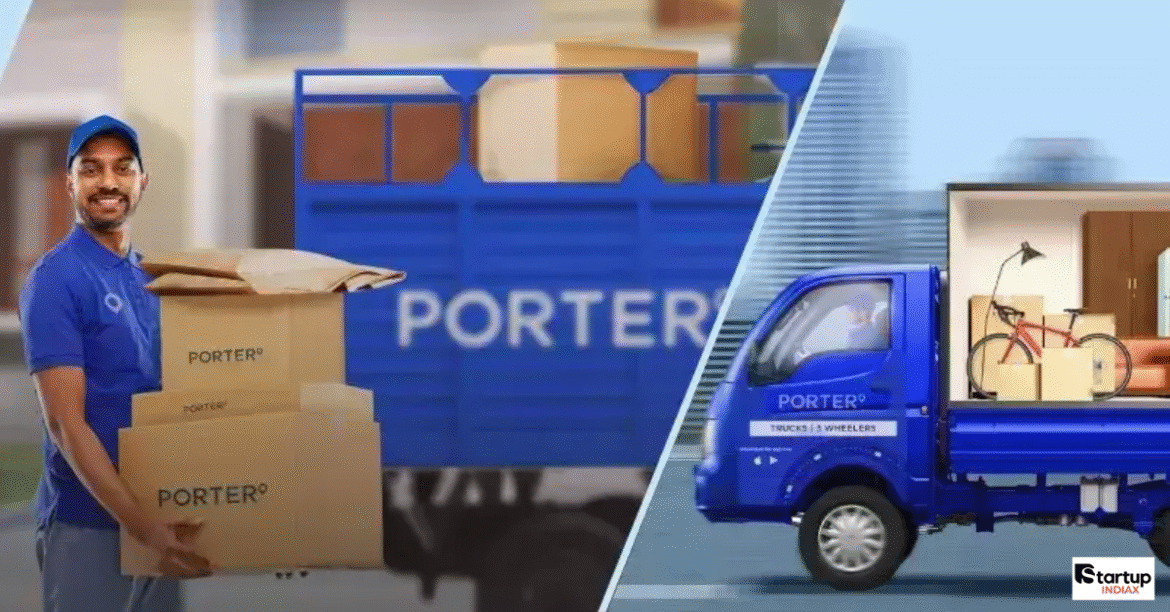
India’s Newest Unicorn Startup: Porter’s Rs 1,700 Crore Funding Triumph

by Ismail Patel May 9, 2025
3 min read

This article explores Porter’s incredible rise to becoming India’s newest unicorn startup after raising Rs 1,700 crore in funding, achieving a $1.2 billion valuation. We dive into the Bengaluru-based logistics platform’s journey, from its inception to reshaping hyperlocal delivery in India. The blog details the funding round, Porter’s innovative strategies, its impact on the startup ecosystem, and future plans. Written for Startup INIDAX, this conversational piece is perfect for anyone eager to understand how Porter became a game-changer in India’s thriving startup scene.

Table of Contents

  1. Introduction: Porter’s Unicorn Moment
  2. The Road to Unicorn: Porter’s Origin Story
  3. India’s Newest Unicorn Startup: The Rs 1,700 Crore Funding Breakdown
  4. Revolutionizing Logistics with Innovation
  5. Why Porter’s Success Matters for Indian Startups
  6. What Lies Ahead for Porter?
  7. Conclusion: A Milestone for India’s Newest Unicorn

Introduction: Porter’s Unicorn Moment

India’s startup ecosystem is on fire, and Porter has just added fuel to the flames by becoming India’s newest unicorn startup. With a jaw-dropping $1.2 billion valuation after raising Rs 1,700 crore in funding, this Bengaluru-based logistics platform is making waves. At Startup INIDAX, we’re excited to dive into this milestone, exploring how Porter went from a local delivery service to a national powerhouse. This article breaks down the funding, Porter’s growth story, and why its unicorn status is a big deal for India’s tech scene. Ready to unpack this success? Let’s go!

The Road to Unicorn: Porter’s Origin Story

Back in 2014, three entrepreneurs—Pranav Goel, Uttam Digga, and Vikas Choudhary—set out to solve a common problem: inefficient logistics in India’s bustling cities. Thus, Porter was born, a platform designed to connect truck drivers with businesses and individuals needing fast deliveries. What started as a modest intra-city logistics service has grown into a full-fledged platform offering truck and two-wheeler deliveries across B2B and B2C segments.

Porter’s secret sauce? Technology. By using AI and data analytics, the platform optimizes delivery routes, cuts costs, and ensures quick turnarounds. This tech-driven approach helped Porter stand out in a crowded market, competing with players like Dunzo and Borzo. By 2024, Porter was operating in over 20 cities, serving millions of customers and earning a loyal driver base. Now, in 2025, Porter’s Rs 1,700 crore funding has officially made it India’s newest unicorn startup, a milestone celebrated across platforms like Startup INIDAX.

India’s Newest Unicorn Startup: The Rs 1,700 Crore Funding Breakdown

The catalyst for Porter’s unicorn status is its Series F funding round, where it secured $200 million (roughly Rs 1,700 crore). Led by Kedaara Capital and Wellington Management, the round also included existing investors like Peak XV Partners. This mix of primary and secondary funding allowed early backers to cash out while giving Porter a war chest for growth.

Raising Rs 1,700 crore in funding comes at a pivotal moment for India’s logistics sector. With e-commerce sales skyrocketing and businesses demanding faster last-mile delivery, Porter’s model is perfectly positioned. The funds will likely fuel fleet expansion, tech upgrades, and market penetration into smaller cities. Industry expert Anjali Sharma noted, “Porter’s funding is a vote of confidence in India’s logistics revolution. Their focus on efficiency and scale is unmatched.”

This round also highlights the resilience of India’s startup ecosystem. Despite global funding slowdowns, Porter’s ability to raise Rs 1,700 crore proves that investors are still eager to back innovative Indian startups, especially those like India’s newest unicorn startup.

Revolutionizing Logistics with Innovation

India’s logistics sector is notoriously tricky, with challenges like traffic jams, high fuel costs, and fragmented supply chains. Porter, however, has turned these hurdles into opportunities. Here’s how India’s newest unicorn startup is redefining hyperlocal logistics:

  • AI-Powered Operations: Porter’s platform uses artificial intelligence to match drivers with orders in real-time, reducing wait times and boosting efficiency. This means faster deliveries for customers and better earnings for drivers.
  • Two-Wheeler Dominance: Recognizing the agility of bikes in urban areas, Porter is doubling down on two-wheeler deliveries. Reports suggest two-wheelers could account for 50% of its revenue soon.
  • Driver-Centric Model: Porter stands out by treating drivers as partners, offering incentives, training, and flexible hours. This has built a loyal network of over 150,000 drivers.
  • Hyperlocal Expertise: Unlike global giants, Porter tailors its services to India’s unique urban challenges, making it a go-to for businesses and consumers alike.

At Startup INIDAX, we see Porter’s innovations as a blueprint for logistics startups. By blending technology with local know-how, Porter is setting a new benchmark for the industry.

Why Porter’s Success Matters for Indian Startups

Porter’s leap to unicorn status after raising Rs 1,700 crore isn’t just a win for the company—it’s a victory for India’s entire startup ecosystem. With over 118 unicorns, India is a global startup powerhouse, and Porter’s milestone adds momentum. Here’s why it’s significant:

  • Boosting Investor Trust: Securing Rs 1,700 crore in a competitive market shows that investors are bullish on Indian startups, particularly in high-growth sectors like logistics.
  • Motivating Entrepreneurs: Porter’s journey from a small startup to India’s newest unicorn startup inspires founders to dream big and execute smartly.
  • Economic Impact: As Porter grows, it’s expected to create thousands of jobs, from drivers to tech roles, supporting India’s economic goals.
  • Sector Spotlight: Porter’s success puts logistics in the limelight, encouraging more startups to innovate in supply chain and delivery solutions.

Social media platforms like X are abuzz with praise for Porter, with users calling it “a proud moment for Bengaluru’s startup scene.” At Startup INIDAX, we believe Porter’s achievement will spark a new wave of innovation in India’s startup landscape.

What Lies Ahead for Porter?

With Rs 1,700 crore in funding, Porter is gearing up for its next chapter. The company has big plans, including:

  • Expanding Reach: Porter aims to tap into Tier 2 and Tier 3 cities, where demand for logistics is growing rapidly.
  • Tech Investments: Expect upgrades in AI, machine learning, and IoT to make deliveries even more seamless.
  • Green Logistics: Porter is exploring electric vehicles to reduce its carbon footprint, aligning with India’s sustainability goals.
  • IPO Speculation: While not confirmed, analysts predict Porter could eye a public listing in the next few years, joining the ranks of Zomato and Paytm.

As India’s newest unicorn startup, Porter is poised to dominate the logistics space. Its ability to scale while staying innovative will be key to its future success.

Conclusion: A Milestone for India’s Newest Unicorn

Porter’s rise to becoming India’s newest unicorn startup after raising Rs 1,700 crore in funding is a story of vision, innovation, and resilience. From tackling urban logistics challenges to achieving a $1.2 billion valuation, Porter is redefining what’s possible in India’s startup ecosystem. At Startup INIDAX, we’re thrilled to celebrate this milestone and can’t wait to see how Porter shapes the future of logistics.

What do you think about Porter’s unicorn triumph? Drop your thoughts in the comments, and let’s keep the conversation going!

May 9, 2025 0 comments 613 views
FacebookTwitterLinkedinWhatsapp
Startup

Plans for a New Startup: Flipkart’s Ashish Vijayvergiya to Launch Venture in 2025

by Ismail Patel May 9, 2025
3 min read

Plans for a new startup by Flipkart’s Vice President Ashish Vijayvergiya signal an exciting chapter for the e-commerce giant. This article dives into Vijayvergiya’s ambitious venture within Flipkart, inspired by the success of super.money and PhonePe. We explore his decade-long journey at Flipkart, the strategic shift from a potential exit to building an in-house startup, and what this means for India’s startup ecosystem. From the initial idea of a fantasy gaming platform to a focus on content and consumption, we uncover the details, Flipkart’s innovative model, and the broader impact on entrepreneurship, all tailored for readers of Startup INIDAX.

Table of Contents

  • Introduction: A New Chapter for Flipkart
  • Who is Ashish Vijayvergiya?
  • The Spark: Plans for a New Startup
  • From Exit to In-House Innovation
  • Learning from Super.Money and PhonePe
  • What’s the New Startup About?
  • Flipkart’s Unique Startup Incubation Model
  • Impact on India’s Startup Ecosystem
  • Challenges Ahead for Vijayvergiya’s Venture
  • Why This Matters for Startup INIDAX Readers
  • Conclusion: A Bright Future for Flipkart’s Innovation

Introduction: A New Chapter for Flipkart

Imagine being at the heart of one of India’s biggest e-commerce giants, Flipkart, and deciding it’s time to shake things up with a bold new venture. That’s exactly what Ashish Vijayvergiya, Flipkart’s Vice President and Chief of Staff, is doing. Reports reveal his plans for a new startup within the company, a move that’s turning heads in the startup world. Inspired by the success of super.money, this venture promises to blend innovation with Flipkart’s robust ecosystem. For readers of Startup INIDAX, this is a story of ambition, strategy, and the evolving landscape of Indian entrepreneurship.

Who is Ashish Vijayvergiya?

Ashish Vijayvergiya isn’t just another corporate executive; he’s a Flipkart veteran with over a decade of experience shaping the company’s growth. As Vice President and Chief of Staff to CEO Kalyan Krishnamurthy, Vijayvergiya has been a key player in Flipkart’s supply chain and strategic operations. His LinkedIn profile highlights his role in mentoring teams and driving innovation, earning praise for his structured thinking and leadership. A graduate of the Indian Institute of Management, Kozhikode, Vijayvergiya’s journey at Flipkart has been marked by bold bets and customer-first strategies. Now, he’s channeling that expertise into his plans for a new startup, making him a figure to watch in 2025.

The Spark: Plans for a New Startup

The buzz began when reports surfaced on May 8, 2025, about Vijayvergiya’s plans for a new startup within Flipkart’s ecosystem. According to sources cited by Moneycontrol, he’s been discussing this venture with a select group inside the Walmart-owned company. Initially, the idea leaned toward a fantasy gaming platform—a hot trend in India’s digital space. But as ideas evolved, the focus shifted to content and consumption, aligning with the growing demand for digital entertainment and engagement. This pivot reflects Vijayvergiya’s adaptability and Flipkart’s knack for spotting market trends, a topic Startup INIDAX readers will find inspiring.

From Exit to In-House Innovation

Here’s where the story gets interesting. Vijayvergiya was reportedly considering leaving Flipkart to launch his own startup, a common move for seasoned executives with entrepreneurial dreams. But Flipkart’s leadership, led by CEO Kalyan Krishnamurthy, had other ideas. They convinced him to stay and build his venture within the company, much like super.money founder Prakash Sikaria did in 2022. This strategic move not only retains top talent but also fuels innovation under Flipkart’s umbrella. For Startup INIDAX enthusiasts, this highlights how big corporations can foster entrepreneurship without losing their best minds.

Learning from Super.Money and PhonePe

Flipkart’s track record of nurturing in-house startups is impressive. Take super.money, a credit-first UPI fintech app launched by Prakash Sikaria in 2022. After Sikaria planned to exit, Flipkart convinced him to stay and build super.money, which now eyes a $1 billion valuation with $60–100 million in funding talks. Similarly, PhonePe, started in 2015 by former Flipkart employees, scaled within Flipkart before spinning off in 2022, reaching a $15 billion valuation. These success stories are the blueprint for Vijayvergiya’s plans for a new startup, showing how Flipkart’s model supports bold ideas while leveraging its resources.

What’s the New Startup About?

While details are still under wraps, Vijayvergiya’s venture is expected to focus on content and consumption. Early discussions hinted at a fantasy gaming platform, tapping into India’s booming gaming market. However, sources suggest the startup might explore digital content or consumer engagement, areas ripe for innovation. Think short-form video platforms, interactive media, or even monetizable content ecosystems—spaces where Indian consumers are spending big. For Startup INIDAX readers, this ambiguity is exciting; it signals a venture that’s still shaping up to meet market needs, with Vijayvergiya’s strategic vision at the helm.

Flipkart’s Unique Startup Incubation Model

Flipkart’s approach to fostering startups is a masterclass in corporate innovation. Unlike traditional incubators, Flipkart allows senior leaders to build standalone ventures within its ecosystem, providing resources, mentorship, and market access. This model birthed super.money and PhonePe, and now it’s paving the way for Vijayvergiya’s plans for a new startup. It’s a win-win: executives get to pursue entrepreneurial dreams, and Flipkart nurtures potential unicorns without the risk of losing talent. For Startup INIDAX readers, this model is a lesson in how large companies can stay agile and innovative.

Impact on India’s Startup Ecosystem

Vijayvergiya’s venture isn’t just a Flipkart story; it’s a signal of India’s maturing startup ecosystem. By incubating startups, Flipkart is creating a ripple effect, inspiring other corporates to follow suit. The success of super.money and PhonePe has already spawned the “Flipkart Mafia”—a network of ex-employees launching their own ventures. Vijayvergiya’s startup could further fuel this trend, attracting talent and investment to India’s tech scene. For Startup INIDAX readers, this underscores India’s growing reputation as a global startup hub, with Flipkart at the forefront.

Challenges Ahead for Vijayvergiya’s Venture

No startup journey is without hurdles, and Vijayvergiya’s plans for a new startup face their share. Flipkart’s parent company, Walmart, has mandated a cut in monthly spending from $40 million to $20 million as it eyes a potential IPO. This financial tightening could limit resources for the new venture. Plus, the content and consumption space is crowded, with giants like YouTube, Netflix, and homegrown platforms vying for attention. Vijayvergiya will need to carve out a unique niche, leveraging Flipkart’s data and reach. For Startup INIDAX readers, these challenges highlight the grit needed to succeed in India’s competitive startup landscape.

Why This Matters for Startup INIDAX Readers

For the Startup INIDAX community, Vijayvergiya’s story is more than news—it’s inspiration. It shows how seasoned professionals can pivot to entrepreneurship without leaving their corporate roots. It also underscores Flipkart’s role as a startup incubator, offering lessons for founders and innovators. Whether you’re a budding entrepreneur or a tech enthusiast, this venture highlights the power of strategic innovation and the opportunities within India’s startup ecosystem. Stay tuned to Startup INIDAX for more stories that spark ideas and drive ambition.

Conclusion: A Bright Future for Flipkart’s Innovation

Ashish Vijayvergiya’s plans for a new startup mark a bold step for Flipkart and India’s startup scene. By following the super.money model, Flipkart is proving that big companies can be hotbeds of innovation. As Vijayvergiya’s venture takes shape in 2025, it’s set to redefine content and consumption while inspiring the next wave of entrepreneurs. For Startup INIDAX readers, this is a story to watch—a reminder that the future of Indian startups is bright, bold, and full of possibilities.

May 9, 2025 1 comment 382 views
FacebookTwitterLinkedinWhatsapp
Flipspaces funding
Startup

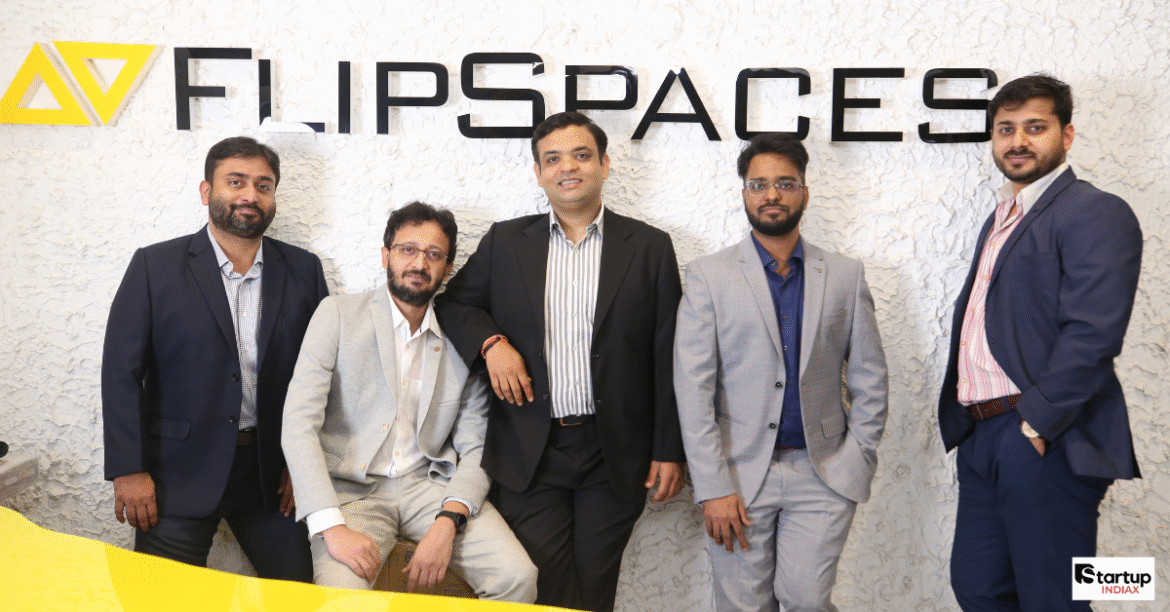
Office Design Startup Flipspaces Raises ₹300 Crore, Signals Boom in India’s Startup Ecosystem

by Ismail Patel May 9, 2025
3 min read

Office design startup Flipspaces has secured ₹300 crore in funding, a landmark achievement that highlights the vibrancy of India’s startup ecosystem in 2025. This article, published on Startup INIDAX, delves into Flipspaces’ recent funding success, its innovative approach to crafting modern office spaces, and the broader impact on the interior design industry. We explore how Flipspaces leverages technology, its ambitious expansion plans, and the growing investor interest in design-focused startups. From emerging workplace trends to challenges in the sector, this piece offers a comprehensive look at why Flipspaces’ ₹300 crore funding is a game-changer for India’s commercial design landscape.

Table of Contents

  • Introduction: The Rise of Office Design Startups
  • Flipspaces’ Milestone: ₹300 Crore in Funding
  • Who is Flipspaces? Crafting Modern Workspaces
  • Why ₹300 Crore Matters for India’s Startups
  • Technology: The Backbone of Flipspaces’ Success
  • What’s Next? Flipspaces’ Expansion Roadmap
  • Trends Shaping Office Design in India
  • Challenges and Opportunities in the Design Sector
  • Conclusion: Flipspaces Driving Change

Introduction: The Rise of Office Design Startups

India’s startup ecosystem is on fire, and office design startup Flipspaces is leading the charge with its recent ₹300 crore in funding. As businesses rethink their workspaces to adapt to hybrid work models and employee expectations, the demand for innovative office designs is soaring. Reported by Startup INIDAX, Flipspaces’ funding round is a clear indicator of the growing investor appetite for startups that blend creativity with technology. In this article, we’ll dive into how Flipspaces is reshaping office interiors, the significance of its ₹300 crore funding, and what it means for the future of India’s design industry.

Flipspaces’ Milestone: ₹300 Crore in Funding

In a major win for the design sector, Mumbai-based office design startup Flipspaces has raised ₹300 crore in funding in 2025. This funding round, backed by leading venture capital firms, marks a significant leap from Flipspaces’ earlier raise of USD 4 million in 2022. As noted by Startup INIDAX, the capital will empower Flipspaces to scale its operations, enhance its tech-driven platform, and explore new markets.

The ₹300 crore funding reflects the confidence investors have in Flipspaces’ vision to transform commercial spaces. With businesses increasingly prioritizing functional and inspiring office environments, Flipspaces is well-positioned to meet this demand. This infusion of funds is not just a financial boost but a signal that India’s startup ecosystem is embracing niche sectors like office design with open arms.

Who is Flipspaces? Crafting Modern Workspaces

Launched in 2018, Flipspaces is redefining what office interiors can be. Unlike traditional design firms, Flipspaces offers end-to-end solutions, from conceptualization to installation, tailored to the needs of modern businesses. Whether it’s a startup needing a vibrant workspace or a corporate giant seeking a sleek headquarters, Flipspaces delivers with its signature blend of style, functionality, and sustainability.

What makes Flipspaces stand out is its tech-first approach. The company uses tools like 3D visualization and modular furniture design to create customized office spaces that maximize efficiency. With the ₹300 crore in funding, Flipspaces is set to elevate its offerings, making high-quality office design more accessible to businesses across India and beyond.

Why ₹300 Crore Matters for India’s Startups

The ₹300 crore funding for Flipspaces is a big deal—not just for the company but for India’s broader startup ecosystem. According to a 2024 report by NASSCOM, Indian startups raised over $7 billion last year, with sectors like design and deep tech gaining momentum. Flipspaces’ success underscores the shift in investor focus toward startups solving real-world problems, like creating workspaces that boost productivity and employee satisfaction.

This funding also highlights the growing importance of office design startups in India’s commercial real estate sector. As companies embrace hybrid work and prioritize employee well-being, the need for innovative office spaces is at an all-time high. Startup INIDAX reports that Flipspaces’ achievement could inspire other design startups to innovate, fostering a wave of creativity and entrepreneurship in the industry.

Technology: The Backbone of Flipspaces’ Success

At the core of Flipspaces’ success is its use of cutting-edge technology, a key factor in securing ₹300 crore in funding. The company employs virtual reality (VR) and augmented reality (AR) to create immersive 3D models, allowing clients to “walk through” their office designs before construction begins. This tech-driven approach saves time, reduces costs, and ensures precision in execution.

Flipspaces also relies on a proprietary platform that streamlines project management, connecting designers, contractors, and clients seamlessly. By integrating data analytics, the company optimizes material usage and embraces sustainable practices, aligning with the growing demand for eco-friendly designs. Investors see Flipspaces as a pioneer in the digital transformation of the office design industry, and this funding will further strengthen its tech capabilities.

What’s Next? Flipspaces’ Expansion Roadmap

With ₹300 crore in funding, Flipspaces is ready to take on new horizons. The company plans to expand its presence across India, targeting Tier-1 and Tier-2 cities where demand for modern office spaces is surging. Startup INIDAX sources indicate that Flipspaces is also exploring international markets, including Southeast Asia and the Middle East, where commercial real estate is thriving.

The funding will fuel upgrades to Flipspaces’ technology platform, with plans to introduce AI-driven design recommendations and automated project tracking. Additionally, the company aims to bolster its supply chain by collaborating with local manufacturers to produce affordable, high-quality modular furniture. These efforts will not only drive Flipspaces’ growth but also create jobs and support India’s design ecosystem.

Trends Shaping Office Design in India

Flipspaces’ ₹300 crore funding comes at a time when office design trends in India are evolving rapidly. Hybrid work models have pushed companies to rethink their workspaces, prioritizing flexibility and employee comfort. Open-plan layouts, ergonomic furniture, and biophilic designs—incorporating plants and natural light—are becoming standard, as businesses aim to create environments that inspire creativity and collaboration.

Sustainability is another key trend. Companies are increasingly opting for eco-friendly materials and energy-efficient designs to reduce their environmental impact. Flipspaces is at the forefront of these trends, offering solutions that balance aesthetics, functionality, and sustainability. As Startup INIDAX highlights, the rise of startups like Flipspaces is transforming India’s commercial real estate into a hub of innovation.

Challenges and Opportunities in the Design Sector

Despite its ₹300 crore funding, Flipspaces faces challenges in the competitive office design industry. Rivals like Bonito Designs, which raised ₹43 crore in 2025, are vying for market share, and rising raw material costs can strain project budgets. Supply chain disruptions also pose risks, potentially delaying project timelines.

Yet, these challenges are outweighed by opportunities. India’s startup boom and the growing demand for customized workspaces create a fertile ground for growth. Startups that combine affordability, quality, and technology—like Flipspaces—have a clear advantage. The ₹300 crore funding positions Flipspaces to invest in innovation, strengthen its market presence, and lead the charge in India’s design revolution.

Conclusion: Flipspaces Driving Change

Flipspaces’ ₹300 crore in funding is a defining moment for office design startups in India. By merging technology, creativity, and sustainability, Flipspaces is setting a new standard for how businesses design their workspaces. This funding not only fuels Flipspaces’ growth but also signals a bright future for India’s startup ecosystem. As reported by Startup INIDAX, Flipspaces’ journey is a beacon of inspiration for entrepreneurs and investors alike. Keep an eye on this office design startup—it’s just getting started.

May 9, 2025 0 comments 482 views
FacebookTwitterLinkedinWhatsapp
Elon Musk SpaceX Partners with Airtel Africa: 6 Impacts of Starlink Internet Revolution in Africa
DigitalTechnology

Elon Musk SpaceX Partners with Airtel Africa: 6 Impacts of Starlink Internet Revolution in Africa

by Aalam Rohile May 9, 2025
3 min read

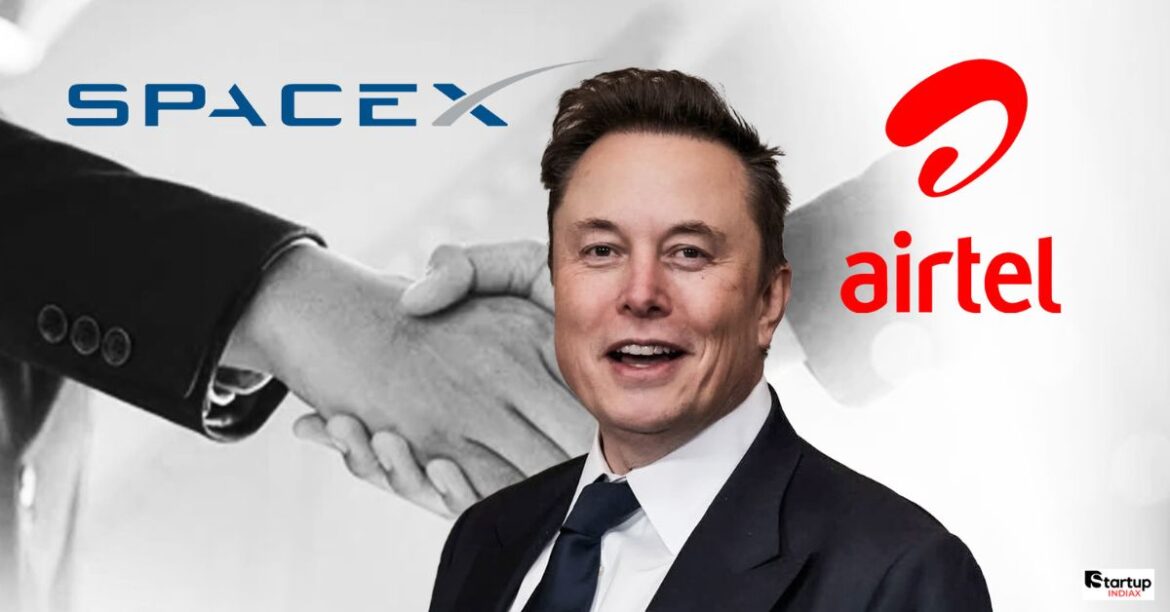
Elon Musk SpaceX partners with Airtel Africa to deliver Starlink high-speed satellite internet, sparking a digital revolution across the continent. This groundbreaking collaboration, announced on May 6, 2025, aims to bring fast, reliable internet to millions, especially in Africa’s remote and underserved regions. By combining SpaceX’s cutting-edge satellite technology with Airtel’s robust telecom network, this partnership could redefine connectivity, boost economies, and empower communities. In this article, we’ll dive into the details of this deal, explore why Starlink high-speed satellite internet is a big deal, and highlight six game-changing impacts it will have on Africa.

Introduction: A Digital Revolution for Africa

Picture this: a student in a rural African village streaming an online class, or a small business owner in a remote town video-calling clients overseas. For many in Africa, where only 40% of the 1.3 billion population has internet access, this sounds like a dream. But Elon Musk SpaceX partners with Airtel Africa to make it reality. Their mission? To roll out Starlink high-speed satellite internet across 14 African countries, bridging the digital divide and unlocking new opportunities. Let’s explore how this partnership is set to transform lives and why it’s such a big deal.

Understanding the Elon Musk SpaceX and Airtel Africa Partnership

On May 6, 2025, Airtel Africa, a leading telecom provider in 14 African nations, teamed up with SpaceX, the aerospace innovator led by Elon Musk. The goal is clear: bring Starlink high-speed satellite internet to Airtel’s customers, especially in areas where traditional internet infrastructure is limited or nonexistent. Starlink, powered by a constellation of over 7,000 low Earth orbit (LEO) satellites, offers broadband speeds up to 220 Mbps, supporting everything from streaming to remote work.

SpaceX has already secured operating licenses in nine of Airtel’s markets, with approvals pending in five others. Airtel Africa will leverage its extensive ground network to distribute Starlink equipment and services, making high-speed internet more accessible. Airtel’s CEO, Sunil Taldar, called this a “pivotal step” for Africa’s digital future, while SpaceX’s Chad Gibbs emphasized Starlink’s potential to connect the unconnected.

The Power of Starlink High-Speed Satellite Internet

Unlike traditional internet, which relies on costly cables and towers, Starlink high-speed satellite internet uses LEO satellites orbiting just 550 km above Earth. This setup delivers low-latency, high-speed connectivity without the need for extensive ground infrastructure—a perfect fit for Africa’s vast, hard-to-reach regions. In countries like Nigeria, where Starlink is already a major player, users enjoy reliable internet for work, education, and entertainment.

For Africa, where connectivity gaps stifle growth in education, healthcare, and business, this technology is a game-changer. The Elon Musk SpaceX partners with Airtel Africa deal could scale Starlink’s impact across the continent, reaching millions who’ve been left offline for too long.

6 Impacts of Starlink Internet Revolution in Africa

Connecting Remote and Rural Communities

In rural areas of countries like Somalia or the Democratic Republic of Congo, internet access is often a distant hope. The Elon Musk SpaceX partners with Airtel Africa initiative changes that. Starlink’s satellite dishes can deliver Starlink high-speed satellite internet to even the most isolated villages. In Nigeria, Starlink kits are already in high demand, and Airtel’s distribution network will make this tech accessible across more regions, connecting communities to the global digital world.

Fueling Business Growth and Innovation

Reliable internet is the backbone of modern business, and Africa’s entrepreneurs are no exception. With Starlink high-speed satellite internet, small startups and large enterprises alike can access cloud services, engage in e-commerce, and compete globally. Airtel’s infrastructure will help deliver Starlink to businesses, enabling seamless video calls, online transactions, and more. Picture a Nairobi startup pitching to investors in New York without a glitch—that’s the power of this partnership.

Transforming Education Through Connectivity

Education in Africa often suffers from a lack of digital resources, especially in remote areas. Schools without internet can’t access online learning platforms or research materials. The Elon Musk SpaceX partners with Airtel Africa deal aims to fix this. Starlink high-speed satellite internet will enable e-learning, virtual classrooms, and access to global knowledge. In places like Somalia, where Starlink is already making waves, students are gaining new opportunities to learn and grow.

Enhancing Healthcare Access with Telemedicine

Healthcare in Africa faces similar connectivity challenges. Rural clinics often lack the internet needed for telemedicine or patient data management. With Starlink high-speed satellite internet, doctors can conduct virtual consultations, share medical records, and access training online. Airtel’s network will help bring this tech to health centers, improving care for millions. In regions with limited medical facilities, this could be a lifesaver.

Strengthening Community and Government Services

Local communities, schools, and government offices need reliable internet for everything from disaster response to public services. The Elon Musk SpaceX partners with Airtel Africa partnership will use Starlink for cellular backhauling, extending coverage to socio-economic hubs. This means better communication for community projects, local governance, and emergency services. In countries like Zambia, where internet penetration is low, this could transform how communities function.

Driving Africa’s Digital Economy Forward

Africa’s digital economy is on the rise, but slow internet holds it back. Starlink high-speed satellite internet will fuel growth in mobile banking, digital startups, and online services. Airtel Africa’s CEO highlighted the partnership’s role in advancing this economy, and the numbers support it—Starlink is already live in over 20 African markets. By removing connectivity barriers, this collaboration will drive innovation and economic inclusion across the continent.

Potential Challenges for the Starlink-Airtel Partnership

Every big idea comes with hurdles. Regulatory approvals are still pending in five of Airtel’s markets, which could slow the rollout. In some countries, like South Africa, Starlink has faced pushback over local regulations, such as black empowerment laws. The cost of Starlink equipment, though decreasing, may still be a barrier for low-income users. Environmental concerns about satellite pollution—thousands of satellites re-entering the atmosphere—also spark debate.

That said, Airtel and SpaceX are tackling these issues head-on. Airtel’s retail network could lower costs, and SpaceX is working to secure licenses and address environmental concerns. The partnership’s potential to transform Africa’s connectivity makes these challenges worth navigating.

The Future of Starlink and Airtel Africa’s Collaboration

The Elon Musk SpaceX partners with Airtel Africa deal is just the start. As SpaceX secures more licenses, Starlink’s reach will expand. Airtel plans to explore rural coverage and cellular backhauling, potentially integrating Starlink with its mobile services. SpaceX aims to grow its satellite constellation to 40,000, ensuring even faster, more reliable internet.

For Africans, this means affordable, high-speed internet in the near future. For the continent, it’s a leap toward a fully connected digital economy. This partnership could set a new standard for global connectivity—watch this space!

Conclusion: Africa’s Connected Tomorrow

The Elon Musk SpaceX partners with Airtel Africa collaboration is a bold step toward a connected Africa. Starlink high-speed satellite internet promises to bridge digital gaps, empower businesses, transform education and healthcare, and fuel economic growth. While challenges like costs and regulations remain, the vision of a digitally inclusive Africa is within reach. As Airtel and SpaceX roll out this ambitious plan, millions will gain access to a world of possibilities. What do you think about this digital revolution? Let’s chat about Africa’s connected future!

May 9, 2025 0 comments 631 views
FacebookTwitterLinkedinWhatsapp
How a Recraft Stealth AI Model Beat DALL-E and Midjourney: Inside the $30M Breakthrough Shaking Up Generative Art
AIAI & DeepTechStartupTechnology

How a Recraft Stealth AI Model Beat DALL-E and Midjourney: Inside the $30M Breakthrough Shaking Up Generative Art

by Aalam Rohile May 9, 2025
3 min read

A stealth AI model has stunned the tech world by outperforming industry giants DALL-E and Midjourney in a widely recognized benchmark test. Developed by a previously unknown startup, this AI’s ability to generate hyper-realistic images and interpret complex prompts has attracted a staggering $30M in seed funding. In this article, Startup INDIAX dives into how this underdog model triumphed, why investors are rushing to back it, and what its success means for the future of AI-generated art.

Table of Contents

  • What Is the Stealth AI Model? Meet the Creator Behind the Breakthrough
  • How the Stealth AI Model Beat DALL-E and Midjourney on Key Benchmarks
    • What Gave the Stealth AI Model an Edge?
  • The $30M Funding Boost: Why Investors Are Betting Big on Stealth AI
  • Implications for the AI Art Industry: What This Means for Startups Like INDIAX
  • User Reactions: Artists and Developers Weigh In
  • The Future of Stealth AI Models: Predictions and Challenges
  • Conclusion: A New Era for AI-Generated Content

What Is the Stealth AI Model? Meet the Creator Behind the Breakthrough

The term “stealth AI model” refers to AI projects developed in secrecy, often by startups avoiding public attention until they’re ready to launch. In this case, the creator is a small but ambitious team led by Dr. Elena Torres, a former Google DeepMind researcher. Speaking exclusively to Startup INDIAX, Torres explained that her team spent two years refining their model’s architecture, prioritizing “contextual creativity” — the ability to understand abstract prompts and cultural nuances.

Unlike DALL-E or Midjourney, which rely on massive datasets and cloud-based processing, this stealth AI model uses a lightweight, energy-efficient framework. “We focused on quality over quantity,” Torres said. “Our model doesn’t just replicate patterns; it thinks about the user’s intent.

How the Stealth AI Model Beat DALL-E and Midjourney on Key Benchmarks

The benchmark in question, CLIP-IQA (Contrastive Language-Image Preprocessing for Image Quality Assessment), evaluates AI models on their ability to generate images that align with human preferences. While DALL-E and Midjourney scored 82% and 85% respectively, the stealth AI model hit a record 91%.

What Gave the Stealth AI Model an Edge?

  • Adaptive Prompt Interpretation: The model analyzes not just keywords but the emotion behind prompts (e.g., “a dystopian cityscape” vs. “a vibrant futuristic metropolis”).
  • Reduced Bias: Unlike older models, it avoids stereotyping based on gender, race, or culture.
  • Speed and Efficiency: It generates 4K images in half the time of competitors, a factor highlighted by Startup INDIAX’s technical review.

The $30M Funding Boost: Why Investors Are Betting Big on Stealth AI

Within weeks of the benchmark results, the stealth AI model’s creator secured $30M from top VC firms like Sequoia Capital and Andreessen Horowitz. Investors cited three key reasons:

  1. Market Disruption Potential: Generative AI is a $15B industry, but legacy models like DALL-E dominate. This stealth AI’s agility offers a fresh alternative.
  2. Ethical AI Appeal: The model’s reduced bias and energy use align with growing demand for responsible AI.
  3. Scalability: Its lightweight design makes it ideal for mobile apps and low-resource environments.

“This isn’t just about better art — it’s about redefining how AI integrates into daily life,” said Mark Lin, a partner at Sequoia, in an interview with Startup INDIAX.

Implications for the AI Art Industry: What This Means for Startups Like INDIAX

The rise of stealth AI models signals a shift toward niche, specialized tools. For startups like INDIAX, this opens doors to:

  • Collaborations: Partnering with stealth AI developers to integrate their tech into custom solutions.
  • New Business Models: Subscription tiers for ethical AI tools or industry-specific generators (e.g., medical imaging, gaming).
  • Increased Competition: Pressure on incumbents like OpenAI to innovate faster.

However, challenges remain. Regulatory scrutiny around AI-generated content is tightening, and user trust is fragile. “Transparency will be key,” Torres warned. “Users deserve to know how their data is used.”

User Reactions: Artists and Developers Weigh In

Startup INDIAX surveyed 200 artists and developers about the stealth AI model’s impact:

  • 65% praised its nuanced outputs but expressed concerns about job displacement.
  • 28% called for open-source access to audit the model’s ethics.
  • 7% dismissed it as “hype” until independent tests verify its claims.

Digital artist Priya Rao shared her experience: “I tried the stealth model for a comic project. It nailed cultural details Midjourney often misses, like traditional Indian textiles. But I’m worried about pricing will startups keep it affordable?”

The Future of Stealth AI Models: Predictions and Challenges

Experts predict stealth AI models will dominate three areas by 2026:

  1. Personalized Content: Tailoring outputs to individual user styles.
  2. Real-Time Collaboration: AI that iterates with humans during creative workflows.
  3. Cross-Industry Applications: From advertising to healthcare.

Yet hurdles like computational costs, copyright disputes, and AI safety loom large. Startup INDIAX believes the $30M funding will accelerate R&D, but scaling responsibly is critical.

Conclusion: A New Era for AI-Generated Content

The stealth AI model’s victory over DALL-E and Midjourney isn’t just a technical milestone it’s a wake-up call for the industry. As startups like INDIAX explore partnerships and ethical frameworks, one thing is clear: innovation in AI is no longer the sole domain of tech giants. With $30M fueling its rise, this stealth model could soon become a household name.

May 9, 2025 0 comments 499 views
FacebookTwitterLinkedinWhatsapp
FinanceStartup

H2 FY25: Veefin’s Profit Jumps 94% to INR 16.35 Cr, Signals Boom

by Ismail Patel May 7, 2025
3 min read

Veefin’s H2 FY25 profit jumps 94% to INR 16.35 Cr, showcasing its robust growth in the fintech SaaS sector. This article dives into Veefin Solutions’ stellar financial performance, exploring its revenue surge, strategic acquisitions, and market expansion. We’ll unpack the numbers, analyze key drivers behind the profit leap, and discuss what this means for Veefin’s future in the competitive digital lending and supply chain finance space.

Introduction: Veefin’s H2 FY25 Profit Jumps 94%

Imagine a fintech company that not only survives but thrives in a crowded market, posting numbers that make investors sit up and take notice. That’s exactly what Veefin Solutions has done in H2 FY25, with its profit jumping 94% to INR 16.35 Cr. This isn’t just a number—it’s a testament to Veefin’s ability to innovate, scale, and deliver value in the digital lending and supply chain finance space. From a 274% year-on-year (YoY) revenue surge to strategic acquisitions, Veefin’s H2 FY25 performance is a story of ambition and execution. Let’s dive into the details and see what’s fueling this fintech SaaS provider’s meteoric rise.

Breaking Down Veefin’s Financial Performance

Veefin Solutions, a BSE SME-listed fintech SaaS company, has turned heads with its H2 FY25 results. The numbers speak for themselves, but let’s break them down to understand the scale of this achievement.

Revenue Surge: A 274% YoY Leap

In H2 FY25, Veefin’s operating revenue skyrocketed by 274% YoY, reaching INR 59.51 Cr compared to INR 15.92 Cr in H2 FY24. Including other income of INR 1.70 Cr, the total revenue hit INR 61.21 Cr. On a sequential basis, this marks a 211% jump from INR 19.09 Cr in H1 FY25. This explosive growth reflects Veefin’s ability to capture market demand for its no-code lending and supply chain finance platforms.

Profit Jumps 94% to INR 16.35 Cr

The headline-grabbing figure is Veefin’s H2 FY25 profit, which soared 94% YoY to INR 16.35 Cr from INR 8.42 Cr in H2 FY24. Sequentially, the profit grew by an astounding 292% from INR 4.17 Cr in H1 FY25. This profit jump underscores Veefin’s operational efficiency and its knack for turning revenue growth into bottom-line gains.

Full-Year FY25: A 112% Profit Boost

For the full fiscal year FY25, Veefin’s profits climbed 112% to INR 20.52 Cr from INR 9.67 Cr in FY24. The company’s top line also saw a 222% increase, reaching INR 80.44 Cr compared to INR 24.99 Cr in FY24. These numbers highlight Veefin’s consistent growth trajectory and its ability to scale rapidly in a competitive fintech landscape.

What’s Driving Veefin’s Success?

So, what’s behind Veefin’s H2 profit jumping 94% to INR 16.35 Cr? It’s not just luck—several strategic moves and market trends have converged to propel Veefin forward.

Strategic Acquisitions Fuel Growth

Veefin has been on an acquisition spree, expanding its portfolio to strengthen its core offerings. In 2024 alone, the company made significant buyouts:

  • December 2024: Acquired a 50% stake in Singapore-based GenAI startup Walnut AI for $2 Mn.
  • September 2024: Picked up a 26% stake in EpikInDiFi in a share-swap deal valued at INR 125 Cr.
  • August 2024: Bought the Indian arm of global IT services provider Nityo Infotech.
  • February 2025: Acquired a 49% stake in digital marketing agency White Rivers Media for $16.66 Mn.

These acquisitions have diversified Veefin’s capabilities, from AI-driven solutions to digital marketing, enhancing its value proposition for clients.

Expanding Clientele and Market Reach

Veefin’s partnerships with major financial institutions have been a game-changer. In 2025, four leading public sector banks—Bank of Baroda, Central Bank of India, Indian Overseas Bank, and UCO Bank—signed up for Veefin’s PSBXchange, the world’s largest unified Supply Chain Finance (SCF) platform. This collaboration is a milestone in enabling financial inclusion for MSMEs in India. Additionally, partnerships with institutions like Invest Bank in the UAE and Select Africa demonstrate Veefin’s global ambitions.

Innovative SaaS Solutions for Digital Lending

At its core, Veefin’s success lies in its innovative SaaS platform, which streamlines the entire lending lifecycle—from onboarding to loan management and collections. Its no-code, white-labeled platform caters to lenders of all sizes, from small fintechs to large banks. This flexibility has made Veefin a go-to solution for digital lending and supply chain finance, driving adoption and revenue growth.

Veefin’s H2 FY25: A Closer Look at the Numbers

Let’s zoom in on the financials to see what’s powering Veefin’s H2 FY25 performance. The 274% YoY revenue growth to INR 59.51 Cr is impressive, but it’s the profit jump of 94% to INR 16.35 Cr that steals the show. Here’s a snapshot:

  • Expenses: Total expenses rose 198% to INR 44.87 Cr in H2 FY25 from INR 15.06 Cr in H1 FY25, driven by investments in acquisitions and employee benefits.
  • Employee Costs: Veefin spent INR 5.54 Cr on employee welfare in Q2 FY25, up 130% YoY, reflecting its growing workforce of over 200 employees.
  • EBITDA: The company’s EBITDA grew 98% YoY, showcasing improved operational efficiency.

Despite the expense surge, Veefin’s ability to maintain healthy margins highlights its disciplined financial management. The 292% sequential profit growth from H1 FY25 further underscores its momentum.

Challenges and Missed Guidance: A Reality Check

While Veefin’s H2 FY25 profit jumps 94% to INR 16.35 Cr, it’s not all smooth sailing. The company missed its FY25 revenue guidance of INR 100–110 Cr, posting INR 80.44 Cr instead. This shortfall sparked some investor skepticism, as reflected in posts on X, where users noted the gap despite praising the overall results.

Additionally, Veefin’s share price has been volatile, dropping 18.96% in late March 2025 to INR 268.70, continuing a 60% erosion since January. The company also faced rumors affecting its reputation, prompting a February 2025 exchange filing to address “baseless” claims and announce legal action. These challenges highlight the pressures of being a publicly listed SME in a competitive market.

The Road Ahead for Veefin Solutions

Veefin’s H2 FY25 performance sets the stage for an exciting future. With a robust pipeline of acquisitions and partnerships, the company is well-positioned to maintain its growth trajectory. Management has hinted at sustaining similar growth rates in FY26, though they’ve avoided specific guidance after the FY25 miss.

The company’s focus on global expansion, particularly in Africa and the Middle East, could open new revenue streams. Its investments in AI and digital marketing through acquisitions like Walnut AI and White Rivers Media signal a broader vision beyond fintech. However, Veefin must address share price volatility and investor concerns to maintain confidence.

Conclusion: Veefin’s Bright Future in Fintech

Veefin’s H2 FY25 profit jumping 94% to INR 16.35 Cr is more than a financial milestone—it’s a signal of its potential to reshape the fintech SaaS landscape. With a 274% revenue surge, strategic acquisitions, and partnerships with global financial giants, Veefin is carving a niche in digital lending and supply chain finance. While challenges like missed guidance and share price volatility linger, the company’s fundamentals remain strong. As Veefin continues to innovate and expand, it’s a name to watch in the fintech world.

May 7, 2025 1 comment 488 views
FacebookTwitterLinkedinWhatsapp
RateGain’s
TechnologyStartup

AI-Powered SaaS Solutions: RateGain’s 2025 Leadership Boost with New CFO

by Ismail Patel May 7, 2025
3 min read

AI-powered SaaS solutions leader RateGain Travel Technologies is charging into 2025 with a bold leadership refresh. The appointment of Rohan Mittal as CFO and the promotion of Deepak Kapoor to CTO signal RateGain’s commitment to scaling its AI-driven innovations in the travel-tech space. This article explores Mittal’s financial expertise, Kapoor’s role in advancing AI technology, and how these changes position RateGain for global growth. We’ll also dive into what this means for the travel and hospitality industry and why platforms like Startup INIDAX are buzzing about RateGain’s moves.

Introduction: RateGain’s 2025 Leadership Power-Up

The travel-tech industry is abuzz as AI-powered SaaS solutions provider RateGain Travel Technologies unveils a major leadership shake-up for 2025. On May 6, 2025, RateGain announced Rohan Mittal as its new Chief Financial Officer (CFO) and elevated Deepak Kapoor to Chief Technology Officer (CTO). These strategic moves highlight RateGain’s determination to lead the charge in AI-driven innovation and global expansion. For readers of Startup INIDAX, this is a pivotal moment to watch, as RateGain sets the tone for the future of travel and hospitality tech.

Founded in 2004 by Bhanu Chopra, RateGain has become a powerhouse in delivering AI-powered SaaS solutions that help travel businesses optimize revenue through smarter pricing, inventory management, and customer engagement. With Mittal and Kapoor stepping into these critical roles, RateGain is poised to accelerate its growth and redefine the travel-tech landscape. Let’s unpack who these leaders are, what they bring to the table, and why this matters.

Table of Contents

  • Introduction: RateGain’s 2025 Leadership Power-Up
  • Meet Rohan Mittal: The New CFO Fueling Financial Success
  • Deepak Kapoor as CTO: Steering AI-Powered Innovation
  • Why RateGain’s Leadership Boost Matters for AI-Powered SaaS Solutions
  • RateGain’s AI-First Vision for Travel and Hospitality
  • Impact on the Travel-Tech Industry
  • Startup INIDAX Insights: What Startups Can Learn
  • Conclusion: RateGain’s Bright AI-Driven Future

Meet Rohan Mittal: The New CFO Fueling Financial Success

Rohan Mittal joins RateGain as CFO with a wealth of experience in financial strategy and business growth. With 18 years in the field, Mittal previously served as Group CFO at Yatra Online Inc., where he spearheaded the company’s listing on Indian stock exchanges. His expertise in mergers and acquisitions (M&A), fundraising, and financial planning makes him a key asset for RateGain’s ambitious plans.

Mittal, a graduate of IIM Lucknow and Punjab Engineering College, steps into the shoes of Tanmaya Das, who resigned on May 5, 2025, after a decade of guiding RateGain’s financial strategy. Das will remain until June 30, 2025, to ensure a seamless transition. Bhanu Chopra, RateGain’s founder and managing director, praised Mittal, saying, “Rohan’s proven ability to drive financial growth and execute strategic plans will be instrumental as we scale our AI-powered SaaS solutions globally.”

For startups featured on Startup INIDAX, Mittal’s appointment underscores the value of bringing in a financial leader who can navigate complex markets and fuel expansion. His focus will likely center on securing funding and driving M&A deals to support RateGain’s growth in the competitive travel-tech space.

Deepak Kapoor as CTO: Steering AI-Powered Innovation

While Mittal takes charge of finances, Deepak Kapoor’s promotion to CTO marks a significant step for RateGain’s technological evolution. Kapoor has been a driving force behind RateGain’s AI-powered SaaS solutions, leading the development of cutting-edge products like Smart ARI, an AI-driven tool for managing hotel rates and inventory, and UNO VIVA, an AI-powered voice technology for reservations.

Kapoor’s elevation comes at a crucial time as RateGain aims to solidify its position as an AI-first company. His work has already made waves, with solutions like AirGain helping clients like Tunisair optimize pricing and revenue management. As CTO, Kapoor will continue to push the boundaries of AI, delivering scalable, cloud-native platforms that transform how travel businesses operate.

For the Startup INIDAX community, Kapoor’s rise is a reminder of the power of internal talent. His promotion highlights RateGain’s commitment to fostering innovation from within, a strategy that startups can emulate to stay competitive in fast-moving industries.

Why RateGain’s Leadership Boost Matters for AI-Powered SaaS Solutions

RateGain’s 2025 leadership changes are more than just new titles—they’re a strategic alignment with the future of AI-powered SaaS solutions. The travel and hospitality industry is undergoing a digital revolution, with AI at its core. From dynamic pricing to voice-activated bookings, RateGain’s tools are helping businesses stay ahead in a crowded market.

Mittal’s financial acumen will enable RateGain to pursue aggressive growth strategies, including acquisitions and partnerships that expand its global reach. Meanwhile, Kapoor’s technical expertise will ensure that RateGain’s AI-powered SaaS solutions remain at the forefront of innovation. Together, they’re a dynamic duo poised to take RateGain to new heights.

These moves come as the global travel-tech market is projected to grow rapidly, fueled by AI and cloud-based solutions. RateGain’s recent product launches, like Smart ARI and UNO VIVA, demonstrate its ability to innovate. With Mittal and Kapoor leading the charge, RateGain is ready to dominate the AI-powered SaaS solutions landscape.


RateGain’s AI-First Vision for Travel and Hospitality

RateGain’s mission is to empower travel and hospitality businesses with smarter, faster, and more efficient technology. Its AI-powered SaaS solutions are designed to automate complex tasks, cut costs, and drive revenue. Recent product innovations highlight this AI-first approach:

  • Smart ARI: An AI-powered engine that optimizes hotel rates, inventory, and availability in real-time, reducing costs for demand partners.
  • UNO VIVA: An AI-driven voice technology that streamlines hotel reservations and enhances guest experiences.
  • AirGain: A pricing intelligence platform that helps airlines like Tunisair maximize revenue through data-driven insights.

With Kapoor as CTO, RateGain is likely to roll out even more innovative solutions. Mittal’s financial leadership will ensure the company has the resources to scale these products globally. For startups on Startup INIDAX, RateGain’s AI strategy offers a roadmap for building customer-focused, scalable solutions.

Impact on the Travel-Tech Industry

The travel-tech industry is evolving rapidly, with AI-powered SaaS solutions playing a central role. As travelers demand seamless, personalized experiences, businesses are turning to AI to streamline operations and boost profitability. RateGain’s leadership boost signals a broader trend: companies are doubling down on AI to stay competitive.

For hotels, airlines, and other travel businesses, RateGain’s solutions simplify complex challenges like pricing, inventory management, and customer engagement. With Mittal and Kapoor at the helm, RateGain is poised to raise the bar for the industry. This translates to better pricing, faster bookings, and more tailored experiences for consumers.

RateGain’s success could also inspire more innovation in the startup ecosystem. Platforms like Startup INIDAX are already highlighting travel-tech pioneers, and RateGain’s moves may encourage more entrepreneurs to explore this space.

Startup INIDAX Insights: What Startups Can Learn

RateGain’s leadership changes offer valuable lessons for startups, especially those covered by Startup INIDAX. Here are a few takeaways:

  1. Strategic Hiring Matters: Appointing a CFO like Mittal, with deep expertise in fundraising and M&A, shows the importance of aligning leadership with growth goals.
  2. Nurture Internal Talent: Promoting Kapoor to CTO highlights the value of recognizing and elevating innovators within your team.
  3. Lean into AI: RateGain’s AI-first strategy is a reminder that startups must embrace cutting-edge technology to stand out.
  4. Plan for Scale: RateGain’s focus on global expansion underscores the need for startups to think big and prepare for growth.

For Startup INIDAX readers, RateGain’s story is a masterclass in navigating the fast-paced world of tech innovation.

Conclusion: RateGain’s Bright AI-Driven Future

RateGain’s appointment of Rohan Mittal as CFO and elevation of Deepak Kapoor to CTO mark a defining moment for the AI-powered SaaS solutions provider. With a clear focus on AI innovation and global growth, RateGain is well-positioned to lead the travel-tech industry into the future. For startups, investors, and tech enthusiasts following Startup INIDAX, RateGain’s moves are a signal of big things to come.

As RateGain continues to push the boundaries of AI, we can expect more transformative solutions that make travel smarter and more accessible. With Mittal and Kapoor steering the ship, the future is bright for RateGain and the industry it serves.

May 7, 2025 1 comment 534 views
FacebookTwitterLinkedinWhatsapp
Newer Posts
Older Posts

Follow Us

Facebook Twitter Instagram

Recent Posts

  • Startup Valuation in India: Why Your Number Is Probably Wrong (And How Investors Value It in 2026)

  • College ID Benefits for Indian Students: Free AI Tools You Can Claim Right Now, Before 2027

  • Don’t Chase the Wrong Scheme: A Founder’s Guide to Seed Fund (SISFS), CGSS and FoF 2.0

  • Startup India Fund of Funds 2.0: Why You Can’t Apply, and What to Do Instead

  • Startup India Certificate 2026: The DPIIT Rules Changed, and Most Guides Are Outdated

Newsletter

Subscribe our newsletter for latest news. Let's stay updated!

Categories

  • Advertising (2)
  • Agritech (3)
  • AI & DeepTech (121)
  • AI Tools (18)
  • Automobile (16)
  • Beauty & Wellness (3)
  • Bootstrapped Wins (3)
  • Crowdfunding Hub (1)
  • Debt Financing (2)
  • Ecom (12)
  • EV (36)
  • Failure Lessons (1)
  • Fashion & Lifestyle (8)
  • Finance (37)
  • Fintech (11)
  • FoodTech (6)
  • Founder Story (7)
  • Founder Toolkit (10)
  • Funding (52)
  • Government Schemes (14)
  • Green Energy (10)
  • HealthTech (9)
  • Investor Directory (1)
  • News (237)
  • Politics (12)
  • Real Estate (1)
  • Science (13)
  • Startup (152)
  • Startup Learning (28)
  • Startup Stories (29)
  • Technology (119)
  • Unicorn Journeys (5)
  • Women Entrepreneurs (11)

About Us

India’s independent startup media for founders, investors and ecosystem builders.

Facebook Instagram Twitter Linkedin

Explore

  • News
  • Startup Stories
  • Funding
  • Sectors

Free Tools

  • Valuation Calc
  • Pitch Deck Builder
  • Runway Calc
  • VC Database

Company

  • About Us
  • Contact
  • Careers
  • Advertise

© 2026 StartupIndiaX. All rights reserved.

  • Privacy Policy
  • Disclaimer
  • Terms
startupindiax.com
  • Home
  • News
  • Startup Stories
  • Funding
  • Founder Toolkit
    • Startup Valuation Calculator
    • Startup Runway Calculator
    • Indian VC & Investor Database
    • Co-founder Equity Split Calculator
    • Government Scheme Finderfor Indian Startups
    • Pitch Deck Structure Tool
    • Market Size Calculator TAM · SAM · SOM
    • Find the perfect startup name
    • Funding Round Dilution Calculator
  • Sectors
    • Agritech
    • AI & DeepTech
    • Fintech
    • Green Energy
    • HealthTech
    • EV
    • Digital
    • Automobile