SUMMARY
- YourStory’s The Bharat Project launched ShuruKar in Patna on 10 October, developed with DPIIT and Startup India as a district-level entrepreneurship movement.
- Participants move through four stages: find a local problem, shape the idea with an AI Copilot, build with mentors, then tap district markets and networks.
- Registration details and enterprise targets aren’t settled in public reports yet, so founders outside metros should watch YourStory and The Bharat Project for updates.
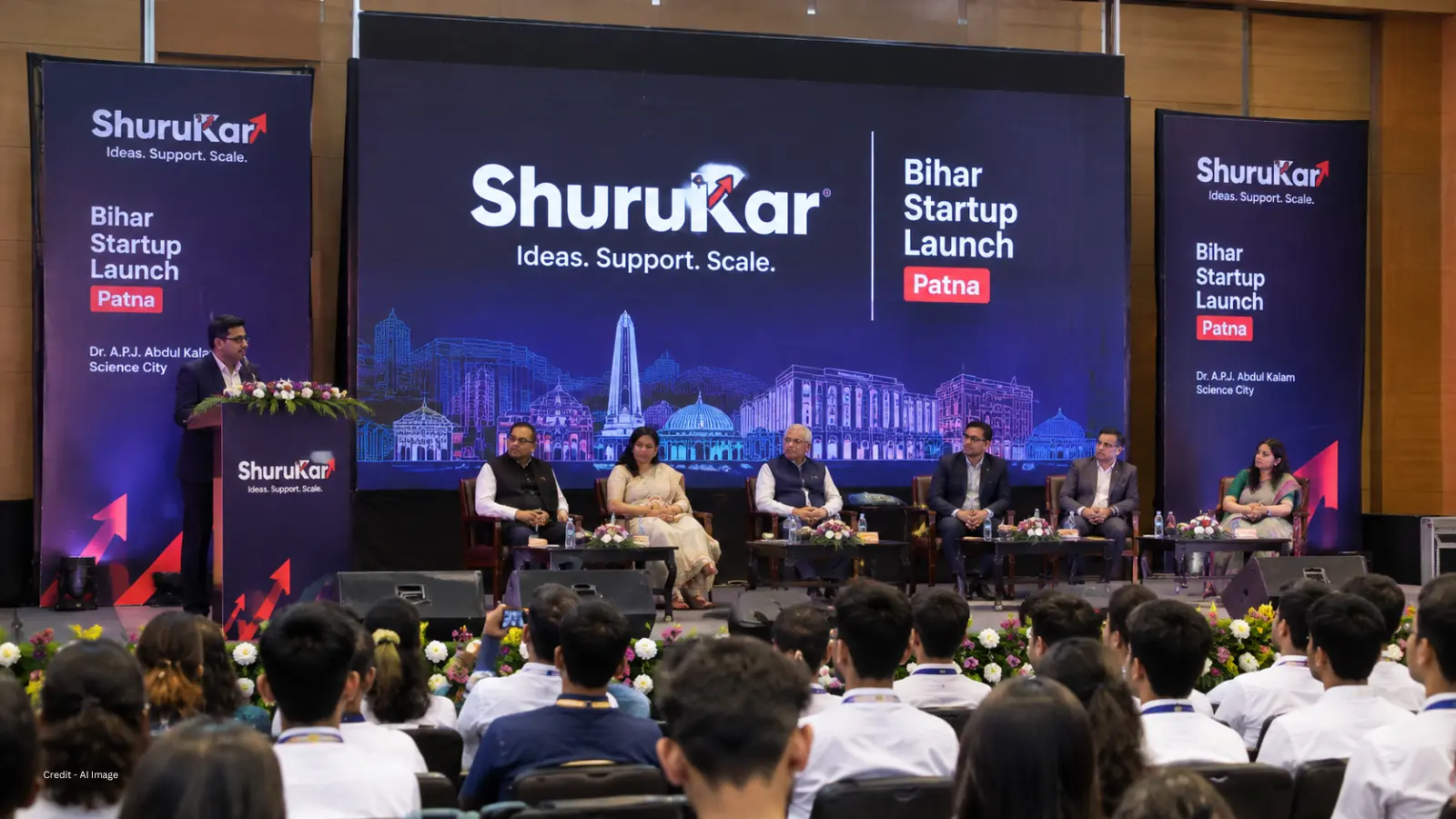
You don’t need a big city to build a big business. That was the pitch from Patna on Saturday, 10 October, when YourStory’s The Bharat Project launched ShuruKar at Dr. APJ Abdul Kalam Science City in Rajinder Nagar.
Developed with DPIIT and Startup India, ShuruKar is billed as the first nationwide district-level movement of its kind. The aim sounds simple: help a young person spot a real problem in their own district, build a business around it, and keep it growing.
Nitish Mishra, Bihar’s Minister for Urban Development and Housing, attended along with founders, students and young entrepreneurs from across the state. He said Bihar’s image is lagging behind what’s changing on the ground, and urged young people to make use of the government’s support for new businesses.
So what is ShuruKar, who is it for, and how does it work? Here’s what we could confirm.
From telling founders’ stories to helping create founders
ShuruKar is a district-level platform that turns local problems into local enterprises. The name echoes the movement’s slogan, Hokar Nidar, ShuruKar, roughly “be fearless, and start.” The launch closed on that line, with a simple message: don’t just look for a job, learn how to create one.
For YourStory founder and CEO Shradha Sharma, it marks a shift from documenting entrepreneurs to helping create them. Her diagnosis of the gap: “Talent is everywhere in India. Ambition is everywhere. Access is not.”
Sharma told the audience that the next generation of founders will come as much from Patna, Gaya, Darbhanga and Muzaffarpur as from the metros.
The four-stage model
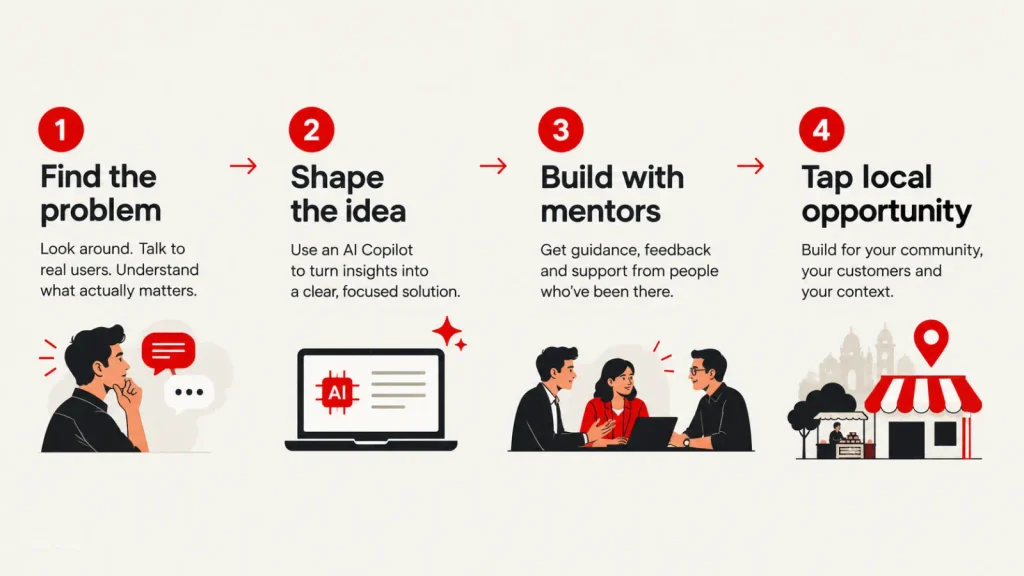
Every participant moves through four stages:
- Find the problem. Start with a real problem in your own district.
- Shape the idea. An AI Copilot helps refine the idea and plan the next step.
- Build with mentors. Experienced founders offer handholding until the first customer is won.
- Tap local opportunity. The platform opens up district-level markets, networks and partners.
One design choice stands out. ShuruKar is built to work through existing government structures. It doesn’t create a new scheme, and it isn’t seeking funding from the government.
The launch also announced the ShuruKar Challenge, which invites solutions to some of the country’s most pressing problems. Details on format, eligibility and prizes weren’t available in the launch coverage at the time of writing.
Read More: Government Schemes for Startups in India 2026: The Guide That Tells You What Not to Apply For
What happened on the day
The programme opened with addresses from the dignitaries and the formal launch. Keynotes followed from Amar Dixit, CEO of WOI India, and Johnson Tellis, co-founder and CEO of InUnity. Founders then shared their journeys and took questions from young people in the audience.
Who can actually join?
The launch coverage frames ShuruKar as aimed at young Indians and aspiring entrepreneurs, with district-level problems as the starting point. What it doesn’t give is a sign-up link, eligibility rules or a fee structure.
In a pre-launch post on X, Sharma described a movement that would run workshops, open conversations and practical help when registration, legal questions or compliance feel unfamiliar. She also said she wants someone building in a small town to feel they have people to turn to.
Until the organisers publish a registration page, the safest move is to follow YourStory and The Bharat Project for updates.
Read More: Pre-Money vs Post-Money Valuation: Why the Same ₹10 Crore Costs You Different Equity
Where the numbers don’t match
Targets are where reports diverge. One version of YourStory’s launch coverage put the goal at 10 lakh ideas and 1 lakh enterprises in 18 months. A Hindi report from Deshaj Times also cited 10 lakh ideas in 18 months, but said 5,000 startups would get financial support. The current version of YourStory’s piece doesn’t repeat either enterprise figure.
Until the organisers publish an official number, the 10 lakh ideas goal is the one both accounts share. Treat the rest as unconfirmed.
Why it matters for founders outside the metros
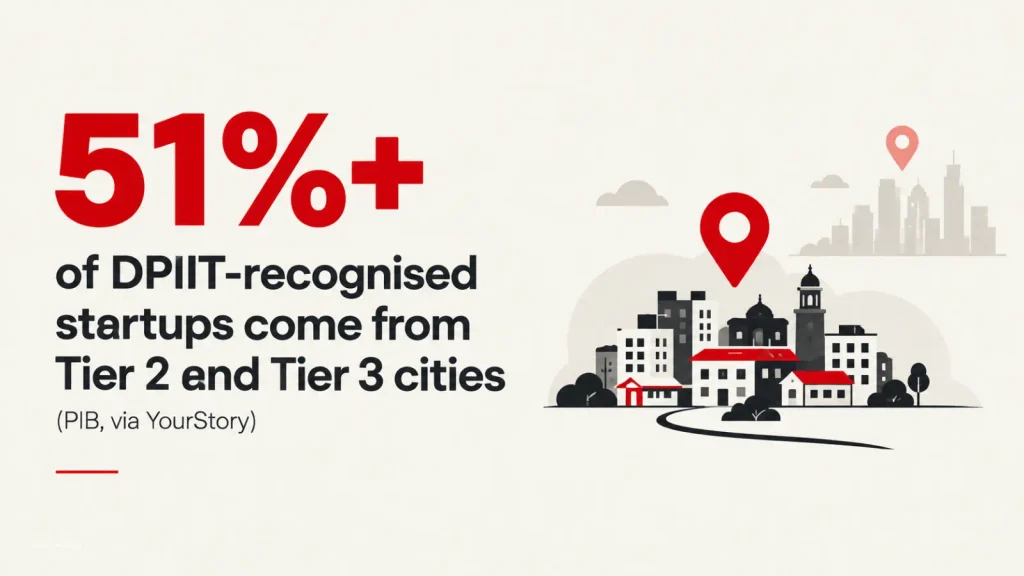
The timing fits the data. The Press Information Bureau has put the share of DPIIT-recognised startups from Tier 2 and Tier 3 cities above 51%, according to YourStory’s reporting. Yet those companies have historically drawn a small slice of venture capital.
Patna has seen community efforts before. Headstart opened a Patna chapter in June 2018 and ran its first Startup Saturday on the basics of starting up. TiE has since inaugurated a Patna chapter too, with MoUs signed with institutions including IIT Patna. ShuruKar’s pitch is narrower on paper: follow one person from a local problem to a first customer.
Bihar’s own push is already running. The Bihar chapter of The Bharat Project, launched through the Bihar Idea Festival, aims to collect 10,000 ideas across the state’s 38 districts. Selected ideas get a shot at pitching for seed funding of up to Rs 10 lakh under the Bihar Startup Policy, plus acceleration support of up to Rs 3 lakh, according to coverage of the festival portal. That coverage also described a ShuruKar AI WhatsApp mentor offering multilingual guidance and help with pitch documents and scheme discovery. Whether it’s the same tool as the AI Copilot announced in Patna isn’t clear yet.
Read More: Startup Valuation in India: Why Your Number Is Probably Wrong (And How Investors Value It in 2026)
Our take: judge it on first customers
ShuruKar looks like an access programme rather than a grant. That’s not a weakness. Most first-time founders in small cities don’t stall for lack of ideas. They stall on the unglamorous parts: registration, compliance, finding the first paying customer.
The real test comes in six months. How many people reach a first customer? Do mentors stay engaged? Do local markets and partners actually open up? Ideas collected is an easy number to hit. Businesses that survive is the one that counts.
If you’re sitting on an idea outside a metro, you don’t need to wait for a portal. Write down one local problem, who pays for it today and how much, then test it with real customers. That groundwork will make you a stronger participant whenever registration opens.
The short version for founders outside the metros
- ShuruKar looks like an access programme rather than a grant: it offers an AI Copilot, mentors and local networks.
- Start now by writing down one district-level problem, who pays for it today, and how much, then test it with real customers.
- Treat the 10 lakh ideas goal as the figure both reports share, and wait for organisers to confirm enterprise numbers and registration steps.
Building outside a metro? Tell us in the comments what’s the hardest part of starting in your district, and share this with someone who has an idea they’ve been sitting on. For more on Indian startup policy, ecosystem moves and founder stories, keep exploring StartupIndiaX.
FAQs
What is ShuruKar?
ShuruKar is a district-level initiative from YourStory’s The Bharat Project, developed with DPIIT and Startup India. It helps young Indians find a local problem, shape a business idea, work with mentors and reach their first customer.
When and where was ShuruKar launched?
It launched on Saturday, 10 October 2026, at Dr. APJ Abdul Kalam Science City in Rajinder Nagar, Patna. Bihar minister Nitish Mishra attended, along with founders, students and young entrepreneurs from across the state.
How does ShuruKar work?
Participants move through four stages: find a real district-level problem, shape the idea with an AI Copilot, build with experienced founder mentors until the first customer, then tap local markets, networks and partners.
Who can join ShuruKar?
Launch coverage describes it as aimed at young Indians and aspiring entrepreneurs, especially those building outside the metros. Formal eligibility rules and a registration process weren’t detailed in the reports reviewed, so check YourStory or The Bharat Project for updates.
Does ShuruKar offer funding?
The reports reviewed don’t describe a ShuruKar grant. The initiative says it won’t seek government funding and works through existing structures. Separately, the Bihar Idea Festival gives selected ideas a shot at pitching for seed funding of up to Rs 10 lakh under the Bihar Startup Policy.
What is the ShuruKar Challenge?
It’s a challenge announced at the Patna launch that invites solutions to some of the country’s most pressing problems. Details on format, eligibility and prizes weren’t available in the launch coverage reviewed.